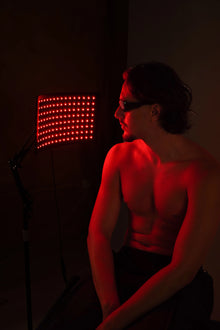


Less light changes more than it seems. When the days get shorter, the body clock receives fewer clear signals, and that can disrupt sleep, energy, and mood. (nigms.nih.gov)
The key is not to force yourself, but to give your body a more predictable routine so that light, schedules, and breaks work in your favor. It also helps to recognize when a winter slump deserves a professional assessment. (nimh.nih.gov)
Red & infrared light
Recover faster, at home
★★★★★ 4,8/5 · rated by verified customers
The KumoLux panel supports muscle recovery with full-body red and infrared light.
- 660 nm red + 850 nm infrared light
- Full-body muscle recovery
- Clinically validated biohacking protocols
€399,00€499,00
−10% on your 1st order when you subscribe to the newsletter

Light and darkness are the most powerful signals for synchronizing the circadian clock.
What happens to your body when daylight hours are missing
The body clock loses its reference points
Light and darkness are the signals that most influence circadian rhythms. In humans, almost all tissues and organs follow a 24-hour cycle, and the brain's master clock uses the light entering through the eyes to coordinate sleep, hormones, appetite, and temperature. When those reference points are missing, the body can end up more out of sync.
Personalized protocol · included with your purchase
Want us to tell you how to use it in your case?
With your purchase, our experts set up your red and infrared light sessions for your sport and goal.
Message us on WhatsAppOur experts reply · no obligation
Melatonin, serotonin, and your sense of energy
The NIMH explains that, in seasonal affective disorder, reduced light may be associated with changes in serotonin and melatonin. In winter that translates, for some people, into more sleep, less energy, poorer concentration, and a general sense of moving more slowly.
It is not a question of attitude. It is a physiological response to less ambient light and a weaker "day mode" signal. (nhlbi.nih.gov)
A quick summary of what the body usually notices
The following table helps you tell apart what changes and why.
on your first order when you join the newsletter
We send you the code instantly. No spam.
| Area | What you may notice | What explains it |
|---|---|---|
| Body clock | You struggle to get going in the morning or feel out of step. | Light and darkness are the signals that most synchronize the body's circadian cycle. |
| Mood | More apathy, irritability, or disinterest. | With less light, serotonin and melatonin can change, something described in seasonal affective disorder. |
| Sleep | Daytime drowsiness or less regular sleep. | Intense artificial light late in the day can delay melatonin and make falling asleep harder. |
| Vitamin D | You spend a lot of time indoors. | The body makes it when skin receives sunlight, but not through a window. (ods.od.nih.gov) |
Not everyone notices the same things or with the same intensity. The NIMH points out that not all symptoms appear in every case.
How to structure your days when there is less light
Structure matters more when light is scarce. A predictable day gives the body clearer reference points than an improvised one.
- Wake up at the same time. Regularity helps the body clock avoid having to guess when the day begins. (nhlbi.nih.gov)
- Seek natural light at the start of the day. As a practical inference, getting outside into daylight soon after waking usually reinforces the day signal your brain uses to coordinate everything else.
- Organize meals and movement. Food and physical activity also influence circadian rhythms, so keeping similar schedules can be more useful than it seems.
- Dim screens and bright light at night. Late artificial light, including the glare of phones and televisions, can interfere with melatonin and make falling asleep harder.
- Keep a short ritual to close the day. Reading, stretching, showering, or laying out tomorrow's clothes reduces mental friction and makes the routine easier to repeat.
If it helps to make the first hour more stable, you can take ideas from a morning routine with red light therapy to start the day with more clarity and calm. Use it as wellness support to organize the start of the day, not as a substitute for a medical assessment.
And if winter also settles into your body, with duller skin or heavier legs, a block of self-care at the end of the day can help. You can expand on that with caring for dull skin and circulation in the cold.
When to seek advice and the signals that call for medical assessment
If the winter slump lasts more than 2 weeks, returns every winter, affects work or study, or comes with isolation, excessive sleep, clear appetite changes, or thoughts of self-harm, it is worth seeking a professional assessment. The NIMH describes seasonal affective disorder as a recurring pattern and notes that winter episodes usually last about 4 to 5 months a year.
- You struggle to get up, concentrate, or keep your routines for several weeks.
- You notice clear changes in sleep, appetite, or weight, especially if they return every winter.
- You withdraw more than usual or lose interest in activities you used to enjoy.
- Thoughts of hurting yourself or that it is not worth going on appear. Seek urgent help.
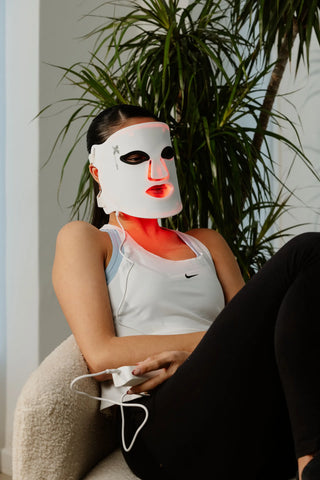
- If you use a wellness panel or LED face mask and have an eye condition or take photosensitizing medication, check with a professional first.
Before bringing any light device into your home, also review the guide to eye safety in red light therapy. It is a good reference for caution, especially if you plan to use any light source regularly.
Frequently asked questions
Why does a lack of light in winter affect my mood and energy, and what changes does it cause in my body?
Because light is a primary signal for the body clock. When it decreases, the body may produce more melatonin and regulate serotonin less well, which for some people translates into more sleep, less energy, apathy, and difficulty concentrating. The NIMH also describes how seasonal affective disorder can come with changes in appetite, withdrawal, and a feeling of moving "in slow motion."
How does natural light regulate our body clock, and what happens when there is less light for weeks?
Natural light helps synchronize circadian rhythms, which last about 24 hours and affect sleep, hormones, appetite, temperature, and alertness. If for weeks you receive less light or change your schedule a lot, your body finds it harder to tell when the day starts and when it is time to wind down. The result can be more irregular sleep, more daytime drowsiness, and a general sense of disorder.
What concrete daily habits can help me structure my days when there is less sunlight?
The most useful ones are usually simple: get up at the same time, expose yourself to light in the morning, keep similar meals each day, move your body regularly, and cut back on screens at night. NIH evidence indicates that light, food, physical activity, and the social environment influence circadian rhythms. It does not have to be perfect; it has to be repeated with enough consistency.
What is seasonal affective disorder and what are the signs to seek professional help?
It is a form of depression with a recurring seasonal pattern. It usually starts in autumn or winter and improves in spring, and the NIMH indicates that episodes typically last about 4 to 5 months a year. It is worth asking for help if symptoms last more than 2 weeks, return every year, affect your daily life, or include hopelessness, isolation, intense sleep changes, or thoughts of self-harm.
How do light exposure and vitamin D influence sleep, concentration, and motivation in winter?
Light acts first through the circadian pathway, because it helps mark the start of the day and coordinate melatonin at night. Vitamin D also comes into play, but with nuances: the body produces it through skin in the sun, not behind glass, and the NIMH notes that studies on supplements in SAD offer mixed results. The ODS itself points out that UV radiation can damage skin, so the strategy should stay cautious.
So what can you do now?
Start with a single anchor: a fixed time, light in the morning, and less brightness at night. These are three simple levers that fit how the circadian clock responds to light and darkness. If you want to go deeper, you can read how to choose an infrared light panel and return to the Kumo Balance website to explore more wellness resources.

Red & infrared light
KumoLux Panel – Red and Infrared LED Panel
★★★★★ 4,8/5 · rated by verified customers
- 660 nm red + 850 nm infrared light
- Full-body muscle recovery
- Clinically validated biohacking protocols
€399,00€499,00· pay in installments with seQura or Klarna