
Winter dulls the skin and weighs on the legs. Cold, dry air, along with indoor heating, promotes water loss in the skin and can make it duller, tighter, or rougher.
At the same time, the body prioritizes core temperature and reduces blood flow to the hands and feet. Therefore, an effective routine must combine immediate hydration, protection from the cold, and regular movement to care for both the skin barrier and microcirculation.
Pressotherapy at home
End the day with light legs
★★★★★ 4,8/5 · rated by verified customers
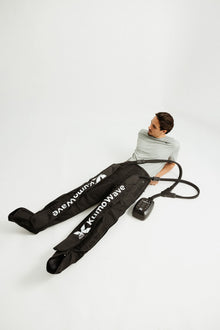
KumoWave pressotherapy boosts circulation and helps drain fluid with sequential compression, in 20-minute sessions at home.
- Boosts circulation and helps drain fluid
- Chamber-based compression, adjustable to you
- Sequential compression that mimics manual drainage
€799,00€999,00
−10% on your 1st order when you subscribe to the newsletter

Why cold dulls the skin and slows circulation
The AAD's guide to skin and cold weather reminds us that dry outdoor air, heating, and sudden temperature changes disrupt the skin barrier. When this barrier weakens, the skin loses water more easily, and a dull appearance emerges sooner.
In winter, the body also reduces blood flow to the hands and feet to conserve heat, so the extremities are the first to suffer. MedlinePlus reminds us of this response to cold, and the NHS points out that in Raynaud's, fingers can change color, become numb, or hurt.
Personalized protocol · included with your purchase
Want us to tell you how to use it in your case?
With your purchase, our experts prepare a personalized usage protocol for your case: sport, circulation, fluid retention, pregnancy or lipedema.
Message us on WhatsAppOur experts reply · no obligation
When damp cold persists, chilblains can also appear—small itchy or painful areas that emerge after cold exposure. In other words, the skin and circulation often signal problems at the same time.
Routine for less dull, more comfortable skin
Gentle cleansing, lukewarm water, and less friction
Mayo Clinic advises showers of 10 minutes or less, lukewarm water, and fragrance-free hypoallergenic cleansers. The idea is simple: less aggression means less water loss and less tightness after bathing.
Hydration that truly seals
If you're looking for a cream that doesn't fall short, the AAD recommends choosing denser creams with ceramides or hyaluronic acid; and the NHS emollient guide adds that ointments with liquid or white paraffin often work very well on very dry skin, especially at night.
on your first order when you join the newsletter
We send you the code instantly. No spam.
What to limit when the barrier is sensitive
The AAD in its winter skin survival kit insists on slowing down with exfoliants and powerful active ingredients during this season, because acids like glycolic or salicylic, or even retinol, can irritate more if the skin is already dry or flaky. It's also advisable not to rub sensitive skin too hard.
Practical chart: what to use depending on what you notice
In summary, the most effective combination usually involves short cleansing, immediate hydration, and denser textures; this is exactly the approach repeated by the AAD, Mayo Clinic, and the NHS in their winter recommendations.
| Situation | What helps | What to avoid |
|---|---|---|
| Tight skin after washing | Thick, fragrance-free cream or ointment right after showering. | Waiting too long to moisturize. |
| Very dry or flaky skin | Ceramides, hyaluronic acid, and emollients with paraffin or petrolatum. | Very light lotions if they are not enough. |
| Sensitive or reactive skin | Simple, fragrance-free routine with fewer steps. | Excessive exfoliating acids and retinol. |
| Exposed lips and hands | Occlusive balm, gloves, and wind protection. | Continuous rubbing and direct cold. |
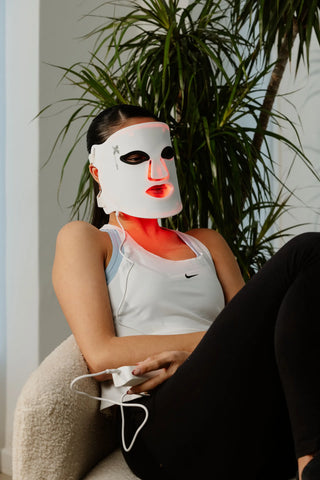
If you want to add an extra step for your face, an LED facial mask like KumoSkin Mask can fit as a complement to winter habits.
How to promote circulation in cold weather
When the temperature drops, the body prioritizes internal heat and reduces blood flow to the extremities. This response explains why hands and feet get cold first, and why color changes, tingling, or heaviness can appear in sensitive people.
- Keep hands and feet well covered with dry layers, gloves, and warm socks. (nhs.uk)
- Move regularly, even with short breaks for walking or flexing ankles and toes; the NHS points out that exercise helps improve circulation.
- Avoid smoking and moderate caffeine if you notice that cold triggers Raynaud-like symptoms or chilblains.
- Gradually rewarm the skin after being out in the cold and avoid direct extreme heat.
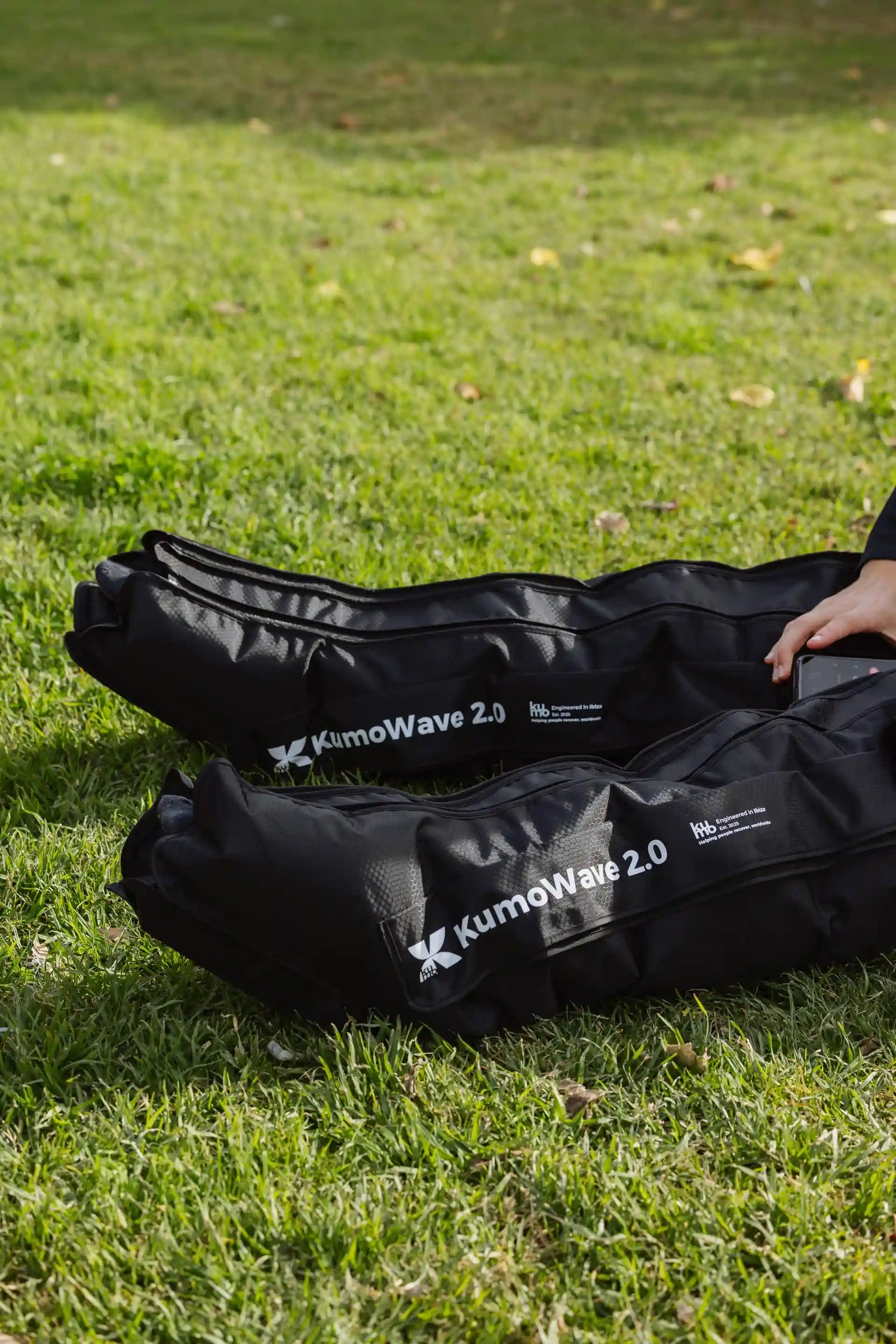
For those who end the day with a feeling of heaviness, KumoWave 2.0 for tired legs can be part of a home rest routine focused on comfort.
Warning signs: when not to wait
Consult a doctor if dryness persists despite self-care, if the skin becomes inflamed, painful, cracks or breaks open, or if areas with scabs, discharge, or infection appear. Mayo Clinic recommends seeking help when dryness persists or interferes with your daily life; for circulation, the NHS advises evaluation if Raynaud's worsens or if chilblains do not improve in 2 to 3 weeks.
It's also important not to normalize numbness, finger discoloration, or pain that appears every time the temperature drops: these are useful clues to talk to a professional and rule out that the cold is uncovering a circulatory problem.
Frequently Asked Questions
How to prevent dull skin in winter and at the same time improve circulation in the extremities?
Start by strengthening the skin barrier and promoting blood flow at the same time: lukewarm water, short showers, thick cream right after bathing, gloves and socks, and breaks to move around if you spend a lot of time sitting. The AAD emphasizes that hydrating right after washing helps seal water into the skin, and the NHS recommends regular exercise to improve circulation and avoid sudden temperature changes.
What products or ingredients are most effective for hydrating dry skin caused by cold without irritating it?
Look for fragrance-free creams or ointments with ceramides and hyaluronic acid, as they usually provide more comfort than a light lotion. If the skin is very dry, emollients with paraffin or petrolatum may work better, especially at night. Mayo Clinic and the AAD also recommend avoiding highly perfumed formulas and reducing harsh exfoliants when the skin barrier is sensitized.
What daily habits help keep skin healthy and at the same time promote better circulation in very cold weather?
The most beneficial actions are simple, repetitive gestures: dressing in layers, covering hands and feet, keeping your home at a comfortable temperature, walking or moving ankles and toes several times a day, and avoiding tobacco or excessive caffeine if you notice that cold triggers your symptoms. The NHS indicates that exercise helps circulation and that tobacco and caffeine can worsen Raynaud's or blood flow in the fingers and toes.
What warning signs indicate that cold is affecting the skin and circulation, and when should a professional be consulted?
Pay attention to persistence and color changes: very dry skin that doesn't improve, pain, inflammation, cracks, open areas, intense itching, white or blue fingers, numbness, or chilblains that last more than 2 or 3 weeks. Mayo Clinic recommends consulting if dryness doesn't subside or wounds or infection appear, and the NHS suggests evaluation if Raynaud's worsens or if chilblains don't improve well.
What now?
If you want to turn these tips into a real routine, revisit Kumo Balance's proposal and explore at-home pressotherapy if your priority is the feeling of heavy legs.
KumoWave pressotherapy
Choose your at-home pressotherapy
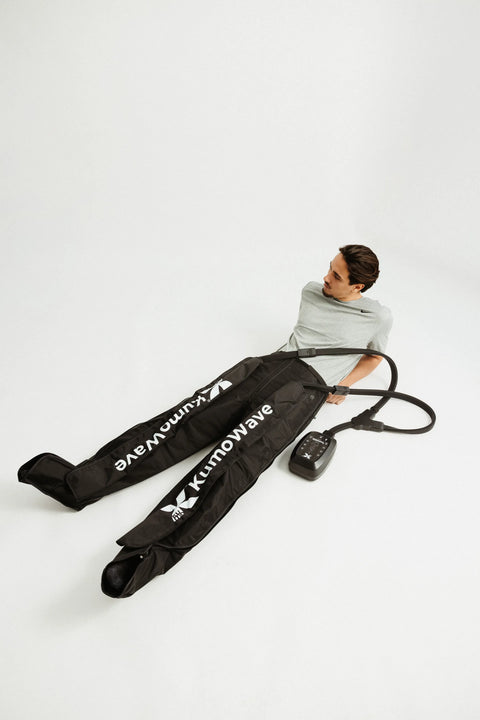
KumoWave Elite – Pressotherapy Pants
Full-coverage trousers. Ideal for lipedema, fluid retention and intensive use.
€799,00 €999,00
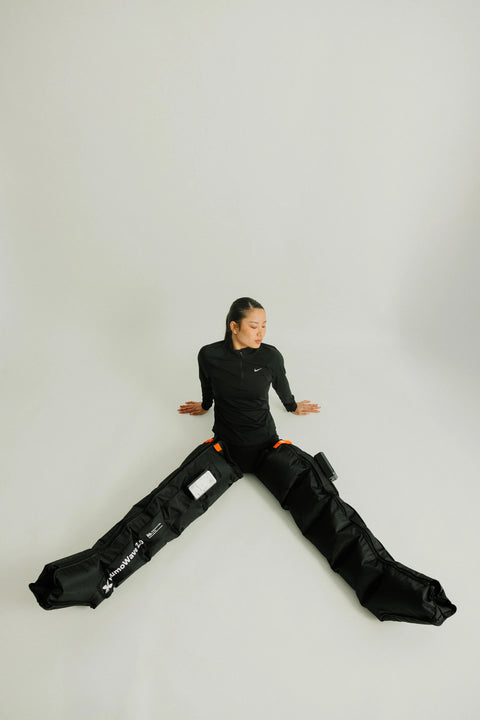
KumoWave 2.0 - Wireless Pressotherapy
Wireless, lightweight boots. Perfect for daily use and recovery.
€499,00 €599,00