Venous insufficiency can be felt. When the valves in the veins don't close properly, blood accumulates in the legs, leading to symptoms like heaviness, swelling, itching, and skin changes. Small daily changes often help more than expected, especially if consistently maintained.
The key is not to create a perfect plan, but a realistic one: move, elevate your legs, manage your weight, protect your skin, and use compression only when appropriate. In practice, this usually translates to less discomfort at the end of the day and better tolerance for daily routines.
Pressotherapy at home
End the day with light legs
★★★★★ 4,8/5 · rated by verified customers
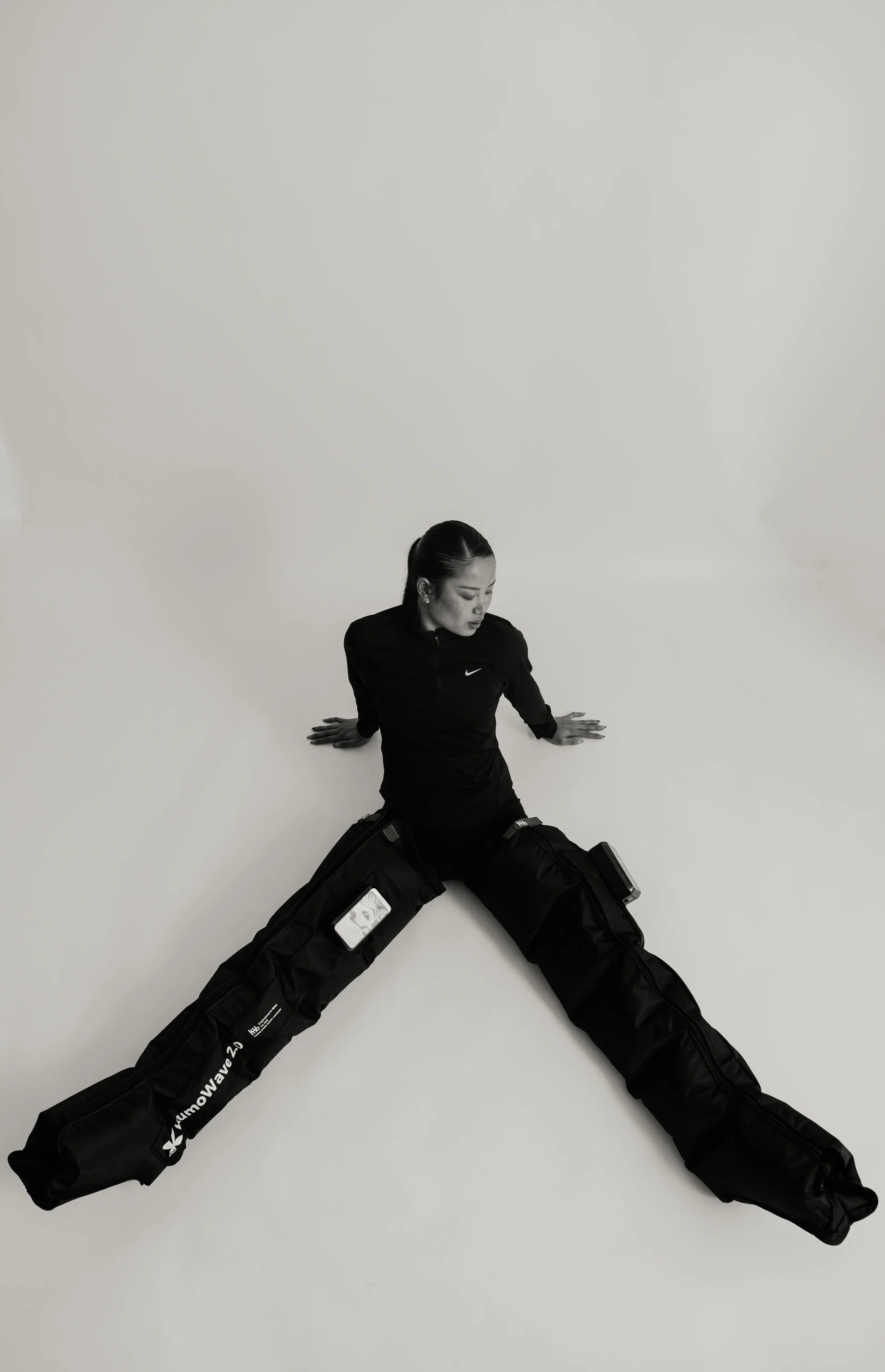
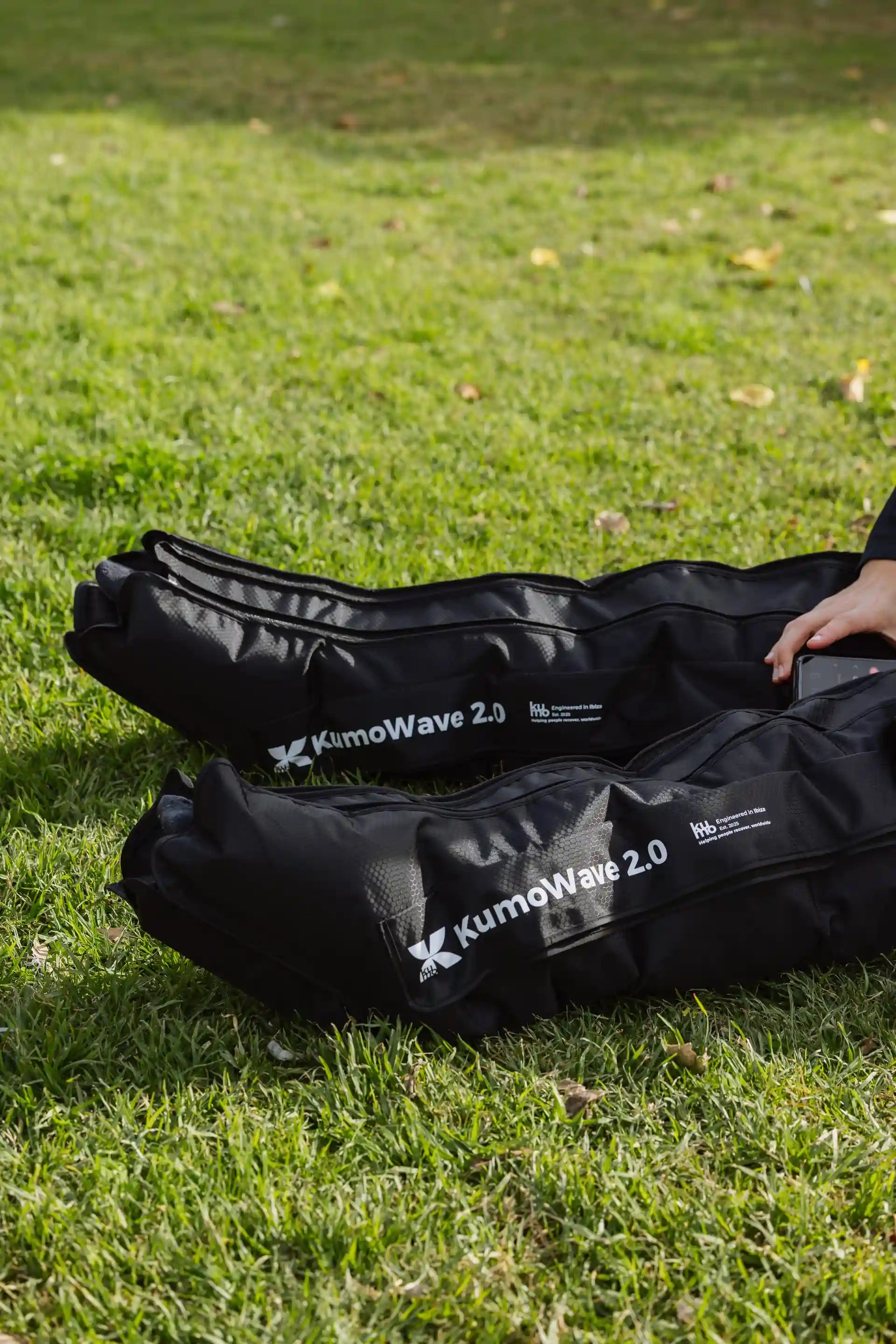
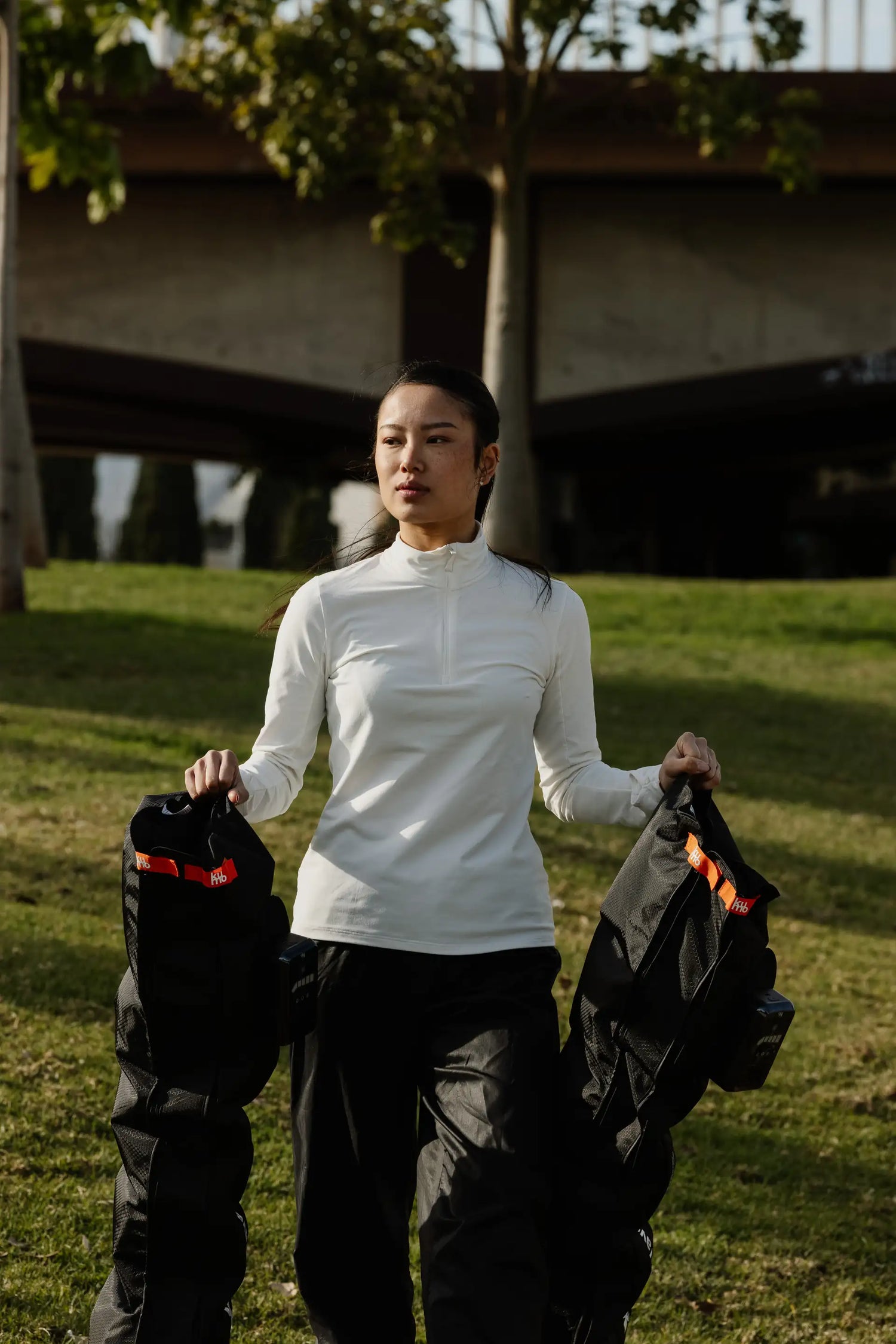
KumoWave pressotherapy boosts circulation and helps drain fluid with sequential compression, in 20-minute sessions at home.
- Boosts circulation and helps drain fluid
- Chamber-based compression, adjustable to you
- Sequential compression that mimics manual drainage
€799,00€999,00
−10% on your 1st order when you subscribe to the newsletter

What's happening in your legs
Chronic venous insufficiency occurs when the return of blood to the heart becomes less efficient. The valves in the veins stop closing properly, blood flows backward, and pressure inside the legs increases. Over time, this can lead to varicose veins, edema, darker skin, or venous ulcers.
In practice, clinical recommendations are quite consistent. The NHS guide on varicose veins and self-care, Cleveland Clinic's clinical review on chronic venous insufficiency, and Mayo Clinic's recommendations for varicose veins all agree on walking, elevating the legs, managing weight, and avoiding long periods of inactivity.
Personalized protocol · included with your purchase
Want us to tell you how to use it in your case?
With your purchase, our experts prepare a personalized usage protocol for your case: sport, circulation, fluid retention, pregnancy or lipedema.
Message us on WhatsAppOur experts reply · no obligation
To put the problem into perspective, NCBI Bookshelf's clinical summary estimates that by 2025, between 10% and 35% of adults in the United States may have chronic venous insufficiency, though the figure varies depending on diagnostic criteria.
Factors such as a history of deep vein thrombosis, pregnancy, overweight, and jobs involving long hours of standing also play a role. The NHS and Cleveland Clinic list these among the factors that increase the likelihood of developing venous disease.
It's worth remembering that these habits relieve symptoms but do not repair a damaged valve on their own. Cleveland Clinic emphasizes that the condition cannot be fully reversed, but it can be better managed with lifestyle changes and compression.
on your first order when you join the newsletter
We send you the code instantly. No spam.
Simple habits that do add up
1. Walk daily and move your ankles
Walking activates the calf muscle pump, which pushes blood upward and aids venous return. The ESVS 2022 guidelines recommend considering exercise to reduce venous symptoms, and both the NHS and Mayo Clinic identify walking as one of the most helpful measures. If you spend a lot of time sitting, flex and extend your ankles several times a day. (esvs.org)
2. Elevate your legs frequently
Raising your legs above heart level reduces pressure in the veins and can decrease swelling. Cleveland Clinic suggests doing this for 30 minutes or more, at least three times a day; Mayo Clinic recommends short breaks with elevated legs, and the NHS advises resting them whenever possible.
3. Don't stay still for too long
Standing or sitting for long periods hinders venous return. The NHS recommends avoiding long hours of standing and also sitting for extended periods without elevating your feet. If your job requires you to stay still, try to incorporate micro-breaks, changes in posture, and short walks.
4. Manage your weight and daily diet
Excess weight increases pressure on the veins and can damage the valves. Mayo Clinic and Cleveland Clinic include weight management among the basic management habits, and the NHS lists it as a supportive measure. Additionally, reducing excess salt can help limit fluid retention and the sensation of swollen legs.
5. Protect the skin on your legs
Dry or fragile skin easily becomes irritated when venous circulation is compromised. The NHS advises using moisturizer if there is itching, dryness, or flaking, and Cleveland Clinic emphasizes keeping the skin clean and hydrated to reduce cracks and infections. Avoid scratching and monitor any persistent color changes.
6. Use compression wisely
Compression can relieve swelling and discomfort, but it's not for everyone. The NHS indicates that compression stockings are not suitable if there are arterial flow problems, and that they should be worn during the day and removed before bed. Cleveland Clinic adds that, if peripheral arterial disease is present, compression requires caution and professional supervision.
The SCAI 2025 guidelines suggest compression versus no compression for symptomatic varicose veins or chronic venous insufficiency, though with low certainty of evidence; in other words, it can help, but individualization remains important. (pmc.ncbi.nlm.nih.gov)
What to avoid
- Don't smoke, as tobacco damages veins and hinders circulation.
- Don't spend hours standing or sitting without moving, unless you can elevate your feet.
- Don't use compression stockings without assessment if you suspect arterial disease.
- Don't ignore very tight clothing or high heels if you notice they worsen heaviness.
- Don't wait for a wound to appear before seeking help if symptoms are already escalating.
The SVS/AVF/AVLS 2023 guidelines also consider weight management, compression, and avoiding prolonged standing beneficial, while ESVS 2022 suggests considering exercise to reduce venous symptoms. (pmc.ncbi.nlm.nih.gov)
Practical table to organize your routine
The following summary converts recommendations into concrete daily actions.
| Time | What to do | Why it helps |
|---|---|---|
| In the morning | Do a few minutes of ankle mobility and start with a short walk. | Activates the calf pump and promotes upward blood flow. |
| During work | Don't chain hours without moving; change posture and, if possible, elevate your feet during breaks. | Avoiding long periods of immobility reduces blood accumulation in the legs. |
| At the end of the day | Elevate your legs above your heart for a while. | Can lower venous pressure and swelling. |
| If using compression | Wear it during the day, follow the indicated size, and remove it before sleeping. | Compression can help, but requires proper assessment if arterial disease is present. |
If this seems like too much, start with the basics: walk a little more, elevate your legs when you can, and break up long periods of inactivity. From there, add one new habit each week, and you'll find it much easier to maintain.
How pressotherapy can fit into a supportive routine
As a wellness support, pressotherapy can fit into a sequential compression routine, but it does not replace medical assessment when there are persistent symptoms or signs of complications. If you want guidance, start with what pressotherapy is.
Then, how to support venous return with pressotherapy and a home starter guide will help you integrate this routine prudently and without losing sight of the essentials: movement, rest, and clinical follow-up when necessary.
When to seek medical evaluation
There are signs that should no longer be monitored at home. Consult if pain, swelling, or color changes progress, if a wound that doesn't heal in two weeks appears, or if a vein bleeds. If there is also warmth, redness, or sudden pain in the calf, assessment should be prompt.
- Seek attention if you notice an ulcer, a worsening skin patch, or increasing discomfort.
- Seek urgent attention if there is bleeding, sudden swelling, or pain with warmth and redness.
- If a study is proposed, venous duplex helps confirm the problem and guide treatment.
If symptoms persist or worsen, a professional may request a venous duplex and consider options such as sclerosis, endovenous ablation, or surgery. This does not mean the problem is inherently serious, but rather that it warrants a more precise look.
Frequently Asked Questions
Does walking every day really help if I have venous insufficiency?
Yes, it usually helps. The reason is mechanical: each step activates the calf pump and pushes blood upward. You don't need to train hard; the important thing is to distribute movement throughout the day and avoid long periods of immobility. Recent clinical guidelines also include exercise among useful measures to reduce symptoms. If you experience disproportionate pain or significantly worsening swelling when walking, a medical evaluation is advisable.
Are compression stockings worn all day?
They are usually worn during the day and removed before bed, unless otherwise instructed. They must fit well, as an inappropriate size can be uncomfortable or ineffective. Furthermore, they are not suitable for everyone: if peripheral arterial disease exists or there are doubts about arterial circulation, it should be consulted first. Well-chosen compression can help with heaviness and swelling, but should not be used blindly.
What habits worsen venous circulation in the legs?
What most worsens symptoms is usually prolonged standing or sitting, smoking, and being overweight. It can also be more noticeable when you string together days with little activity or when clothing is tight around the waist or legs. It's not about living restricted, but about breaking up those long periods of immobility with small active breaks and simple movements.
When should I make an appointment for varicose veins or venous insufficiency?
You should make an appointment if pain, heaviness, itching, swelling, or skin changes appear, and even more so if there is a wound that doesn't heal in two weeks. Urgency increases if the vein bleeds, if the leg is warm and red, or if pain appears suddenly. In these cases, a medical evaluation helps rule out complications and decide if tests like a venous duplex are needed.
Can pressotherapy help if I have heavy legs?
Pressotherapy can be a comfortable complement within a wellness routine, but it does not replace medical evaluation or basic measures such as walking, elevating the legs, or using professionally indicated compression. If you have arterial disease, significant pain, or wounds, it's best to consult first. Its role is to add comfort, not to substitute a clinical indication.
What now?
Start with the basics: walk a little more, elevate your legs when you can, and avoid spending too much time still. If you want to add a sequential compression routine at home, explore the home pressotherapy collection and return to the Kumo Balance homepage to see how it fits into a broader recovery routine.
KumoWave pressotherapy
Choose your at-home pressotherapy
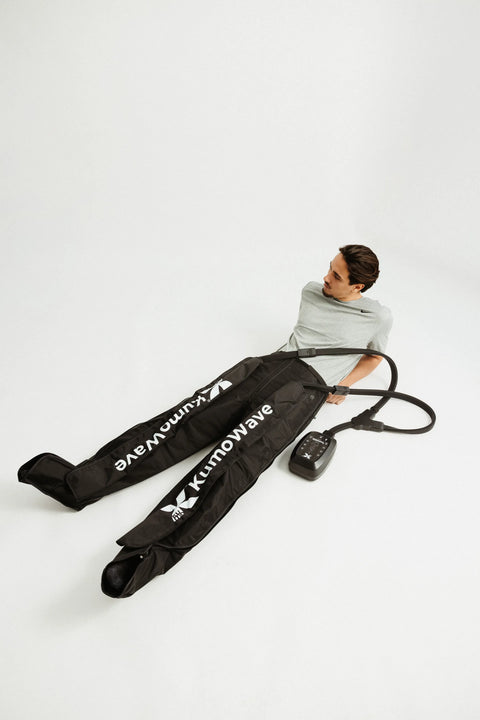
KumoWave Elite – Pressotherapy Pants
Full-coverage trousers. Ideal for lipedema, fluid retention and intensive use.
€799,00 €999,00

KumoWave 2.0 - Wireless Pressotherapy
Wireless, lightweight boots. Perfect for daily use and recovery.
€499,00 €599,00