Not all tingling is circulatory. (medlineplus.gov)
But when it appears along with cold, heavy, swollen, or discolored legs, circulation may be involved. In peripheral artery disease (PAD), the NHLBI describes symptoms such as pain, cramping, numbness, and pins and needles sensations, and the CDC estimates that about 6.5 million people aged 40 or older in the United States live with peripheral artery disease. (nhlbi.nih.gov)
Pressotherapy at home
End the day with light legs
★★★★★ 4,8/5 · rated by verified customers
KumoWave pressotherapy boosts circulation and helps drain fluid with sequential compression, in 20-minute sessions at home.
- Boosts circulation and helps drain fluid
- Chamber-based compression, adjustable to you
- Sequential compression that mimics manual drainage
€799,00€999,00
−10% on your 1st order when you subscribe to the newsletter

The key is the pattern. If the tingling worsens when walking and subsides when stopping, it is more likely due to an arterial cause; if it appears after standing for a long time and improves when elevating the legs, it points more to a venous cause. Additionally, the NHLBI notes that only about 1 in 4 people with PAD experience typical symptoms and nearly 1 in 5 notice none, so not having pain does not rule out a vascular problem.
How to distinguish a circulatory cause from a neurological cause
Venous insufficiency often causes heavy legs, swelling, itching, cramps, and also tingling; MedlinePlus adds that the pain worsens when standing and improves when elevating the legs. For many people, this detail is the most useful clue. (medlineplus.gov)
Personalized protocol · included with your purchase
Want us to tell you how to use it in your case?
With your purchase, our experts prepare a personalized usage protocol for your case: sport, circulation, fluid retention, pregnancy or lipedema.
Message us on WhatsAppOur experts reply · no obligation
When the problem is arterial, different signs appear: one foot colder than the other, pale or bluish skin, weak pulses, slow-healing wounds, and pain or heaviness when walking. The CDC also describes peripheral artery disease as a problem of narrowing or blockage of the arteries that reduces blood flow to the legs.
If the cause is neurological, the story changes: a maintained posture, a lumbar injury, a herniated disc, sciatica, or peripheral neuropathy can cause tingling, burning, or loss of sensation in the leg or foot. MedlinePlus explains that numbness and tingling can result from nerve compression or a problem in the lower back.
In cases of heaviness or slow venous return, compression is often part of conservative support; that's why it's worth understanding how pressotherapy can support venous return and how it differs from a lymphatic drainage approach.
on your first order when you join the newsletter
We send you the code instantly. No spam.
Quick guide for orientation
| Clue | Most compatible with | What usually accompanies it |
|---|---|---|
| Worsens when walking and subsides when stopping | Arterial | Cramp, coldness, exertional pain, pale or bluish foot. |
| Worsens after standing for a long time and improves when elevating the legs | Venous | Heaviness, swelling, itching, tired legs, and tingling. |
| Appears after crossing legs, poor posture, or lower back pain | Nervous or postural | Brief numbness, “pins and needles”, sciatica, or nerve compression. |
| One leg swells, becomes warm or red | Urgent: possible thrombosis | Pain, tenderness, and need for prompt attention. (cdc.gov) |
If the tingling is repetitive, lasts a long time, or has no clear cause, the NHS recommends consulting when the tingling persists or returns frequently; MedlinePlus adds that tingling in the legs that worsens when walking or is associated with other symptoms warrants evaluation.
What other non-circulatory causes are there
Not all leg tingling is vascular. It can be due to a nerve injury or compression in the lower back, prolonged posture, sciatica, peripheral neuropathy, or diabetes. MedlinePlus reminds us that numbness and tingling often occur when a nerve is compressed or when there is a lower back problem, and peripheral neuropathy often begins in the feet with burning, loss of sensation, or pins and needles sensations.
Therefore, it is convenient to look at the whole picture: if there is also lower back pain, weakness, loss of sensation, or symptoms that rise from the feet, the neurological clue gains weight. If, on the other hand, coldness, change in color, or poor tolerance to exertion dominates, the circulatory suspicion increases.
When to seek medical help immediately
Act quickly if tingling appears suddenly along with weakness, difficulty speaking, altered vision, or loss of control of a leg or arm: MedlinePlus and Mayo Clinic consider these symptoms compatible with a neurological emergency.
Urgent attention is also advised if a single leg swells, becomes painful, red, or warm, or if shortness of breath or chest pain appears, because the CDC describes this picture as a possible deep vein clot or pulmonary embolism.
And if what you notice is pain when walking, coldness of the foot, or non-healing wounds, do not normalize it: in peripheral arterial disease, these signs may indicate that less blood is reaching than necessary.
What you can do while waiting for an evaluation
- Note when the tingling appears, how long it lasts, and whether it improves with walking, rest, or leg elevation. This small record helps a lot to differentiate venous, arterial, or neurological patterns.
- If the discomfort comes with heavy or swollen legs, elevate your legs for a few minutes and avoid spending too much time standing still. MedlinePlus indicates that venous pain usually improves by elevating the legs.
- If you have been sitting for a long time or crossing your legs, change your posture and walk a bit: the NHS explains that tingling usually appears when the blood supply to the nerves is temporarily cut off and improves by relieving the pressure.
- Do not use compression as a substitute for a diagnosis if you suspect an arterial problem or thrombosis. Compression can help with certain venous problems, but the cause must first be distinguished. (nhlbi.nih.gov)
When the discomfort leans more towards heaviness, edema, or slow venous return, it can be useful to better understand support and recovery mechanisms; in this context, you might also be interested in the role of lymphatic drainage and at-home pressotherapy options.
Frequently Asked Questions
Does leg tingling always mean poor circulation?
No. Many times it is due to a maintained posture, nerve compression, a lumbar injury, or peripheral neuropathy. Numbness and tingling can occur when a nerve is compressed or when there are lower back problems; therefore, context matters more than the isolated symptom. If there is also weakness, pain when walking, or skin changes, the circulatory hypothesis gains weight.
What symptoms are more indicative of an arterial cause?
The most typical are pain or cramping when walking, a feeling of heaviness in the leg, coldness of the foot, pale or bluish skin, weak pulses, and slow-healing wounds. The NHLBI also includes the "pins and needles" sensation among the possible symptoms of peripheral artery disease. If this pattern appears, it warrants medical evaluation, not just rest.
What is the difference between a venous and an arterial cause?
In venous causes, heaviness, swelling, itching, and worsening when standing usually dominate; elevating the legs usually provides relief. In arterial causes, on the other hand, exertion triggers pain and rest improves it. This difference in behavior is a very useful clue for guiding the consultation, although it does not replace a medical examination.
When should I go to the emergency room for tingling in one leg?
If tingling appears suddenly along with weakness, difficulty speaking, blurred vision, loss of control of the leg, or a severe headache, it could be a neurological emergency. You should also act quickly if a single leg swells, becomes warm or red, or if there is shortness of breath or chest pain, as this may be consistent with a clot.
Can compression help if I have heavy legs?
It can help in some venous conditions, especially when there is heaviness, edema, or varicose veins, because compression can alleviate symptoms such as pain, swelling, and tired legs. However, it should not be used to "mask" a possible thrombosis or arterial disease without diagnosis. If the tingling is new or accompanied by coldness, wounds, or pain when walking, the priority is to get evaluated.
What now?
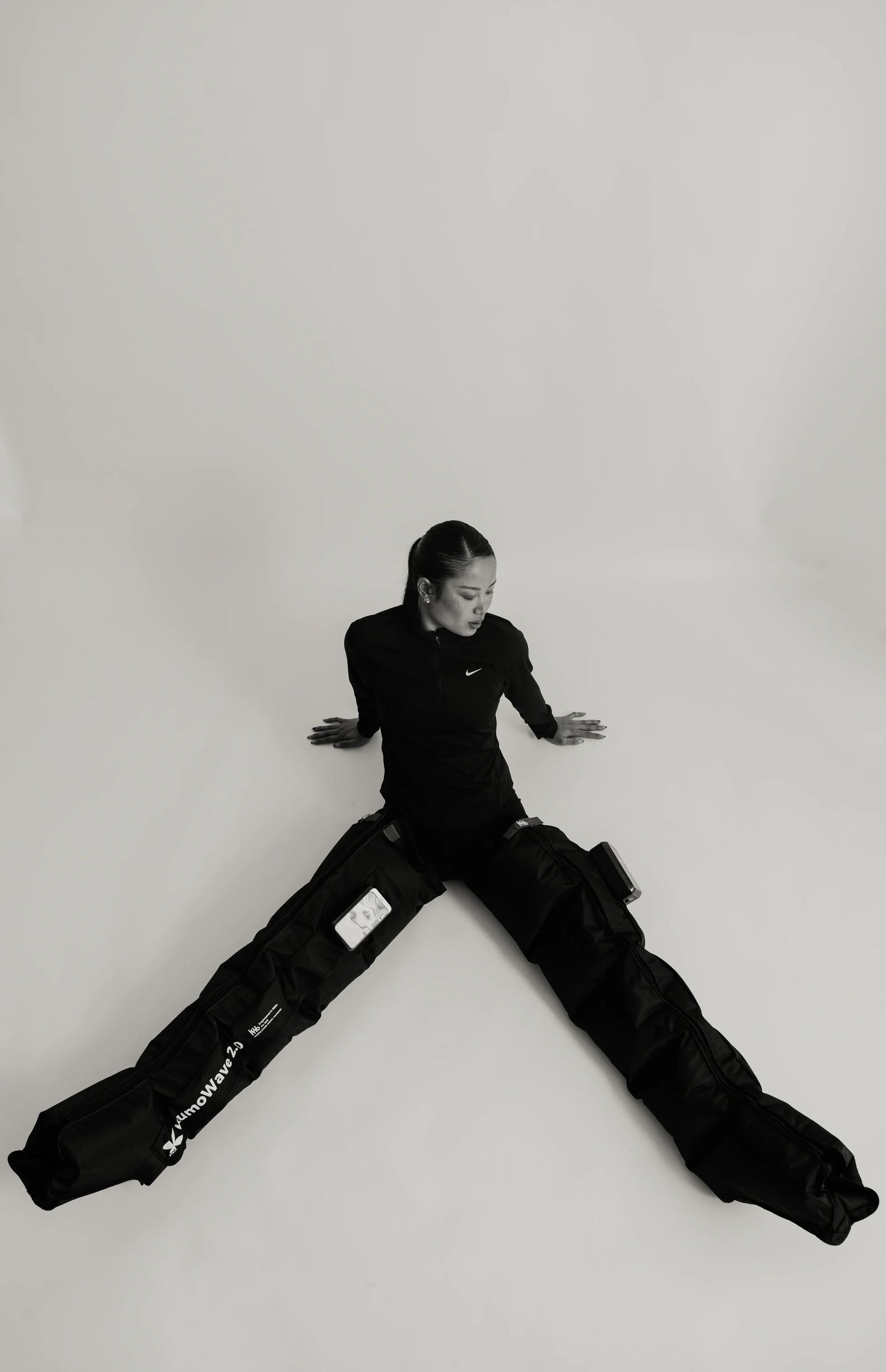
If the tingling is recurrent, accompanied by heaviness, or changes with posture, it deserves a medical evaluation to determine if we are talking about circulation, nerves, or both. In the meantime, you can explore KumoWave 2.0, review the at-home pressotherapy collection, or return to Kumo Balance to see how recovery fits into your routine.
KumoWave pressotherapy
Choose your at-home pressotherapy
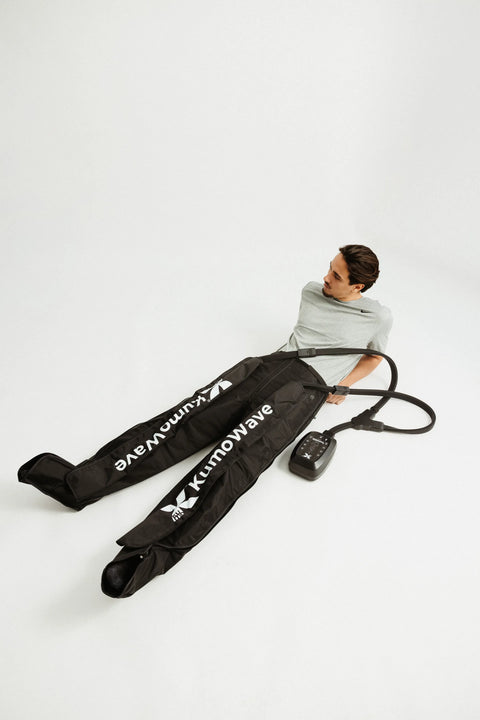
KumoWave Elite – Pressotherapy Pants
Full-coverage trousers. Ideal for lipedema, fluid retention and intensive use.
€799,00 €999,00

KumoWave 2.0 - Wireless Pressotherapy
Wireless, lightweight boots. Perfect for daily use and recovery.
€499,00 €599,00