
The answer depends on the phase of the injury. Simply put, cold is usually better when there is acute pain, recent inflammation, or swelling, while heat helps more when stiffness, contracture, or persistent tendon pain without clear edema predominates. NIAMS and Mayo Clinic guidelines agree that heat should not be used immediately after an injury and that ice is usually the first option in early stages.
If you want to get it right without overcomplicating things, think like this: cold to soothe and contain, heat to relax and prepare. The key is not to apply heat too early when the area is still reacting with inflammation, as this can increase swelling and worsen the discomfort.
Red & infrared light
Recover faster, at home
★★★★★ 4,8/5 · rated by verified customers
The KumoLux panel supports muscle recovery with full-body red and infrared light.
- 660 nm red + 850 nm infrared light
- Full-body muscle recovery
- Clinically validated biohacking protocols
€399,00€499,00
−10% on your 1st order when you subscribe to the newsletter

Quick Answer: What to Use When
If the area is hot, swollen, or just injured, choose cold. If stiffness, spasm, or stable pain without clear edema predominates, choose heat. That's the most useful rule to avoid making mistakes at home. The NIAMS guide on sports injuries recommends ice in the initial phase and warns that heat should not be used immediately; the AAOS infographic adds that heat can increase inflammation at first.
- First hours or days: Use cold if there is recent pain, swelling, or bruising. In practice, many home protocols work with a 24 to 48-hour window, and NIAMS even suggests that heat can be reserved for later, up to 72 hours in their self-care guidelines.
- When inflammation subsides: Use heat if you notice stiffness, tightness, or persistent muscle pain. Mayo Clinic explains that heat stimulates blood flow and can relax the muscles around the tendon.
- If the pain is severe or there is deformity: Stop the activity and seek medical evaluation. NIAMS indicates consulting if there is severe pain, significant bruising, inability to bear weight, or visible deformity.
When to Use Cold
Acute Injuries, Swelling, and Bruising
Cold is the most useful tool when the injury is recent: a sprain, a contusion, a strain, or a sudden irritation of a tendon. NIAMS recommends ice for minor injuries within the HICER method, and AAOS suggests starting it as soon as possible to help control pain and edema. In this phase, the goal is not to "heal faster" by itself, but to reduce the initial reaction so that the area better tolerates rest and subsequent rehabilitation.
Personalized protocol · included with your purchase
Want us to tell you how to use it in your case?
With your purchase, our experts set up your red and infrared light sessions for your sport and goal.
Message us on WhatsAppOur experts reply · no obligation
How to Apply it Safely
The most practical way is to apply a cold compress for 15 to 20 minutes, with a cloth or towel between the ice and the skin. Mayo Clinic recommends 15 or 20 minutes every 4 to 6 hours after a sudden tendon injury, and AAOS advises not to exceed 20 minutes per session to avoid cold injury. If the skin turns very white, if intense numbness appears, or if the pain increases instead of subsiding, you should stop.
When to Use Heat
Stiffness, Contracture, and Persistent Tendon Pain
Heat is better when the area is no longer in the full inflammatory phase and stiffness predominates. Mayo Clinic notes that, in tendinopathy or tendinosis, heat can be more useful for constant tendon pain because it promotes circulation and relaxes nearby muscles. This usually translates into a better sensation of mobility before doing gentle stretches, mobility exercises, or physical therapy work. Mayo Clinic's answer on tendinitis summarizes it well: cold if the tendon has just been irritated, heat if the discomfort is already more stable and there is no marked swelling.
How to Apply it Safely
Heat should feel warm, not too hot. The AAOS infographic recommends avoiding it on swollen, bruised, or open wound areas, and also if heat sensitivity is reduced or there is poor circulation. A range of 15 to 20 minutes is usually enough to notice relaxation without irritating the skin. If the area becomes excessively red or the throbbing sensation increases, the heat source should be removed. (orthoinfo.aaos.org)
on your first order when you join the newsletter
We send you the code instantly. No spam.
Cold or Heat Depending on the Type of Discomfort
Practical Summary in a Table
| Situation | Best Option | What to Avoid | Key Idea |
|---|---|---|---|
| Acute injury with swelling or bruising | Cold | Heat in the first hours or days | Ice helps contain the initial reaction and edema. |
| Morning stiffness, contracture, or muscle tension | Heat | Applying it if the area is still very inflamed | Heat promotes relaxation and prepares the tissue for better movement. |
| Tendinopathy or persistent tendon pain | Heat, if no acute flare-up | Assuming it always needs cold | Mayo Clinic distinguishes between sudden injury and constant tendon pain. |
| Soreness or post-workout muscle pain | Cold or heat, depending on tolerance | Believing that one option fits all | Evidence shows pain relief, but not a universal solution. (pubmed.ncbi.nlm.nih.gov) |
What the Evidence Says About Muscle Recovery
The evidence is not identical for all conditions. A review published in PubMed noted that clinical support for cryotherapy after acute musculoskeletal injuries remains limited, and a 2021 meta-analysis of 32 randomized controlled trials observed that cold and heat could reduce DOMS pain when applied within the first hour after exercise, although the overall quality of the studies was limited. In other words: they are primarily useful for relieving symptoms, not for replacing diagnosis or rehabilitation. (pubmed.ncbi.nlm.nih.gov)
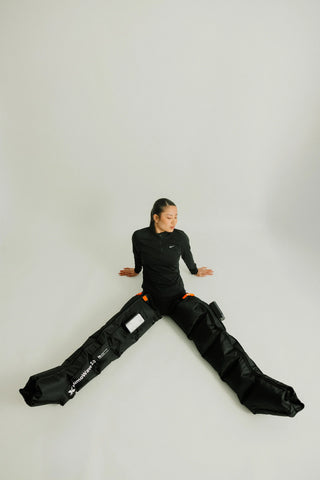
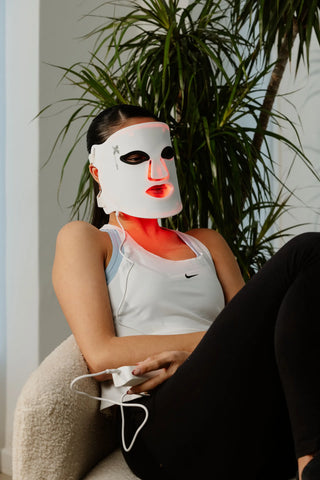
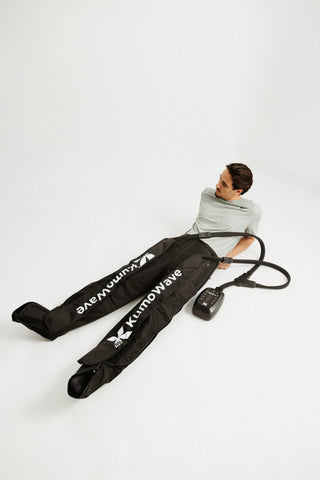
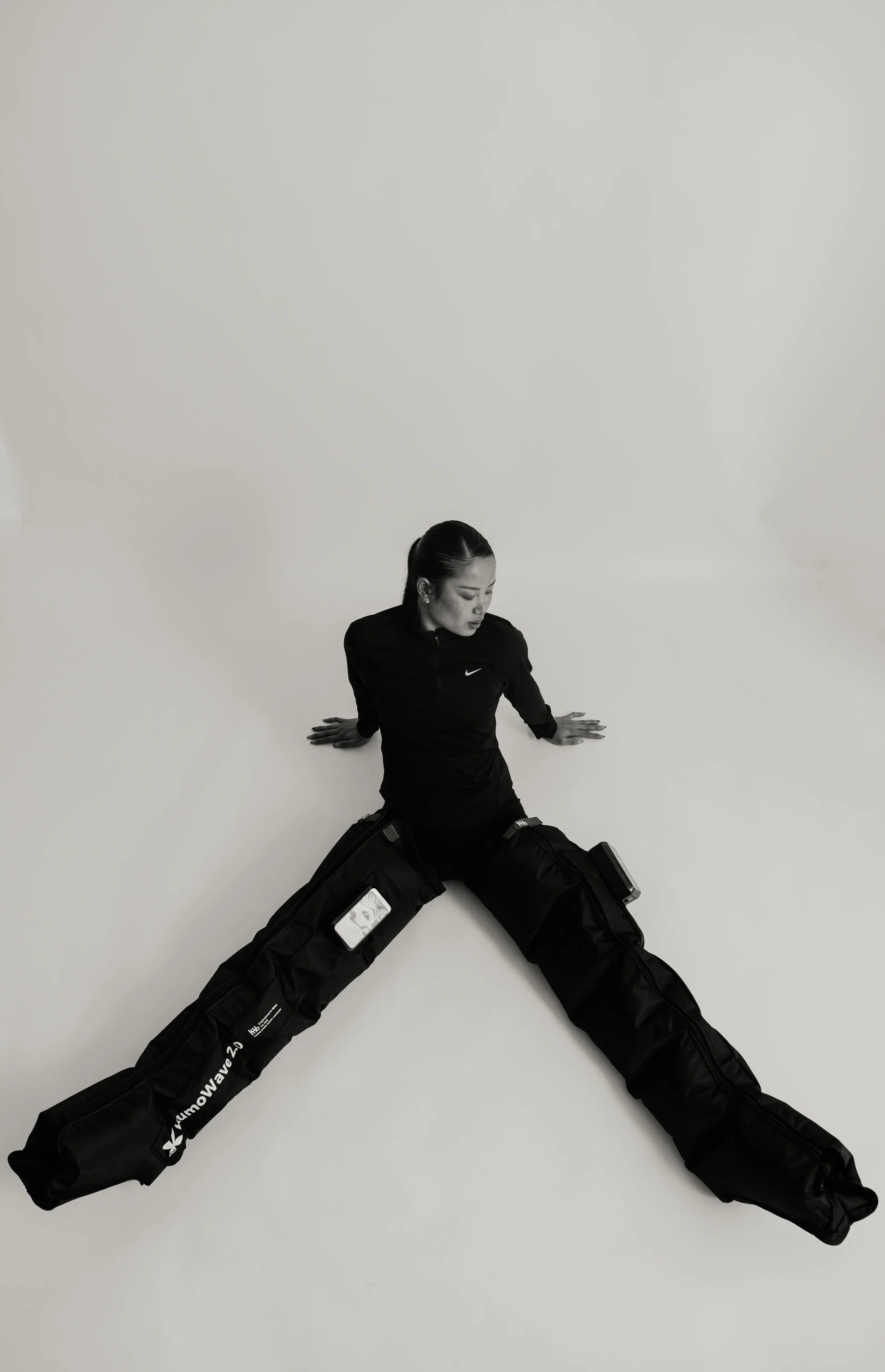
Complete recovery also depends on how you gradually return to loading the tissue. NIAMS reminds us that rehabilitation programs usually include exercise and other therapies to regain strength and range of motion, as well as reduce the likelihood of relapse. If you want to add supportive tools to your routine, you can review how presotherapy and lymphatic drainage and red light therapy for muscle recovery complement each other. These are complementary approaches, designed to coexist with rest, mobility, and progressive loading.
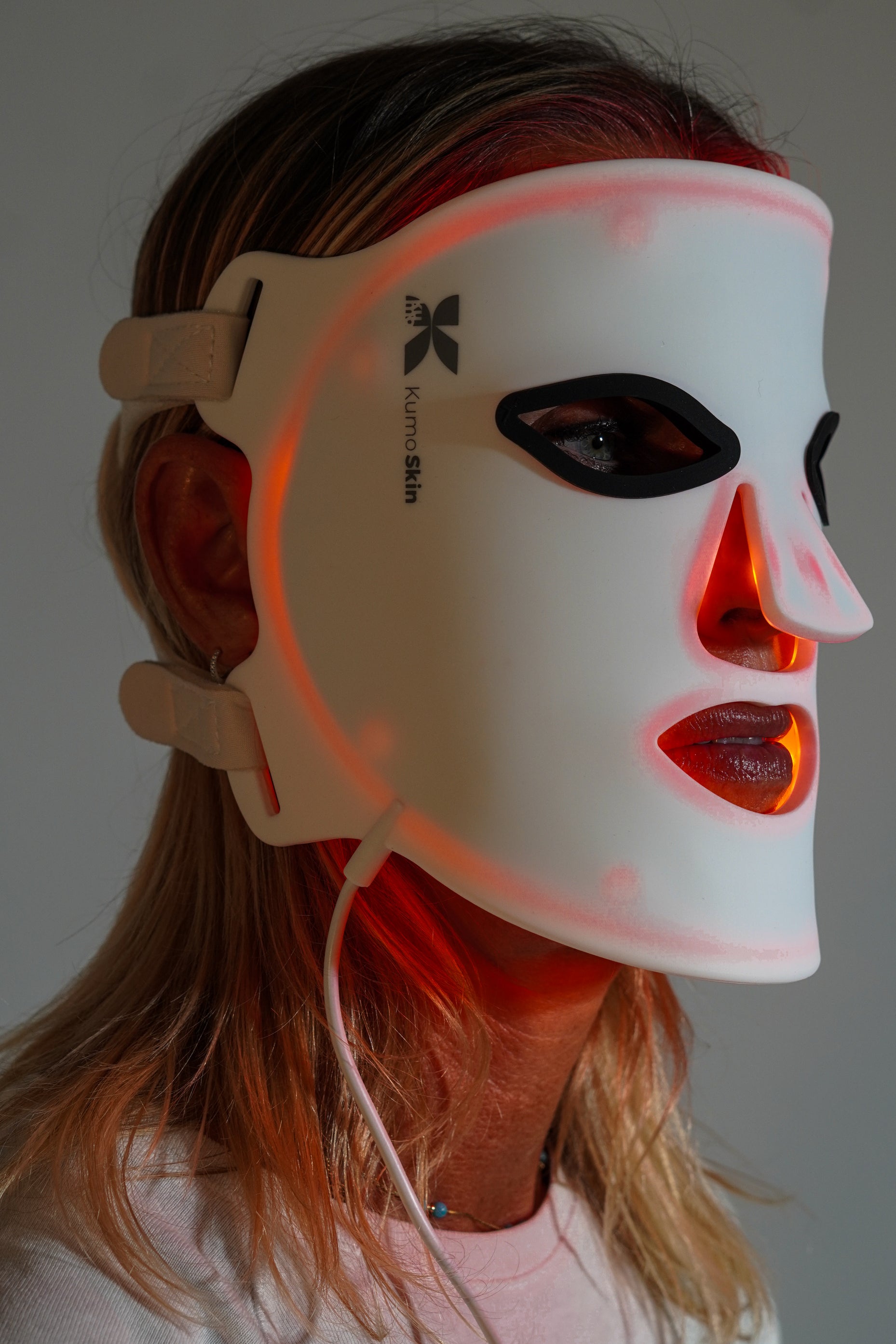
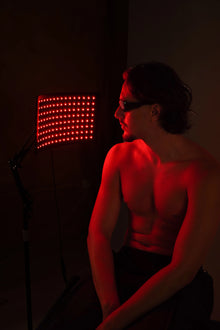
For a specific reference on home photobiomodulation, the KumoLux panel shows how red and infrared light can be integrated into a home recovery routine.
Common Mistakes and Warning Signs
Good judgment prevents more problems than it solves. These are the most common mistakes when using cold or heat at home:
- Applying heat to a recent injury, as it can increase swelling instead of calming it.
- Putting ice directly on the skin for too long, which increases the risk of cold injury.
- Using heat on an area that is still red, hot, or visibly inflamed.
- Continuing to "train through the pain" when the discomfort appeared during a specific activity. NIAMS recommends stopping immediately to avoid worsening the injury.
- Not seeking help if severe pain, inability to bear weight, or obvious deformity appears.
As a rule of caution, think of the skin before the muscle: if the tissue is too sensitive, has noticeably changed color, or loses sensation, you should adjust the session or suspend it. AAOS also warns against using heat on areas with reduced sensitivity or poor circulation.
FAQ about Cold and Heat in Recovery
What is better for relieving tendinitis pain: ice or heat?
It depends on the timing. Mayo Clinic explains that after a sudden tendon injury, ice can help reduce pain and swelling; however, heat is usually more useful when the pain is constant and there is no longer marked acute inflammation. In other words, there is no single answer for all tendinitis. If the discomfort appeared suddenly, start with cold. If you've had stiffness or stable pain for a while, heat usually fits better.
When should I use cold and when heat for sports injury recovery?
NIAMS recommends using cold at the beginning of a minor sports injury, along with rest, compression, and elevation. It also indicates that heat should not be used immediately, as it can increase inflammation and swelling. Heat is reserved for later, when the acute phase has passed and what you need is to relax muscles or prepare for movement. If you experience severe pain, inability to bear weight, or deformity, do not continue with self-care: seek professional evaluation.
Should cold be applied first and then heat in injury rehabilitation?
In many cases, yes, but with nuances. The most prudent sequence is cold initially and heat only when the inflammation has subsided. NIAMS indicates that heat should not be applied too early, and AAOS recommends reserving it for the phase when the area is no longer clearly swollen or bruised. More than a rigid rule, think of it as a transition: first control the acute reaction, then gain mobility and comfort. If in doubt, the intensity of the swelling is a better guide than the clock.
How should cold or heat be applied to avoid burns or skin irritation?
Always use a textile barrier between the skin and the thermal source. With cold, Mayo Clinic recommends 15 to 20 minutes, and AAOS insists on not exceeding 20 minutes per session to avoid cold injury. With heat, AAOS advises that it should be warm, not intense, and not applied to open, swollen, or bruised areas. If you have poor circulation or reduced sensitivity to cold or heat, it is best to seek guidance before using it at home.
What are the benefits of cold and heat therapy in post-injury muscle recovery?
Its main benefit is symptomatic: to reduce pain, improve tolerance to movement, and facilitate the start of rehabilitation. A 2021 meta-analysis of 32 randomized controlled trials found pain reduction in DOMS with cold and heat, but also noted that the quality of the studies was limited. Therefore, it is important to view these tools as support, not as a sole treatment. They work best when combined with relative rest, progressive mobility, and gradual return to loading.
What now?
If you're adjusting your recovery routine, start by identifying whether your discomfort calls for cold or heat, and then build sustainable habits. If you want to explore a more comprehensive strategy, visit Kumo Balance or discover the home presotherapy collection.

Red & infrared light
KumoLux Panel – Red and Infrared LED Panel
★★★★★ 4,8/5 · rated by verified customers
- 660 nm red + 850 nm infrared light
- Full-body muscle recovery
- Clinically validated biohacking protocols
€399,00€499,00· pay in installments with seQura or Klarna