Exams do not go easy on you. During assessment weeks, many students stack up more hours sitting, worse sleep and more mental tension, and that goes hand in hand with poorer rest, more fatigue and shakier academic performance.
The good news is that you do not need a perfect routine to feel a change. With three simple levers, sleeping enough, breaking up sedentary time and lowering your activation before bed, you can get energy back without adding more load to your day. (cdc.gov)
Pressotherapy at home
End the day with light legs
★★★★★ 4,8/5 · rated by verified customers
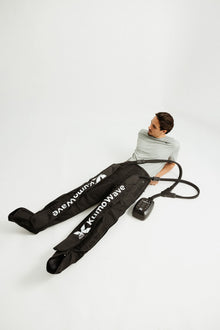
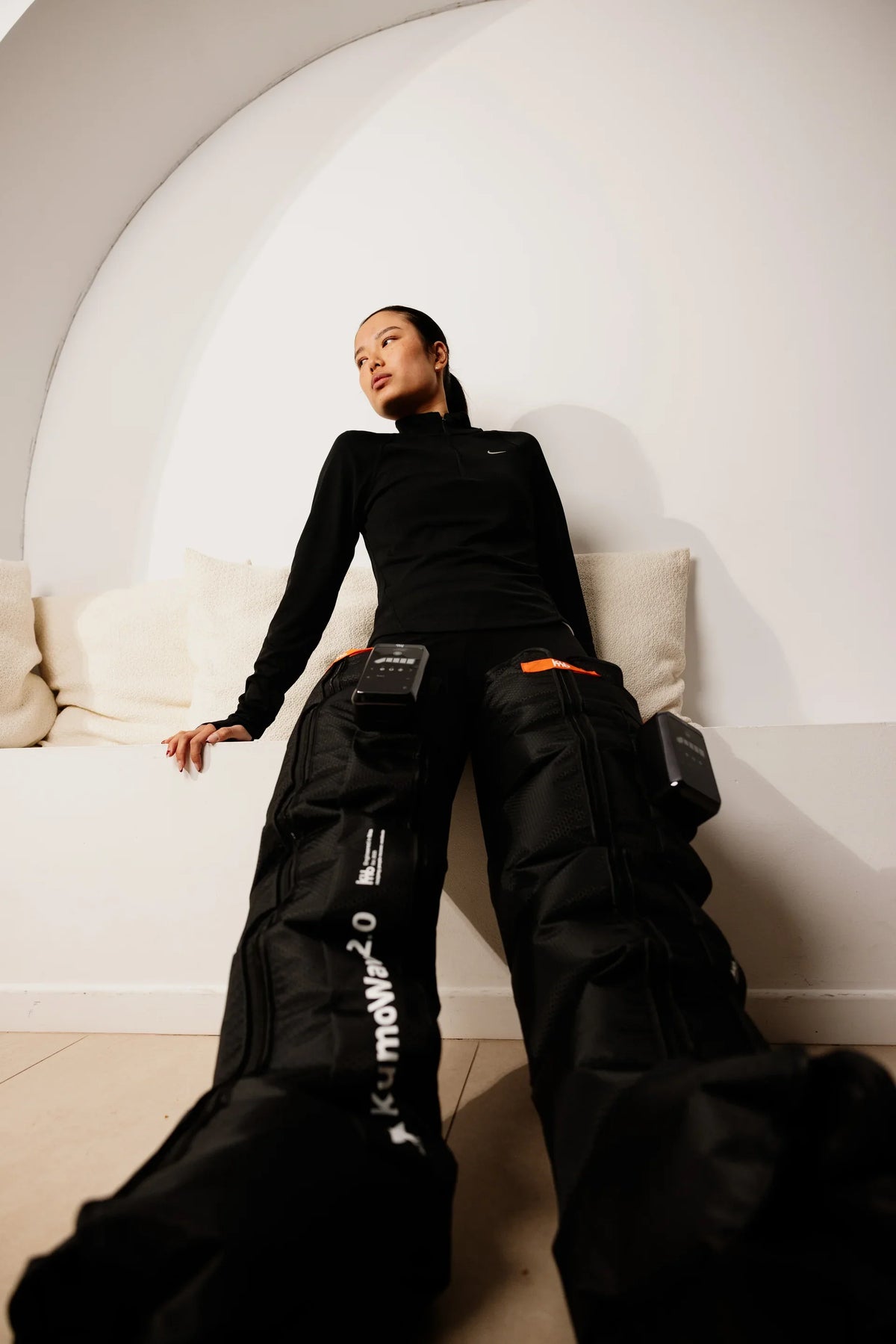
KumoWave pressotherapy boosts circulation and helps drain fluid with sequential compression, in 20-minute sessions at home.
- Boosts circulation and helps drain fluid
- Chamber-based compression, adjustable to you
- Sequential compression that mimics manual drainage
€799,00€999,00
−10% on your 1st order when you subscribe to the newsletter

During exam season, the goal is not to do everything better. It is to keep fatigue from becoming a fourth silent enemy.
Why studying more does not always mean performing better
Among college students, the evidence points to daytime sleepiness, poor sleep quality, irregular schedules and total sleep deprivation being linked to worse academic performance. A systematic review on sleep and performance in university students, along with work focused on exam periods, agrees on one point: sleeping worse does not just tire you out, it also complicates attention, memory and the ability to sustain effort.
Personalized protocol · included with your purchase
Want us to tell you how to use it in your case?
With your purchase, our experts prepare a personalized usage protocol for your case: sport, circulation, fluid retention, pregnancy or lipedema.
Message us on WhatsAppOur experts reply · no obligation
On top of that, exam stress and sleep usually go together. A meta-analysis in undergraduate students found moderate associations between stress, poor sleep quality and insomnia, which fits the feeling of "I am exhausted but I cannot switch my head off." If you notice that pattern, it is not unusual: it is a signal that adjusting habits beats pushing harder.
As a general reference, the CDC puts recommended sleep at 7 hours or more for adults aged 18 to 60, and at 8 to 10 hours for teens aged 13 to 17. During exam season that range matters even more, because the deficit adds up fast.
Three levers that really change the week
1. Sleep better without obsessing over it
If you go to bed late today, do not try to make up for it with late caffeine or an all-nighter. The sleep hygiene guidance from MedlinePlus recommends regular schedules, avoiding caffeine in the afternoon and evening, not using screens as sleep company, and getting up if you have not fallen asleep after about 20 minutes. They are small moves, but very useful when your brain is running too fast.
on your first order when you join the newsletter
We send you the code instantly. No spam.
The NHLBI explains how light regulates the sleep-wake cycle and notes that bright light at night can disrupt melatonin. That is why dimming the intensity, moving your phone away from the bed and repeating a short sequence before sleeping makes sense, even if you only have 15 minutes.
2. Break up sedentary time with micro-breaks
Spending many hours sitting weighs more than it seems. A systematic review and meta-analysis in university students found that movement breaks and physically active learning are feasible, reduce sedentary behavior, lower fatigue and can improve concentration. You do not need to train hard, it is enough to interrupt the continuous block. (pmc.ncbi.nlm.nih.gov)
The WHO recommends that adults accumulate physical activity and reduce sitting time, which fits exam season very well. In other words, movement does not compete with studying, it supports it.
- Stand up at the end of every long block and walk a few minutes around your place or down the hallway.
- Change posture before the heaviness shows up in your back, your neck or your legs.
- Use a micro-break to drink water, look into the distance and breathe, instead of chaining blocks with no rest.
If you want to turn those breaks into a sequence that is easier to repeat, a home recovery protocol with pressotherapy, red light therapy and a massage gun can serve as a supporting structure, always as a complement to basic habits and never as a substitute for rest.
3. Lower your activation at night
At night, the idea is to slow down, not to solve everything. A short routine with dimmer light, a reasonable dinner, your phone out of the bed and a calm activity helps, because bright artificial light in the late evening can delay melatonin and sleep onset.
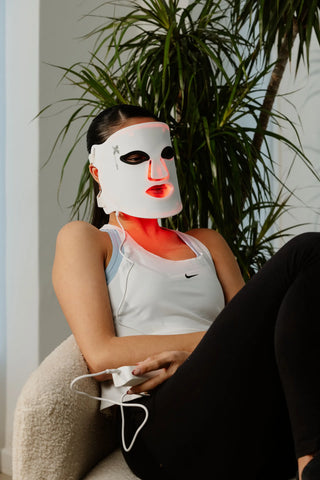
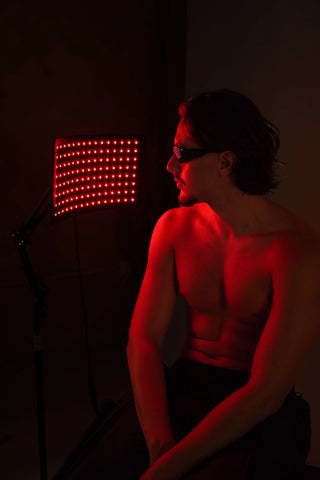
If having a clear sequence helps you, you can lean on a night ritual with red light and relaxation to organize the close of your day and make it easier for your body to understand that it is time to slow down.
A simple daily plan for studying without burning out
This outline is not a medical prescription, but a realistic way to organize energy, focus and sleep around what is actually backed by evidence: sleeping enough, breaking up sedentary time and protecting the night.
Table for a day that is kinder to your brain
| Moment | Goal | What to do |
|---|---|---|
| Morning | Activate body and attention | Get natural light, start with the most important block and avoid chaining the first hour sitting without a break. |
| Afternoon | Break up sedentary time | Alternate studying with a micro-break of movement, water and a change of posture before continuing. |
| Night | Prepare for sleep | Cut back on screens, lower the light, repeat the same closing sequence and keep a similar bedtime. |
If you are also interested in measuring whether you are recovering or just piling up fatigue, you can review practical metrics for sleep, HRV and fatigue to better interpret how this stage is affecting you.
When to seek help for signs that call for medical assessment
There is a difference between normal tiredness and a problem that deserves assessment. If insomnia lasts several weeks, if studying no longer makes up for the lack of sleep, if you notice palpitations, intense anxiety, sustained sadness, dizziness, chest pain, fainting or sleepiness that keeps you from functioning, it is worth asking for professional help. MedlinePlus recommends seeking advice when sleep problems persist.
For red light therapy at home, the American Academy of Dermatology lists several precautions and notes that it is not suitable for everyone. If a light-sensitive condition could get worse, if the device irritates you or if the manufacturer indicates eye protection or usage limits, follow those instructions and do not push it.
- Use any wellness device as support, not as a substitute for rest or for a medical assessment.
- Do not apply it over acute pain, recent injuries, wounds or areas you have been told not to stimulate.
- If something does not agree with you, increases your discomfort or you do not understand whether you can use it, stop and ask.
FAQ
Does sleeping little for a few days really lower performance?
Yes, it usually shows. The literature in university students links poor sleep, sleepiness and poor sleep quality to worse academic performance, and exam periods tend to make that pattern worse. On top of that, recommended sleep changes with age, so the same yardstick should not be used for everyone. If you are an adult, aim for 7 hours or more; if you are a teen, the range rises to 8 to 10 hours.
Is it worth studying many hours in a row without moving?
It is worth less and less as the blocks go by. The review in university students on movement breaks found less sedentary behavior, less fatigue and possible gains in concentration. You do not need to work out between topics, it is enough to break up immobility on a regular basis. The WHO also recommends reducing sitting time and keeping enough weekly physical activity, which fits an exam schedule very well.
What do I do if I go to bed tired but cannot fall asleep?
First, do not fight with your bed. MedlinePlus recommends keeping regular schedules, avoiding caffeine in the afternoon and evening, leaving screens out of the bedroom and getting up if you have not fallen asleep after about 20 minutes. The NHLBI adds that bright light at night can interfere with melatonin, so lowering light intensity and repeating a short closing routine helps a lot.
Does phone light at night matter even if I only study a little?
Yes, it can matter. The circadian clock responds to light, and exposure to intense artificial light in the late evening can delay the feeling of sleepiness. There is no need to demonize your phone, but do reduce its role as you get closer to bedtime. Dimmer light, less screen time and a calm activity such as reading or getting ready for the next day usually help the brain change gears.
Do red light therapy or massage work as support during exam season?
They can fit into a wellness routine, especially if they help you lower stimulation and repeat a closing sequence for the day. Even so, they do not replace sleep, active breaks, or a medical assessment when symptoms do not fit normal tiredness. For red light therapy, the AAD notes that there are precautions and that people sensitive to light should be especially careful.
So what now?
If you want to move from theory to a routine that is easy to repeat, start today with one single thing: a calmer evening close, an active break between blocks and a clear sequence so you are not always studying while seated. You can take inspiration from the 2025 night routine with red light therapy and come back to Kumo Balance whenever you want to organize your recovery at home with a fuller picture.
KumoWave pressotherapy
Choose your at-home pressotherapy
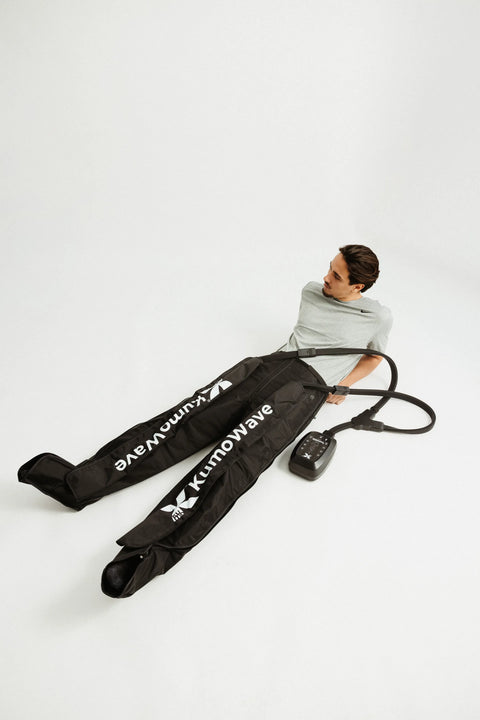
KumoWave Elite – Pressotherapy Pants
Full-coverage trousers. Ideal for lipedema, fluid retention and intensive use.
€799,00 €999,00
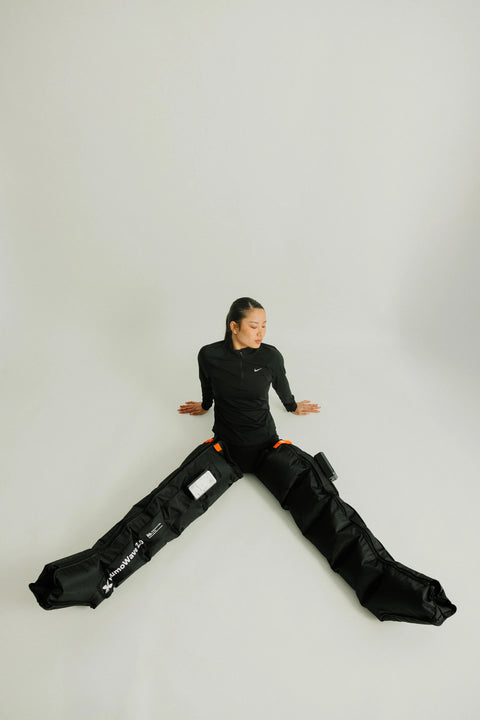
KumoWave 2.0 - Wireless Pressotherapy
Wireless, lightweight boots. Perfect for daily use and recovery.
€499,00 €599,00