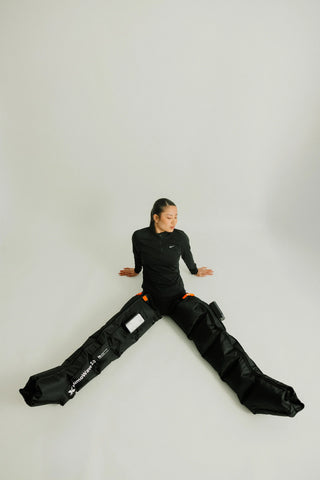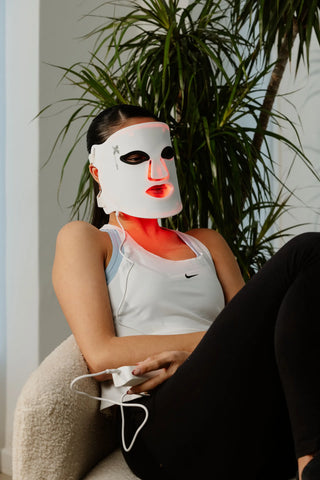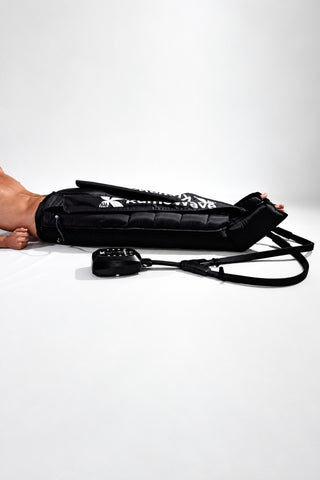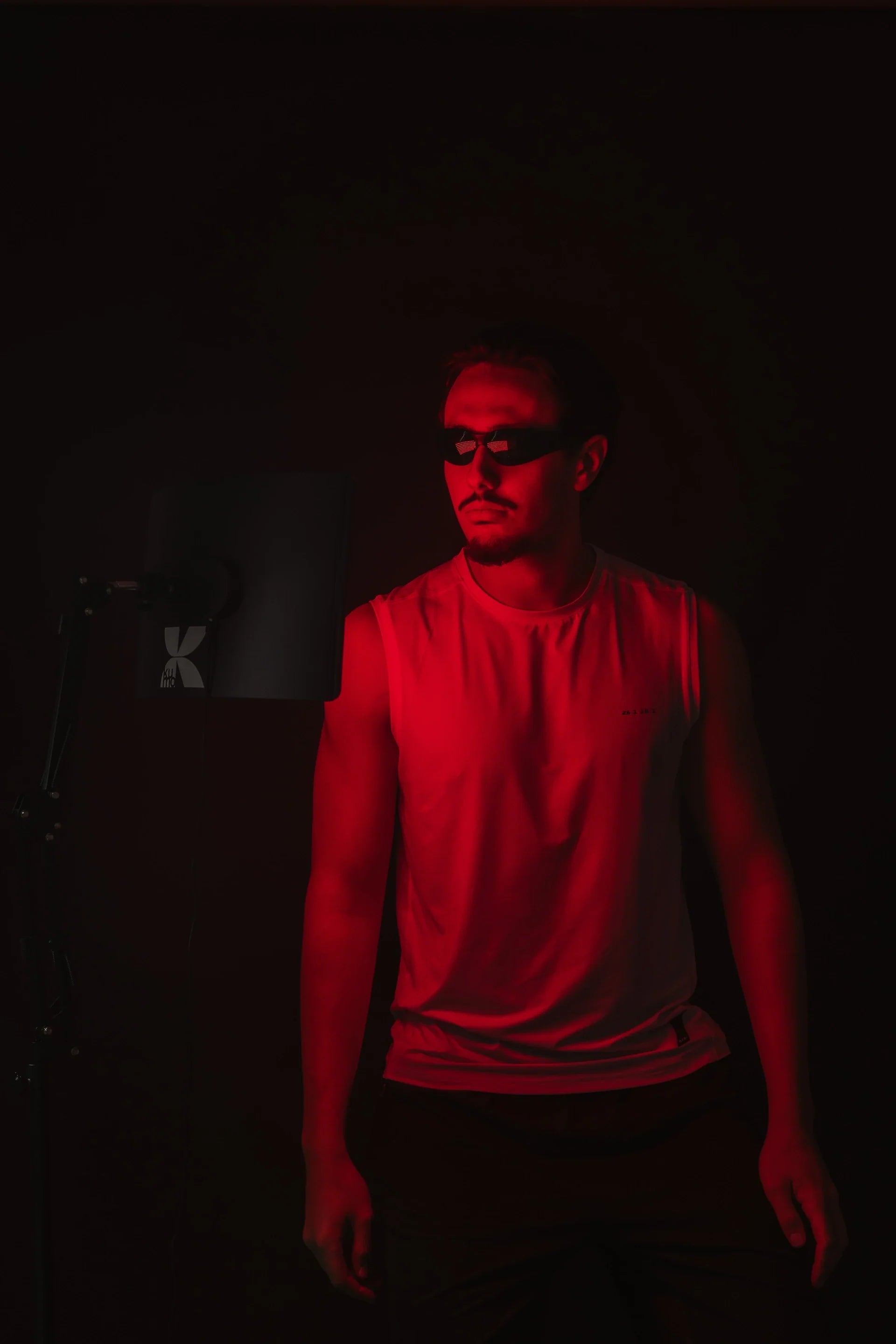
Red light can help you wind down at night. Used correctly, it fits into a routine that promotes calm, reduces visual stimulation, and better prepares you for rest; however, it functions as support, not as a substitute for good sleep hygiene. (nhlbi.nih.gov)
The idea is not to "illuminate" the night, but to send softer signals to the brain: less brightness, fewer screens, and more consistent schedules. This combination is what truly sets the stage for better sleep and recovery during the night.
Red & infrared light
Recover faster, at home
★★★★★ 4,8/5 · rated by verified customers
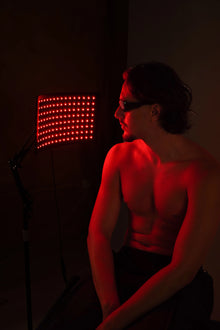
The KumoLux panel supports muscle recovery with full-body red and infrared light.
- 660 nm red + 850 nm infrared light
- Full-body muscle recovery
- Clinically validated biohacking protocols
€399,00€499,00
−10% on your 1st order when you subscribe to the newsletter

Why night needs less light and more calm
The body's circadian clock responds to light and darkness. According to the NHLBI, artificial light can send false wakefulness signals, and exposure to bright light in the evening can interfere with melatonin release and make it difficult to fall asleep.
That's why an effective nighttime routine doesn't start with a device, but with the environment: a dark room, quiet time before bed, and less visual stimulation. The NCCIH precisely summarizes this logic by recommending avoiding bright artificial light, maintaining a consistent schedule, and setting aside relaxation techniques before sleep. (nccih.nih.gov)
Personalized protocol · included with your purchase
Want us to tell you how to use it in your case?
With your purchase, our experts set up your red and infrared light sessions for your sport and goal.
Message us on WhatsAppOur experts reply · no obligation
What science says about red light
In human studies, red light is usually less disruptive than blue light for melatonin. A 2024 trial compared 631 nm red LED with 464 nm blue LED for three hours at night: after two hours, blue light maintained melatonin suppression, while recovery was observed with red light; previous studies had already suggested that red or dim light alters melatonin less than blue or green light. (pubmed.ncbi.nlm.nih.gov)
This doesn't mean that all red light is equally effective. Photobiomodulation with wavelengths around 600-1000 nm has not been shown to be a melatonin suppressor in a recent review, but its nighttime use for sleep is still supported by preliminary evidence. In 2026, a meta-analysis of five randomized trials with 240 participants found a modest improvement in PSQI compared to sham, with limited precision; and in 2025, a trial in chronic insomnia reported significant improvements in sleep quality and daytime sleepiness after three sessions. (pmc.ncbi.nlm.nih.gov)
The practical conclusion is simple: red light can be a gentle aid at night, but the foundation remains to reduce stimulation, maintain a schedule, and keep a repeatable routine.
−10%on your first order when you join the newsletter
We send you the code instantly. No spam.
If you want a more guided version, the 2025 nighttime routine with red light therapy can serve as a usage map.
How to build a step-by-step nighttime ritual
If you want to turn red light into a useful habit, think in terms of sequence. First, you reduce visual noise; then, you activate relaxation; finally, you let your body enter sleep mode. This progression aligns with the sleep hygiene recommendations of the NHLBI and NCCIH. (nhlbi.nih.gov)
- One hour before bed, reduce screens and intense light, because the time before sleep should be calmer and with less bright artificial light.
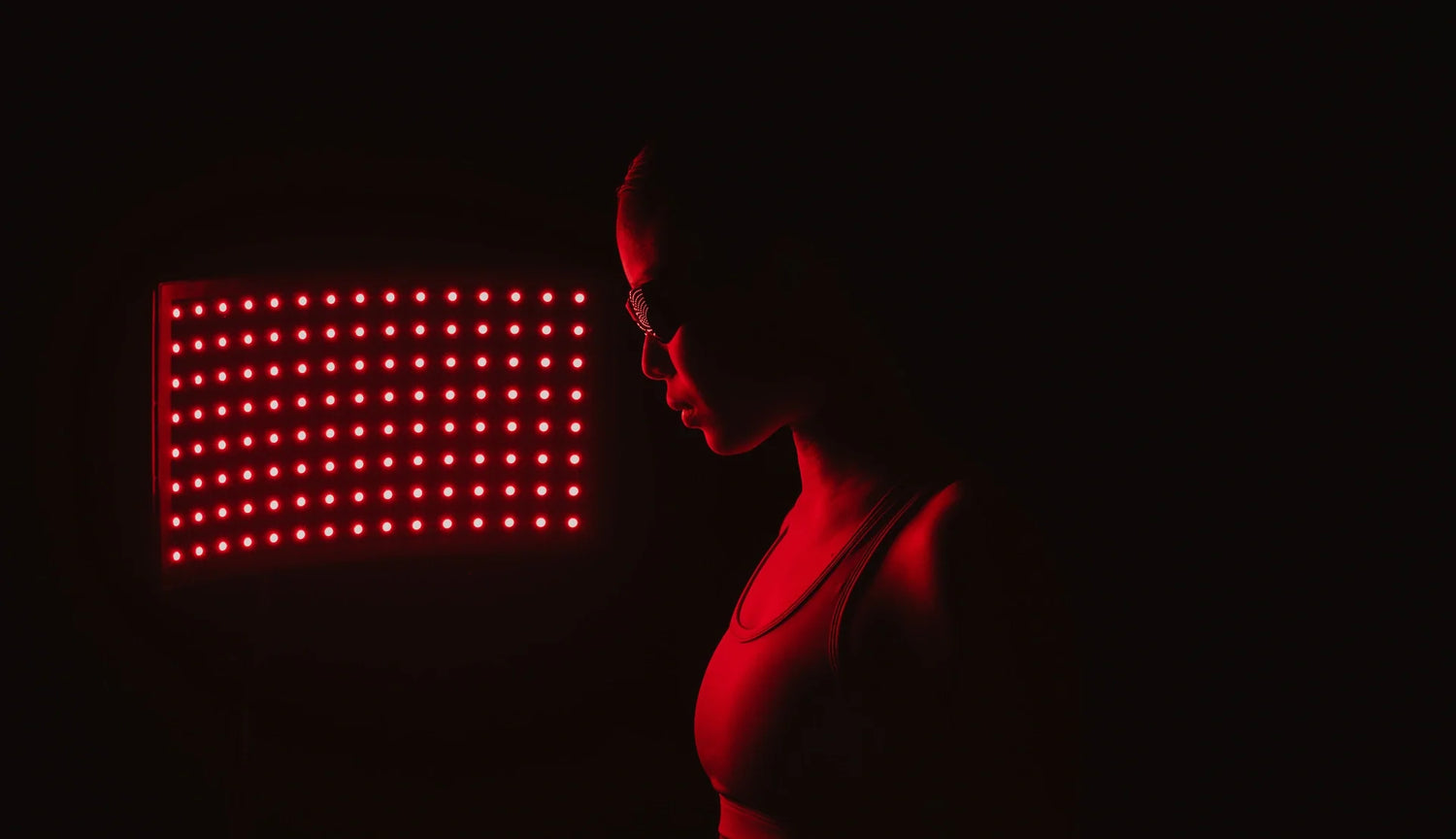
- If you use red light, keep it dim and use it as environmental support, not as the main focus of the room; research on nighttime exposure indicates that color matters, but also brightness and the light load that reaches the eye.
- Add slow breathing, a warm shower, or gentle stretches to reduce physical and mental activation before bed.
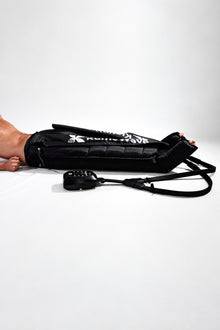
- If you trained late or feel your legs heavy, you can add a recovery gesture like pressotherapy at the end of the day, for example, with a night ritual with pressotherapy boots.
- Maintain similar schedules between weekdays and weekends to avoid disrupting your biological clock.
If you want to fine-tune the technical part, distance, time, and frequency matter as much as color; that's why it's advisable to review the distance, time, and frequency of red light before making it a habit.
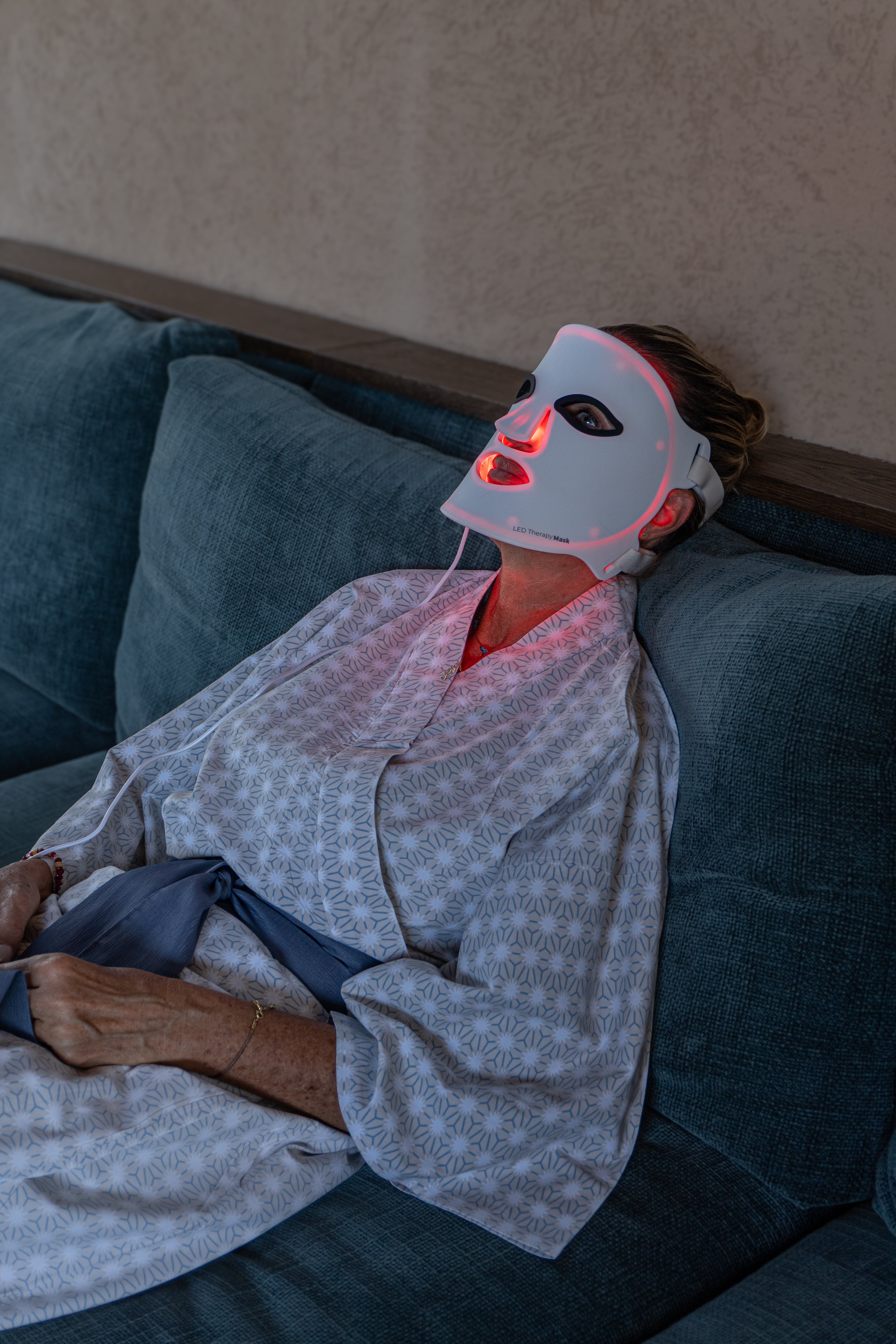
If you also want a quick gesture for your skin and rest, a LED facial mask and restorative sleep can fit at the end of the night, always with constant and comfortable use. And if you're looking for a broader view of the system, the article on the benefits and functioning of red light therapy expands the framework.
An example of a 25-minute routine
With that foundation, a simple proposal might look like this: first you dim the environment, then you introduce red light or photobiomodulation, and you close with a clear signal of rest. This example synthesizes the NHLBI and NCCIH recommendations on artificial light, relaxation, and time regularity, and puts them in dialogue with recent evidence on photobiomodulation and sleep.
Table: simple nighttime sequence
| Step | What you do | Goal |
|---|---|---|
| 60 minutes before | Dim screens, brightness, and strong stimuli. | Reduce the wakefulness signal and begin to disconnect. |
| 20-30 minutes before | Use dim red light or your photobiomodulation device. | Create a smoother visual transition than white or blue light. |
| 10 minutes before | Breathe slowly, read something light, or take a warm shower. | Promote a state of physical and mental calm. |
| At bedtime | Turn off the last light and maintain consistent schedules. | Reinforce the sleep signal and circadian regularity. |
If you want to better understand the technical framework before applying the routine, you can also delve into when to use red light therapy for better recovery.
Common mistakes that hinder the effect
- Confusing dim red light with a lit room.
- Using it unpredictably, one day yes and three days no.
- Expecting it to compensate for a night full of caffeine, screens, and stress.
- Forgetting that distance, brightness, and duration change the experience.
The nighttime effect depends as much on the light signal as on the rest of the context: schedule, darkness, relaxation, and regularity.
Frequently asked questions
Does red light at night help you sleep better and facilitate recovery during the night?
It can help as support, especially if it replaces more intense and bluish lighting. In humans, red light is usually less disruptive to melatonin than blue light, and photobiomodulation with red or near-infrared light shows promising signs for sleep, although the evidence is still limited. The best practical interpretation is: use it dimly, within a consistent routine, and alongside solid sleep habits.
How to incorporate red light into the nighttime routine to improve relaxation and recovery?
Start an hour before bed by dimming screens and intense light. Then, use red light in dim mode and combine that moment with slow breathing, light reading, or a warm shower. If you are working with a device, pay attention to the distance and intensity, because total exposure matters as much as color. Lighting recommendations for healthy adults suggest keeping indoor light very low from at least three hours before bedtime.
What does science say about red light and sleep: does it really improve sleep quality?
The honest answer is that science is promising, but not yet definitive. In 2026, a meta-analysis of five randomized trials with 240 participants found a modest improvement in sleep quality compared to sham, although with limited precision. In 2025, a trial in chronic insomnia observed significant improvements after three sessions of photobiomodulation. This suggests real potential, but not a universal or miraculous effect. (pubmed.ncbi.nlm.nih.gov)
What other habits complement red light to achieve a relaxing and restorative nighttime ritual?
The most useful complements are the usual ones: a regular schedule, a dark and cool room, less caffeine and alcohol at the end of the day, and relaxation techniques like breathing or gentle stretches. The NHLBI and NCCIH emphasize precisely this set of habits as the basis for better sleep. Red light works best when integrated into this framework, not when it tries to replace it.
What now?
If you want to move from theory to a real routine, start with the guide on the distance, time, and frequency of red light and then discover Kumo Balance to see how red light, pressotherapy, and recovery fit into a single nighttime routine.

Red & infrared light
KumoLux Panel – Red and Infrared LED Panel
★★★★★ 4,8/5 · rated by verified customers
- 660 nm red + 850 nm infrared light
- Full-body muscle recovery
- Clinically validated biohacking protocols
€399,00€499,00· pay in installments with seQura or Klarna