
LED light can help, but not always.
For redness and reactive skin, the goal is to reduce inflammation without triggering erythema; therefore, phototherapy is best understood as a carefully dosed support, not a miraculous solution. The AAD includes light or laser in the approach to rosacea when necessary, but the overall evidence for light therapies remains low to moderate. (aad.org)
Facial red light
Bring your skin back to life
★★★★★ 4,8/5 · rated by verified customers
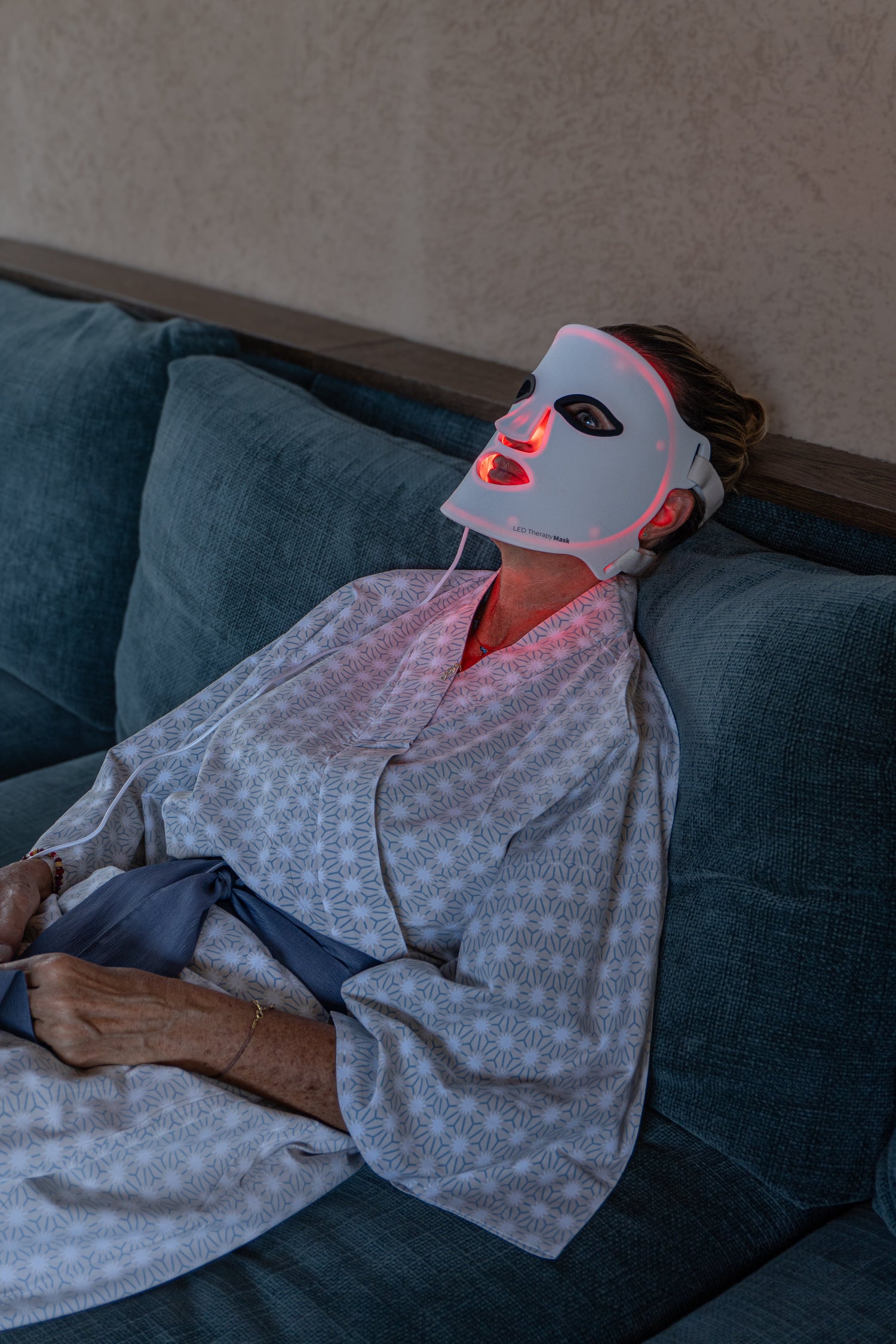
The KumoSkin LED mask helps repair and calm your skin in short sessions at home.
- 250 LEDs in flexible medical silicone
- Red light to boost collagen and glow
- 4 lights: red, infrared, blue and yellow
€299,00€429,00
−10% on your 1st order when you subscribe to the newsletter

If you want to better understand the device before starting, this guide on what a facial LED mask is and how it works will help you understand why not all lights act the same.
What LED light can offer for redness
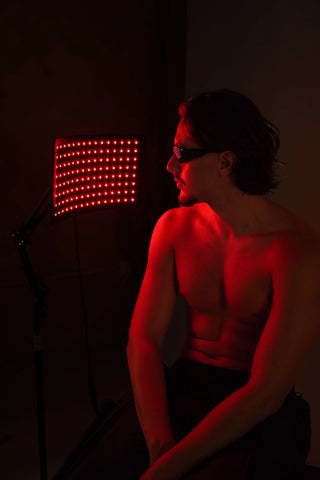
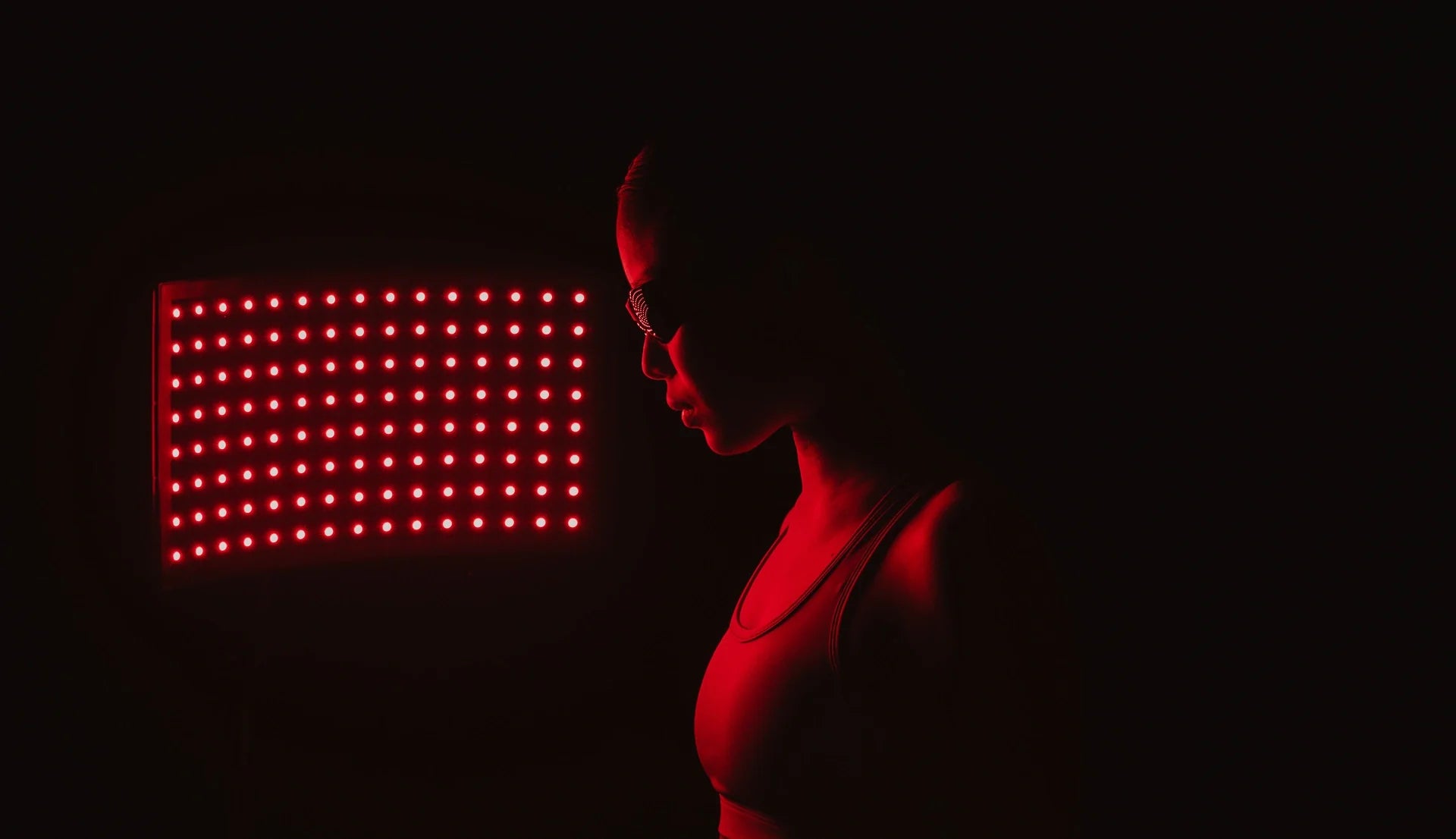
Red light and photobiomodulation are studied for their relationship with inflammation, tissue repair, and skin tolerance; blue light, on the other hand, has a much stronger history of use in acne and in phototherapy with other objectives. This doesn't make red light a medical treatment for rosacea, but it does explain why it is often perceived as a gentler option for sensitive skin. (pubmed.ncbi.nlm.nih.gov)
Personalized protocol · included with your purchase
Want us to tell you how to use it in your case?
With your purchase, our experts prepare the ideal LED protocol for your skin type and goal (acne, wrinkles, dark spots...).
Message us on WhatsAppOur experts reply · no obligation
When redness is mainly due to visible vessels, the AAD notes that light or laser therapy can be part of the plan and that, in this context, many patients see a 50% to 75% reduction in visible vessels after 1 to 3 sessions. This data refers to medical treatments in consultation, not a home mask, but it helps to understand why light is considered a useful tool in rosacea.
Indicative comparison of lights and their role in reactive skin
| Light type | Common use | Practical interpretation for redness |
|---|---|---|
| Red light | Studied in photobiomodulation for its anti-inflammatory and skin comfort profile. | Often the most logical option when you're looking to soothe and not exfoliate the skin, provided it's well tolerated. |
| Blue light | Mainly investigated in acne and in phototherapeutic modalities with other objectives. | Not usually the first choice for reactive redness; its primary role is not to “turn off” redness. (pubmed.ncbi.nlm.nih.gov) |
| Red light + near infrared | Used in some photobiomodulation protocols for its interest in deeper layers. | Can fit into gentle routines, but sensitive skin rules: less intensity and more tolerance, not the other way around. (pmc.ncbi.nlm.nih.gov) |
Translated into practical language: if your priority is to soothe, not exfoliate or heat, gentle red light usually fits better than intense sessions or routines full of active ingredients. Cleveland Clinic describes LED therapy as safe in the short term and with rare side effects when used as directed, which aligns with a cautious and progressive approach. (my.clevelandclinic.org)
Precautions before, during, and after a session
Rosacea-prone skin is often sensitive and irritable, so the key is to simplify. The AAD recommends fragrance-free products, avoiding rubbing or exfoliating, and reviewing ingredients that can trigger irritation; Rosacea.org insists on avoiding any formula that stings, burns, or causes more redness. (aad.org)
on your first order when you join the newsletter
We send you the code instantly. No spam.
- Start with the lowest setting and the minimum time recommended by the manufacturer; if the skin responds with heat or stinging, do not increase suddenly.
- Wear eye protection and avoid staring at the light source, as eye safety remains one of the most sensitive points of any light therapy. (pmc.ncbi.nlm.nih.gov)
- Do not apply the session on broken skin, sunburned skin, or during a very hot and painful flare-up, as an altered barrier tolerates any stimulus less well.
- Review medication and supplements with photosensitizing potential before starting, as photobiomodulation requires a thorough understanding of the person's clinical context.
- If you notice more redness, stinging, or a sensation of heat that doesn't subside afterward, stop and re-evaluate your routine.
If you are still refining your routine, it's worth reviewing how to use LED light at home when you have rosacea to organize cleansing, hydration, and phototherapy without mixing too many stimuli.
What products and active ingredients should be avoided around the session
Before an LED light session on red skin, the most sensible thing to do is remove anything that could irritate the skin barrier from the equation. The AAD advises avoiding alcohol, camphor, fragrance, glycolic acid, lactic acid, menthol, sodium lauryl sulfate, and urea in rosacea routines, and Rosacea.org recommends removing any product that causes stinging, burning, or more redness. (aad.org)
- Avoid cleansers or toners with alcohol, fragrance, or menthol if you already know they cause burning.
- Avoid exfoliants with glycolic or lactic acid when the skin is more reactive than usual.
- Do not use products that "sting" you, even if they are popular, because a stinging sensation is usually a sign of incompatibility. (rosacea.org)
- If your skin reacts to retinoids or strong exfoliants, do not apply them just before the session and reintroduce them only when the barrier is stable.
- Do a simple test with any new product before mixing it with phototherapy, as the AAD recommends testing tolerance on sensitive skin.
If you are interested in a progressive usage scheme, review the steps and frequency of red light therapy at home to avoid turning a calm routine into a sum of stimuli.
When not to insist
LED light is not a good idea if the skin is in a full flare-up, if redness increases session after session, or if unusual symptoms appear. The review on the safety of photobiomodulation emphasizes evaluating medication, ocular exposure, and the clinical context; moreover, eye problems or light sensitivity require even more caution.
In practice, it is advisable to stop if you notice intense burning, swelling, hives, eye pain, unusual tearing, or redness that lasts much longer than expected. If you also have dry, red, or stinging eyes, remember that rosacea can also affect the eyes and that medical evaluation is more important than continuing to try on your own. (pubmed.ncbi.nlm.nih.gov)
Frequently asked questions about LED light and reactive skin
Can LED light worsen redness in reactive skin or rosacea?
Yes, it can if the skin is already irritated, if the intensity is excessive, if it is used for too long, or if products that cause burning are combined. The good news is that, when used correctly and for a short time, LED therapy usually has a low adverse effect profile; Cleveland Clinic notes that side effects are rare when used as directed. For rosacea-prone skin, caution is key: fewer stimuli, more tolerance, and immediate discontinuation if redness increases.
What safety precautions should be followed when using LED radiation if you have sensitive skin?
Start with the lowest setting, respect the minimum recommended time, and do not stare at the light. It is also advisable to use eye protection, avoid sessions on open or very inflamed skin, and check if you are taking photosensitizing substances or drugs. The safety review on photobiomodulation reminds us to document medication and supplements, and that ocular exposure is one of the most delicate points.
Is red or blue LED light therapy suitable for calming redness in reactive skin?
For reactive redness, red light fits better with the anti-inflammatory logic of photobiomodulation, while blue light has been studied primarily in acne and in phototherapy with other objectives. This does not mean that blue light is "bad" by definition, but it is usually not the first choice when your main problem is redness. For rosacea, the strongest evidence remains for lasers and medical devices guided by dermatology.
What signs indicate that I should stop using LED light and consult a doctor?
Stop using it if you experience increased burning, swelling, pain, hives, clear worsening of redness, or eye discomfort. It is also advisable to consult if the redness does not subside after several sessions or if you have ocular symptoms, as rosacea can affect this area. Eye safety and light sensitivity are sufficient reasons to seek professional evaluation before continuing.
What product or active ingredient should be avoided before applying an LED session to red skin?
Avoid products with alcohol, fragrance, camphor, menthol, glycolic acid, lactic acid, sodium lauryl sulfate, and urea, as the AAD identifies them as ingredients that can irritate rosacea-prone skin. Rosacea.org adds that any formula that stings, burns, or causes more redness should be removed from the routine. If your skin is very reactive, it is also not the best time for retinoids or strong exfoliants just before the session.
What now?
If you want to move from theory to a gentle and well-organized routine, you can start by exploring the LED light therapy collection, return to the Kumo Balance homepage, and review the steps and frequency of home use to adapt phototherapy to skin that needs calm, not more noise.

Facial red light
KumoSkin Mask – LED Facial Mask
★★★★★ 4,8/5 · rated by verified customers
- 250 LEDs in flexible medical silicone
- Red light to boost collagen and glow
- 4 lights: red, infrared, blue and yellow
€299,00€429,00· pay in installments with seQura or Klarna