
Good recovery makes all the difference. A complete routine can help reduce perceived fatigue, leg heaviness, and post-workout stiffness, provided you choose the right order and dose of each stimulus. (pmc.ncbi.nlm.nih.gov)
The key is not to add devices just for the sake of it, but to combine tools that act differently: compression to relieve, brief mechanical work to release local tension, and photobiomodulation to support recovery. Available evidence shows modest but useful benefits, with significant variability between protocols and devices.
Red & infrared light
Recover faster, at home
★★★★★ 4,8/5 · rated by verified customers
The KumoLux panel supports muscle recovery with full-body red and infrared light.
- 660 nm red + 850 nm infrared light
- Full-body muscle recovery
- Clinically validated biohacking protocols
€399,00€499,00
−10% on your 1st order when you subscribe to the newsletter

If you want to see how this logic translates into a specific sequence, the idea of combining red light and pressotherapy for total recovery fits particularly well when you train frequently.
What each technique provides
1. Pressotherapy: relieving without punishing
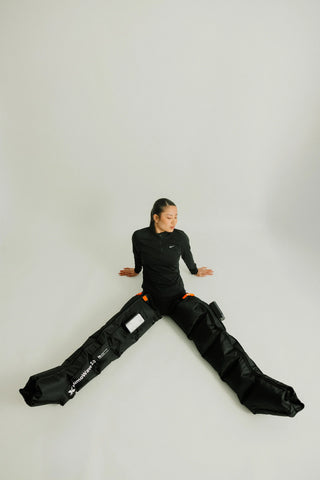
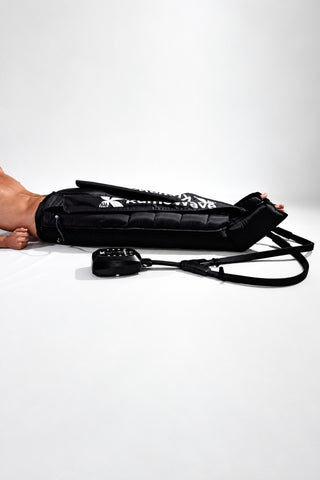
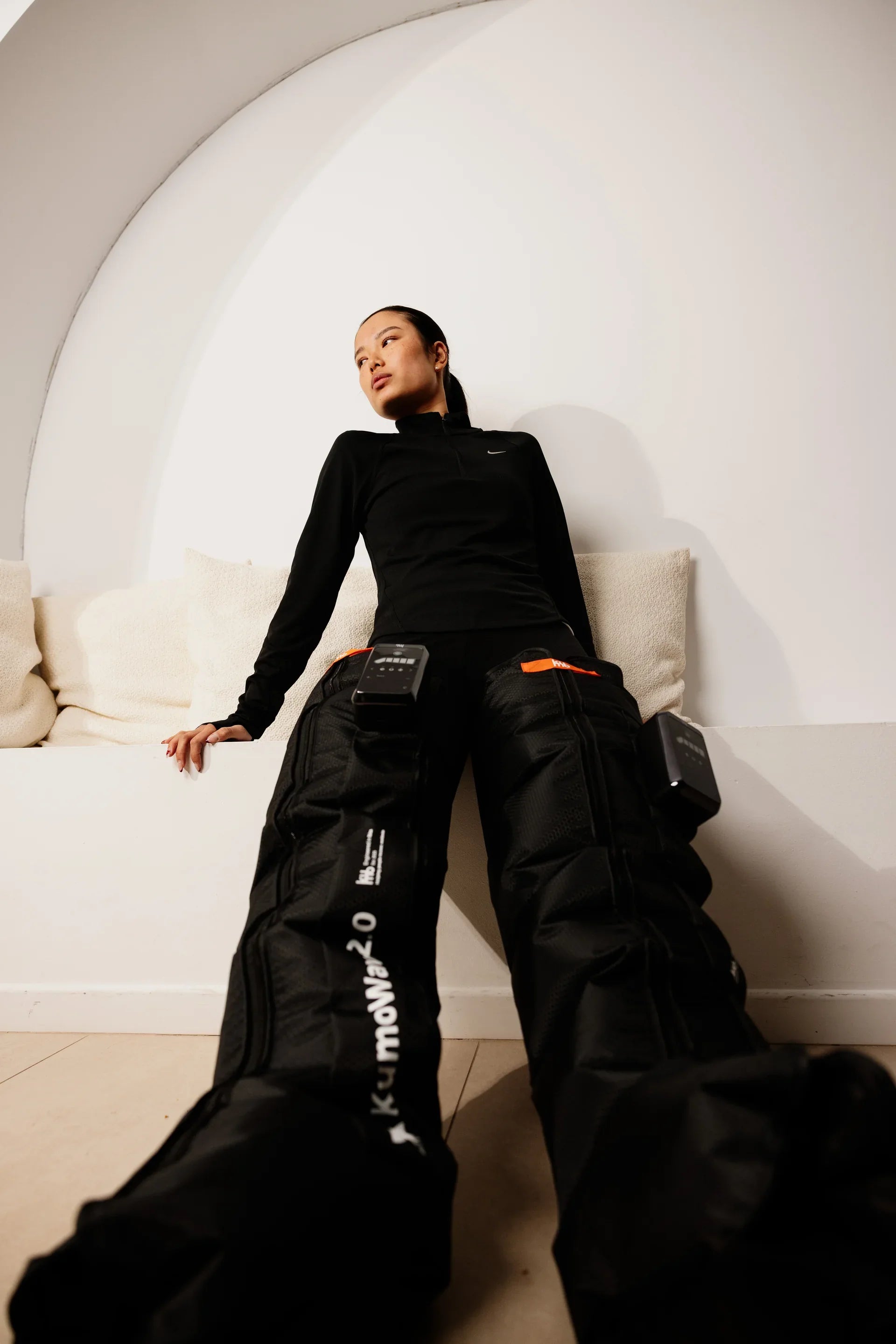
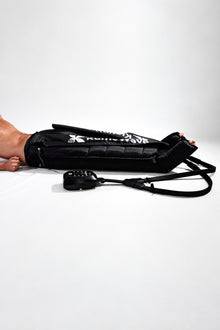
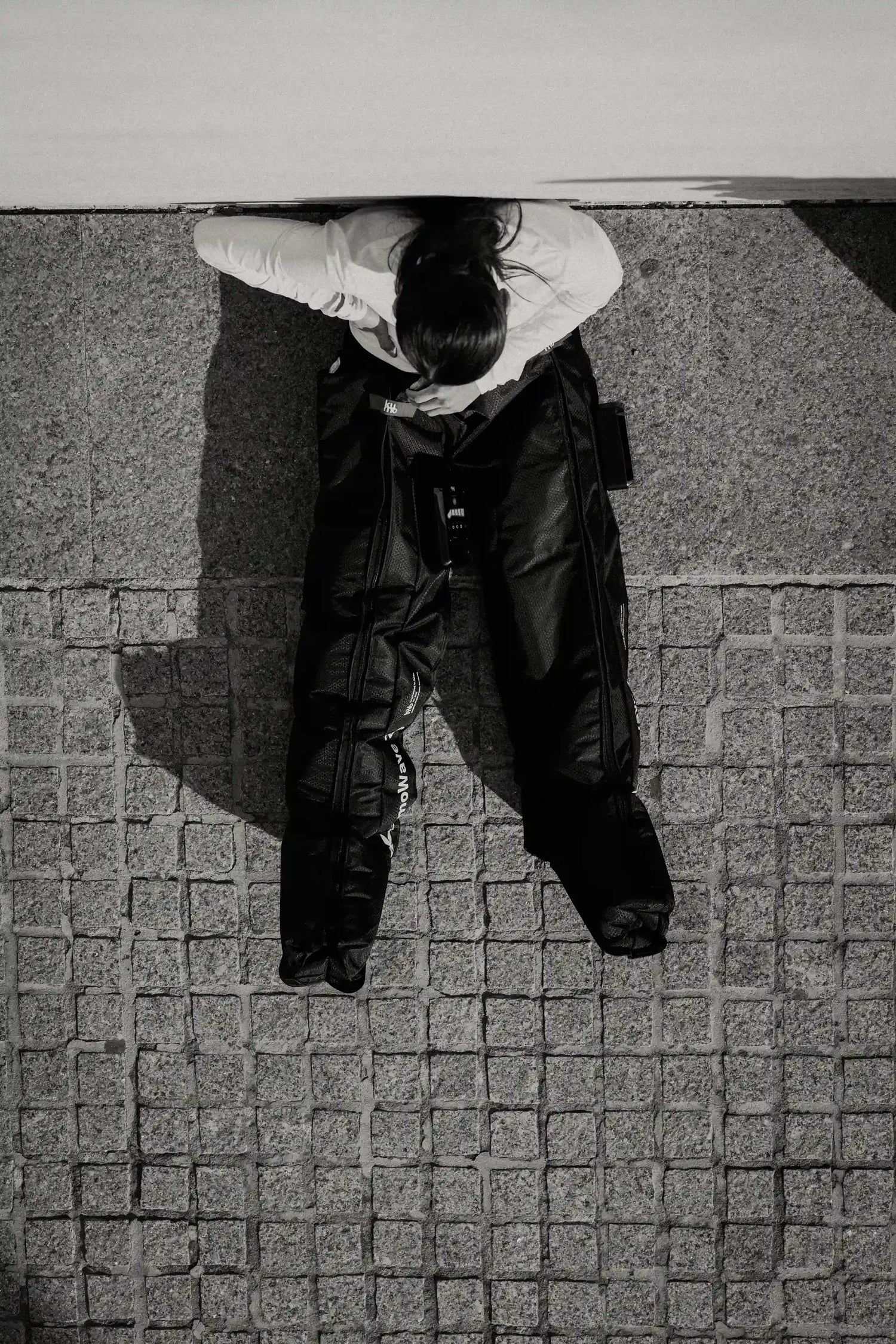
Pressotherapy, or intermittent pneumatic compression, is mainly used to reduce the feeling of heaviness and promote perceived leg recovery. In a 2024 systematic review and meta-analysis, 17 studies with 319 participants found a trivial to small benefit on muscle function and a trivial to moderate effect on pain and soreness; additionally, the most commonly used protocols were around 20 to 30 minutes and about 80 mmHg. If you are looking for a home solution, KumoWave 2.0 for sequential compression fits that type of use.
Personalized protocol · included with your purchase
Want us to tell you how to use it in your case?
With your purchase, our experts set up your red and infrared light sessions for your sport and goal.
Message us on WhatsAppOur experts reply · no obligation
2. Percussion massage: mobility and local relief
Percussion massage does not replace rest, mobility, or strength, but it can be useful when you need a quick response to stiffness and perceived pain. The 2023 systematic review on massage guns found acute improvements in flexibility, explosive strength, and pain experiences, although with very varied protocols and no clear standard for speed, time, or cadence. (pmc.ncbi.nlm.nih.gov)
3. Red light: a biological signal for recovery
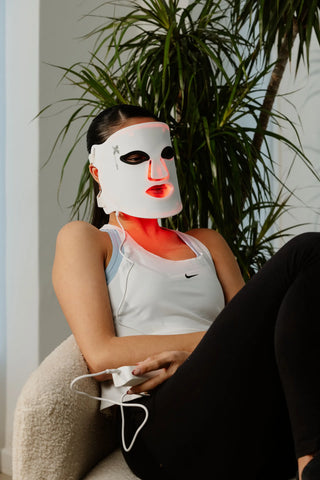
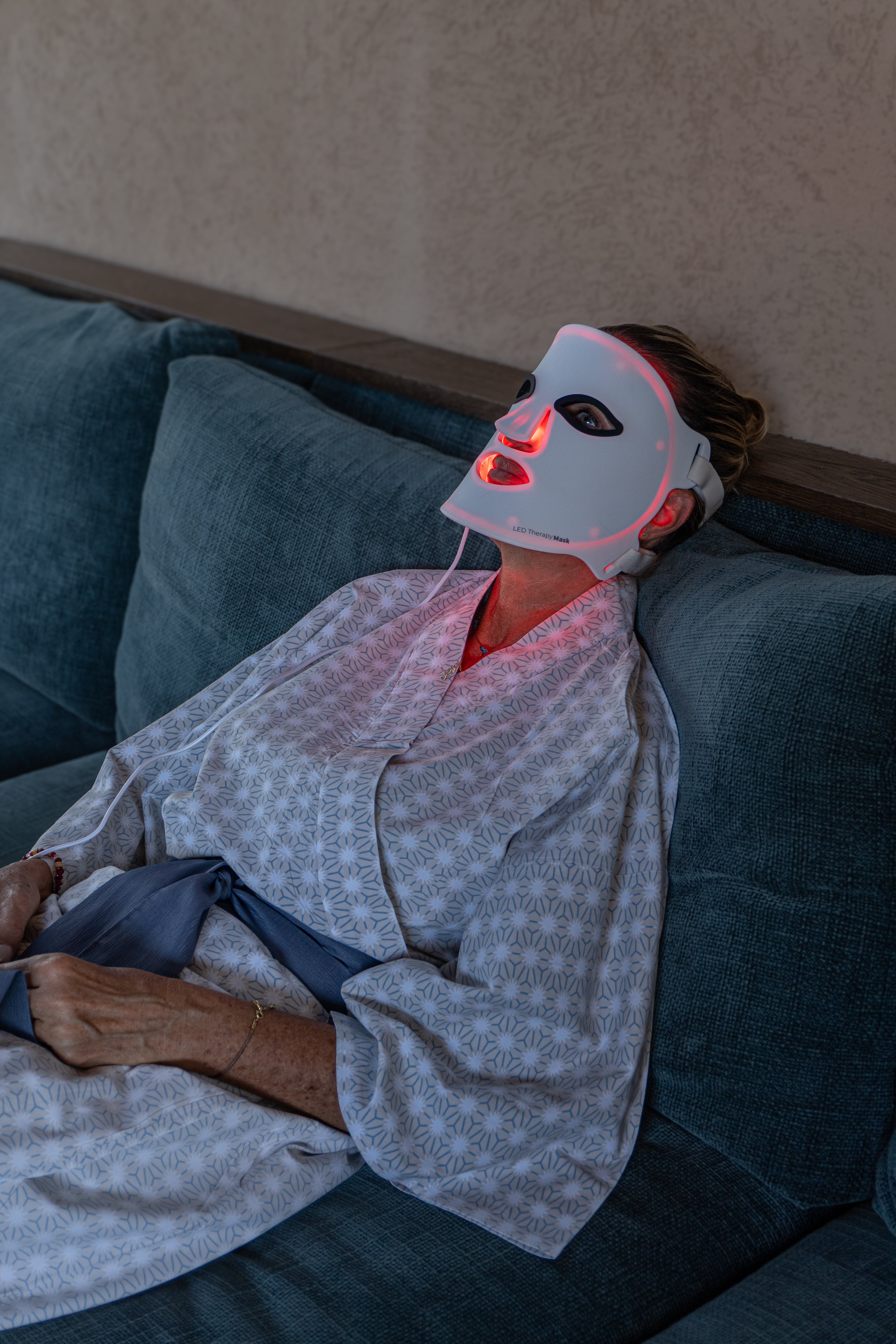
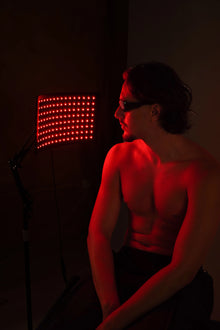
Photobiomodulation, or red light, is studied as a support for muscle recovery because it acts on cellular pathways related to fatigue, inflammation, and repair. A 2024 systematic review with meta-analysis in healthy individuals found that PBMT can improve fatigue recovery; and classic clinical recommendations indicate that positive responses usually appear with cumulative doses of 120 to 300 J in large muscle groups and 20 to 60 J in small groups. At home, a panel like KumoLux Panel facilitates repeating the session with a stable routine. (pubmed.ncbi.nlm.nih.gov)
Practical summary of each tool
| Modality | What objective it fulfills | How to integrate it | What the evidence suggests |
|---|---|---|---|
| Pressotherapy | Relieve legs and reduce the feeling of heaviness. | Sessions of 20 to 30 minutes, with comfortable and progressive pressure. | The 2024 review observed a small benefit on function and a small to moderate effect on pain and soreness. |
| Percussion massage | Release local tension and acutely improve mobility. | Brief blocks on specific areas, without insisting too much on the same area. | The 2023 review found acute improvements in flexibility, explosive strength, and pain, but with high methodological variability. |
| Red light | Support recovery and the feeling of fatigue. | Sessions based on dose and area, rather than a fixed clock. | PBMT showed improvement in fatigue recovery and positive responses depend on the cumulative dose. |
The best routine is not the most aggressive, but the one you can repeat consistently. Compression, massage, and red light work best when each has a clear role: relieve, relax, and stimulate.
−10%on your first order when you join the newsletter
We send you the code instantly. No spam.
How to organize it in a real week
The most logical sequence is usually compression first, mechanical stimulation afterward, and red light at the end. This is a practical inference from the available literature: compression is used to relieve, percussive for modulating local tension, and photobiomodulation to provide a biological signal for recovery. It's not a rigid rule, but a sensible way to avoid mixing too many stimuli at once.
For a more domestic and organized version, the sequence of pressotherapy, red light, and percussion massage at home works very well when repeated with a clear intention and without rushing.
- After a hard leg workout, start with pressotherapy for 20 to 30 minutes and maintain comfortable pressure; in the 2024 review, around 80 mmHg was the most common value.
- Next, dedicate a few minutes to percussion massage on specific areas such as calves, quads, glutes, or lower back, always with moderate intensity. Evidence supports acute effects, but there is no universal protocol for time or cadence yet.
- Later, or within your nighttime routine, apply red light following the device's dosage rather than just the clock; in PBM, total energy and the treated area matter more than an arbitrary duration.
- In high-load weeks, repeat the sequence after games, long runs, or heavy strength training; in light weeks, reduce the volume of the routine and allow for natural recovery.
Common mistakes that hinder recovery
- Thinking that more pressure always equals better results.
- Doing percussion massage for too long or too hard on the same area.
- Using red light as a rescue solution if the week is already dragging too much fatigue.
- Not measuring anything and repeating the same sequence even if you don't notice real changes.
The key is to adjust the dose. In compression, the best-positioned protocols are usually relatively short; in massage and red light, the variability of studies shows precisely that there is no universal recipe.
FAQ about pressotherapy, massage, and red light
What are the benefits of pressotherapy for an athlete's muscle recovery?
The most consistent benefits are a reduced feeling of heaviness, less perceived pain, and improved subjective recovery after demanding sessions. In the 2024 systematic review and meta-analysis on intermittent pneumatic compression, the effects were small, but useful, on muscle function and pain or soreness. This is why pressotherapy works best as a supportive tool, especially for heavy legs or on days with high training volume.
How to combine pressotherapy, percussion massage, and red light in a weekly recovery routine?
A simple way is to use pressotherapy after high-load days, add a short block of percussion massage on the most tense muscle, and leave red light for the afternoon or evening. The sequence makes sense because each technique provides something different, and evidence shows that protocols are very variable; the important thing is to repeat a tolerable routine, not to do everything at maximum intensity. If you train several times a week, think of a brief but consistent routine.
How long does a pressotherapy session with red light last for athletes?
In pressotherapy, the most repeated reference in the 2024 review was 20 to 30 minutes, with around 80 mmHg. With red light, there is no universal figure, because the dose depends on the power and the treated area; therefore, a combined session at home is usually planned by blocks and not just by the clock. As a practical guide, think of a reasonable total session and adjust according to tolerance and objective, not the other way around.
Is it safe to use red light in combination with pressotherapy and massage after intense workouts?
Generally, yes, as long as you respect the intensity and do not apply each tool to an injured or especially sensitive area. The systematic review on percussion massage shows that protocols vary greatly, so it is advisable to start gently; and the safety literature on photobiomodulation includes reviews on side effects and precautions. If you have an acute injury, a suspicion of thrombosis, or a specific clinical doubt, prudence and professional evaluation should come first.
Which muscles regenerate faster with red light therapy and how to measure the results?
There is no universally “faster” muscle. Evidence usually works with large groups, such as legs and trunk, and the response depends on the dose, muscle size, and application time. The most useful approach is to measure results with a combination of perceived pain, stiffness sensation, jump, strength, and time until returning to normal training. If you only look at one variable, you might miss part of the actual effect. (pmc.ncbi.nlm.nih.gov)
What now?
If you want to turn this routine into a habit, start with the pressotherapy collection, complete the system with red and infrared light at home, and if you prefer to see the full approach, visit Kumo Balance's proposal. The idea is not to do more, but to recover better.

Red & infrared light
KumoLux Panel – Red and Infrared LED Panel
★★★★★ 4,8/5 · rated by verified customers
- 660 nm red + 850 nm infrared light
- Full-body muscle recovery
- Clinically validated biohacking protocols
€399,00€499,00· pay in installments with seQura or Klarna