
Introduction: Why combine red light therapy and pressotherapy
The combination of red light therapy and pressotherapy can transform your recovery.
If you're looking to improve your skin's quality, accelerate muscle recovery, and relieve tired legs, combining red light therapy with pressotherapy is one of the most comprehensive and convenient strategies you can use at home. This article will explain what each technology does, what recent science says about it, and how to incorporate them into simple and effective routines.
Red & infrared light
Recover faster, at home
★★★★★ 4,8/5 · rated by verified customers
The KumoLux panel supports muscle recovery with full-body red and infrared light.
- 660 nm red + 850 nm infrared light
- Full-body muscle recovery
- Clinically validated biohacking protocols
€399,00€499,00
−10% on your 1st order when you subscribe to the newsletter

Within a recovery ecosystem like KUMO 's, where LED light therapy, compression boots and percussive massage are combined, these two tools become a daily habit to optimize performance and well-being.
What is red light therapy
Definition and types of devices
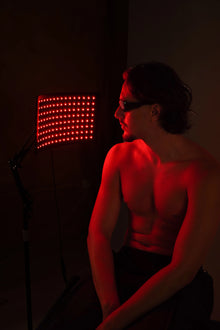
Red light therapy (also called photobiomodulation or red LED therapy) involves exposing the skin to red light and, in many cases, near-infrared light (generally between 600 and 900 nm) at low intensities and without significant heat. This light is not UV, does not tan, and does not damage DNA like ultraviolet radiation.
Personalized protocol · included with your purchase
Want us to tell you how to use it in your case?
With your purchase, our experts set up your red and infrared light sessions for your sport and goal.
Message us on WhatsAppOur experts reply · no obligation
The most common devices are:
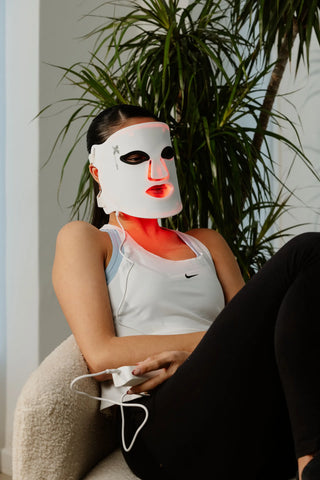
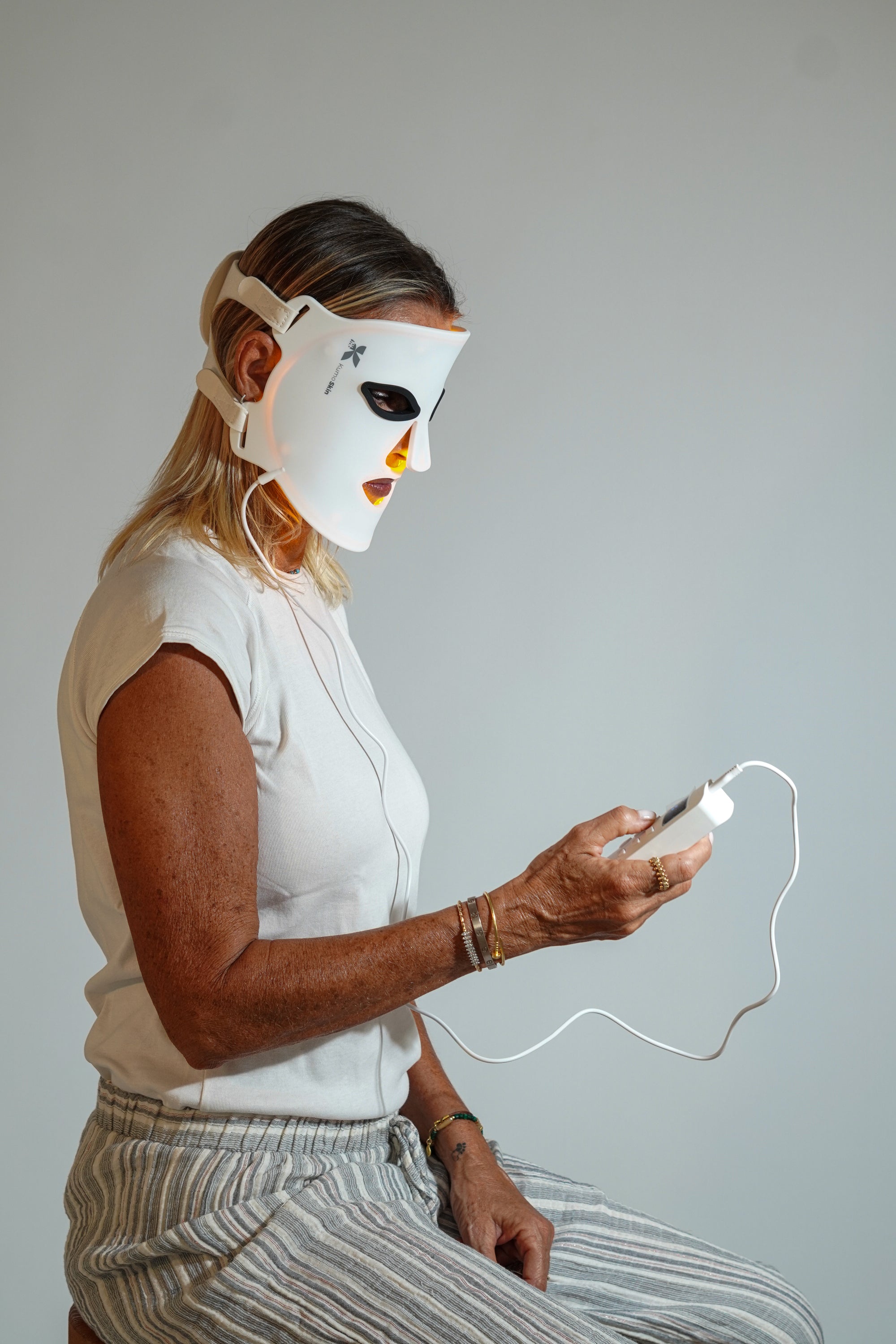
- LED facial masks for rejuvenation and acne treatment.
- Red light therapy panels or lamps for the whole body or specific areas.
- More powerful professional equipment in clinics.
Specialized brands like KUMO offer LED therapy devices designed for frequent home use, integrated into skin care and recovery routines.
Mechanism of action at the cellular level
At a biological level, red light therapy falls under the umbrella of photobiomodulation: light is absorbed by components of the mitochondria, such as cytochrome c oxidase, which can increase ATP (cellular energy) production, modulate reactive oxygen species, and activate signaling pathways that influence inflammation and tissue repair. ( pubmed.ncbi.nlm.nih.gov )
on your first order when you join the newsletter
We send you the code instantly. No spam.
Simply put: red light acts as a “gentle metabolic boost” that helps cells function better, especially when they are stressed or damaged.
Benefits of red light therapy for skin, muscles and sleep
Scientific evidence on red light therapy is still expanding, but several controlled studies point to interesting benefits:
- Facial rejuvenation and wrinkles: Clinical trials with red and red-amber light have shown reductions of around 30% in periorbital wrinkle volume after about 4–8 weeks of treatment (2023 and 2014). ( pubmed.ncbi.nlm.nih.gov )
- Mild to moderate acne: A review and meta-analysis published in 2025 by Mass General Brigham concluded that at-home LED devices (red and/or blue) are a safe and effective option for mild to moderate acne. ( massgeneralbrigham.org )
- Pain and inflammation modulation: Recent reviews indicate that photobiomodulation can help reduce chronic pain (e.g., in knee osteoarthritis or nonspecific lower back pain) and certain inflammatory processes, with effects that depend on the dose and regularity (studies up to 2021). ( uclahealth.org )
On a subjective level, many people report better sleep quality and relaxation when using red light therapy at night, probably due to its calming effect and the absence of intense blue light that disrupts the circadian rhythm.
Thinking of red light therapy as “light nutrition” helps to understand it: small, frequent doses generate gradual changes in skin health and recovery.
What is pressotherapy?
How pressotherapy (intermittent pneumatic compression) works
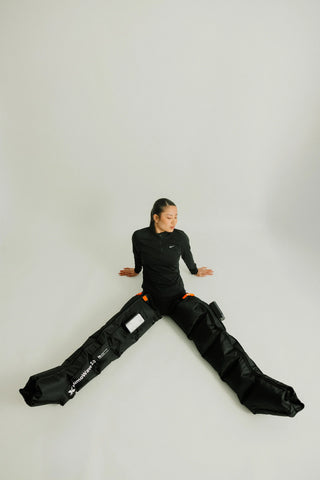
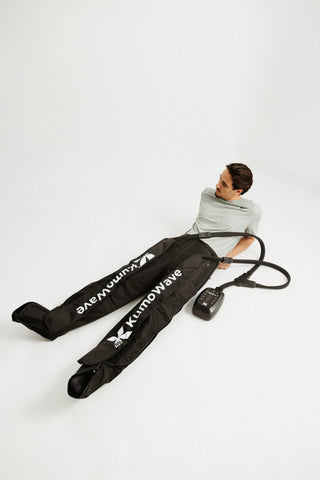
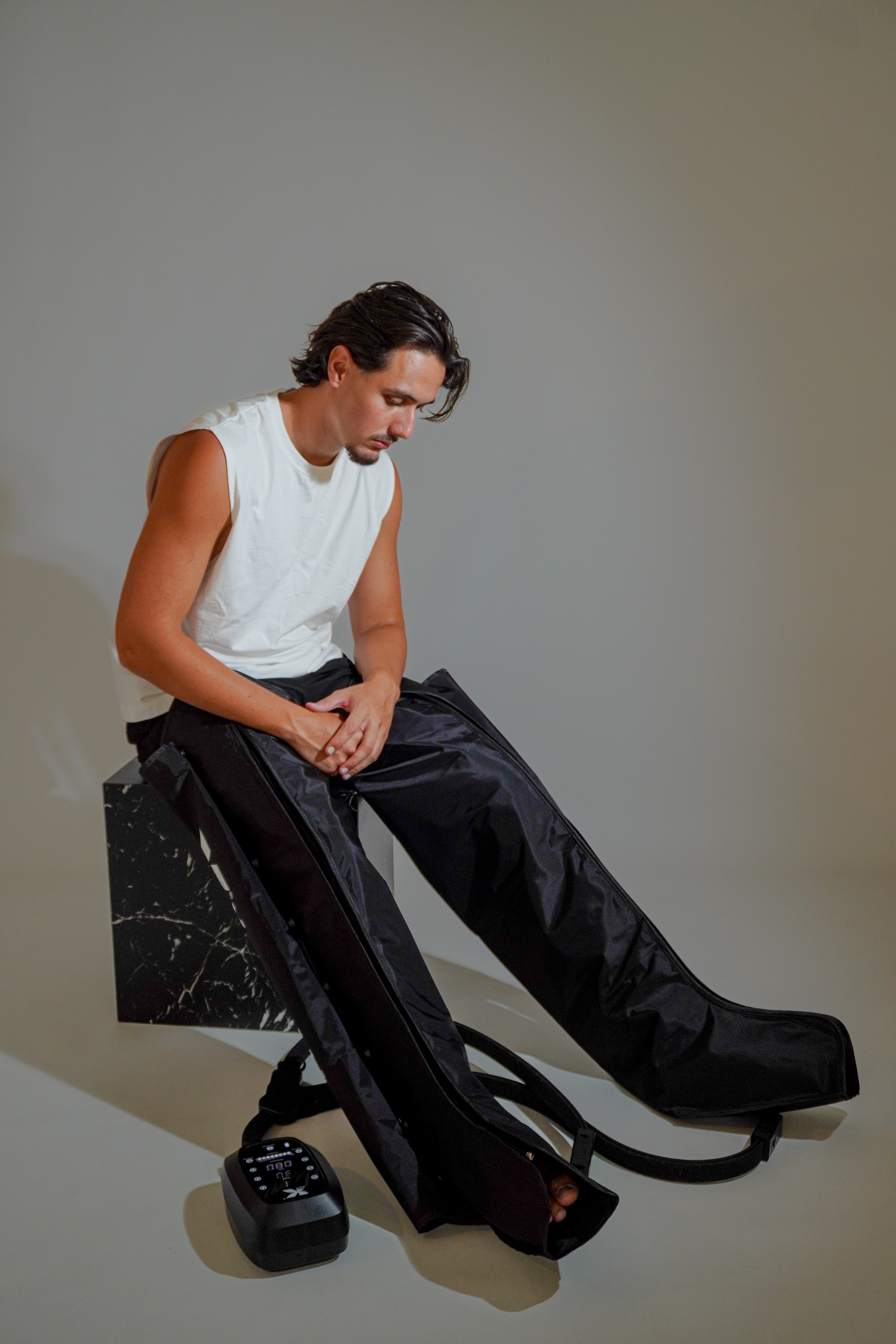
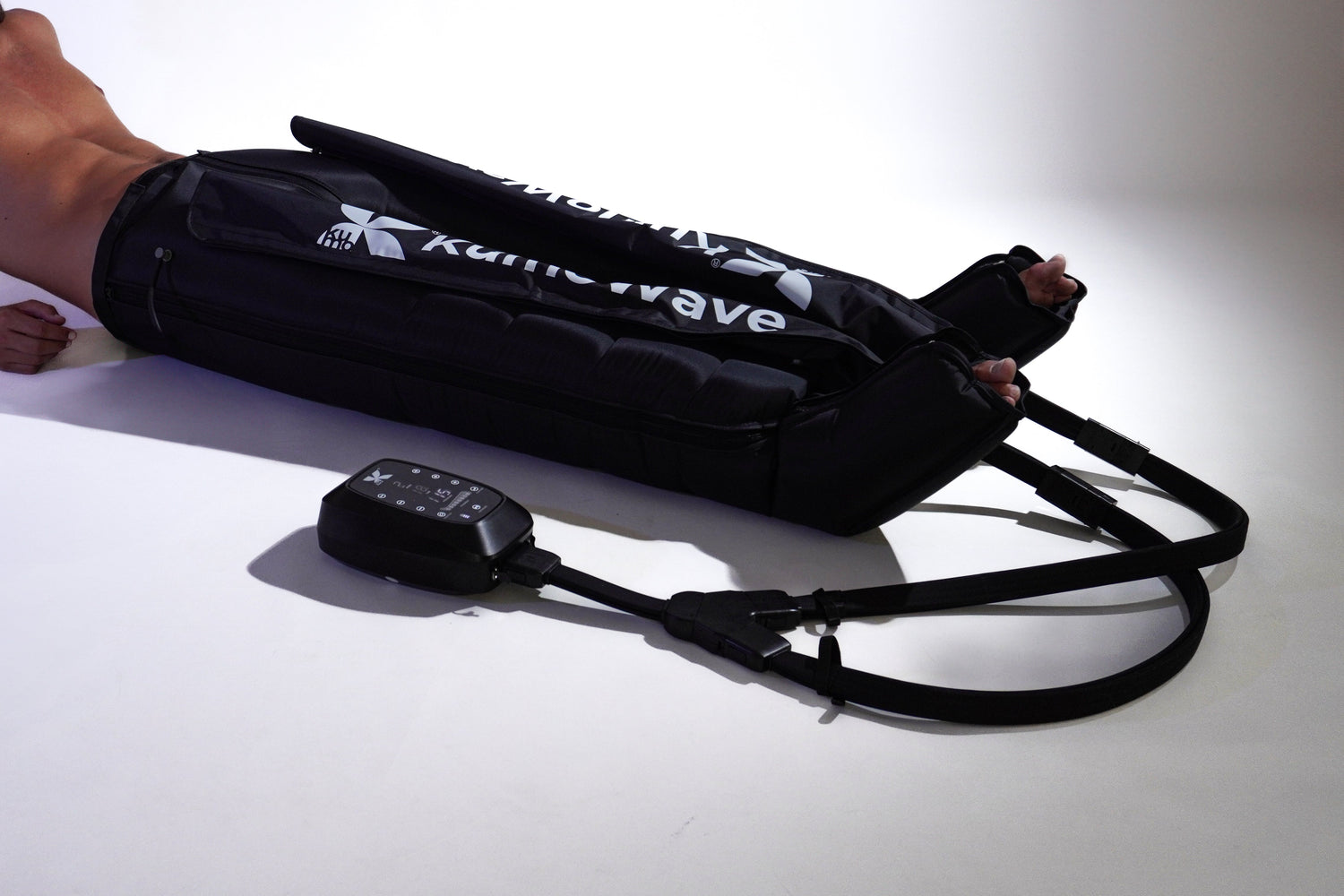
Pressotherapy uses pneumatic compression boots that inflate and deflate via chambers, from the foot to the thigh. This intermittent compression pattern helps to:
- Promote venous and lymphatic return.
- Reduce the feeling of heaviness and swelling in the legs.
- Support the elimination of metabolites accumulated after exercise.
In the sports world, these devices are also known as "compression boots" or intermittent pneumatic compression (IPC) . KUMO compression boots are designed to integrate these benefits into your daily routine, without the need for frequent clinic visits.
What science says about pressotherapy and recovery
In recent years, systematic reviews and meta-analyses have been published on pneumatic compression in sports recovery:
- A systematic review and meta-analysis of 17 studies (319 participants) published in 2024–2025 found trivial to small effects on improving muscle function and post-exercise pain/soreness, with a greater effect on the perception of discomfort than on objective markers of muscle damage. ( pubmed.ncbi.nlm.nih.gov )
- Individual controlled trials indicate that 20–30 minute protocols with pressures close to 80 mmHg are common in athletes, with some improvement in the sensation of “less heavy” legs. ( bmcsportsscimedrehabil.biomedcentral.com )
In summary, pressotherapy is not a "magic wand," but it can be a useful tool to relieve heavy legs and support subjective recovery after intense exertion, especially when integrated into a proper rest and nutrition plan.
Why the combination of red light therapy and pressotherapy is interesting
Potential synergies: circulation, inflammation, and tissue repair
By combining red light therapy with pressotherapy, several fronts are addressed at once:
- Red light acts at the cellular level, modulating inflammatory processes, increasing available energy and promoting tissue repair (skin, muscles, tendons).
- Pressotherapy mechanically improves venous and lymphatic return, helping to eliminate metabolites and reduce the feeling of heaviness or congestion.
The reasonable hypothesis is that by reducing local inflammation with light and improving circulation with compression, a more favorable environment is created for regeneration and a feeling of lightness in muscles and joints. Although there are still not many studies evaluating the exact combination of both techniques, there is solid data separately that support their careful use. ( pubmed.ncbi.nlm.nih.gov )
Comparative table: benefits of each therapy and their combination
| Aim | Red light therapy | Pressotherapy | Recommended combination |
|---|---|---|---|
| Skin and wrinkles | Stimulates collagen, improves texture and tone, reduces fine lines. | Indirect impact (improved circulation), not the main treatment. | Red light on face 10–20 min; optional pressotherapy to improve general well-being. |
| Acne and skin inflammation | It reduces inflammation and promotes healing; useful in mild-to-moderate acne. | It does not act directly on acne. | Regular red (and/or blue) light; pressotherapy only if muscle or leg recovery is sought. |
| Tired legs and fluid retention | Secondary role: may modulate local inflammation. | Improves venous and lymphatic return, reducing heaviness and mild edema. | Pressotherapy session 20–30 min; red light before or after for key muscles (calves, thighs). |
| Recovery after intense training | It helps to modulate inflammation and muscle pain. | It relieves the perception of fatigue and stiffness. | Red light on worked muscle groups + pressotherapy for legs or lower body. |
| Well-being and sleep | Red night light promotes relaxation and does not disrupt the circadian rhythm. | The sensation of deep pneumatic massage facilitates relaxation. | Night routine: 10–15 min of soft red light + 20 min of low pressure pressotherapy. |
How to combine red light therapy and pressotherapy in practice
Better before or after? Recommended order of use
There is no single “official” sequence, but for most wellness and performance goals you can follow this practical guide:
- Sports recovery: first pressotherapy (20–30 minutes), to drain and decompress, and then red light therapy on specific areas (10–15 minutes) to modulate localized inflammation and pain.
- Tired legs from standing or sitting for many hours: start with gentle red light on calves and thighs for 10 minutes and finish with relaxing pressotherapy for 20–25 minutes.
- Nighttime relaxation and skin routine: first LED facial mask and, while you rest, a low-pressure pressotherapy session.
The most important thing is to listen to your body: if you notice too much stimulation when using both in succession, you can separate them at different times of the day (for example, red light in the morning and pressotherapy at the end of the afternoon).
Guiding protocols according to objective
Below are some general guidelines that many people find reasonable (they do not replace individual medical advice):
- Facial rejuvenation: 3–5 weekly sessions of 10–20 minutes with an LED mask, for at least 8 weeks. Controlled studies have observed improvements in wrinkles and collagen density over periods of 4–12 weeks. ( pmc.ncbi.nlm.nih.gov )
- Mild-moderate acne: 3–5 weekly sessions of 10–15 minutes with red (and/or blue) light, depending on tolerance and always on clean skin. ( massgeneralbrigham.org )
- Post-training recovery with compression therapy: 20–30 minutes, 1–2 times a day in the 24–48 hours following intense training, with moderate pressures (in studies, around 80 mmHg is commonly used). ( pubmed.ncbi.nlm.nih.gov )
- Overall recovery and sleep: 10–15 minutes of gentle red light in the evening + 20 minutes of relaxing pressotherapy 3–4 times per week.
When using quality devices like those from KUMO , the key is not the maximum intensity, but consistency and respect for the times recommended by the manufacturer.
How to integrate other KUMO recovery tools
The combination of red light and pressotherapy is enhanced if you intelligently add other recovery technologies:
- Percussive massage gun: After pressotherapy, you can use a massager like KUMOPULSE Air for 5–10 minutes on points of greater tension (quadriceps, glutes, calves).
- Mobility routine: brief dynamic stretches after the red light help to take advantage of the feeling of warmth and muscle relaxation.
- Sleep hygiene: combining brief exposure to red light at night with a reduction in blue screens makes it easier to fall asleep.
Safety, contraindications and good practices
Safety and precautions in red light therapy
Red light therapy is generally considered a safe and well-tolerated technique when used within appropriate parameters. Recent reviews and guidelines from academic centers (such as UCLA Health) highlight that adverse effects are usually mild and transient: redness, local heat, or dryness, which subside within a few hours. ( uclahealth.org )
However, it is advisable to apply these basic recommendations:
- Do not look directly at the LEDs and wear eye protection during facial sessions.
- Start with short periods and gradually increase the time.
- Do not apply to suspicious skin lesions, tumors, areas with active infections, or recent burns.
- Consult a healthcare professional if you are taking photosensitizing medication (oral retinoids, certain antibiotics, etc.).
- During pregnancy, avoid direct exposure to the abdomen and lower back unless medically indicated.
Safety and basic contraindications of pressotherapy
Pressotherapy, although usually well-tolerated in healthy individuals, has more formal medical contraindications than red light therapy. In general, it should not be used without supervision in cases of:
- Deep vein thrombosis or recent history.
- Decompensated heart failure.
- Significant peripheral arterial insufficiency.
- Skin infections or open wounds in the application areas.
- Edema of unclear cause.
If you have a cardiovascular, lymphatic, or metabolic disease, it is advisable to talk to your doctor before introducing regular pressotherapy sessions, even with home equipment.
Good practices when combining both therapies
To maximize benefits and minimize risks when combining red light therapy and pressotherapy:
- Respect the times and frequencies indicated by each device.
- Avoid excessively long sessions (for example, more than 40–45 continuous minutes combining both therapies in the same area).
- Hydrate your skin after light therapy, especially if you notice dryness.
- Stop use and consult a professional if persistent discomfort, dizziness, intense tingling, or unusual pain occurs.
Frequently asked questions about red light therapy and pressotherapy
How many times a week can I use red light therapy at home?
Most skin and recovery protocols recommend 3 to 5 sessions per week , at least for the first 6–8 weeks. Facial rejuvenation studies have used up to 2 sessions per week for 4–12 weeks with good results and no significant adverse effects ( pmc.ncbi.nlm.nih.gov ). After this initial phase, many people switch to a maintenance regimen of 2–3 times per week. The important thing is to respect the maximum session times indicated by the manufacturer and not to assume that “more is always better.” Consistency is usually more important than power.
Is it better to apply red light therapy before or after pressotherapy?
It depends on your main goal. If you prioritize post-workout recovery , it's often practical to perform compression therapy (20–30 minutes) first to drain toxins, and then apply red light therapy to the most stressed muscle groups. If your goal is relaxation and sleep, many people prefer to start with gentle red light (for example, a face mask) and finish with low-pressure compression therapy to induce a feeling of deep rest. You can try both sequences and stick with the one that makes you feel better, always within safe parameters.
Does red light therapy have any significant contraindications?
Although red light therapy is generally safe, there are situations in which it should be avoided or used only under professional supervision: a history of skin cancer in the area to be treated, use of photosensitizing drugs, photosensitive diseases (such as some autoimmune diseases), light-sensitive epilepsy, or pregnancy when irradiating the abdomen or lower back is planned. ( keystoyourhealth.org ) In all these cases, it is advisable to consult with a dermatologist or trusted physician before starting regular treatments with LED devices, even if they are for home use.
How long does it take to see improvement when combining red light and pressotherapy?
The fastest changes are usually subjective : a feeling of lighter legs and less fatigue after the first few compression therapy sessions, or improved sleep quality and relaxation with red light therapy within a few days. Visible changes in skin (texture, fine lines) and exercise tolerance typically require several weeks of consistent use. Facial photobiomodulation studies show clear improvements between 4 and 12 weeks of regular treatment ( pmc.ncbi.nlm.nih.gov ), while sports recovery protocols with pneumatic compression are usually evaluated within 24–72 hours after each exertion. The key is to allow time for the process to unfold.
So what now?
If you want to integrate red light therapy and compression therapy into your daily routine, the first step is choosing reliable, safe, and easy-to-use devices. At KUMO, you'll find a complete ecosystem of LED light therapy devices , compression boots , and complementary tools like massage guns to create your own at-home recovery routine. If you have specific medical questions or would like personalized guidance on which combination is best suited to your needs, you can contact us through the KUMO contact page or consult your healthcare professional before starting.

Red & infrared light
KumoLux Panel – Red and Infrared LED Panel
★★★★★ 4,8/5 · rated by verified customers
- 660 nm red + 850 nm infrared light
- Full-body muscle recovery
- Clinically validated biohacking protocols
€399,00€499,00· pay in installments with seQura or Klarna