Introduction: Why home pressotherapy makes so much sense
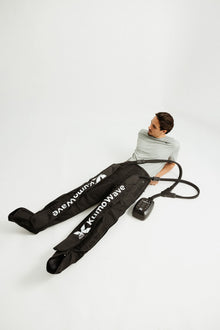
Your lymphatic system needs movement, not magic. Home pressotherapy is a tool designed precisely for that: to mechanically stimulate venous and lymphatic return through intermittent pneumatic compression, helping to relieve the feeling of heavy legs, promote fluid drainage, and support recovery.
In hospitals, these types of devices have been used for decades to prevent blood clots and, in certain cases, to treat lymphedema and other circulatory disorders. Today, safe and easy-to-use versions are available for home use, provided that medical advice and the manufacturer's instructions are followed. This guide will show you how to intelligently integrate them into your routine and how to combine them with other habits that protect your lymphatic system.
Pressotherapy at home
End the day with light legs
★★★★★ 4,8/5 · rated by verified customers
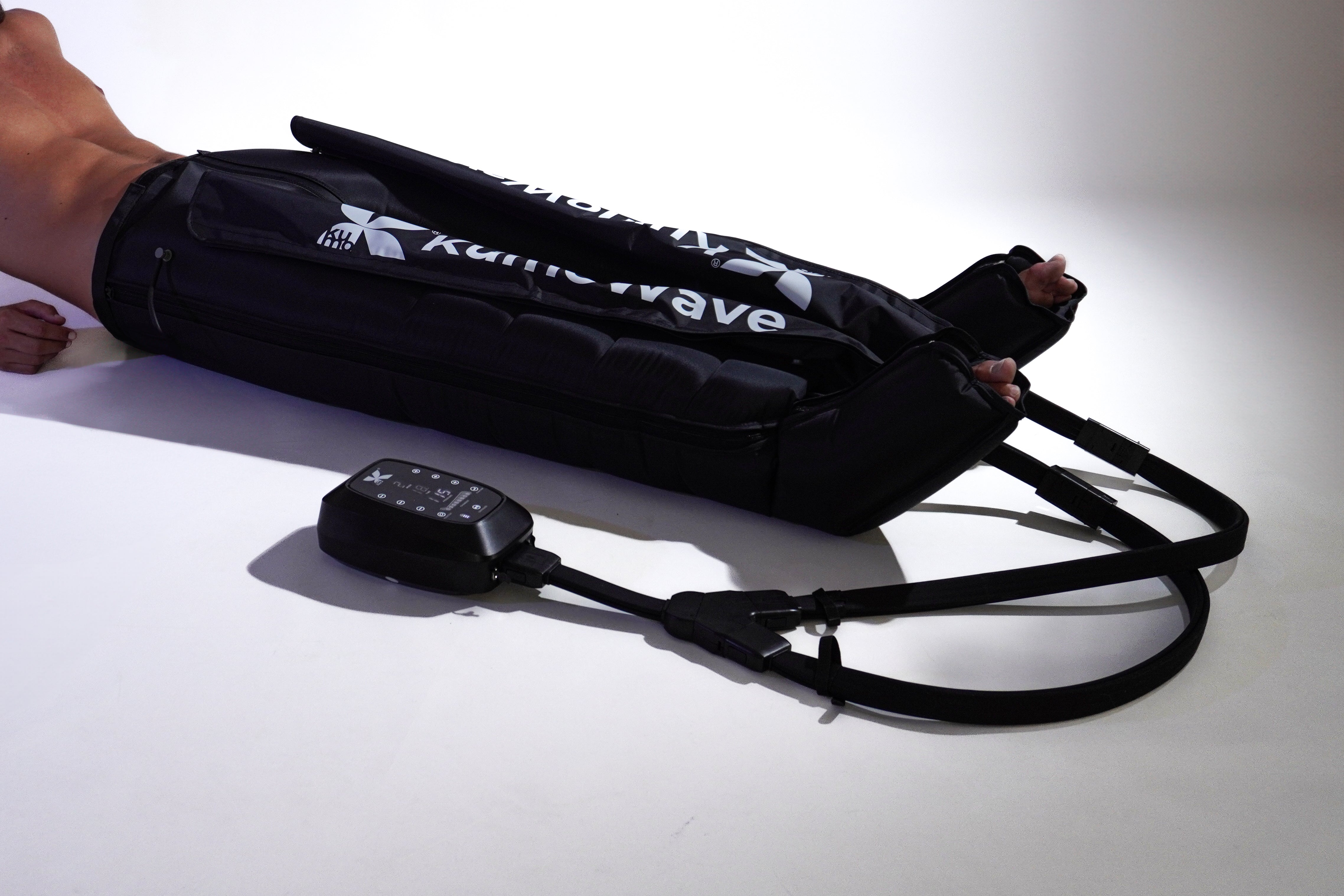
KumoWave pressotherapy boosts circulation and helps drain fluid with sequential compression, in 20-minute sessions at home.
- Boosts circulation and helps drain fluid
- Chamber-based compression, adjustable to you
- Sequential compression that mimics manual drainage
€799,00€999,00
−10% on your 1st order when you subscribe to the newsletter

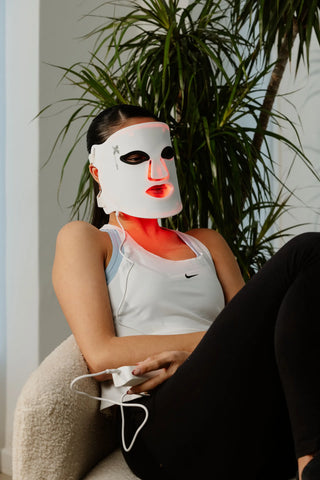
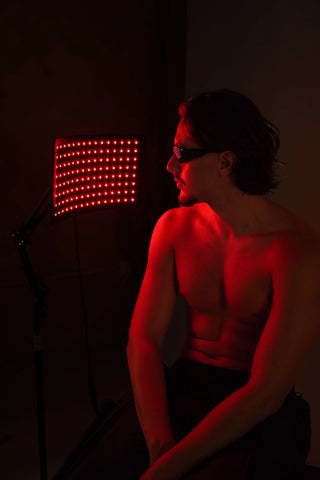
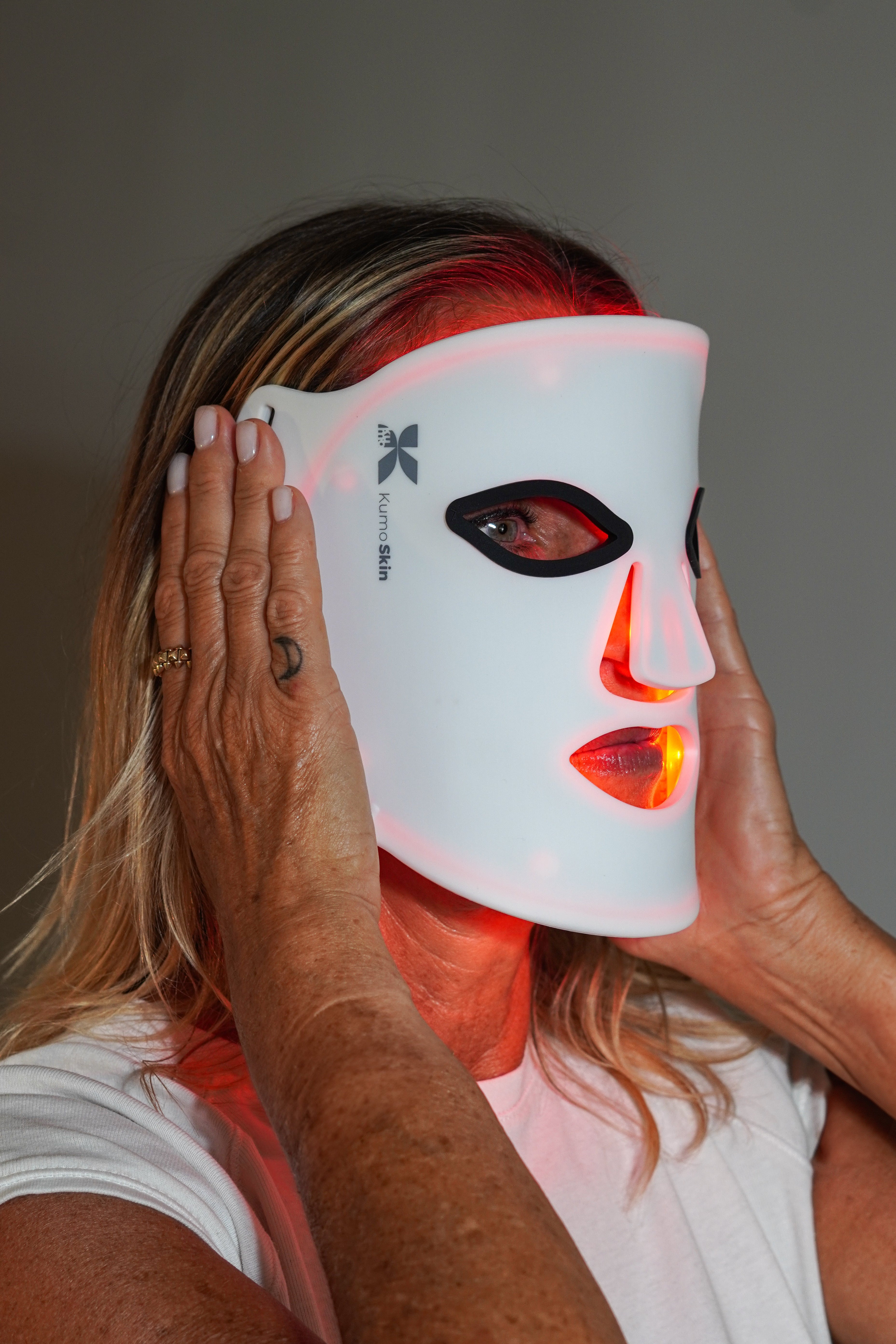
At KUMO, we integrate this technology into a premium recovery ecosystem that includes red light, LED masks, massage guns, and pressotherapy boots, so that taking care of your body becomes a natural part of your daily routine.
What is pressotherapy and how is it related to the lymphatic system?
A quick overview of the lymphatic system
The lymphatic system is a network of vessels, nodes, and organs (such as the spleen and thymus) that transports lymph, a fluid rich in white blood cells, proteins, and fats. Its role is key in immune defense and in the drainage of interstitial fluid: it collects excess fluid from the tissues and returns it to the bloodstream, preventing it from accumulating and causing swelling (lymphedema). (medlineplus.gov )
Personalized protocol · included with your purchase
Want us to tell you how to use it in your case?
With your purchase, our experts prepare a personalized usage protocol for your case: sport, circulation, fluid retention, pregnancy or lipedema.
Message us on WhatsAppOur experts reply · no obligation
Unlike the cardiovascular system, the lymphatic system doesn't have a central pump like the heart. Lymph moves through muscle contractions, deep breathing, and pressure variations within the body. That's why movement, breathing, and mechanical compression techniques are so important for its proper function.
What exactly is pressotherapy?
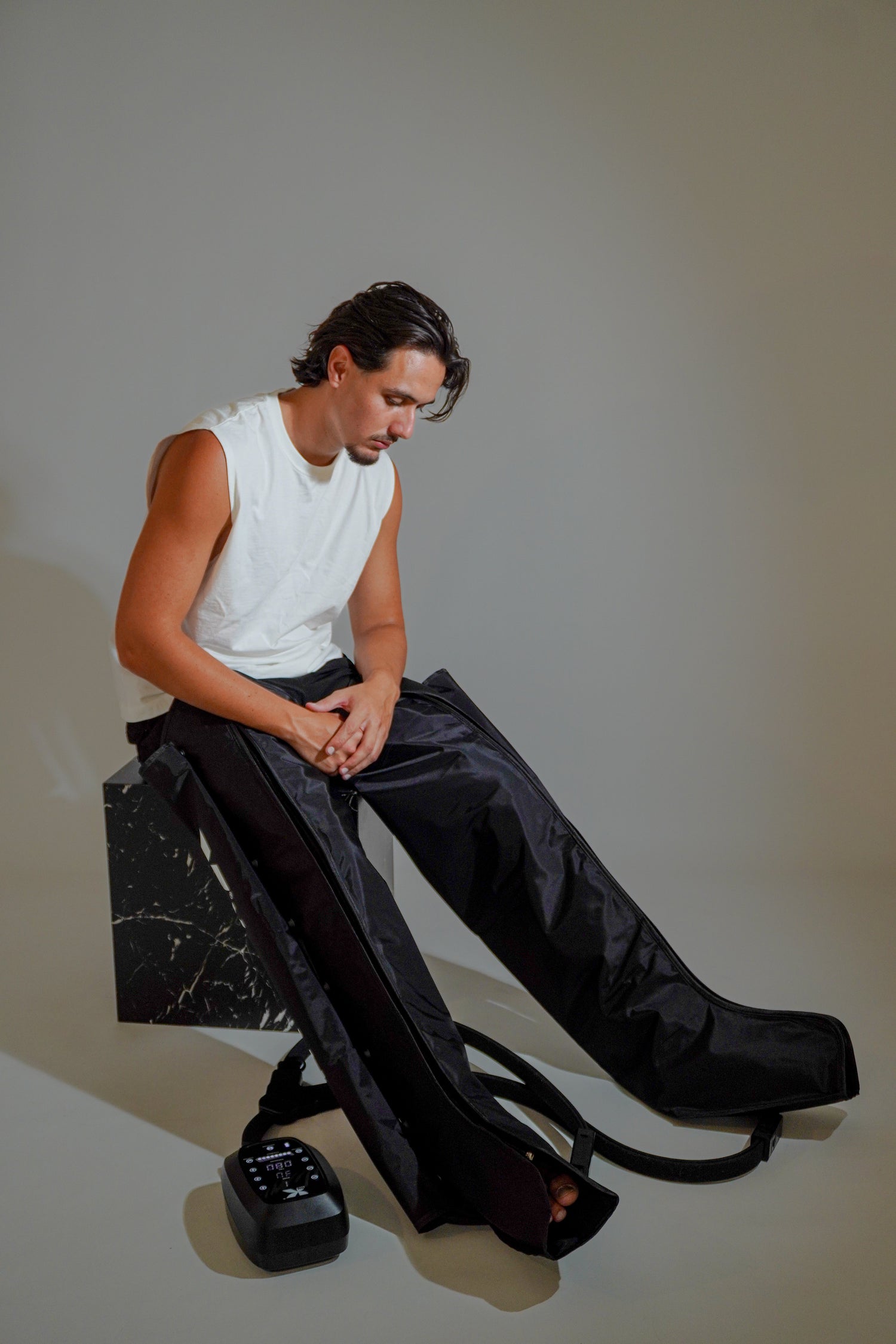
Pressotherapy (or intermittent pneumatic compression) uses sleeves or boots with several air chambers connected to a compressor. These chambers inflate and deflate in programmed cycles, applying gentle, sequential pressure from the end of the limb toward the torso. ( my.clevelandclinic.org )
In clinical practice, it is used to prevent deep vein thrombosis in immobilized patients, improve venous circulation, and, in some cases, as part of the treatment for lymphedema in the arms or legs, along with exercise, bandages, and compression garments. ( pubmed.ncbi.nlm.nih.gov )
on your first order when you join the newsletter
We send you the code instantly. No spam.
From the clinic to the home: why home pressotherapy has become so widespread
Systematic reviews of pneumatic compression devices indicate that current models tend to use moderate pressures (30–60 mmHg) and 45–60 minute sessions, making them more comfortable for regular use and, in many cases, suitable for home self-care in selected patients. ( pubmed.ncbi.nlm.nih.gov )
At the same time, interest in well-being, sports recovery and leg health has driven the development of pressotherapy boots specifically designed for home use, aimed at active users, people who spend many hours sitting or standing and those seeking to relieve the feeling of swelling or heaviness in the limbs.
Potential benefits of home pressotherapy
Relief from tired legs and improved circulation
Several studies have shown that intermittent pneumatic compression can acutely increase blood flow in the legs by mimicking the action of the calf muscle pump. A study in healthy adults observed a significant increase in femoral artery flow and vascular conductance when compression was applied during and after exercise. ( pubmed.ncbi.nlm.nih.gov )
In practice, many people perceive the following benefits with pressotherapy boots:
- Reduction in the feeling of heavy or tired legs at the end of the day.
- Less swelling related to long periods of sitting, standing, or long journeys.
- A subjective feeling of lightness and muscle relaxation after the session.
These benefits do not replace exercise or medical prescription, but they can very well complement an active lifestyle and basic circulatory care.
Lymphatic drainage support
In the field of lymphedema (chronic accumulation of lymph in tissues), literature reviews show that intermittent pneumatic compression can reduce limb volume and improve tissue elasticity when integrated into comprehensive decongestive therapy programs (exercise, bandages, compression garments, and skin care). ( pubmed.ncbi.nlm.nih.gov )
It is important to clarify two key points:
- It is not an isolated therapy: guidelines insist that the cornerstone of lymphedema management remains elastic compression (sleeves, stockings) and adapted physical activity. ( nhs.uk )
- It must be supervised: in the case of a diagnosis of lymphedema or other vascular pathologies, the indication and parameters of use must be defined by specialized professionals.
For people without a diagnosed illness, home pressotherapy can be understood more as a wellness tool and support for lymphatic return, provided there are no medical contraindications.
Muscle recovery and overall well-being
The temporary increase in blood flow achieved with pneumatic compression has been linked to improved metabolite clearance and increased muscle oxygenation after exercise, which could theoretically promote recovery. ( pubmed.ncbi.nlm.nih.gov )
In practice, many athletes use compression boots after intense training to:
- Reduce the feeling of muscle "load".
- Facilitate relaxation after very demanding sessions.
- Integrate a recovery ritual that encourages rest and body care.
Specific evidence on performance is still heterogeneous, but as a tool for subjective recovery and well-being, home pressotherapy fits very well within a global approach to self-care.
How to do pressotherapy safely at home
Before we begin: Is it right for you?
Although compression boots are designed to be safe, they are not for everyone. In general, it is recommended to seek prior medical evaluation if you have or have had:
- Diagnosed lymphedema, cancer, or surgery with lymph node removal.
- Previous venous thrombosis, coagulation disorders, or phlebitis.
- Heart failure, generalized edema, or severe kidney disease.
- Open ulcers, active skin infections, or wounds in the area to be treated. ( mayoclinic.org )
In patients with lymphedema, the guidelines emphasize that any form of compression—including pneumatic compression—should be part of an individualized plan supervised by a lymphedema specialist. ( nhs.uk )
Basic steps of a pressotherapy session at home
Each device has its own programs and settings, but a home session usually follows this general pattern:
- Preparation: Moisturize lightly beforehand, empty your bladder, and make sure your skin is clean, dry, and free of oily lotions or visible wounds.
- Putting on: Put on the boots or sleeves without wrinkles, leaving reasonable space at the toes and adjusting the zippers or velcro according to the manufacturer's instructions.
- Program selection: For wellness use, sequential programs with moderate pressure and regular inflation-deflation cycles are typically used. Reviews on lymphedema report 45–60 minute sessions with pressures of 30–60 mmHg, but this research data should not replace medical judgment or instructions from your equipment. ( pubmed.ncbi.nlm.nih.gov )
- During the session: maintain a comfortable posture, avoid crossing your legs and take the opportunity to breathe deeply, read or relax.
- Afterwards: remove the equipment, check that the skin is not persistently reddened, and stand up slowly to avoid dizziness if you have been lying down for a long time.
Warning signs and when to stop the session
Stop the session immediately and consult a healthcare professional if you notice the following during or after pressotherapy:
- Intense, oppressive, or increasing pain in the legs or arms.
- Sudden worsening of swelling or appearance of edema in a single limb without a clear cause.
- Difficulty breathing, severe dizziness, or palpitations.
- Intense redness, localized heat, or signs of skin infection. ( mayoclinic.org )
Pressotherapy should be pleasant, never painful. If it's uncomfortable, the problem isn't solved by "enduring it longer," but by adjusting the pressure, position, or, if necessary, discontinuing its use.
Daily habits that enhance the effect of pressotherapy
Compression devices work best when integrated into a lifestyle that already promotes lymphatic flow. Various health education sources agree on three key pillars: regular movement, hydration, and skincare. ( nhs.uk )
Smooth and regular movement
Since the lymphatic system doesn't have a central pump, it relies on your muscles. Walking, climbing stairs, gentle yoga, or swimming are all excellent ways to stimulate your lymphatic system. Even active breaks of 5–10 minutes every hour—standing up, doing ankle circles, gentle stretches—can make a difference if you spend many hours sitting. ( inspiredhealthmed.com )
Adequate hydration
Lymph is largely composed of water; dehydration makes it more viscous and hinders its movement. Many general health guidelines recommend around 8 glasses of water a day as a starting point, adjusting according to weight, climate, and physical activity. ( cota.com.au )
Practical tips:
- Always carry a reusable bottle and set "micro-goals" (e.g., two sips every 20 minutes).
- Prioritize water and herbal teas over sugary drinks or alcohol.
- Add foods rich in water (cucumber, watermelon, citrus fruits) to your daily diet.
Skin care and loose-fitting clothing
In people prone to fluid retention or lymphedema, skin integrity is essential to prevent infections and complications. Specialized lymphedema organizations emphasize the importance of daily hydration, protecting the skin from cuts and burns, and avoiding excessively tight clothing that compresses the hips, groin, or armpits. ( nhs.uk )
Combining a good skincare routine with pressotherapy and gentle movement (walking after the session, for example) creates a virtuous circle for your legs.
Deep breathing and rest
Diaphragmatic breathing acts as a powerful lymphatic pump in the thoracic and abdominal areas. Practicing deep breathing for a few minutes (inhaling through the nose for 4 seconds, exhaling slowly for 6–8 seconds) several times a day can help mobilize lymph and also reduce stress, which also affects vascular health. ( inspiredhealthmed.com )
Also try to respect regular sleep schedules: during the night repair and purification processes are activated, including the cerebral lymphatic system (glymphatic system).
Combining pressotherapy with other recovery technologies
Home pressotherapy can be another component of a comprehensive recovery strategy. At KUMO, we are committed to combining complementary technologies to address circulation, muscle tissue, and sleep quality.
Red light and LED therapy
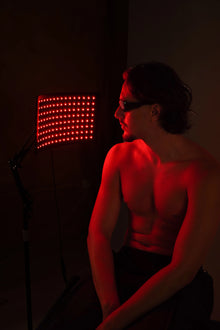
Red and near-infrared light therapy is used in fields such as muscle recovery, sleep support, and skin health. Some studies suggest that photobiomodulation can modulate inflammation and promote tissue regeneration, although research is ongoing. Incorporating red light sessions after training or before bed can effectively complement the effects of compression therapy on the feeling of light legs and overall relaxation.
If you're interested in this synergy, you can explore KUMO's LED light therapy collection and design a routine that combines compression, light, and deep breathing.
Massage and myofascial release guns
New-generation massage guns allow for targeted treatment of muscle tension points and fascia. When used judiciously (low to medium intensity, avoiding bony or inflamed areas), they can:
- Help to release muscle tension.
- Complement the increased flow produced by pressotherapy with a more focused stimulus.
- To be part of a warm-up or post-training recovery protocol.
One example is the KUMOPULSE Air massage gun , designed to combine working depth and comfort, ideal to integrate with your compression boot sessions.
Pressotherapy as the central focus
If your priority is your legs (heaviness, poor venous return, long hours of standing or sitting), pressotherapy is usually the main focus of your fitness routine. From there, you can add red light therapy to promote restful sleep or massage guns for particularly tense areas (glutes, calves, lower back), always listening to your body's signals and avoiding excessive stimulation on days of intense fatigue.
For specific options for compression boots and programs, you can visit the KUMO pressotherapy section .
How to integrate pressotherapy into your week
Example of a weekly lymphatic care routine
The ideal frequency and duration depend on your health status, activity level, and medical recommendations. For illustrative purposes, this table shows how pressotherapy could be integrated into a week of self-care for a person without diagnosed conditions (this is not a medical protocol):
| Day | Pressotherapy | Smooth movement | Other lymphatic habits |
|---|---|---|---|
| Monday | Short session after work | 20–30 minute walk | Hydration + light, low-salt dinner |
| Tuesday | Rest | Stretching or gentle yoga | Leg and foot skin care routine |
| Wednesday | Moderate session after training | Active cooling (5–10 min walk) | Deep breathing before sleep |
| Thursday | Rest | Active breaks every hour at work | Review of warning signs or discomfort |
| Friday | Short session at the end of the day | Short night walk | Extra hydration after the session |
| Saturday | Optional, depending on the week's workload | Recreational activity (hiking, gentle cycling…) | Light self-massage of feet and ankles |
| Sunday | Rest | Gentle mobility and stretching | Planning healthy habits for the week |
If you have been prescribed pressotherapy for a specific medical problem, always follow your specialist's instructions (duration, frequency, pressure and combination with other therapies).
Frequently asked questions about home pressotherapy
How many times a week can I do pressotherapy at home?
Studies on lymphedema have used frequencies ranging from several sessions per week to almost daily use for several weeks, always within supervised programs. ( pubmed.ncbi.nlm.nih.gov ) For general wellness use (tired legs, recovery after work or sports), many people opt for 2–5 sessions per week of moderate duration. The key is to listen to your body: if you notice worsening swelling, pain, or excessive fatigue, reduce the frequency and consult a healthcare professional, especially if you have a history of vascular problems.
How long should a home pressotherapy session last?
A 2018 systematic review of pneumatic compression for lymphedema found that many effective interventions used 45–60 minute sessions with pressures of 30–60 mmHg in sequential programs. ( pubmed.ncbi.nlm.nih.gov ) However, these data come from therapeutic settings and do not constitute a universal recommendation. For home use focused on well-being, it is generally reasonable to start with shorter sessions (e.g., 20–30 minutes) and assess sensations, adjusting accordingly based on tolerance and always following the manufacturer's instructions and, if applicable, your doctor's advice.
Does at-home pressotherapy help you lose weight or eliminate cellulite?
Pressotherapy is designed to improve circulation and lymphatic drainage, not as a primary fat loss tool. Some users notice temporary aesthetic changes (less swelling, a "lighter" appearance of the legs) because fluids are mobilized and edema is reduced. However, scientific evidence regarding its direct effect on cellulite and weight loss is limited and highly inconsistent. For sustained changes in body composition, the foundation remains a balance between diet, physical activity, and rest; pressotherapy can be a complement, not a substitute.
Is home pressotherapy safe if I have varicose veins or lymphedema?
In the case of simple varicose veins, some professionals use pneumatic compression to support venous return, but the assessment must be individualized: there are situations (thrombosis, ulcers, advanced venous insufficiency) in which it may not be indicated. In lymphedema, guidelines state that compression—including pneumatic compression—should only be used within a structured program, under the supervision of a specialist and combined with compression garments, exercise, and skin care. ( nhs.uk ) If you have any doubts, the prudent response is the same: consult your doctor or lymphedema team first.
Can I use pressotherapy at home after training?
Yes, many people use it precisely at that moment to promote a feeling of recovery and muscle rest. The increased blood flow observed in pneumatic compression studies suggests that it can help eliminate metabolites and deliver oxygen to the muscle post-exercise. ( pubmed.ncbi.nlm.nih.gov ) It is advisable to wait until your heart rate has decreased, hydrate, and avoid applying excessive pressure or compression to areas with acute pain or recent injury. Combining the session with a gentle cool-down walk, light stretching, and a good night's sleep often provides a much more comprehensive recovery approach.
So what now?
If you want to make taking care of your lymphatic system and recovery a habit rather than an extra, at-home compression therapy can be a great ally, especially when combined with movement, hydration, good sleep hygiene, and complementary technologies like red light therapy or percussion massage. At KUMO, we've designed a range of high-performance solutions—from compression boots to LED lighting—so you can create your own at-home wellness routine. Explore our compression therapy and recovery options, and if you need personalized guidance, don't hesitate to contact us through our contact page.
KumoWave pressotherapy
Choose your at-home pressotherapy
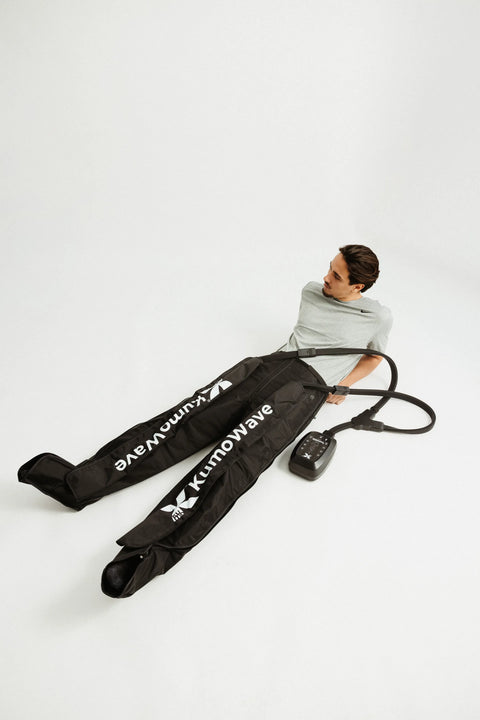
KumoWave Elite – Pressotherapy Pants
Full-coverage trousers. Ideal for lipedema, fluid retention and intensive use.
€799,00 €999,00
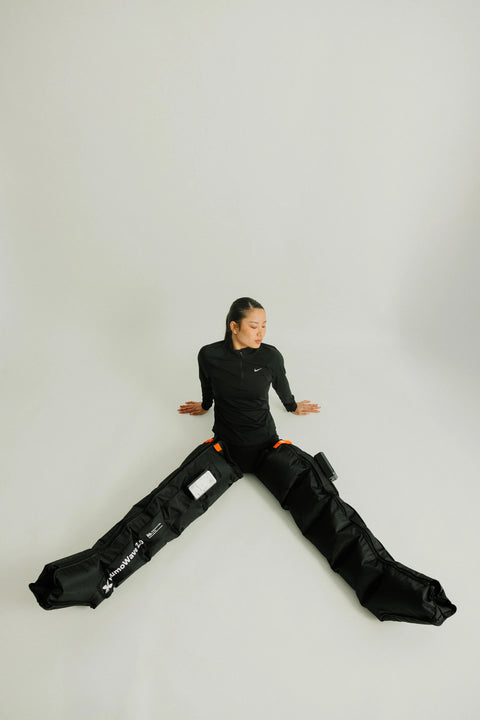
KumoWave 2.0 - Wireless Pressotherapy
Wireless, lightweight boots. Perfect for daily use and recovery.
€499,00 €599,00