
Red light is in vogue for a reason. By 2025, red light therapy (also called photobiomodulation) has established itself as a wellness tool for skin care, supporting muscle recovery, and improving quality of life from home, provided it is used judiciously.
In this guide, you'll learn what red light therapy really is, what benefits are backed by science, how to get started step by step, and what precautions to take before incorporating it into your recovery and performance routine. If you already use advanced recovery technologies like those from KUMO , you'll see how red light can be seamlessly integrated into your daily life.
Red & infrared light
Recover faster, at home
★★★★★ 4,8/5 · rated by verified customers
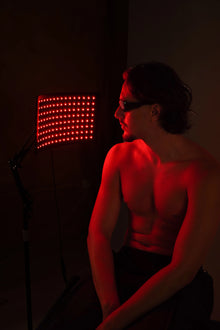
The KumoLux panel supports muscle recovery with full-body red and infrared light.
- 660 nm red + 850 nm infrared light
- Full-body muscle recovery
- Clinically validated biohacking protocols
€399,00€499,00
−10% on your 1st order when you subscribe to the newsletter

What exactly is red light therapy?
Red light therapy is a form of photobiomodulation: the application of low-intensity red and/or near-infrared light to trigger beneficial biological effects in cells without heating or damaging tissues. ( pubmed.ncbi.nlm.nih.gov )
In practice, this is usually done with LED devices (face masks, panels, spotlights) that emit specific wavelengths, typically around 630–660 nm (visible red) and 800–850 nm (near infrared). ( allure.com )
Personalized protocol · included with your purchase
Want us to tell you how to use it in your case?
With your purchase, our experts set up your red and infrared light sessions for your sport and goal.
Message us on WhatsAppOur experts reply · no obligation
It is not a surgical laser, it does not tan the skin (it does not emit UV radiation) and, when used correctly, it has a very different safety profile than UVA tanning beds. ( thesun.co.uk )
The scientific basis in a nutshell
The leading hypothesis behind photobiomodulation is mitochondrial. Several reviews have indicated that the primary “target” of red light appears to be the enzyme cytochrome c oxidase, located in the mitochondrial respiratory chain. ( pubmed.ncbi.nlm.nih.gov ) By absorbing photons, this enzyme can:
- Increase the production of ATP (the cell's "energy currency").
- Modulating the release of nitric oxide (NO), a key molecule in vasodilation and cell signaling. ( pubmed.ncbi.nlm.nih.gov )
- Reduce oxidative stress and inflammation in certain tissues.
The final result varies depending on the tissue: in the skin it translates into increased collagen synthesis and improved microcirculation; in muscle, into potentially faster recovery; in the nervous system, into neuromodulatory effects still under study. ( link.springer.com )
on your first order when you join the newsletter
We send you the code instantly. No spam.
Potential benefits in 2025 (based on the evidence)
Skin care and anti-aging
The area with the most clinical evidence in 2025 is cosmetic dermatology. Controlled studies have shown that regular exposure to red light can improve fine wrinkles, skin firmness and texture, as well as support skin barrier repair. ( pubmed.ncbi.nlm.nih.gov )
For example, a 2023 clinical trial with 20 women who used a red LED mask (≈630 nm) twice a week for 3 months observed progressive improvements in wrinkle depth, elasticity, and dermal density, with results persisting for at least one month after the end of treatment. ( pubmed.ncbi.nlm.nih.gov )
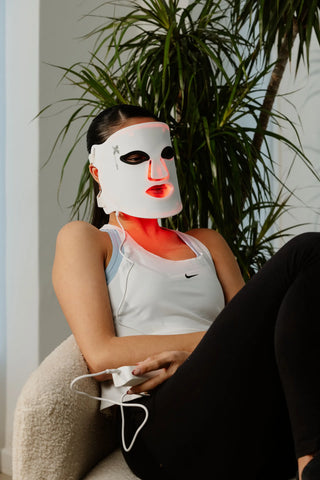
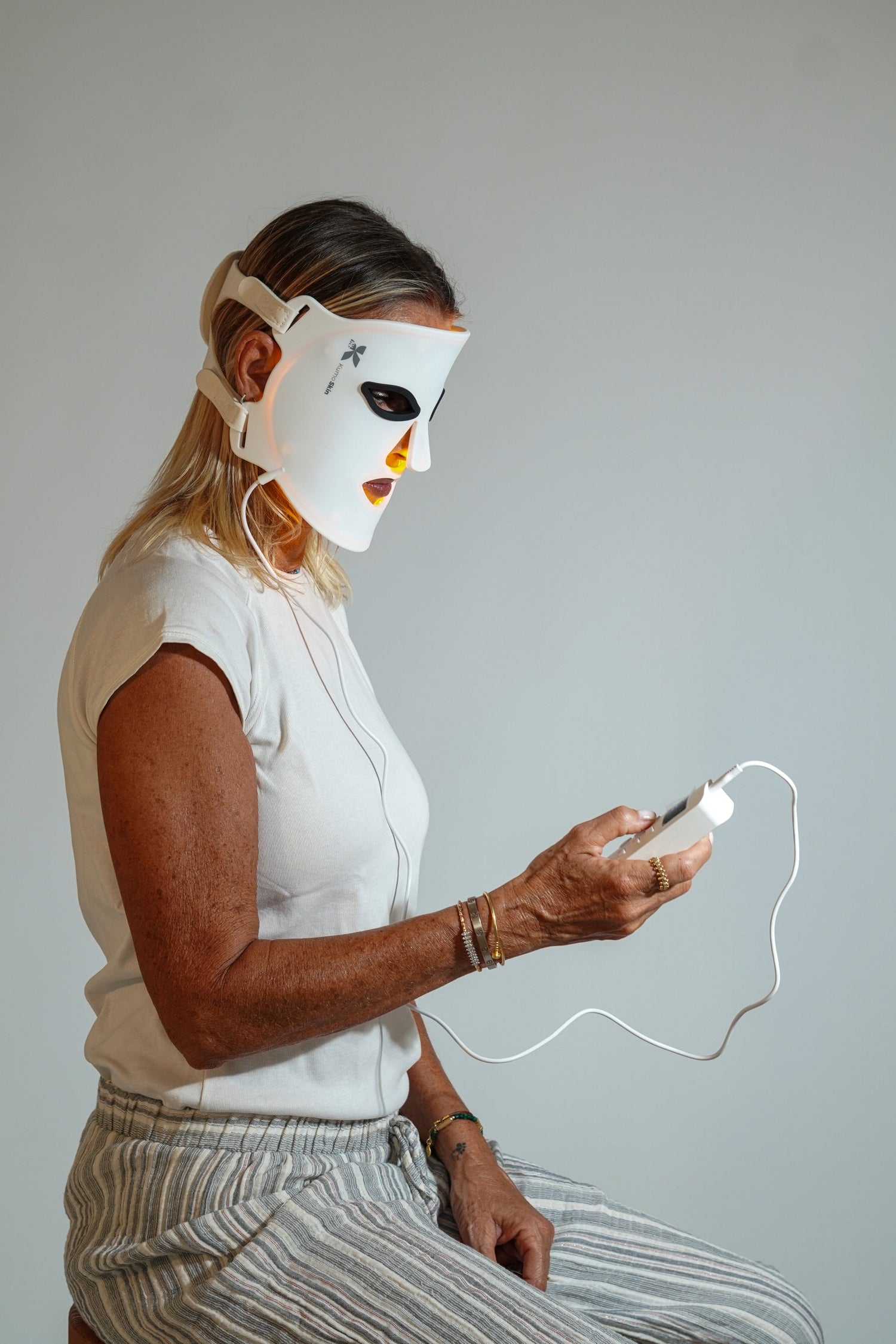
To easily integrate this routine at home, many people opt for professional-quality face masks, such as those found in KUMO's LED light therapy collection , designed to make skincare a simple and consistent habit.
Muscle recovery, pain and inflammation
Photobiomodulation with red and near-infrared light has also been studied in the context of musculoskeletal pain, tendinopathies, and recovery after intense exercise. A review of mechanisms published in 2017 summarizes that this therapy can help reduce pain, inflammation, and edema, and promote the regeneration of tissues such as tendons and bones. ( pubmed.ncbi.nlm.nih.gov )
In the sports field, it has been observed that illuminating large muscle groups before or after exertion can:
- Reducing the sensation of delayed onset muscle soreness (DOMS) in some protocols.
- Improve muscle function in subsequent sets in certain studies.
- Promotes recovery when combined with adequate sleep, nutrition, and decompression techniques (massage, compression therapy, stretching). ( pubmed.ncbi.nlm.nih.gov )
Red light therapy does not replace rehabilitation or medical treatment, but it can be a reasonable complementary tool for active people who already take care of other pillars of performance and recovery.
General well-being, sleep and mood
The effects of red light on the brain and mood are promising but still preliminary. Reviews on photobiomodulation in neurological disorders describe how light stimulation can modulate neuronal mitochondrial activity, inflammation, and certain circuits related to neuroprotection. ( link.springer.com )
In practical, everyday situations, many people use dim red light at night to minimize exposure to blue light and create a sleep-friendly environment. While some studies suggest benefits for the subjective quality of rest and relaxation, the evidence is still limited, so it should be considered a support within overall sleep hygiene and not a first-line treatment for insomnia. ( med.stanford.edu )
How to get started with red light therapy at home
Choosing the right device
Before thinking about schedules and routines, it's helpful to understand what type of device best suits you. Simply put:
- LED facial masks : ideal for focusing on facial skin, texture, luminosity and fine lines.
- LED panels or columns : allow treatment of larger body areas (back, legs, shoulders).
- Targeted devices : for specific areas (for example, a joint or a small scar).
In addition to manufacturing quality and certifications, look at:
- Wavelengths : Most research focuses on ranges around 630–635 nm (red) and 800–850 nm (near-infrared). ( allure.com )
- Irradiance (power per cm²) : determines how much energy you receive per unit of time.
- Comfort and ease of use : if the device is uncomfortable, it will be difficult to use it consistently.
Think of the red light as an investment in habit: devices integrated into a recovery ecosystem like KUMO 's make it easier to maintain therapy over time.
Basic parameters: time, frequency, and distance
One of the most frequent questions is, “How many minutes and how many days a week should I use the red light?” Science doesn’t offer a single solution, but it does provide some guidelines.
For skin and aesthetic treatments, various dosimetry analyses place the "sweet spot" of fluence (energy per unit area) between approximately 5 and 9 J/cm² per session, with a wider effective range of 3 to 15 J/cm², above which the risk of irritation or the absence of additional benefits increases. ( lighttherapyinsiders.com )
An analysis of clinical data on skin safety with red LED suggests that the maximum tolerated dose (MTD) can reach ~320 J/cm² on darker skin and ~480 J/cm² on lighter skin, well above what most home devices deliver when used as directed. ( dermfix.com ) This does not mean you should seek such high doses, but rather that the safety margin is wide if you follow the manufacturer's recommendations.
Table of indicative parameters to get started
The following table does NOT replace the instructions on your device or medical advice; it offers typical ranges observed in non-medical studies and guidelines for healthy users.
| Aim | Main area | Duration per session* | Weekly frequency* | Usual distance | Typical device type |
|---|---|---|---|---|---|
| Skin & anti-aging | Face and neck | 8–15 minutes | 3–5 days/week | Contact (mask) or 10–20 cm | LED face mask |
| Muscle recovery | Legs, back, shoulders | 10–20 minutes | 3–4 days/week (depending on training load) | 10–30 cm | LED panel or tower |
| Relaxation & sleep | General exposure, face and torso | 10–20 minutes | Daily or 4–6 days/week | 10–30 cm, dim light | Low-intensity lamp or panel |
*These are guidelines for healthy adults. Adjust according to your tolerance, device, and professional recommendations.
4-week starter routine
If you've never used red light therapy, a gentle progression might look like this:
- Week 1 : 3 alternate days (e.g., Monday, Wednesday, and Friday), 8–10 minutes per target zone, at the recommended distance.
- Week 2 : If the skin responds well (without persistent irritation), increase to 4 days/week while maintaining the same time.
- Week 3 : You can increase to 12–15 minutes on skin or 15–20 minutes on muscle, maintaining 4 days/week.
- Week 4 : Adjust. If you're comfortable and notice benefits, you can consolidate a 4-5 day/week routine depending on your goal.
At all times, prioritize your body's response: if you notice lasting redness, intense dryness, or worsening of any condition, discontinue use and consult a health professional.
Safety, contraindications, and when to consult a doctor
Red light therapy is generally considered a low-risk intervention when certified devices are used and the manufacturer's instructions are followed. Studies and clinical reports agree that side effects are usually mild and transient: redness, a feeling of warmth, mild itching, or dryness. ( thesun.co.uk )
However, “low risk” is not “zero risk.” It’s important to know your limits.
Main precautions
- Eye protection : Although many devices incorporate safety systems, direct and prolonged exposure of the eyes to powerful LEDs can be problematic. Wear opaque glasses or close your eyes tightly with certified masks.
- Very dark phototypes or hyperpigmented skin : there is a slight theoretical concern about the risk of overheating and staining if very high doses are used; therefore, it is essential not to exceed the recommended time. ( thesun.co.uk )
- Photosensitizing medications : certain antibiotics, oral retinoids, acne drugs, or psychiatric treatments can increase sensitivity to light.
- Pregnancy, active cancer, photosensitive epilepsy, or eye diseases : scenarios in which medical validation is essential before starting.
Safe Use Checklist
- Read the complete device manual before first use.
- Always start with the minimum recommended time and gradually increase it.
- Do not use the red light on open skin, recent burns, or active infections without medical supervision.
- Do not look directly at powerful LEDs at close range.
- If you experience pain, worsening of an injury, visual changes, or headaches, discontinue use and consult a healthcare professional.
Remember: this guide offers general information and is not a substitute for the advice of your doctor, dermatologist, or physiotherapist.
How to integrate red light with other recovery technologies
By 2025, many people will be designing "recovery circuits" combining different complementary technologies. Red light therapy fits particularly well with devices that improve circulation and muscle comfort.
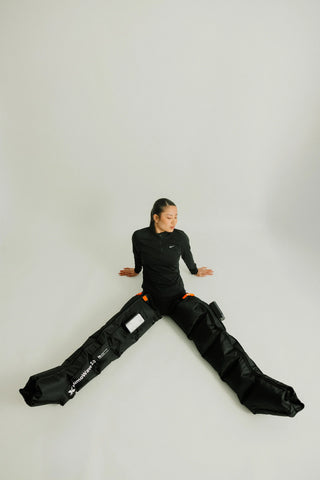
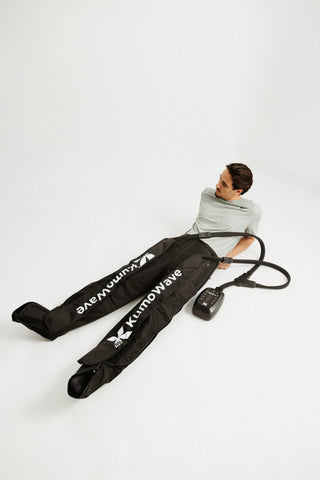
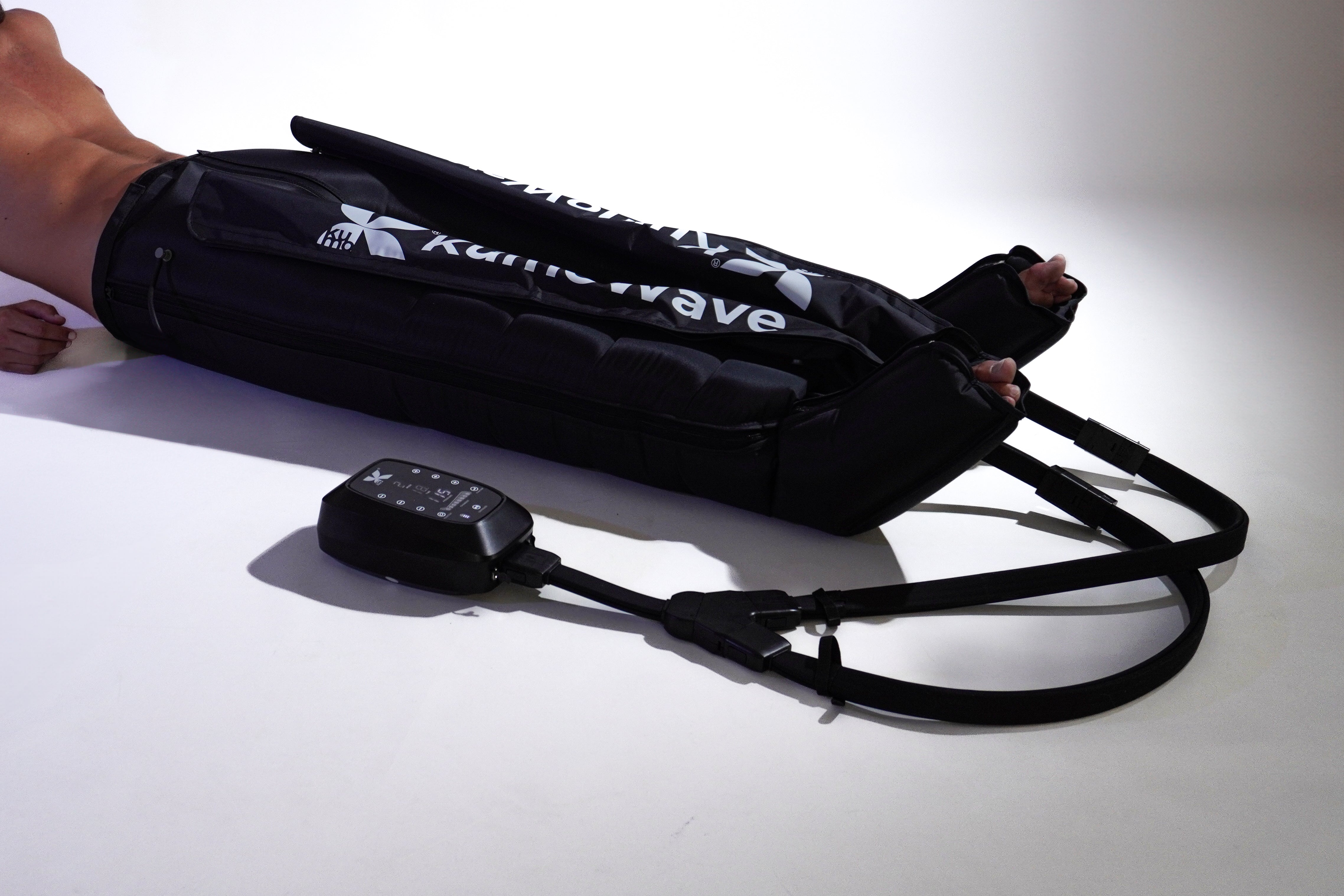
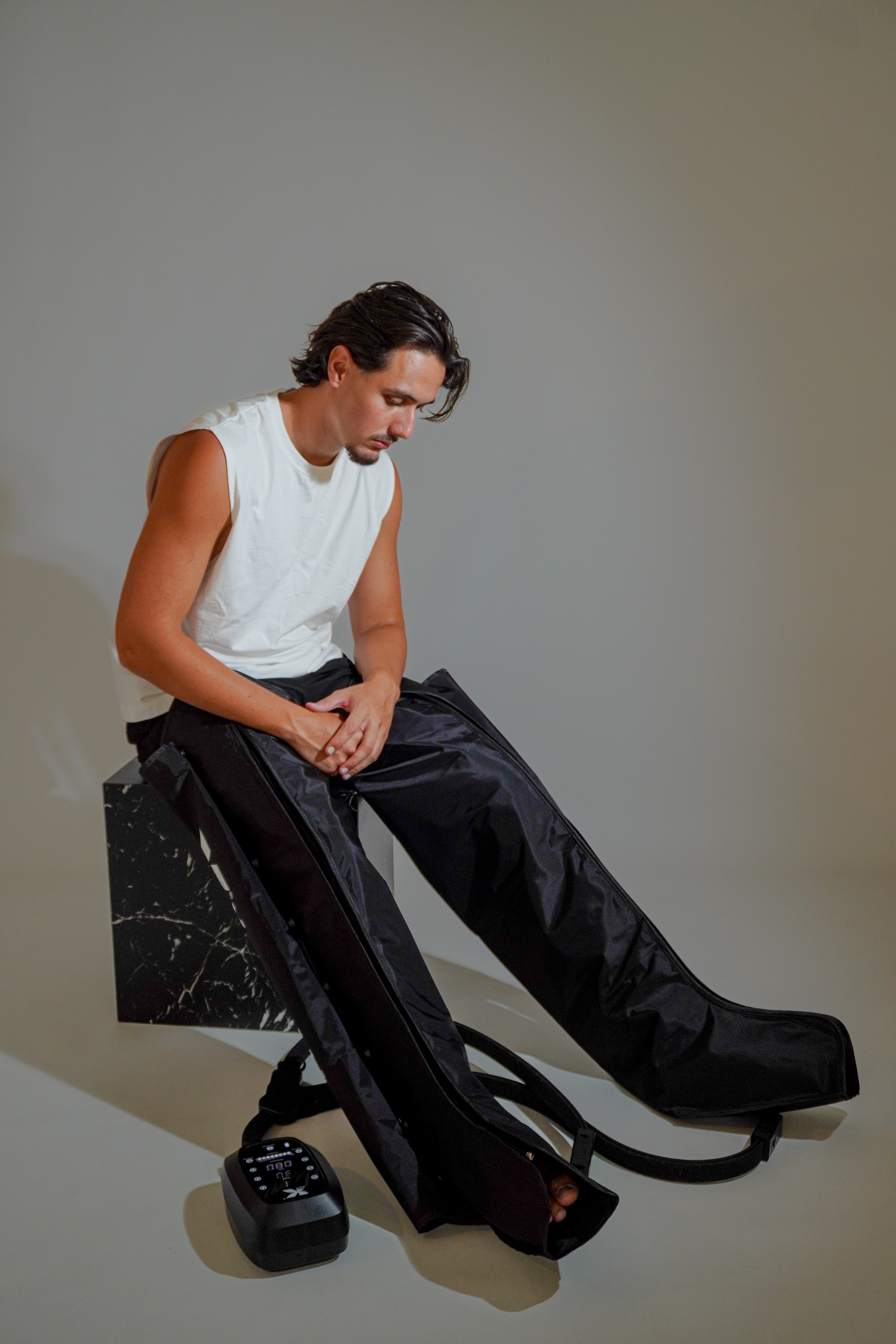
- Red light + pressotherapy : After a leg workout, you can first do a short red light session on your thighs and calves, followed by 20–30 minutes with pressotherapy boots like those found in KUMO's pressotherapy selection , to promote venous return and a feeling of lightness.
- Red light + percussive massage : After the light session, a focused massage with a massage gun like the KUMOPULSE Air can help relax specific tension points.
- Red light + breathing work : taking advantage of the session to practice diaphragmatic or coherent breathing reinforces the relaxation component of the ritual.
Example of a recovery routine after training
Scenario: Intense lower body strength training session 3 times per week.
- Minute 0–5: Gentle cool-down: walking, light dynamic stretching.
- Minute 5–15: 10 minutes of red light therapy on quadriceps and hamstrings at a distance of 10–20 cm.
- Minute 15–40: 20–25 minutes of pressotherapy boots at a moderate level.
- Minute 40–50: 5–10 minutes with massage gun on particularly charged areas.
This type of protocol maximizes the time you already dedicate to recovery and turns the red light into one more piece of a complete system, instead of an isolated "extra" that would end up forgotten in a drawer.
Frequently asked questions about red light therapy
How long does it take for red light therapy to show results on the skin?
Clinical studies on LED masks typically have timeframes of 8 to 12 weeks. In a 2023 trial with 20 women, two weekly red light sessions for 3 months resulted in progressive improvements in wrinkles, firmness, and texture, with results lasting at least a month after the protocol ended ( pubmed.ncbi.nlm.nih.gov ). In practice, some people notice subtle changes (more radiance, less reactive skin) starting around the fourth week, while improvements in fine lines and firmness require more patience and consistency. Taking regular photos under the same lighting is key to objectively assessing progress.
Is it safe to use red light therapy every day?
In healthy adults, with certified devices and moderate dosimetry, red light therapy is generally considered safe even with frequent use. ( pubmed.ncbi.nlm.nih.gov ) However, more is not always better: above a certain dose per session, cells may stop responding or even become overstimulated, leading to irritation or dryness. ( lighttherapyinsiders.com ) A prudent strategy is to start with 3–4 days per week and increase only if the skin and tissues tolerate it well, without exceeding the manufacturer's recommendations. If you are taking photosensitizing medication or have any skin condition, consult your dermatologist before using it daily.
What wavelength is best for facial red light therapy?
Most skin anti-aging research focuses on visible red light around 630–635 nm, often combined with near-infrared light around 800–850 nm ( allure.com ). Red light penetrates shallowly, stimulating fibroblasts and collagen in the superficial dermis, while near-infrared reaches somewhat deeper, potentially influencing microcirculation and inflammatory processes. When choosing a device, prioritize those that clearly specify their wavelengths and operate within the ranges used in clinical studies, avoiding products that don't provide this information or make unrealistic claims.
Does red light therapy help you sleep better?
Red light is not a standard treatment for insomnia, but it can support sleep hygiene. Nighttime exposure to bright, blue-rich light can delay the biological clock; replacing some of that lighting with dim red light reduces interference with melatonin. ( med.stanford.edu ) Furthermore, low-intensity red light rituals combined with slow breathing and screen-free sleep can promote relaxation and a subjective feeling of rest. Even so, the evidence is still preliminary, and if you suffer from chronic insomnia, it's important to address medical, psychological, and behavioral causes with the help of a healthcare professional.
Can I combine red light therapy with other cosmetic treatments?
In many dermatological routines, red light therapy is seamlessly combined with topical retinoids, antioxidants, gentle peels, or in-office treatments. In fact, dermatologists and clinics often use it as a complementary therapy to modulate inflammation and accelerate recovery after procedures such as chemical peels or fractional lasers. ( med.stanford.edu ) However, if you use strong exfoliating acids, high-potency retinoids, or have very sensitive skin, it's advisable to space out the stimuli: for example, using red light on days without acids or adjusting the frequency according to your tolerance. If you have any questions, take the technical specifications of your device to your dermatologist so they can personalize the recommendations.
So what now?
If you want to incorporate red light therapy into your wellness routine, the next step is to choose a reliable device that suits your goals (skin, muscle recovery, sleep) and design a realistic protocol that you can maintain over time. Within the KUMO ecosystem, you'll find high-performance recovery technologies designed to work seamlessly together. If you need personalized guidance on which solutions are best for you, you can contact KUMO through their contact page for advice tailored to your needs.

Red & infrared light
KumoLux Panel – Red and Infrared LED Panel
★★★★★ 4,8/5 · rated by verified customers
- 660 nm red + 850 nm infrared light
- Full-body muscle recovery
- Clinically validated biohacking protocols
€399,00€499,00· pay in installments with seQura or Klarna