Nights get long.
If your legs won't stop moving when you lie down, the goal is twofold: calm the urge tonight and understand what's causing it so it doesn't sabotage your rest again. The NINDS describes restless legs syndrome as a neurological condition that causes an irresistible urge to move the legs, usually worsens at rest, and temporarily improves with movement.
Pressotherapy at home
End the day with light legs
★★★★★ 4,8/5 · rated by verified customers
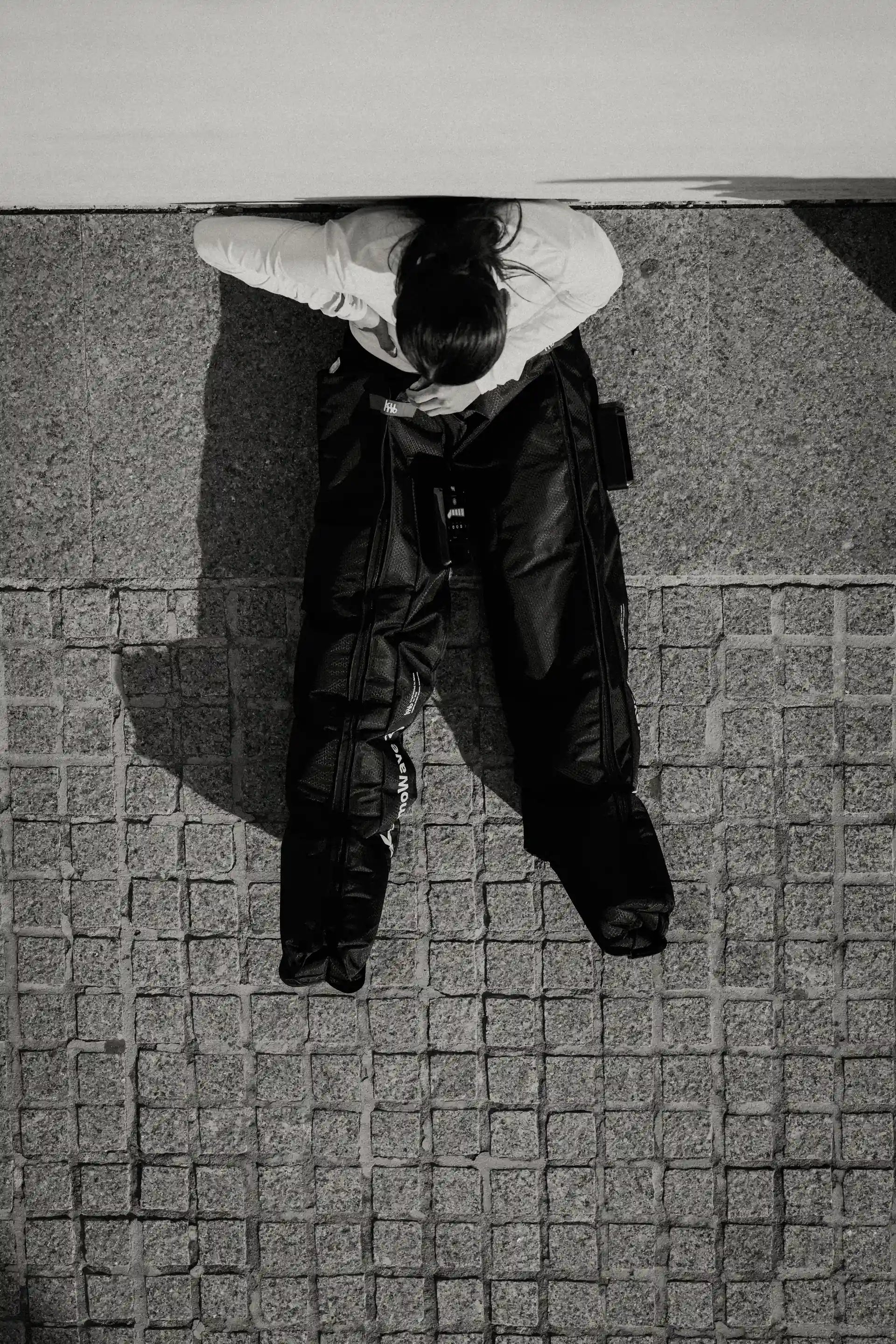
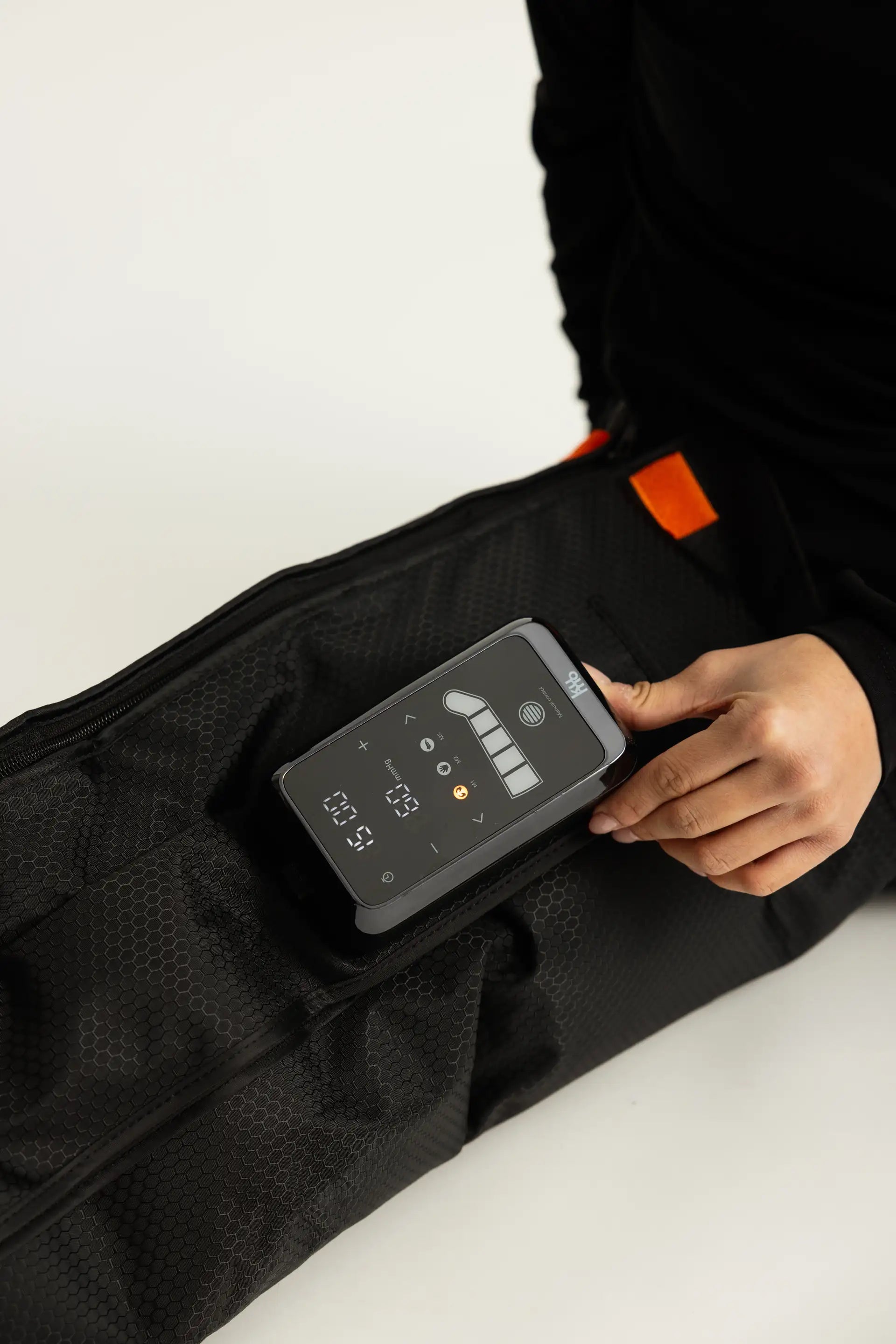
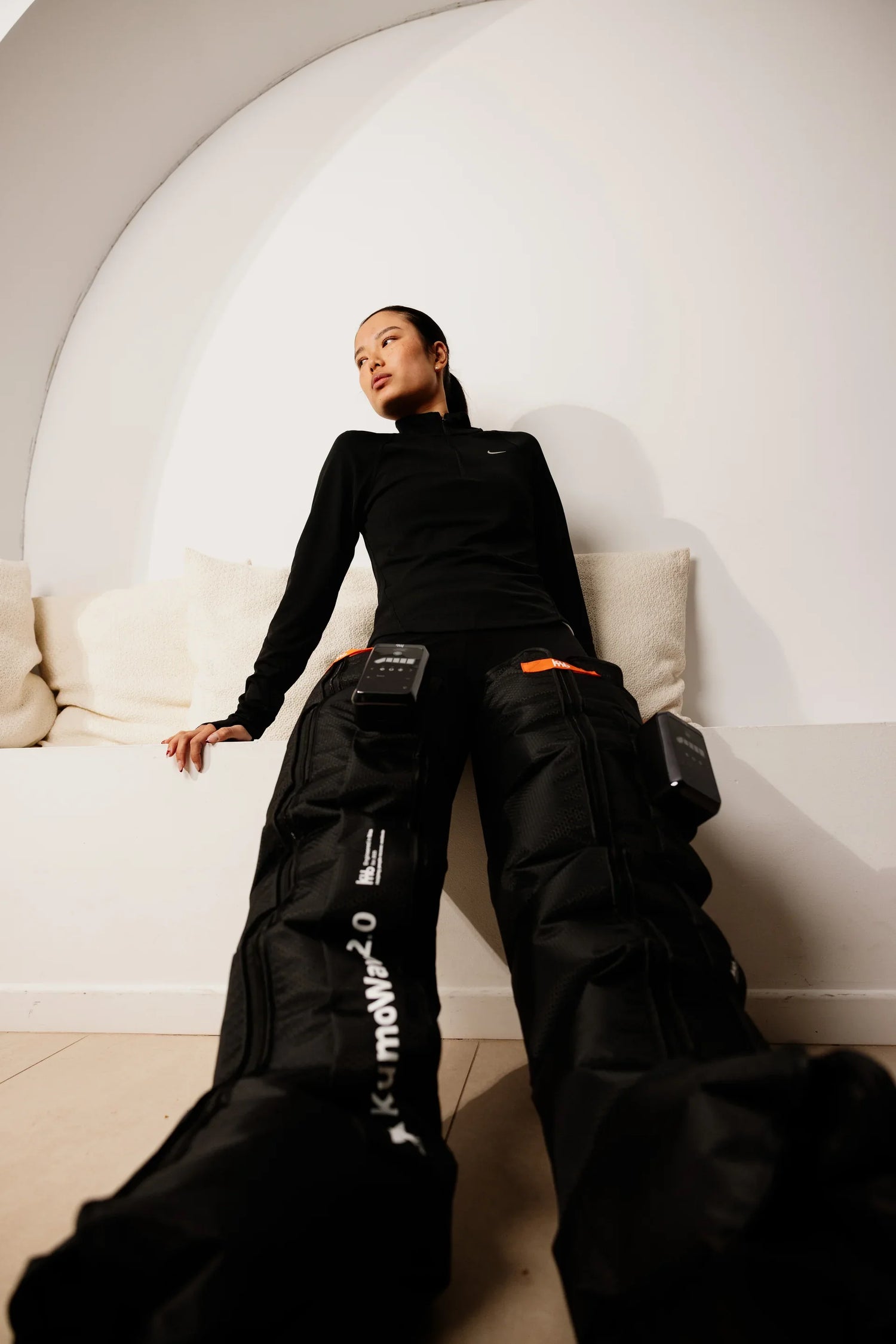
KumoWave pressotherapy boosts circulation and helps drain fluid with sequential compression, in 20-minute sessions at home.
- Boosts circulation and helps drain fluid
- Chamber-based compression, adjustable to you
- Sequential compression that mimics manual drainage
€829,00€999,00
−10% on your 1st order when you subscribe to the newsletter

Additionally, the AASM guideline notes that clinically relevant symptoms affect approximately 2%-3% of adults and can significantly disrupt sleep. (aasm.org)
What is restless legs syndrome and why does it worsen when you lie down?
Restless legs syndrome, also called Willis-Ekbom disease, is usually felt as a tingling, tightness, itching, crawling sensation, or a difficult-to-describe feeling that compels you to move your legs. Characteristically, it appears more easily at rest, when sitting for a long time, or when trying to sleep, and relief comes from walking, stretching, or moving the affected area.
Personalized protocol · included with your purchase
Want us to tell you how to use it in your case?
With your purchase, our experts prepare a personalized usage protocol for your case: sport, circulation, fluid retention, pregnancy or lipedema.
Message us on WhatsAppOur experts reply · no obligation
In most cases, there is no single clear cause. The NINDS explains that genetics, low iron availability in the brain, alterations in the dopaminergic system, and, in some people, situations such as pregnancy, kidney disease, lack of sleep, or certain medications can play a role.
What to do tonight to calm your legs
Quick measures that often provide relief
- Get up and walk for a few minutes if the sensation appears when you lie down; movement often provides temporary relief, although the effect may disappear when you stop.
- Do gentle stretches of your calves, thighs, and feet before sleeping; many people feel less tension when their body enters bed more relaxed.
- Try massage, a warm bath, or local heat, as the NINDS includes these among the measures that can provide symptomatic relief.
- Alternate hot and cold if one of the two feels better to you; the idea is to seek a sense of calm, not to cause more discomfort.
- Reduce coffee, alcohol, and nicotine, especially in the afternoon and evening, as they can worsen symptoms.
- Maintain a regular sleep schedule as much as possible, because a lack of routine can also aggravate the problem.
A simple 15-minute nightly ritual
If following a fixed routine helps you, you can draw inspiration from a nightly ritual with pressotherapy boots to transform the end of the day into a more predictable and relaxing routine. The key is not to do more, but to repeat what feels best to you.
- Turn off intense stimuli and dim the lights 15 or 20 minutes before going to bed.
- Walk slowly around the house or stretch your legs for 3 to 5 minutes.
- Do a gentle massage or apply heat if it feels pleasant.
- Avoid caffeinated drinks and keep alcohol out of your evening.
- Go to bed when you notice your body is less restless.
Habits that help you sleep better with restless legs
What helps most in the medium term is usually a combination of routine and consistency: moderate and regular exercise, stable sleep schedules, fewer stimulants, and a resting environment that doesn't overstimulate you. The NINDS also mentions that massage, hot baths, compression, or vibrating supports can be part of the relief strategy.
on your first order when you join the newsletter
We send you the code instantly. No spam.
If you're interested in a gentle compression routine as part of your nightly hygiene, it might be helpful to understand what pressotherapy is and how it works. And if you notice your legs are particularly heavy at the end of the day, you can also check out at-home pressotherapy for tired legs as a wellness complement, keeping in mind that restless legs syndrome requires medical evaluation if it persists.
What usually works depending on the situation
| Situation | What usually helps | What to watch out for |
|---|---|---|
| Legs activate when lying down | Walking, stretching, massaging, or using gentle heat to seek temporary relief. | The effect usually lasts as long as you keep moving. |
| Symptoms worsen in the afternoon/evening | Reducing caffeine, alcohol, and nicotine, and maintaining a fixed bedtime. | Regularity usually helps more than sudden changes. |
| Suspected low iron | Request blood test and evaluate oral or intravenous iron with medical supervision. | The AASM guides the decision with ferritin and transferrin saturation. |
| Symptoms are frequent or intense | Consult medical options such as gabapentin, pregabalin, or gabapentin enacarbil. | The AASM recommends them for adults with RLS. |
Treatments when symptoms do not subside
There is no single cure, but there are useful treatments when the problem affects sleep or occurs frequently. The NINDS notes that the first step is to correct what worsens the condition, such as iron deficiency, sleep apnea, neuropathy, diabetes, or certain medications; then specific treatments can be considered.
The 2024 AASM clinical guideline recommends gabapentin enacarbil, gabapentin, and pregabalin for adults, while advising against the standard use of levodopa and dopaminergic agonists as primary treatment due to the risk of symptoms worsening over time.
Iron, diet, and blood tests
The relationship between iron and restless legs is important. The NINDS mentions low iron as a possible factor, and the NHS also links the syndrome to iron deficiency anemia, pregnancy, kidney disease, and some medications.
In adults with RLS, the AASM indicates that consensus guidelines suggest considering oral or intravenous iron when ferritin is below 75 ng/ml or transferrin saturation is below 20%, always with blood tests and medical follow-up.
When to seek medical evaluation
It's advisable to consult a doctor if the problem occurs several nights a week, frequently wakes you up, prevents you from sleeping well, or you notice that you increasingly need more movement to be comfortable. A review is also warranted if you are pregnant, have kidney disease, suspect iron deficiency, or have started a new medication and symptoms have changed since then. The NINDS reminds that certain antiemetics, antipsychotics, antidepressants that increase serotonin, and some antihistamines can aggravate the condition.
FAQ
What is restless legs syndrome and what causes it?
It is a neurological disorder that causes an urgent and uncomfortable urge to move the legs, especially when at rest or trying to sleep. The NINDS explains that, in many cases, the exact cause is not known, although family history, low iron in the brain, dopamine imbalance, pregnancy, kidney disease, lack of sleep, and some medications can be contributing factors.
How to calm restless legs at night?
The most helpful thing is usually to move a little: walk around the house, stretch your legs, do a gentle massage, or take a warm bath. Reducing caffeine, alcohol, and tobacco also helps, as they can worsen symptoms. These measures do not cure the syndrome, but they can temporarily reduce discomfort and make it easier to fall back asleep.
What habits help you sleep if you have restless legs syndrome?
Regularity is key. Maintaining a fixed bedtime, exercising moderately and consistently, and avoiding stimulants in the evening are usually the measures with the best effort-to-benefit ratio. The NINDS also mentions massage, warm baths, local heat, and some compression or vibration supports as tools that can help when the problem activates at night.
Can diet or iron improve restless legs syndrome symptoms at night?
Yes, especially when there is an iron deficiency. The NINDS links the syndrome to low iron levels, and the AASM recommends evaluating oral or intravenous iron based on blood tests, especially if ferritin is low or transferrin saturation is insufficient. An iron-rich diet can help as support, but if there is a real deficiency, a medical approach is usually more important than just changing your diet.
What now?
If you want to turn your night into a more organized routine, visit Kumo Balance's website and explore the at-home pressotherapy collection to see how to fit a recovery and wellness routine into your daily life.
KumoWave pressotherapy
Choose your at-home pressotherapy
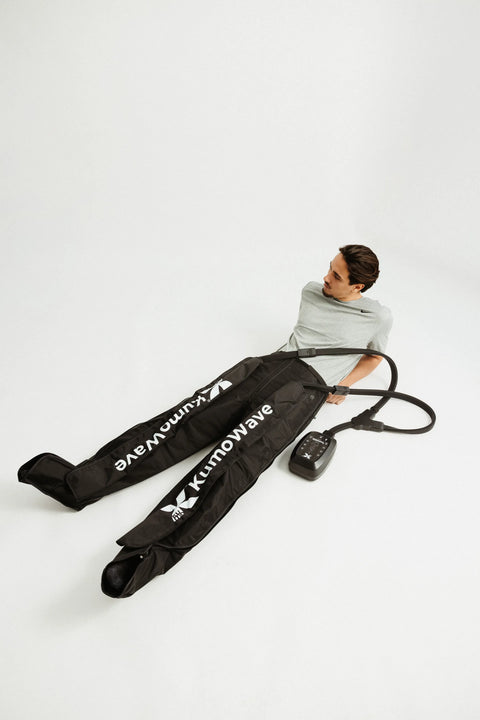
KumoWave Elite – Pressotherapy Pants
Full-coverage trousers. Ideal for lipedema, fluid retention and intensive use.
€829,00 €999,00
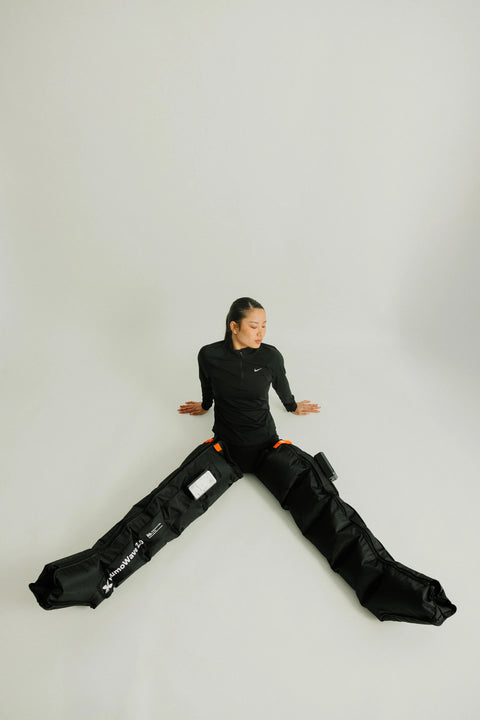
KumoWave 2.0 - Wireless Pressotherapy
Wireless, lightweight boots. Perfect for daily use and recovery.
€499,00 €599,00