The body sends signals.
When fatigue accumulates and recovery is insufficient, performance declines, sleep worsens, and motivation fades. In sports, this imbalance can range from functional fatigue lasting a few days to overtraining that takes weeks or months to resolve. (pubmed.ncbi.nlm.nih.gov)
Red & infrared light
Recover faster, at home
★★★★★ 4,8/5 · rated by verified customers
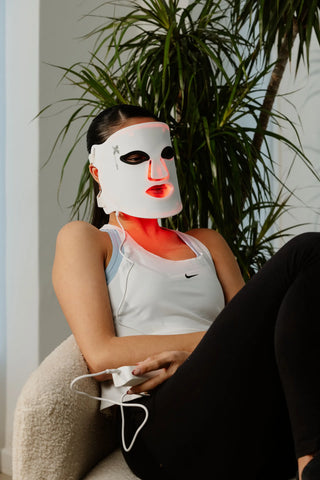
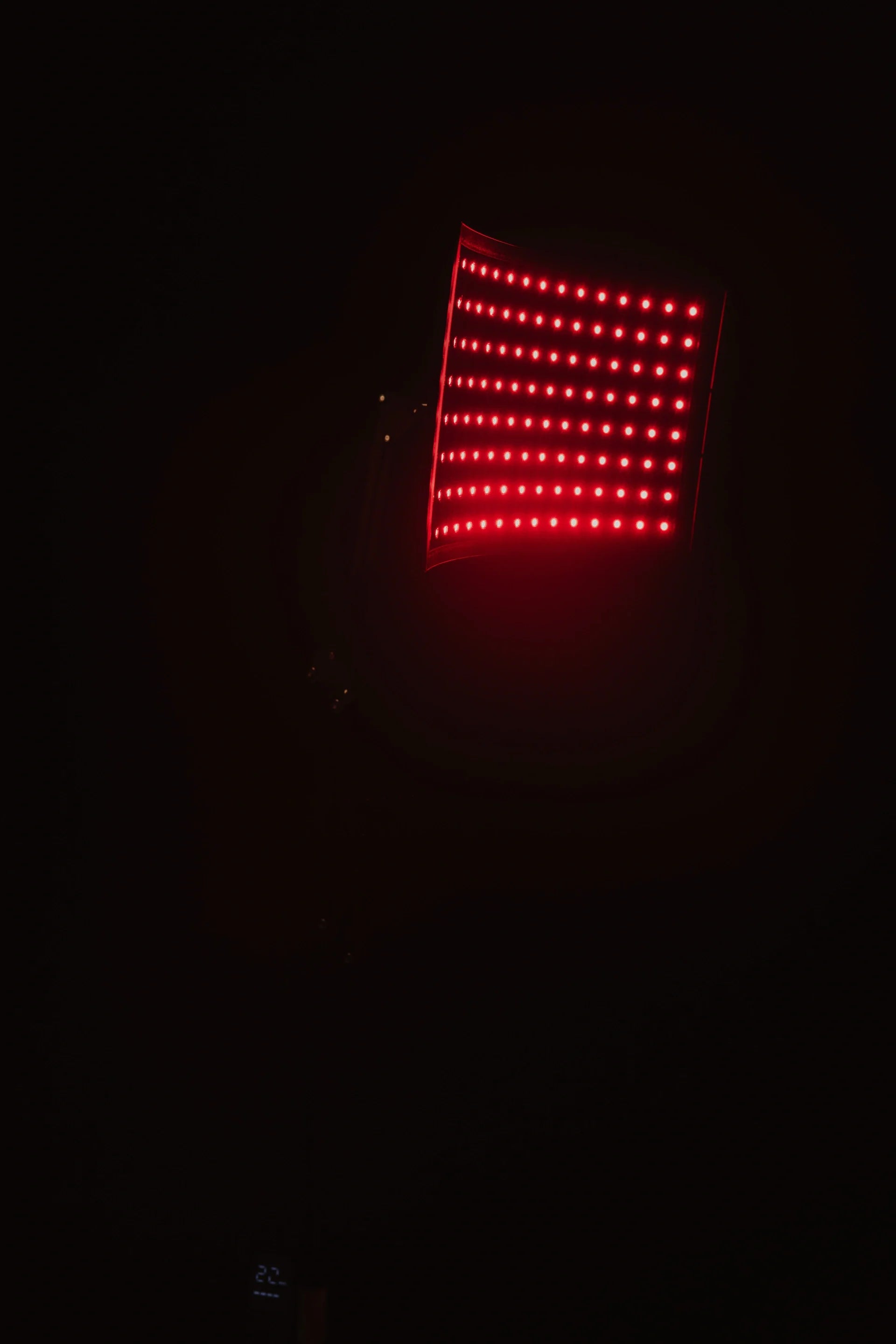
The KumoLux panel supports muscle recovery with full-body red and infrared light.
- 660 nm red + 850 nm infrared light
- Full-body muscle recovery
- Clinically validated biohacking protocols
€399,00€499,00
−10% on your 1st order when you subscribe to the newsletter

Recovery is part of training; without it, the stimulus stops adding up.
Therefore, the key is not to "push harder," but to understand which signals indicate a simply high load and which point to a real adaptation problem.
Personalized protocol · included with your purchase
Want us to tell you how to use it in your case?
With your purchase, our experts set up your red and infrared light sessions for your sport and goal.
Message us on WhatsAppOur experts reply · no obligation
What is overtraining?
Overtraining, or overtraining syndrome, is not an isolated bad session or intense muscle soreness. A systematic review on the diagnosis of overtraining describes it as a prolonged decline in performance after a persistent imbalance between training load and recovery, and notes that it remains a diagnosis of exclusion because there is no single, definitive test.
Before reaching that point, many athletes go through intermediate states. The most benign is functional overreaching: a temporary drop in performance that improves with brief rest. The problem arises when fatigue no longer reverses normally and begins to affect mood, sleep, and the ability to train.
In other words, overtraining is not measured solely by how much you train, but by how well you manage to assimilate what you have trained. The load can be high and still tolerable if the body has time, sleep, energy, and context to adapt.
on your first order when you join the newsletter
We send you the code instantly. No spam.
Signs of fatigue that should not be normalized
The signs often get mixed up. Sometimes the first warning is physical; other times, the problem appears as irritability, apathy, or fragmented sleep. In sports practice, the most common symptoms include persistent fatigue, muscle pain, poorer coordination, weight loss, mood swings, and frequent illness. Sleep disturbances and a sustained drop in performance have also been described. (pubmed.ncbi.nlm.nih.gov)
- Stagnant or declining performance. If you are no longer progressing or are getting worse in several consecutive training sessions, the load may be exceeding your capacity to adapt.
- Heavy legs and persistent muscle pain. The feeling of stiffness that doesn't go away with warm-up is a classic sign of fatigue accumulation. (pubmed.ncbi.nlm.nih.gov)
- Poorer sleep quality. Sleeping but waking up tired, taking longer to fall asleep, or having fragmented rest often accompanies periods of overload.
- Mood and motivation changes. Irritability, apathy, anxiety, or a feeling of "emptiness" can be part of the picture.
- More colds or a feeling of "lowering defenses." Very demanding and prolonged training has been associated with greater susceptibility to illness. (pubmed.ncbi.nlm.nih.gov)
The most useful clue is not a single sign, but the pattern: several symptoms at once, for several days or weeks, and recovery that stops working. If you rest and still feel the same, it stops looking like normal fatigue.
Normal fatigue, overreaching, and overtraining: how to differentiate them
Practical table to guide you
| State | What usually happens | Approximate duration | What to do |
|---|---|---|---|
| Normal fatigue | You feel tired after a hard session, but the feeling is manageable. | Clearly improves by slowing down and sleeping well. | Recover, eat, and observe the evolution for 24–48 hours. |
| Functional overreaching | Performance drops a little, but then bounces back when rest is taken in time. | Usually resolves in a few days or up to two weeks. | Plan a brief deload and gradually increase the load again. |
| Non-functional overreaching | Fatigue persists and the body no longer responds as before. | Can drag on for weeks. | Load, sleep, stress, and nutrition need to be reviewed more seriously. (pubmed.ncbi.nlm.nih.gov) |
| Overtraining | A prolonged decline in performance with physical and mental discomfort is maintained. | Full recovery can take weeks or months. | It is a diagnosis of exclusion and requires a real reduction in load. |
The most important difference lies in time and trend. If the curve improves when the load is reduced, you are probably dealing with manageable fatigue; if the decline prolongs and more symptoms are added, the problem is no longer just "training hard."
How to recover when you suspect overtraining
Effective recovery combines several layers: less load, more sleep, sufficient nutrition, and less overall stress. This combination consistently appears in recommendations for load management, nutrition, and sports recovery, as summarized in the IOC guide on training load and overtraining risk and the consensus on recovery and performance.
- Make a real load reduction. If symptoms are persistent, "training a little less" is not enough: temporary relative or complete rest is usually needed.
- Normalize sleep. Maintaining regular schedules and sufficient nightly rest aids physical and mental recovery. Sleep is a central component of recovery, well-being, and injury prevention. (bjsm.bmj.com)
- Eat enough energy. A well-chosen intake of carbohydrates, protein, and fluids promotes exercise recovery and subsequent performance. (pubmed.ncbi.nlm.nih.gov)
- Reduce extra stress. Travel, work, competitive pressure, and lack of rest also count as real load.
- Return gradually. The goal is not to "catch up," but to regain the adaptation pattern without reopening the problem.
If you want to organize things with a more visual guide, reading the keys to muscle recovery after exercise and, to better structure your daily routine, following a complete recovery routine that doesn't rely on improvisation, may help. (pubmed.ncbi.nlm.nih.gov)
It's also worth remembering that persistent fatigue can be confused with other problems, such as low energy availability, sleep disorders, anemia, or infections. Therefore, before labeling a condition as overtraining, the whole picture, not just the training, must be considered.
Prevention: how to avoid relapses and load well again
Prevention works best when you think in terms of weeks, not isolated sessions. The IOC insists on managing training load, psychological load, sudden changes in volume, and competition congestion to reduce the risk of illness and overtraining.
- Increase only one variable at a time. Volume, intensity, and frequency should not spike simultaneously.
- Observe trends, not an isolated day. The evolution of sleep, mood, fatigue, and performance is what's useful.
- Integrate rest into the plan. Deload weeks and easy days are part of progress.
- Respect the context outside of training. Work stress, travel, and a bad night count as real load.
If you find it hard to see the pattern, a practical way to start is basic monitoring. The guide on how to measure your recovery with sleep, HRV, and fatigue can help you turn loose sensations into clearer decisions. (pubmed.ncbi.nlm.nih.gov)
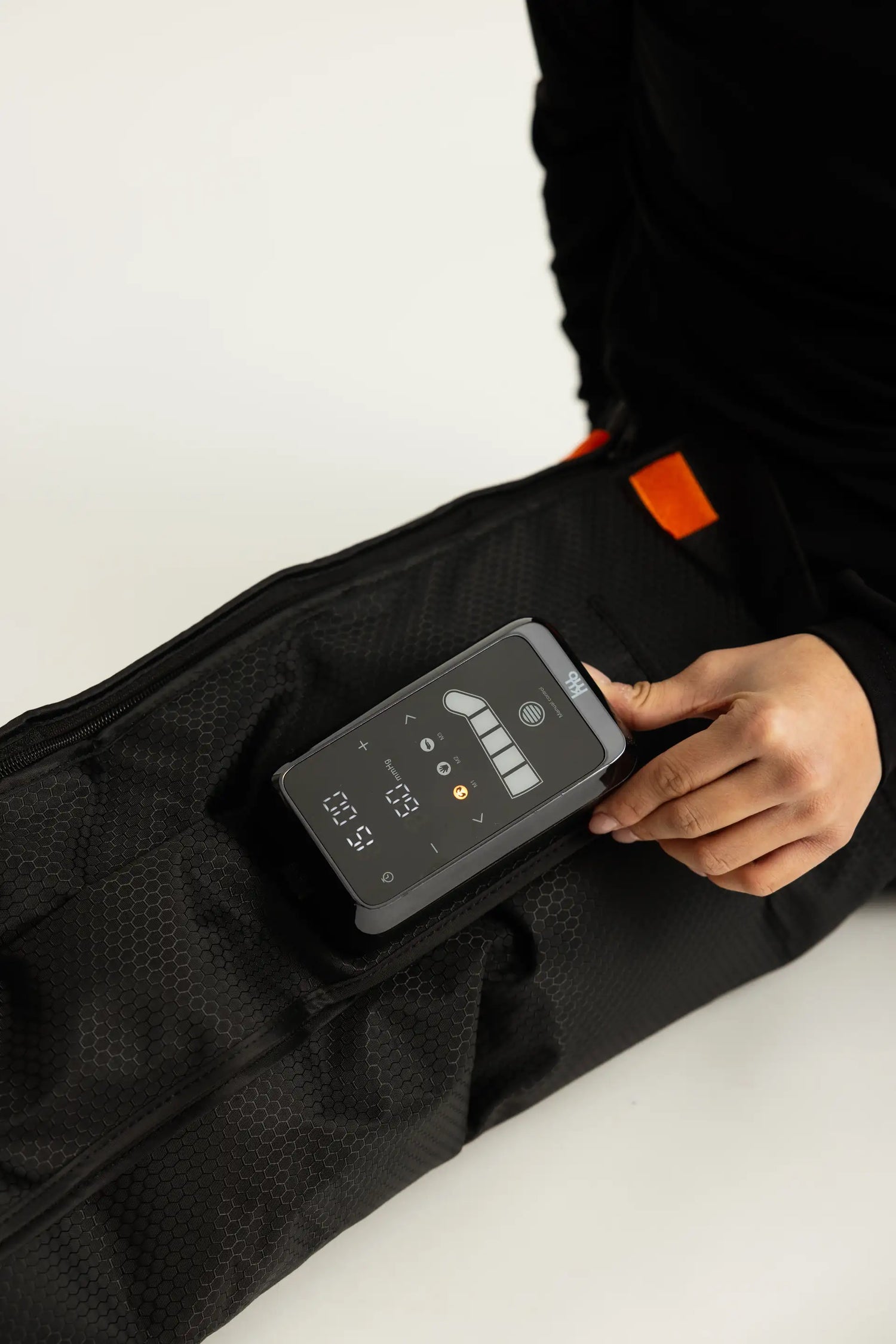
And if you're looking to support your routine with tools, the combination of compression and massage can be part of a more organized plan, always as a complement. In this regard, you might find it useful to see in what order to use pressotherapy and a massage gun after sports.
Frequently asked questions about overtraining
What is overtraining and how to recognize the signs of fatigue in athletes?
Overtraining is a prolonged decline in performance caused by a sustained imbalance between load and recovery. It is not like an isolated bad session: it usually combines persistent fatigue, poorer sleep, mood changes, muscle pain, heavy legs, and, in some cases, more illness or reduced coordination. The most useful approach is to look at the complete pattern. If several symptoms appear at once and do not improve with a logical reduction in load, a problem of adaptation should be suspected.
How do I know if I am overtraining and what can I do to recover from persistent fatigue?
The main clue is that performance no longer responds as before and fatigue does not disappear even with a little rest. If tiredness, bad mood, or poor sleep lasts for days or weeks, we are no longer talking about normal fatigue. The first step is to genuinely reduce the load, prioritize sleep, and ensure sufficient energy and fluids. Afterward, it's advisable to review external stress, nutrition, and possible associated medical causes. If the decline persists, professional evaluation is warranted, because overtraining is a diagnosis of exclusion.
What are the clearest warning signs of overtraining and how can they be prevented?
The clearest signs are the combination of low performance, unyielding fatigue, heavy legs, fragmented sleep, irritability, and repeated illnesses. Not all of them need to appear to be taken seriously. To prevent them, it is advisable to progress gradually, allow for easy days, avoid piling up changes in volume and intensity at the same time, and monitor overall stress, not just training. Sleep and nutrition are two basic pillars, because without them, adaptation becomes much more fragile.
How long does complete recovery usually take after an episode of overtraining?
There is no exact figure for everyone. In classic literature, functional overreaching can resolve in days or up to two weeks, while overtraining can require weeks or months for complete recovery. The difference depends on how long you've been feeling unwell, whether you cut the load in time, your sleep, your nutrition, and whether there are other health factors involved. That's why it's so important not to wait for it to "pass on its own" when the pattern already points to persistent fatigue.
What now?
If you recognize several signs of fatigue, reduce the demands for a few days and organize a simple, consistent, and measurable recovery. To further organize your return to training, start with Kumo Balance's proposal and complement the approach with this guide on recovery, energy, and sports performance.

Red & infrared light
KumoLux Panel – Red and Infrared LED Panel
★★★★★ 4,8/5 · rated by verified customers
- 660 nm red + 850 nm infrared light
- Full-body muscle recovery
- Clinically validated biohacking protocols
€399,00€499,00· pay in installments with seQura or Klarna