
Recovering well changes everything.
Whether you train, work under stress, or simply want to perform better in your daily life, measuring your recovery helps you make smarter decisions: when to push yourself, when to ease off, and which habit (or tool) to prioritize. In this practical guide, you'll learn how to use actionable metrics —sleep, HRV/HRV (heart rate variability), and fatigue—how to interpret them without becoming obsessed with the data, and how to turn them into a simple plan supported by habits and Kumo 's recovery technology.
Red & infrared light
Recover faster, at home
★★★★★ 4,8/5 · rated by verified customers
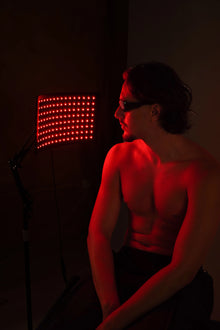
The KumoLux panel supports muscle recovery with full-body red and infrared light.
- 660 nm red + 850 nm infrared light
- Full-body muscle recovery
- Clinically validated biohacking protocols
€399,00€499,00
−10% on your 1st order when you subscribe to the newsletter

At Kumo, we believe that recovery isn't "passive rest": it's a skill that's trained consistently, with good indicators and quality tools. You can learn more about the brand's approach at Kumo Balance .
Before we begin: how to measure without going crazy (the golden rule)
1) Don't look for "perfect values": look for your baseline
Recovery is highly individual. Two people can sleep 7.5 hours, have different HRV, and still be equally ready to train. Therefore, the key is not to compare yourself to "internet ranges," but to establish your baseline (your normal) and monitor trends .
Personalized protocol · included with your purchase
Want us to tell you how to use it in your case?
With your purchase, our experts set up your red and infrared light sessions for your sport and goal.
Message us on WhatsAppOur experts reply · no obligation
- Recommended window: 14–28 days of data to have a reasonable basis.
- Unit of analysis: look at moving averages (e.g., 7 days) and not a single "bad" day.
- 3-signal rule: act when 2-3 signals align (e.g., worse sleep + low HRV + high fatigue).
2) Standardize data collection (otherwise, the data will be misleading)
Consistent measurement is worth more than the "most expensive" device. To make your metrics useful:
- Sleep: go to bed and wake up at similar times most days.
- HRV/VFC: always measure under similar conditions (ideally upon waking, at rest).
- Fatigue: record your perception at the same time (for example, in the morning).
3) Wearables: useful, but with limitations
Wearable devices can accurately estimate global variables (such as total sleep time), but are less reliable at fine-tuning sleep stages or HRV under conditions involving movement. Studies comparing commercial devices with polysomnography (PSG) show good performance in “sleep vs. wakefulness” (high sensitivity), while accuracy for sleep stages varies depending on the device and parameter.
Use them as a monitoring tool , not a diagnostic tool. If you suspect sleep apnea, insomnia, or another sleep disorder, a clinical evaluation is appropriate.
on your first order when you join the newsletter
We send you the code instantly. No spam.
Metric 1: Sleep (your “mother” recovery)
What to measure (what actually changes decisions)
Instead of looking at 15 numbers, focus on these 5:
- Duration: total hours slept.
- Regularity: consistency of schedules (variation in bedtime/wake-up time).
- Sleep efficiency: percentage of time slept compared to time in bed.
- Latency: how long it takes you to fall asleep.
- Awakenings: long or very frequent awakenings.
Useful reference (without dogma): 7+ hours in adults
As a general framework, a consensus from the American Academy of Sleep Medicine (AASM) and the Sleep Research Society recommends that adults (18–60) sleep 7 hours or more on a regular basis to promote health.
It doesn't mean that "always 8" is mandatory, nor that a short night's sleep will ruin your week. It means that if your actual average sleep time consistently falls well below 7 hours, you're very likely to notice it in your recovery, mood, performance, and appetite.
Sleep efficiency: how to calculate it and how to interpret it
Efficiency is calculated as follows:
Sleep efficiency (%) = (minutes slept ÷ minutes in bed) × 100
As a practical reference, an efficiency of 85% or more is usually considered "normal" (especially as a minimum threshold).
If your efficiency is low, you don't always need "more hours in bed"; often you need better quality : fewer awakenings, less latency, a better pre-sleep routine.
What to do with the data: 3 high-impact levers
Lever A: Reduces friction for sleeping (realistic sleep hygiene)
- Caffeine cut-off time: start by testing 8–10 hours before bedtime.
- Light: plenty of natural light in the morning; at night, low intensity and avoid screens close to bedtime.
- Temperature: cool bedroom (whenever possible) and warm/hot shower 60–90 min before to facilitate the subsequent temperature drop.
Lever B: Plan your training according to your sleep
If you have 2-3 consecutive nights with low duration or low efficiency, change your goal for the day:
- From intensity → to technique, mobility, soft zone or walking.
- From heavy force → to submaximal force or accessories.
- From high volume → to short session “minimum effective”.
Lever C: Supports the routine with technology (without promising miracles)
Technology can help you ritualize your recovery: making it easier and more consistent.
- Red light/photobiomodulation: There is active research on photobiomodulation and recovery variables in sports and pain contexts, with results that depend on the protocol and objective. For example, reviews and studies explore effects on pain and certain recovery indicators.
- If you want to incorporate this type of routine, you can check out Kumo's LED light therapy collection.
Important note: If you have a medical condition, persistent pain, or a suspected sleep problem, consult a healthcare professional. Wellness tools are not a substitute for diagnosis.
Metric 2: HRV/FCV (heart rate variability): your “thermometer” of the nervous system
What is HRV and why is it used for recovery?
Heart rate variability (HRV) describes the variation in time between heartbeats. It has been used for decades in physiology and clinical practice; there are classic standards for measurement and interpretation published by scientific societies.
In recovery and training, it's often interpreted as an (imperfect) window into the balance between stress and recovery in the autonomic nervous system. It's not inherently "good" or "bad": what matters is your trend relative to your baseline.
How to measure HRV in a meaningful way (simple protocol)
- When: upon waking, before coffee/screens, and after going to the bathroom if needed.
- How to: sitting or lying down, natural breathing, 1–5 minutes (depending on app/device).
- Frequency: ideally daily; if not, prioritize 3–5 days/week and look at weekly averages.
In athletes, it has been proposed that averaging HRV over several days improves the usefulness for monitoring adaptation to training (better than an isolated measurement).
Which HRV metric should we look at?
Many wearables display HRV as a single nighttime number. In sports, it's common to use vagal indices like RMSSD (often transformed to LnRMSSD for stabilization). You don't need to do advanced statistics: use what your device gives you, but be consistent.
And remember: some devices have been validated for certain HRV parameters under specific conditions (e.g., mental relaxation/stress) and yet may still differ in frequency metrics due to artifacts or "gaps" in the signal.
How to interpret HRV without falling into false alarms
- One day of absence: normal. This could be due to alcohol, a bad night's sleep, travel, an argument, or strenuous training.
- Sustained low (3+ days) + high fatigue: reduce workload, prioritize sleep and recovery.
- High HRV + you feel unwell: don't assume "I'm perfectly fine". Sometimes it appears with accumulated fatigue or after a physical exertion; your perception and the context are key.
What to do when HRV drops: “24-hour protocol”
- Reduce intensity that day (keep movement gentle).
- Prioritize a short nap (20–30 min) if feasible.
- Hydration + simple food (enough protein and carbohydrates if you train).
- Leg recovery if you're carrying a lot of weight (especially if you spend many hours standing or train your lower body).
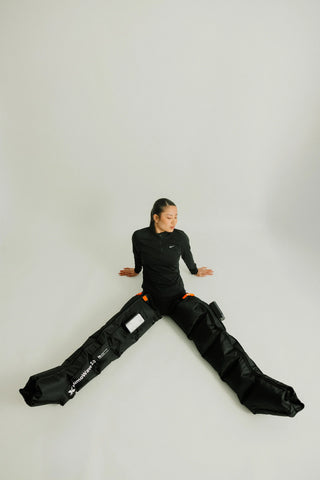
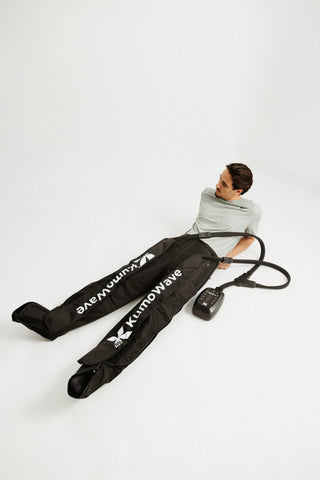
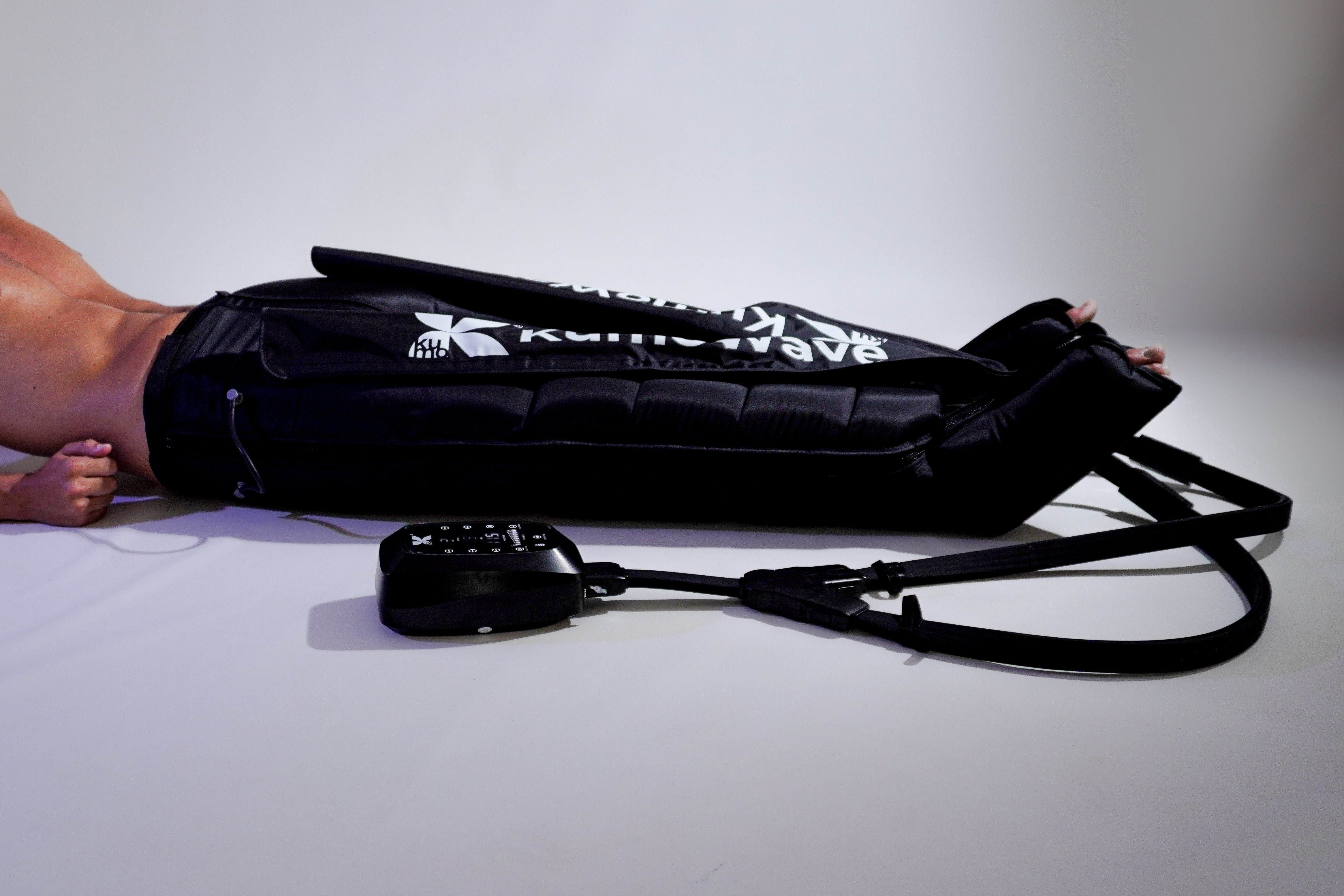
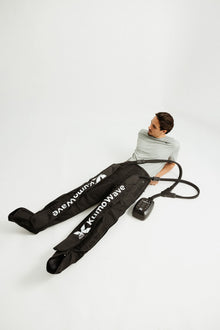
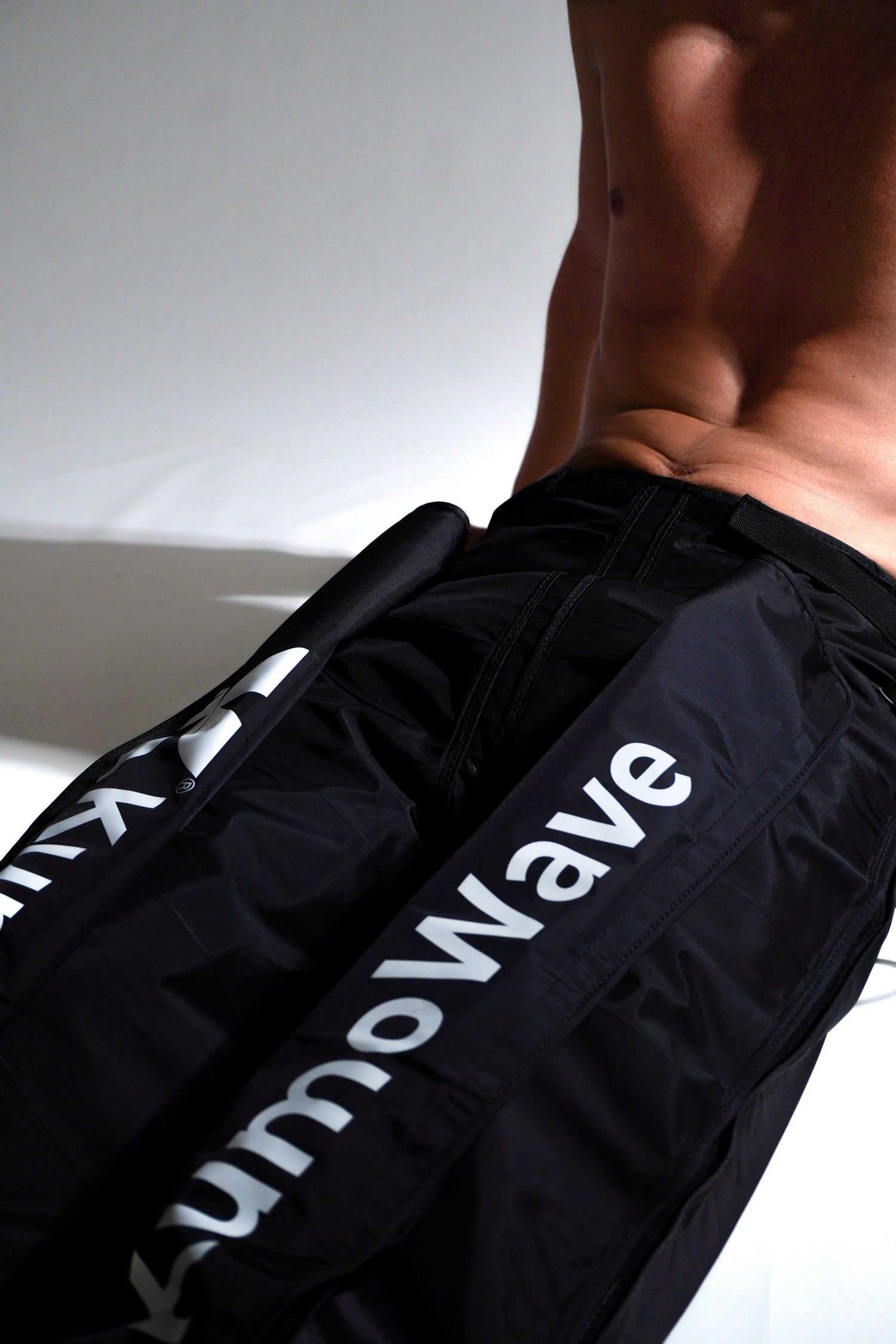
For peripheral deload (heavy legs, muscle mass, long days), many people incorporate intermittent pneumatic compression . Scientific evidence on post-exercise recovery is still inconclusive and protocol-dependent; a recent review indicates limited evidence and divergent results for clear superiority over other methods.
If you want to explore this type of tool as part of your recovery ritual, you can check out Kumo's compression boots .
Metric 3: Fatigue (subjective, but extremely useful)
Why your perception is still a “premium” metric
Fatigue isn't just muscular: it's also mental, emotional, and social. That's why, even if you have HRV and sleep well, it's a good idea to record how you feel for 30 seconds a day. In sports settings, well-being questionnaires and perceptual measures are used, along with training load, to monitor fatigue.
The 60-second check-in (3 options)
Option A: Simple scale 1–10 (minimalist)
- General energy: 1 (empty) – 10 (full)
- Pain/stiffness: 1 (none) – 10 (very high)
- Stress: 1 (calm) – 10 (very high)
Option B: Hooper Index (perceived well-being)
The Hooper Index is used as a marker of perceived well-being with items such as sleep quality, stress, fatigue, and muscle pain on Likert-type scales.
Option C: Session-RPE (to link fatigue with load)
If you train, the session-RPE (session RPE) method is used to estimate internal load: duration × RPE , with reviews discussing its validity and ecological utility.
This allows you to detect patterns: "when I do leg exercises + poor sleep, my fatigue spikes for 48 hours." Measuring means being able to adjust.
What to do with high fatigue (without panicking): triage
- High fatigue + poor sleep: prioritize sleep that night and reduce workload for 24–48 hours.
- High fatigue + localized pain: avoid aggravating (modify exercise, range or volume).
- High fatigue + irritability/apathy + performance drops: consider a deload week and review non-sporting stress.
The key part: how to combine sleep + HRV + fatigue to decide what to do
Quick reading table (and actions)
| Sign | What it usually indicates | What to do today | What to adjust this week |
|---|---|---|---|
| Sleep < 7h (or lower your average) | Systemic recovery compromised | Gentle session / technical session / walking session | Pre-sleep routine + regularity |
| Efficiency < 85% (repeated) | Fragmentation / latency / awakenings | Reduce caffeine late in the afternoon, limit screen time | Optimize your environment and habits; if the problem persists, seek medical advice. |
| HRV decreases 3+ days vs. baseline | Accumulated stress, high workload, or insufficient recovery | Low intensity; mobility; breathing | Partial discharge; more sleep; review alcohol/stress |
| High perceived fatigue + high muscle pain | DOMS / stiffness / local load | Peripheral recovery and smooth movement | Adjust volume, add easy days |
Kumo Principle: When your body asks for a break, don't stop: shift gears . Less intensity, more quality recovery.
Recovery tools: how to choose based on your metrics (without exaggerated promises)
1) If your problem is “heavy legs” and peripheral load
When your sleep is reasonable but you feel "heavy" in your legs (high volume, travel, standing, running), prioritize local strategies: gentle walking, mobility, elevation, and compression tools.
In research on intermittent pneumatic compression (IPC) as a post-exercise recovery method, there are reviews that point to limited evidence and inconclusive results regarding its superiority.
If you want to integrate this tool into your routine, explore Kumo's pressotherapy collection.
2) If your problem is stiffness or a feeling of "hard muscle"
Massage guns (percussive therapy) have become popular for stiffness and range of motion. A systematic review (2023) suggests they may help with flexibility and some recovery outcomes, although the evidence and effects depend on the context and protocol.
If you're looking for a home massage tool within the Kumo ecosystem, you might want to check out KumoPulse Air .
3) If your goal is to support a nightly sleep routine and overall recovery
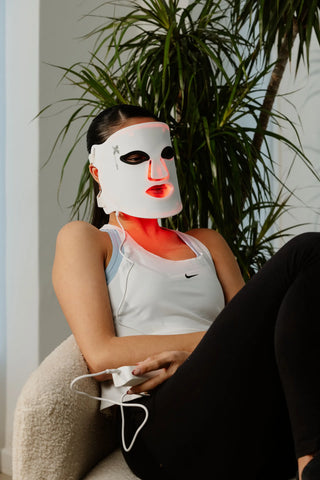
Photobiomodulation (including red light) is being investigated in relation to muscle pain, performance, and recovery variables, with results varying according to dose, area, and population. Meta-analyses and reviews exist in specific areas (e.g., myofascial pain), as well as exploratory studies on recovery indicators.
To integrate this type of habit at home, you can visit Kumo's LED light therapy .
4) If you want a “visible” recovery (skin) in addition to performance
Recovery also means aesthetics and well-being: reducing stress, taking care of your skin, and maintaining healthy habits. If your motivation increases when you see results from your self-care routine, exploring solutions like LED masks can help you stay consistent.
Check out the options in the LED light collection (depending on the goal of your routine).
A simple weekly plan (template) to use your metrics
Step 1: Define your 3 “core” metrics
- Sleep: duration + efficiency
- HRV: Daily value and 7-day moving average
- Fatigue: scale 1–10 (energy/pain/stress) or Hooper Index
Step 2: Set personal (not universal) thresholds
Example (adjust to your baseline):
- Sleep: If you are >60–90 min below your average for 2 consecutive nights, reduce intensity.
- HRV: If it drops for 3 days and coincides with high fatigue, discharge.
- Fatigue: If your energy ≤4/10 and pain ≥7/10, avoid local heavy work.
Step 3: Assign an “action per signal” (automates decisions)
- Sleep signal: go to bed 30 min earlier + gentle exercise.
- HRV signal: breathing + walking + volume cut.
- Leg signal: mobility + pressotherapy routine.
- Sign of stiffness: 5–8 min massage by zones (without pain).
Typical errors when measuring recovery (and how to avoid them)
- Obsessing over a number: look at trends and context.
- Measuring HRV at random times: changes with acute stress and confuses you.
- Confusing “tiredness” with “lack of fitness”: sometimes you need rest, not more intensity.
- Ignoring red flags: acute pain, dizziness, palpitations, severe insomnia, or debilitating fatigue require professional evaluation.
FAQ about Kumo and recovery metrics
How can I use Kumo if my HRV drops but I don't want to stop training?
If your HRV/HRV drops several days compared to your baseline and you also experience high fatigue, you don't need to "stop," but rather change the stimulus : reduce intensity, maintain gentle movement, and prioritize sleep that night. At the same time, you can reinforce your recovery routine with tools that promote relaxation and body comfort (for example, a gentle compression therapy session if you experience heavy legs, or a brief percussive massage if there is stiffness). The idea is that your metrics guide your training regimen, not dictate your approach.
Which sleep metric is most useful for deciding whether to do an intense session?
For quick decisions, the most useful combination is usually duration (if you're clearly below your average) and efficiency (if you slept, but with many awakenings). If one night is bad but you feel fine, you can train; if you accumulate 2-3 bad nights, your risk of performing worse increases. With Kumo, the important thing is to turn that reading into action: adjust the plan and improve your nighttime routine to get back to normal as soon as possible.
Does Kumo pressotherapy help you "recover faster" after training?
Intermittent pneumatic compression is widely used as a tool for well-being and perceived recovery, especially when there is a feeling of heaviness in the legs or after days of heavy exertion. Scientifically, recent reviews indicate that the evidence for post-exercise recovery is still limited and does not establish a clear superiority over other methods, depending on the protocol and context. Therefore, the wisest approach is to use it as part of a consistent routine (gentle movement + hydration + sleep) and assess whether it improves your well-being and adherence.
How do I integrate a Kumo massage gun without worsening muscle pain?
The rule is simple: it shouldn't hurt . Use moderate intensity, 30–90 seconds per muscle group (or tight spot), avoiding joints and irritated areas. It's especially useful as a warm-up (to feel looser) or as a light cool-down after training, but it doesn't replace rest or a smart progression of workloads. If there is acute pain, significant inflammation, or a suspected injury, stop and consult a doctor. You can see Kumo's massage tool here: KumoPulse Air .
What's the simplest way to get started with Kumo and metrics if I'm a beginner?
Start with the bare minimum for 14 days: record your sleep hours, an energy level (1–10), and, if you have a wearable device, your nighttime or morning HRV. Then create a rule: if you sleep poorly for two nights or your energy drops significantly, switch to a light workout and do a short recovery routine (mobility exercises + walking). If you also notice heavy legs, you can add compression therapy; if there's stiffness, a brief massage. If you'd like guidance on what to incorporate first, contact the team through the contact page .
What now? (Next step with Kumo)
Choose one metric (sleep), one monitoring metric (fatigue), and a tool that makes recovery easy to maintain. Start simple, measure for 14 days, and adjust based on trends. If you want to turn your data into a premium recovery routine, explore the Kumo ecosystem, check out the compression boots or LED light therapy , and if you need help deciding on your best combination, contact us.

Red & infrared light
KumoLux Panel – Red and Infrared LED Panel
★★★★★ 4,8/5 · rated by verified customers
- 660 nm red + 850 nm infrared light
- Full-body muscle recovery
- Clinically validated biohacking protocols
€399,00€499,00· pay in installments with seQura or Klarna