
Your body isn't made to sit all day.
Whether you work in an office (or from home), this 20-minute routine is designed to relieve leg tension , release back strain , and relax your neck and shoulders with simple, safe, and easy-to-repeat movements. You'll also learn how to integrate Kumo recovery technology (pressure therapy, percussion massage, and light therapy) to make recovery a sustainable habit.
Pressotherapy at home
End the day with light legs
★★★★★ 4,8/5 · rated by verified customers
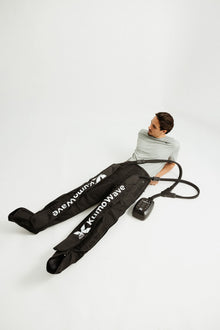
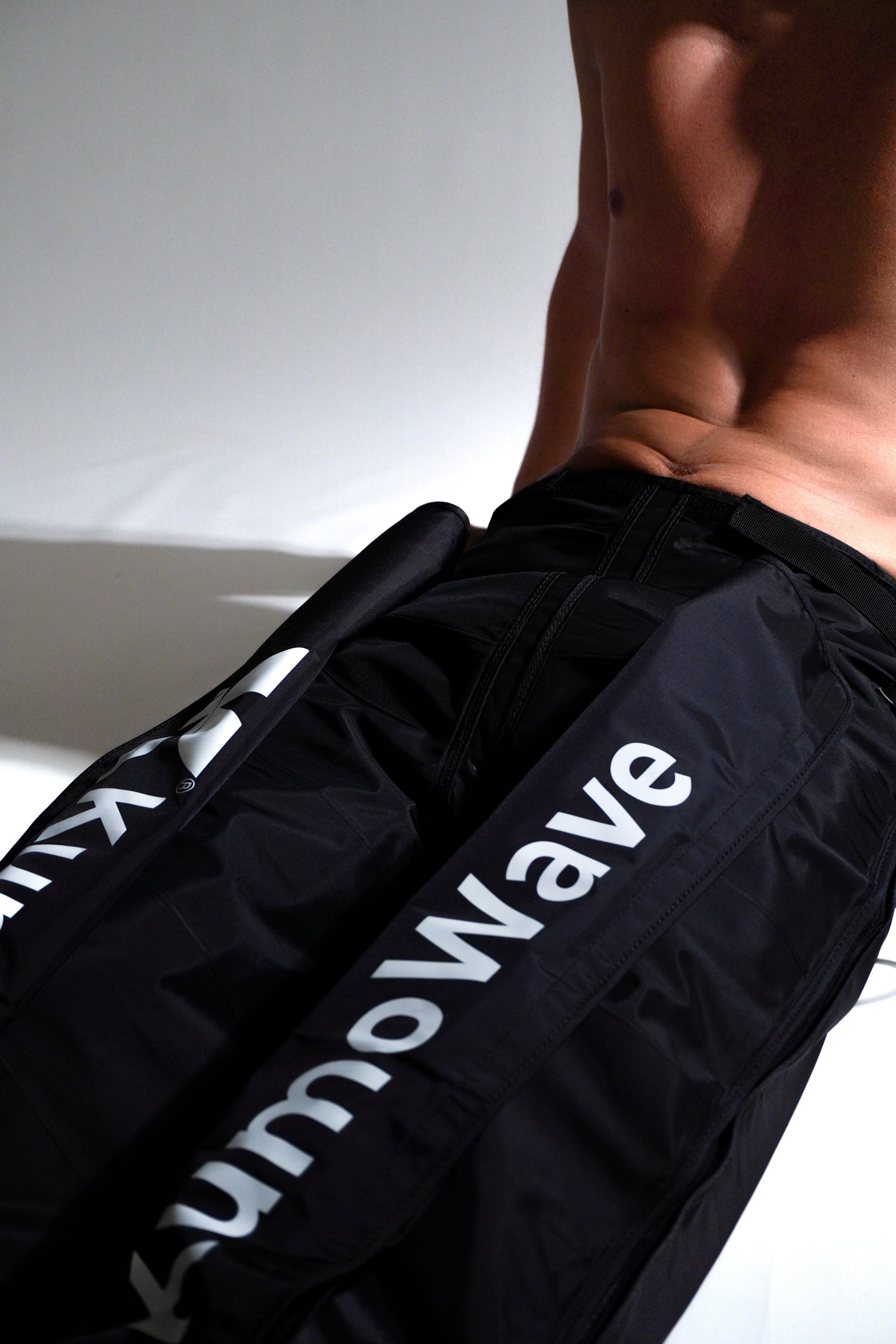
KumoWave pressotherapy boosts circulation and helps drain fluid with sequential compression, in 20-minute sessions at home.
- Boosts circulation and helps drain fluid
- Chamber-based compression, adjustable to you
- Sequential compression that mimics manual drainage
€799,00€999,00
−10% on your 1st order when you subscribe to the newsletter

Why a short routine works (and why your neck and back will thank you)
The combination of sedentary behavior, screen time, and prolonged posture often leads to hip stiffness, lower back strain, rounded shoulders, and neck tension. In 2025, a systematic review and meta-analysis in BMC Public Health found associations between sedentary behavior and neck pain, including an increased risk with more hours per day (for example, the dose-response analysis reported significant increases starting at approximately 4 hours per day and greater increases above approximately 6 hours per day, according to the study). ( bmcpublichealth.biomedcentral.com )
And speaking of lower back pain: the WHO indicated that lower back pain affected 619 million people in 2020 and projects 843 million by 2050. ( who.int )
Personalized protocol · included with your purchase
Want us to tell you how to use it in your case?
With your purchase, our experts prepare a personalized usage protocol for your case: sport, circulation, fluid retention, pregnancy or lipedema.
Message us on WhatsAppOur experts reply · no obligation
Key principles for “recovering” without complicating things
- Frequent movement > perfect session: Even short breaks from sitting time are associated with improvements in cardiometabolic markers in experimental studies (e.g., standing breaks or brisk walking versus prolonged sitting). ( pmc.ncbi.nlm.nih.gov )
- Breathe to lower your tone: slow breathing at the beginning reduces the feeling of "body speed" after hours of screen time.
- Mobility + gentle activation: it's not "stretching for the sake of stretching"; it's restoring range of motion and then activating key muscles (glutes, scapulae, deep neck flexors).
- Without sharp pain: look for a feeling of relief (tension 3–5/10), never sharp or radiating pain.
Before you begin: 60 seconds of ergonomic adjustment (it saves you a lot of neck strain)
Ergonomics isn't everything, but it helps prevent tension from returning in 10 minutes:
- Screen at eye level (avoids sustained cervical flexion).
- Elbows close to the body; mouse and keyboard close together (less shoulder strain).
- Feet supported (or on footrests), avoiding dangling legs.
To manage computer fatigue, OSHA recommends frequent micro-breaks and, as a practical guideline, taking approximately 5 minutes each hour to look away, stretch, stand up, or walk around. ( osha.gov )
Guided routine: 20 minutes (legs + back + neck)
Quick routine chart (20 minutes)
| Minutes | Area | Exercise | Aim | Technical key |
|---|---|---|---|---|
| 0–2 | Breathing | Slow nasal breathing (4–6) | Lower general tension | Ribs drop, neck long |
| 2–7 | Legs | Ankle pumps + calf raises | Activate calf “pump” | Soft knees, weight distributed |
| 7–12 | Hips/Back | Hip flexor + hip hinge | Download lumbar region | Neutral pelvis, active gluteus |
| 12–16 | Back/Shoulders | Thoracic extension + scapular retraction | Open chest, reposition shoulders | Shoulder blades “down and back” |
| 16–20 | Neck | Chin tucks + trapezius stretch | Reduce cervical strain | Chin back (without looking up) |
0–2 min: breathing to “reboot” the body
- Sit on the edge of the chair or stand with your knees unlocked.
- Inhale through your nose for 4 seconds .
- Exhale through your nose for 6 seconds (as if you were fogging a window, but with soft lips).
- Repeat 6–8 cycles.
Signs that you're doing well: shoulders drop, jaw relaxes, you breathe "lower" (ribs and abdomen).
on your first order when you join the newsletter
We send you the code instantly. No spam.
2–7 min: Light legs (ankles, calves and hips)
Block A (2 min): ankle pumping
- Standing, hands resting on the back of a chair.
- Alternate toe-heel (like “accelerating/braking”) for 60 seconds.
- Then do ankle circles 30 seconds per side.
Block B (3 min): Calf raises + partial squat
- Calf raises: 2 sets of 12–15 repetitions, raising for 2 seconds and lowering for 2 seconds.
- Partial squat (very controlled): 1 set of 8–10 repetitions to awaken glutes and thighs.
Why it matters: The calf acts as a peripheral “pump” when you walk or flex your ankle; if you spend hours sitting, this stimulus decreases and the feeling of heaviness can increase.
7–12 min: hips free to allow back rest
Block A (3 min): Hip flexor stretch (simplified couch stretch)
- Take a long step backward (stride position).
- Gently squeeze the glute of the back leg and bring the pelvis "forward" without arching the lower back.
- 30–45 s per side, 2 rounds.
Block B (2 min): hip hinge + lumbar “decompression”
- Hands on hips, bring buttocks back with long back (like closing a door with your hips).
- 8–10 slow repetitions.
- Finish with 20 seconds of hanging arms (gentle flexion), breathing.
12–16 min: mid-back and shoulders (anti-office slouching)
Block A (2 min): Chair thoracic extension
- Sit with the middle of your back against the backrest.
- Hands behind the head, elbows open.
- Gently extend your upper back 6-8 times (without straining your neck).
Block B (2 min): scapular retraction + shoulder “W”
- Standing, arms in a “W” position (elbows close to the body).
- Pull your shoulder blades down and back for 2 seconds, then release for 2 seconds.
- 10–12 repetitions.
16–20 min: neck (less tension, more stability)
Block A (2 min): chin tucks (double chin)
- Standing against a wall (occipital and upper back close, without forcing).
- Pull your chin back as if you wanted to make a double chin, hold for 2 seconds.
- 8–10 repetitions.
Block B (2 min): upper trapezius + levator scapulae stretch
- Tilt your ear towards your shoulder (without raising your shoulder) 30 seconds per side.
- Then look towards the armpit (45°) 30 s per side.
Helpful reminder: If the stretch feels like it's "pinching" or tingling down your arm, reduce the range of motion or stop and prioritize professional evaluation.
How to boost your routine with Kumo recovery technology (without complicating things)
The advantage of technology is consistency : when you arrive tired, having tools that facilitate recovery can help you repeat the habit. At Kumo, recovery is understood as a daily practice that combines well-being, aesthetics, and performance . You can learn more about the brand's philosophy at Kumo .
Legs: pressotherapy to relieve tension after work
Pressotherapy is based on intermittent pneumatic compression. In clinical settings, intermittent pneumatic compression has shown hemodynamic effects such as increased venous velocity/flow in physiological studies, which explains why it is used to address venous stasis in various scenarios. ( pubmed.ncbi.nlm.nih.gov )
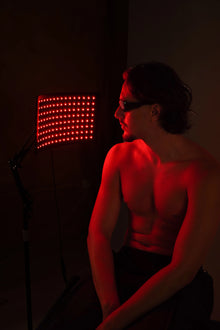
In an office setting (without making any medical promises), it can be a comfortable way to feel your legs lighter at the end of the day, especially if you spend many hours sitting down.
- When: upon arriving home or after a light workout.
- Practical duration: 10–20 min as a “closing of the day” routine.
- Where to see it: pressotherapy collection.
Back and neck: percussive massage (key points, short time)
Percussive massage devices have become popular, but the evidence is still mixed depending on the objective (pain, performance, DOMS). Some experimental studies observe changes in discomfort perception or muscle parameters, while others find no clear advantages over rest in certain protocols. ( pmc.ncbi.nlm.nih.gov )
In the office, it usually works best as a brief and localized tool to relieve typical areas: trapezius, pectoralis minor (soft), latissimus dorsi, gluteus medius.
- Simple rule: 30–45 seconds per zone, moderate pressure, breathing slowly.
- Avoid: the front of the neck, the spine directly, and areas with acute pain.
- Kumo product: KumoPulse Air percussive massage.
Red light therapy: muscle recovery and sleep routine (with realistic expectations)
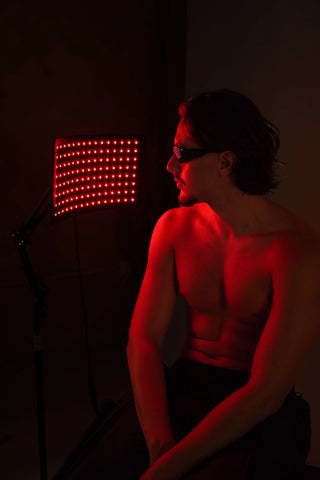
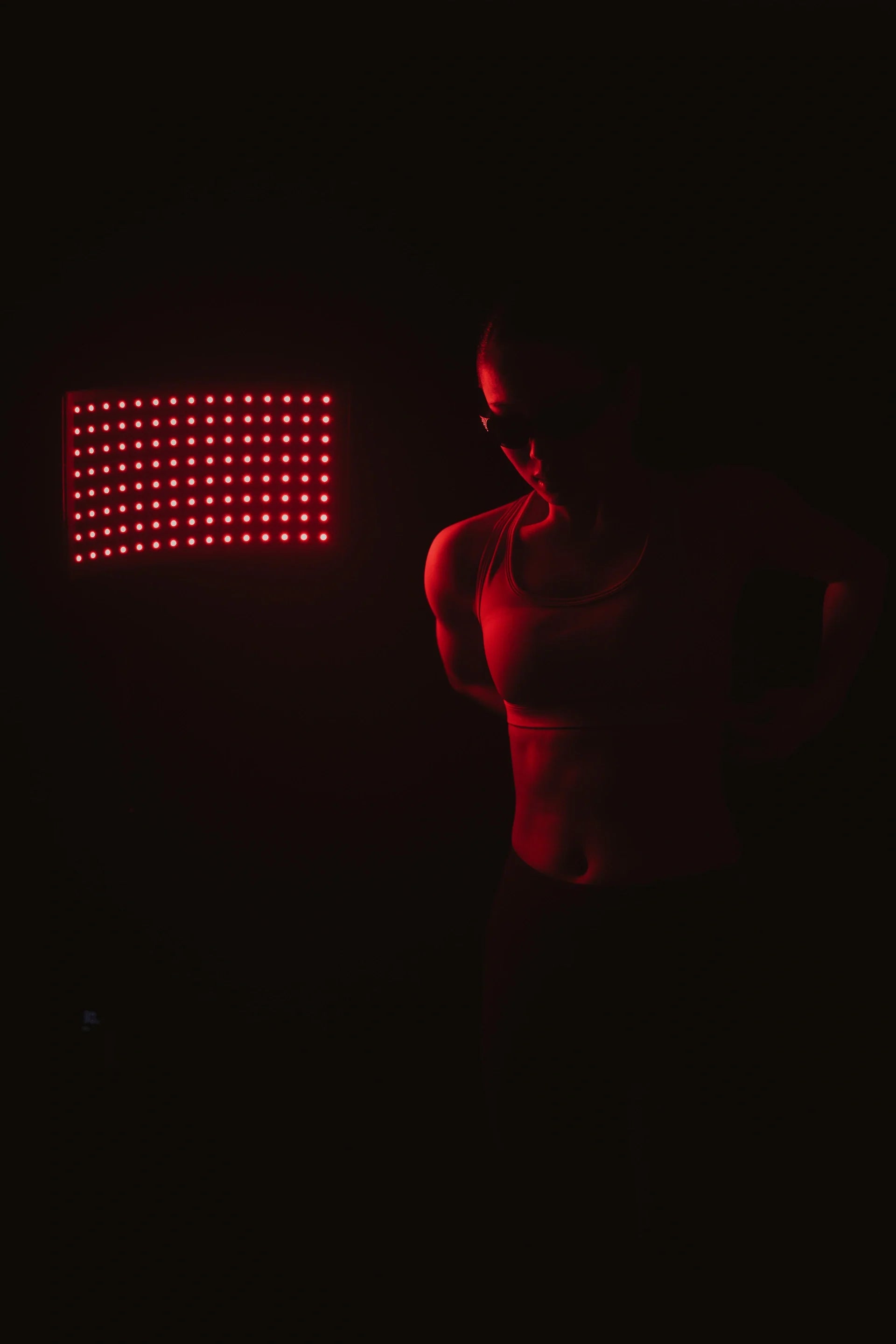
Photobiomodulation (red/near-infrared light) is being investigated in rehabilitation. For example, a systematic review and meta-analysis published in 2025 analyzed studies on DOMS and found statistically significant effects on pain (at some time points) and strength recovery, although with protocol variability. ( pmc.ncbi.nlm.nih.gov )
For sleep, there is previous research: a trial with female athletes (2012) applied 30 minutes at night for 14 days and reported improvements in sleep quality and serum melatonin. It is a specific context (athletes, specific protocol), but it is an interesting reference. ( pubmed.ncbi.nlm.nih.gov )
And regarding lighting hygiene, Harvard Health notes that dim red light is less likely to suppress melatonin than blue light at night. ( health.harvard.edu )
- Where to see it: LED light therapy .
- Sensible use: short and consistent routine (better 5–10 min than “never or 40 min”).
Extra: skin and “screen face” (stress, artificial light, eye rest)
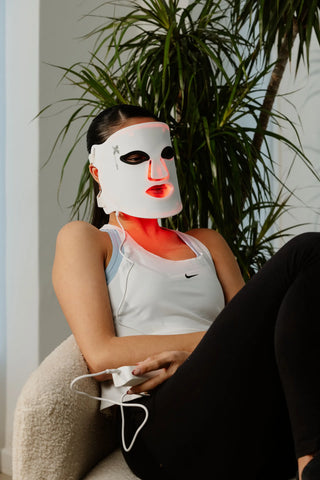
If you've had a long day and your face is showing signs of fatigue, a skincare routine can help you wind down. Kumo also offers LED masks designed to promote skin regeneration (not directly related to legs/back, but aligned with the concept of overall recovery).
Mini-habits during the day (so you don't arrive exhausted in the afternoon)
- 1 minute every hour: 20 ankle pumps + 8 scapular retractions.
- Long meeting: stand up for 2 minutes (if you can) and shift your weight from one foot to the other.
- Micro-walking: accumulating walks adds up; in a large cohort study (Norway), walking >100 min/day was associated with a lower risk of chronic low back pain compared to walking less (observational association). ( jamanetwork.com )
When is it advisable to seek medical advice (warning signs)
This routine is designed for common tension and stiffness from office work. Seek medical evaluation if you experience any of the following:
- Pain that runs down the arm or leg with tingling, loss of strength , or progressive numbness.
- Severe night pain, fever, unexplained weight loss, history of relevant trauma.
- Lower back pain with changes in bowel and bladder control (medical emergency).
The WHO also highlights the importance of rehabilitation for lower back pain and the magnitude of the problem worldwide. ( who.int )
FAQ about in-office recovery and Kumo
Can I do this 20-minute routine every day?
Yes: being a low-complexity, low-intensity routine, it's suitable for daily use if you're not experiencing acute pain. In fact, consistency often works better than intensity. If you're feeling particularly stressed one day, reduce the range of motion (less stretching, more breathing and gentle movement). And if you train, use it as a cool-down or as an evening session to loosen your legs, back, and neck before bed.
What benefits does Kumo pressotherapy offer if I already walk and stretch?
Walking and moving around throughout the day is key. Pressotherapy can be a helpful complement when you're looking for a distinct feeling of "relieved legs" with minimal effort, especially after many hours of sitting. Intermittent pneumatic compression is used in various contexts for its effects on venous flow in physiological studies; in wellness, people incorporate it for comfort and to help them adhere to their recovery routine. You can explore Kumo's pressotherapy category.
Is the KumoPulse Air suitable for neck and trapezius muscles in the office?
It can be helpful as a tool for localized self-massage in typical tension areas (trapezius, back, upper chest), always using moderate pressure and avoiding the front of the neck and the spine directly. Evidence for percussive massage is still inconsistent depending on the protocol and objective, so the most practical approach is to use it as a "brief release" (30–45 seconds per point) in conjunction with mobility and breathing exercises. Here's the device: KumoPulse Air .
Is Kumo LED light therapy better in the morning or at night?
It depends on the goal. For localized muscle recovery, many people use it when they can maintain the habit (often late at night). For sleep, some studies have explored red light at night (for example, a 14-day trial in athletes in 2012 reported changes in sleep quality and melatonin levels), but it's not a "magic bullet" and should be combined with good sleep hygiene (less bright light and screens before bed). You can find options under LED light therapy .
How can I contact Kumo if I have questions before choosing a recovery product?
If you'd like guidance on which technology best suits your needs (heavy legs, back tension, a stiff neck, or poor sleep habits), the most effective approach is to describe your intended use (when you would use it, for how long each day, and which area). The team can help you tailor your choice to a simple and sustainable plan. You can contact us through the contact page.
So what now?
If you want to make this routine an easy habit to maintain, use a daily "cue" (for example, right after closing your laptop) and, if it suits you, complement it with Kumo recovery technology: leg compression therapy , KumoPulse Air for localized muscle release, and LED light therapy for your recovery ritual. For more information about the brand, visit Kumo or contact them directly.
KumoWave pressotherapy
Choose your at-home pressotherapy
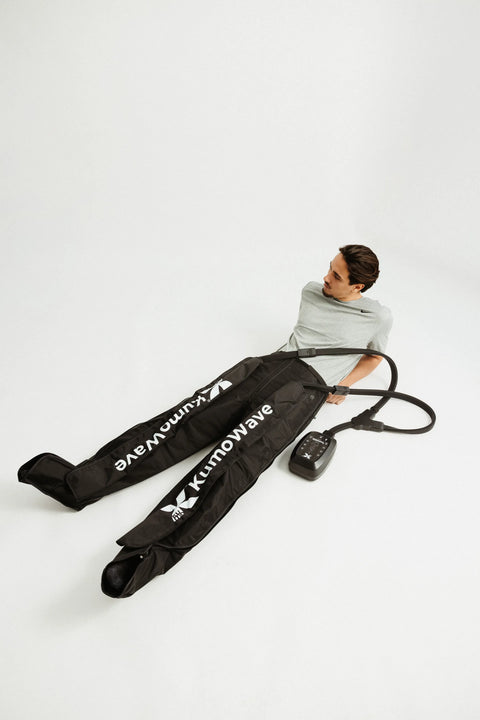
KumoWave Elite – Pressotherapy Pants
Full-coverage trousers. Ideal for lipedema, fluid retention and intensive use.
€799,00 €999,00
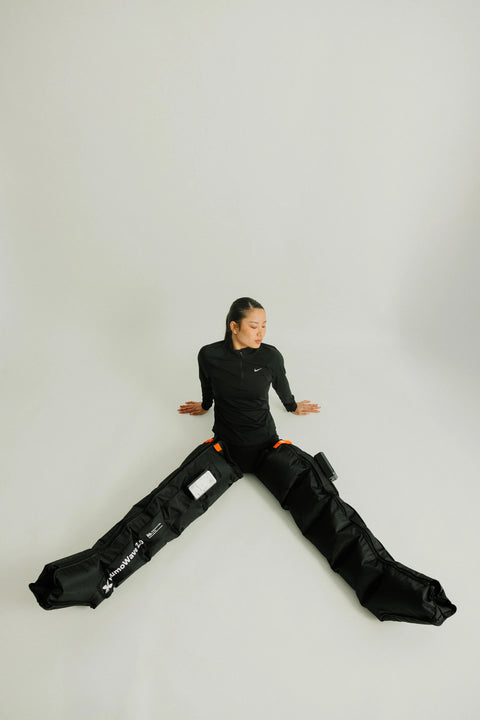
KumoWave 2.0 - Wireless Pressotherapy
Wireless, lightweight boots. Perfect for daily use and recovery.
€499,00 €599,00