Recovering better changes your performance.
Recovery “biohacking” isn’t about adding training sessions, but about improving what happens between sessions : sleep, stress management, nutrition, circulation, mobility, and light habits. In this article, you’ll find a practical (no-nonsense) system to feel fresher, sleep more soundly, and perform more consistently, relying on simple routines and recovery technologies like Kumo ’s.
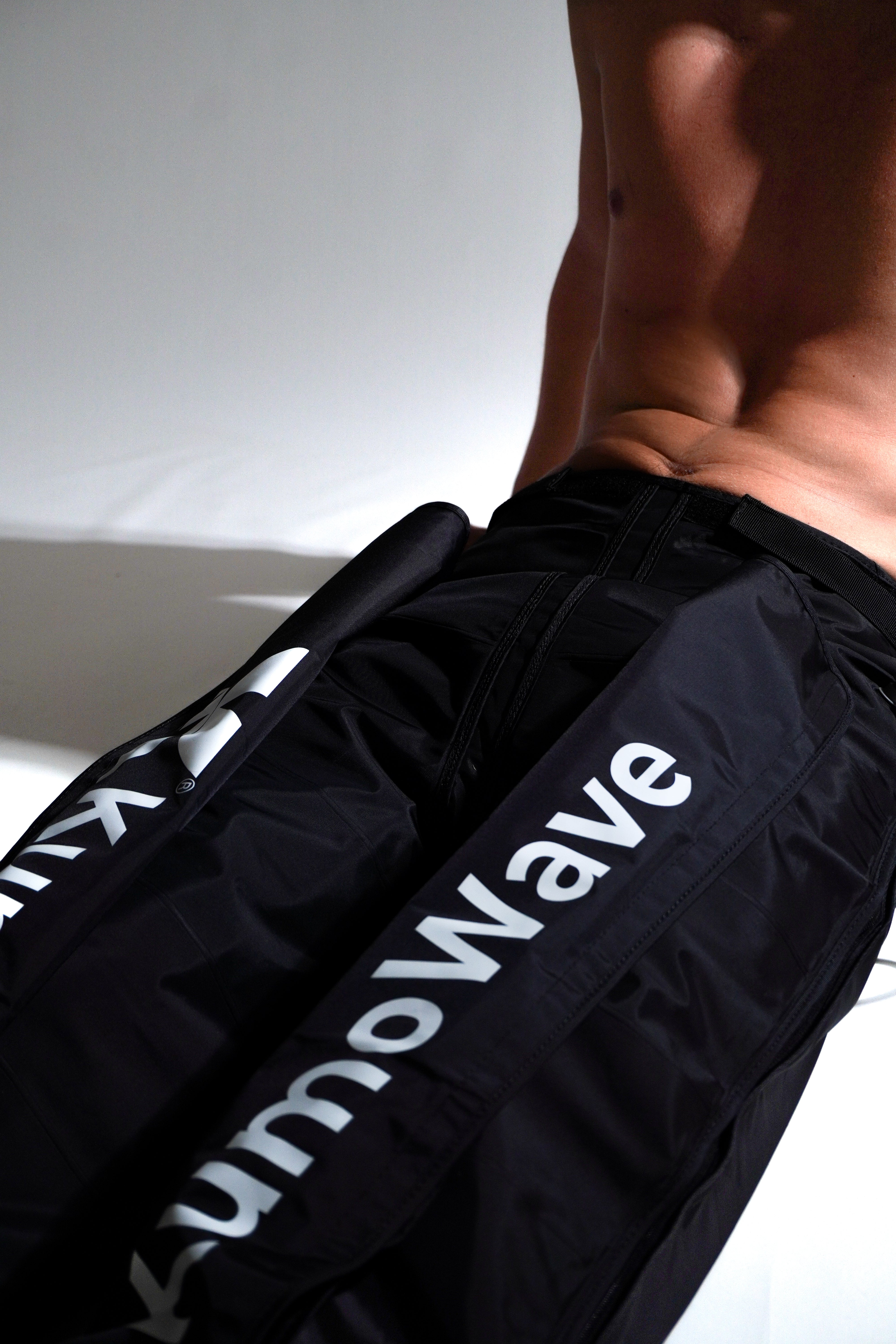
Pressotherapy at home
End the day with light legs
★★★★★ 4,8/5 · rated by verified customers
KumoWave pressotherapy boosts circulation and helps drain fluid with sequential compression, in 20-minute sessions at home.
- Boosts circulation and helps drain fluid
- Chamber-based compression, adjustable to you
- Sequential compression that mimics manual drainage
€799,00€999,00
−10% on your 1st order when you subscribe to the newsletter

Note: This content is educational and is not a substitute for medical advice. If you have persistent pain, injuries, sleep disorders, or dermatological conditions, consult a professional.
Why “recovery” is the true performance multiplier
Training is the stimulus; adaptation occurs during recovery . When you accumulate fatigue (physical, mental, or nervous system-related), your performance can stagnate even if you train "well." In athletes, sleep and recovery are related to key variables: mood, reaction time, perceived exertion, and consistency.
Personalized protocol · included with your purchase
Want us to tell you how to use it in your case?
With your purchase, our experts prepare a personalized usage protocol for your case: sport, circulation, fluid retention, pregnancy or lipedema.
Message us on WhatsAppOur experts reply · no obligation
A classic example: a study published in Sleep (2011) on sleep extension in college athletes showed improvements in athletic metrics (e.g., shooting accuracy and sprints) when sleep time was increased over several weeks. For most active people, the message is clear: before doing more, recover better .
Quick self-assessment: signs that you are not recovering
- You have trouble sleeping or you wake up frequently.
- Heavy legs , morning stiffness, muscle soreness that lasts more than 48–72 hours.
- Low motivation, irritability, "clouded head".
- Inconsistent performance: one day good, the next "lacking spark".
- Signals in metrics (if you use them): HRV down for several days, resting heart rate up.
If you wear a wearable, evidence on training “guided by HRV” suggests that it can help adjust the load on endurance (meta-analysis 2021), but it's not magic: use it as a guideline , not a daily rule.
The 6 pillars of recovery biohacking (without adding training)
1) Dream: the most powerful (and most underrated) hack
For adults, the general recommendation is 7 or more hours (CDC, 2024 update). In terms of performance, it's not just the amount that matters: regularity, light, temperature , and routine make a huge difference.
on your first order when you join the newsletter
We send you the code instantly. No spam.
Microhabits for better sleep (tonight)
- Consistency : same wake-up time (±30 min), even on weekends.
- “Dim” 60–90 min before : lower light intensity, reduce bright screens and notifications.
- Cool room : prioritize a cooler environment than the rest of the house (ventilation and light bedding).
- Short hot shower 60–90 min before: helps to start the drop in body temperature.
- Caffeine with your period : avoid caffeine late in the day if you notice an impact (many people improve by cutting it out 8–10 hours before bed).
Red light at night: what the evidence says (and how to apply it wisely)
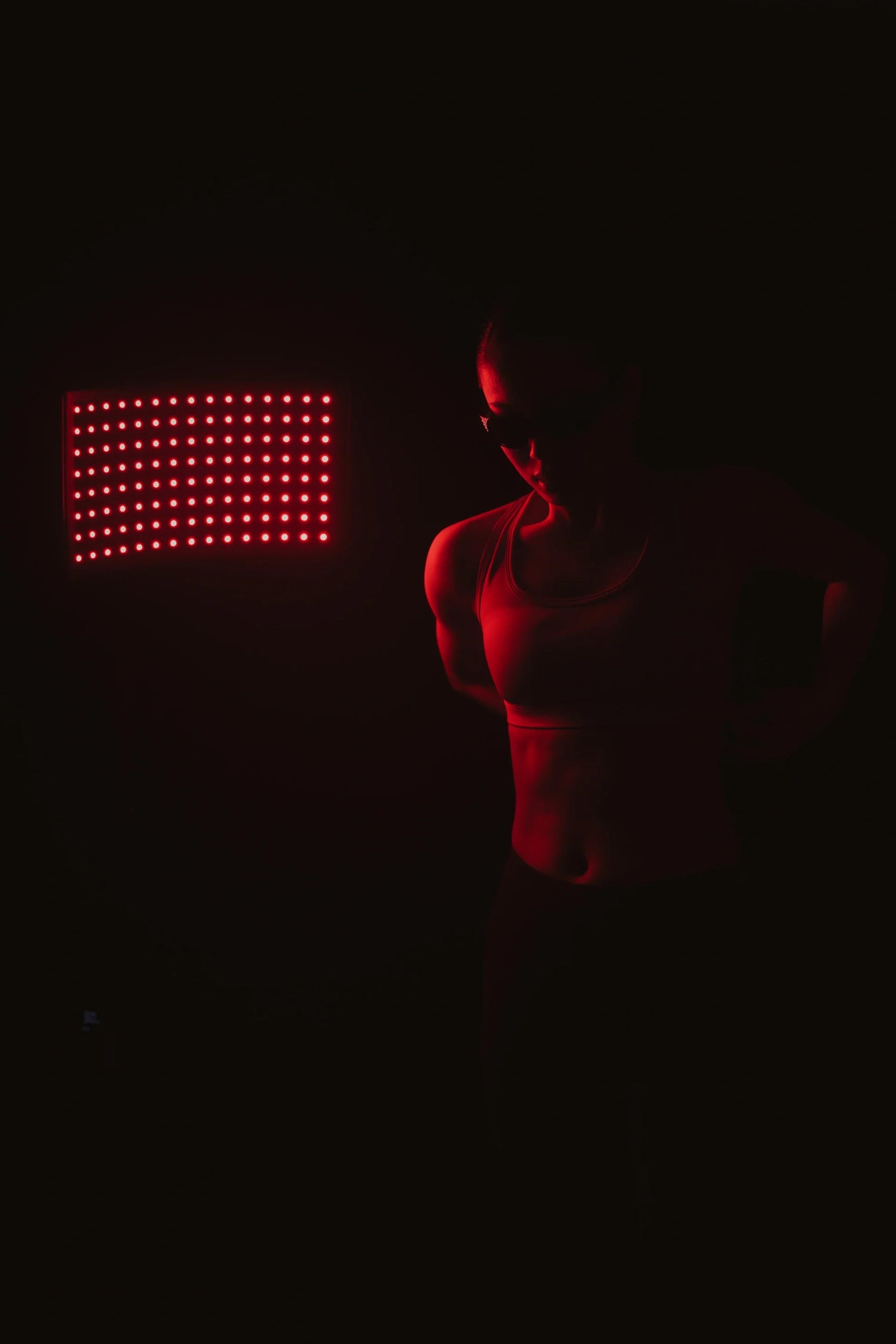
Photobiomodulation (red light) is used in recovery due to its potential effects on tissues and its role in sleep routines. A randomized controlled trial in female basketball players (2012) observed improvements in sleep quality (PSQI), melatonin levels, and endurance performance after 30 minutes per night for 14 days with red light (compared to placebo).
If you're interested in integrating this approach into your routine, you can explore Kumo's LED light therapy category as part of a consistent nightly ritual, without making it just another chore. The key is regularity and combining it with good sleep hygiene.
2) Recovery nutrition: less “perfect”, more “strategic”
You don't need a complex plan. You need repeatability : sufficient protein, carbohydrates around demanding efforts, and reasonable timing.
Protein: the effective minimum, well distributed
The International Society of Sports Nutrition (ISSN, 2017) suggests, as a practical guideline, a dose of approximately 0.25 g/kg of high-quality protein (or 20–40 g ) per serving, distributed every 3–4 hours to promote muscle protein synthesis. This does not require supplements: you can obtain it from whole foods (eggs, Greek yogurt, legumes, fish, lean meats, tofu, etc.).
Carbohydrates and the "window": how simple it is that works
- If you train intensely or do double sessions, don't demonize carbohydrates : they help replenish glycogen.
- If you train in the afternoon, a dinner with carbohydrates and protein usually promotes a feeling of calm and recovery.
Hydration: you recover worse if you train dehydrated
A classic reference is the American College of Sports Medicine (ACSM, 2007) position on fluid replacement. In practice: start the day well-hydrated, drink throughout the day, and adjust according to heat/sweat. A simple trick: urine color (pale is usually a good indicator), along with your weight before and after long sessions if you want to fine-tune your fluid intake.
3) Stress and nervous system: regain your “calm” to perform
Many recovery blocks are neurophysiological : too much activation (work, screens, caffeine, late training) and too little "safe" signal to sleep and regenerate.
5-minute protocol (no apps)
- Quiet nasal breathing (1 minute).
- Exhalations longer than inhalations (2 minutes).
- Gentle mobility: neck, back, hips (2 minutes).
It's not mysticism: it's a simple way to change the "mode" of the day.
4) Circulation and legs: when you feel heaviness, it acts on venous return
The sensation of heavy legs can be caused by high step volume, sitting at work, travel, or repetitive workouts. Helpful habits here are usually mechanical : gentle movement, leg elevation, and intermittent compression.
Pressotherapy (intermittent pneumatic compression): what is known
Evidence on intermittent pneumatic compression (IPC) in recovery is mixed depending on the protocol, population, and measures used, but some trials show improvements in delayed onset muscle soreness (DOMS) and recovery of certain markers. For example, a randomized controlled trial (published in 2025) observed improvements in pain recovery (VAS) and muscle parameters after repeated application of IPC in the days following a DOMS-inducing protocol.
If you want to make this a habit, one option is to reserve it for busy days or when logistics prevent you from walking and stretching your legs. You can view Kumo's pressotherapy collection as a tool to support circulation and leg comfort.
5) Tissue and mobility: less stiffness with brief stimuli
Self-massage and myofascial release: the bare minimum to compensate
A meta-analysis (2020) on foam rolling found a significant effect on range of motion and potential benefits for recovery, with a low risk of impairing performance. Practical application: 6–10 minutes total, without overworking any areas, aiming for a tolerable pressure.
Massage gun: useful for stiffness and ROM, but be careful with the timing.
A systematic review (2023) on massage guns suggests that they can improve flexibility and help in recovery variables such as stiffness and range of motion, while in explosive activities (strength, power, agility) the results may be neutral or even negative if used just before.
Practical translation: It's best used after or in separate workout sessions (or as part of a gentle cooldown). If you're interested in a percussion device for daily use, you might consider the KumoPulse Air for targeted and consistent work.
6) Frictionless recovery technology: when habit rules
Technology is only useful if it reduces friction . If it forces you to "do more," it's not biohacking: it's just another burden. The suggestion: use tools that integrate with what you already do (reading, gentle stretching, preparing for the next day, listening to music).
Kumo as an ecosystem of habits (not as a “miracle solution”)
Kumo is designed to make recovery an aesthetically pleasing, comfortable, and repeatable routine. A smart approach is to assign each tool to a specific problem:
- LED light (night routine or gentle post-workout) to support recovery and rest, according to tolerance.
- Pressotherapy for heavy legs, busy days, or long periods of sitting.
- Percussion for localized stiffness and sensation of "hard muscle".
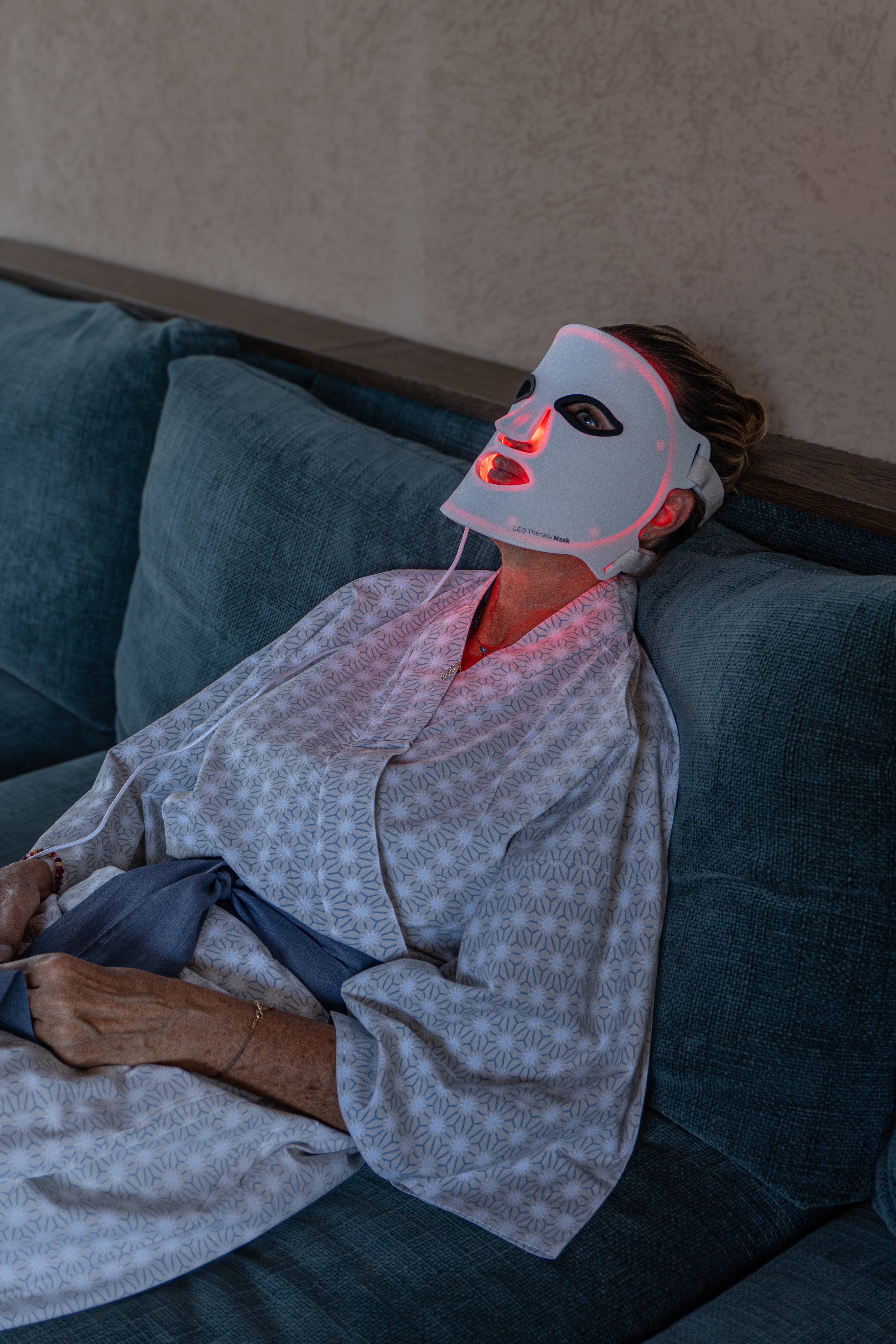
- LED masks for self-care skin, integrating it into your routine without medical promises.
Explore the brand's universe from Kumo's homepage and choose based on the habit you want to maintain, not on the trend.
Ready-to-use routines (10–20 minutes) according to your day
Post-workout routine (10–12 min)
- 2 min gentle walk or very light cycling.
- 4 min mobility: hip, calves, back.
- 4–6 min self-massage (roller or massage gun on tense areas).
“Light legs” routine (15–25 min)
- 5 min leg raises (supported on wall or sofa).
- 10–20 min pressotherapy (if you use it) while you hydrate and plan your morning.
“Deep sleep” routine (15–30 min)
- 10 min low lights + reading or brief journaling (3 lines).
- 5 min breathing with long exhalation.
- Optional: red light session (if you tolerate it and it suits you) as part of the ritual.
Practical guide: recovery habits, when to use them and what to expect
Quick decision map (without added training)
| Aim | Minimum habit | When | What usually improves | Evidence (summary) |
|---|---|---|---|---|
| Sleep more and better | Fixed routine + low lights | Diary | Sleep quality, energy, consistency | Population recommendation (CDC, 2024); performance improvements with extended sleep (study in athletes, 2011) |
| Better night's sleep | Red light as a ritual | 14 consecutive days (test) | PSQI and melatonin in athletes (according to protocol) | Trial in women's basketball: 30 min/night, 14 days (2012) |
| Heavy legs | Intermittent lift + compression | Loading days / trips | Comfort, perceived circulation, DOMS (in some studies) | Controlled trial in DOMS with IPC (2025) with improvements in pain and muscle parameters |
| Less rigidity | Brief self-massage | Post-workout or afternoon | ROM, stiffness sensation | Foam rolling: 2020 meta-analysis with a large effect on ROM; pistols: 2023 review with benefits in flexibility/ROM and mixed results in power |
| Perceived recovery | Cold water (if you can tolerate it) | Intense blocks | Muscle soreness/perception of recovery | 2023 Review and Meta-Analysis: CWI superior for muscle pain compared to other methods in several studies |
LED for skin: self-care that also adds "mental" recovery
Recovery isn't just about muscle function; it's also about overall well-being . Skincare rituals can act as a "signal" to end the day, and there's also research on at-home LED devices for conditions like acne.
In 2025, a systematic review and meta-analysis in JAMA Dermatology analyzed trials of at-home LED devices (red and/or blue) for mild to moderate acne. A summary of results reported significant reductions in lesions and a favorable safety profile, with generally mild adverse effects (dryness, erythema, discomfort). Trials on the safety of red LEDs on skin are also available (e.g., RCTs published in 2020).
If you're interested in incorporating this type of tool, visit the LED light therapy collection and make it a realistic habit (consistent, but not excessive). Avoid combining it abruptly with harsh routines if you have sensitive skin.
Common mistakes (and how to avoid them)
- Wanting to do everything : choose 1-2 levers for 14 days (sleep + circulation, for example).
- Confusing pain with effectiveness : more pressure is not always better in massage/rolling.
- Using tools “when you’re already broken” : the magic is in consistency, not in rescue.
- Ignoring sleep : no technology can compensate for sleeping little for weeks.
Recommended sources and readings
- CDC (2024): General recommendations for hours of sleep by age
- Essay (2012): Red light, sleep and melatonin in female basketball players (PubMed)
- ISSN (2017): Position on Protein and Exercise (PubMed)
- Systematic review (2023): effects of massage guns (PubMed)
- Meta-analysis (2020): foam rolling, ROM and recovery (PubMed)
- Meta-analysis (2023): cold water immersion and recovery (PubMed)
- Essay (2025): Intermittent pneumatic compression and impact on DOMS (PubMed)
- Review (2025): Home LED devices for acne (PubMed)
- Mass General Brigham (2025): Note on Domestic LEDs and Acne
FAQ: Frequently Asked Questions about Recovery and Kumo
How can I integrate Kumo into my recovery if I only have 15 minutes a day?
Choose a single "anchor" moment that already exists: after showering or right before bed. With 15 minutes, a realistic combination is 5 minutes of gentle mobility + 10 minutes of a leg routine (leg lifts or compression therapy). If your main problem is sleep, turn that block into a nightly ritual: low lights, breathing exercises, and, if it suits you, a short LED light session. The key with Kumo isn't to do it perfectly, but to make it repeatable 5–6 days a week.
Does Kumo's red light help you sleep better or is it just marketing?
There is some evidence in athletes: a 2012 trial with female basketball players observed improvements in sleep quality and melatonin levels after 30 minutes of red light exposure per night for 14 days, compared to a placebo. Even so, it's not a universal guarantee: sleep also depends on schedules, stress, caffeine, temperature, and ambient light. The best approach is to use red light as part of a comprehensive sleep hygiene plan (regularity + low lighting + routine) and evaluate your response over two weeks.
How often is it recommended to use Kumo compression boots for tired legs?
It depends on your workload and how you feel, but it generally makes more sense to use compression therapy on high-volume days (heavy legs, travel, long periods of sitting) or during intense training blocks. Some recent research has studied repeated protocols over several days following sessions that induce delayed onset muscle soreness (DOMS). In everyday practice, the most sustainable strategy is: short, consistent sessions when needed, without replacing basic habits like gentle walking, hydration, and adequate sleep.
Is KumoPulse Air better before or after training?
For most, it's best used after or outside the immediate window of exertion. A 2023 systematic review suggests benefits in flexibility/range of motion and recovery variables, but also neutral or even negative results in explosive performance if used right before. A simple guideline: if you're looking to "activate" beforehand, use dynamic mobility and warm-up; if you're looking to "release" afterward, use KumoPulse Air briefly (targeted areas, tolerable pressure) and combine it with breathing and rehydration.
Can Kumo LED masks help my skin if I have mild acne?
Home LED devices (red and/or blue) have been studied in mild to moderate acne, and a 2025 review and meta-analysis (JAMA Dermatology) compiled controlled trials with favorable results in lesion reduction and generally good safety, with mild adverse effects in some cases. Even so, the response varies depending on skin type, consistency, and skincare routine. The most prudent approach is to introduce them gradually, observe tolerance, and, if your acne is persistent or inflammatory, combine their use with dermatological guidance.
So what now?
If you want to make recovery a sustainable habit, explore Kumo 's solutions based on your goal (sleep, legs, stiffness, or skincare): compression therapy , LED light therapy , and KumoPulse Air . And if you need help choosing a simple routine that fits your lifestyle, contact the team here: contact page .
KumoWave pressotherapy
Choose your at-home pressotherapy
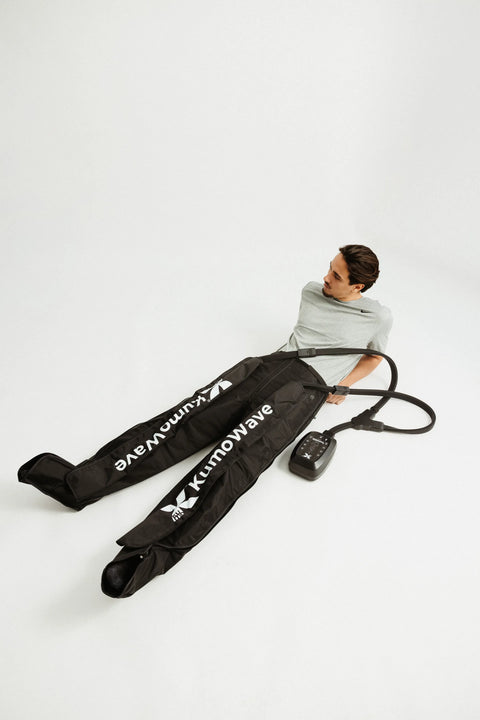
KumoWave Elite – Pressotherapy Pants
Full-coverage trousers. Ideal for lipedema, fluid retention and intensive use.
€799,00 €999,00
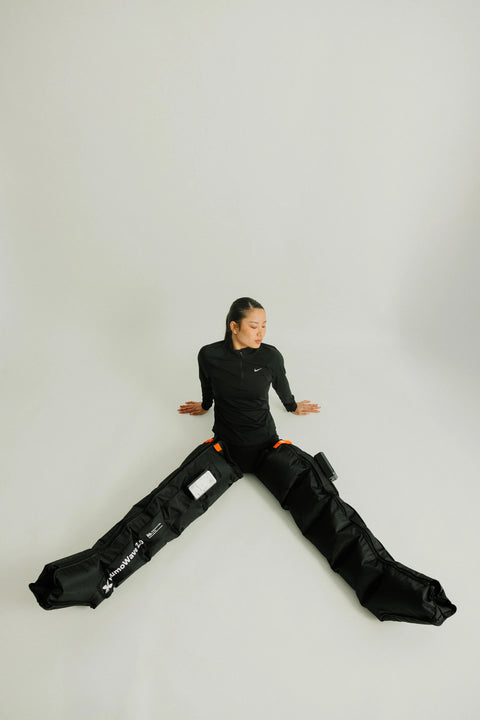
KumoWave 2.0 - Wireless Pressotherapy
Wireless, lightweight boots. Perfect for daily use and recovery.
€499,00 €599,00