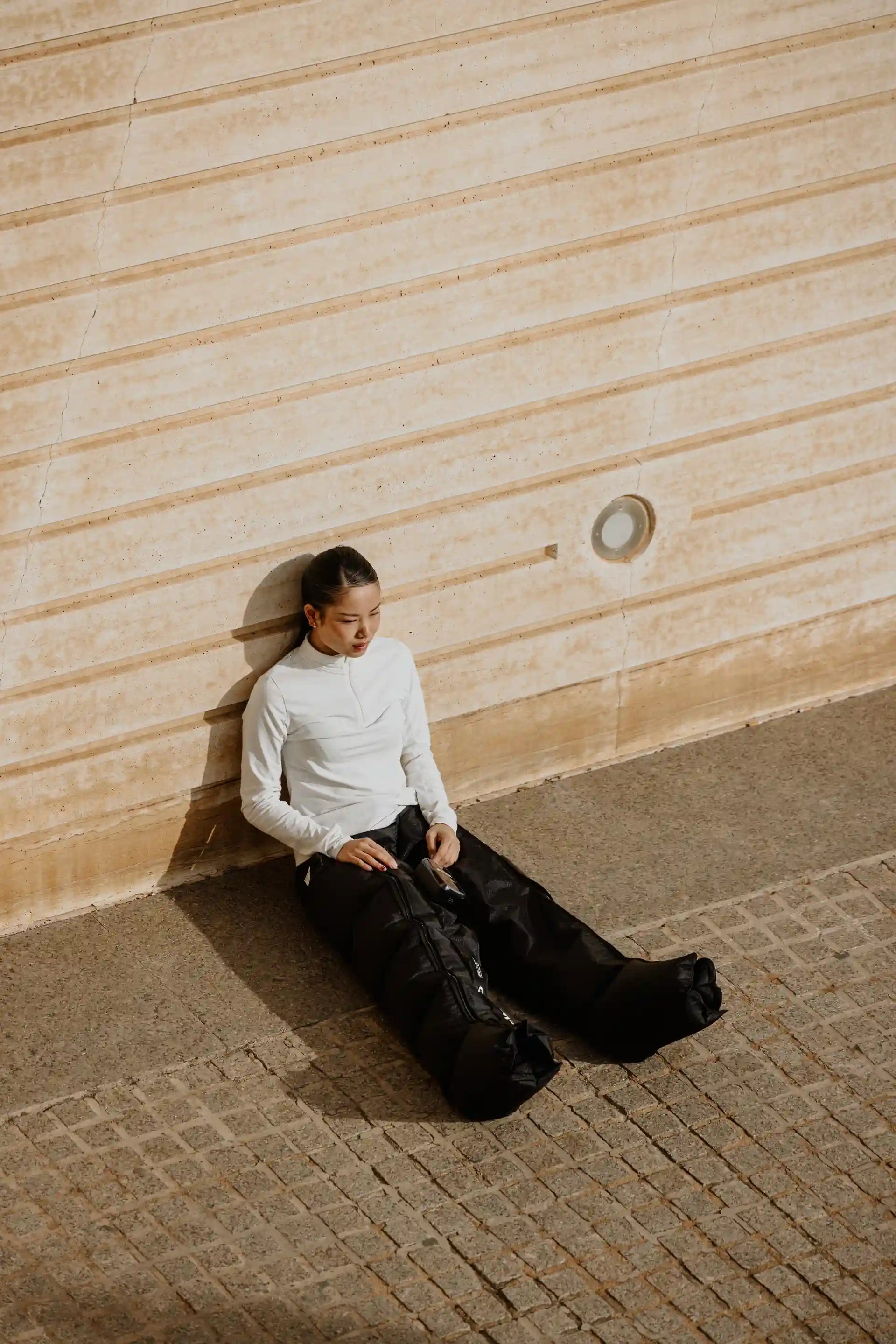

Tendinitis is not managed through willpower alone.
When a tendon is loaded more than it can tolerate, pain, stiffness, and a feeling of tightness appear, which can extend to neighboring muscles. The key is not permanent immobilization, but rather reducing irritation and progressively reloading the area.
Red & infrared light
Recover faster, at home
★★★★★ 4,8/5 · rated by verified customers
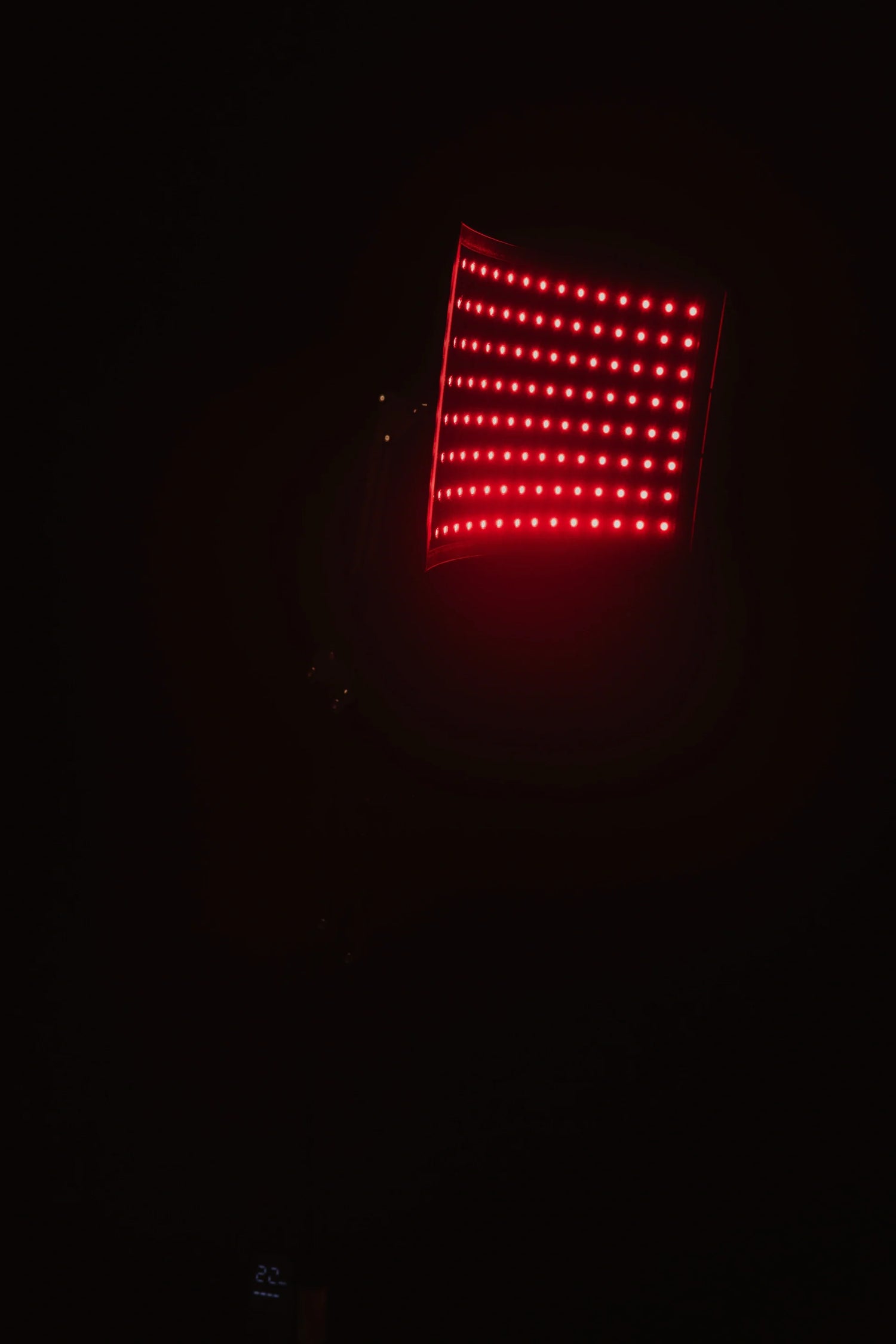
The KumoLux panel supports muscle recovery with full-body red and infrared light.
- 660 nm red + 850 nm infrared light
- Full-body muscle recovery
- Clinically validated biohacking protocols
€399,00€499,00
−10% on your 1st order when you subscribe to the newsletter

What is Tendinitis and Why Does Stiffness Appear Around the Joint?
In practice, tendinitis and tendinopathy are not exactly the same. In Mayo Clinic's explanation of tendinopathy, this term encompasses tendinitis, tendinosis, and tenosynovitis; tendinitis is new or sudden inflammation of the tendon, while tendinosis describes more gradual wear-and-tear changes.
The problem usually manifests in the shoulders, elbows, wrists, knees, or heels, with pain when moving the joint, morning stiffness, and local tenderness. This "tension" around the joint often appears as a protective response: the body limits movement to avoid further irritating the tendon. If you also notice very tight muscles, a complementary resource such as decontracting massage to relieve muscle tension can be part of a broader wellness routine, always without replacing rehabilitation.
Personalized protocol · included with your purchase
Want us to tell you how to use it in your case?
With your purchase, our experts set up your red and infrared light sessions for your sport and goal.
Message us on WhatsAppOur experts reply · no obligation
What to Do in the Acute Phase
The first few days are more about load adjustment than a complete stop. In MedlinePlus's fact sheet on tendinitis, the goal of treatment is to relieve pain and reduce inflammation, while Achilles recovery guidance adds brief ice application, gentle exercises, and a reduction in activities that cause pain.
- Reduce or pause the activity that triggers pain, rather than insisting on the same load. (mayoclinic.org)
- Use ice briefly if it provides relief and the area is irritated. (medlineplus.gov)
- Avoid prolonged complete rest; gentle movement is often more helpful than complete immobilization.
- Do not stretch with bouncing or force the range of motion if pain increases afterward.
Practical Summary by Phase
| Phase | Objective | What to do |
|---|---|---|
| Acute | Reduce irritation and pain. | Reduce activity that causes symptoms, use ice if it helps, and do not train “through the pain.” |
| Subacute | Regain useful movement. | Start gentle mobility and physiotherapy-guided exercises, without overstretching. |
| Reconditioning | Regain load tolerance. | Progressively add strength; eccentric loading may be useful depending on the case. |
| Return | Reintroduce normal activity. | Regain technique, rhythm, and volume without sudden jumps in intensity. |
When acute pain subsides, some people integrate a more complete recovery routine. If you are interested in this transition, understanding how presotherapy and stretching combine to accelerate post-training recovery can help you. The idea is not to replace treatment, but to better organize self-care.
How to Regain Mobility and Strength Without Irritating the Tendon
Rehabilitation usually works better than indefinite rest. On the Mayo Clinic tendinitis treatment page, it is explained that full recovery can take several months and that physical therapy strengthens muscle and tendon in the affected area.
on your first order when you join the newsletter
We send you the code instantly. No spam.
Additionally, a 2025 systematic review and evidence map on eccentric exercises in athletes with tendinopathies found that protocols vary widely, but eccentric loading often improves pain and function, with few adverse events. The practical takeaway is clear: rather than copying a generic routine, it's essential to adjust the dose, technique, and progression. (pubmed.ncbi.nlm.nih.gov)
- Start with gentle movements that do not trigger pain the next day.
- Increase the load gradually and maintain the same movement pattern until it is tolerable.
- Save fast, explosive, or high-impact movements for last.
- If the tendon becomes more irritated, reduce volume before abandoning all activity.
If you want to organize this progression with a more complete recovery and relief routine, the guide for creating a home recovery routine with presotherapy, red light, and percussion massage may be helpful.
When to Seek Medical Help
If you don't notice improvement after a few days, if the pain prevents you from normal activities, or if there is a sudden increase in intensity, a professional evaluation is advisable. Mayo Clinic recommends consulting when symptoms don't subside after a few days, and MedlinePlus advises attention if pain worsens, there is difficulty walking, or acute ankle pain appears.
- Sudden pain with a "pop" or snap in the tendon area. (mayoclinic.org)
- Difficulty walking, bearing weight, or standing on tiptoes.
- Clear worsening of pain or lack of response to initial self-care.
How to Prevent Relapses
Prevention is based on three habits: warming up, strengthening, and varying the load. Mayo Clinic recommends avoiding training peaks, improving technique, and cross-training; MedlinePlus adds that keeping muscles strong and flexible helps prevent the problem from returning. If neighboring muscles remain very tight due to posture or work, a brief mobility routine can be a useful support within movement hygiene.
- Warm up before training and increase the load gradually.
- Alternate high and low impacts to give the tendon room.
- Review posture, technique, and ergonomics if your job or sport involves repetitive movements.
- Strengthen the muscles supporting the joint and maintain general flexibility.
For when tension is also felt in the neighboring musculature, a brief routine like the 10-minute percussion massage and mobility routine can help you maintain the habit of moving better.
FAQ
What is tendinitis and how does it relate to muscle tension around a joint?
Tendinitis is recent inflammation of the tendon; tendinopathy is a broader umbrella term that includes tendinitis, tendinosis, and tenosynovitis. Muscle tension around the joint often appears as a defense reaction: the body tries to limit movement to avoid further irritating the tendon. The problem is not just "loosening" the muscle, but reducing tissue load and gradually regaining strength and mobility.
How to reduce muscle tension around a joint to relieve tendinitis?
The most useful approach is usually relative rest, brief ice application if it provides relief, gentle movement, and physical therapy exercises. MedlinePlus and Mayo Clinic agree that complete immobilization is not necessary: it is advisable to avoid activities that trigger pain, but to maintain other movements that do not overload the tendon. If there is neighboring muscle stiffness, a slow progression usually works better than strong stretching or a sudden return to sport.
What are the best exercises to prevent tendinitis while maintaining appropriate muscle tension in the joints?
To prevent relapses, strength exercises and progressive loading adapted to the affected tendon work best. Mayo Clinic recommends strengthening the muscle and tendon, and a 2025 review of tendinopathies in athletes observed consistent improvements in pain and function with eccentric loading, although protocols varied widely. The practical idea is simple: increase load only when the tissue tolerates the previous phase well.
What warning signs indicate that tendinitis requires immediate medical attention?
Consult as soon as possible if the pain does not improve after a few days, prevents you from normal activities, you notice a "pop" or a snap, or you have difficulty walking or standing on tiptoes. MedlinePlus indicates that in Achilles tendinitis, these symptoms may suggest a rupture, which requires rapid medical evaluation. The sooner a rupture or serious injury is ruled out, the easier it is to adjust treatment.
What Now?
If you want to care for your tendon without improvising, go back to basics: reduce the load, regain mobility, and build strength little by little. You can start with Kumo Balance's homepage and, if it suits you, also check out this home recovery routine to organize your self-care more effectively. If the pain worsens or a warning sign appears, prioritize professional evaluation.

Red & infrared light
KumoLux Panel – Red and Infrared LED Panel
★★★★★ 4,8/5 · rated by verified customers
- 660 nm red + 850 nm infrared light
- Full-body muscle recovery
- Clinically validated biohacking protocols
€399,00€499,00· pay in installments with seQura or Klarna