The decontracting massage relieves accumulated tension.
This is a manual technique focused on muscle tension, knots, and strain, aiming to reduce pain, improve mobility, and relax the nervous system. If you experience a stiff neck, a rigid back, or heavy legs after exercising or sitting for long periods, this type of massage can be a great addition to your body care routine.
Pressotherapy at home
End the day with light legs
★★★★★ 4,8/5 · rated by verified customers
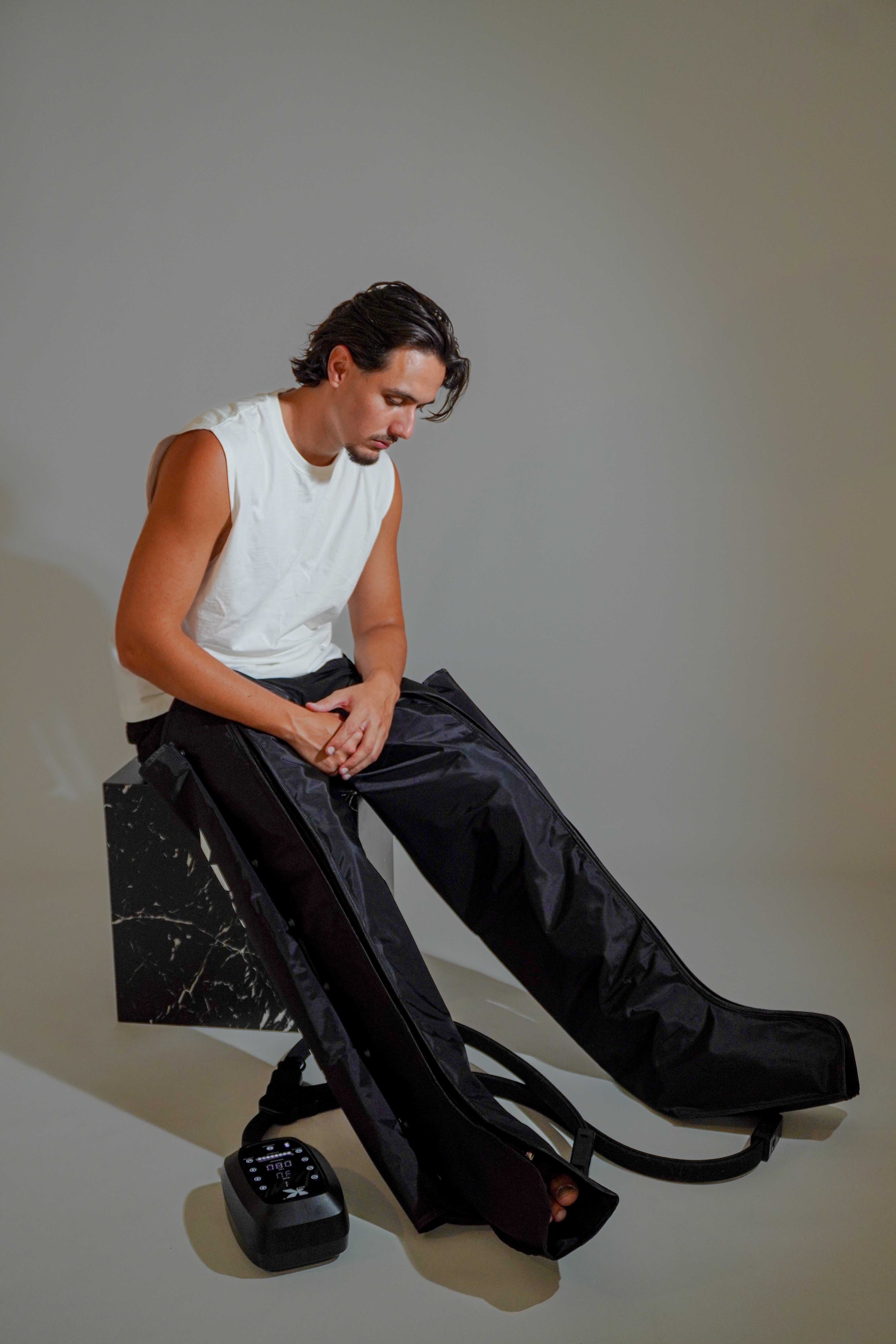
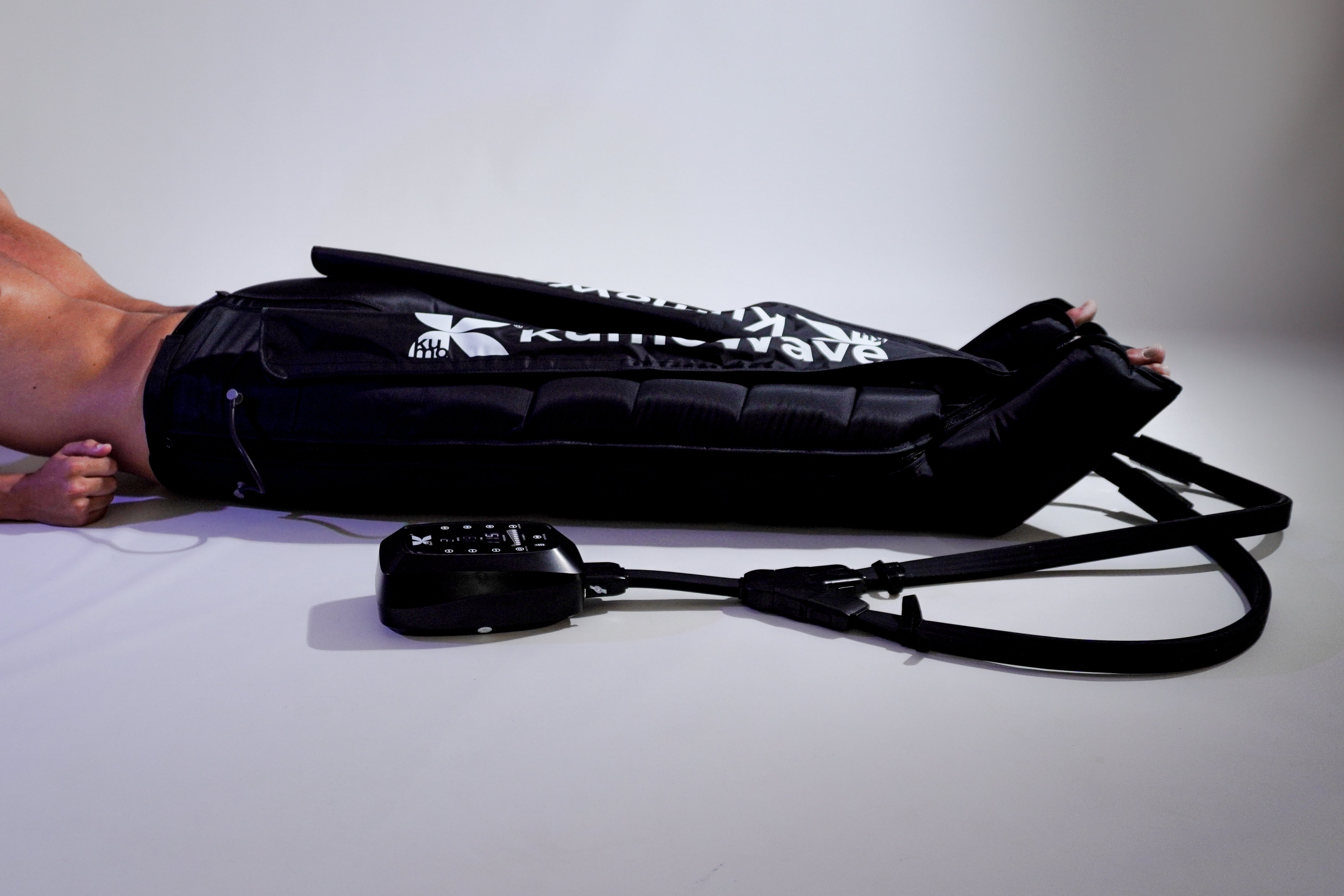
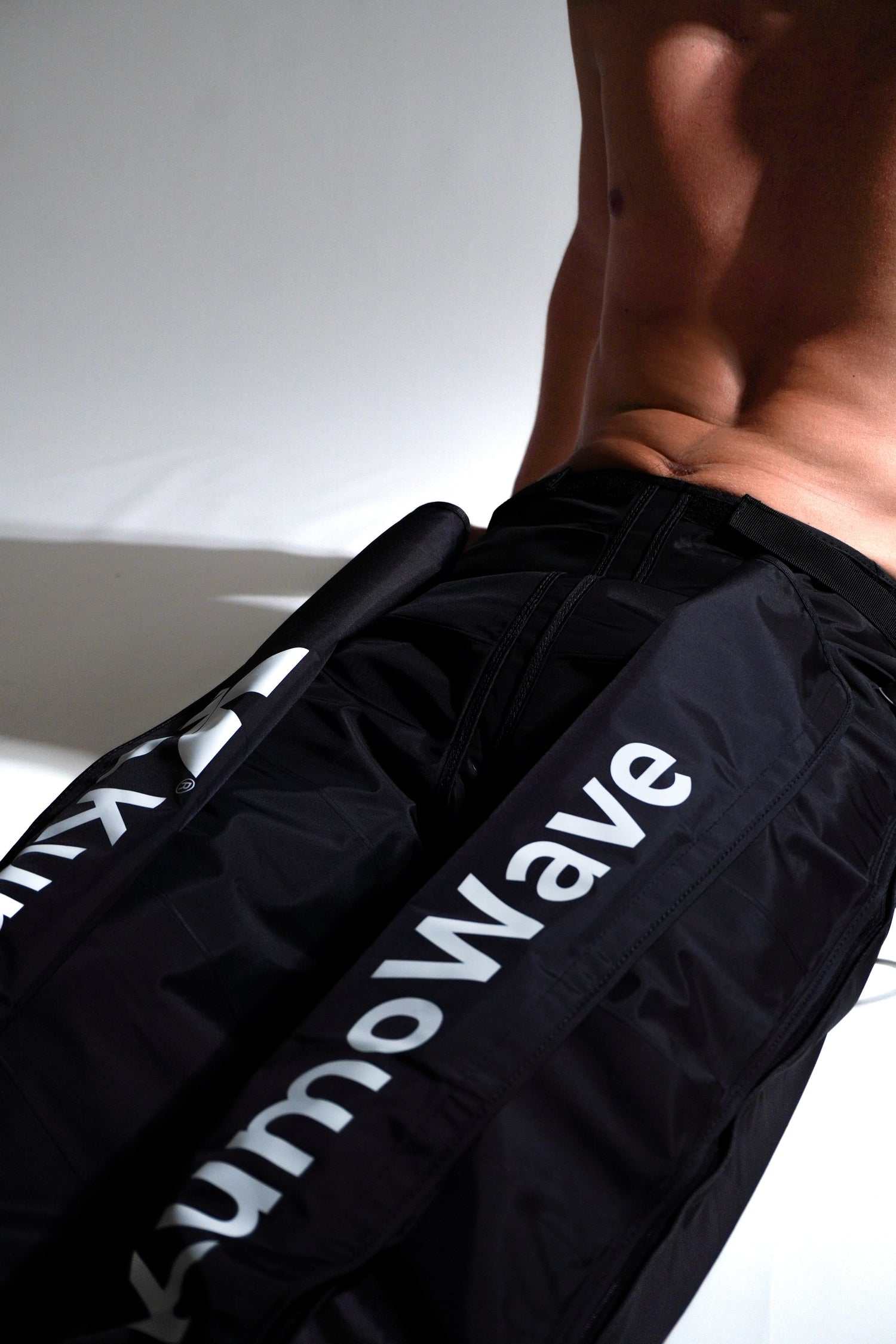
KumoWave pressotherapy boosts circulation and helps drain fluid with sequential compression, in 20-minute sessions at home.
- Boosts circulation and helps drain fluid
- Chamber-based compression, adjustable to you
- Sequential compression that mimics manual drainage
€799,00€999,00
−10% on your 1st order when you subscribe to the newsletter

In a context where more than 1.7 billion people live with musculoskeletal problems worldwide, according to the World Health Organization ( who.int ), learning to use decontracting massage intelligently is a direct investment in health, performance and daily well-being.
What exactly is a deep tissue massage?
Definition and difference with other types of massage
Decontracting massage is a form of therapeutic massage focused on:
Personalized protocol · included with your purchase
Want us to tell you how to use it in your case?
With your purchase, our experts prepare a personalized usage protocol for your case: sport, circulation, fluid retention, pregnancy or lipedema.
Message us on WhatsAppOur experts reply · no obligation
- Release muscle contractures (areas where the fibers remain in constant tension).
- Working on trigger points that generate local and referred pain.
- Normalize muscle tone after stress, bad posture or physical exertion.
Unlike a purely relaxing massage (gentler and more comprehensive), a deep tissue massage:
- It uses deeper and more specific pressures.
- It usually focuses on problem areas (neck, trapezius muscles, lower back, buttocks, calves...).
- It may cause some controlled discomfort while working on the tense area.
It is not a substitute for medical treatment, but it is a useful tool within a comprehensive approach to recovery , especially when combined with exercise, proper ergonomics, and support technologies.
Areas of the body where it is most applied
The areas that usually benefit most from a deep tissue massage are:
on your first order when you join the newsletter
We send you the code instantly. No spam.
- Neck and shoulders : tension from computer, mobile phone and stress.
- Dorsal and lumbar region : overload due to sedentary lifestyle or poorly managed loads.
- Glutes and hips : heavily involved in running, squats, or sitting for many hours.
- Thighs and calves : after intense workouts, standing work, or high-impact sports.
- Forearms and hands : prolonged use of keyboard, mouse or tools.
Why do we accumulate so much muscle tension today?
Musculoskeletal problems are now one of the leading causes of disability worldwide. WHO data estimates that in 2019 some 1.71 billion people were living with musculoskeletal conditions, with lower back pain being the single leading cause of disability. ( who.int )
In Europe, a study of more than 60,000 adults over 50 years of age found that around 35–36% suffered from chronic musculoskeletal pain (back and joints), more frequently in women. ( pubmed.ncbi.nlm.nih.gov ) Sedentary lifestyles, weight gain, office work, and constant stress are factors that multiply daily muscle tension.
In this context, decontracting massage is not a one-off luxury, but a postural hygiene and recovery strategy that helps break the cycle of pain-tension-more pain, especially when combined with healthy habits and recovery tools at home.
Benefits of deep tissue massage (what the evidence says)
Pain relief and improved mobility
Research on therapeutic massage has grown in recent decades, especially for problems such as nonspecific low back pain. Systematic reviews within the Cochrane framework indicate that massage may be more effective than sham (placebo) treatments in reducing pain and improving function in the short term for chronic low back pain, although the overall quality of the studies is moderate and the effects are often modest. ( pubmed.ncbi.nlm.nih.gov )
Translated into everyday terms, this means that a well-applied deep tissue massage can:
- Reduce the feeling of "tightness" and stiffness.
- Improve range of motion (for example, turning the neck or leaning forward).
- To make daily activities or training more tolerable.
Massage does not "cure" a structural problem on its own, but it does modulate pain , improve local circulation, and make it easier to move, which is key to a sustainable recovery.
Deep relaxation and stress management
In addition to muscle tissue, deep tissue massage acts on the autonomic nervous system . By applying rhythmic and sustained pressure, a parasympathetic state (of “rest and repair”) is promoted, which is associated with:
- Reduction in heart and respiratory rate.
- Reduction of certain stress markers.
- Subjective feeling of calm and improved sleep quality.
For many people, the main benefit after several sessions is not just "I feel less pain," but " I sleep better, I concentrate better, and my body feels less tense ." This overall improvement makes deep tissue massage a great fit for self-care and performance routines, both for sports and professional use.
How to perform a deep tissue massage step by step
Before the massage: basic assessment
A good professional will begin with a brief interview and assessment :
- Location of the pain (neck, back, legs…).
- Type of discomfort (stabbing, burning, stiffness, tingling…).
- History of injuries, surgeries, medication, or illnesses.
- Work, sports and rest habits.
This information allows the intensity to be adjusted, risk areas to be avoided, and a decision to be made as to whether it is necessary to refer first to a doctor or physiotherapist (for example, in cases of very intense, radiating pain, fever, loss of strength, or significant vascular history).
During the massage: most common techniques
A deep tissue massage usually combines several techniques:
- Deep glides to heat the tissue and locate knots.
- Kneading and sustained pressure on taut bands.
- Trigger point work (sustained pressure that sometimes reproduces referred pain).
- Gentle passive or assisted active stretching .
It's normal to feel some discomfort when treating a severe muscle spasm, but never sharp or unbearable pain. Communication with the practitioner is key to adjusting the intensity in real time.
After the massage: recovery and self-care
After a deep tissue massage, it is common to notice:
- A feeling of lightness or warmth in the treated area.
- Some “soreness” or sensitivity for 24–48 hours, similar to after training.
To get the most out of the session, it is recommended that:
- Stay well hydrated throughout the day.
- Avoid strenuous activity immediately after the massage.
- Perform gentle mobility and light stretching of the area.
- Use home recovery tools (such as pressotherapy, red light or massage guns) at a moderate intensity, provided there is no contraindication.
Frequency, duration and precautions
How often is it advisable to get a deep tissue massage?
The ideal frequency depends on your activity level, stress, and physical condition:
- People with office work and moderate stress : one session every 3–4 weeks may be sufficient for maintenance.
- Athletes or people with high physical loads : cycles of 1 session per week or every two weeks during periods of intense training.
- Acute pain phase or relapse : a more individualized plan, always coordinated with a healthcare professional.
More important than the exact frequency is regularity and combining massage with exercise, ergonomics, and appropriate recovery technologies.
Contraindications and when to consult a doctor
Although deep tissue massage is safe for most people, there are situations in which special care should be taken or it should be avoided:
- Fever, acute infections, or decompensated systemic diseases.
- Deep vein thrombosis, serious clotting problems, or anticoagulants without medical supervision.
- Recent fractures, open wounds, or burns in the area.
- High-risk pregnancy or specific spinal pathologies.
In cases of intense and sudden pain, loss of strength, persistent tingling, or significant cardiovascular history , it is advisable to consult a doctor or physiotherapist before receiving a deep massage.
Complement the deep tissue massage with recovery technology
Manual massage remains irreplaceable in many ways, but today there are technologies that allow you to extend its benefits at home . KUMO specializes in solutions such as LED masks , red light therapy for muscle recovery , compression boots , and massage guns , designed to integrate seamlessly into your daily recovery routine. You can learn more about this philosophy on the KUMO website.
Red and LED light therapy for muscle recovery
Photobiomodulation using red or near-infrared light (LED or low-intensity laser) has been studied as an aid to muscle performance and recovery. Controlled trials have shown that applying LED light after eccentric exercise can reduce muscle soreness and improve strength recovery in the following days. ( pubmed.ncbi.nlm.nih.gov )
LED light therapy devices allow you to bring this stimulation home, integrating it into your routine after training or, on rest days, as part of a ritual to promote relaxation and sleep. They don't replace massage, but they can enhance tissue recovery when used judiciously and consistently.
Pressotherapy for tired and overworked legs
Intermittent pneumatic compression boots have become popular among athletes and people with heavy legs. A 2025 review of compression boots as a post-exercise recovery method concluded that, although studies are few and of varying quality, no clear advantages are observed over other methods, although some studies do report less muscle soreness and a better feeling of recovery. ( sciencedirect.com )
More recent trials in athletes point to a slight improvement in hemodynamic parameters and in the perception of recovery after several weeks of daily use. ( pubmed.ncbi.nlm.nih.gov ) If you already use deep tissue massage to relieve leg tension, adding moderate sessions with compression boots can help you better manage fatigue from training or long days on your feet , always respecting your body's signals.
Massage guns to keep muscle contractions at bay
Percussion massage guns allow the application of vibration and repetitive pressure to specific areas: quadriceps, calves, glutes, paravertebral muscles, etc. A recent controlled trial compared percussion massage with static stretching for delayed onset muscle soreness (DOMS) in active young adults and observed improvements in perceived pain and some functional parameters in the groups that used percussion massage. ( pubmed.ncbi.nlm.nih.gov )
Tools like the Kumopulse Air massage gun allow you to:
- Perform daily micro-sessions of 5-10 minutes in problem areas between professional massages.
- Warm up the tissue before training at low intensities.
- Promotes drainage and a feeling of lightness after a long day.
The key is to use the gun with the correct technique, moderate intensity, and avoid risk areas (prominent bones, anterior neck, areas with marked varicose veins, etc.).
Quick reference table: common symptoms and how deep tissue massage can help
| Common symptom | How does it feel? | How does a deep tissue massage help? | Useful technological add-on |
|---|---|---|---|
| Neck and trapezius muscles loaded | Stiffness when turning the head, feeling of heaviness in the shoulders | It releases trigger points, improves cervical mobility, and reduces the feeling of "blockage". | Gentle massage gun on trapezius muscles (e.g., Kumopulse Air ), nighttime red light sessions. |
| Tense lower back | Dull discomfort when bending over or sitting for long periods | It works the paravertebral and gluteal muscles, improves local circulation and the feeling of stiffness. | Short sessions of red light therapy combined with gentle movement. |
| Heavy legs after training | Delayed onset muscle soreness, tightness in the quadriceps and calves | It facilitates drainage and accelerates the feeling of recovery after intense exertion. | Pressotherapy boots and low-speed massage gun on large muscle groups. |
| General tension due to stress | Feeling of "body on high alert", light sleep, and mental fatigue | It induces deep relaxation, activates the parasympathetic system, and improves the perception of well-being. | Relaxing LED light routine at night and deep breathing after the massage. |
FAQ about deep tissue massage
How often is it recommended to get a deep tissue massage?
There is no single frequency that works for everyone. As a general guideline, many people benefit from a deep tissue massage every 3–4 weeks for maintenance, especially if they work long hours sitting down or under stress. Athletes or people with high physical demands may need more intensive cycles (weekly or bi-weekly) at specific times, for example, during the preseason. The most important thing is to listen to your body: if pain or stiffness returns too soon, you may need to adjust the frequency, ergonomics, training, or combine it with at-home recovery tools.
Does a deep tissue massage always hurt?
It's normal to feel moderate discomfort when working on a deep muscle knot or an active trigger point. However, the pain should never be sharp, unbearable, or leave you feeling worse than before for several days. A good practitioner will adjust the pressure according to your sensations and physical condition. You can use a simple scale (from 1 to 10) and stay in the 5-7 range: you feel the area being worked on, but you can still breathe calmly and relax. If the discomfort is excessive, speak up; the massage should help you, not make you afraid of movement.
Can I replace a deep tissue massage with a massage gun?
Massage guns are an excellent tool for maintaining your routine between professional sessions , but they don't completely replace expert hands. A therapist can assess your posture, detect tension patterns, work on deeper layers of the skin, and adapt the technique in real time. A massage gun, like the Kumopulse Air , is ideal for short 5–10 minute sessions on specific areas, before or after exercise, or on busy days. Ideally, you should combine them: regular checkups with a professional and smart maintenance exercises at home.
Is it better to get a deep tissue massage before or after training?
It depends on the goal. Before training, a massage that's too deep can leave you feeling "soft" or sensitive, which isn't ideal for peak performance. In that case, an active warm-up is preferable, and if massage is used, it should be more superficial and brief. A full-body deep tissue massage is usually best after exercise or on rest days , when you're looking to release tension, promote recovery, and improve mobility. In these situations, it's a good fit to combine it with technologies like red light therapy or pressotherapy, which add gentle recovery stimuli without further stressing the tissue.
Is a deep tissue massage safe if I have circulation problems or varicose veins?
If you have prominent varicose veins, a history of thrombosis, or coagulation disorders , it is essential to consult your doctor or a specialist first. In many cases, massage can be performed, but the intensity should be adjusted, avoiding deep pressure on high-risk areas and following medical advice. The same applies to compression devices such as compression boots: they are generally well-tolerated by healthy individuals, but should be used with caution in those with vascular problems. If in doubt, always seek a medical evaluation before receiving intense massages or applying compression to your lower limbs.
So what now?
If you want deep tissue massage to move beyond occasional treatments and become a smart recovery habit , the next step is to design your own routine: combine regular professional sessions with exercise, ergonomics, and supportive technologies at home. At KUMO, you'll find solutions like LED therapy , compression boots , and the Kumopulse Air massage gun to care for your muscles daily. And if you're unsure which tool is best for you, you can contact KUMO through their contact page for personalized guidance.
KumoWave pressotherapy
Choose your at-home pressotherapy
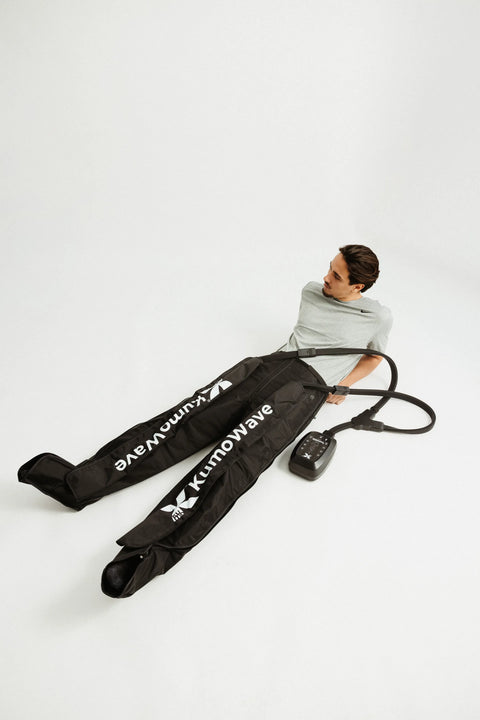
KumoWave Elite – Pressotherapy Pants
Full-coverage trousers. Ideal for lipedema, fluid retention and intensive use.
€799,00 €999,00
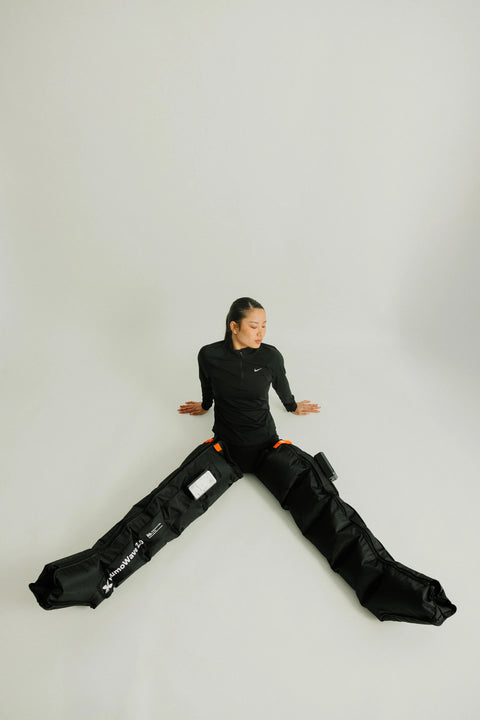
KumoWave 2.0 - Wireless Pressotherapy
Wireless, lightweight boots. Perfect for daily use and recovery.
€499,00 €599,00