
What does a leg massage actually achieve?
A good leg massage helps activate circulation, reduce the feeling of heaviness, and relax muscles after hours of sitting, standing, or exercise. It's not magic: it combines mechanical pressure, movement directed toward the heart, and relaxation of the nervous system—three factors that promote venous and lymphatic return.
According to the World Health Organization, in 2022 around 31% of adults worldwide (approximately 1.8 billion people) did not meet the recommended levels of physical activity, increasing their risk of cardiovascular disease and circulatory problems. ( who.int ) In this context, incorporating movement and a well-done leg massage becomes a simple way to care for your legs every day.
Pressotherapy at home
End the day with light legs
★★★★★ 4,8/5 · rated by verified customers
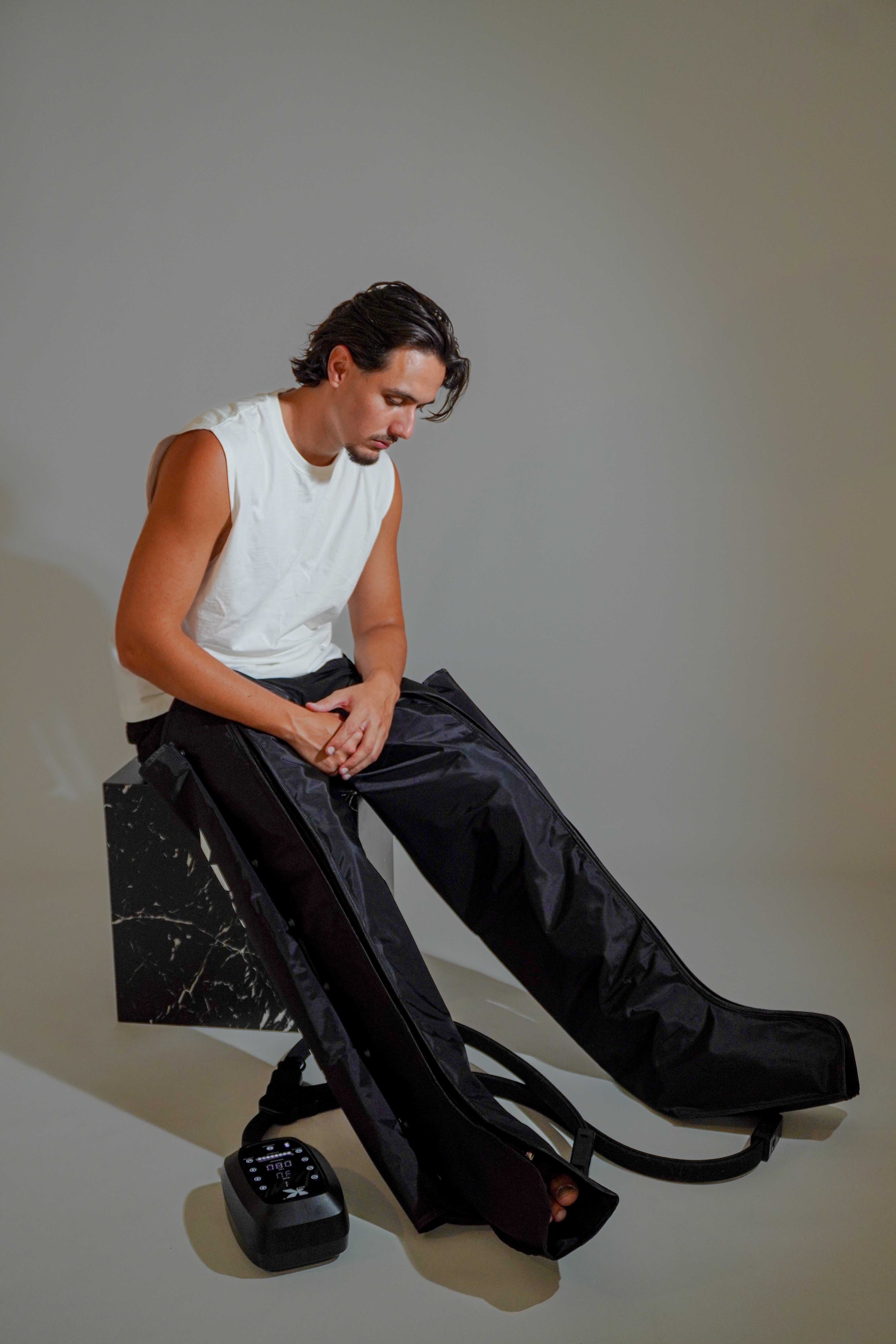
KumoWave pressotherapy boosts circulation and helps drain fluid with sequential compression, in 20-minute sessions at home.
- Boosts circulation and helps drain fluid
- Chamber-based compression, adjustable to you
- Sequential compression that mimics manual drainage
€799,00€999,00
−10% on your 1st order when you subscribe to the newsletter

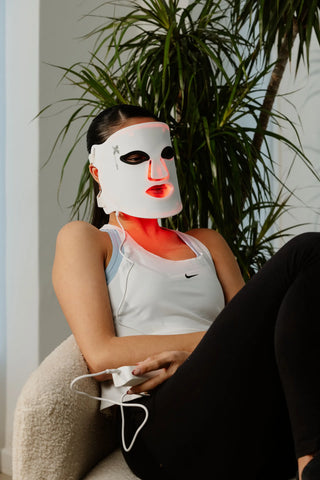
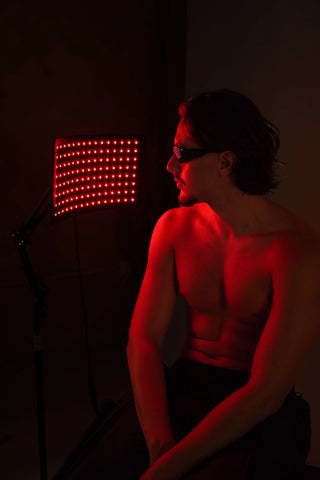
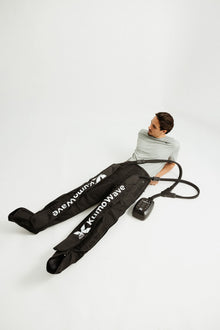
At KUMO, where recovery is a new way of life, manual massage can be complemented with technologies such as compression boots , massage guns and LED light therapy , according to your needs.
How leg massage works on circulation
The legs have a key ally: the triceps surae (gastrocnemius and soleus), known as the " calf muscle pump ." Every time these muscles contract, they propel venous blood upward through one-way valves, assisting the heart. ( yahoo.com ) Leg massage mimics and enhances this mechanism by:
Personalized protocol · included with your purchase
Want us to tell you how to use it in your case?
With your purchase, our experts prepare a personalized usage protocol for your case: sport, circulation, fluid retention, pregnancy or lipedema.
Message us on WhatsAppOur experts reply · no obligation
- Gentle pressures and upward glides that push blood and lymph towards the heart.
- Stimulation of cutaneous microcirculation : Studies in healthy adults show that massage of the lower extremity significantly increases local perfusion and modifies cardiovascular components such as microcirculatory flow. ( pubmed.ncbi.nlm.nih.gov )
- Relaxation of the nervous system , which can promote slight vasodilation and a decrease in muscle tension.
In people with specific conditions (such as diabetes and peripheral artery disease), clinical trials have observed improvements in blood flow parameters following structured lower limb massage programs. ( pubmed.ncbi.nlm.nih.gov ) Although these protocols are medical and should not be replicated independently, they reinforce the idea that massage can be a circulatory aid when used correctly.
Before we begin: When is it NOT advisable to give a leg massage?
Although leg massage is generally safe, there are situations in which it is not recommended or requires professional supervision :
- Suspected deep vein thrombosis (blood clot): sudden swelling of a leg, severe calf pain, local redness or warmth. This is a medical emergency.
- Sudden, painful swelling of a leg with no apparent cause, or associated with shortness of breath or chest pain. ( mayoclinic.org )
- Open wounds, skin infections (cellulitis), phlebitis, or active ulcers.
- Decompensated heart failure or serious cardiovascular disease without a doctor's approval.
- Very prominent varicose veins, painful or with changes in the skin (darkening, hardening): direct deep massage may be contraindicated.
- High-risk pregnancy or history of thrombotic problems.
If you have severe pain, persistent swelling, or changes in the skin color of your legs, it's important to consult a healthcare professional (for example, following criteria such as those described by the Mayo Clinic ) before using massage. ( mayoclinic.org ) Massage is a wellness aid, not a substitute for medical diagnosis.
on your first order when you join the newsletter
We send you the code instantly. No spam.
Preparation: Create the ideal conditions for an effective leg massage
A few minutes of preparation makes all the difference in the quality of a leg massage:
- Environment : quiet place, pleasant temperature, no drafts. You can use a towel under your legs.
- Posture : lying on your back with your legs slightly raised on cushions, or sitting with your legs stretched out and supported.
- Hydration : Drink a glass of water before or after; good hydration helps venous and lymphatic return.
- Gentle mobility : 1–2 minutes of ankle and knee flexes and extensions to “wake up” the muscle pump.
- Slippery product : natural oil, neutral cream or specific balm; avoid irritating products if you have sensitive skin.
Step by step: self-massage of legs to activate circulation
This leg massage routine is designed for healthy individuals, as a complement to daily exercise. Adjust the pressure: it should be comfortable, never painful.
Step 1: Activate feet and ankles
- Gentle warm-up : Take the foot with both hands and make small circular movements on the toes, one by one.
- Plantar massage : with your thumbs, run your thumbs along the sole of your foot from the heel to the toes, using moderate pressure.
- Ankles : surround the ankle with your hands and make circular movements, then smooth glides from the instep upwards, crossing the ankle towards the leg.
Objective: to prepare the joints and stimulate the nerve endings that influence the overall sensation of lightness in the legs.
Step 2: Circulatory massage of the calves (the main “pump”)
- Upward glides : Apply cream or oil from the ankle to below the knee. With both hands, make long, slow strokes from the ankle upwards, always towards the heart.
- Kneading : With both hands, gently pinch and roll the calf muscle, gradually moving upwards. Avoid the direct back of the knee (popliteal fossa).
- Rhythmic compressions : surround the calf with your hands and apply gentle pressure that is gradually released, as if you were squeezing a sponge, moving from bottom to top.
Spend 3 to 5 minutes on each calf. This area is key because contraction and massage of the calf directly affect venous return. ( pubmed.ncbi.nlm.nih.gov )
Step 3: thighs and knee area
- Encircle your knee with both hands and make gentle gliding movements above and below, without putting pressure on the joint.
- Anterior thigh (quadriceps) : with long, upward movements, slide your hands from above the knee towards the hip.
- Back of thigh (hamstrings) : If you are lying face down or on your side, repeat the same pattern from bottom to top, avoiding pressing directly on the back of the knee.
- Moderate deep kneading : in areas with more tension, perform a pinching knead with a slow rhythm, always ending with gentle upward strokes.
Step 4: Gentle drainage towards the groin
To promote superficial lymphatic drainage, the movements should be very gentle , almost caressing:
- Place your hands on the inner thigh, near the knee.
- Slide with minimal pressure towards the groin, following an imaginary line towards the inguinal fold.
- Repeat the fanning motion, covering the inner and front part of the thigh.
Avoid pressing hard on the groin and do not massage swollen or painful lymph nodes.
Quick guide: duration and intensity of leg massage
| Profile | Duration per leg | Weekly frequency | Pressure intensity | Comment |
|---|---|---|---|---|
| Sedentary person (office worker) | 5–10 minutes | 3–5 days/week | Mild-moderate | Prioritize calves and ankles, combined with active breaks. |
| Amateur athlete | 10–15 minutes | 2–4 days/week (post-workout) | Moderate, painless | Ideal after intense exertion, along with stretching. |
| Standing work (hospitality, retail) | 8–12 minutes | 3–6 days/week | Mild-moderate | Focus on feet, ankles and calves at the end of the day. |
| Long trip (plane, car) | 5–8 minutes | Before and after the trip | Gentle | Supplement with short walks and mobilizations. |
Complements to massage: movement, breathing and recovery technology
Simple exercises that enhance leg massage
Leg massage works best when combined with movements that activate the calf muscle. Some easy exercises:
- Heel raises : Standing, raise and lower your heels 15–20 times, 2–3 sets per day.
- Ankle flexion-extension : sitting or lying down, bring your toes towards you and away from you for 1–2 minutes.
- Short walks : for every hour of sedentary work, walk for at least 3–5 minutes.
- Legs up against the wall : Lying on your back, raise your legs against the wall for 5–10 minutes if there is no medical contraindication.
The WHO reminds us that achieving at least 150 minutes of moderate-intensity activity per week is associated with a lower risk of cardiovascular disease and better vascular health. ( who.int ) These exercises, combined with massage, create an accessible routine for taking care of your veins.
Pressotherapy boots: sequential compression for an extra boost
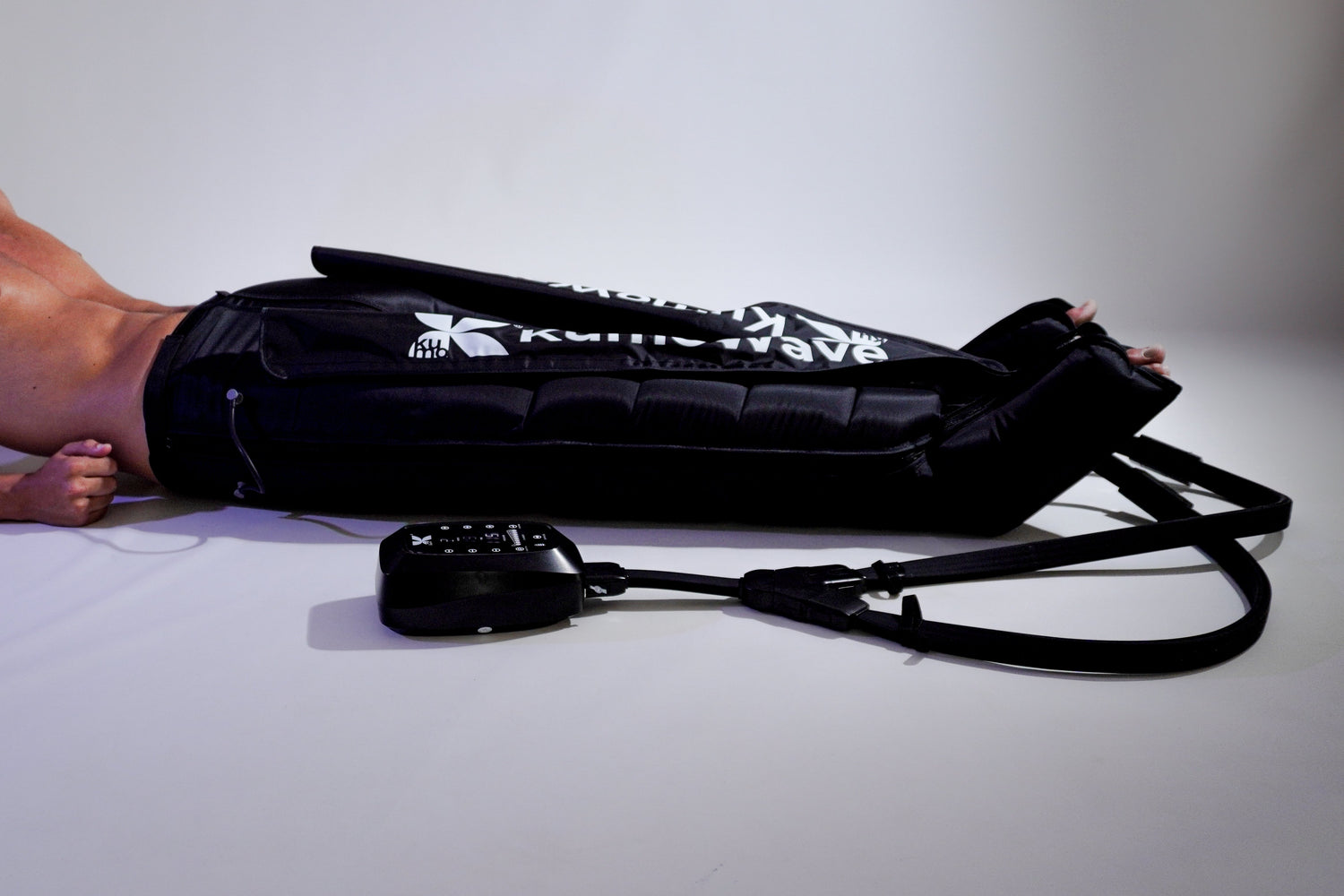
Compression therapy boots apply intermittent, graduated pneumatic compression from the foot to the thigh, mimicking the effect of a deep, rhythmic massage. They are particularly useful for:
- People who train frequently and seek to accelerate the feeling of recovery.
- Those who spend many hours sitting or standing and notice heavy legs at the end of the day.
- Users who want a guided and programmable compression routine, complementary to manual massage.
It is important to follow the manufacturer's usage recommendations and, if you have a history of vascular or cardiac problems, discuss its use with your healthcare professional.
Leg massage gun: how to use it without overdoing it
A massage gun like the KumoPulse Air can be a great ally if used wisely:
- Select a low or medium intensity for calves, thighs, and glutes.
- Perform slow, continuous passes of 30–60 seconds per area, avoiding keeping the head fixed on a painful spot.
- Do not apply it directly to joints, prominent varicose veins, or areas with tingling or loss of sensation.
- Use it after training or at the end of the day, followed by gentle stretching.
Recent evidence suggests that different modalities of massage and myofascial release can improve hemodynamic and autonomic parameters (such as blood flow and arterial stiffness), acting as a non-pharmacological support for the cardiovascular system. ( mdpi.com )
Red light therapy and muscle recovery
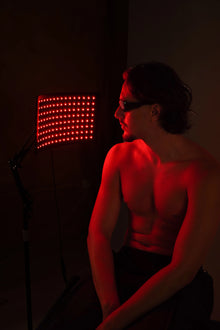
Red and near-infrared wavelength LED light therapy is being investigated for its potential to support muscle recovery and tone regulation (photobiomodulation). While its primary focus is not to replace leg massage, it can complement your post-exercise recovery routine by combining it with:
- Red light sessions on tense muscle areas.
- Gentle circulatory massage of the legs.
- Mobility and stretching.
As with any technology, it is advisable to respect the recommended exposure times and, in the case of medical conditions, consult before incorporating it.
Common mistakes when giving a leg massage
- Massaging in the wrong direction : going from top to bottom can promote fluid accumulation; always prioritize upward movements.
- Using too much pressure : a circulatory massage does not seek to "squash" the muscle; if sharp pain or bruising appears, the pressure is excessive.
- Working on prominent varicose veins or inflamed areas : may require a different approach; consult a healthcare professional.
- Spending too much time on a single painful area : it's better to do several passes all over the place than to focus only on where it hurts.
- Forgetting movement : massage alone does not compensate for a completely sedentary life.
Frequently asked questions about leg massage
How long should a leg massage last to improve circulation?
For most healthy people, an effective leg massage can last between 10 and 20 minutes in total , or 5–10 minutes per leg. You don't need very long sessions to notice relief from heaviness or slight swelling. The most important thing is consistency : do it several times a week and combine it with active breaks (walking, heel raises, ankle movements). If you're getting a deeper or therapeutic massage, the full session can be longer, but that falls under the professional category.
Is leg massage good for varicose veins?
Leg massage can relieve the heaviness and fatigue associated with mild varicose veins, provided it is done with gentle pressure and without working directly on the prominent veins . However, it does not eliminate varicose veins nor does it replace specific medical treatments (such as compression stockings, intravenous procedures, or surgery). In cases of painful varicose veins, skin discoloration, itching, or ulcers, it is essential to consult an angiologist or vascular surgeon before applying massage or compression therapy to rule out complications.
How often can I get a leg massage if I have a sedentary job?
If you spend many hours sitting, you can give yourself a leg massage 3–5 times a week , and even do short 5–10 minute routines at the end of the day. Even more important is to break up sedentary behavior : get up every hour, walk for a few minutes, and do ankle and heel exercises. In fact, the WHO warns that prolonged physical inactivity increases the risk of cardiovascular disease and other chronic conditions, so massage should always go hand in hand with more daily movement. ( who.int )
What's better for tired legs: manual massage or compression boots?
There is no single answer: manual massage and compression therapy are complementary approaches . Manual massage allows you to work on specific areas, assess muscle tension, and adjust the pressure in real time. Compression therapy boots offer rhythmic and even compression, very comfortable for recovery after exercise or a long day of standing or sitting. Many people combine both: gentle daily self-massage and compression therapy sessions several days a week. If you have vascular or cardiac conditions, consult your doctor before using pneumatic compression.
Can I get a leg massage during pregnancy?
In a healthy pregnancy, a gentle leg massage can help relieve heaviness, cramps, and mild swelling, which are very common due to hormonal changes and increased blood volume. However, precautions should be taken: avoid deep pressure, do not focus on varicose veins or painful areas, and be especially careful if there is a history of thrombosis or obstetric complications. Ideally, you should consult your midwife or gynecologist and, if possible, a physiotherapist specializing in pregnancy. If you experience any sudden swelling or intense pain in a leg, consult a doctor immediately.
And now, what's next?
Making leg massage a habit is a simple way to care for your circulation, reduce heaviness, and improve muscle recovery. You can start today with the self-massage routine you've read about and complement it with recovery technologies such as KUMO compression boots , the KumoPulse Air massage gun , or LED light therapy , all available on the KUMO website . If you're unsure which solution is best for you, you can contact the KUMO team for personalized guidance.
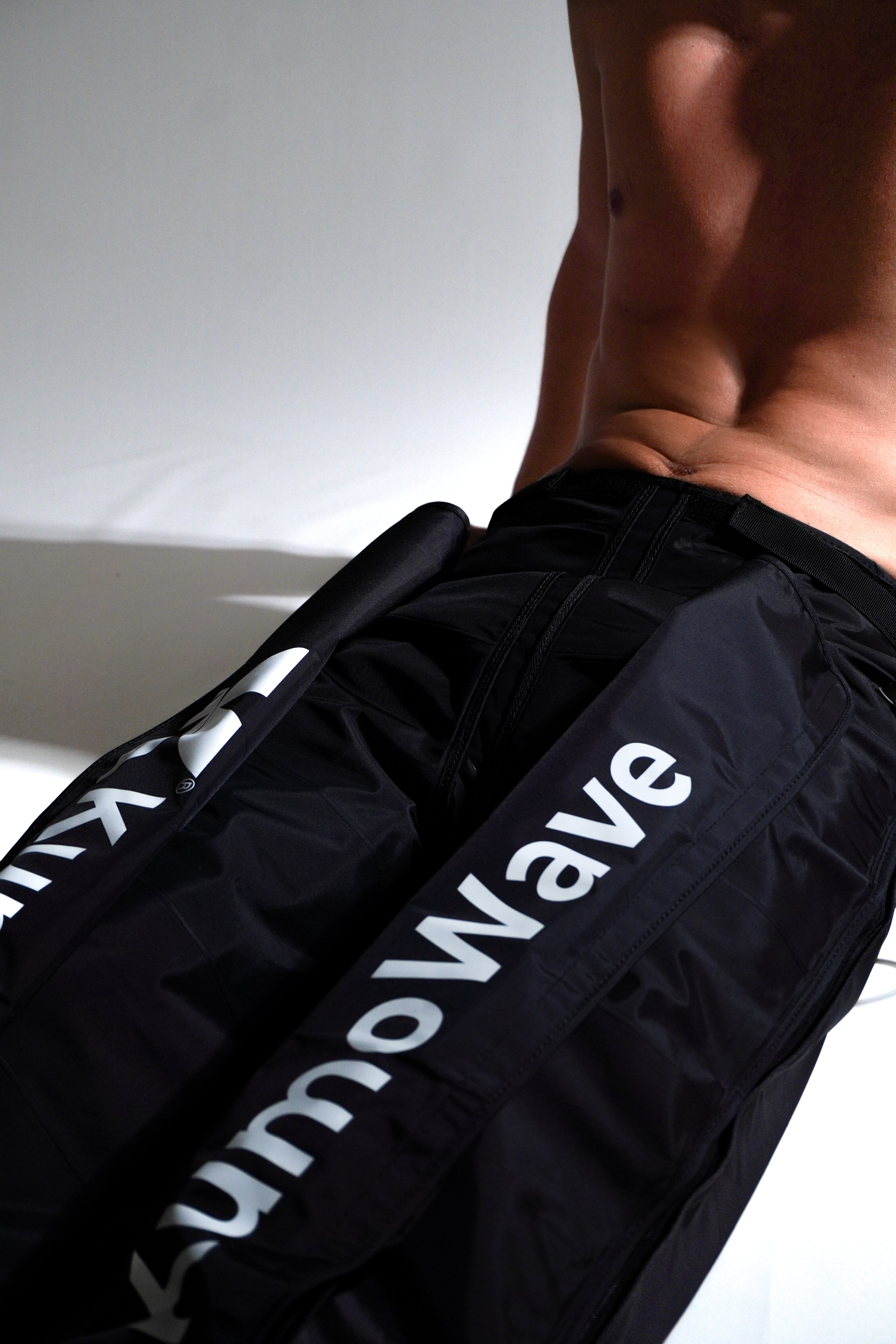
KumoWave pressotherapy
Choose your at-home pressotherapy
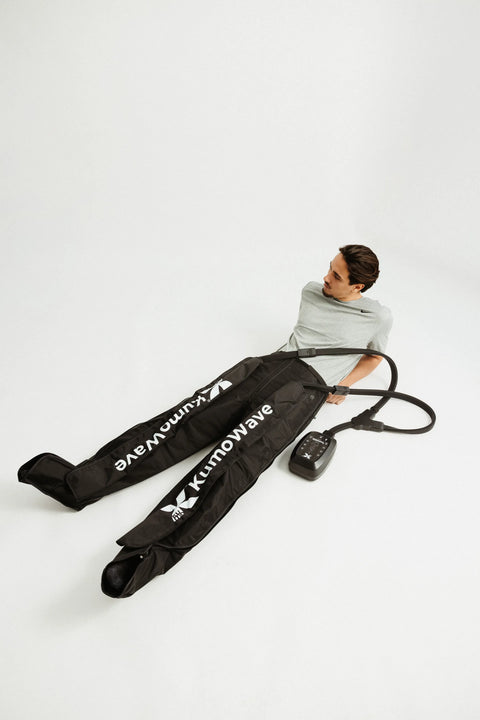
KumoWave Elite – Pressotherapy Pants
Full-coverage trousers. Ideal for lipedema, fluid retention and intensive use.
€799,00 €999,00
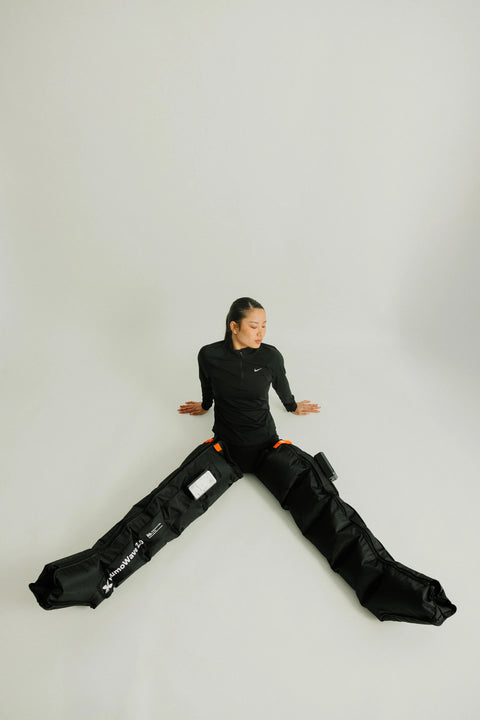
KumoWave 2.0 - Wireless Pressotherapy
Wireless, lightweight boots. Perfect for daily use and recovery.
€499,00 €599,00