
Introduction: Why aesthetic pressotherapy is booming
Aesthetic pressotherapy is much more than just putting on air boots.
By 2026, this intermittent pneumatic compression technology has established itself as one of the leading treatments for body contouring, relieving tired legs, and supporting muscle recovery, both in beauty salons and at home. Its popularity is growing in a context where nearly 31% of adults worldwide do not meet the recommended levels of physical activity, which contributes to circulatory problems, swelling, and fluid retention. ( who.int )
Pressotherapy at home
End the day with light legs
★★★★★ 4,8/5 · rated by verified customers
KumoWave pressotherapy boosts circulation and helps drain fluid with sequential compression, in 20-minute sessions at home.
- Boosts circulation and helps drain fluid
- Chamber-based compression, adjustable to you
- Sequential compression that mimics manual drainage
€799,00€999,00
−10% on your 1st order when you subscribe to the newsletter

In this article you will find a complete and practical guide on how aesthetic pressotherapy works, what results you can expect, what science says, how to integrate it with your training and what precautions you should take to use it safely.
What is aesthetic pressotherapy and how does it work?
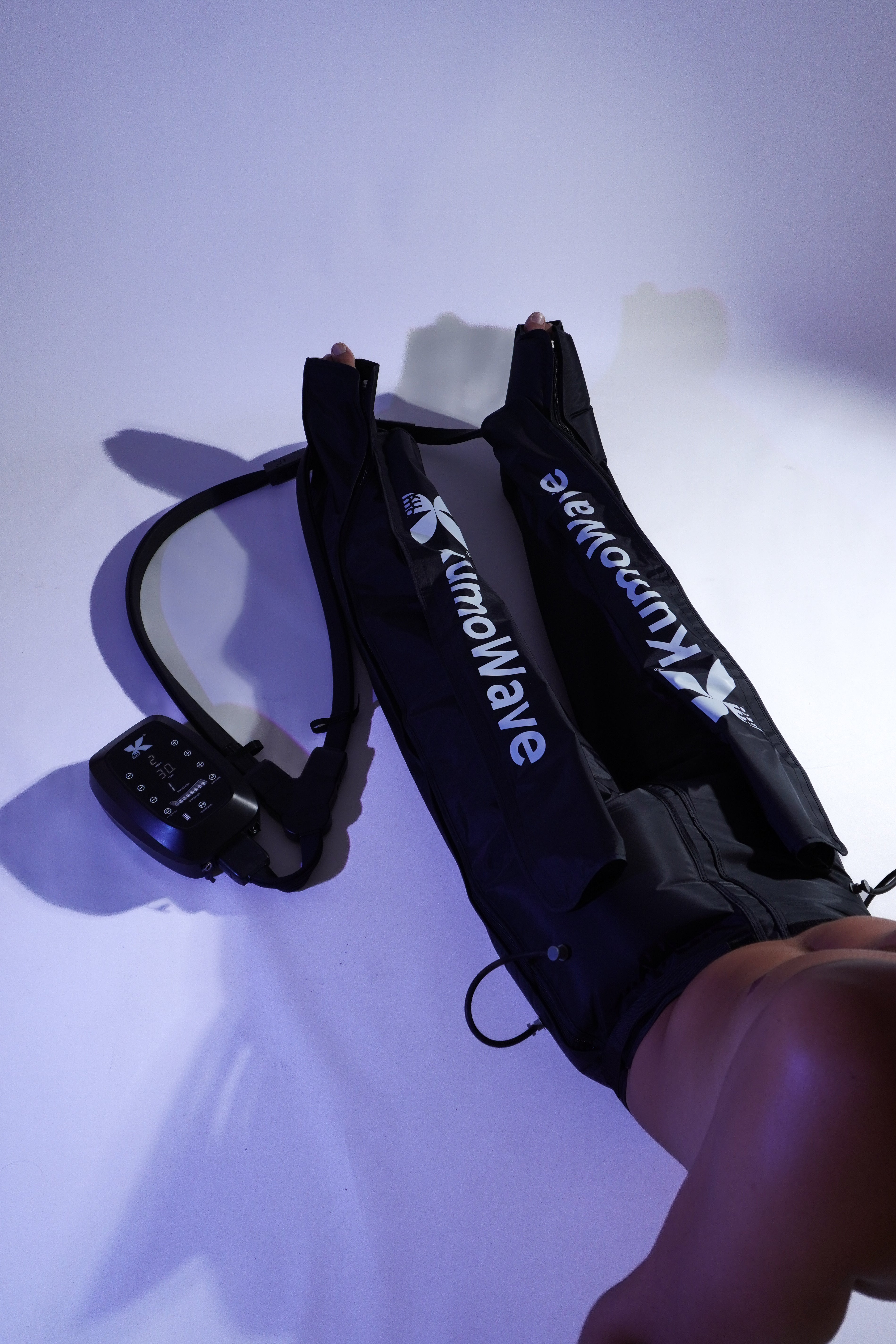
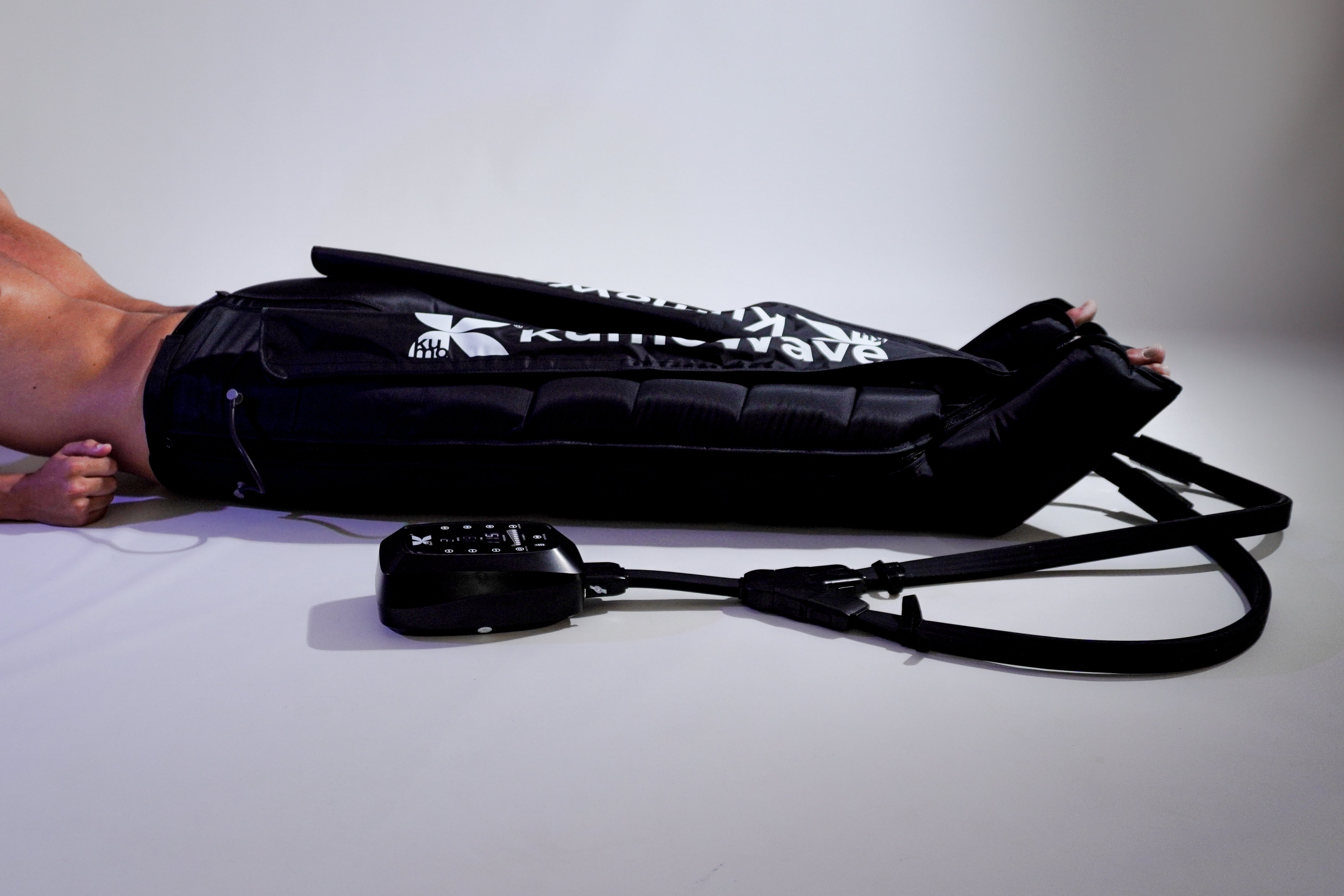
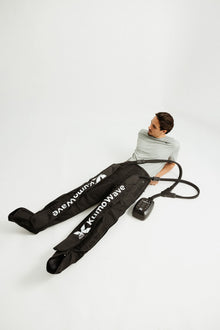
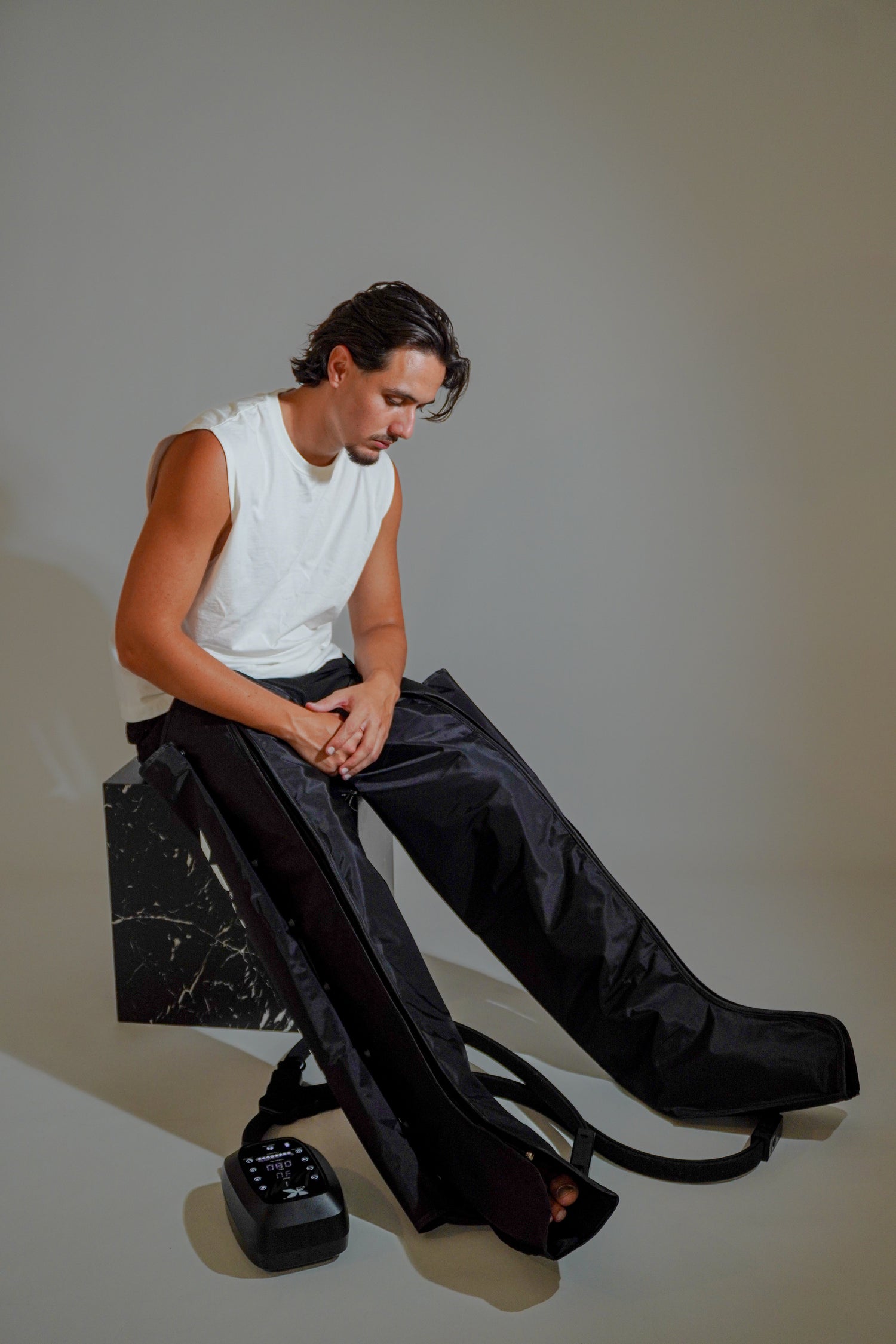
Pressotherapy is a technique that applies controlled air pressure to the legs, abdomen, or arms using pneumatic garments (boots, sleeves, or belts) with several chambers that inflate and deflate sequentially. This movement mimics mechanical lymphatic drainage and venous return massage. ( es.wikipedia.org )
Personalized protocol · included with your purchase
Want us to tell you how to use it in your case?
With your purchase, our experts prepare a personalized usage protocol for your case: sport, circulation, fluid retention, pregnancy or lipedema.
Message us on WhatsAppOur experts reply · no obligation
Originally, intermittent pneumatic compression was developed as a medical treatment for lymphedema, venous problems, and thrombosis prevention. Today, that same technology is being adapted for aesthetic and performance purposes, including:
- Reduce swelling and feelings of heaviness.
- Improve the appearance of the skin and reduce cellulite.
- Promote recovery after intense training.
- Contribute to shaping the body contour, especially in legs, buttocks and abdomen.
Brands specializing in recovery, such as KUMO, have brought this technology to a more accessible and convenient format, designed to be integrated into the daily routine of wellness and performance.
Benefits of pressotherapy for shaping your body
Mechanical lymphatic drainage and reduction of inflammation
The sequential pressure from compression boots helps mobilize lymph and venous return from the peripheral areas towards the center of the body. This effect:
on your first order when you join the newsletter
We send you the code instantly. No spam.
- It reduces fluid retention and localized swelling.
- It reduces the feeling of "swollen" legs after many hours of sitting or standing.
- It promotes the elimination of metabolites and toxins, improving the overall feeling of lightness.
Clinical studies with pneumatic compression devices in lymphedema show significant reductions in limb volume and improvements in quality of life when used regularly. ( pubmed.ncbi.nlm.nih.gov ) Although these studies focus on medical pathologies, they give us a solid physiological basis for understanding the effects of compression therapy in aesthetics.
Improved circulation and lighter legs
Intermittent pneumatic compression rhythmically compresses tissues, pushing blood and lymph upwards and facilitating their return when the pressure is released. This external “pumping”:
- It improves venous and lymphatic circulation in the legs.
- Relieves the feeling of tired, heavy, or sore legs.
- It can be an ally for people with sedentary jobs or who spend many hours standing.
The World Health Organization reminds us that lack of movement contributes to cardiovascular disease, diabetes, and other chronic problems, while regular physical activity improves vascular health and circulatory function. (who.int ) Pressotherapy does not replace exercise, but it can complement your strategy for taking care of your legs in the context of a sedentary lifestyle.
Cellulite, fluid retention and body contouring
In the field of aesthetics, pressotherapy is mainly used for:
- Edematous cellulite (orange peel skin associated with fluid retention).
- Volume accumulations in thighs, buttocks and saddlebags.
- Abdomen with swelling due to poor circulation and sedentary lifestyle.
By improving drainage and microcirculation, many users notice smoother, less "padded" skin and a slight reduction in circumference after several consistent sessions. Scientific evidence regarding specific "inch loss" with aesthetic pressotherapy is still limited, so it should be understood as a complement to a healthy diet and exercise, not as a standalone solution.
Muscle recovery and a feeling of well-being
The same pumping mechanism that helps mobilize fluids also facilitates the elimination of metabolites produced during intense exercise, such as lactate. This is why many athletes use compression boots in their recovery routines to:
- Reduce the feeling of stiffness and muscle soreness.
- Accelerate recovery between training sessions.
- Enjoy a moment of deep relaxation and mental disconnection.
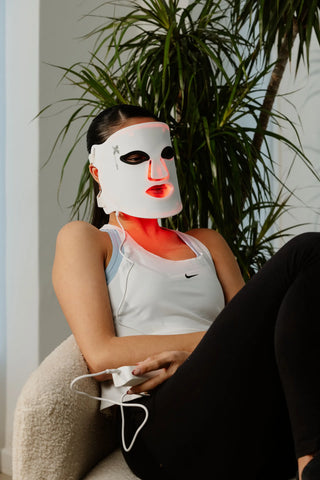
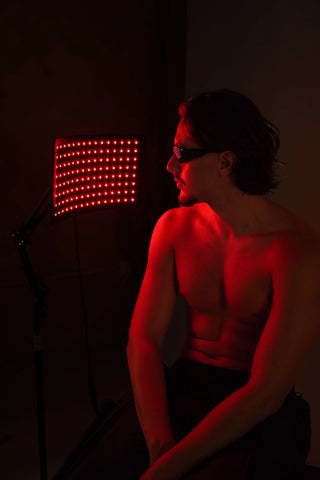
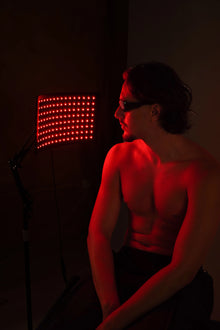
By combining compression boots with technologies such as red LED light therapy or a good massage gun , you can build a comprehensive recovery protocol that benefits both aesthetics and performance.
What science says about pneumatic compression (2020–2025)
From vascular medicine to aesthetic wellness
Aesthetic pressotherapy is based on decades of medical use of intermittent pneumatic compression. Clinical guidelines recommend it as part of the treatment for:
- Lymphedema of the extremities.
- Chronic venous insufficiency and resistant venous edema.
- Prevention of deep vein thrombosis in certain immobilized patients.
An S1 guideline on pneumatic compression highlights that, when used correctly and respecting contraindications, this therapy is safe and effective as an adjunct in vascular diseases and edema, with infrequent adverse effects. ( pubmed.ncbi.nlm.nih.gov )
Results of relevant clinical trials
Although these studies are not conducted for aesthetic purposes, their conclusions help to understand what pressotherapy can do, physiologically:
- In patients with lower limb lymphedema, a device mimicking manual lymphatic drainage achieved greater distal volume reductions than a traditional sequence and improved quality of life, provided it was used regularly. ( pubmed.ncbi.nlm.nih.gov )
- Non-inferiority trials have shown that decongestive therapy based solely on pneumatic compression + bandaging can be as effective as the classic protocol with manual drainage, with considerable reductions in excess volume. ( pubmed.ncbi.nlm.nih.gov )
In the aesthetic field, this supports the use of pressotherapy boots to reduce edema, improve the feeling of heaviness and optimize circulation, effects that visually translate into more defined legs and a more uniform-looking skin.
What is an aesthetic pressotherapy session like in 2026?
Step by step of a typical session
In general terms, a standard aesthetic pressotherapy session follows this process:
- Brief initial assessment : objectives (cellulite, tired legs, sports recovery), history and possible contraindications are reviewed.
- Garment placement : Boots, waist belts, or arm sleeves are fitted to the body. The air chambers remain in contact with the skin (usually over thin clothing or mesh).
- Programming : Pressure, inflation rate and duration are selected according to the area and the objective.
- Session : the device performs inflation and deflation cycles that generate a deep massage sensation, but without pain.
- Post-session : many people notice their legs feel lighter and softer to the touch; it is recommended to drink water and move around for a few minutes to take advantage of the drainage effect.
Sensations during treatment
When properly adjusted, pressotherapy feels like a firm, rhythmic hug from the feet to the thighs (or from the hands to the shoulders, depending on the area). It is normal to feel:
- Increasing pressure followed by release, in cycles.
- Slight warmth in the area due to increased circulation.
- A feeling of relaxation and drowsiness in some cases.
You shouldn't feel sharp pain or intense numbness. If this occurs, the pressure should be lowered or the session stopped. Responsible and gradual use is key to enjoying the benefits without risks.
Frequency, result times, and smart combinations
How often should aesthetic pressotherapy be done?
The ideal frequency depends on your goals and lifestyle, but as a guideline, many people follow guidelines such as:
- For tired legs and mild fluid retention : 1–2 sessions per week.
- As support in body remodeling programs : 2–3 weekly sessions for several weeks, combined with exercise and controlled diet.
- In sports recovery : 20–30 minutes after hard training, several days a week.
The first changes (lighter legs, less swelling) are usually noticeable from the first sessions; improvements in skin texture and contour require consistency and a lifestyle aligned with your goal.
An ally of training, rest, and other technologies
To shape the body sustainably, aesthetic pressotherapy works best as part of an ecosystem of habits:
- Strength and cardio exercise to improve muscle mass and energy expenditure.
- Balanced diet to control fat tissue and fluid retention.
- Active recovery , which includes pressotherapy, red light therapy, percussive massage and stretching.
In practice, an advanced recovery routine might combine a short session of compression boots with a red light therapy protocol for skin or muscles, and a few minutes of targeted work with the KUMOPULSE Air massage gun . This maximizes circulation, muscle relaxation, and tissue regeneration all in one session.
Safety, contraindications and responsible use
Who might find it especially useful?
Aesthetic pressotherapy may be a good fit for people who:
- They spend many hours standing (hospitality, retail, healthcare) or sitting (office, driving).
- They frequently experience tired legs, swollen ankles, or general heaviness.
- Practice medium-to-high performance sports and seek to optimize your recovery.
- They want to promote other non-invasive aesthetic treatments focused on cellulite and body contouring.
Even so, it is advisable to discuss its use with a health professional if you have chronic illnesses, are pregnant, or take medication relevant to circulation or coagulation.
Main contraindications and precautions
Guidelines and consensus statements on pneumatic compression recommend avoiding or using pressotherapy with extreme caution in cases of: ( pubmed.ncbi.nlm.nih.gov )
- Active or recent deep vein thrombosis.
- Decompensated heart failure.
- Acute infections in the area (infectious cellulitis, erysipelas, significant open wounds).
- Severe uncontrolled peripheral arterial disease.
- Active cancer in the area to be treated, unless expressly indicated by the specialist.
- Severe skin alterations, open ulcers, or significant dermatitis.
In certain situations (pregnancy, pronounced varicose veins, diagnosed lymphedema, lipedema, or a history of thrombosis), it is essential to obtain medical approval before starting any protocol, even with home-use equipment. Remember: aesthetic pressotherapy is not a medical treatment and does not replace professional supervision .
How to choose quality aesthetic pressotherapy boots
Aesthetic benefits of pressotherapy: a quick summary
| Aesthetic objective | How does pressotherapy help? | What you might notice |
|---|---|---|
| Tired and heavy legs | It improves venous and lymphatic return, and mobilizes accumulated fluids. | More lightness, less bloating at the end of the day. |
| Fluid retention | Mechanical lymphatic drainage with sequential pressure. | Decreased circumference due to reduced inflammation, softer tissue. |
| Edematous cellulite | It improves microcirculation and fluid exchange. | The leather is slightly smoother, with less of a "quilted" appearance. |
| Contour definition | Reduces fluid retention and congestion. | Refined contours, especially on thighs and ankles. |
| Post-workout recovery | It promotes the elimination of metabolites and venous return. | Less stiffness, better readiness for the next training session. |
When choosing aesthetic pressotherapy boots for your home or center, consider the following:
- Number of chambers : more chambers allow for a more precise and progressive massage.
- Adjustable pressure range : to adapt the intensity to your sensitivity and goal.
- Specific programs : gentle drainage, sports recovery, focus on feet/ankles, etc.
- Ergonomics and materials : comfortable, easy to clean and durable garments.
- Technical reliability : equipment specifically designed for recovery and well-being, such as those in theKUMO pressotherapy range, offers you more consistent use over time.
Frequently asked questions about aesthetic pressotherapy
How many aesthetic pressotherapy sessions do I need to notice visible changes?
Most people notice subjective changes (lighter legs, less swelling) within the first 1–3 sessions. For visible improvements in skin texture or contour, several weeks of consistent use are typically recommended, combining pressotherapy with regular exercise and a healthy diet. The usual frequency in aesthetic programs ranges from 1 to 3 sessions per week. More important than having many sessions in a short period is maintaining consistency and integrating pressotherapy into a comprehensive healthy lifestyle plan.
Does pressotherapy eliminate cellulite or only improve it temporarily?
Aesthetic pressotherapy is particularly helpful for edematous cellulite , where fluid retention and poor circulation play a significant role. By improving lymphatic drainage and microcirculation, it can smooth the appearance of orange peel skin and reduce the feeling of swelling. However, cellulite is multifactorial (genetic, hormonal, localized fat, connective tissue quality), so no single treatment will "eliminate" it permanently. The most realistic approach is to expect progressive and sustained improvement when pressotherapy is combined with exercise, a healthy diet, and other skincare practices.
Can I have aesthetic pressotherapy if I have varicose veins or circulation problems?
Many people with mild venous discomfort benefit from the feeling of lightness offered by compression therapy, but in the presence of pronounced varicose veins, a history of deep vein thrombosis, phlebitis, or diagnosed vascular disease, it is essential to consult a doctor beforehand. Guidelines on pneumatic compression emphasize respecting contraindications, especially in cases of active thrombosis, decompensated heart failure, or severe arterial disease. ( pubmed.ncbi.nlm.nih.gov ) For safety, do not initiate intensive protocols on your own if you have a known vascular condition: personalize the approach with your specialist.
Is it better to do pressotherapy before or after training?
It depends on your main goal. If you're looking for performance and recovery, it's usually more beneficial to use compression boots after exercise, when there's more metabolites and muscle pump. This can help reduce stiffness and allow you to feel fresher for your next session. If your priority is aesthetics or relieving heavy legs after a long day at work, you can use them whenever it best fits into your routine (many people enjoy them at night as a way to unwind). In any case, staying well-hydrated and moving around for a few minutes after the session will enhance the effects.
Does pressotherapy help with weight loss?
Pressotherapy is not a weight-loss treatment in the strictest sense: it doesn't replace a calorie deficit or exercise for reducing body fat. What it can do is reduce volume associated with water retention and edema, which sometimes results in a smaller circumference of the legs or ankles. It can also improve your comfort while moving, your recovery after training, and your motivation to maintain an active routine—aspects that indirectly promote fat loss. For real and lasting weight loss, the foundation will continue to be a combination of diet, exercise, and quality rest.
So what now? Integrate pressotherapy into your wellness routine
If you want aesthetic pressotherapy to be part of your lifestyle in 2026, start by defining your goal: lighter legs, support for sports recovery, or an added boost to your body contouring plan? ExploreKUMO's range of pressotherapy boots and combine them with complementary technologies such as LED therapy or the KUMOPULSE Air massage gun to build your own recovery and aesthetic ecosystem.
If you have any questions about which solution is best for you or how to integrate it into your daily routine, you can contact the KUMO team through their contact page . And if you want to continue being inspired and discovering new ways to care for your body, bookmark the kumobalance.com homepage and make it your go-to resource for smart recovery.
KumoWave pressotherapy
Choose your at-home pressotherapy
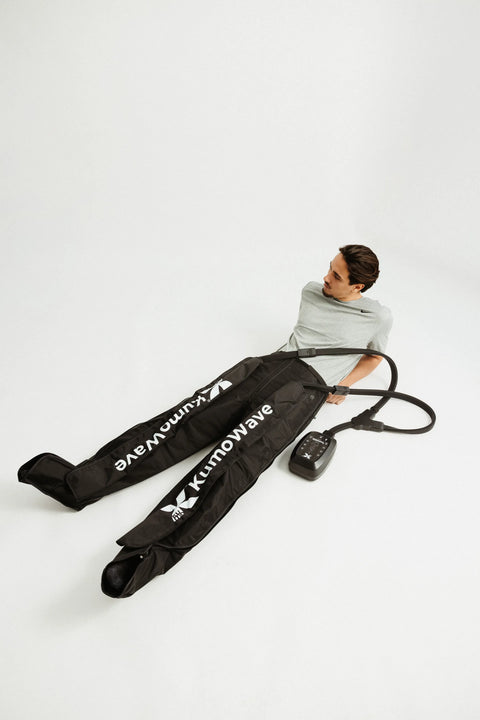
KumoWave Elite – Pressotherapy Pants
Full-coverage trousers. Ideal for lipedema, fluid retention and intensive use.
€799,00 €999,00
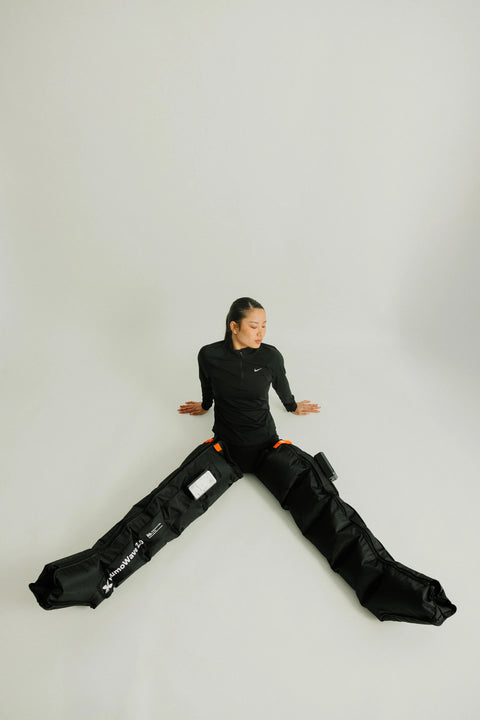
KumoWave 2.0 - Wireless Pressotherapy
Wireless, lightweight boots. Perfect for daily use and recovery.
€499,00 €599,00