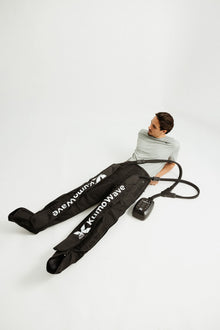

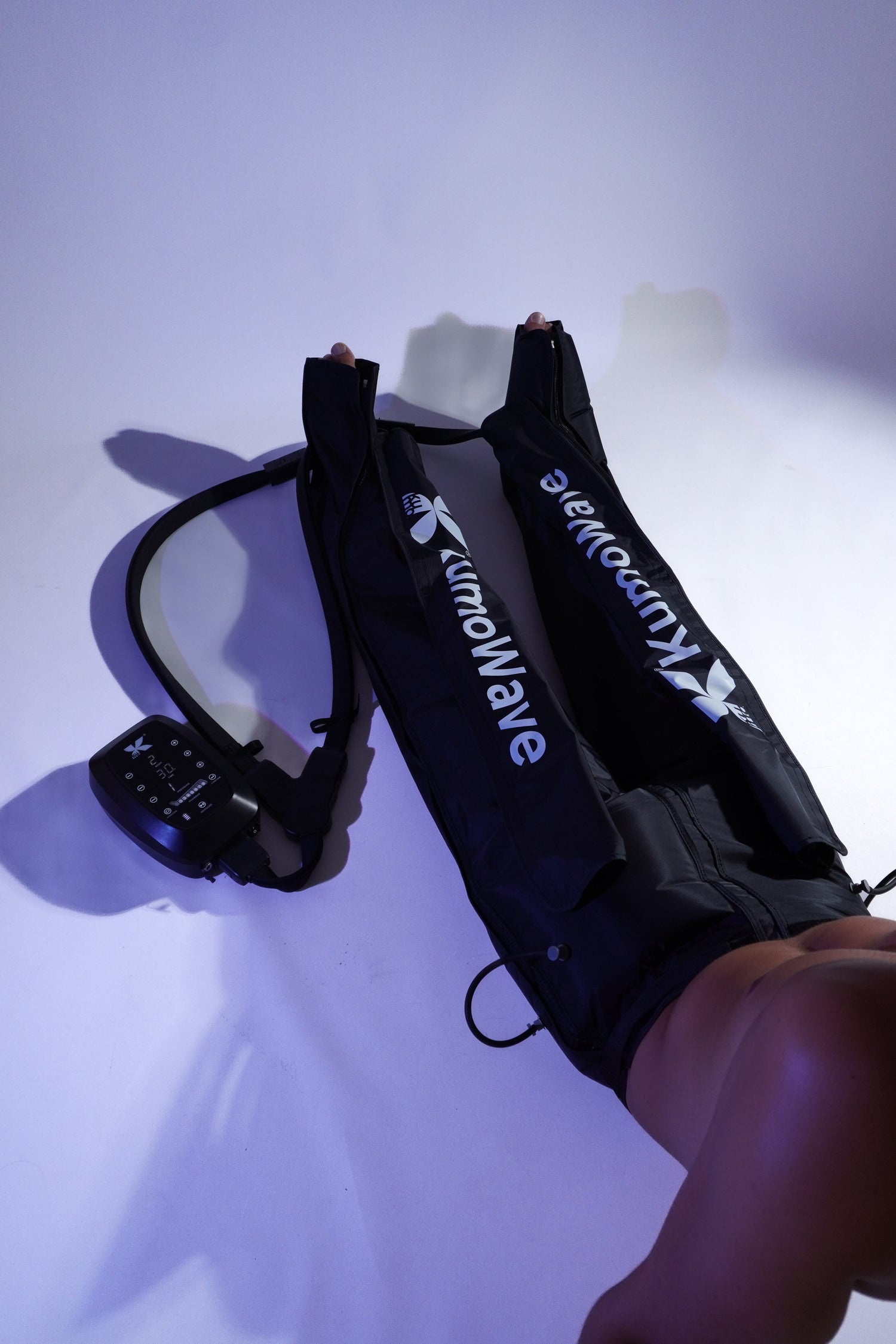
Pressotherapy for the legs can be a powerful ally against heaviness and poor circulation. Through sequential pneumatic compression, it helps to pump blood and lymph back towards the heart, reducing swelling and improving the feeling of lightness in the lower limbs.
In the clinical setting, this technique—known as intermittent pneumatic compression—has been used for decades to improve venous return, reduce edema, and support thrombosis prevention. ( pubmed.ncbi.nlm.nih.gov ) Today, that same operating logic has been transferred to home devices, such as compression boots for legs, designed for well-being, recovery, and daily comfort.
Pressotherapy at home
End the day with light legs
★★★★★ 4,8/5 · rated by verified customers
KumoWave pressotherapy boosts circulation and helps drain fluid with sequential compression, in 20-minute sessions at home.
- Boosts circulation and helps drain fluid
- Chamber-based compression, adjustable to you
- Sequential compression that mimics manual drainage
€799,00€999,00
−10% on your 1st order when you subscribe to the newsletter

At KUMO , this vision is integrated into a global recovery experience: aesthetics, technology and performance working together to care for your legs day after day.
What exactly is leg pressotherapy?
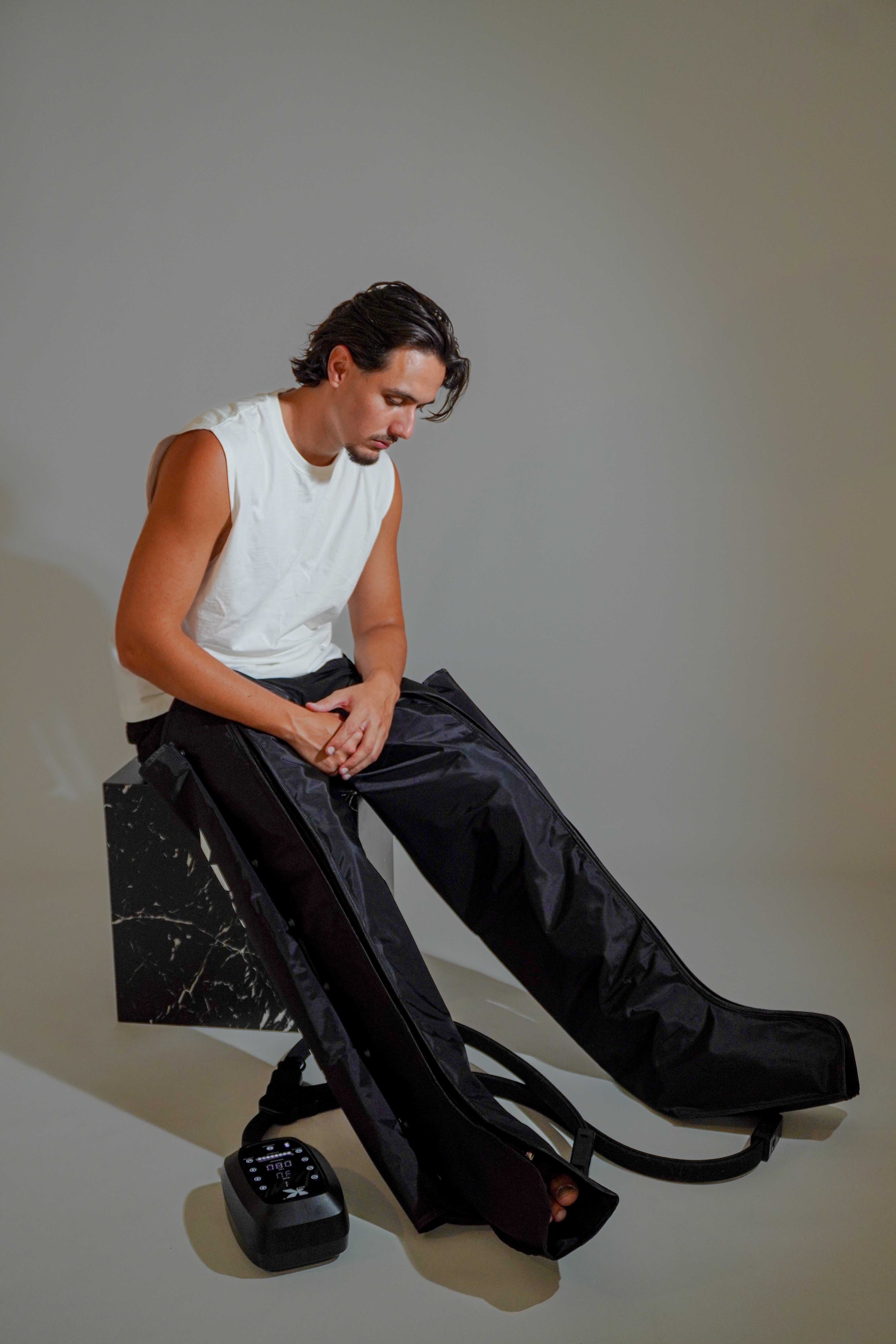
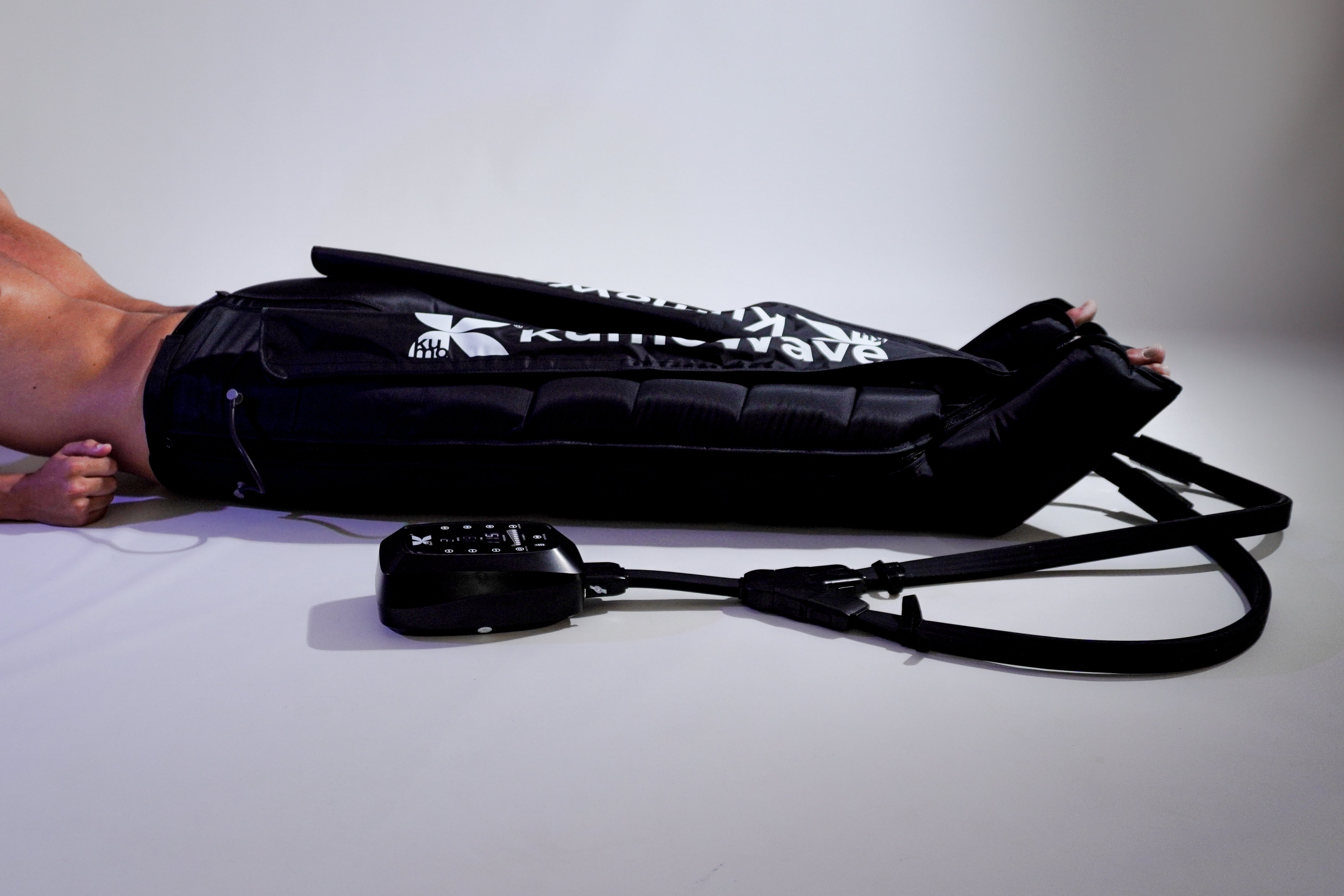
Leg compression therapy is a controlled compression technique that uses air chambers (usually in the form of boots that cover the feet, calves, and sometimes thighs) that are sequentially inflated and deflated. This pneumatic "massage" exerts external pressure on the tissues, pushing venous blood and lymph upwards.
Personalized protocol · included with your purchase
Want us to tell you how to use it in your case?
With your purchase, our experts prepare a personalized usage protocol for your case: sport, circulation, fluid retention, pregnancy or lipedema.
Message us on WhatsAppOur experts reply · no obligation
In the medical context, this is referred to as intermittent pneumatic compression (IPC) . Clinical guidelines recommend it as an adjunct in chronic venous diseases, lymphedema, and for thrombosis prophylaxis in certain patients, always under medical supervision. ( pubmed.ncbi.nlm.nih.gov )
In the field of wellness and sports, pressotherapy boots have become popular because they allow this principle to be brought home: short, customizable sessions aimed at relieving tired legs, promoting muscle recovery after exercise, and improving the feeling of rest.
How pressotherapy relieves heavy legs
Mechanism of action: to boost venous return
Heavy legs are often linked to inefficient venous return, fluid retention (blood and lymph), and, in many cases, prolonged standing or sitting. Pressotherapy targets precisely this weak point:
on your first order when you join the newsletter
We send you the code instantly. No spam.
- The air chambers inflate from the foot to the thigh, pushing venous blood upwards.
- As they deflate, they allow the veins to refill, generating a repeated "pumping".
- This cycle improves venous emptying, reduces leg volume, and tends to decrease the feeling of internal tension.
Hemodynamic studies show that intermittent pneumatic compression of the thigh and leg can increase venous return and reduce calf volume , resulting in less swelling. ( pubmed.ncbi.nlm.nih.gov )
Less swelling, more lightness
Fluid retention in the ankles and calves directly contributes to feelings of heaviness, dull ache, and fatigue. Guidelines on intra-abdominal compression (IAC) describe its use for treating venous and lymphatic edema, where regular application helps reduce limb circumference and related symptoms. ( pubmed.ncbi.nlm.nih.gov )
In people without serious pathology, but with tired legs due to standing work, long journeys or a sedentary lifestyle , leg pressotherapy applied with moderate parameters usually results in:
- Less feeling of tightness at the end of the day.
- Visible reduction of swelling in ankles and calves.
- Greater comfort when walking and lying down.
The effect is usually perceived acutely (after the session) and, with regular use, as a better control of daily heaviness.
Benefits of pressotherapy in legs according to the evidence
Improved venous return and prevention of complications
A classic trial published in JAMA, conducted on patients undergoing hip replacement, showed that sequential compression of the leg and thigh reduced the incidence of deep vein thrombosis by almost half compared to the group without compression (24% vs 49%). ( jamanetwork.com ) This type of data explains why pneumatic compression is part of many hospital protocols.
Although domestic boots are not intended to replace medical treatment, they support the same physiological principle: promoting venous flow from the legs, reducing stasis and, in the appropriate context, relieving symptoms resulting from poor circulation.
Muscle and sports recovery
In sports, compression therapy for the legs has become established as a recovery tool. A recent systematic review and meta-analysis on compression therapy for the lower extremities observed small but consistent benefits in muscle function and, above all, in the reduction of pain and muscle soreness after exercise, especially when protocols of about 20–30 minutes with pressures around 80 mmHg are applied in healthy subjects. ( pubmed.ncbi.nlm.nih.gov )
Other studies with compression garments on legs (not pneumatic, but elastic) have also shown better perception of recovery, less muscle pain and partial attenuation of strength loss after eccentric exercises. ( pubmed.ncbi.nlm.nih.gov ) Although the mechanisms are not identical, they point in the same direction: controlled compression can help legs "recover faster".
Improved circulation during and after exertion
Intermittent compression of the leg (IPC) is not only effective at rest. A study in healthy volunteers evaluated intermittent compression during plantar flexion exercise and recovery, observing a significant increase in blood flow in the superficial femoral artery compared to the condition without compression. ( pubmed.ncbi.nlm.nih.gov ) This increased flow may contribute to removing metabolites and delivering oxygen more quickly to the muscles.
Overall, the available literature suggests that leg compression therapy can:
- Reduce pain and stiffness after intense workouts.
- Partially accelerate the recovery of leg strength and power.
- Improve subjective comfort between sessions and training.
Perceived well-being and actual use in athletes
Beyond physiological markers, what matters is how users feel. A cross-sectional study of more than 500 athletes using lower limb compression garments found that most used them for a feeling of better recovery, less fatigue, and greater stability , both in competition and in everyday life. ( pubmed.ncbi.nlm.nih.gov )
Leg compression boots fall into this same category of "sensory recovery" tools: even when the improvement in performance parameters is small, the combination of relief from heaviness, less swelling, and a perception of deep rest can make a difference in your routine.
Who is leg pressotherapy suitable for (and who is it not suitable for)?
Pressotherapy for the legs may be beneficial for:
- People who experience tired or swollen legs at the end of the day.
- Those who spend many hours standing or sitting (hospitality, health, office, drivers, etc.).
- Athletes seeking to improve their recovery between training and competitions.
- People who travel long and frequently (by plane, car), provided there is no medical contraindication.
In the healthcare field, intermittent pneumatic compression is used as an adjunct in advanced chronic venous insufficiency, lymphedema, and in certain contexts of thromboembolic prevention. ( pubmed.ncbi.nlm.nih.gov ) In these cases, guidelines should always be established by healthcare professionals.
Common contraindications (especially for medical purposes, but applicable as a precaution in domestic use):
- Acute or suspected deep vein thrombosis.
- Decompensated heart failure.
- Extensive skin infections or open wounds in the application area.
- Critical arterial ischemia of the legs.
If you have any cardiovascular disease, advanced diabetes, neuropathies or doubts about your circulation, it is essential to consult your doctor before starting pressotherapy sessions.
How to safely use pressotherapy at home
Modern compression therapy boots allow you to adjust parameters such as pressure, total session time, and programs (inflation sequences). Even so, it's advisable to follow some general safety guidelines:
- Start with moderate pressure and increase it only if the sensation is comfortable and there is no pain.
- Avoid exceeding the times recommended by the manufacturer and respect the breaks between sessions.
- Do not use pressotherapy on open wounds, skin infections, or areas with severe acute pain.
- Stop the session if you notice intense tingling, numbness, sharp pain, or difficulty breathing.
In the scientific literature on sports recovery, many protocols use 20–30 minute sessions with pressures around 80 mmHg in healthy subjects, which provides an order of magnitude reference for recreational and sports use. ( pubmed.ncbi.nlm.nih.gov ) However, the intensity must always be adapted to individual tolerance and health indications when pathologies exist.
Examples of objectives and indicative parameters for pressotherapy in legs
| Main objective | Duration per session (indicative) | Frequency | Comments |
|---|---|---|---|
| Sports recovery after intense training | 20–30 minutes | After the most demanding sessions | Protocols of this time range and pressures around 80 mmHg are frequently used in recovery studies in healthy subjects. ( pubmed.ncbi.nlm.nih.gov ) |
| Relief from heaviness and bloating at the end of the day | ≈20–30 minutes | Variable; often at the end of the day | Start with shorter sessions and adjust according to comfort. This does not replace medical evaluation if significant or persistent symptoms are present. |
| Support for diagnosed venous or lymphatic problems | As prescribed by a doctor | As prescribed by a doctor | Specific guidelines are used within regulated therapeutic programs for chronic venous insufficiency and lymphedema. ( pubmed.ncbi.nlm.nih.gov ) |
Remember that these examples are for guidance only and do not replace an individualized prescription. If you have any questions or concerns about your condition, your healthcare professional should have the final say.
Integrate pressotherapy into a comprehensive recovery routine
Leg pressotherapy fits particularly well within a 360° recovery routine that combines various tools and habits:
- Regular exercise adapted to your level (walking, strength training, mobility).
- Active breaks throughout the day to avoid being immobile for hours.
- Leg elevation and basic skin care.
- Intelligent use of recovery technologies.
For example, KUMO leg compression therapy can be used after training or at the end of the day, as the "backbone" of your light leg routine.
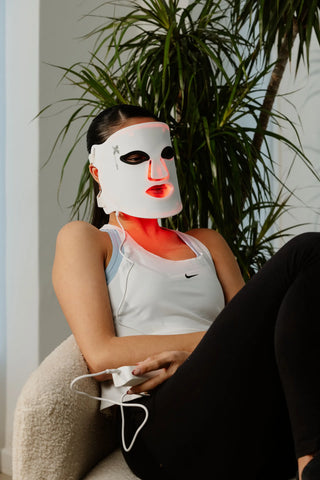
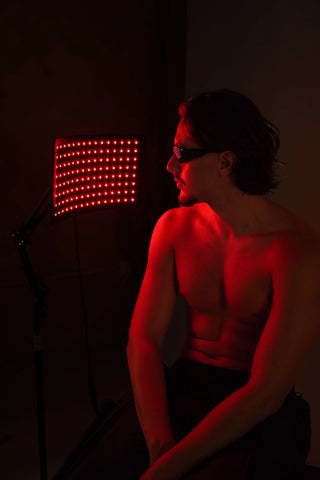
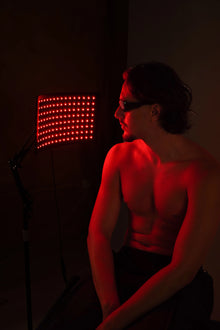
As a complement, red LED light therapy can support muscle regeneration and preparation for sleep, while a high-quality massage gun allows you to work on specific tension points (calves, hamstrings, glutes) before or after the pressotherapy session.
The key is not to use everything at once, but to design a ritual that fits your schedule and goals: a few minutes of massage or LED light therapy, followed by a pressotherapy session and good sleep hygiene can transform the perception of your legs in the medium term.
Frequently asked questions about leg pressotherapy
How many leg pressotherapy sessions are recommended per week?
For healthy individuals seeking wellness and recovery, there is no "magic number" of sessions. Sports recovery studies often use compression therapy at specific times (e.g., after strenuous workouts), with sessions lasting approximately 20–30 minutes. ( pubmed.ncbi.nlm.nih.gov ) In practice, many people choose to use it several days a week, adjusting the frequency based on how their legs feel. If a venous or lymphatic disease has been diagnosed, the frequency should be determined by a doctor or physical therapist as part of a structured plan.
Is pressotherapy effective for varicose veins and venous insufficiency?
Pressotherapy does not "eliminate" varicose veins, but it can help relieve associated symptoms such as heaviness, swelling, and dull ache in the legs by temporarily improving venous return. Clinical guidelines recommend intermittent pneumatic compression as an adjunct in cases of advanced chronic venous insufficiency, always in conjunction with other measures (medication, compression stockings, exercise, skin care). ( pubmed.ncbi.nlm.nih.gov ) However, each case is different: if you have painful varicose veins, ulcers, or significant discoloration, it is essential that an angiologist or phlebologist assess whether pressotherapy is appropriate for you.
Is pressotherapy safe for the legs if I have cardiovascular problems?
Leg compression therapy involves moving blood from the extremities towards the body's core, so it's not safe for everyone . In general, it's contraindicated in decompensated heart failure, acute or suspected deep vein thrombosis, and certain forms of severe arterial disease. ( pubmed.ncbi.nlm.nih.gov ) If you have a history of heart attack, arrhythmias, heart failure, bypass surgery, or stents, it's essential to consult your cardiologist or primary care physician before using compression boots. Only a professional familiar with your medical history can assess the actual risks and benefits in your case.
Can I use pressotherapy at home after exercising?
Yes, for many athletes, compression therapy on the legs is a convenient post-workout recovery tool. Available evidence suggests small but favorable benefits in reducing muscle soreness, improving the feeling of recovery, and somewhat mitigating strength loss after intense exertion, especially when using 20–30 minute sessions with moderate pressure. ( pubmed.ncbi.nlm.nih.gov ) It is important to avoid painful pressure, stay well hydrated, and avoid compression therapy if there are acute injuries (muscle tears, recent sprains) without prior physiotherapy assessment.
When do you notice the feeling of lighter legs with pressotherapy?
Many people report a feeling of lightness and immediate relief after the first session, especially if they started with significant swelling or heaviness. Scientific studies show that pneumatic compression can reduce leg volume and improve venous return from the very first applications ( pubmed.ncbi.nlm.nih.gov ). However, sustained symptom improvement (for example, at the end of each workday) usually comes with regular use, integrated into healthy habits: daily movement, good hydration, and management of risk factors.
So what now?
If your legs feel tired, swollen, or slow to recover after exercise, pressotherapy can become a new "wellness routine" as natural as stretching or getting enough sleep. At KUMO, you'll find high-level recovery technologies designed for everyday use, and our team can guide you on how to integrate them into your lifestyle. If you have specific questions or a particular case, you can contact us through the contact page, and we'll help you design a recovery strategy tailored to your legs.
KumoWave pressotherapy
Choose your at-home pressotherapy
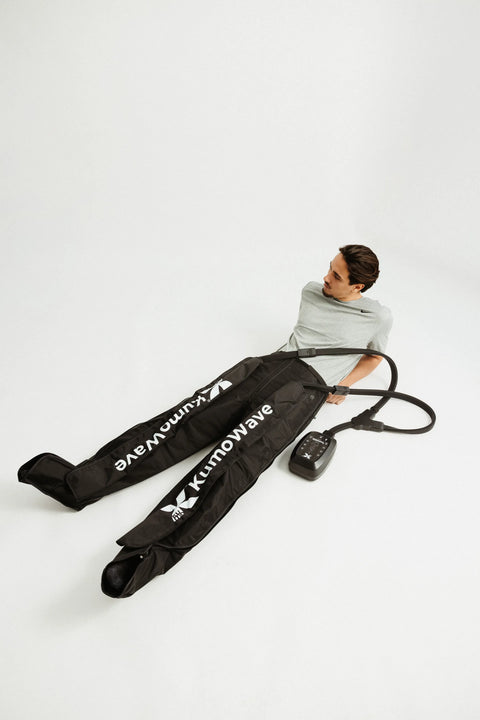
KumoWave Elite – Pressotherapy Pants
Full-coverage trousers. Ideal for lipedema, fluid retention and intensive use.
€799,00 €999,00
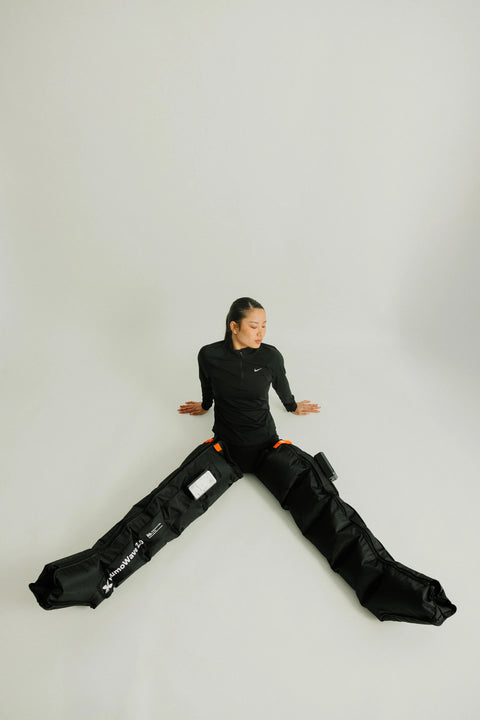
KumoWave 2.0 - Wireless Pressotherapy
Wireless, lightweight boots. Perfect for daily use and recovery.
€499,00 €599,00