
Introduction: Why your performance depends on how you recover
Performing better isn't just about training harder.
The science of athletic performance is clear: without strategic recovery, strength, speed, and endurance stagnate and even decline. The goal of this article is to give you a comprehensive and practical overview of how to manage your energy, optimize recovery, and leverage advanced technologies to train better, compete more consistently, and reduce your risk of injury.
Pressotherapy at home
End the day with light legs
★★★★★ 4,8/5 · rated by verified customers
KumoWave pressotherapy boosts circulation and helps drain fluid with sequential compression, in 20-minute sessions at home.
- Boosts circulation and helps drain fluid
- Chamber-based compression, adjustable to you
- Sequential compression that mimics manual drainage
€799,00€999,00
−10% on your 1st order when you subscribe to the newsletter

You will see how sleep, nutrition, active rest and tools such as pressotherapy, photobiomodulation (red light/LED) and percussion massage influence your real ability to improve day by day.
What do we understand by athletic performance today?
Sports performance is the ability of an athlete to execute a specific physical task (a match, a series of sets, a competition) with the highest possible level of efficiency, while maintaining health and continuity in training.
Personalized protocol · included with your purchase
Want us to tell you how to use it in your case?
With your purchase, our experts prepare a personalized usage protocol for your case: sport, circulation, fluid retention, pregnancy or lipedema.
Message us on WhatsAppOur experts reply · no obligation
Today, performance is discussed as a balance between three dimensions:
- Training load : volume, intensity, frequency.
- Recovery : sleep, rest, nutrition, recovery strategies.
- Stress management : mental, emotional and physiological.
If one of these legs fails, the other two have to compensate. For years, training load has been overvalued and recovery undervalued; however, recent reviews show that factors such as sleep and recovery directly influence accuracy, reaction time, and injury risk in elite athletes. ( pubmed.ncbi.nlm.nih.gov )
How recovery works: physiological basis of energy
Stress, fatigue, and supercompensation
Every workout is stressful for the body: you deplete glycogen stores, generate micro-tears in the muscles, and alter the nervous system. Then comes the recovery phase, in which the body repairs damage and replenishes energy. If this recovery is sufficient, supercompensation occurs: you come back a little stronger, more resilient, or faster.
on your first order when you join the newsletter
We send you the code instantly. No spam.
When you string together training sessions without allowing your body to recover, fatigue accumulates, the immune system is compromised, and performance declines. That's why many modern training strategies revolve around periodizing the workload and scheduling recovery with almost the same care as intervals or mileage.
Sleep, nervous system and hormones
Deep sleep is a key period for muscle repair, consolidation of motor learning, and hormonal balance. A large review of 81 studies found that athletes sleep an average of 7.2 ± 1.1 hours per night, often less than the ideal amount for optimal performance. ( pubmed.ncbi.nlm.nih.gov )
Foundations specializing in sleep and studies in adolescent athletes indicate that sleeping less than recommended (around 8–10 hours in adolescents and ≥7 hours in adults) is associated with poorer cognitive performance, slower reaction time, and a higher risk of injury. ( pubmed.ncbi.nlm.nih.gov )
Therefore, any serious performance improvement plan must begin by protecting nighttime rest.
The pillars of an effective recovery
Restful sleep: your most powerful “supplement”
Before considering supplements or devices, it's important to ensure that your sleep meets certain minimum requirements:
- Duration : In most athletes, between 7 and 9 actual hours of sleep per night.
- Regularity : going to bed and waking up at similar times, even on days without training.
- Quality : few awakenings, feeling rested upon waking.
Recent reviews link sleep deprivation to poorer technical accuracy, decreased strength, and increased likelihood of injury in elite athletes. ( pubmed.ncbi.nlm.nih.gov ) Implementing basic “sleep hygiene” (reducing screen time and bright light before bed, a relaxing routine, and a cool, dark room) often has a surprisingly large impact on athletic performance.
Nutrition and hydration: how to recharge your energy intelligently
After training, the main nutritional goal is to replenish glycogen (carbohydrates stored in muscle and liver) and provide protein for muscle repair.
- Carbohydrates : Reviews on recovery recommend around 1.0–1.2 g of carbohydrate per kg of body weight per hour during the first few hours post-exercise if you need to recover quickly for the next session. ( pubmed.ncbi.nlm.nih.gov )
- Protein : The International Society of Sports Nutrition places the optimal daily intake for athletes between 1.4 and 2.0 g of protein/kg/day, with intakes of about 0.25 g/kg (20–40 g in most adults) divided every 3–4 hours. ( pmc.ncbi.nlm.nih.gov )
- Hydration : Replenish fluids and electrolytes according to weight lost and environmental conditions (heat, humidity, altitude).
There's no need to overcomplicate things: a combination of carbohydrate-rich foods (fruit, bread, rice, pasta, potatoes) and quality protein sources (dairy, eggs, legumes, fish, lean meats) usually covers your needs, as long as the total daily amount is appropriate for your training volume.
Gentle movement and active rest
Rest doesn't always mean being completely still. Active rest (gentle walking, very light cycling, gentle movement, low-intensity stretching) promotes circulation, helps mobilize metabolites, and can accelerate the feeling of recovery without adding significant stress.
Strategies such as self-myofascial release (foam rollers, massage balls, low-intensity massage guns) have been shown to improve range of motion and reduce delayed onset muscle soreness (DOMS) without impairing strength or power performance. ( pubmed.ncbi.nlm.nih.gov )
Recovery technologies to boost performance
In recent years, technologies have emerged designed to make recovery between sessions more efficient: pneumatic compression therapy, red/LED light therapy, and percussion massage, among others. In KUMO 's recovery ecosystem, these solutions are integrated into easy-to-use at-home devices, with a design and technology approach focused on everyday well-being.
It's key to understand what the scientific evidence says about each modality and how to realistically integrate them into your routine.
Pressotherapy and blood circulation
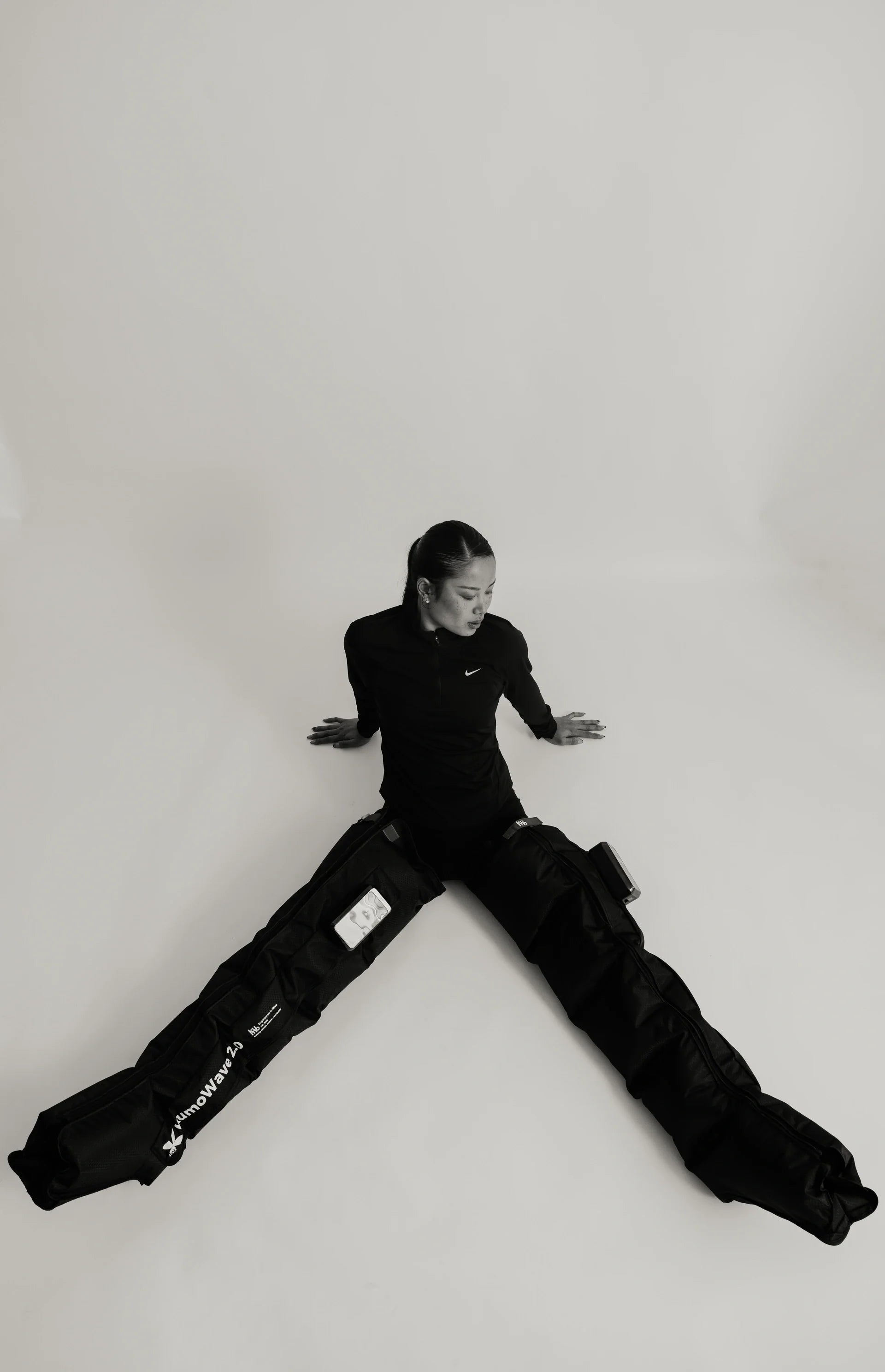
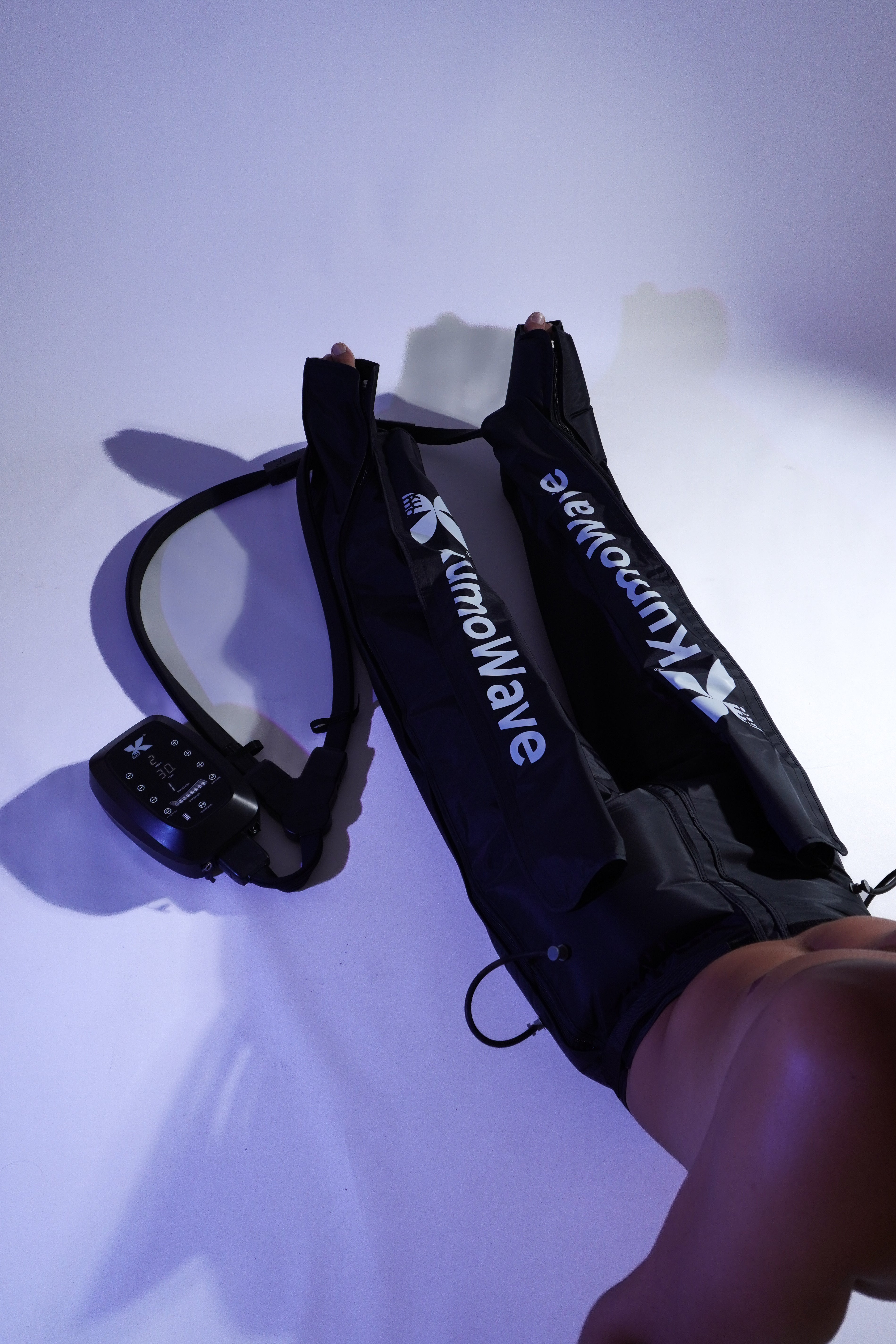
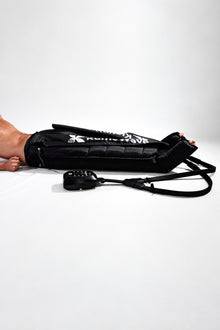
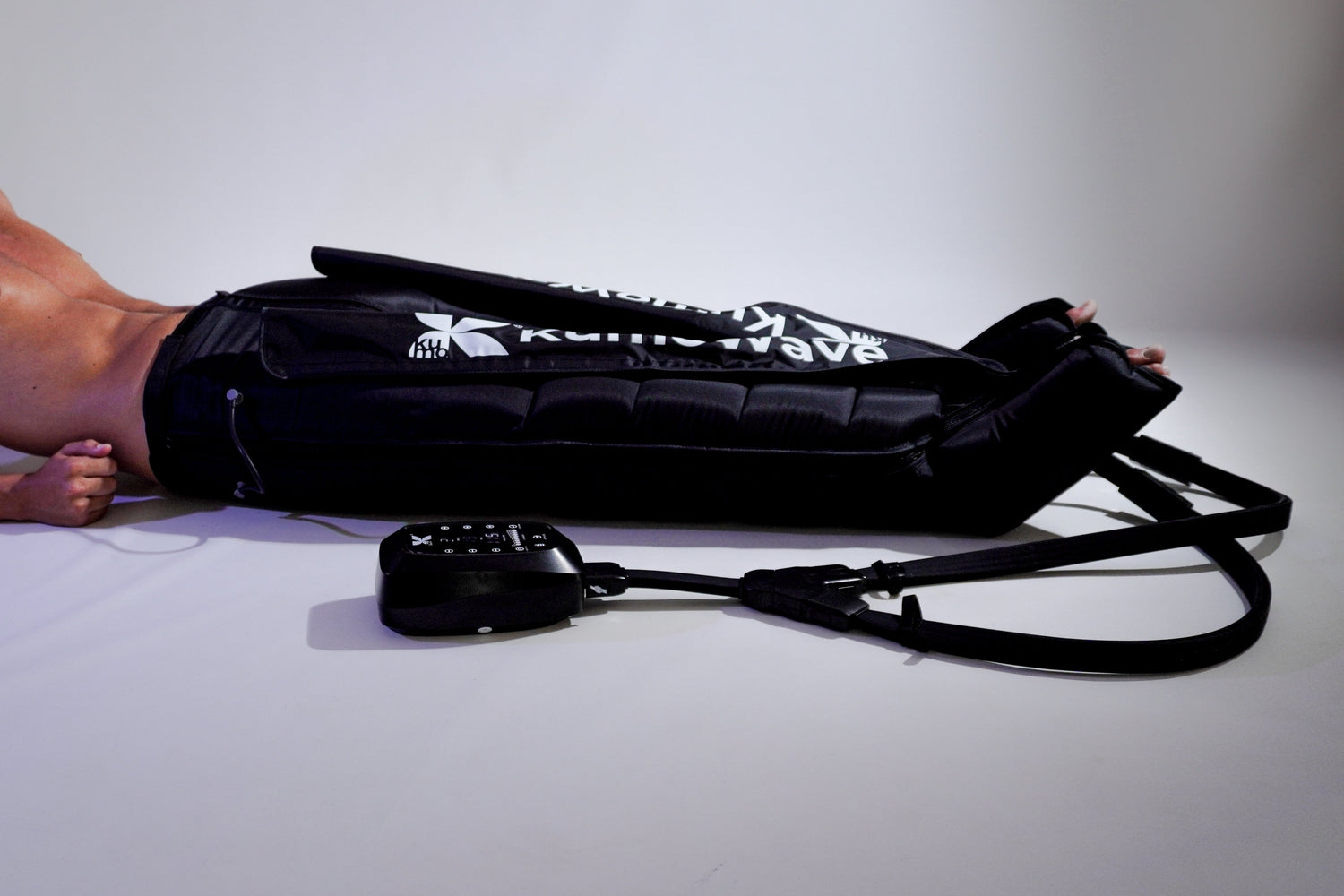
Pressotherapy uses pneumatic boots that inflate and deflate sequentially to promote venous and lymphatic return. Studies with intermittent pneumatic compression have observed increased blood flow in the lower extremities during and after exercise, which could facilitate the elimination of metabolites and the delivery of oxygen and nutrients. ( pubmed.ncbi.nlm.nih.gov )
Other recent studies suggest that this compression can accelerate the normalization of cardiovascular parameters after intense sprints and reduce the perception of muscle pain in some protocols, although the effects on pure performance are still heterogeneous. ( pubmed.ncbi.nlm.nih.gov )
Compression therapy boots are based on these principles: providing comfortable, cyclical compression to support the recovery of fatigued legs, especially in sports with high volumes of running, jumping, or prolonged standing. They are not a substitute for training or physiotherapy, but they can be a useful tool within a comprehensive plan.
Red light and LED therapy (photobiomodulation)
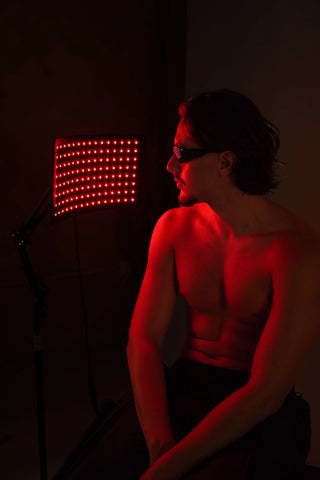
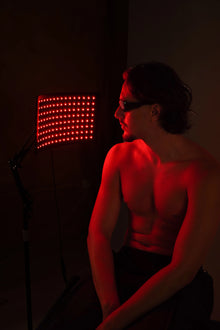
Photobiomodulation uses red and near-infrared light, emitted by LEDs or low-power lasers, to modulate cellular processes. Reviews and clinical trials in athletes have found that, at specific doses and parameters, local photobiomodulation can improve performance in repeated sprint tests, reduce markers of muscle damage (such as creatine kinase), and decrease the perception of fatigue after intense exertion. ( pubmed.ncbi.nlm.nih.gov )
Other studies, however, have not found significant benefits in all contexts or protocols, indicating that efficacy depends on the dose, timing of application, and type of exercise. ( pubmed.ncbi.nlm.nih.gov )
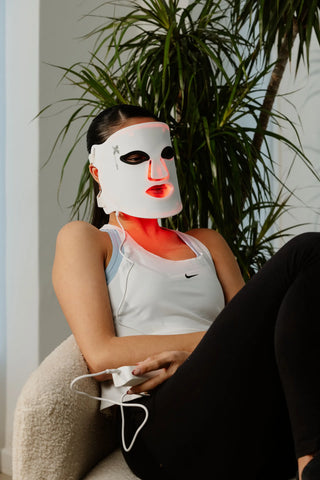
KUMO LED light therapy devices are designed to deliver controlled exposures of red light, intended for both skincare and nighttime relaxation and recovery routines. As with any technology, their use should be complemented by sound basic habits (sleep, nutrition, and energy management).
Percussion massage and deep muscle release
Meta-analyses have shown that massage significantly reduces delayed onset muscle soreness (DOMS) for up to 72 hours after intense exertion, improving the perception of recovery without impairing performance. ( pubmed.ncbi.nlm.nih.gov )
More recently, controlled trials of percussion massage (such as that offered by massage guns) have shown that structured 25–40 minute sessions can improve jump height, reaction strength, and range of motion more than static stretching 48 hours after inducing DOMS in the legs. ( pmc.ncbi.nlm.nih.gov )
A KUMOPULSE Air massage gun allows you to apply this type of stimulation in a localized way to heavily tense muscles (quadriceps, hamstrings, calves, glutes), with different intensity levels. Integrated into a warm-up or cool-down protocol, it can help relieve tension and improve the feeling of muscle lightness.
Practical recovery routines according to your type of athlete
If you are a recreational athlete with little time
-
After training (10–20 minutes):
- 5–10 minutes of gentle movement (walking, light cycling).
- 5–10 minutes of myofascial release (roller or massage gun at low intensity).
- Carbohydrate + protein intake within the first hour.
-
At night :
- Digital disconnection routine 30–60 minutes before bed.
- Optional: brief session of dim/reddish light to promote relaxation.
Whether you train for strength or hypertrophy
- Prioritize achieving an adequate daily protein intake (at least 1.4–2.0 g/kg/day). ( pmc.ncbi.nlm.nih.gov )
- After heavy leg or pulling sessions, apply percussion or roller massage to the worked muscle groups to reduce stiffness and DOMS.
- If you have several intense weekly sessions, consider using pressotherapy on leg days to promote the feeling of "light" legs.
If you do endurance sports (running, cycling, triathlon)
- After long runs or demanding sets, schedule a 2–4 hour window with good carbohydrate intake (up to 1.2 g/kg/h if you need to recover very quickly for the next day). ( pubmed.ncbi.nlm.nih.gov )
- Include at least 1 day a week of real download (low intensity and reduced volume).
- Combine:
- Pressotherapy for heavy legs after competition or key sessions.
- Local photobiomodulation in severely damaged muscle groups, always respecting the device's guidelines.
- Extra sleep (30–60 minutes more) on high-workload days.
Comparative table of recovery methods
| Method | Main objective | What the evidence says | When to use it |
|---|---|---|---|
| Dream | Full physical and mental recovery | Less sleep is associated with poorer performance, more fatigue, and more injuries in athletes. ( pubmed.ncbi.nlm.nih.gov ) | Every night; prioritize during busy weeks |
| Post-exercise nutrition | Replenish glycogen and promote muscle repair | 1.0–1.2 g/kg/h of CHO + moderate protein accelerates glycogen resynthesis. ( pubmed.ncbi.nlm.nih.gov ) | First 2–4 hours after demanding sessions |
| Massage roller/gun | Reduce stiffness, improve ROM, relieve DOMS | They improve range of motion and pain perception without worsening strength or power. ( pubmed.ncbi.nlm.nih.gov ) | Warm-up, cool-down, and days of marked DOMS |
| Pressotherapy | Promote circulation and venous return | It increases blood flow and may accelerate cardiovascular recovery; effects on performance are still mixed. ( pubmed.ncbi.nlm.nih.gov ) | After intense lower body training sessions or competitions |
| Red light / photobiomodulation | Modulate muscle damage and fatigue | Some trials show less muscle damage and better performance; others find no clear effects; it depends on the dose and protocol. ( pubmed.ncbi.nlm.nih.gov ) | Before or after very demanding efforts, according to the device protocol |
Common mistakes that sabotage your recovery
- Believing that “more is better” : increasing volume and intensity without adjusting rest leads to functional or real overtraining.
- Neglecting sleep during the week and trying to "make up" only on the weekend.
- Using technology as a shortcut : pressotherapy, LED or massage do not replace good planning or basic nutrition.
- Ignoring the signs of fatigue : unrefreshing sleep, unexplained drop in performance, or persistent mood swings are warning signs.
- Lack of consistency : trying many different tools without keeping any of them long enough to notice effects.
Frequently asked questions about athletic performance and recovery
How can I improve my athletic performance quickly without getting injured?
The safest way to improve quickly is to combine a gradual and planned increase in training load with careful recovery. In practice, this means increasing weekly volume or intensity by no more than 5–10% once you have a certain base, sleeping at least 7–9 hours most days, and ensuring adequate carbohydrate and protein intake to support the new stimulus. ( pmc.ncbi.nlm.nih.gov ) Add 10–20 minutes after intense sessions for cool-down and a brief myofascial release or percussion massage. And above all, pay attention to signs of accumulated fatigue (persistent aches and pains, lethargy, insomnia) to make timely adjustments.
How many hours of sleep should I get if I train intensely several times a week?
General recommendations for active adults suggest a minimum of 7 hours of sleep per night, but evidence from athletes suggests that many need 8 to 9 hours to perform at their best and reduce their risk of injury. ( pubmed.ncbi.nlm.nih.gov ) If you're in a period of high training load (competition week, training camp, increased volume), it can be helpful to add short naps of 20–30 minutes or go to bed a little earlier. Rather than obsessing over an exact number, focus on whether you wake up rested, maintain concentration during training, and aren't constantly relying on stimulants to function.
What's best after training: stretching, foam rolling, massage gun, or pressotherapy?
There is no single “best” tool for everyone; each serves a purpose. Gentle stretching can help you relax, but on its own, it has a limited effect on performance recovery. A foam roller or massage gun improves range of motion and reduces stiffness, and massage in general reduces delayed onset muscle soreness (DOMS). ( pubmed.ncbi.nlm.nih.gov ) Pressure therapy promotes venous return and can make your legs feel lighter after strenuous sessions. The most effective approach is often to combine some gentle movement, some myofascial release, and, when available, short sessions of pressure therapy or percussion massage.
Does red light therapy really improve athletic performance?
Photobiomodulation with red or infrared light has shown improvements in certain performance indicators (such as sprint times or fatigue resistance) and reductions in markers of muscle damage in several clinical trials when applied with specific parameters and around intense efforts. ( pubmed.ncbi.nlm.nih.gov ) However, other studies have not found clear benefits, especially with whole-body protocols or very brief anaerobic exercises. ( pubmed.ncbi.nlm.nih.gov ) Currently, red light is considered a promising but complementary tool: it can add to a well-planned strategy of sleep, nutrition, and load management, not replace it.
How often should I use pressotherapy or a massage gun to notice changes?
Studies on pneumatic compression and percussion massage typically use protocols of 20–40 minutes per session, applied immediately after exercise or within the following 24–48 hours, especially after very demanding workouts that cause delayed onset muscle soreness (DOMS). ( pubmed.ncbi.nlm.nih.gov ) In practice, many recreational athletes benefit from using these techniques 2 to 4 times per week, focusing on heavier training days. More important than the exact frequency is consistency: replicate a protocol for several weeks, observe how it affects your sense of recovery, and adjust based on your individual response and what allows you to maintain the habit.
What now? Take your recovery to the next level
If you truly want your athletic performance to improve, you need to treat recovery with the same seriousness as your training plan. Start with the basics (sleep, nutrition, active rest) and then leverage technologies that make recovery a pleasant and sustainable routine: compression boots for tired legs, LED light therapy for relaxation sessions, and devices like the KUMOPULSE Air massage gun to relieve muscle tension after training. And if you need more personalized guidance, you can contact the KUMO team to intelligently integrate these solutions into your daily life.
KumoWave pressotherapy
Choose your at-home pressotherapy
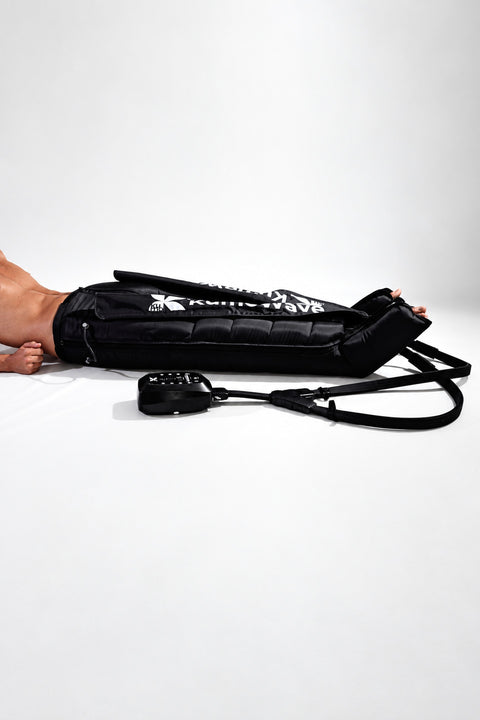
KumoWave Elite – Pressotherapy Pants
Full-coverage trousers. Ideal for lipedema, fluid retention and intensive use.
€799,00 €999,00
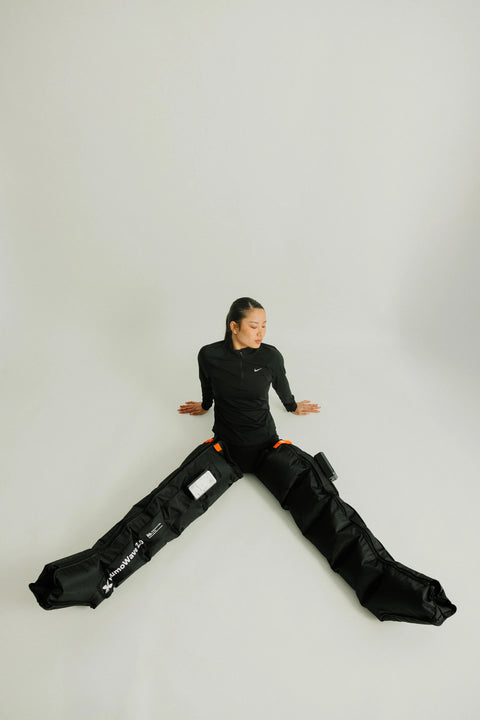
KumoWave 2.0 - Wireless Pressotherapy
Wireless, lightweight boots. Perfect for daily use and recovery.
€499,00 €599,00