Introduction: what you can really expect from pressotherapy
Looking for genuine opinions on pressotherapy and results that go beyond advertising? This guide will give you exactly that: what it feels like, what improvements are common, and what current science says about pneumatic compression boots.
In 2026, pressotherapy has become established as a tool for vascular health and recovery: it is used in clinics, hospitals, and increasingly at home. However, it is not a miracle cure nor is it a cure-all. Its value lies in improving circulation, relieving the sensation of tired legs, and addressing certain edema problems, always as a complement to medical advice.
Pressotherapy at home
End the day with light legs
★★★★★ 4,8/5 · rated by verified customers
KumoWave pressotherapy boosts circulation and helps drain fluid with sequential compression, in 20-minute sessions at home.
- Boosts circulation and helps drain fluid
- Chamber-based compression, adjustable to you
- Sequential compression that mimics manual drainage
€799,00€999,00
−10% on your 1st order when you subscribe to the newsletter

Throughout this article we will combine recent scientific evidence , typical user experiences and the practical approach of brands specializing in recovery, such as KUMO , which integrate pressotherapy, red light and percussion massage into a single wellness ecosystem.
What is pressotherapy and how does it work?
From compression boots to medical therapy
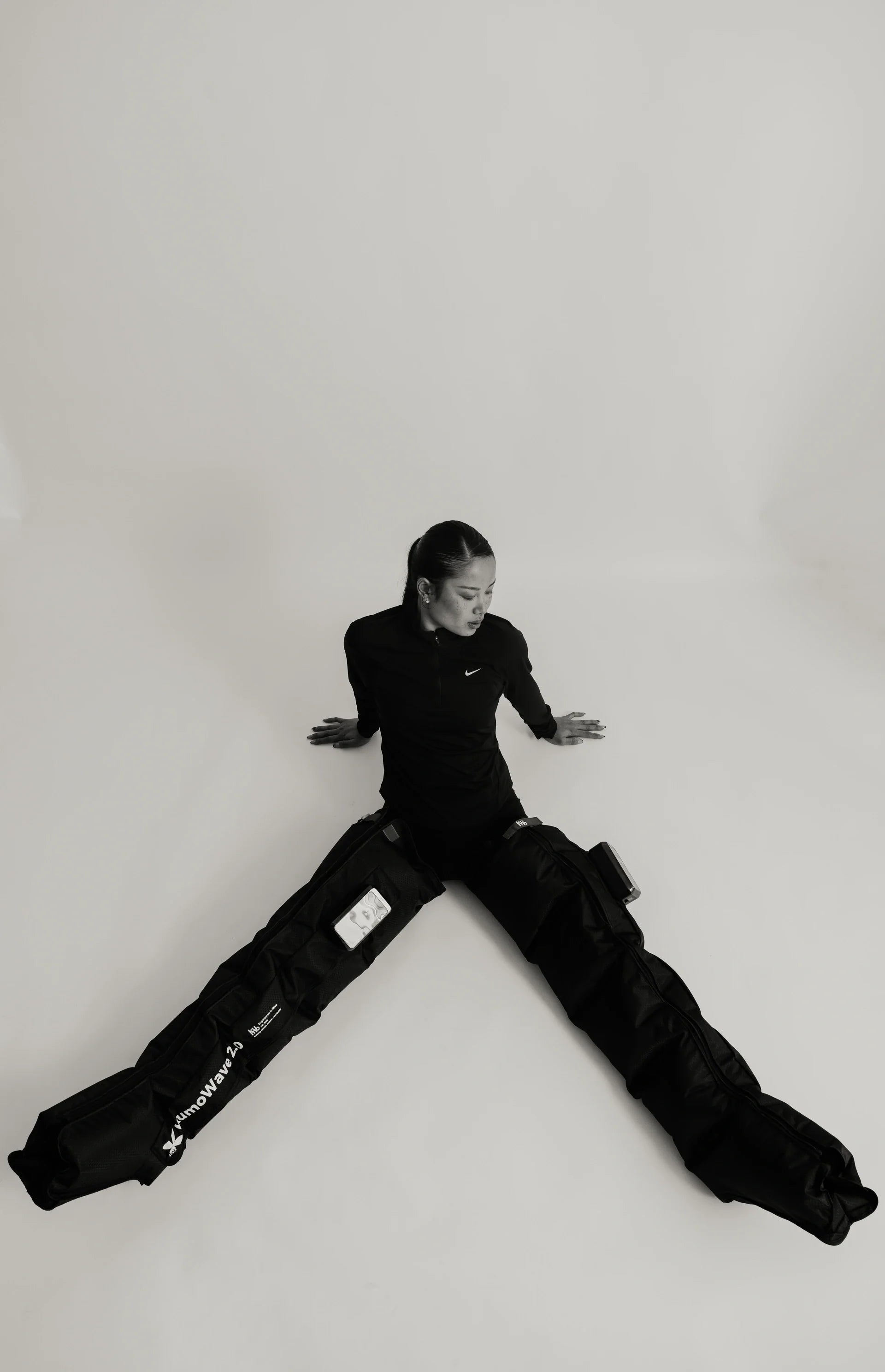
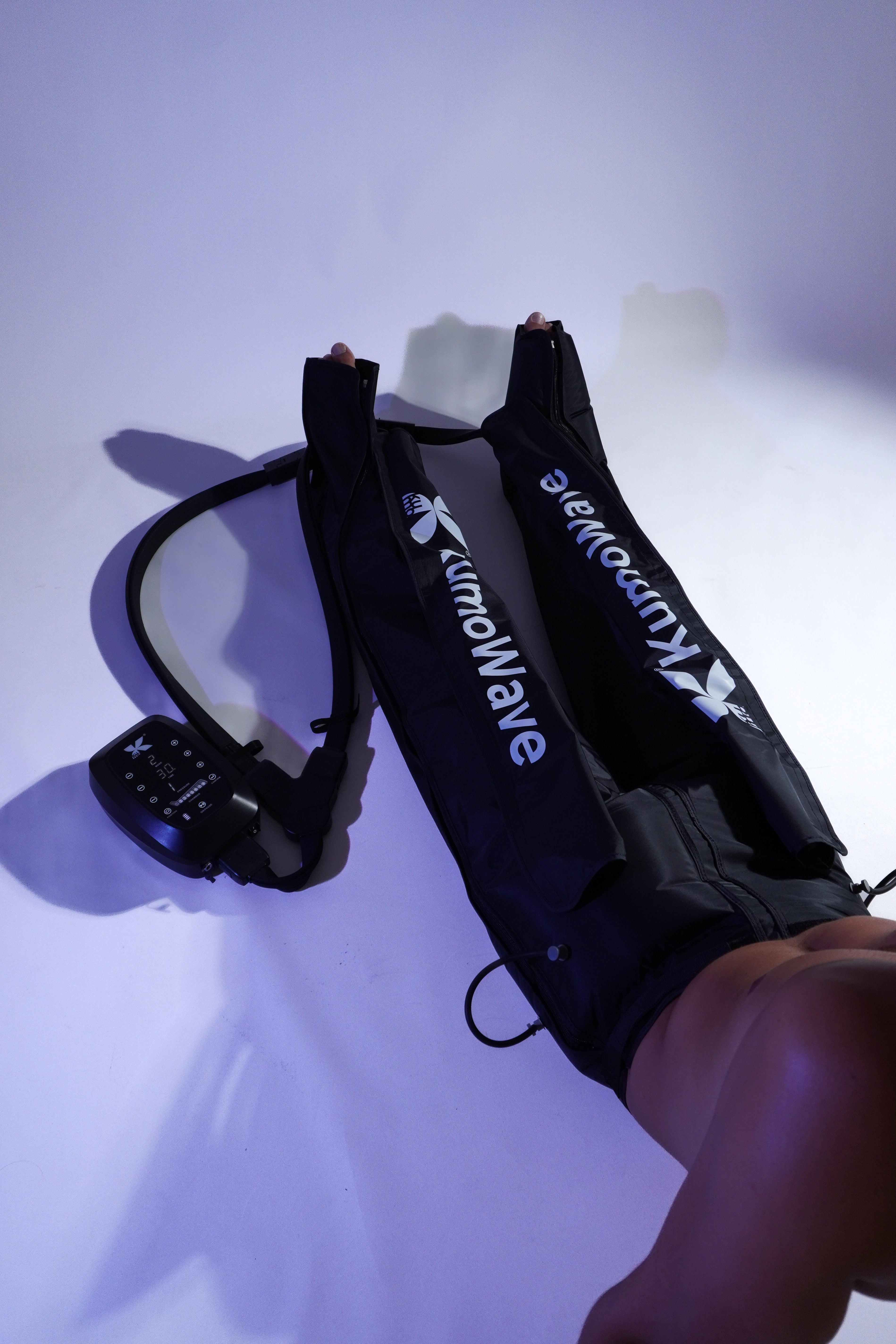
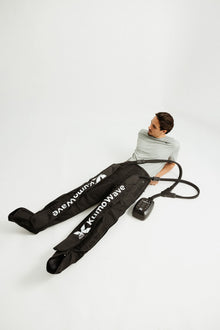
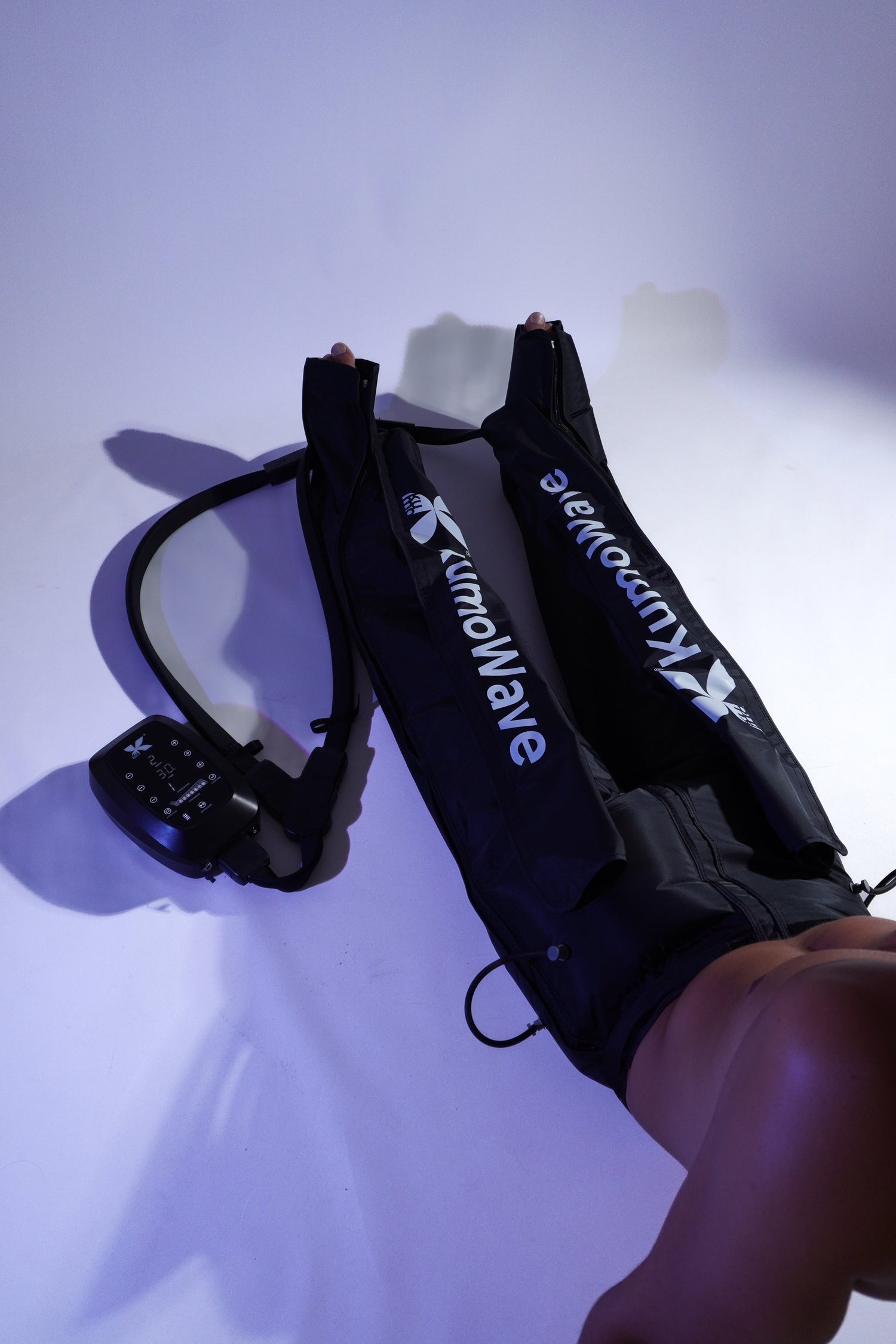
Pressotherapy uses intermittent pneumatic compression : boots (or sleeves) with several chambers are sequentially inflated and deflated from the foot to the thigh. This “mechanical massage” helps push blood and lymph upwards, reducing venous stasis and facilitating fluid drainage.
Personalized protocol · included with your purchase
Want us to tell you how to use it in your case?
With your purchase, our experts prepare a personalized usage protocol for your case: sport, circulation, fluid retention, pregnancy or lipedema.
Message us on WhatsAppOur experts reply · no obligation
In the medical field, it is known as intermittent pneumatic compression (IPC) and has been used for years to prevent deep vein thrombosis in immobilized patients and as adjunctive therapy for lymphedema or chronic venous disease . Specific clinical guidelines indicate its usefulness as a complementary treatment for lymphedema, advanced venous insufficiency, and thrombosis prophylaxis, always carefully evaluating indications and contraindications.
Main medical and wellness indications
In practice, pressotherapy is used today in two main areas:
-
Medical setting (under health supervision)
- Lymphedema (for example, after surgery or radiotherapy for breast cancer).
- Chronic venous disease and advanced venous insufficiency.
- Lipedema and venous or post-traumatic edema as complementary therapy.
- Prevention of thrombosis in patients with very reduced mobility.
-
Area of well-being and performance
- Heavy legs, swelling at the end of the day or after many hours of standing or sitting.
- Recovery after intense training or sports competitions.
- Mild fluid retention and a feeling of "heavy legs".
- Relaxation and recovery ritual at the end of the day.
At home, these applications are mainly carried out with specific pressotherapy boots for home use, such as those found in the KUMO pressotherapy collection .
on your first order when you join the newsletter
We send you the code instantly. No spam.
Pressotherapy reviews: science vs. daily experience
What the studies say up to 2026
Scientific evidence on pressotherapy is strong in some indications and more limited in others:
- Lymphedema: Controlled trials and meta-analyses show that intermittent pneumatic compression can reduce limb volume and improve quality of life when added to standard decongestive therapy (lymphatic drainage, exercise, compression stockings). Results vary depending on the protocol and the severity of the lymphedema.
- Chronic venous disease and edema: guidelines on CPI recommend its use in advanced chronic venous insufficiency and edema resistant to other measures, noting that, when applied correctly, it is a safe and effective method as part of a comprehensive plan.
- Muscle recovery after exercise: A 2025 review of compression boots as a recovery method found only 6 studies of moderate quality. No clear superiority was observed over other methods (such as active recovery or cryotherapy), although many participants reported less perceived muscle soreness and a subjective feeling of lighter legs.
- Lipedema: recent studies indicate that combining exercise with pressotherapy can reduce volume and discomfort, but the number of participants is still small and more trials are needed.
Scientific conclusion: pressotherapy has a well-established role as a supportive therapy for edema and venous/lymphatic disorders . In sports and aesthetics, the evidence is promising but still limited; subjective user perceptions play a significant role in these applications.
What people with tired legs or poor circulation often notice
When analyzing testimonials from people who use pressotherapy at home or in beauty centers, some patterns are repeated:
- Immediate feeling of lightness in the legs after the session.
- Reduction of evening swelling , especially in ankles.
- Fewer cramps or nighttime "tingling" sensations.
- In some people, it improves sleep when used at the end of the day.
There are also more neutral or critical opinions, such as those who don't notice significant changes if they already had good circulation, or those who don't tolerate high blood pressure well. An example of a realistic testimonial might be:
“I work long hours on my feet, and by the end of the day my ankles would show through even my socks. With the compression boots, my legs feel lighter, and I get home with less heaviness, although the swelling hasn't completely disappeared.”
Opinions on sports recovery and fitness
Among athletes and very active people, opinions tend to focus on:
- Less subjective muscle soreness after intense sessions.
- Relaxing recovery ritual, easy to integrate while watching a series or working sitting down.
- Better readiness to train the next day, although the effects on objective performance are not always clear.
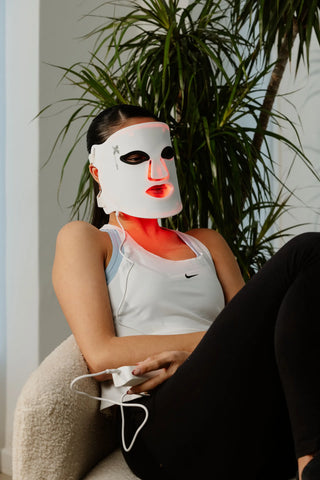
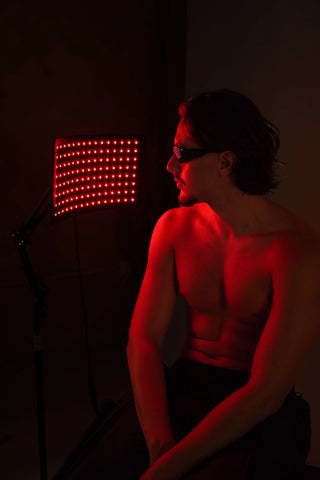
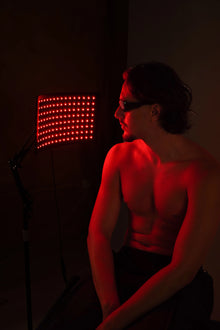
Current scientific literature indicates that pressotherapy does not replace rest, nutrition, or proper training, but it can be a useful complement . Many users combine it with other recovery technologies such as red LED light therapy for muscles and sleep, or with massage guns like the Kumopulse Air to work on deeper points.
Main benefits of pressotherapy (according to each objective)
Improved venous and lymphatic circulation
Chronic venous disease is very common. A large study in Spain of 19,800 patients found that almost half (48.5%) had some degree of venous disease in their legs, with even higher rates in women and older adults. This type of problem is associated with heaviness, edema, varicose veins, and, in severe cases, ulcers.
Intermittent pneumatic compression increases venous and lymphatic flow, reduces stasis, and promotes fluid return. In patients with advanced venous insufficiency, PPI medical protocols have been shown to reduce edema and improve symptoms when combined with compression stockings, exercise, and weight management.
Support in lymphedema and lipedema (always as a complement)
Lymphedema is a chronic accumulation of lymph that causes swelling and heaviness, often following cancer surgery or radiation therapy. Resources such as MedlinePlus highlight that treatment is based on exercise, compression, skin care, and lymphatic drainage; pneumatic compression devices are used as an adjunct in many cases.
Studies show that combining manual lymphatic drainage with compression therapy can reduce limb circumference and improve mobility and quality of life. In lipedema, the evidence is less extensive, but available data indicate that compression therapy helps relieve the sensation of tension and heaviness, although it does not eliminate the characteristic fat deposits on its own.
Relief from heavy legs, swelling, and fluid retention
For those who do not have a complex vascular diagnosis but do experience tired legs from many hours of standing or sitting, pressotherapy often provides:
- Rapid reduction of swelling in ankles and calves.
- Feeling lighter and less congested at the end of the day.
- Less sensation of "burning legs" or feeling hot.
This effect is explained by the periodic emptying of the veins and lymphatics in the leg, similar to what happens when we walk, but more intensely and in a more targeted way. Even so, it doesn't replace regular movement: the best "natural pressotherapy" is still walking and activating the calf muscles.
Well-being, relaxation and sleep
One benefit that appears repeatedly in reviews is the relaxing effect of the sessions: the rhythmic pressure and massage sensation promote a state of calm, very useful for unwinding at the end of the day. Some people combine their sessions with red or infrared light on their muscles or face, which can further enhance the feeling of rest and recovery.
Integrating pressotherapy into a coherent recovery routine—for example, by alternating it with red light therapy or with a local massage using a percussion device—helps to make recovery a true lifestyle habit .
Table: objectives, evidence, and typical opinions
| Main objective | What does the scientific evidence say? | What users are saying | Level of evidence |
|---|---|---|---|
| Lymphedema | Volume reduction and functional improvement when added to standard decongestive therapy. | Less swelling, clothes and shoes fit better, greater mobility. | Stop (as complementary therapy) |
| Chronic venous disease / edema | Improvement of edema and symptoms in advanced venous insufficiency and resistant edema. | Lighter legs, less evening ankle swelling. | Medium-High |
| Muscle recovery after exercise | No clear superiority over other methods; limited and heterogeneous evidence. | Less perceived muscle soreness, feeling of faster recovery. | Medium-Low |
| Cellulite / aesthetics | Data is scarce; compression can improve texture but the results are usually modest and temporary. | "Smoother" and less swollen legs in the short term. | Low |
| Relaxation and well-being | Evidence based more on studies of perception and subjective experience. | Rest ritual, improving the overall feeling of well-being. | Primarily subjective |
Results of pressotherapy: timeframes, frequency and realistic expectations
First sessions: immediate sensations
Many people notice changes from the first session :
- Lighter legs when getting up from the boots.
- Visible reduction of swelling in ankles and calves.
- A pleasant feeling of warmth and "activated circulation".
It's normal to feel intense pressure, but it shouldn't be painful. If the pressure becomes uncomfortable or you experience excessive tingling, reduce the intensity or stop the session and consult a professional.
After 4–6 weeks of constant use
The body needs time to consolidate changes. With regular use (for example, 2–4 sessions per week of 20–30 minutes), the most frequent feedback after 4–6 weeks is:
- Less heaviness at the end of the day, even without wearing the boots every day.
- Fewer episodes of very swollen ankles at night.
- In athletes, a perception of better recovery between intense training sessions.
These results are usually clearer when pressotherapy is combined with healthy lifestyle habits : daily physical activity, hydration, a balanced diet and, if appropriate, compression stockings recommended by the doctor.
Long-term: maintenance and change of habits
In chronic conditions such as venous disease or lymphedema, pressotherapy is rarely a "cure" treatment. It works best as a maintenance tool within a long-term plan. This involves:
- Follow your doctor's or physiotherapist's instructions regarding frequency and pressure.
- Periodically review results (perimeters, photos, symptoms) to check that you are still improving or at least stabilized.
- Adjust lifestyle: healthy weight, frequent movement, avoid prolonged sitting or standing without active breaks.
When used in this way, many people report that pressotherapy goes from being a one-off "gadget" to a stable self-care routine .
Risks, contraindications and safe use at home
When should you NOT use pressotherapy?
Although pneumatic compression is safe for most users, there are important contraindications in which it should not be used (or only under strict medical supervision):
- Acute deep vein thrombosis (DVT) or suspected blood clots in the legs.
- Active skin infections, open wounds or uncontrolled ulcers in the application area.
- Severe peripheral arterial disease (major problems with blood flow in the legs).
- Advanced and decompensated heart failure.
- Severe neuropathies with loss of sensation (risk of pressure injuries).
- Burns, recent grafts, or extensive dermatitis under the boots.
Institutions such as Johns Hopkins Medicine remind us that compression devices should be adjusted to the size of the leg, the skin should be monitored, and use should be discontinued if pain, excessive heat, redness, or unusual discomfort occurs.
How to use it safely (pressure, duration, posture)
Some general principles for safe use at home are:
- Start with moderate pressures and 15–20 minute sessions, increasing only if well tolerated.
- Get into a comfortable position, with your legs at heart level or slightly elevated.
- Do not use it immediately after a very heavy meal or under the influence of alcohol.
- Check the skin before and after the session: persistent redness, localized pain, or very deep marks are signs of excessive pressure.
If you have a history of cardiovascular or lymphatic problems, or have any doubts about your particular case, it is crucial to consult with a healthcare professional first.
Importance of professional advice
The decision to use intensive pressotherapy, especially if there is venous or lymphatic pathology, should be accompanied by a medical or specialized physiotherapy evaluation . They may:
- Confirm if pressotherapy is appropriate for your case.
- Adjust initial pressure and duration parameters.
- Integrate the use of boots with other tools (compression stockings, therapeutic exercise, lymphatic drainage).
If you are considering incorporating high-end equipment into your routine and have practical questions, you can contact the KUMO team through their contact page to receive personalized guidance on the responsible use of their recovery solutions.
Frequently asked questions about pressotherapy and user reviews
How many pressotherapy sessions are needed to see results?
Many people notice changes from the first session: less swelling and a feeling of lightness in their legs. However, to see more lasting results, it's reasonable to expect a period of 4 to 6 weeks of regular use, for example, 2–4 weekly sessions of 20–30 minutes. In cases of chronic edema or lymphedema, medical protocols are usually more intensive at the beginning and then transition to a maintenance phase. The important thing is to combine pressotherapy with daily movement, good hydration, and, if your doctor recommends it, compression garments or lifestyle changes.
Does pressotherapy work for cellulite according to reviews?
Opinions on cellulite treatments vary widely. Many users describe improved skin texture and a smoother appearance during the weeks of use, primarily due to a reduction in local fluid retention. However, scientific reviews of cellulite treatments indicate that the results of most techniques (including compression) are usually modest and temporary . Compression therapy can help improve the overall appearance of the legs when combined with exercise, a balanced diet, and weight management, but it does not completely eliminate cellulite.
Is pressotherapy better in a clinic or at home?
In-clinic pressotherapy offers the advantage of direct professional monitoring , ideal for complex conditions (advanced lymphedema, severe venous disease). Home pressotherapy, on the other hand, stands out for its frequency and regularity : you can schedule short sessions several times a week without travel, which in practice significantly impacts results. A common approach in 2026 is to combine both: initial assessment and adjustments in the clinic, and maintenance with high-quality home compression boots, always adhering to health recommendations.
Does pressotherapy hurt or can it be dangerous?
Properly adjusted, pressotherapy should not hurt. The correct sensation is one of firm, progressive pressure, similar to an intense massage, but without sharp pain or extreme numbness. When contraindications are respected (do not use in cases of acute thrombosis, severe arterial disease, active skin infections, etc.) and the skin's condition is monitored, serious adverse effects are rare. The risk increases if excessive pressure is used, low-quality devices are used, or if warning signs are ignored; therefore, it is crucial to start cautiously and consult a professional with any questions.
What do doctors and physiotherapists think about pressotherapy?
Most specialists view pressotherapy as a useful but not miraculous tool . In lymphedema and advanced chronic venous disease, it is considered a valuable complement within a comprehensive program that includes exercise, compression, and skin care. In the sports field, many physiotherapists integrate it as part of the rehabilitation process, along with massage, mobility work, and load management. In aesthetics, they generally advise realistic expectations and a holistic approach to lifestyle habits. The common message is clear: pressotherapy is beneficial, but it does not replace the rest of the treatment or professional guidance.
So what now? How to integrate pressotherapy into your recovery routine
If, after reviewing real opinions and the available evidence, you feel that compression therapy aligns with your goals—whether it's relieving tired legs, supporting lymphedema, or improving athletic recovery—the next step is deciding how and with what equipment you'll incorporate it. You can explore KUMO compression boots , designed to integrate with other recovery technologies such as LED therapy and the Kumopulse Air massage gun , to build a complete and realistic routine.
If you have clinical questions, speak to your doctor or physiotherapist first. For practical questions about usage, parameters, or integration with other devices, the KUMO team is available through their contact form . The key in 2026 is clear: to make recovery a conscious and well-informed habit, not a passing fad.
KumoWave pressotherapy
Choose your at-home pressotherapy
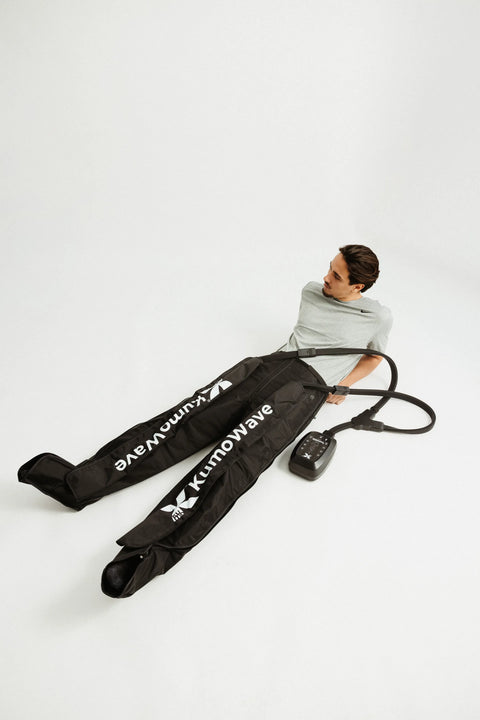
KumoWave Elite – Pressotherapy Pants
Full-coverage trousers. Ideal for lipedema, fluid retention and intensive use.
€799,00 €999,00
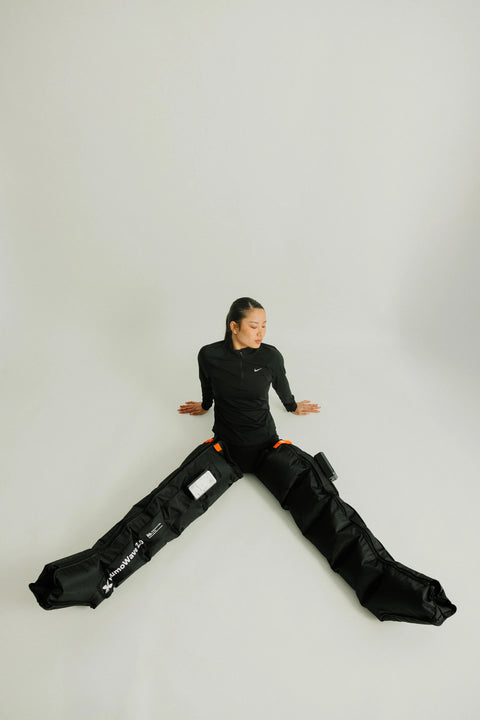
KumoWave 2.0 - Wireless Pressotherapy
Wireless, lightweight boots. Perfect for daily use and recovery.
€499,00 €599,00