Introduction: When beauty meets performance
Aesthetic technology has ceased to be a luxury in the treatment room and has become a daily self-care tool.
Today we're talking about devices like LED masks, red light therapy, compression boots, and massage guns that promise to improve your skin, relieve muscle tension, and help you recover better between intense days. In this basic guide, you'll understand what they are, how they work, and how to safely and realistically integrate them into your at-home body care routine, without falling for false promises.
Red & infrared light
Recover faster, at home
★★★★★ 4,8/5 · rated by verified customers
The KumoLux panel supports muscle recovery with full-body red and infrared light.
- 660 nm red + 850 nm infrared light
- Full-body muscle recovery
- Clinically validated biohacking protocols
€399,00€499,00
−10% on your 1st order when you subscribe to the newsletter

What exactly is aesthetic technology?
By “aesthetic technology” we mean the set of devices and treatments that use energy (light, pressure, vibration, gentle heat, etc.) to improve the appearance of the skin, support circulation, or facilitate muscle recovery. Unlike traditional cosmetics, these devices act primarily at a physical level (light, mechanical pressure, micro-vibrations) to stimulate the body's own biological processes.
In day-to-day practice, this translates into tools such as:
Personalized protocol · included with your purchase
Want us to tell you how to use it in your case?
With your purchase, our experts set up your red and infrared light sessions for your sport and goal.
Message us on WhatsAppOur experts reply · no obligation
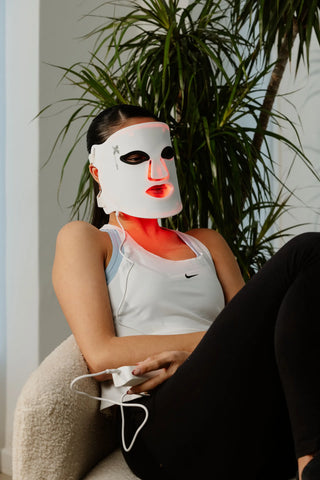
- LED light devices for facial rejuvenation and skin balancing.
- Red and near-infrared light for muscle recovery and sleep support.
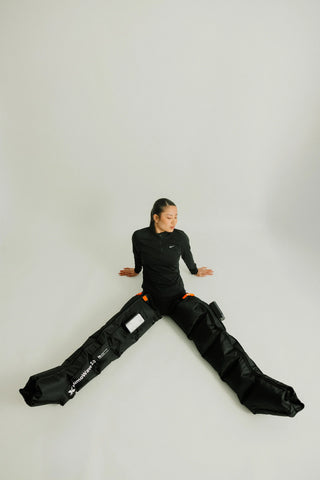
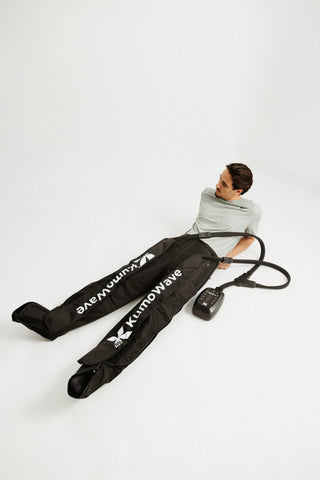
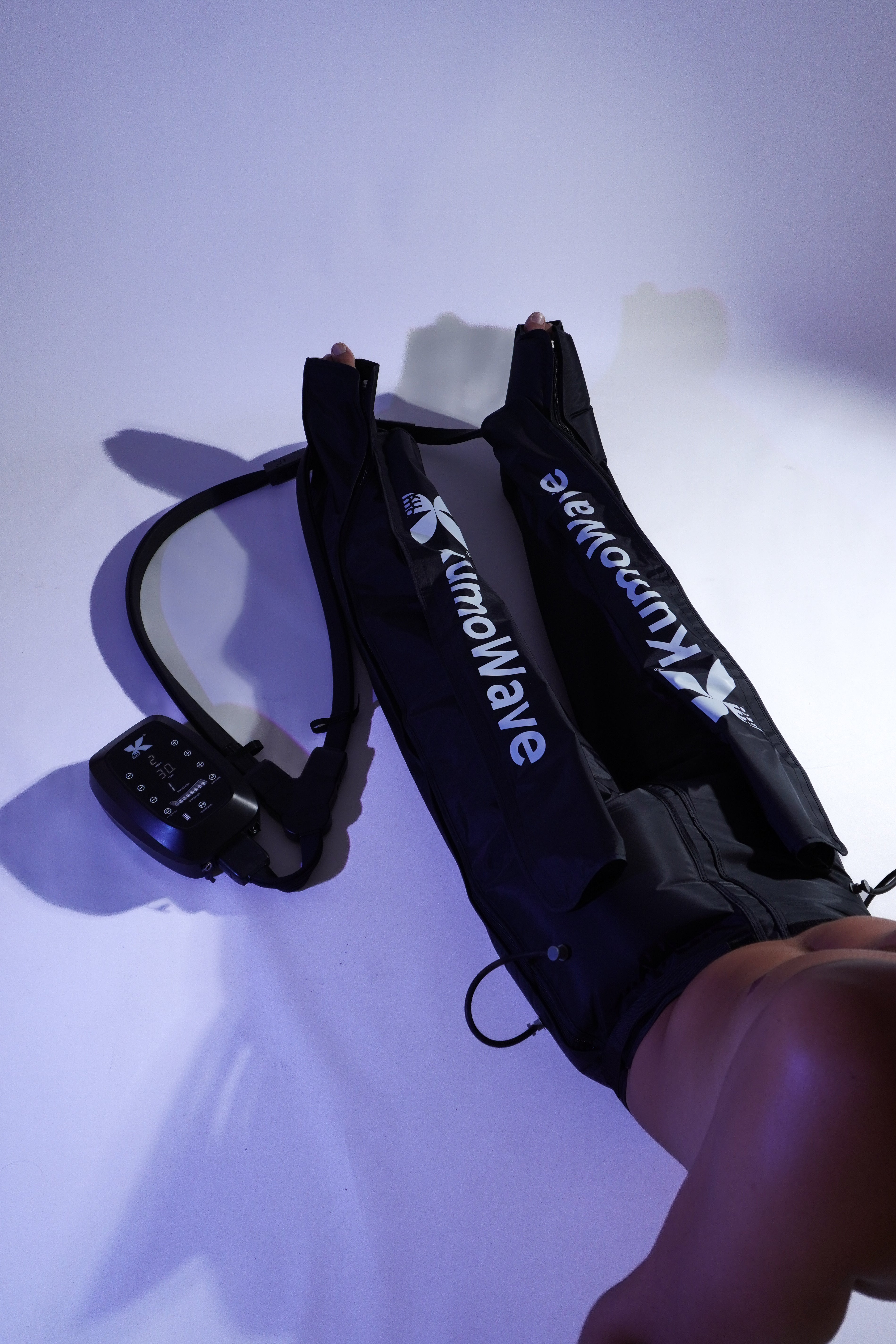
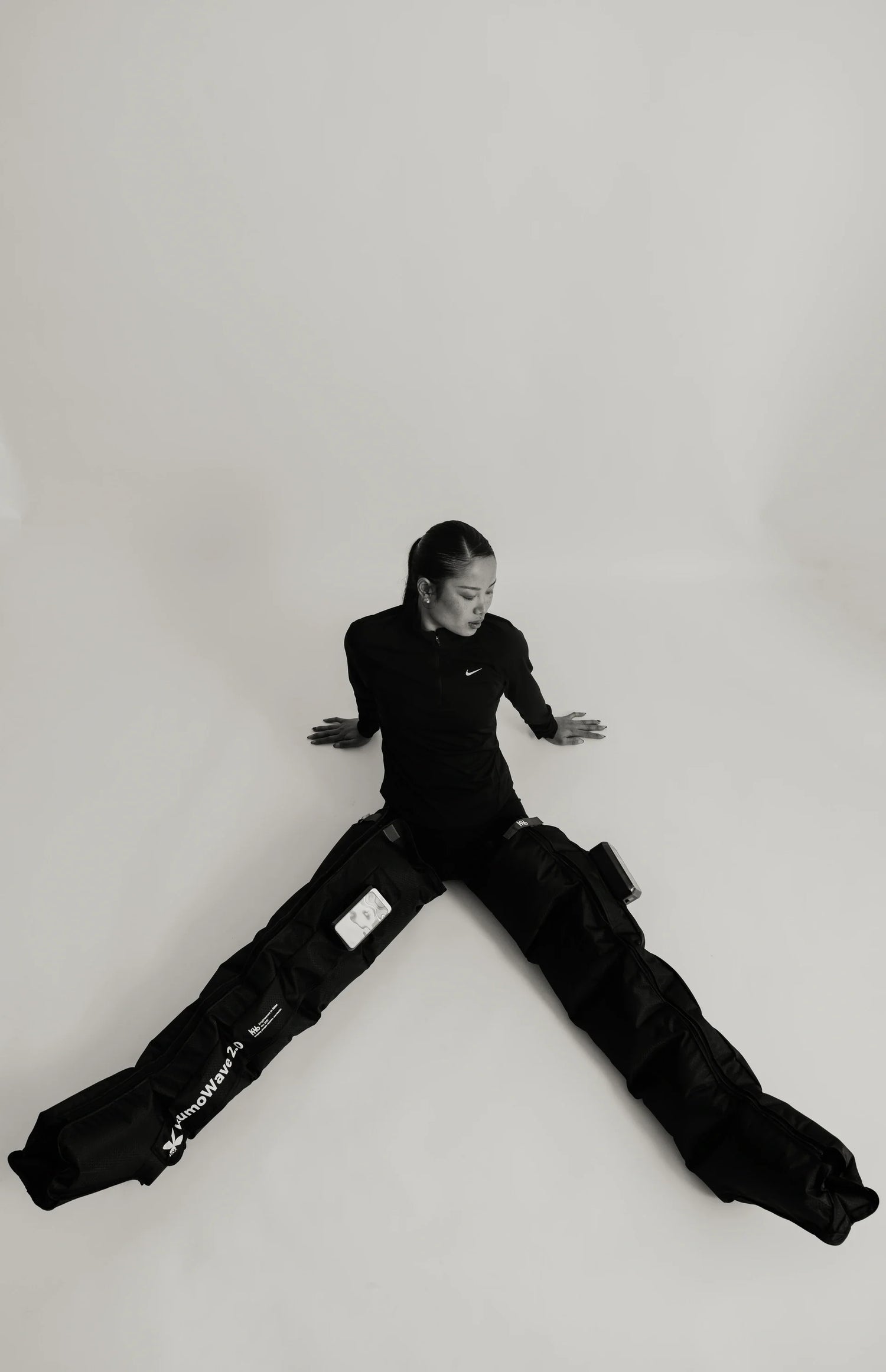
- Pressotherapy boots to activate circulation and relieve tired legs.
- Percussion massage guns to deeply relax muscles.
KUMO's proposal is situated right at this intersection between aesthetics, technology and performance, making recovery a part of an active and conscious lifestyle.
Key benefits of aesthetic technology for your body
Firmer, brighter and more even skin
One of the most studied fields is LED phototherapy. In a controlled clinical trial with 76 people, the use of red (633 nm) and near-infrared (830 nm) light twice a week for four weeks reduced wrinkles by up to 36% and increased skin elasticity by up to 19%, with an increase in collagen and elastic fibers in skin biopsies.
( pubmed.ncbi.nlm.nih.gov )These types of results explain why LED masks have become so popular: they allow for short sessions at home, with relatively safe parameters when used according to the instructions.
on your first order when you join the newsletter
We send you the code instantly. No spam.
Muscles that recover better
Red and near-infrared light can promote tissue repair by increasing collagen production and the formation of new blood vessels, as observed in experimental wound healing models treated with 630 nm light.
( pubmed.ncbi.nlm.nih.gov )On the other hand, percussion therapy with massage guns shows, in recent systematic reviews, acute improvements in strength, power, and flexibility, as well as a reduction in musculoskeletal pain when used repeatedly.
( pubmed.ncbi.nlm.nih.gov )Active circulation and lighter legs
Pressotherapy—using boots that inflate and deflate sequentially—stimulates venous return and lymphatic drainage. Reputable health sources describe benefits such as reduced swelling, relief from heavy legs, improved appearance of cellulite, and an overall feeling of muscle relaxation.
(healthline.com )Sleep and general well-being
Light management is key to your biological clock. A 2025 study compared blue light (464 nm) and red light (631 nm) over three hours at night and observed that blue light kept melatonin suppressed, while with red light, levels recovered significantly, indicating less impact on the circadian rhythm.
( pubmed.ncbi.nlm.nih.gov )Furthermore, health articles indicate that red light is less disruptive to sleep than white or blue light, making it an interesting option for nighttime relaxation routines, always combined with good sleep hygiene.
( health.com )Main aesthetic technologies to take care of your body at home
LED masks to regenerate the skin
LED light masks use specific wavelengths (primarily red, near-infrared, and sometimes blue) to stimulate different layers of the skin. Red and infrared light are associated with increased collagen synthesis and improved elasticity, while blue light is commonly used to help treat mild acne by targeting certain skin bacteria.
The aforementioned clinical study demonstrated that a combination of 633 and 830 nm improves wrinkles and elasticity without relevant adverse effects when controlled protocols are followed.
( pubmed.ncbi.nlm.nih.gov )In practice, a basic LED mask routine usually consists of:
- Short sessions of 5–15 minutes, several times a week.
- Clean and dry face before the session.
- Use consistently for at least 8–12 weeks to assess real changes.
- Appropriate eye protection if required by the device.
If you want to explore light therapy devices for home use, you can discover KUMO's selection in their LED light therapy section.
Red light therapy for muscle recovery and sleep
Red and near-infrared light therapy applies low-intensity light to the skin to stimulate mitochondria, improve cellular metabolism, and support repair processes. Recent studies with 630 nm red light have shown accelerated wound healing, with increased collagen and growth factors and decreased inflammatory markers in the treated tissue.
( pubmed.ncbi.nlm.nih.gov )In terms of sleep, red light is considered less disruptive to melatonin than blue light. In the aforementioned 2025 study, exposure to blue light kept melatonin levels very low for three hours at night, while with red light these levels recovered after approximately two hours.
( pubmed.ncbi.nlm.nih.gov )How to integrate it in a practical way?
- Sessions of 5–15 minutes on the worked muscle area, after training or at the end of the day.
- Use dim red light 1–2 hours before bed as part of a relaxing routine.
- Avoid looking directly at sources of intense light and respect the distance and times recommended by the manufacturer.
Compression therapy boots for circulation and tired legs
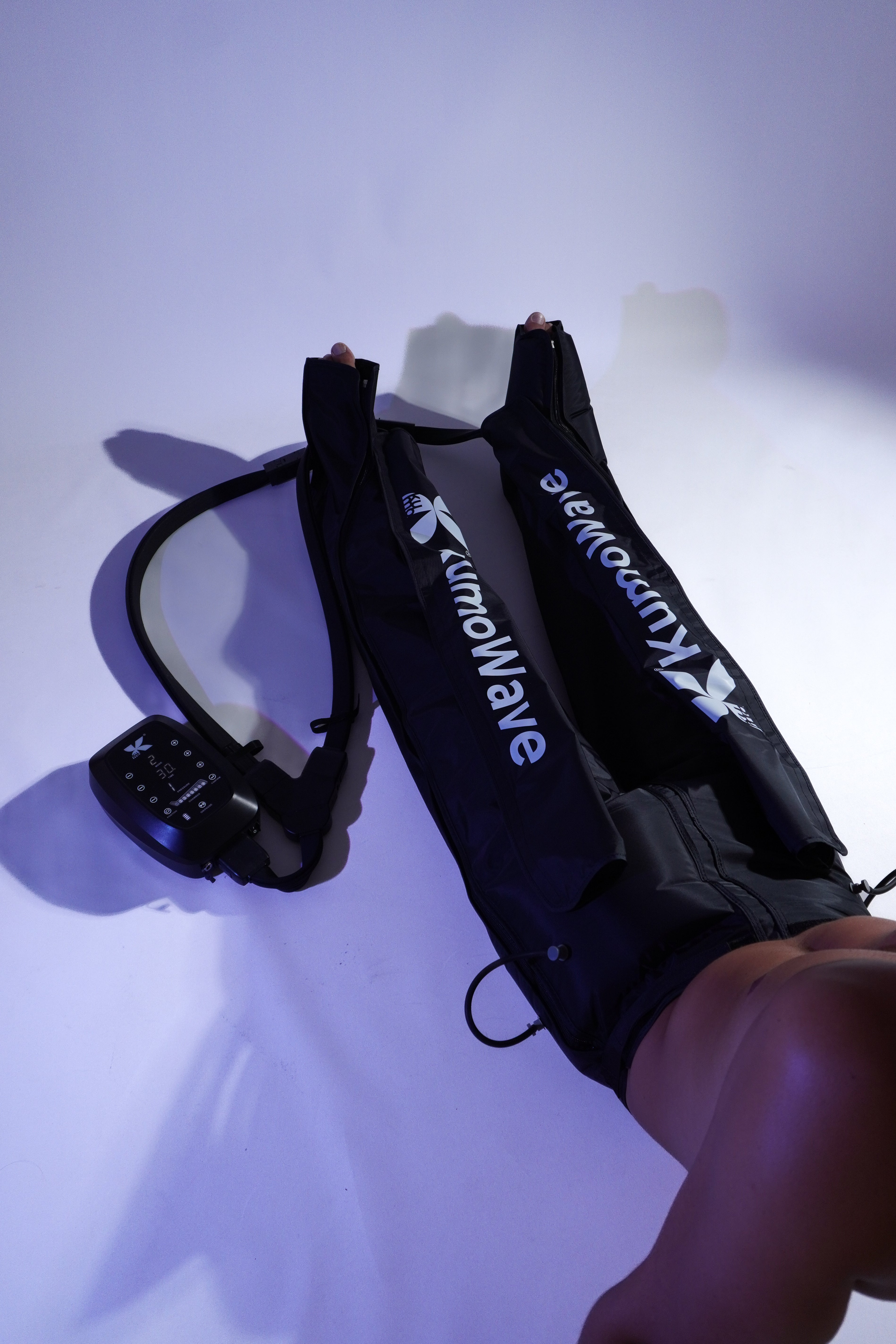
Compression therapy boots are garments that inflate and deflate in programmed cycles, applying progressive pressure from the foot up the leg. This "pneumatic massage" helps to boost blood and lymph flow towards the torso, which can reduce fluid retention and the feeling of heaviness.
Health organizations such as Healthline describe potential benefits of pressotherapy such as: muscle relaxation, less swelling and stiffness in the limbs, improvement in the appearance of cellulite and skin tone, as well as support for the lymphatic system.
(healthline.com )In the aesthetic field, it is also used as a complement to combat cellulite and edema associated with sedentary lifestyles.
(celluliteinstitute.com)If you're looking to integrate this technology into your home, you can check out KUMO's pressotherapy boots , designed to facilitate comfortable sessions after work, training, or after many hours on your feet.
Massage guns for deep muscle relaxation
Massage guns apply quick, controlled strokes to the muscle (percussive therapy) to increase local blood flow and release tension. Medical centers like the Cleveland Clinic explain that these devices can help reduce stiffness, improve mobility, and temporarily relieve muscle pain when used correctly.
( health.clevelandclinic.org )A 2023 review of the scientific literature found that, in general, percussion therapy can acutely improve strength, power, and flexibility and decrease the perception of musculoskeletal pain after several sessions, although the methodological quality of the studies is variable.
( pubmed.ncbi.nlm.nih.gov )Other, more specific studies indicate that a very short application (for example, 5 minutes on the calves after intense exercise) does not always translate into better objective recovery, which underscores the importance of usage protocols and realistic expectations.
( pubmed.ncbi.nlm.nih.gov )For home use, a simple guide could be:
- Start with low speeds and short sessions (2–5 minutes per muscle group).
- Avoid bony areas, joints, and areas with acute injuries without professional supervision.
- Do not use in case of thrombosis, serious circulatory problems or pregnancy without medical approval.
If you want to incorporate a massage gun into your recovery routine, you can discover the KUMOPULSE Air device, designed for intuitive use at home or after training.
Quick summary of aesthetic technologies and objectives
| Technology | Main objective | Typical areas | Indicative frequency* | Ideal complement |
|---|---|---|---|---|
| LED face mask | Rejuvenate, improve texture and tone | Face and neck | 3–5 times/week | Daily cleansing and sun protection routine |
| Red body light | Support muscle recovery and rest | Back, legs, shoulders | 3–7 times/week depending on workload | Gentle movement and regular sleep |
| Pressotherapy boots | Promote circulation and drainage | Legs and feet | 2–5 times/week | Active breaks and daily walks |
| Massage gun | Release tension and improve mobility | Large muscle groups | As needed, 3–6 days/week | Warm-up and stretching |
*Always respecting the manufacturer's instructions and the recommendations of your healthcare professional.
How to integrate aesthetic technology into a balanced routine
Before you begin: safety and contraindications
Safety is the foundation of any responsible use of aesthetic technology. These devices are powerful and, although designed for home use, they are not a substitute for medical or dermatological evaluation.
- Consult your healthcare professional if you have cardiovascular conditions, circulatory disorders, implants, pacemakers, epilepsy, are pregnant, or have skin diseases.
- Follow the manufacturer's instructions regarding time, distance, and frequency.
- Do not combine multiple technologies in the same area on the same day without advice.
- Discontinue use if you experience any unusual discomfort, irritation, or worsening of symptoms.
Practical tip: always start with the lowest effective dose: less time, less intensity, less frequency. There will always be room to increase; reducing after overuse is more difficult.
Example of a weekly aesthetic technology routine
This is a suggested guideline for an active person who combines office work and moderate exercise (3–4 sessions per week):
- Monday : LED facial mask (10 minutes in the afternoon) + 1 cycle of pressotherapy on legs after work.
- Tuesday : Gentle massage gun on back and shoulders (5–8 minutes total) after training.
- Wednesday : Break from devices; focus on hydration, sleep and mobility.
- Thursday : LED mask + short red light session on the most stressed muscle area.
- Friday : Pressotherapy for tired legs at the end of the day.
- Saturday : Massage gun on glutes and legs after training.
- Sunday : Light, tech-free facial care routine and a walk outdoors.
Habits that enhance aesthetic technology
The best results don't come from the device alone, but from combining it with basic habits:
- Regular sleep : tissue and hormonal regeneration occurs mainly during the night.
- Daily movement : walking and moving joints promotes circulation more than any machine.
- Nutrition and hydration : without enough protein, vitamins, and water, the body cannot make the most of light or pressure stimuli.
- Sun protection : essential if you work on the skin with LED light to prevent spots and premature aging.
- Stress management : breathing exercises, active breaks, digital disconnection; technology should help you relax, not become another source of anxiety.
Frequently asked questions about aesthetic technology
Is aesthetic technology safe for home use?
In general, aesthetic technology devices designed for home use (LED masks, massage guns, compression boots) are safe when used as directed by healthy individuals. Many devices have certifications and power limits designed to minimize risks, but this does not mean they are harmless in every situation. If you have cardiovascular disease, blood clotting disorders, retinal problems, epilepsy, are pregnant, or are undergoing active dermatological treatments (such as deep peels or photosensitizing medication), it is essential to consult your doctor beforehand. If you experience any unusual reaction, discontinue use and seek professional evaluation.
How long does it take to see improvement with an LED mask?
Improvements with LED phototherapy are not immediate; they require consistency. Clinical studies of facial rejuvenation have shown reductions in wrinkles and increases in elasticity after about four weeks of treatment, with two sessions per week, and a consolidation of results in the following months.
( pubmed.ncbi.nlm.nih.gov )In a home setting, a reasonable timeframe to assess changes in texture, radiance, and fine lines is 8 to 12 weeks of consistent use. It's important to complement the treatment with a basic skincare routine (gentle cleansing, moisturizing, daily sun protection) and not to expect results comparable to more invasive medical procedures.
Does pressotherapy really help with cellulite and fluid retention?
Pressotherapy acts on venous and lymphatic circulation, which can reduce the sensation of swelling, heaviness, and certain types of edema, and visually improve skin texture in people with cellulite associated with fluid retention. Specialized sources describe it as a useful aid in combating accumulated fluids and promoting tissue oxygenation, resulting in improved skin tone.
(healthline.com )However, it is not a permanent solution: its effects depend on consistency, combined with exercise, a balanced diet, and sometimes other medical or cosmetic approaches. It should also not be used in cases of thrombosis, decompensated heart failure, or active leg infections without medical supervision.
Can I use a massage gun every day?
Many people use massage guns almost daily without problems, but the key lies in the intensity and duration of application. Evidence suggests that well-dosed percussion therapy can acutely improve strength and mobility and reduce pain, although not all protocols are equally effective.
( pubmed.ncbi.nlm.nih.gov )If you use it daily, keep sessions short (2–5 minutes per muscle group), avoid sensitive or injured areas, and listen to your body: if more pain or irritation occurs, reduce frequency or stop using it. If you have pre-existing conditions (herniated disc, vascular problems, prosthesis), talk to your physiotherapist or doctor before incorporating it into your routine.
Does red light at night affect sleep?
Light—especially intense blue and white light—can significantly reduce melatonin production and delay the onset of sleep. Red light, on the other hand, appears to be much less disruptive. A recent study observed that, after several hours of nighttime exposure, blue light kept melatonin levels very low, while red light caused levels to recover significantly.
( pubmed.ncbi.nlm.nih.gov )Even so, the general recommendation remains to limit any screen time or bright light before bed. If you incorporate red light therapy into your nighttime routine, do so at moderate intensities, avoiding direct exposure to the eyes and combining it with other sleep hygiene measures (regular sleep schedule, dark and quiet environment).
So what now?
If you're drawn to the idea of making recovery a new way to care for your body, aesthetic technology can be a great ally, provided you use it wisely and consistently. At KUMO, you'll find devices designed to easily integrate into your daily life: from LED light therapy solutions for your skin to compression boots and the KUMOPULSE Air for your muscles. If you have any questions about which technology best suits your needs, you can contact the team through the contact page and receive personalized guidance to get started step by step.

Red & infrared light
KumoLux Panel – Red and Infrared LED Panel
★★★★★ 4,8/5 · rated by verified customers
- 660 nm red + 850 nm infrared light
- Full-body muscle recovery
- Clinically validated biohacking protocols
€399,00€499,00· pay in installments with seQura or Klarna