What is muscle health and why does it matter today?
Muscle health is much more than just "having defined muscles." It encompasses the strength, endurance, coordination, and recovery capacity of your entire musculoskeletal system.
When your muscles are healthy:
Red & infrared light
Recover faster, at home
★★★★★ 4,8/5 · rated by verified customers
The KumoLux panel supports muscle recovery with full-body red and infrared light.
- 660 nm red + 850 nm infrared light
- Full-body muscle recovery
- Clinically validated biohacking protocols
€399,00€499,00
−10% on your 1st order when you subscribe to the newsletter

- You move easily and without pain in your daily life.
- You protect your joints and your spine.
- You better regulate blood sugar and body weight.
- It reduces the risk of cardiovascular disease, type 2 diabetes, and some types of cancer.
The World Health Organization reminds us that regular physical activity, including strength training, is one of the most powerful strategies for preventing chronic diseases and improving mental well-being.
In 2026, with increasingly sedentary lifestyles, taking care of your muscle health is a direct investment in your future independence and your present quality of life.
Personalized protocol · included with your purchase
Want us to tell you how to use it in your case?
With your purchase, our experts set up your red and infrared light sessions for your sport and goal.
Message us on WhatsAppOur experts reply · no obligation
Key benefits of strong muscles
Injury and chronic pain prevention
A strong muscular system stabilizes joints and the spine, reduces stress on ligaments and cartilage, and decreases the likelihood of sprains, lower back pain, and tendinopathies. Recent studies in populations with joint pain show that about two hours of structured exercise per week can significantly reduce pain and the need for medical consultations, especially when strength and mobility work are combined.
Metabolism, weight, and daily energy
Muscle is a metabolically active tissue: it consumes energy even at rest. Maintaining or increasing muscle mass:
- It facilitates the control of body weight.
- It improves insulin sensitivity and glucose control.
- It is associated with a lower risk of type 2 diabetes and metabolic syndrome.
Media outlets like Time emphasize that strength training is probably "the best anti-aging" we have: it helps maintain bone density, balance, and independence as we age.
on your first order when you join the newsletter
We send you the code instantly. No spam.
Impact on longevity and serious illnesses
Research published in the British Journal of Sports Medicine indicates that people with good physical fitness and muscle strength can reduce their risk of death from any cause by up to 30–45% after a cancer diagnosis, compared to those with poor physical fitness and muscle weakness. Well-maintained musculature is not just about aesthetics: it's a long-term health prognostic factor.
How much activity do you need for good muscle health?
International recommendations (WHO, CDC) agree on very clear figures for healthy adults:
- 150–300 minutes of moderate aerobic activity per week (or 75–150 minutes of vigorous activity).
- Muscle strengthening exercises that involve the large muscle groups, at least 2 days a week .
The WHO estimates that around 31% of adults and 80% of adolescents do not reach these minimums, which is associated with a higher risk of non-communicable diseases and a very high overall health cost.
The good news: every move counts . You don't need to start with heavy weights or endless sessions; you do need to build a sustainable routine that combines strength, daily movement, and smart recovery.
Pillars for building and maintaining muscle health
1. Smart strength training
To stimulate the muscle, you need to apply progressive tension. This can be done with:
- Body weight (squats, push-ups, planks, lunges).
- Elastic bands.
- Dumbbells, barbells or guided machines.
Basic guidelines:
- 2-3 strength training sessions per week, allowing at least 48 hours of recovery per intense muscle group.
- 8–12 repetitions per set, 2–4 sets per exercise, with a difficulty that leaves you with 1–3 repetitions "in reserve".
- Prioritize multi-joint exercises: squats, deadlifts, pushes and pulls.
2. Mobility and motor control
Strength training without mobility increases the risk of overuse injuries. Include 5–10 minutes of mobility work at the beginning or end of your session.
- Joint mobilizations (neck, shoulders, hips, ankles).
- Dynamic stretching before training.
- Gentle stretching and deep breathing afterwards.
3. Daily movement: not just gym
Spending one hour at the gym doesn't compensate for ten hours of sitting. Organizations like the CDC remind us that moving more and sitting less is key to overall health. Some ideas:
- Walk 5–10 minutes for every hour of sedentary work.
- Take the stairs whenever possible.
- Do short active “micro-breaks” with 10–15 squats or lunges.
Nutrition and recovery for healthy muscle
Proteins, energy and micronutrients
Without raw materials, muscle cannot repair itself. General guidelines (for healthy adults without specific pathologies):
- Protein : around 1.2–1.6 g/kg/day for active people, distributed in 2–4 meals (consult a professional to adjust to your case).
- Sufficient energy : very restrictive diets make it difficult to gain or maintain muscle mass.
- Micronutrients : vitamin D, calcium, magnesium and antioxidants (fruits, vegetables, nuts) support bones, muscle contraction and recovery.
Sleep and stress: the major modulators
Most muscle repair occurs during deep sleep . Chronically sleeping less than 7 hours is associated with poorer performance, more injuries, and slower recovery. Sustained stress raises cortisol levels, which can interfere with muscle growth and sleep quality. Maintaining good sleep hygiene, relaxation routines, and digital detox are essential components of any serious muscle health strategy.
Physical recovery tools
In addition to classic strategies (gentle walking, stretching, warm baths), today we have advanced recovery technologies that can help reduce fatigue and post-exertion muscle pain, always as a complement to proper training and rest.
Modern technologies to support muscle health
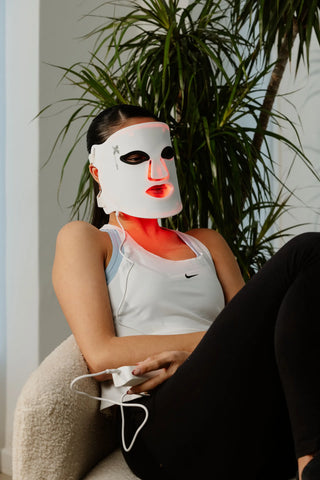
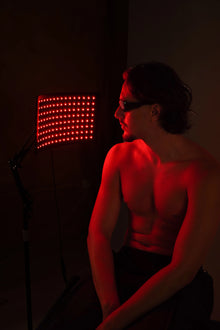
Red light and LED therapy for muscle recovery
Photobiomodulation , also known as red light/LED therapy, uses specific wavelengths (approximately 660–950 nm) to modulate cellular processes. A 2024 systematic review published in the Journal of Functional Morphology and Kinesiology found that this type of therapy can moderately reduce delayed onset muscle soreness (DOMS) at 72–96 hours and improve strength recovery in the first 24–48 hours after intense exertion, compared to placebo.
The evidence is still heterogeneous and more studies are needed, but it suggests that, when used correctly, LED light therapy could be an interesting ally in muscle recovery and general wellness programs, especially when combined with adequate sleep and balanced nutrition.
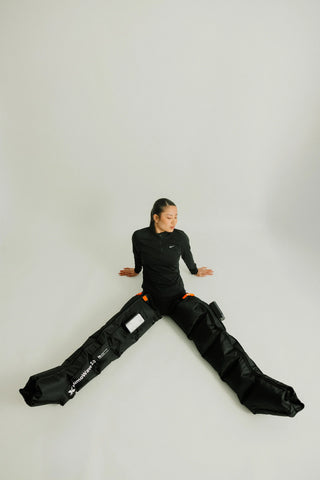
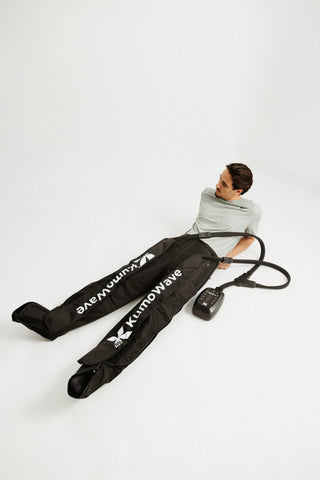
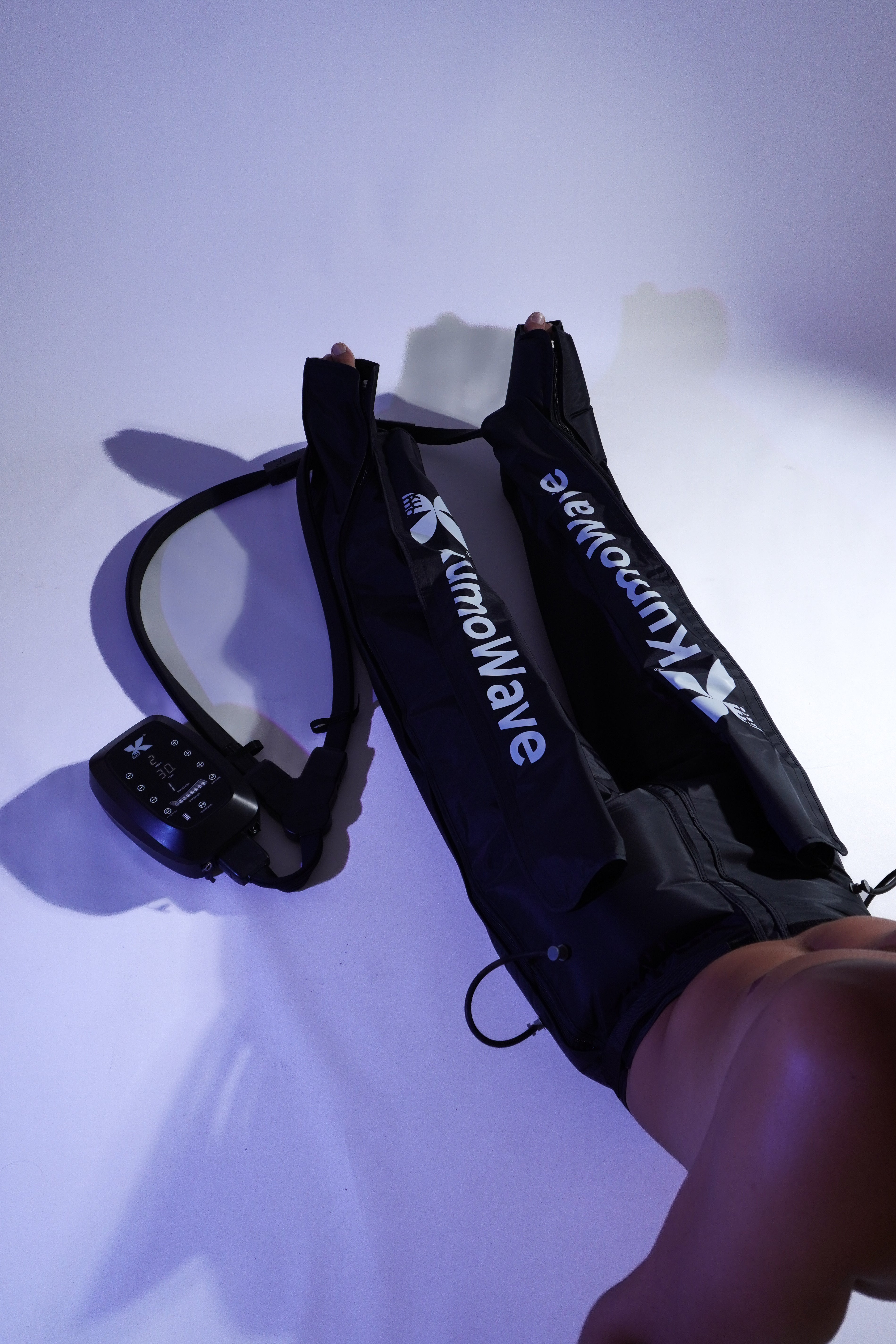
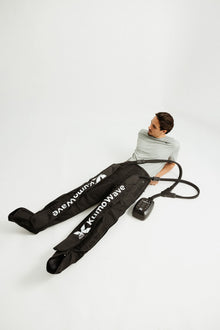
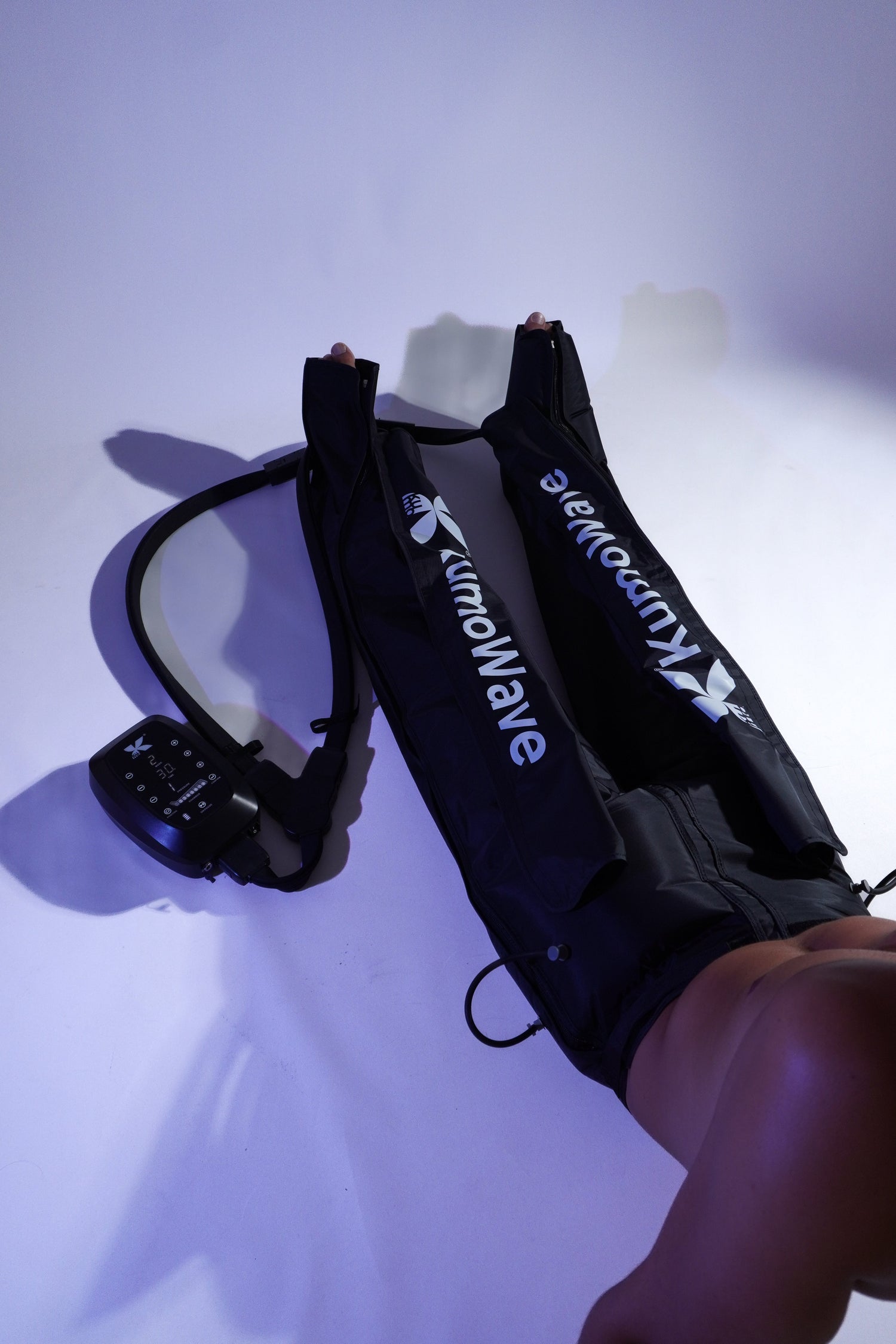
Pressotherapy and compression for tired legs
Compression therapy boots apply sequential air pressure to the limbs to promote venous and lymphatic return. A 2021 systematic review and meta-analysis on post-exercise mechanical compression therapy concluded that it can significantly reduce the sensation of muscle soreness and improve certain recovery markers compared to not using it.
In everyday life,compression boots can be useful for:
- People who spend many hours standing or sitting and feel very heavy legs.
- Athletes seeking to relieve muscle congestion after demanding training sessions.
- Users who want to incorporate a recovery ritual at home to improve the feeling of rest in their legs.
They should always be used following the manufacturer's instructions and consulting with a health professional if there are vascular problems or relevant medical history.
Percussion massage and massage guns
Percussion massage devices (massage guns) apply rapid, controlled blows to soft tissue to promote local circulation and relieve tension. A 2025 randomized clinical trial in physically active young men found that percussion massage was more effective than static stretching for DOMS recovery, especially when slightly longer sessions were used.
Integrating a tool like the KUMOPULSE Air massage gun can help you:
- Reduce stiffness after training.
- Prepare muscles before intense efforts with gentle stimuli.
- Identify particularly busy areas and give them extra attention.
It is important to start with low intensities, avoid directly applying pressure to joints and bone structures, and not use it on inflamed or injured areas without prior professional assessment.
Common mistakes that sabotage your muscle health
- Training "at full intensity" without progression: sudden increases in load or volume increase the risk of injury and overtraining.
- Neglecting strength training in favor of cardio only: aerobic exercise is essential, but it does not replace strength training.
- Sleeping poorly and for short periods limits muscle protein synthesis and prolongs fatigue.
- Relying solely on recovery “gadgets”: technology helps, but it does not replace training planning, nutrition, and rest.
- Skipping warm-up and mobility exercises: increases stiffness and reduces performance.
Practical plan: how to start taking care of your muscles in 4 weeks
This is a sample exercise for a healthy adult who wants to start or resume muscle training. Always adjust the intensity and, if you have any pre-existing conditions, consult a healthcare professional.
Basic weekly plan to take care of your muscle health
| Day | Strength training | Light movement | Recommended recovery |
|---|---|---|---|
| Monday | Full body (squats, push-ups, rows). 30–40 min. | Walk 20–30 min. | Gentle stretching + 10–15 min of red light therapy on treated areas. |
| Tuesday | Without heavy force. | Light activity (walking, gentle cycling) 30–45 min. | Optional use of compression boots for tired legs. |
| Wednesday | Full body (Monday variations, core and glutes). 30–40 min. | Walk 15–20 min. | 5–10 min of massage gun on charged areas. |
| Thursday | Mobility, gentle yoga or Pilates. 20–30 min. | Walk 20–30 min. | Focus on sleep and relaxation (digital disconnection). |
| Friday | Upper body strength + core. 30 min. | Walk or gentle bike for 20–30 min. | Stretching + percussion massage if there are tense areas. |
| Saturday | Recreational activity (hiking, dancing, sports). 45–60 min. | — | Pressotherapy boots to promote the feeling of rested legs. |
| Sunday | Active rest. | Gentle walk 20–30 min. | Short LED light routine + preparation for a good night's sleep. |
Over a 4-week period, you can gradually increase loads, work times, and, if desired, the frequency of use of recovery tools, always observing how your body responds.
Warning signs: when to seek professional help
Although mild discomfort and muscle fatigue are normal with training, there are symptoms that require attention:
- Sharp, localized pain that does not improve after a few days or worsens.
- Obvious inflammation, redness or heat in a specific area.
- Noticeable loss of strength in a limb or joint.
- Extreme fatigue, insomnia, or a marked decrease in performance despite resting.
In these cases, stop training and consult a doctor or physical therapist. Avoid applying massage or compression devices directly to potentially injured areas without prior evaluation.
Frequently asked questions about muscle health
How many days a week should I do strength training to improve muscle health?
International recommendations indicate that at least two days per week of strength training exercises that engage major muscle groups provide clear health benefits. If you're a beginner, starting with two well-designed days is usually sufficient. As you adapt, you can progress to three to four shorter sessions, alternating muscle groups. The most important thing is consistency : sustained strength training over time has a greater impact than very intense weeks followed by long periods of inactivity.
Is it possible to gain muscle mass after 40 or 50 years of age?
Yes. Although muscle mass tends to decline after age 30, numerous studies show that people in their 40s, 50s, 60s, and beyond can gain strength and muscle with well-structured resistance training programs. However, a more careful approach to progressive overload, technique, and recovery is usually necessary. At these ages, sleep, adequate protein intake, and joint health become especially important. Having professional supervision in the early stages can make a significant difference in safety and results.
Are muscle soreness necessary to know that I've trained well?
No. Delayed onset muscle soreness (DOMS) indicates that you've subjected your muscles to a new or more intense stimulus, but it's not a requirement for improvement. Training to the point of constant pain can be counterproductive and increase your risk of injury. Mild discomfort for 24–48 hours is acceptable; severe or life-limiting pain is not. Strategies such as proper hydration, sleep, light movement, and the responsible use of tools like massage guns, compression therapy, or red light therapy can help reduce discomfort without interfering with training adaptations.
Do pressotherapy and red light therapy replace stretching and rest?
No. These technologies complement the fundamental pillars: training program, proper nutrition, and restorative sleep. Available evidence suggests that both pressotherapy and photobiomodulation can reduce the perception of muscle pain and improve certain recovery markers, but they do not, on their own, correct excessive load, poor technique, or chronic lack of rest. Ideally, they should be integrated into a comprehensive muscle care routine that includes mobility exercises, gentle stretching, and stress management.
What should I do if I have little time but want to improve my muscle health?
When time is limited, efficiency is key. Two or three weekly 20–30 minute sessions of compound exercises (squats, pushes, pulls, light deadlifts) can offer significant benefits. You can also incorporate very short blocks of daily movement (5–10 minutes of walking every few hours). During recovery, a few minutes with a massage gun or a brief red light therapy session can help relieve tension without adding too much extra time. Start small, stay consistent, and gradually increase the intensity as your schedule allows.
So what now?
If you want to make muscle health a sustainable habit, the next step is simple: choose a realistic strength training plan, improve your rest, and, if you wish, support yourself with quality recovery technologies. At KUMO, you'll find LED light therapy solutions,compression boots , and devices like the KUMOPULSE Air to integrate recovery into your daily routine. If you're unsure which option is best for you, you can contact us through our contact page and take the next step toward a stronger, more functional, and resilient body.

Red & infrared light
KumoLux Panel – Red and Infrared LED Panel
★★★★★ 4,8/5 · rated by verified customers
- 660 nm red + 850 nm infrared light
- Full-body muscle recovery
- Clinically validated biohacking protocols
€399,00€499,00· pay in installments with seQura or Klarna