Recovery well also requires training.
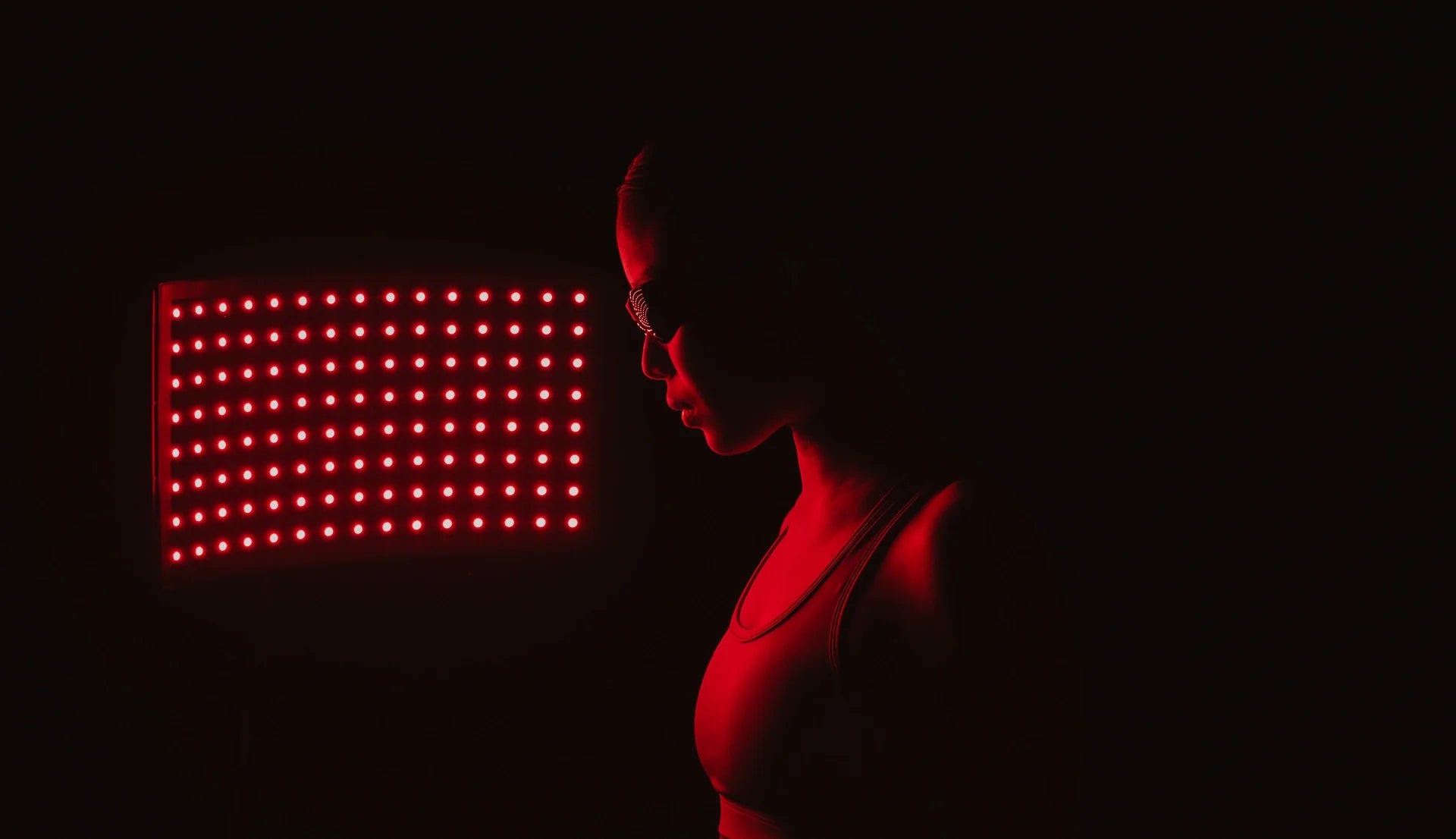
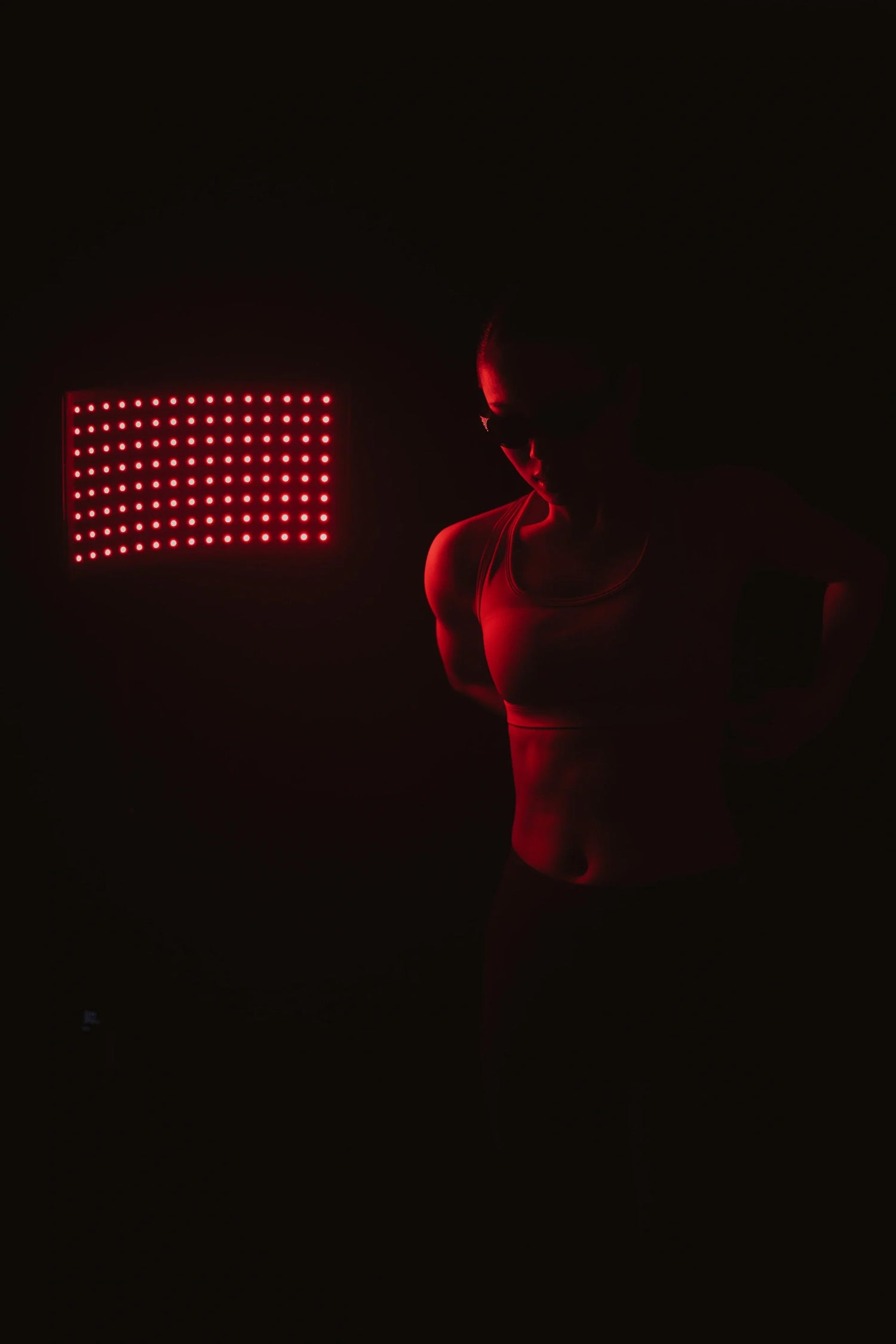
If you're looking for improved sensations after a demanding workout (less "heavy legs," less delayed onset muscle soreness, and more restful sleep), red light therapy —also called photobiomodulation (PBM) —is an interesting tool when used judiciously. In this guide, I'll explain when to apply it , what results are realistic based on the evidence, and how to integrate it into a modern recovery routine, Kumo -style.
Red & infrared light
Recover faster, at home
★★★★★ 4,8/5 · rated by verified customers
The KumoLux panel supports muscle recovery with full-body red and infrared light.
- 660 nm red + 850 nm infrared light
- Full-body muscle recovery
- Clinically validated biohacking protocols
€399,00€499,00
−10% on your 1st order when you subscribe to the newsletter

Key idea: PBM isn't "instant" magic. It works best when used consistently, with reasonable parameters, and at the right time depending on your goal (fatigue, muscle soreness/DOMS, or sleep).
What is red light therapy (photobiomodulation) and why is it used for recovery?
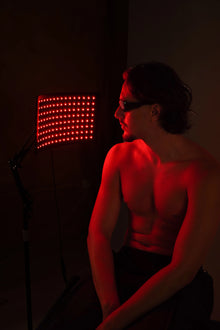
Photobiomodulation involves exposing tissues (skin, muscle) to red and/or near-infrared light using LEDs or low-intensity lasers. In sports and training, it is being investigated for its potential to modulate fatigue , support recovery , and, in some cases, improve markers related to sleep or the perception of well-being.
Personalized protocol · included with your purchase
Want us to tell you how to use it in your case?
With your purchase, our experts set up your red and infrared light sessions for your sport and goal.
Message us on WhatsAppOur experts reply · no obligation
What happens at a biological level (explained simply)
The most widely accepted explanation is that certain wavelengths can influence cellular processes linked to mitochondria (the energy "powerhouse"), with changes in signals such as ATP (available energy) and mediators like nitric oxide (involved in signaling and circulation). This doesn't mean it "heals" a muscle, but it can promote an environment more conducive to recovery when the stimulus (dose/time) is appropriate. To delve deeper into the mechanistic basis and why red light (~660 nm) and near-infrared light (~800–850 nm) are so frequently used, this review of parameters and chromophores is helpful. Source (review, 2021, PMC) and source on nitric oxide and cytochrome c oxidase (review, PubMed) .
What the evidence says (without the smoke and mirrors): what it can and cannot contribute
1) Performance and fatigue: often works best before (or very close to) exertion
A significant portion of sports research has explored pre-exercise muscle biofeedback (PBM) as a pre-exercise aid. For example, a meta-analysis of randomized controlled trials published in 2024 found small to moderate improvements in muscle endurance and strength recovery , as well as changes in creatine kinase (CK) across the analyzed studies (with effects varying according to activity level). Source (meta-analysis, 2024, PubMed) .
This does not invalidate post-workout use: it simply suggests that, if your goal is to "get in better shape" for the session or reduce the drop in performance, the pre-workout window is well supported by the literature.
on your first order when you join the newsletter
We send you the code instantly. No spam.
2) Muscle Soreness (DOMS): Interesting signs at 72–96 hours
When discussing DOMS (delayed onset muscle soreness), a recently published, open-access meta-analysis review reported reductions in perceived pain (VAS), particularly at 72 and 96 hours , as well as improvements in strength during the early 24–48 hour windows in the included studies. Note: the number of quantifiable studies was limited, and the protocols were heterogeneous (dosage, application sites, wavelengths). Source: (review + meta-analysis, PMC) .
3) What about the "full body" red light and sleep?
If your priority is to sleep better (and recover better through a cascade effect), there are some interesting but still inconclusive findings. A 2025 systematic review of whole-body photobiomodulation found that some studies reported improvements in sleep quality (even with physiological changes such as melatonin in certain designs), while no clear benefits were observed in biomarkers of fatigue or performance in the few available studies. Source (systematic review, 2025, PubMed) .
When to use red light therapy after training: 4 practical moments
There is no single "best time" for everything. The key is to choose the window based on what you notice (immediate fatigue vs. delayed muscle soreness vs. sleepiness).
Moment 1: right after (0–2 h) if you are looking to “slow down”
Useful when you finish with a general feeling of strain, stiffness, or "heavy legs." Here, PBM is used as part of a recovery transition ritual : hydrating, eating, reducing stress, and preparing for rest. Post-exercise evidence is more variable than pre-exercise evidence, but many people report feeling better when they incorporate it consistently (without expecting miracles in a single day).
Step 2: If clear muscle soreness appears after 24–48 hours
If the pain increases the next day or the second day (the typical DOMS pattern), it makes sense to schedule training sessions during this time. This is the window where many people "remember" the workout, and where DOMS reviews observe changes in strength and pain across different timeframes. Source (DOMS, PMC) .
Step 3: at 72–96 h if DOMS persists
When discomfort persists, maintaining PBM within this timeframe may be particularly consistent with findings in meta-analyses (reductions in perceived pain at 72–96 h in certain studies). Again: consistency and protocol matter as much as the timing. Source (DOMS, PMC) .
Step 4: In the afternoon/evening on busy days if your problem is sleep
If you train late and find it hard to wind down, it makes sense to try red light as part of a calming routine (no intense screen time, a proper dinner, and a comfortable bedroom temperature). Whole-body evidence suggests potential benefits for sleep, although more studies and better designs are needed. Source (2025, PubMed) .
How to create a sensible home protocol (without complicating things)
The 5 parameters that really matter
- Wavelength (red and/or near-infrared): determines penetration and target chromophores. Source (parameter review, 2021, PMC) .
- Irradiance (power per area, e.g. mW/cm²): determines “what intensity” arrives.
- Time by zone.
- Dose/fluence (J/cm²) and/or total energy (J): In sports studies, highly disparate doses are reported (from tens of joules to hundreds per muscle group), and this explains why the results can vary. Source (meta-analysis, 2024, PubMed) .
- Weekly frequency and consistency (recovery is cumulative).
If you want to understand the physical logic without complex formulas: more time isn't always better . In photobiomodulation, a "biphasic" response is described (too little may do nothing; too much may not add anything or may even worsen results). Source (review, 2021, PMC) .
Practical table: “objective → when → how to approach it”
| Main objective | When to use it | How to structure it (at home) | What to expect (realistic) |
|---|---|---|---|
| Better overall feeling after training | 0–2 h post | Brief session by working groups + breathing/relaxation; follow the device protocol | Perception of relief/comfort; subtle effects at the beginning |
| Marked muscle soreness (DOMS) | 24–48 hy repeat | Prioritize the most sore muscles; maintain consistency for 2–4 days | Possible improvement in pain and strength during specific periods (according to studies) |
| DOMS that lasts longer than usual | 72–96 h | Strengthen sessions in that range; combine with gentle mobility | In meta-analyses, perceived pain improves especially at 72–96 h |
| Sleep (late training / high stress) | Late evening | “Low stimulation” routine: red light + sleep hygiene | Potential improvement in subjective sleep quality (evidence still limited) |
Common mistakes that ruin the experience (and how to avoid them)
- Seeking an immediate, strong analgesic-like effect : PBM is usually more "thin" and cumulative.
- Copying study doses without having technical data of your device (actual irradiance, distance, area).
- Using it chaotically : 1 day yes, 10 days no. A simple and repeatable strategy is better.
- Forgetting the basics : sleep, total daily protein, hydration, volume management.
Safety and contraindications: what you should keep in mind
In general, red LED light is considered safe for short-term use when used as directed, and adverse effects are usually mild (irritation, temporary redness). However, important precautions should be taken: light sensitivity, certain photosensitizing medications, and the need for eye protection if recommended by the manufacturer. The American Academy of Dermatology provides a good summary of the safety and precautions for home-use devices. Source (AAD).
If you have a history of cancer or are in an oncology setting, the issue is more sensitive: clinical literature exists that analyzes the safety of managing treatment toxicities, but the prudent recommendation is to consult with your medical team before applying PBM to high-risk areas. Source (systematic review on safety in oncology, 2019, PubMed) .
How it fits into a "premium" Kumo-style recovery routine
At Kumo, recovery is understood as a system, not a gimmick. The red/LED light is just one more piece that you can combine with other technologies depending on your goal for the day.
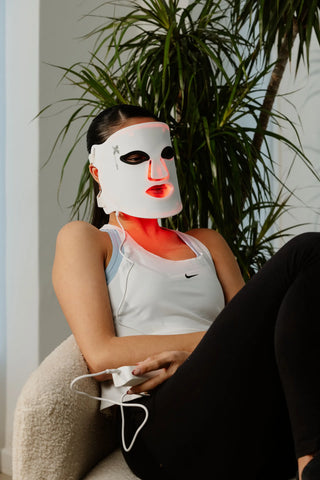
- PBM/LED to support sensations and rest: explore Kumo's LED light therapy collection.
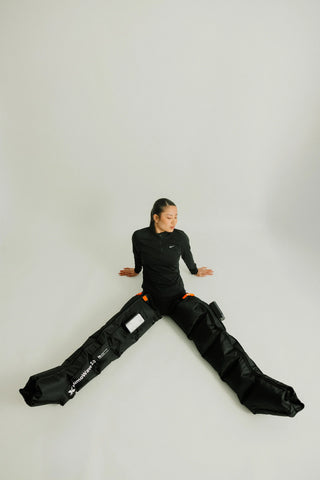
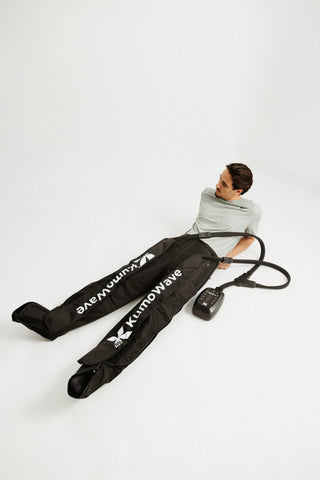
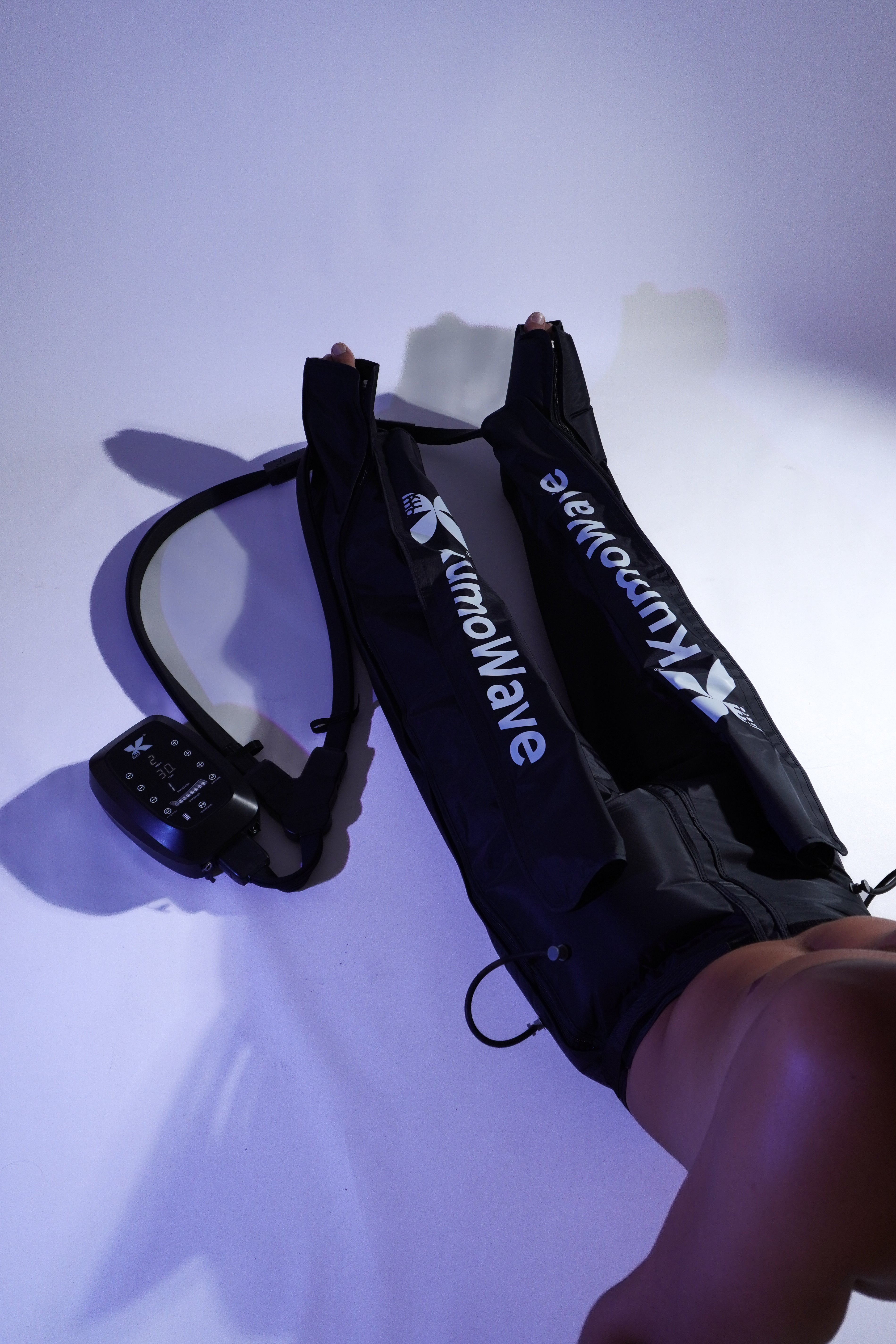
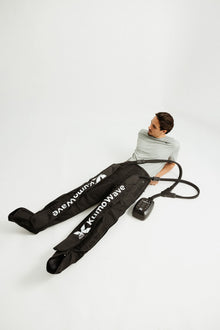
- Circulation and relieved legs after days of high volume: pressotherapy boots can be a great complement (especially if you notice heaviness).
- Localized tension (calves, gluteus medius, back): a KumoPulse Air pistol-grip can help you lower muscle tone with specific work.
The key is a logical order: first, things that reduce overall tension (calm, light, breathing exercises), then relaxation techniques (pressotherapy), and finally, localized treatments if needed (massage). Always adjust to your tolerance and how you feel.
FAQ: Red light therapy and recovery with Kumo
How long after training should I use the Kumo red light?
It depends on your goal. If you're looking to "feel better" right after your workout (less soreness), you can use it within the 0–2 hour post-workout window as part of your recovery transition. If your problem is delayed onset muscle soreness (DOMS), it usually makes more sense to schedule sessions at 24–48 hours and continue them for up to 72–96 hours if the discomfort persists, because DOMS studies show that changes in pain are most noticeable within these timeframes. Always follow the device's protocol and prioritize consistency.
Can I combine Kumo LED therapy with compression boots on the same day?
Yes, many people combine them because they address different sensations: LED light therapy is used to support recovery and comfort, while compression therapy is usually geared towards circulation and relieving leg fatigue. Keep a practical approach: choose 1–2 goals (for example, “lighter legs” and “better sleep”) and create a repeatable routine. Avoid excessive sessions if you experience irritation, fatigue, or if you exercised too late. And if you have a specific medical condition, consult a professional.
Is the Kumo red light helpful if I train in the afternoon and have trouble sleeping?
This can be a good test, especially if your problem is "switching on to sleep mode" after training. Evidence from whole-body photobiomodulation suggests potential sleep improvements in some studies, although it's still a developing field. Context is key: combine it with good sleep hygiene (reducing bright screens, eating easily digestible dinners, and maintaining a relaxing routine). If you don't notice any changes after 2–3 weeks, first review your schedule, total workload, and nighttime habits.
What sensations are normal during a session and when should I stop?
It's normal to feel no pain: at most, a pleasant, mild warmth, or nothing at all. What would not be normal is intense burning, marked irritation, or eye discomfort. Dermatologists usually recommend precautions such as following the manufacturer's instructions and using eye protection if appropriate, as well as being careful if you are taking photosensitizing medication or have photosensitivity disorders. If you notice a persistent skin reaction, worsening of spots, or visual discomfort, discontinue use and consult a doctor.
So what now?
If you want to make recovery a habit (and not just a temporary fix), integrate red light therapy into a simple, measurable routine: choose your windows (immediate post-workout, 24–96 hours, or night), be consistent for 2–3 weeks, and combine it with complementary tools when needed. For guidance on which technology best fits your daily routine, you can contact us through Kumo's contact page.

Red & infrared light
KumoLux Panel – Red and Infrared LED Panel
★★★★★ 4,8/5 · rated by verified customers
- 660 nm red + 850 nm infrared light
- Full-body muscle recovery
- Clinically validated biohacking protocols
€399,00€499,00· pay in installments with seQura or Klarna