
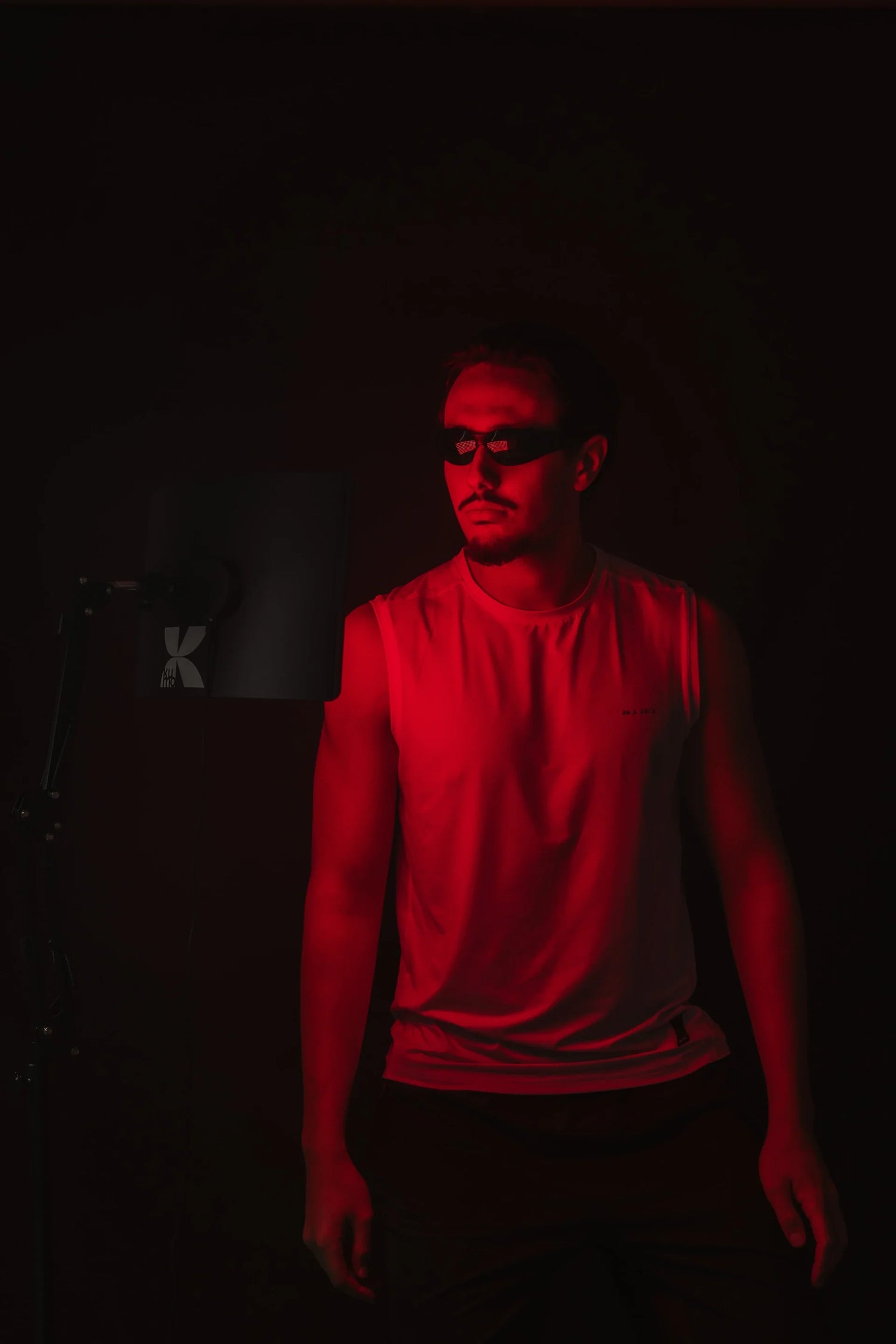
Waking up stiff is tiring. If you feel clumsy hands, heavy knees, or a stiff back when you get out of bed, the essential thing is to distinguish between temporary stiffness and a symptom that warrants medical evaluation.
For many people, it improves in a few minutes with gentle movement, warmth, and progressive activation; when it prolongs, recurs, or appears with swelling, it usually points to more than just simple fatigue.
Red & infrared light
Recover faster, at home
★★★★★ 4,8/5 · rated by verified customers
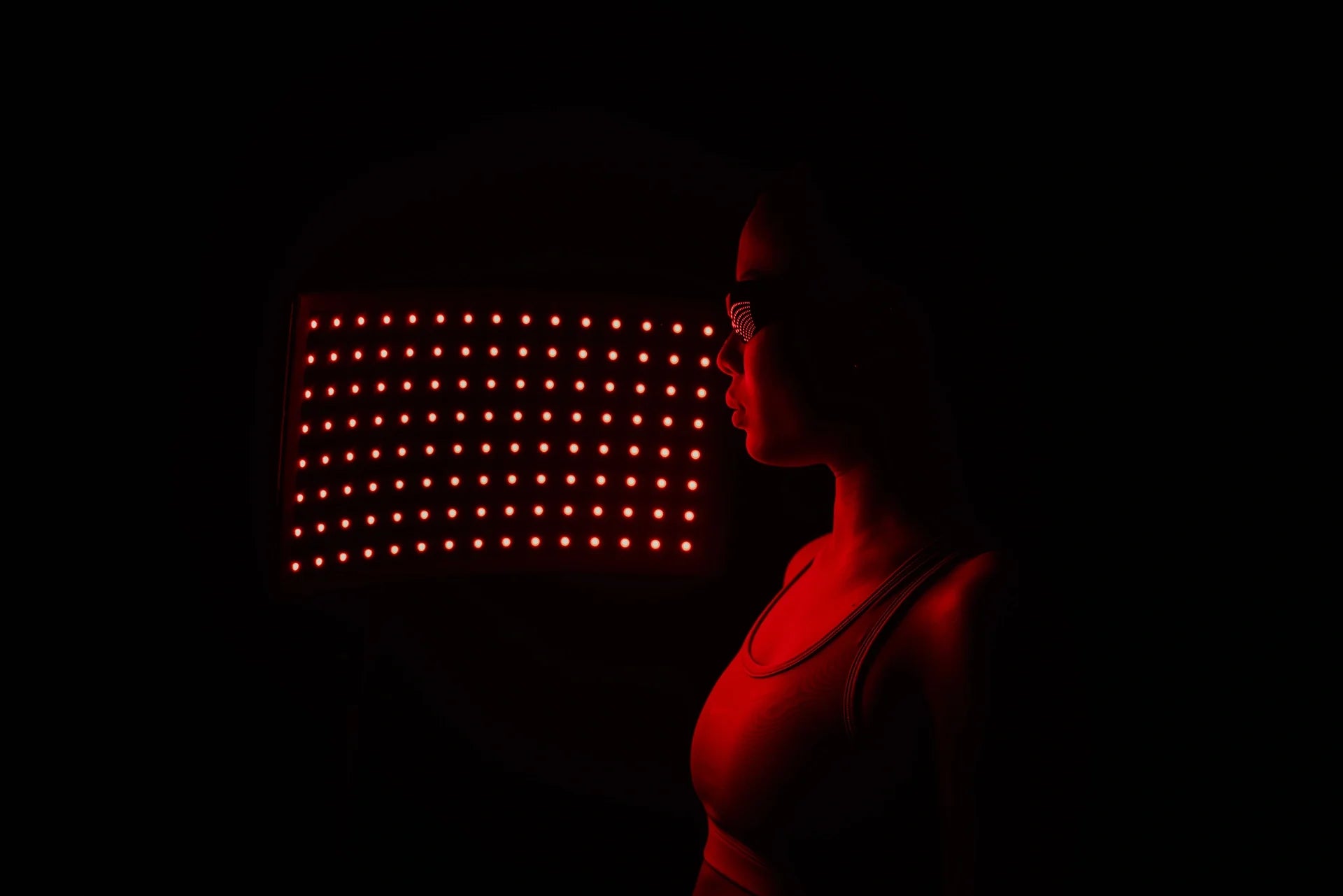
The KumoLux panel supports muscle recovery with full-body red and infrared light.
- 660 nm red + 850 nm infrared light
- Full-body muscle recovery
- Clinically validated biohacking protocols
€399,00€499,00
−10% on your 1st order when you subscribe to the newsletter

The most useful clue is usually the duration: if it subsides in a few minutes and improves with movement, it usually seems more like the body "getting started"; if it persists and is accompanied by inflammation, it should be checked.
What is morning stiffness and why does it occur?
Morning stiffness is that feeling of a cold start upon waking: it's hard to make a fist, bend your neck, get out of bed, or stretch your legs. The Arthritis Foundation on the signs of arthritis presents it as a classic warning, while the MedlinePlus guide on osteoarthritis reminds us that, in osteoarthritis, it is usually brief and improves with movement.
When stiffness lasts more than 30 minutes—and often more than an hour—affects several joints, or appears with pain, warmth, and swelling, the balance shifts towards inflammatory arthritis. In the MedlinePlus information on rheumatoid arthritis, this pattern is very common.
Personalized protocol · included with your purchase
Want us to tell you how to use it in your case?
With your purchase, our experts set up your red and infrared light sessions for your sport and goal.
Message us on WhatsAppOur experts reply · no obligation
Habits that often worsen the "cold start" feeling
Spending many hours without moving, getting up abruptly, or starting the day without a gentle warm-up can make your body feel stiffer. The idea is not to force it, but to move your joints again with the least possible friction. (nhs.uk)
- Nighttime immobility or prolonged sedentary behavior makes the return to movement feel heavier, just like after sitting for a long time.
- Osteoarthritis usually causes briefer stiffness upon waking and a "cold start" feeling that improves with warming up.
- Rheumatoid arthritis and other inflammatory arthritis conditions usually produce longer stiffness, often with swelling and greater difficulty moving several joints.
- Reactive arthritis can appear after an infection and cause morning stiffness, joint pain, or inflammation. (niams.nih.gov)
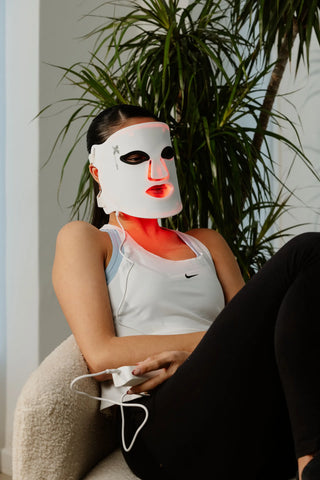
If you like to start with a calm and repeatable gesture, a morning routine with red light can be a simple way to turn those first few minutes into an easy-to-repeat habit.
Patterns that help distinguish between a mechanical and an inflammatory cause
This chart does not diagnose, but it does provide guidance on whether a gentle routine is sufficient or if a medical evaluation is advisable.
on your first order when you join the newsletter
We send you the code instantly. No spam.
Useful signs to guide you
| Pattern upon waking | What it usually suggests | Useful first step |
|---|---|---|
| Brief stiffness, without swelling, that subsides with movement in less than 30 minutes. | More consistent with osteoarthritis or stiffness due to rest. | Do gentle movement and warm heat; if it recurs frequently, a review is advisable. |
| Stiffness lasting more than 30 minutes, often more than an hour, and affecting several joints. | More suggestive of inflammatory arthritis, including rheumatoid arthritis. | Seek medical evaluation for an accurate diagnosis. |
| Stiffness or pain that appears after a recent infection and may be asymmetrical. | May be consistent with reactive arthritis. | Consult if the condition is new or limits your daily life. |
| Very prolonged stiffness, marked fatigue, or clear difficulty dressing, opening, or grasping objects. | May indicate significant inflammation or a flare-up that should not be ignored. | Request a priority review, especially if the problem worsens. (arthritis.org) |
Important: duration provides guidance but does not diagnose. If stiffness changes, worsens, or wakes you up frequently, a medical review is the safest way to clear up any doubts.
How to loosen up muscles and joints upon waking
The best strategy is usually to transition from inertia to movement gently. The Mayo Clinic on exercise and joint stiffness recommends warming up gradually, using moderate heat if helpful, and starting with a few minutes of mobility before increasing intensity; that same guide was updated in 2026.
- 1 minute to wake up the body: Before getting up, flex and extend your ankles, open and close your hands, and rotate your shoulders with a comfortable range of motion. Start small and without acute pain.
- Gentle heat if it feels good: A warm shower or a moderate heat source before moving can relax muscles; the Mayo Clinic suggests about 20 minutes and always without burning the skin.
- 5 to 10 minutes of mobility: Do shoulder circles, knee flexion and extension, gentle neck tilts, and marching in place. Consistency matters more than intensity.
- Walk for a few minutes: A short walk helps the joint warm up and prevents stiffness from lingering into the morning.
- If pain increases or stiffness prolongs: Reduce the range, avoid bouncing, and consult if you notice swelling, warmth, or daily persistence.
If your stiffness is concentrated in your knees, hands, or back, the red light and joints guide explains how to organize its use at home to support mobility and comfort.
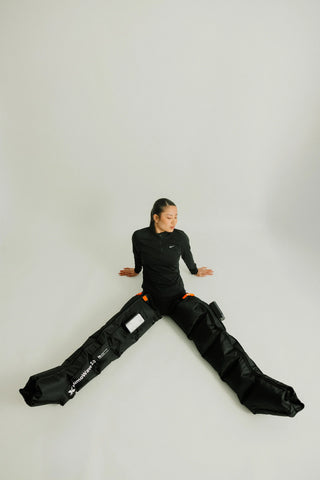
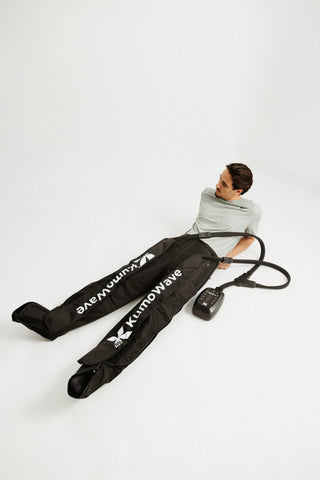
And if you're looking to add another piece to your daily recovery, you can see how to combine pressotherapy and stretching or explore tools like the KumoLux panel and the KumoWave 2.0 as wellness complements at home.
Frequently Asked Questions
Why does morning stiffness hurt my joints and how long does it last?
Morning stiffness usually appears for two main reasons: the tissue has been immobile for hours and the joint takes time to "get started," or there is underlying inflammation. In osteoarthritis, stiffness usually lasts less than 30 minutes and improves with activity; in rheumatoid arthritis and other inflammatory arthritis conditions, it usually lasts more than 30 minutes and often more than an hour. If you also notice swelling or warmth, don't normalize it.
How can I reduce morning stiffness upon waking without using medication?
Without medication, the most effective approach is usually to combine gentle heat, progressive mobility, and consistency. A warm shower, a few minutes of range of motion, and a short walk help more than staying stiff or forcing abrupt stretches. Start small, breathe, and stop if you feel acute pain or increased inflammation. If stiffness recurs daily, note how long it lasts and which joints it affects.
Can morning stiffness indicate rheumatoid arthritis or osteoarthritis?
Yes, it can point to one or the other, but it's not enough on its own to diagnose. Prolonged stiffness, swelling, warmth, and involvement of several joints, especially hands and wrists, are more indicative of rheumatoid arthritis or another inflammatory process. Osteoarthritis, on the other hand, usually causes a briefer, more mechanical "start-up." If the pattern repeats, worsens, or prevents you from performing normal tasks, a medical evaluation is advisable.
What exercises or stretches help relieve morning stiffness upon waking?
Start with gentle, broad movements: shoulder circles, ankle flexion and extension, opening and closing hands, knee lifts, and marching in place. The Mayo Clinic recommends warming up gradually, with 5 to 10 minutes of mobility before moving on to more intense exercises, and using moderate heat if helpful. If a movement causes a sharp pain or worsens swelling, reduce the range and save that movement for another time.
How long does morning stiffness usually last and when should I consult a doctor?
As a practical rule, stiffness that lasts a few minutes and improves with movement is usually less concerning than stiffness that lasts more than 30 minutes or occurs frequently. If it lasts more than an hour, if there is swelling, warmth, significant pain, or limitation in dressing and using your hands, it is advisable to consult. You should also seek evaluation if you notice that the problem appears after an infection, worsens rapidly, or changes your way of walking or grasping objects.
What now?
If you want to turn these ideas into a sustainable routine, start on the Kumo Balance homepage and review the at-home pressotherapy collection to see which approach best fits your daily life. And if stiffness lasts more than an hour or appears with swelling, consult a professional.

Red & infrared light
KumoLux Panel – Red and Infrared LED Panel
★★★★★ 4,8/5 · rated by verified customers
- 660 nm red + 850 nm infrared light
- Full-body muscle recovery
- Clinically validated biohacking protocols
€399,00€499,00· pay in installments with seQura or Klarna