
Recovery starts by not making the injury worse. In the first few days, controlling pain, swelling, and stiffness helps the tissue safely move again; that's why relative rest, ice, compression, and elevation remain the initial foundation for many sprains and strains. (nhs.uk)
Red light can be a useful complement, but it doesn't replace clinical evaluation or magically speed up all cases. The latest evidence in injured athletes suggests pain relief in some protocols, although the effect on return to play remains uncertain. (pubmed.ncbi.nlm.nih.gov)
Red & infrared light
Recover faster, at home
★★★★★ 4,8/5 · rated by verified customers
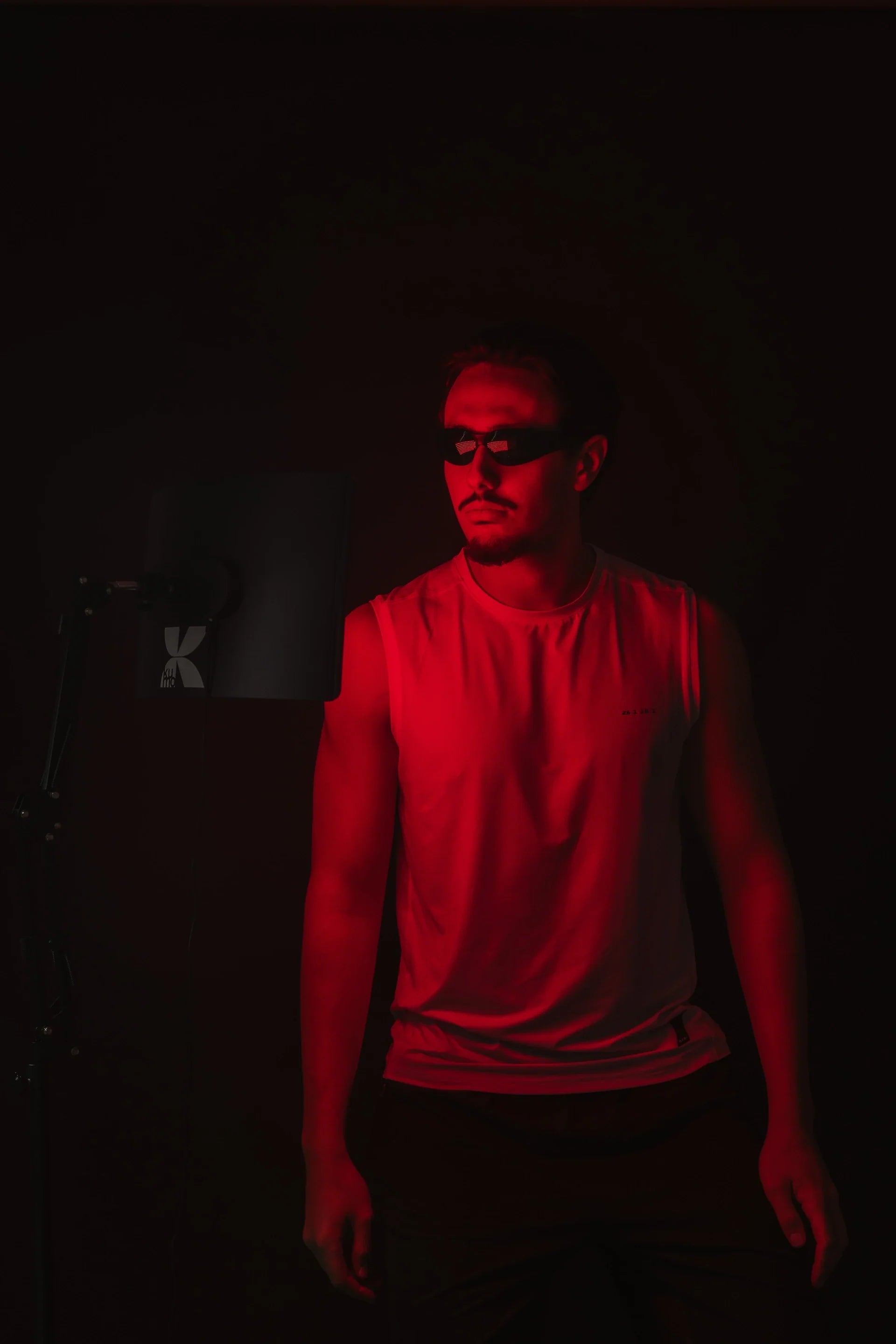
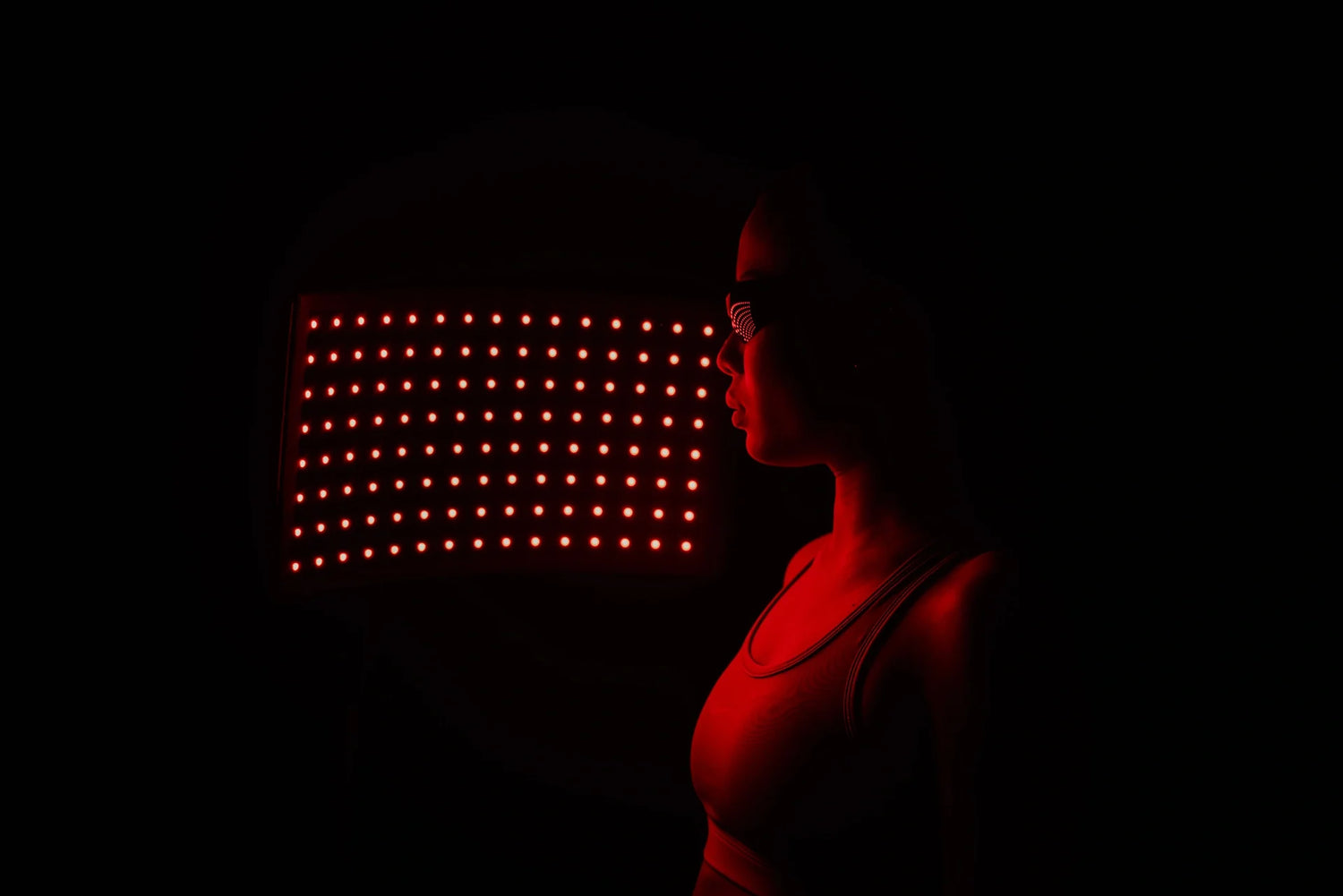
The KumoLux panel supports muscle recovery with full-body red and infrared light.
- 660 nm red + 850 nm infrared light
- Full-body muscle recovery
- Clinically validated biohacking protocols
€399,00€499,00
−10% on your 1st order when you subscribe to the newsletter

Why circulation matters after an injury
After a blow, sprain, or strain, the area often experiences edema, pain, and limited mobility. In this context, local circulation and fluid drainage matter because uncontrolled inflammation can slow functional recovery and increase stiffness. The NHS recommends the PRICE guideline during the first 2 to 3 days, and the AAOS notes that progressive movement is part of early rehabilitation.
Compression can help, but it should be gentle and monitored. Cambridge University Hospitals warns that a bandage that is too tight can interfere with circulation and that changes in color, tingling, or numbness in the fingers or toes should be monitored. (cuh.nhs.uk)
Personalized protocol · included with your purchase
Want us to tell you how to use it in your case?
With your purchase, our experts set up your red and infrared light sessions for your sport and goal.
Message us on WhatsAppOur experts reply · no obligation
If you want to expand the mechanical recovery map, the relationship between presotherapy and lymphatic drainage helps to understand why fluid and pressure release can be useful when edema dominates the picture.
What red light therapy can contribute
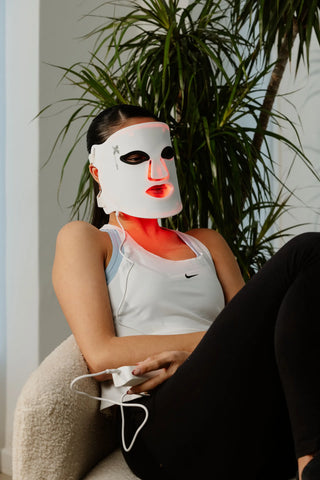
Photobiomodulation, also called red light or low-level light therapy, uses very low-energy visible light. The FDA explains that these devices work with extremely low doses that do not significantly heat the skin and that, in theory, they can modify cellular function; that's why they are being investigated in different fields, but they are not a universal solution. (fda.gov)
In sports, the scientific signal is promising but cautious. A 2024 meta-analysis of 6 trials and 205 athletes found a positive effect on pain, but not a solid improvement in return-to-play time; furthermore, another 2024 review focusing on ankle sprains did not show a clear significant benefit.
on your first order when you join the newsletter
We send you the code instantly. No spam.
Regarding circulation, some experimental and clinical studies have observed peripheral vasodilation and an increase in microcirculatory flow with PBM, but this does not mean that every device, power, or protocol will produce the same result. The response depends on the dose, area, and time of application. (pmc.ncbi.nlm.nih.gov)
If you want a reading more focused on sports use, you can see red light therapy for muscle recovery, because it better summarizes when light helps and when it falls short.
The practical idea is simple: red light can help, but real recovery still relies on protecting, offloading, moving, and retraining.
Precautions that really matter
- Do not place red light on your eyes without protection; the FDA reminds that photobiomodulation can injure the eyes and recommends adequate eye protection. (fda.gov)
- Avoid using it if you have a photosensitivity disorder, are taking photosensitizing medication, are pregnant, have an active implant, or the area has an infection, open wound, or active lesion.
- If the injury worsens after the session, or the area appears hotter, redder, or more inflamed, discontinue use and consult a professional. Evidence in sports injury remains limited and should not replace clinical evaluation.
- With bandages or compression, watch for strange discoloration, tingling, or numbness, as this may indicate that the bandage is too tight.
- If you cannot bear weight on the limb, notice a deformity, a pop, numbness, or very intense pain, seek medical evaluation; a severe sprain may involve a fracture or other associated injury.
If you are interested in exploring equipment designed for home photobiomodulation, KumoLux Panel is a red and infrared light option within the site itself.
Practical phased plan
The most sensible way to combine circulation, movement, and red light is to respect the phase of the injury. This table is indicative: if pain increases, if a neurological sign appears, or if swelling does not decrease, you must stop and re-evaluate.
Practical table: circulation, movement, and red light according to phase
| Phase | Main objective | What usually helps | How red light fits in | What to watch out for |
|---|---|---|---|---|
| 0 to 72 hours | Reduce pain and edema | Ice for 10 to 20 minutes, gentle compression, and elevation. Do not over-tighten. | Only as a complement, without direct heat, and never over the eyes without protection or over an open or infected wound. | Increasing pain, cold or bruised fingers, numbness. |
| Subacute phase | Recover mobility and functional circulation | Gentle mobility, range of motion exercises, and isometrics; the goal is to avoid stiffness. (orthoinfo.aaos.org) | It can act as support if the protocol is well adjusted, but it does not replace active rehabilitation. | If swelling increases or sharp pain appears, backtrack. |
| Progressive return | Return to running, jumping, or training without relapse | Strengthening, balance, and load progression; the AAOS insists on not returning too soon. | If red light helps you with pain, use it as a complement, not as permission to skip progression. | The reappearance of pain or instability suggests that it is not yet time. |
When you want to structure a more complete routine at home, you can rely on a home recovery routine with presotherapy, red light, and percussion massage, always respecting the order of phases and the body's signals.
Frequently asked questions
Can red light therapy accelerate sports injury recovery and improve circulation?
It can help as a complement, especially in pain management, but there's no guarantee it will unilaterally accelerate return to sport. The 2024 meta-analysis in injured athletes found pain improvement, while evidence on return-to-play time remains limited. In parallel, some studies have observed favorable changes in microcirculation, but this highly depends on the protocol. The most sensible approach is to use it in conjunction with relative rest, progressive mobility, and rehabilitation.
What precautions should I take when using red light for a sports injury to avoid affecting circulation?
The main precaution is not to confuse "more light" with "better results." Use eye protection, respect the recommended time, and avoid sessions on open wounds, infections, photosensitivity, or photosensitizing medication. It's also advisable to stop if you notice increased congestion in the area or if pain increases after use. The FDA also notes that photobiomodulation is not suitable in some clinical contexts, such as certain implants or active lesions.
How can circulation in the injured area be improved during recovery with exercises and bandaging?
During the first 2 to 3 days, follow the PRICE logic: protection, rest, ice, compression, and elevation. Afterward, when pain allows, move to gentle mobility, range of motion exercises, and isometrics to prevent stiffness. If using a bandage, ensure it doesn't cut off circulation. The AAOS and NHS agree that progressive movement and rehabilitation are key to regaining function without relapse.
How long does it take to see an improvement in circulation after a sports injury when combining rest, ice, and red light therapy?
There is no single timeframe. For minor injuries, the NHS states that most sprains and strains begin to feel better within about 2 weeks, while severe cases can take months. In practice, "improved circulation" is usually first noticed as less swelling, less heaviness, and more mobility, not as an immediate visible change. If progress stagnates or worsens, medical re-evaluation is needed.
Is red light therapy safe for sports injuries with inflammation and pain, or could it worsen swelling?
When used correctly, it generally has a favorable short-term safety profile, but it is not immune to misuse. The FDA emphasizes that the risk increases if applied excessively, without eye protection, or in inappropriate contexts. For an injury with significant inflammation, it's important to monitor the response: if swelling, heat, or pain increases after the session, discontinue use and consult a doctor. It's not an excuse to force sports activity.
What's next?
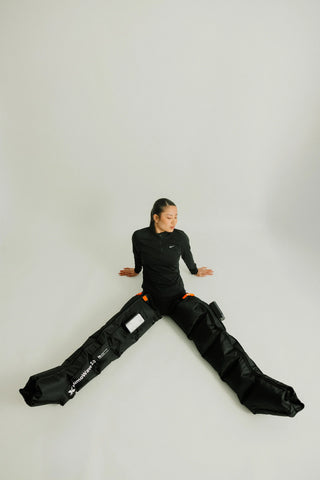
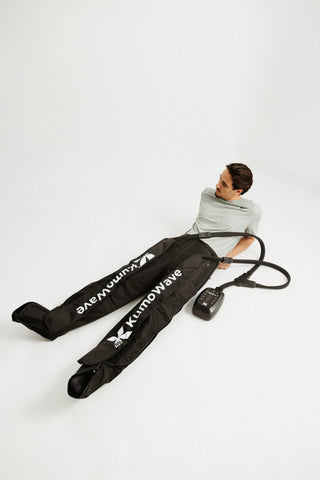
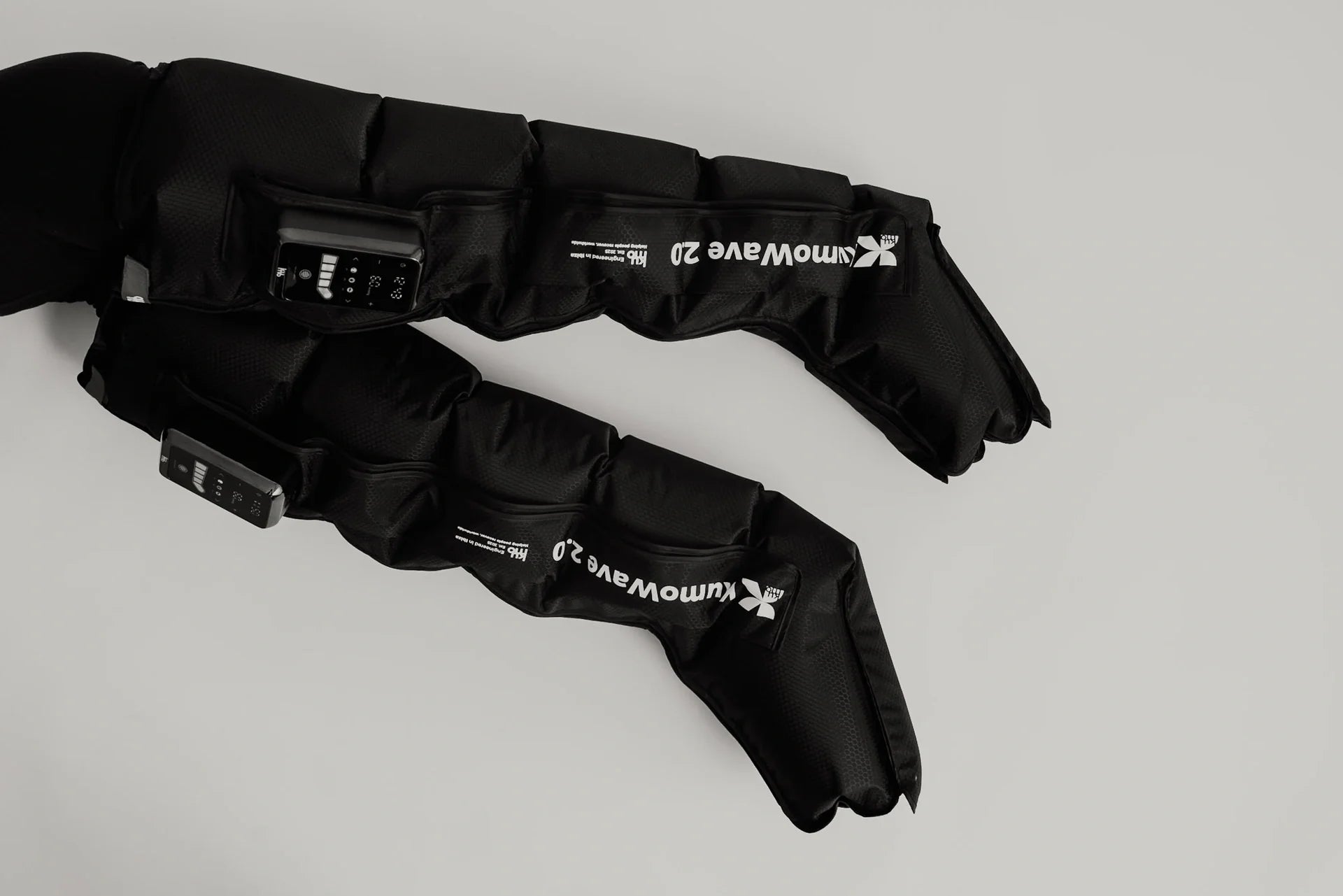
If you want to organize your recovery with discernment, start with the injury phase and then choose the support that best fits: a home recovery routine, KumoWave 2.0 for sequential compression, and the Kumo Balance homepage to see how these solutions are articulated in the same logic of well-being.

Red & infrared light
KumoLux Panel – Red and Infrared LED Panel
★★★★★ 4,8/5 · rated by verified customers
- 660 nm red + 850 nm infrared light
- Full-body muscle recovery
- Clinically validated biohacking protocols
€399,00€499,00· pay in installments with seQura or Klarna