
Introduction: Why nighttime is the best time for red light therapy
Getting a good night's sleep starts before you turn off the lights. By 2025, more and more people are incorporating red light therapy into their nighttime routine to improve sleep quality, care for their skin, and accelerate muscle recovery. In this article, you'll find a practical guide, based on available scientific evidence, to design your own nighttime red light therapy routine step by step and get the most out of it without putting your health at risk.
What is red light therapy and how does it work?
Red light therapy , also called photobiomodulation , uses low-intensity light at red and near-infrared wavelengths (approximately 630–670 nm and 800–850 nm) to stimulate biological processes without causing significant heat or ultraviolet radiation damage. Unlike the sun or tanning beds, it does not emit UV rays.
Red & infrared light
Recover faster, at home
★★★★★ 4,8/5 · rated by verified customers
The KumoLux panel supports muscle recovery with full-body red and infrared light.
- 660 nm red + 850 nm infrared light
- Full-body muscle recovery
- Clinically validated biohacking protocols
€399,00€499,00
−10% on your 1st order when you subscribe to the newsletter

At the cellular level, this light interacts primarily with mitochondria, promoting energy (ATP) production and modulating inflammatory and tissue repair processes. Studies in recent years have shown potential benefits in:
- Skin rejuvenation : reduction of fine wrinkles and increase in collagen density after several weeks of treatment. ( pubmed.ncbi.nlm.nih.gov )
- Scarring and tissue regeneration : increased collagen synthesis and angiogenesis (new blood vessels), with less inflammation. ( pubmed.ncbi.nlm.nih.gov )
- Muscle recovery and athletic performance : improved strength recovery and reduced delayed onset muscle soreness (DOMS) after intense exercise. ( pubmed.ncbi.nlm.nih.gov )
- Relaxation and sleep : Some trials have found subjective improvements in sleep and mood when red/infrared light is used before bed, although the ideal dose is still being researched. ( pubmed.ncbi.nlm.nih.gov )
Important: Although the evidence is promising, there is still no single protocol that works for everyone. Responses may vary depending on the dose, frequency, device, and individual health status.
Personalized protocol · included with your purchase
Want us to tell you how to use it in your case?
With your purchase, our experts set up your red and infrared light sessions for your sport and goal.
Message us on WhatsAppOur experts reply · no obligation
Principles of a good nighttime routine in 2025
Before discussing LED panels and masks, it's helpful to understand what your body needs for a good night's sleep. Our internal clock, or circadian rhythm , is primarily synchronized with light. Intense blue light (typical of screens and cool lights) at night can delay melatonin secretion and worsen sleep.
A recent scientific consensus recommends that, at least 3 hours before bedtime , exposure to bright, blue-rich light should be minimized, prioritizing warm, low-intensity lighting indoors. ( frontiersin.org ) This creates an environment more conducive to falling asleep.
How does red light fit into sleep hygiene?
Red light and near-infrared light have a very low blue wavelength content, so they affect the circadian clock less than white or cool light of the same intensity. This makes them good candidates for relaxation rituals before bedtime, provided they are used in moderation and without shining directly into the eyes.
on your first order when you join the newsletter
We send you the code instantly. No spam.
Even so, the key remains the same: keep the bedroom dark for sleeping, minimize screens, and use red light therapy as a complement to solid sleep hygiene, not as a substitute.
Step-by-step nighttime routine with red light therapy
Below you'll find an example of a nighttime routine designed for 2025, integrating red light therapy, skincare, muscle recovery, and mental relaxation. Adapt it to your schedule and needs.
1. 2 to 3 hours before bedtime: digital and light transition
- Start reducing your exposure to screens (mobile phone, computer, television).
- Lower the intensity of the general lighting and, if possible, use warm lights or LED strips with little blue light .
- If you have a red ambient light lamp, you can use it in the living room at low intensity to create a relaxing atmosphere without interfering too much with your circadian rhythm.
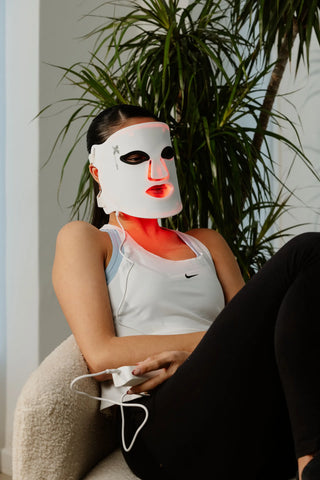
2. 60 minutes before: LED mask skincare
This is an ideal time for your skincare routine and to use an LED light therapy face mask . Clinical trials studying skin rejuvenation with red light typically apply several sessions per week for 4–12 weeks to observe significant changes in wrinkles and texture. ( pubmed.ncbi.nlm.nih.gov )
Practical tips:
- Cleanse your face and apply, if desired, a serum compatible with your device (avoid photosensitizing products unless professionally indicated).
- Apply the LED mask following the manufacturer's instructions and limit the session to the recommended duration (e.g., 10–20 minutes, depending on the device).
- Relax: take a deep breath, listen to soft music, or meditate while the light works its magic.
If you're looking for specific light therapy devices for the face or body, you can explore KUMO's LED light therapy collection , designed to easily integrate red light into your daily routine.
3. 30–45 minutes before: muscle recovery and physical relaxation
If you train in the afternoon or spend many hours sitting, nighttime is the perfect time to combine red light therapy with muscle recovery . Human studies have observed that a single 630 nm LED session applied immediately after eccentric exercise can improve strength recovery and reduce muscle soreness in the following days. ( pubmed.ncbi.nlm.nih.gov )
Ideas for this time slot:
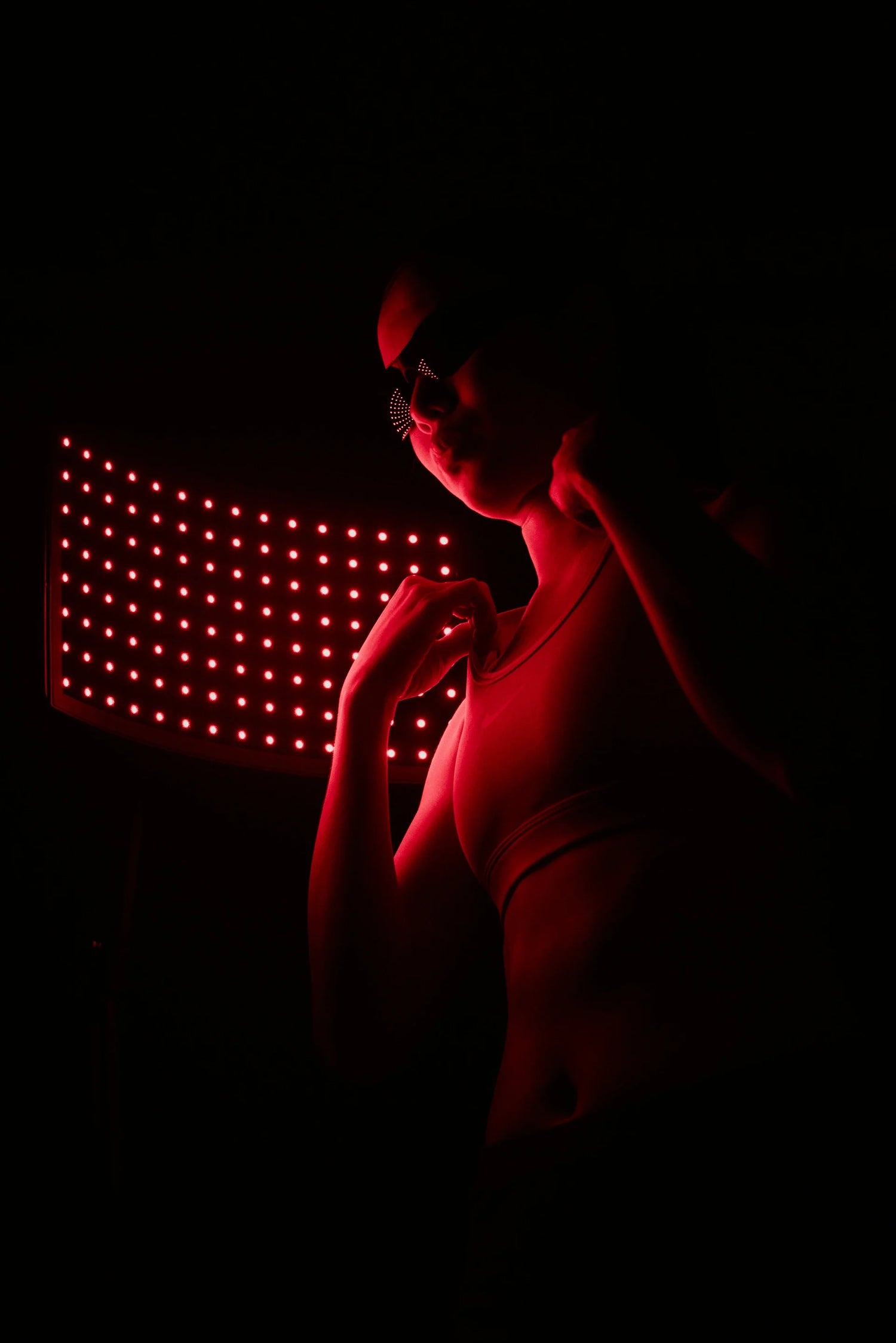
- Use localized red light on the most stressed muscle groups (legs, back, shoulders), always following the manufacturer's recommendations for distance and time.
- Combine it with gentle stretching or self-massage.
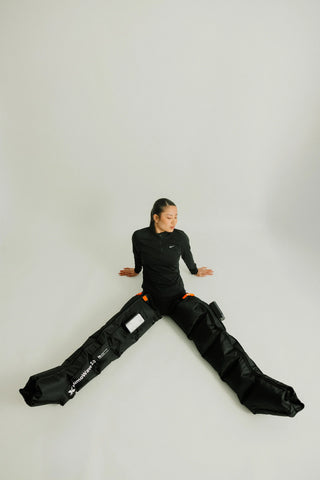
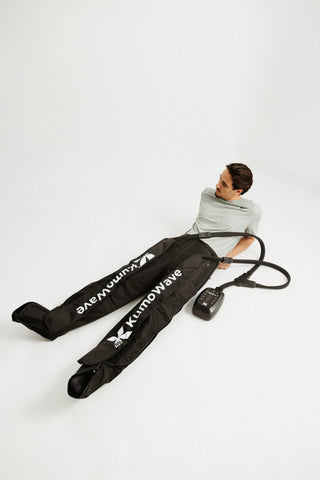
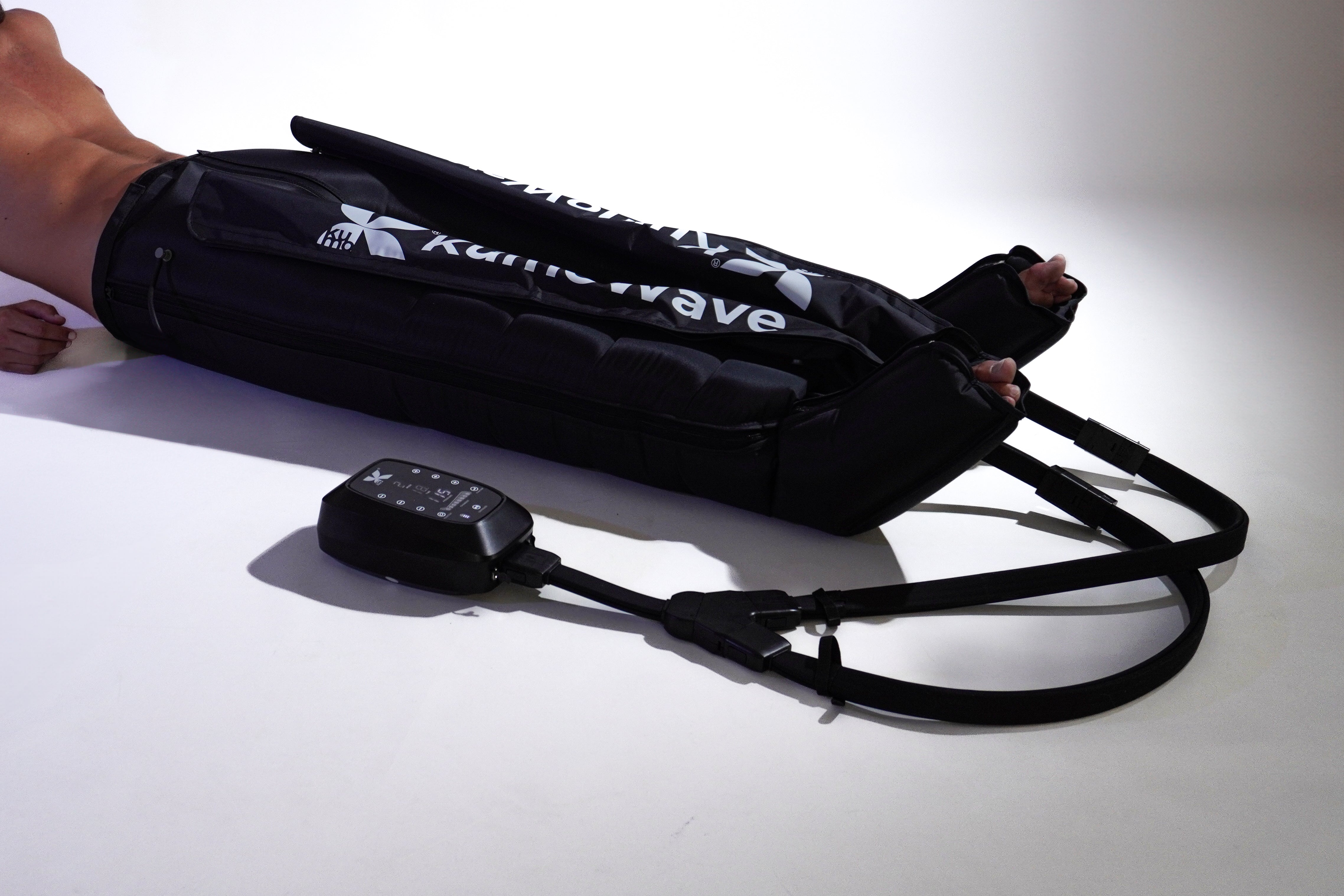
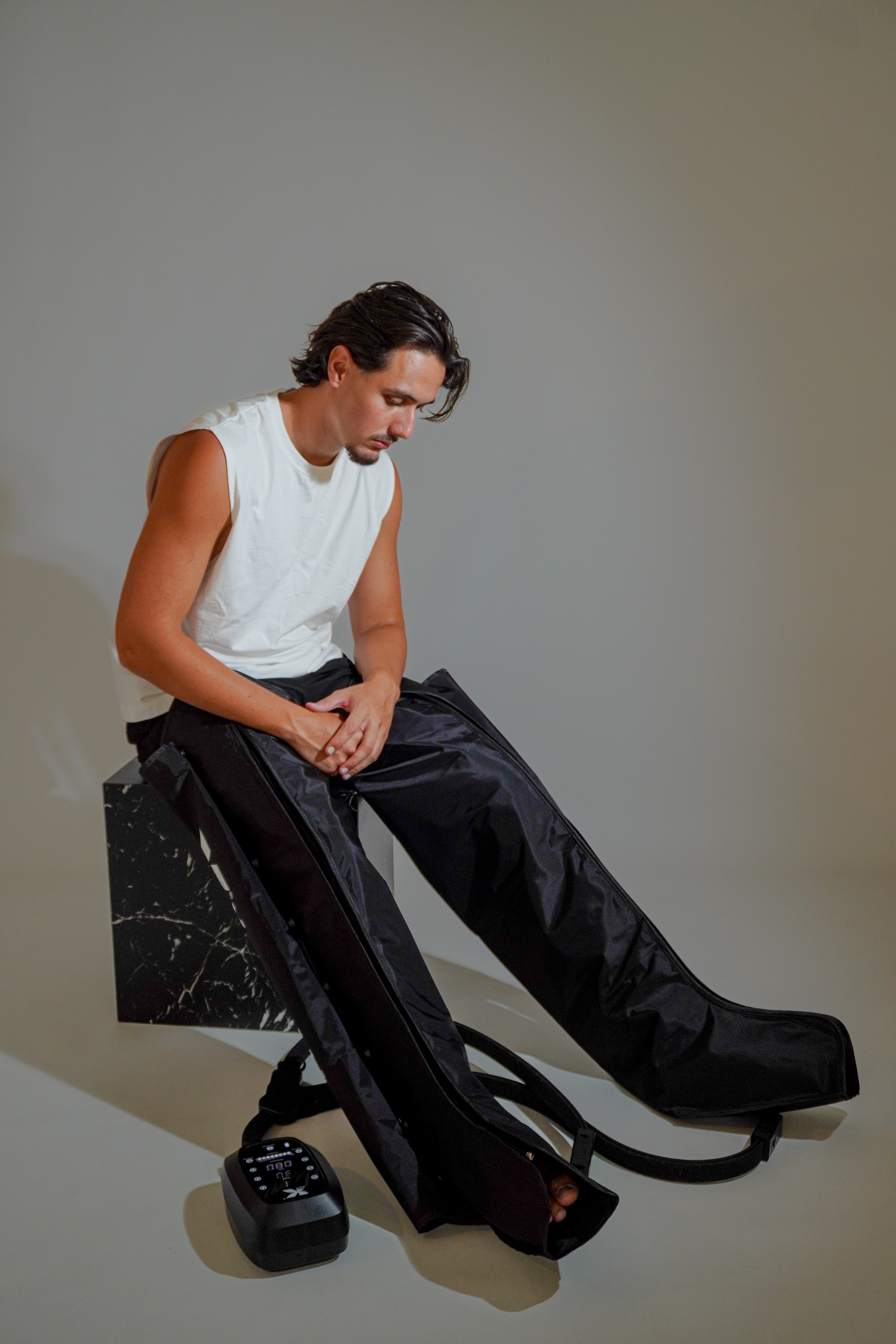
- Include, on some days, pressotherapy boots or other pneumatic compression systems to improve the feeling of tired legs.
For those looking to relieve leg pain after work or sports, KUMO's pressotherapy shop offers solutions designed for recovery and well-being at home.
4. 15–20 minutes before: bedroom atmosphere and calming ritual
- Dim all the lights in the bedroom as much as possible. If you need to, use only a dim red light to see what's essential.
- Avoid any direct screen (mobile, tablet, computer).
- Dedicate 10–15 minutes to a breathing routine, writing gratitude, light reading, or very gentle stretching.
- If you have already used the red light a few minutes before, it is not mandatory to repeat it: the priority now is darkness and silence.
Table: Example of a nighttime routine with red light therapy
| Approximate schedule | Main action | Approximate duration | Aim |
|---|---|---|---|
| -3 h | Reduce screen time and lower light intensity. | 15–30 min | Initiate circadian transition to night |
| -1 h | Skincare + red light facial mask | 10–20 min (depending on device) | Skin care and relaxation |
| -45 to -30 min | Red light on muscle areas + stretching | 10–15 min | Muscle recovery and tension relief |
| -20 to -10 min | Pressotherapy or muscle massage (as needed) | 10–20 min | Improve the feeling of heavy legs and rest |
| -10 min | Breathing, soft reading, progressive darkness | 10 min | Prepare mind and body for sleep |
Potential benefits of red light therapy in your nighttime routine
Firmer and more radiant skin
The skin is one of the areas with the highest volume of research on red light. A 2023 randomized clinical trial in 137 women found an approximately 30% reduction in periorbital wrinkle volume after 10 sessions of photobiomodulation with red and amber light over 4 weeks. ( pubmed.ncbi.nlm.nih.gov ) Another study with 136 volunteers showed that red and near-red light applied twice weekly for 30 sessions improved skin texture and increased intradermal collagen density compared to a control group. ( pubmed.ncbi.nlm.nih.gov )
In practice, these results translate into skin that can look more even, with fine lines somewhat softened and a better feel to the touch, provided it is combined with a suitable cosmetic routine and daytime sun protection.
Muscle recovery after exercise
Photobiomodulation applied to muscle has been studied in both recreational and competitive athletes. A 2016 review compiled 46 trials and found that, in many of them, red or infrared light improved parameters such as maximal strength, repetitions to fatigue, and markers of muscle damage. ( pubmed.ncbi.nlm.nih.gov )
In a controlled trial with 17 young men, receiving 630 nm LED light on the biceps immediately after intense eccentric exercise promoted strength recovery and reduced pain compared to the placebo group. ( pubmed.ncbi.nlm.nih.gov ) Integrating these sessions into the evening, along with stretching and adequate rest, can be part of a comprehensive strategy for performance and overuse prevention.
Relaxation and possible sleep support
A 2023 study evaluated a red and near-infrared light collar device worn before bedtime by adults with sleep complaints. Although objective measures (actigraphy) did not change significantly compared to placebo, users of the active device reported improved sleep quality, greater relaxation, and a better mood the following day. ( pubmed.ncbi.nlm.nih.gov )
Furthermore, current recommendations emphasize reducing blue light at night and keeping the bedroom as dark as possible during sleep, which is compatible with the occasional use of low-intensity red light in the hours before bedtime. ( pmc.ncbi.nlm.nih.gov ) The prudent conclusion is that red light therapy can be a helpful tool for promoting nighttime well-being, as long as it is integrated into good sleep hygiene.
How to integrate KUMO devices into your nighttime routine
LED masks and panels for facial care
Red light masks and LED panels are especially well-suited to your nighttime routine, when your skin is clean and free of sunscreen. You can use a mask to treat your face and neck, or a panel for specific areas like your décolleté, hands, or other sun-exposed areas.
The key is consistency, not exceeding the recommended usage times, and combining light therapy with carefully chosen cosmetic products. In KUMO's LED light therapy section, you'll find devices designed to make photobiomodulation a natural part of your nighttime routine.
Red light for full body and recovery
Larger panels or full-body devices can be used in short sessions, targeting overworked muscle groups (legs, lower back, shoulders) after a workout or a demanding day. Incorporating them 2–4 times per week, depending on how you feel, can complement mobility, stretching, and massage exercises.
Remember that the position, distance to the device and duration should be adjusted according to the manual of each piece of equipment: more does not always mean better, and excessive use does not necessarily increase the benefits.
Pressotherapy and muscle massage to complete the routine
A complete nighttime routine isn't limited to light therapy. Pressotherapy can be very helpful for those who suffer from tired legs, spend many hours on their feet, or train intensely in high-impact sports. Incorporating it after applying red light therapy to the legs can provide an added feeling of lightness and relaxation.
On days with heavier workouts, you can combine red light therapy (over key muscle groups) with a massage gun for deeper work on trigger points. Products like the KUMOPulse Air massage gun allow you to adjust the intensity and massage heads to suit each area and time of day, including nighttime, as long as you avoid overly intense stimulation right before bed.
For those who prioritize relief from heavy legs, KUMO's pressotherapy line offers solutions focused on comfort and circulation, easily integrated into the nighttime ritual.
Safety, contraindications and realistic expectations
Is red light therapy safe at night?
In published clinical trials, low-power red and near-infrared light is generally considered safe and well-tolerated, with very few mild side effects (such as a sensation of warmth or transient skin reddening). ( pubmed.ncbi.nlm.nih.gov )
However, this applies to devices specifically designed for therapeutic use, with controlled wavelengths and power levels. It is important not to look directly at very intense light sources at close range and to always follow the manufacturer's instructions.
When to consult a healthcare professional
Before incorporating red light therapy into your routine, it's advisable to discuss with your doctor or specialist whether:
- You have illnesses or treatments that cause photosensitivity (certain drugs, dermatological conditions, lupus, etc.).
- Do you suffer from significant eye diseases or have you recently undergone eye surgery?
- You are pregnant, have active cancer, or serious illnesses under investigation.
- You plan to use the red light on areas with open wounds, recent tattoos, or very recent surgical scars.
Red light therapy does not replace medical or psychotherapeutic treatments prescribed by a professional, but it can be integrated as a complement in many cases, under supervision.
What results can you expect and within what timeframe?
In skin studies, improvements in wrinkles and texture typically appear after several weeks of consistent use (e.g., 2–3 sessions per week for 4–12 weeks). ( pubmed.ncbi.nlm.nih.gov ) In the sports field, some benefits in muscle recovery have been observed from the first session applied around training. ( pubmed.ncbi.nlm.nih.gov )
In terms of sleep and well-being, the changes are more subtle and depend heavily on your overall sleep hygiene: regular schedules, dark environment, appropriate temperature, stress management, etc. Consider red light therapy as an accelerator or amplifier of good habits, not as an isolated miracle cure.
Frequently asked questions about red light therapy in the nighttime routine
How long should I use red light therapy before going to sleep?
There's no standard duration that works for everyone, but many skin studies use sessions of 10 to 20 minutes, several times a week. For nighttime, a single short session within your routine is usually sufficient: for example, 10–15 minutes with a face mask or panel, finishing at least 15–30 minutes before bed so you can then remain in dim light or darkness. Start with short sessions (5–10 minutes) and gradually increase the time if your skin and tolerance allow, always following your device's instructions.
Can red light therapy replace my nighttime skincare routine?
No. Red light therapy is a complement to , not a substitute for, basic skincare. You will still need thorough cleansing, moisturizers suited to your skin type, and sun protection during the day. Photobiomodulation can help improve texture, radiance, and the appearance of fine lines, but it does not replace cosmetic ingredients such as retinoids, antioxidants, or ceramides when indicated. Ideally, red light therapy should be incorporated after cleansing and, if your dermatologist approves, after applying certain serums, so that everything is part of a coherent and sustainable long-term routine.
Is it better to use red light therapy in the morning or at night?
Both times can be useful, depending on your goal. In the morning , some people use it on muscles before training or on sore areas to start the day with less stiffness. At night , red light fits well with skincare routines and post-exercise muscle recovery, without interfering with sleep as much as bright white or blue light. If your priority is sleep hygiene, it's usually more sensible to concentrate the therapy in the hours before bedtime and avoid bright screens, maintaining a warm and dimly lit environment.
Does red light therapy affect the eyes or eyesight?
Clinical studies with low-power medical devices have not shown any eye damage to date when used properly. However, the retina is sensitive to bright light, so it is wise to avoid looking directly at the light source at close range, especially with powerful panels. Some facial devices include eye shields or recommend closing your eyes; always follow these instructions. If you have an eye condition (glaucoma, macular degeneration, etc.) or have recently had eye surgery, consult your ophthalmologist before starting any red light protocol around the eye area.
Can I combine red light therapy with pressotherapy and muscle massage?
Yes, many nighttime recovery routines combine several complementary tools. A common approach is to first apply red light to the muscle groups that have been most active, followed by compression therapy on the legs and a gentle muscle massage (manual or with a massage gun) on specific points. This sequence takes advantage of the light's effect on the tissue, the compression to promote a feeling of lightness, and the massage to release localized tension. Adjust the intensity so that the overall effect is relaxing, not stimulating, especially in the last hour before bed.
So what now?
If you want your night to be more than just "the end of the day" and become a true recovery ritual, start by setting a fixed bedtime and build a routine around it that combines appropriate lighting, gentle movement, and recovery tools. On the official KUMO website, you can discover advanced technologies such as LED light therapy, compression therapy, and massage guns, designed to seamlessly integrate into your daily life. If you're unsure which solution best suits your goals, you can contact the team through their contact form and receive personalized guidance on designing your ideal nighttime routine.

Red & infrared light
KumoLux Panel – Red and Infrared LED Panel
★★★★★ 4,8/5 · rated by verified customers
- 660 nm red + 850 nm infrared light
- Full-body muscle recovery
- Clinically validated biohacking protocols
€399,00€499,00· pay in installments with seQura or Klarna