Red light therapy, explained in just a few minutes. Here you'll find out what it is, how it works, its real benefits, safety, and how to integrate it into your recovery routine in 2025.
In a little while
- It stimulates key cellular processes (photobiomodulation) with red (≈630–680 nm) and near-infrared (≈800–860 nm) wavelengths.
- Potential benefits: firmer skin, acne support, muscle recovery, pain relief, and improved sleep hygiene.
- Home use: short, regular sessions, at a suitable distance, following the device's guidelines.
- Generally safe; avoid unprotected eyes, irritated skin, and consult if you are pregnant or have photosensitivity.
- Complement healthy habits: sleep, hydration, mobility and massage for a complete recovery.
What is red light therapy?
Red light therapy (also called photobiomodulation or PBM) uses LEDs or low-power lasers to emit light in specific ranges of the visible red and near-infrared spectrum. Unlike UV light, it does not tan or burn: its purpose is not to heat the skin, but to activate biochemical processes.
Red & infrared light
Recover faster, at home
★★★★★ 4,8/5 · rated by verified customers
The KumoLux panel supports muscle recovery with full-body red and infrared light.
- 660 nm red + 850 nm infrared light
- Full-body muscle recovery
- Clinically validated biohacking protocols
€399,00€499,00
−10% on your 1st order when you subscribe to the newsletter

These light ranges interact with cell receptors, so their use has been explored in aesthetics (skin regeneration), physical performance and recovery, and general well-being. Healthcare organizations and clinics, such as the Cleveland Clinic, describe their potential applications and limitations in an accessible way.
How it works at a cellular level
The scientific basis is known as photobiomodulation. Red and near-infrared light are absorbed by intracellular chromophores (for example, cytochrome c oxidase in the mitochondrial respiratory chain). This can:
Personalized protocol · included with your purchase
Want us to tell you how to use it in your case?
With your purchase, our experts set up your red and infrared light sessions for your sport and goal.
Message us on WhatsAppOur experts reply · no obligation
- Increase ATP production (cellular energy).
- Modulate nitric oxide signals (vasodilation and flow).
- Regulate reactive oxygen species to physiological levels, with a signaling effect.
- Influencing pathways of inflammation and tissue repair.
Simply put: the right light, for the right amount of time, “unlocks” energy and repair processes in the cell without damaging the tissue.
For a comprehensive technical overview of photobiomodulation, you can review this general introduction to Photobiomodulation .
Evidence-backed benefits (and their limitations)
Skin: firmness, radiance and healthy aging
- Visible redness can promote collagen synthesis and surface microcirculation, contributing to skin with improved texture and tone.
- It is used to support anti-wrinkle routines and for tired skin. Dermatological guidelines include light therapy as an adjunct in certain aesthetic cases, with gradual and cumulative results.
- The American Academy of Dermatology lists uses of lasers and light in dermatology, including acne and improving skin texture: AAD: Laser and Light Treatments.
Acne and blemishes
- The combination of wavelengths can help modulate inflammation and the skin environment. In dermatological protocols, light is used as a complement to, not a substitute for, medical treatments.
- Consistency, skin hygiene, and avoiding touching lesions are key. For a general overview of light therapies, see MedlinePlus: Light therapy.
Muscle recovery and performance
- Following exercise, PBM is being investigated to reduce markers of perceived muscle damage and improve the feeling of recovery.
- The benefits depend on the dosage, timing of application (pre/post), and the muscle group. Use it in conjunction with hydration, sleep, and nutrition.
Pain and joints
- Systematic reviews have observed pain relief in musculoskeletal conditions with low-level lasers/LEDs, as reported by Cochrane for neck pain: Cochrane Review – Low-level laser therapy for neck pain .
- The response varies between individuals and clinical conditions; red light therapy can be a component within a multimodal approach (mobility, strengthening, massage).
Sleep and circadian hygiene
- At dusk, red light (as opposed to intense blue light) interferes less with melatonin and can support a pre-sleep routine that is more friendly to the biological clock.
- The Sleep Foundation explains how light affects sleep. If you suspect a circadian rhythm disorder, consult a healthcare professional or review this guide from Johns Hopkins Medicine .
Safety, contraindications and side effects
In general, red light therapy is considered low-risk when used correctly. Even so, keep in mind:
on your first order when you join the newsletter
We send you the code instantly. No spam.
- Avoid directing bright light at unprotected eyes; always wear eye protection if the device indicates it.
- Do not apply to irritated, burned, or untreated skin. Avoid recent tattoos and open wounds without medical supervision.
- Consult before use if you are pregnant, have photosensitive epilepsy, take photosensitizing drugs, or suffer from eye diseases.
- Possible transient effects: mild redness or localized heat sensation that usually subside when adjusting time/distance.
For a balanced overview of what this therapy is and is not, the Cleveland Clinic offers prudent recommendations for users.
How to use it correctly at home
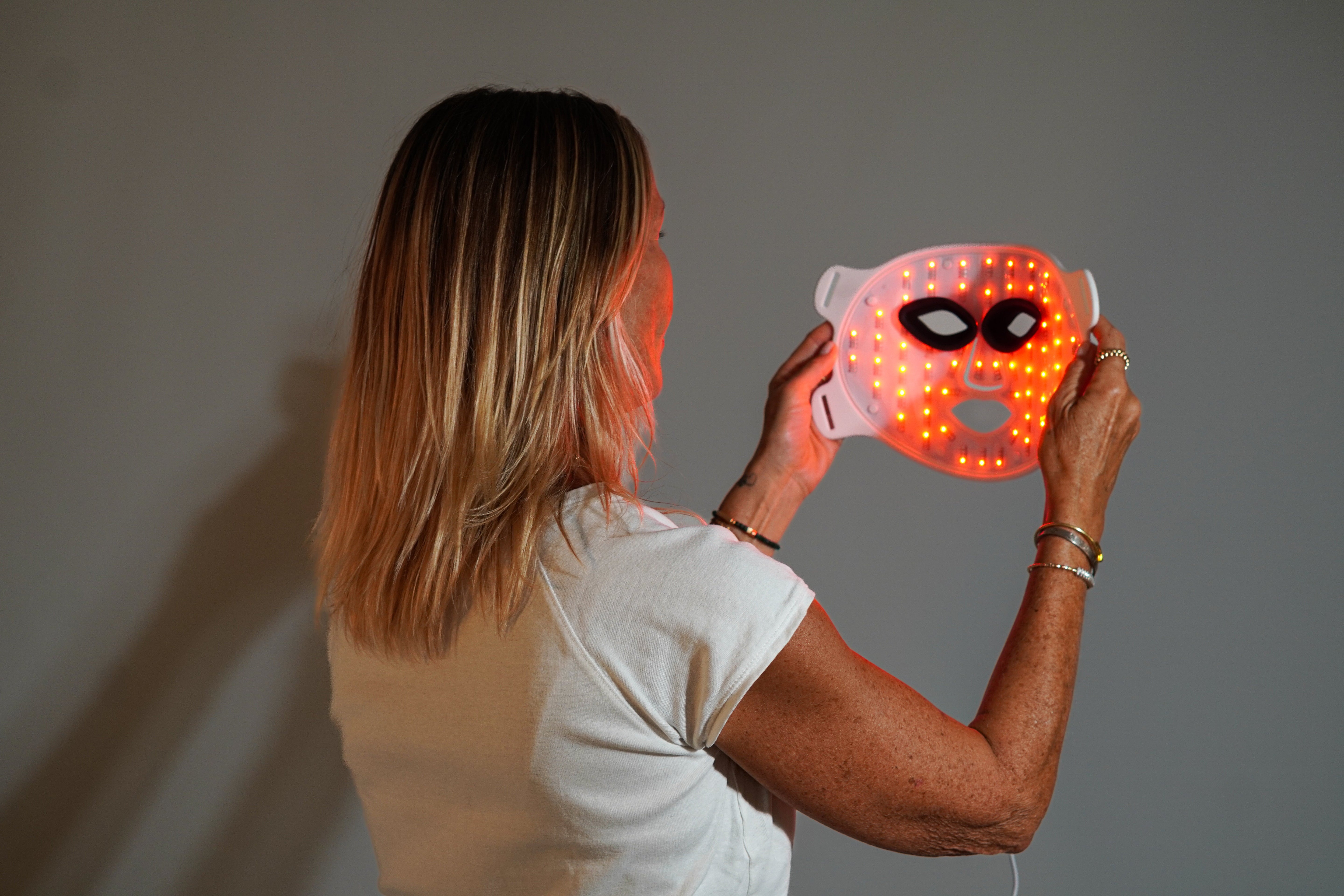
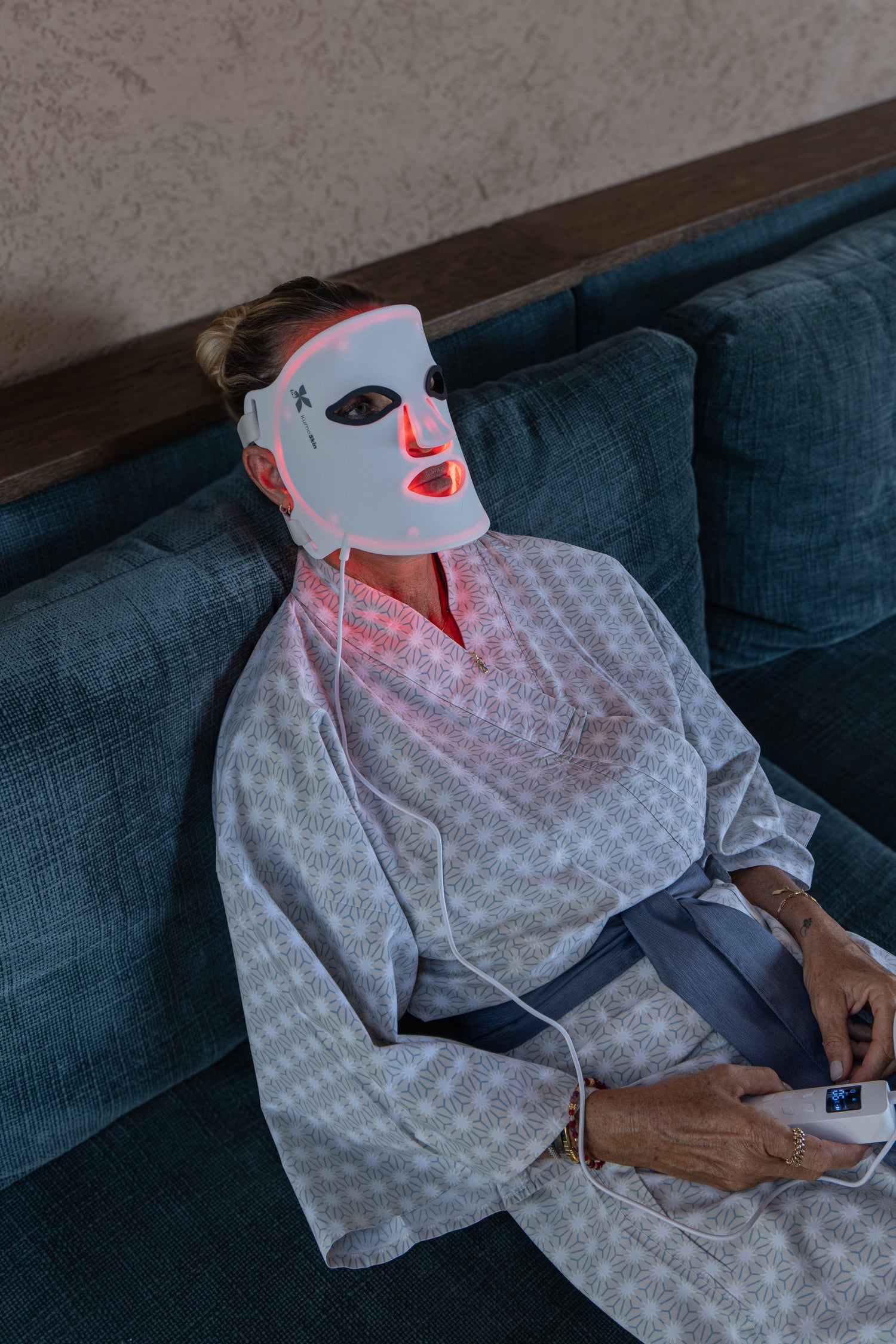
- Choose the right device: LED face masks, panels for large areas, or portable devices for muscle groups.
- Indicative wavelengths: visible red (≈630–680 nm) for more superficial layers; near infrared (≈800–860 nm) for slightly deeper tissues.
- Frequency: Short, regular sessions (e.g., several days a week). The exact duration depends on the power and distance; follow the manufacturer's guidelines.
- Time of day: for skin, it is usually indifferent; for relaxation and pre-sleep routine, late afternoon/evening with warm light and a dim environment.
- Smart integration: combine it with recovery habits (mobility, breathing, hydration) and complementary tools such as massage.
Practical rule: start with low doses, assess your skin/muscle response and adjust gradually.
Table: Key differences within light therapies
| Type of light | Approximate depth | Typical objectives | Sensation | Typical use | Grades |
|---|---|---|---|---|---|
| Red (≈630–680 nm) | + superficial | Skin texture/toner, mild acne support, microcirculation | Warm, comfortable | Face masks, nearby panels | Useful in beauty routines and maintenance |
| Near infrared (≈800–860 nm) | + deep | Muscle/tendon, recovery, perceived pain relief | Barely perceptible | Panels/headrests over muscle groups | Complement to mobility/strengthening |
| LED vs. laser (low power) | Variable | Similar objectives in PBM | — | Home use (LED) vs. clinical use (laser and LED) | Dose/parameters adjusted to the device |
| UV (not red PBM) | Superficial | Specific phototherapy under medical supervision | It can heat | Specific clinical indication | Not to be confused with red light; different purposes |
To better understand the scientific framework of photobiomodulation, review this summary in Photobiomodulation (Wikipedia) .
Usage checklist and best practices
- Define your goal: skin, muscle recovery, relaxation before bed.
- Select the appropriate tool (mask, panel, handheld device) and read the manual.
- Establish a realistic routine (e.g., 10–20 minutes depending on the device, several days/week).
- Maintain constant distance/angle and protect your eyes when appropriate.
- Evaluate results every 2–4 weeks and adjust parameters gradually.
- Combine it with lifestyle habits: sleep, nutrition, massage, hydration.
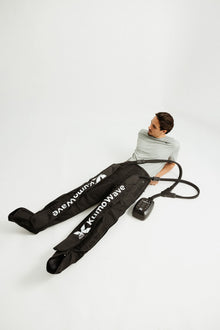
If you are interested in integrated recovery tools (LED masks, light therapy, pressotherapy and massage), discover the world of KUMO .
Use cases integrated with other recovery techniques
- Post-training: a brief session of near-infrared light on the worked muscle group, followed by gentle movement and slow breathing.
- Nighttime skin routine: gentle cleansing, red light with LED mask, hydration and rest.
- Overload pain: targeted light as an aid, plus self-massage and active breaks throughout the day.
- Sleep hygiene: avoid bright blue light in the evening; if you use red light, make it part of a relaxing routine. For more on sleep rhythms and light, check out the Sleep Foundation and Johns Hopkins Medicine .
FAQ
How long does it take to see results from red light therapy?
It depends on your goal, consistency, and the device. For skincare routines, many people report subtle changes in radiance and texture after several weekly sessions, with cumulative improvements over weeks. For muscle recovery, the perceived relief may be more immediate after exercise, but sustained adaptation comes with regularity. Keep expectations realistic, photograph your progress (same lighting/angle), and adjust the dosage according to the instructions. If you are looking to treat a medical condition, consult a healthcare professional for a personalized plan.
Does red light help you sleep better?
Red light interferes less with melatonin than bright blue light at night. As part of good sleep hygiene (dark environment, regular sleep schedule, avoiding screens), it can contribute to a more restful sleep routine. However, it is not a treatment for sleep disorders. If you suspect sleep apnea, chronic insomnia, or circadian rhythm disruption, seek clinical evaluation. You can learn more about how light affects sleep at the Sleep Foundation.
Is red LED light the same as low-power laser?
Both can be used for photobiomodulation, but they differ in beam coherence and focus. LEDs are ideal for covering large areas evenly and safely at home; low-power lasers are typically used in clinical settings with highly controlled parameters. Clinical evidence includes studies with both. The key factors are the total dose (energy per unit area), the wavelength, and consistent use. If in doubt, start with high-quality LEDs and clear guidelines.
Can it help with neck or joint pain?
Systematic reviews have observed pain relief in certain musculoskeletal conditions with photobiomodulation. However, the response varies, and the therapy is usually more effective when integrated into a plan that includes mobility, strengthening, and pain education. For an independent review, see the Cochrane synthesis on neck pain: Low-level laser therapy for neck pain .
Are there any significant contraindications or risks?
When used correctly, the risks are low. Avoid unprotected eyes, damaged or irritated skin, areas with active cancer, or recent tattoos. Consult a doctor beforehand if you are pregnant, taking photosensitizing medication, or have an eye condition. If persistent redness or discomfort occurs, reduce the dose or discontinue use and seek professional advice. For a general and prudent overview, review the Cleveland Clinic's educational guide and the AAD's dermatological approach.
Things to keep in mind
- Red light therapy acts as a biochemical "boost": low, constant doses with clear objectives.
- Skin, muscle recovery, pain and rest are common areas of use, with realistic expectations and consistency.
- Safety first: eye protection, healthy skin, and consultation if there are special conditions.
- Red light therapy does not replace healthy habits: add it to sleep, nutrition, mobility, and massage.
- Start simple, measure and adjust: what gets measured, gets improved.
- Want to integrate recovery technology into your routine? Discover KUMO 's approach to making recovery a way of life.

Red & infrared light
KumoLux Panel – Red and Infrared LED Panel
★★★★★ 4,8/5 · rated by verified customers
- 660 nm red + 850 nm infrared light
- Full-body muscle recovery
- Clinically validated biohacking protocols
€399,00€499,00· pay in installments with seQura or Klarna