When used correctly, at-home pressotherapy can transform your daily recovery. If you're looking to relieve tired legs, promote lymphatic drainage, or accelerate recovery after exercise, here you'll find what it is, how to use it step by step, and what real benefits you can expect in 2025, with safe and evidence-based guidelines.
In a little while
- Pressotherapy is intermittent pneumatic compression using boots or sleeves that improve venous and lymphatic return.
- Suggested sessions: 20–45 minutes, 3–5 times per week; moderate initial pressure (30–60 mmHg) and progressive according to tolerance.
- Typical benefits: lighter legs, less swelling, faster muscle recovery, and a feeling of rest.
- Avoid use with active venous thrombosis, infections, or decompensated heart failure; consult if you are pregnant or have vascular disease.
- To maximize results: stay hydrated, elevate your legs, combine with gentle movement and good sleep habits.
What is pressotherapy and how does it work?
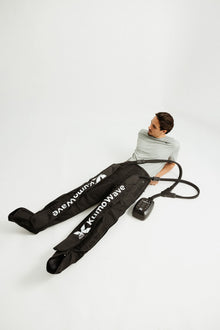
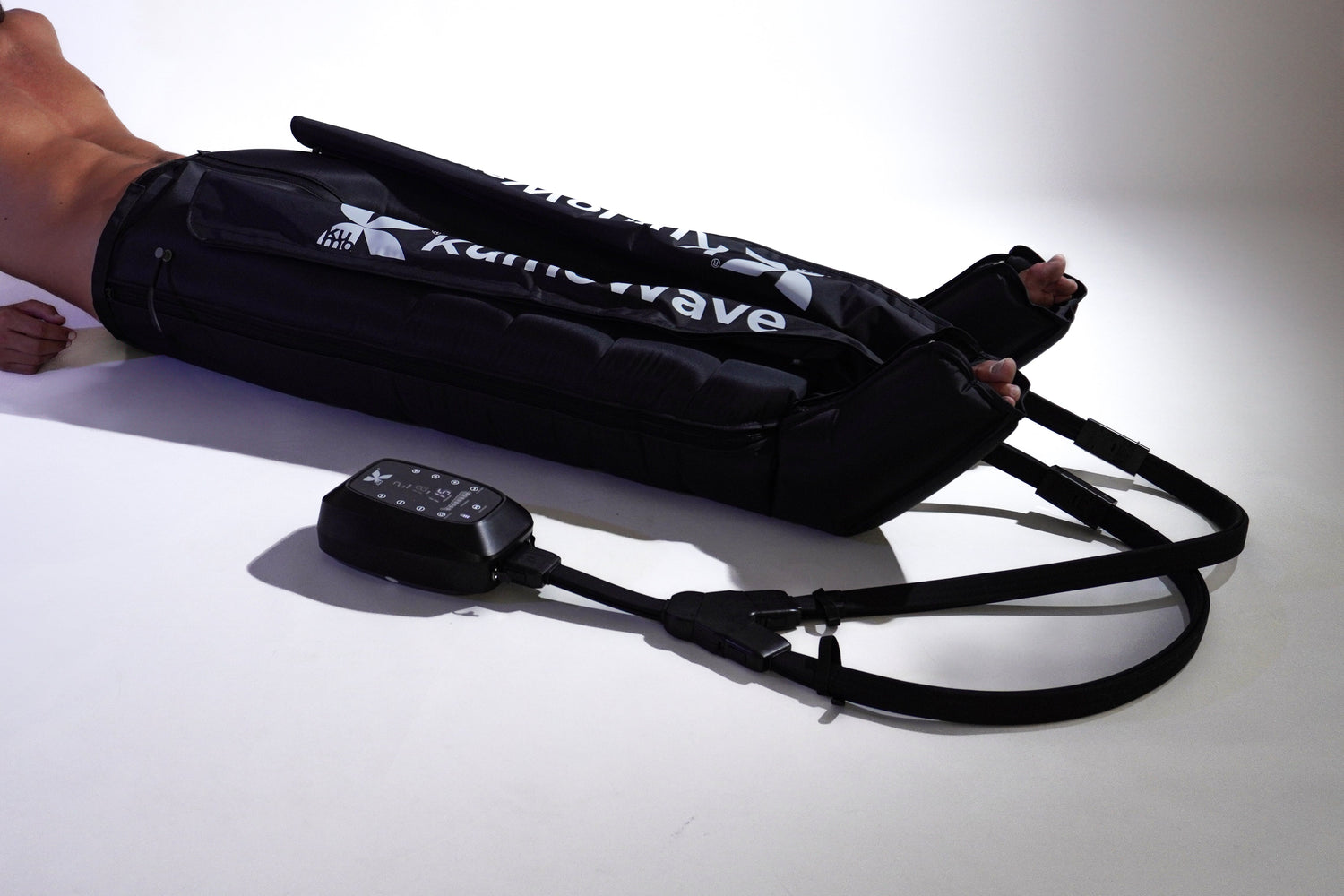
Pressotherapy (intermittent pneumatic compression) uses air chambers that inflate and deflate sequentially to apply controlled pressure to the legs, arms, or waist. This mechanical massage draws blood and lymph toward the torso, helping to reduce stasis and mobilize fluids.
Pressotherapy at home
End the day with light legs
★★★★★ 4,8/5 · rated by verified customers
KumoWave pressotherapy boosts circulation and helps drain fluid with sequential compression, in 20-minute sessions at home.
- Boosts circulation and helps drain fluid
- Chamber-based compression, adjustable to you
- Sequential compression that mimics manual drainage
€799,00€999,00
−10% on your 1st order when you subscribe to the newsletter

- Key mechanism: sequential distal→proximal compression that promotes venous and lymphatic return.
- Common home blood pressure settings: 30–60 mmHg for general use; some devices allow for higher ranges, always adapted to patient tolerance and clinical recommendations. General source for CPI and ranges: StatPearls/NCBI .
- Historical use: Clinically, it is used for lymphedema and thrombosis prevention; today, its home format facilitates wellness and recovery routines. See clinical overview at NHS and Cleveland Clinic.
Quick tip: think of pressotherapy as an "external pump" that propels fluids: more return, less stagnation.
Expected benefits and what the evidence says
Although results vary depending on goal and consistency, these are the most commonly reported benefits:
Personalized protocol · included with your purchase
Want us to tell you how to use it in your case?
With your purchase, our experts prepare a personalized usage protocol for your case: sport, circulation, fluid retention, pregnancy or lipedema.
Message us on WhatsAppOur experts reply · no obligation
- Lighter legs and less swelling: sequential compression helps to evacuate interstitial fluid and lymph, part of the standard management of lymphedema according to the 2020 ISL (International Society of Lymphology) consensus.
- Post-exercise recovery: Several studies show improvements in perceived pain and fatigue, and a reduction in post-workout stiffness following pneumatic compression sessions, especially when applied in the first few hours afterward. See StatPearls for usage and safety information.
- Circulation and rest: frequent users report better night's sleep by reducing evening leg heaviness; the device has been used for years in clinics to improve venous return (Cleveland Clinic).
- Complementary treatment for non-medical fluid retention: as a support for healthy habits (mobility, hydration, leg elevation). See general guidelines on the NHS website .
Important: This product does not replace medical treatment or "cure" varicose veins or cellulite, although it can improve comfort and appearance related to swelling. If you have a vascular diagnosis, consult your healthcare professional for guidance.
Safety: contraindications, precautions and warning signs
Home pressotherapy is generally safe when used sensibly. However, there are cases where you should avoid it or consult a doctor first:
- Avoid use if: active or recent deep vein thrombosis (DVT), pulmonary embolism, decompensated heart failure, skin infections, open wounds in the area, unexplained severe pain, severe neuropathy with loss of sensation.
- Caution/Consultation: Pregnancy, uncontrolled hypertension, advanced lymphedema, peripheral arterial disease, prostheses, or recent surgery. Clinical guidelines and overview of indications/contraindications: NHS and StatPearls .
- If you experience signs of thrombosis (pain, warmth, redness, sudden swelling in a leg), stop and seek medical attention immediately. General information: CDC – Blood Clots .
Golden rule: If there is medical doubt, consult first; if it hurts or numbs, lower the pressure or stop the session.
−10%on your first order when you join the newsletter
We send you the code instantly. No spam.
How to choose a home pressotherapy device
Before buying, consider these practical criteria:
- Fit and sizes: boots that cover from foot to thigh if you are looking for complete leg drainage; extra sleeves for the hip area if you accumulate fluid there.
- Pressure range and programs: ideal with 20–120 mmHg control, several sequential modes and option to deactivate chambers if there are sensitive areas.
- Cycle and duration: timer (15–60 min), clear cycle indication and easy-to-read display.
- Noise and portability: quiet and compact equipment facilitates adherence.
- Materials and cleaning: durable interior, easy to disinfect; robust tubes and zippers.
- Safety and guarantee: certifications (e.g., CE), manual with contraindications and solid guarantee.
- Support and service: availability of spare parts, after-sales service, user guides.
Step-by-step guide: your first session at home
- Preparation
- Stay hydrated and empty your bladder. Remove tight clothing; skin should be clean and dry.
- Sit or lie down with your legs slightly elevated.
- Placement and adjustment
- Put on the boots from the foot upwards, ensuring a uniform closure (neither loose nor excessive).
- Avoid folds in the fabric to prevent creating pressure points.
- Startup parameters
- Gentle sequential compression program; initial pressure 30–40 mmHg.
- Duration 20–30 minutes. Observe sensations: it should be firm, not painful.
- During the session
- Breathe calmly. If you notice tingling, numbness, or pain, stop and lower your blood pressure.
- After
- Slowly remove your boots. Walk for a few minutes or perform gentle ankle and hip mobility exercises.
- Clean the equipment according to the manufacturer's instructions.
Progression: Increase pressure by 5–10 mmHg and/or 5–10 minutes per week if you tolerate it well, up to the target range.
Guiding protocols according to objective
Table title: Guiding parameters for home pressotherapy (adjust to your tolerance and recommendations)
| Aim | Suggested pressure (mmHg) | Session duration | Weekly frequency | Recommended area | Observations |
|---|---|---|---|---|---|
| Tired legs/swelling | 30–50 | 25–40 min | 3–5 | Foot→thigh | Raise legs 10–15° |
| Post-workout recovery | 40–60 | 20–30 min | 3–6 (depending on load) | Foot→thigh | Ideally within 2-3 hours after exercise |
| Well-being and rest | 30–45 | 20–30 min | 3–5 | Foot→thigh | Evening sessions promote relaxation |
| Mild fluid retention | 35–55 | 30–45 min | 4–6 | Foot→thigh and/or hip | Combines with mobility and hydration |
| Sedentary lifestyle/teleworking | 30–45 | 20–25 min | 3–5 | Foot→thigh | Active breaks every 60–90 min |
General usage and safety references: NHS , Cleveland Clinic, StatPearls .
Common mistakes and how to avoid them
- Avoid increasing the pressure too much from day one: prioritize consistency over intensity.
- Excessively long sessions: more is not always better; respect breaks.
- Use with contraindications: check your health status and the manual.
- Poor placement: irregular folds or closures create uncomfortable pressure points.
- Forget the basics: stay hydrated, move around, and sleep well; pressotherapy multiplies, does not replace, habits.
Combine pressotherapy with habits that enhance results
- Mobility and gentle stretching: ankle pumps, knee and hip flexion-extension.
- Hydration and nutrition: promote fluid balance.
- Elevate your legs 10–15° after the session to prolong the effect.
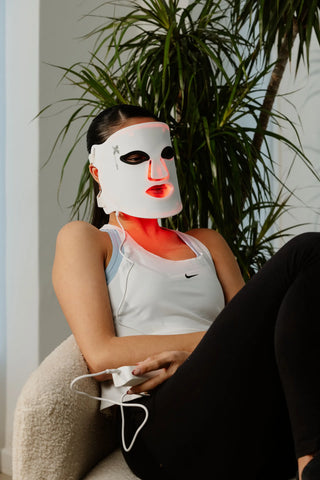
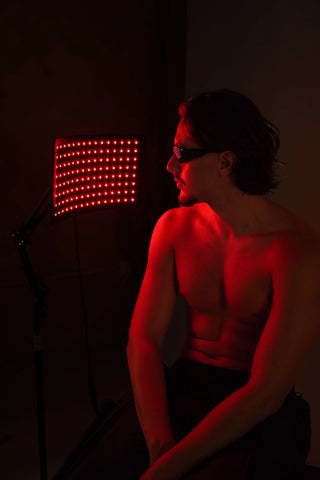
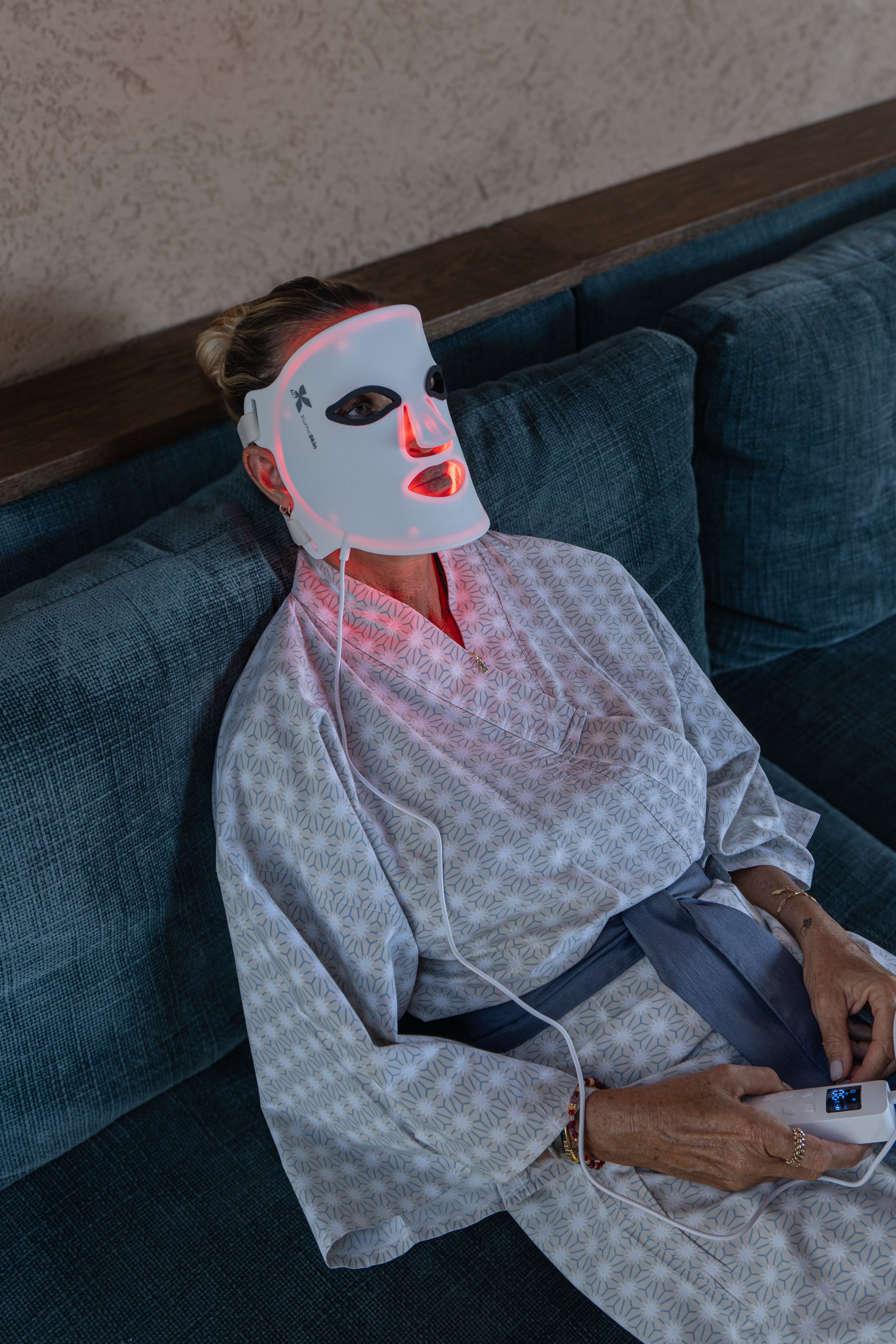
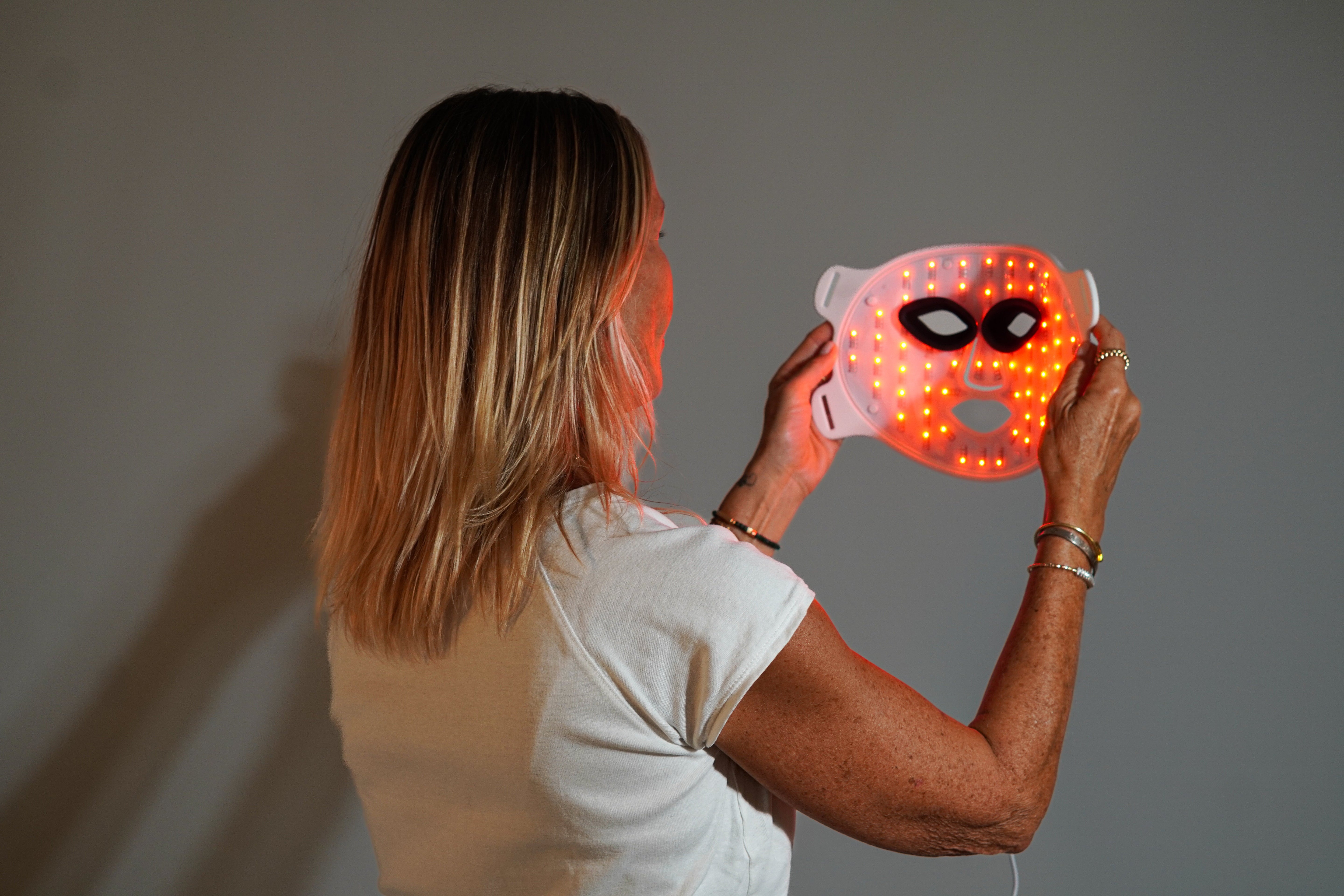
- Complementary recovery technologies (red light, percussive massage, sleep routines) integrated into your daily life with a global wellness approach as proposed by KUMO .
For more clinical rationale for lymphedema management and compression, see the ISL (2020) consensus document: International Society of Lymphology and the APTA Lymphedema Physical Therapy Guide.
Frequently Asked Questions (FAQ)
How long does it take to see improvement with at-home pressotherapy?
Many people notice lighter legs and less tension from the first week, especially if they do 3–5 sessions of 20–30 minutes. For goals such as reducing mild swelling or improving post-workout comfort, improvement is usually consolidated after 2–4 weeks of consistent use. If the goal is to support lymphedema management, compression therapy is a complement to a comprehensive plan, and the timeframe depends on the stage of lymphedema and adherence to measures such as bandaging, exercise, and skin care. Clinical use references: NHS .
Is it safe to use it every day?
Yes, in healthy individuals with no contraindications, it can be used daily with moderate pressure, paying attention to your body's sensations. Alternating days or varying the intensity also works well. If you have cardiovascular or lymphatic conditions, or are pregnant, consult a doctor first. Discontinue use if pain, numbness, or discoloration occurs. General recommendations and safety information are available from the Cleveland Clinic and StatPearls .
Does pressotherapy help with varicose veins?
Compression therapy can improve associated symptoms such as heaviness, swelling, or fatigue by promoting venous return, but it does not correct the anatomy of a varicose vein. It provides comfort and well-being, not as a substitute for medical treatments (e.g., sclerotherapy, laser). If you have been diagnosed with venous insufficiency, ask your vascular surgeon/phlebologist to adjust the parameters and assess its suitability for you. Overview of venous return and compression at Cleveland Clinic.
Pressotherapy and lymphedema: what should I know?
In lymphedema, pneumatic compression is a complementary tool within a plan that includes complex decongestive therapy, compression garments, exercise, and skin care. The ISL consensus (2020) recognizes it as part of the approach in certain cases, always individualized and supervised whenever possible. It begins with low pressures, controls volume, and monitors the skin. (ISL document: International Society of Lymphology and APTA guidelines)
Is it better before or after training?
For recovery, compression is often helpful in the 1–3 hour post-exercise window to relieve stiffness and fatigue. If your session is very intense or involves a lot of eccentric work, you can repeat with a gentler session later in the day. Before exercise, light, brief compression can stimulate circulation, but the priority before training is an active warm-up. General recovery guidelines are available at StatPearls .
To remember
- Pressotherapy at home mobilizes fluids and improves return, relieving heaviness and swelling.
- Start with 30–40 mmHg for 20–30 minutes and progress according to tolerance.
- Avoid using it if there is active DVT, infections, or decompensated heart failure.
- Establish healthy habits: mobility, hydration, leg elevation, and good sleep.
- Use it 3–5 times per week for consistent results; daily if it suits you and there are no contraindications.
- Want to integrate recovery into your 2025 routine? Discover how with KUMO 's wellness approach.
KumoWave pressotherapy
Choose your at-home pressotherapy
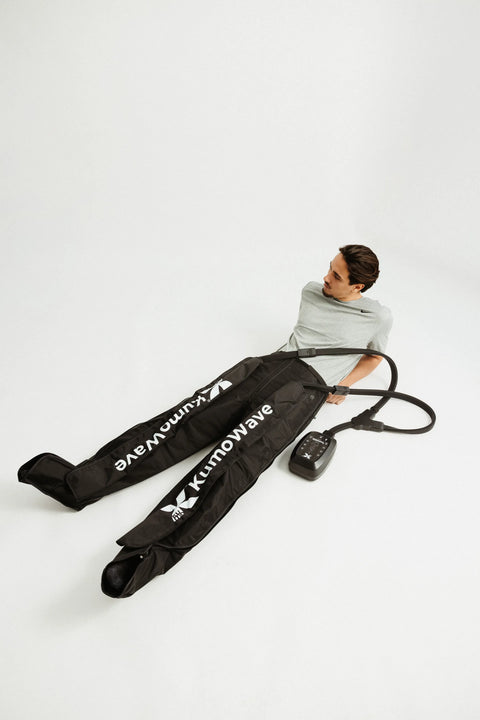
KumoWave Elite – Pressotherapy Pants
Full-coverage trousers. Ideal for lipedema, fluid retention and intensive use.
€799,00 €999,00
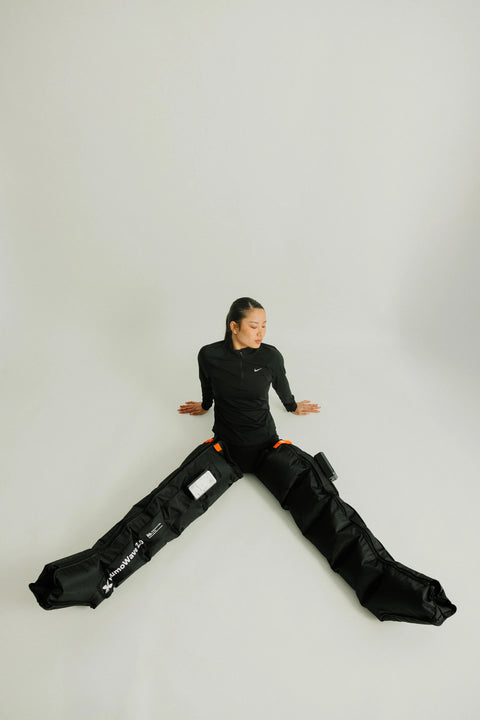
KumoWave 2.0 - Wireless Pressotherapy
Wireless, lightweight boots. Perfect for daily use and recovery.
€499,00 €599,00