Introduction: An LED mask, a different night
A routine. An LED face mask. Deeper sleep. It's that simple to start changing your nights in 2026.
LED face masks have evolved from a beauty gadget into a true wellness and recovery tool. Combined with good sleep hygiene, they can help relax the nervous system, improve skin quality, and prepare the body for better rest, especially when using red and near-infrared light .
Red & infrared light
Recover faster, at home
★★★★★ 4,8/5 · rated by verified customers
The KumoLux panel supports muscle recovery with full-body red and infrared light.
- 660 nm red + 850 nm infrared light
- Full-body muscle recovery
- Clinically validated biohacking protocols
€399,00€499,00
−10% on your 1st order when you subscribe to the newsletter

In this article you will see how to integrate an LED light mask into your nighttime ritual, what science says today about red light and sleep, and how to create a simple, realistic protocol compatible with your daily life, in the style of KUMO 's recovery philosophy.
What is an LED face mask (and what it isn't)
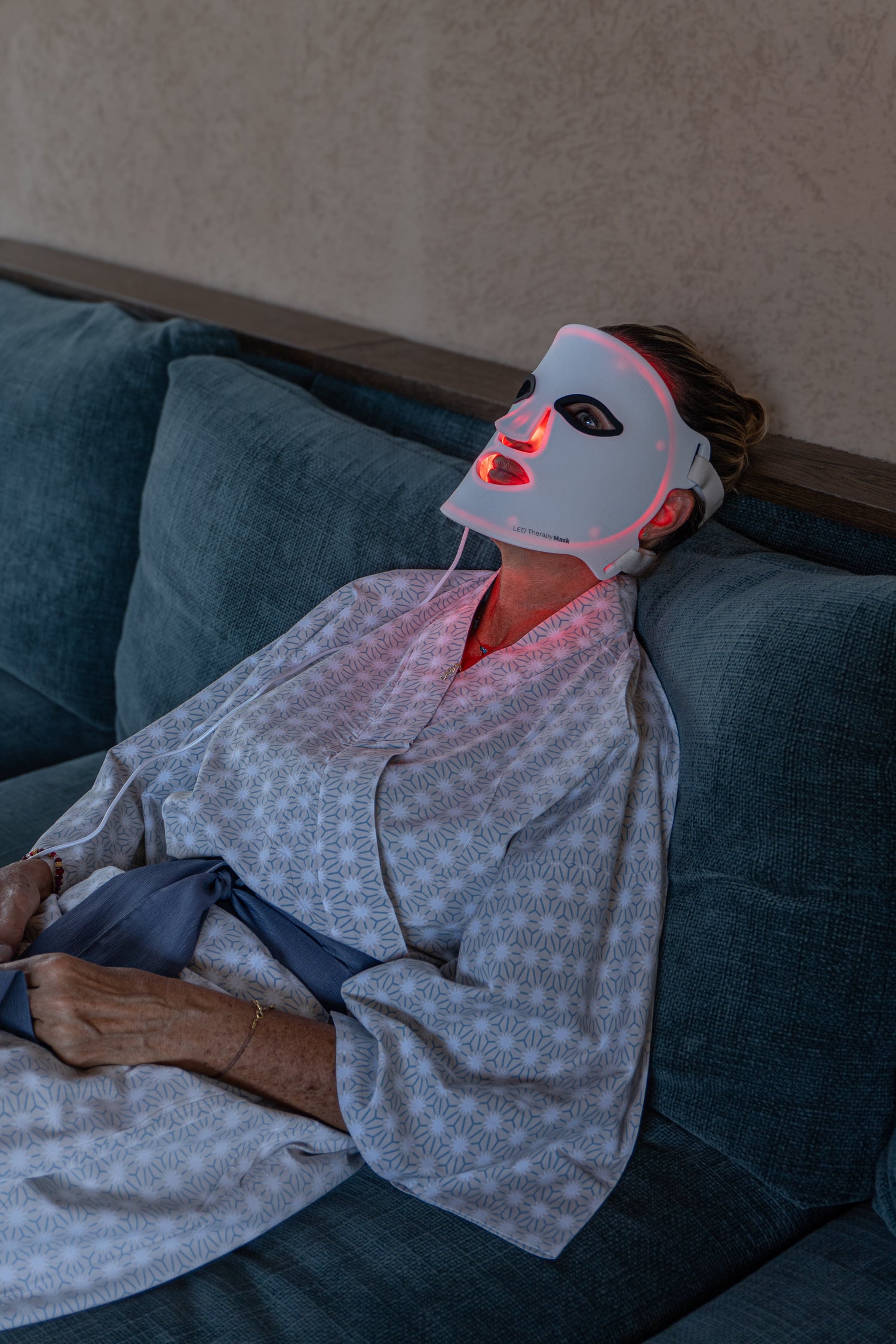
A facial LED mask is a device that emits different wavelengths of light (red, blue, amber, near-infrared, etc.) at low intensity, without generating excessive heat. It is not a medical laser or an artificial tan: it is photobiomodulation , that is, the use of light to modulate biological processes.
Personalized protocol · included with your purchase
Want us to tell you how to use it in your case?
With your purchase, our experts set up your red and infrared light sessions for your sport and goal.
Message us on WhatsAppOur experts reply · no obligation
In wellness and recovery, the following are mainly used:
- Red light (approx. 620–660 nm) : associated with tissue regeneration and relaxation.
- Near infrared light (approx. 810–850 nm) : penetrates deeper, widely used in muscle recovery protocols and sleep support.
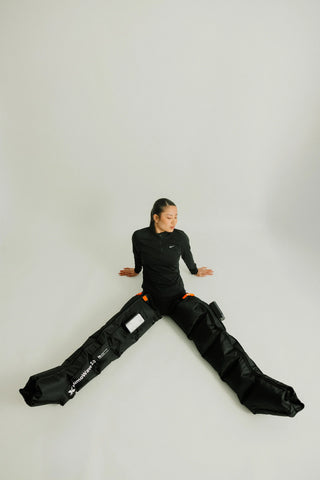
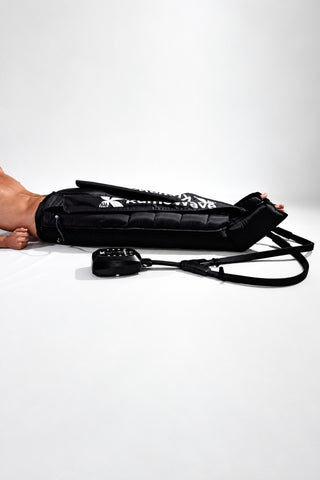
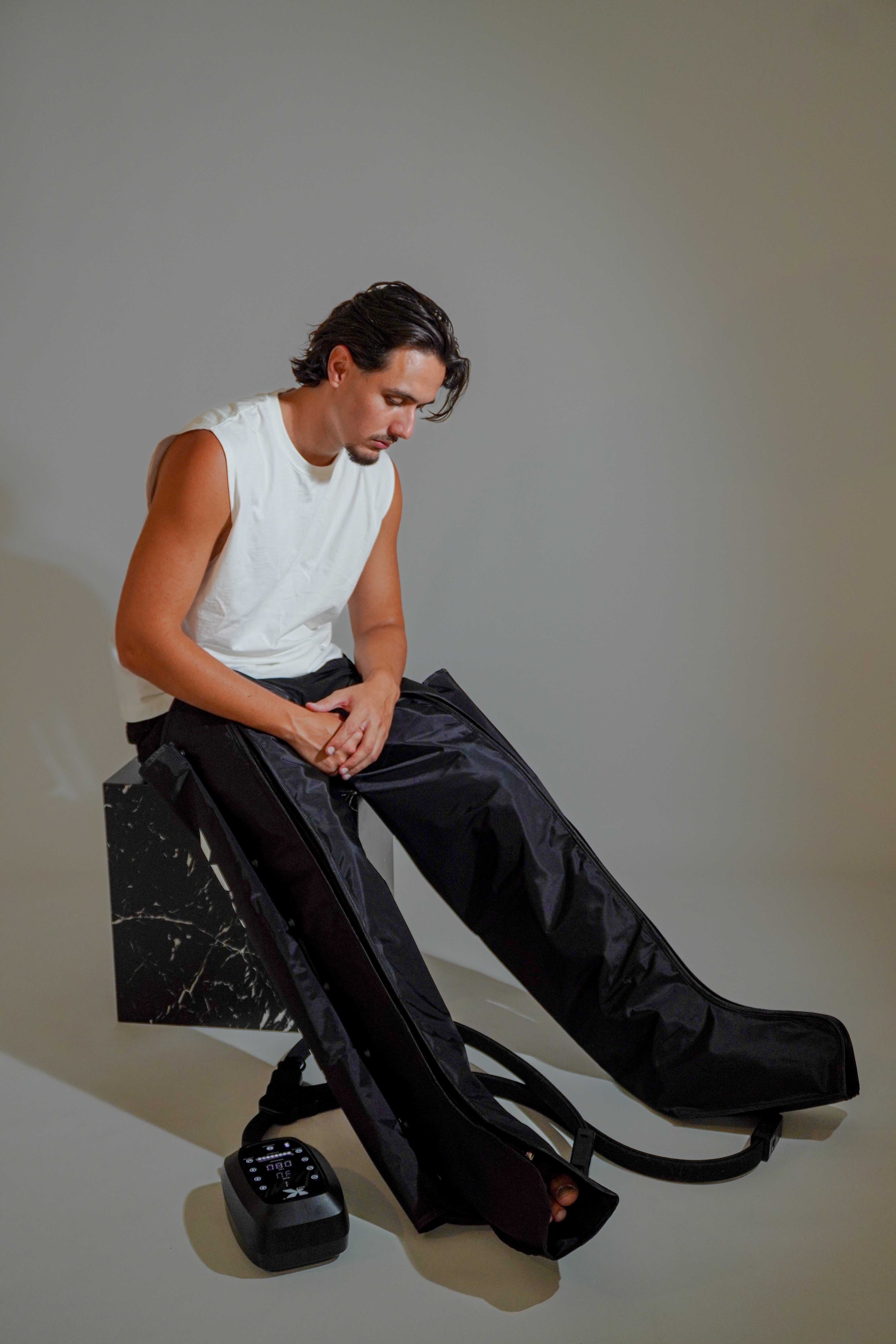
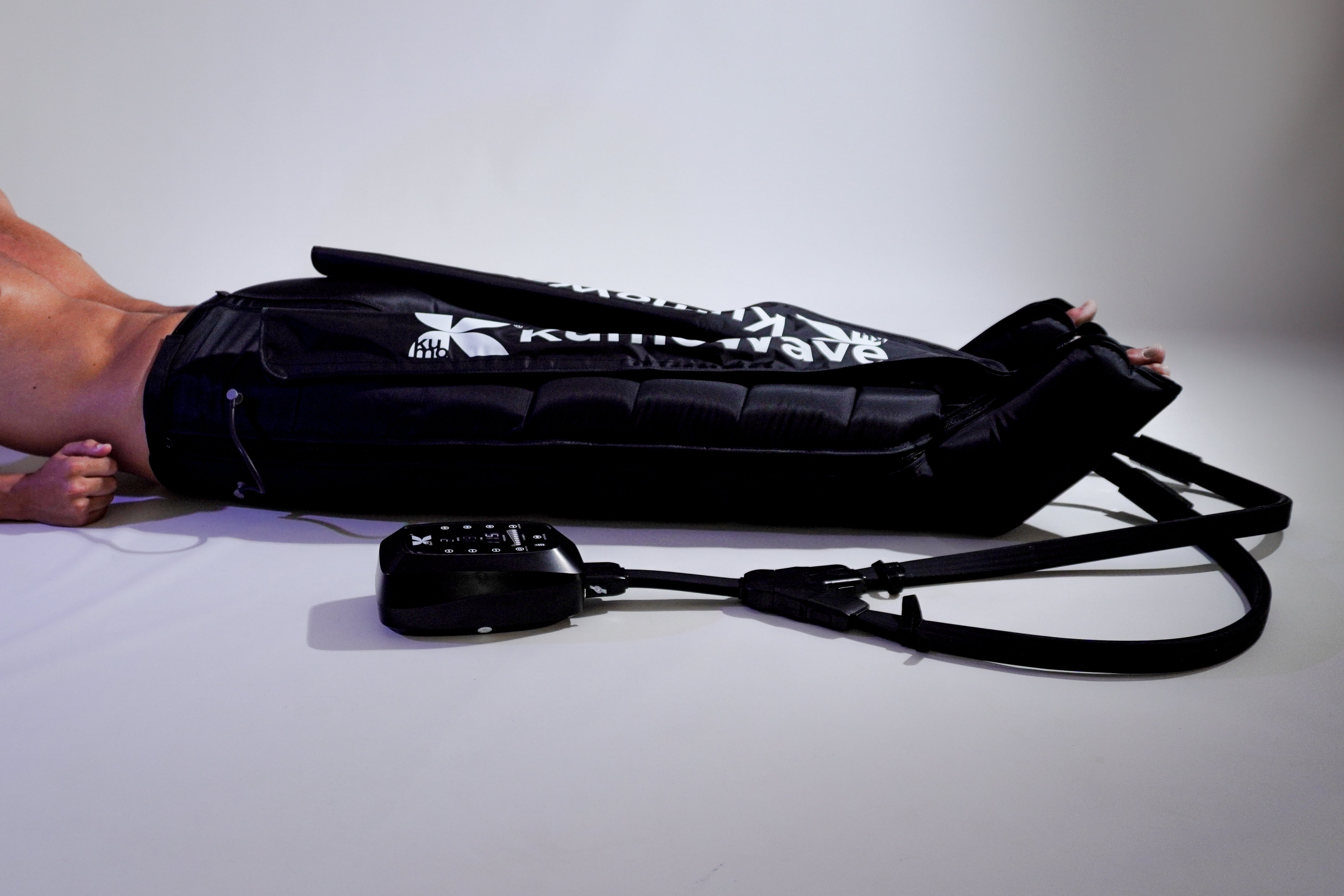
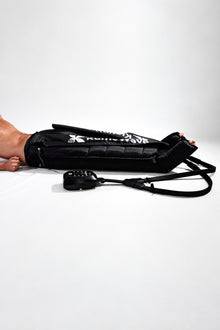
The proposal of brands like KUMO is to integrate this technology into an ecosystem of recovery products (pressotherapy, LED light therapy, percussion massage) so that recovery becomes a new way of life , not a one-off luxury.
Potential benefits of the LED mask for sleep and recovery
Relaxation of the nervous system before sleep
Several studies suggest that low-intensity red light may contribute to improving certain sleep parameters in specific individuals, possibly through the modulation of melatonin and oxidative stress. Although results vary across studies, the observed pattern is that exposure to red light in the late afternoon and evening appears to be less disruptive to the biological clock than intense blue light from screens and cool-toned light fixtures.
on your first order when you join the newsletter
We send you the code instantly. No spam.
In practice, many users describe the session with the LED face mask as a "pause button": simply lying down, closing their eyes and following a repetitive nightly ritual already acts as a signal that the day is over, helping the nervous system to switch from activity mode to rest mode.
Supports skin regeneration overnight
Nighttime is the time of peak cellular repair. It's when the skin:
- It increases its natural renewal.
- It repairs damage accumulated from daily oxidative stress.
- Make better use of certain cosmetic ingredients.
Red light has been studied in the context of fine lines, skin firmness, and texture, showing in many cases a moderate and progressive improvement after several weeks of consistent use (usually 3–5 times per week). Incorporating the LED mask right before bed fits perfectly into this nighttime repair rhythm .
Synergy with muscle recovery and the feeling of rest
Recovery brands like KUMO combine LED light therapy with solutions such as compression boots and massage guns . The logic is simple: if you take care of your muscles and nervous system before bed, your overall feeling of rest upon waking is usually better.
A realistic example of synergy:
- Short pressotherapy session to relieve heavy legs after a long day.
- Targeted application of massage gun to tense areas (back, calves, neck).
- End of the routine with a red LED facial mask to enter mental relaxation mode.
This type of ritual does not replace training or a good mattress, but it optimizes your nighttime recovery window , which is key to performance the next day.
How to integrate the LED mask into your nighttime ritual 2026
Basic steps of a simple protocol
You don't need a complicated ritual. The important thing is that it's repeatable and realistic in your daily life. An example of a nighttime routine with an LED mask could be:
- Digital disconnection (20–30 minutes before the session): reduce bright screens.
- Gentle facial cleansing : removes makeup, sweat and pollution.
- Minimal application of cosmetics : if you use serums or creams, make sure they are light and compatible with LED light (avoid photosensitizing products).
- LED facial mask session : lying down or sitting, for 10 to 20 minutes according to the device's recommendations.
- Transition to sleep : quiet reading, diaphragmatic breathing, brief meditation… without going back to your mobile phone.
When to do the session so as not to interfere with sleep
For most people, the best time to use the LED face mask is between 30 and 90 minutes before their desired bedtime. This allows for:
- That the brain associates the ritual with "closing the day".
- Avoid excessive stimulation right before going to bed.
- Maintain a smooth and stable light exposure, without peaks of cold light.
If you notice that it activates you too much (rare but possible), move the session a little earlier in the afternoon/evening and observe how your sleep responds for one or two weeks.
Practical guide: key parameters for a nighttime ritual with an LED mask
Recommended parameters for your routine with an LED facial mask
| Parameter | Guidance recommendation | Main objective |
|---|---|---|
| Weekly frequency | 3–5 nights per week | Create habits and stimulate regeneration processes |
| Session duration | 10–20 minutes (depending on the device) | Sufficient exposure time without overloading the skin |
| Time of day | 30–90 min before bed | Promote relaxation before sleep |
| Type of light | Red and near-infrared in relaxing mode | Support regeneration and a sense of calm |
| Around | A dim, quiet room, without screens | Reduce stimuli and reinforce the rest signal |
| Accessories | Breathing exercises, gentle pressotherapy, light massage | Mind-body synergy in recovery |
Good usage practices: safety, consistency, and realistic expectations
Basic safety when using an LED face mask
Although LED light therapy is generally considered safe when used correctly and with quality devices, it is advisable to follow some guidelines:
- Do not use on severely irritated skin, open wounds, or burns.
- Avoid combined use with photosensitizing products without professional advice.
- Always respect the times and distances indicated by the manufacturer.
- Consult a healthcare professional if you are pregnant, have medical conditions, or are taking photosensitive medication.
KUMO's philosophy is clear: technology should facilitate recovery, never replace medical advice . If you have any doubts, seek advice before starting.
Consistency: why results come in the medium term
The LED facial mask doesn't work like an on/off switch. Just like a workout routine, it's the accumulation of sessions that produces noticeable changes. Many people begin to notice:
- Skin looks more rested after several weeks of regular use.
- Better transition to sleep after establishing the nightly ritual.
- Greater awareness of the need to disconnect before going to sleep.
The key is to integrate mask use into a comprehensive recovery strategy , combined with habits such as respecting schedules, taking care of your nutrition, and moving regularly.
Managing expectations: what your LED mask can and can't do
A key point for 2026 is adjusting expectations. The LED face mask can:
- Supporting the perceived quality of rest as part of a relaxing ritual.
- Contributes to skin health when used consistently.
- Fit into a recovery ecosystem with other KUMO technologies.
But it cannot, on its own:
- To cure diagnosed sleep disorders.
- Replace basic sleep hygiene (schedules, darkness, silence).
- To replace the recommendation of a healthcare professional when necessary.
How to combine the LED mask with other KUMO recovery technologies
Pressotherapy for light legs before the mask
If you spend many hours on your feet, train intensely, or travel frequently, compression boots can help relieve the feeling of heavy legs before you begin your sleep routine. A short session (for example, 15–20 minutes) followed by an LED facial mask creates a very clear transition between an active day and nighttime relaxation.
Percussion massage to relieve muscle tension
A massage gun, when used correctly, can reduce accumulated muscle tension in areas such as the trapezius muscles, lower back, or calves. By relaxing the body, the LED light mask session is more likely to feel truly restorative, not just aesthetically pleasing. Stick to the recommended intensity and duration settings to avoid overstimulating the nervous system right before bed.
Targeted LED therapy and home lighting ecosystem
In addition to masks, KUMO offers LED light therapy solutions focused on muscle recovery and overall well-being. Integrating these red light sources into your home (for example, in your nighttime reading area) can help reduce exposure to the cool light of screens, complementing the use of face masks.
Small lifestyle adjustments that boost your LED mask
Sleep hygiene: 50% of the result
The best LED sleep mask will work less effectively if your basic sleep habits aren't in place. Check:
- Regular bedtime and wake-up time, even on weekends.
- Real darkness in the room (use blackout curtains if necessary).
- A cool temperature (approximately 18–20 °C is usually comfortable for most people).
- Eat light dinners and at least 2-3 hours before going to sleep.
The LED mask thus becomes the "technological layer" that enhances a terrain already prepared for rest.
Stress management and mindful breathing
Incorporate some breathing exercises or guided meditation into your LED mask routine. For example:
- Breathe in 4-6 cycles (inhale for 4 seconds, exhale for 6).
- Mentally scan your body to relax each area.
- Practice gratitude or a brief reflection on the day.
The goal is not to "empty the mind," but to give it a gentle focus while the red light guides you towards a calmer state.
Frequently asked questions about LED face masks and sleep
How long should I use the LED mask before going to sleep to notice effects?
Most protocols recommend sessions of 10 to 20 minutes , performed 3 to 5 times per week. However, the effects are usually gradual: don't expect a dramatic change in a single night. It's typical to assess your sense of rest, sleep quality, and skin appearance after 4 to 8 weeks of consistent use. Keeping track of your sleep schedule and how you feel upon waking can help you identify trends beyond your daily perceptions.
Is it safe to sleep with the LED mask on all night?
It is not recommended to use an LED face mask overnight. These devices are designed for short sessions with controlled exposure time. Keeping the mask on for hours at a time may not provide additional benefits and, depending on the model, could even overheat areas or cause discomfort. Ideally, use it as part of your bedtime routine , remove it after the session, and then go to bed in a dark, quiet room to allow your body to continue its natural sleep process.
Can an LED light mask replace medical treatment for insomnia?
No. While an LED light mask can support relaxation and be part of a sleep hygiene strategy, it is not a substitute for diagnosis or treatment by a healthcare professional. If you suffer from chronic insomnia, frequent awakenings, or excessive daytime sleepiness, it is essential to consult your doctor or a sleep specialist. Recovery technology, such as that offered by KUMO, should be understood as a complement to improve overall well-being, not as a sole solution for complex medical conditions.
Can I use the LED face mask if I work nights or frequently experience jet lag?
If you work shifts or travel frequently, your circadian rhythm is more susceptible to disruption. In these cases, an LED mask can be a useful tool for signaling the end of the workday, even if your sleep schedule doesn't align with most people's. The key is consistency: choose a fixed time after your shift ends or upon arriving at your hotel, minimize your use of bright screens, and always associate the red light session with your pre-bedtime routine. For specific questions, consult a sleep professional.
What is the difference between an LED mask for beauty and one geared towards recovery?
In practice, many LED facial masks offer mixed functions: aesthetic skincare and overall wellness support. The difference usually lies in the emphasis of their use, the light modes, and how they integrate into a recovery ecosystem . A product like KUMO prioritizes the mask not just as a beauty accessory, but as part of a comprehensive ritual that includes pressotherapy, LED light therapy, and percussion massage, all geared towards optimizing physical and mental recovery in your daily life.
So what now?
If you want your night in 2026 to be more than just "turning off the lights," make the LED facial mask the heart of your nightly ritual: a few minutes for you, your skin, and your rest. Explore LED light therapy solutions, combine them with KUMO's pressotherapy and percussion massage, and if you need personalized guidance, contact us directly through our contact page. Your recovery can begin today.

Red & infrared light
KumoLux Panel – Red and Infrared LED Panel
★★★★★ 4,8/5 · rated by verified customers
- 660 nm red + 850 nm infrared light
- Full-body muscle recovery
- Clinically validated biohacking protocols
€399,00€499,00· pay in installments with seQura or Klarna