
Recovering better changes the way you train and live.
If you want a clear and actionable at-home recovery protocol , combining pressotherapy (intermittent pneumatic compression) , red light therapy (photobiomodulation) , and a massage gun is a simple strategy: improved circulation and drainage (legs), a signal of tissue repair (light), and targeted tension release (percussion). In this guide, we translate this into a practical weekly routine , with usage guidelines, real-life examples, and a method for adjusting it to your training load with Kumo devices. ( pmc.ncbi.nlm.nih.gov )
Red & infrared light
Recover faster, at home
★★★★★ 4,8/5 · rated by verified customers
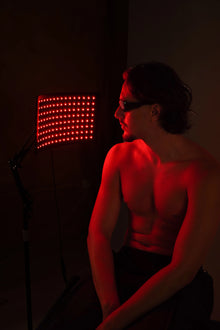
The KumoLux panel supports muscle recovery with full-body red and infrared light.
- 660 nm red + 850 nm infrared light
- Full-body muscle recovery
- Clinically validated biohacking protocols
€399,00€499,00
−10% on your 1st order when you subscribe to the newsletter

Kumo develops premium recovery technologies to make body care a habit: Kumo ecosystem for home recovery ,compression boots , LED therapy and KumoPulse Air massage gun .
Before we begin: principles that make the protocol work
1) Recovery is determined by your “total workload” (not just training)
The same gym session will have different recovery effects depending on whether you slept poorly, traveled, are stressed, or spent 9 hours sitting. Therefore, your protocol should be adapted to 3 variables:
Personalized protocol · included with your purchase
Want us to tell you how to use it in your case?
With your purchase, our experts set up your red and infrared light sessions for your sport and goal.
Message us on WhatsAppOur experts reply · no obligation
- Mechanical load : strength, sprints, jumps, hills.
- Metabolic load : intervals, long sessions, double sessions.
- Daily load : sleep, steps, work, travel.
As a baseline, the WHO recommends 150–300 minutes/week of moderate-intensity activity (or equivalent) and strength training at least 2 days a week for adults; if you train near or above that range, recovery ceases to be “extra” and becomes “systemic.” ( pmc.ncbi.nlm.nih.gov )
2) Prioritize the non-negotiable: sleep and nutrition (and then technology)
Technology adds value, but it doesn't replace what's essential:
- Sleep : The CDC recommends that adults (18–60) get 7 hours or more of sleep per night. ( cdc.gov )
- Protein : As a practical reference, the ISSN describes typical acute doses to stimulate protein synthesis of ~0.25 g/kg or 20–40 g of high-quality protein per feeding (depending on the context). ( pubmed.ncbi.nlm.nih.gov )
Golden rule: If you're feeling "red" today (lack of sleep + heavy legs + stress), use the protocol to reduce stress (relax, move around, unwind). If you're feeling "green," use it to speed up your return to normal without overstimulating yourself.
−10%on your first order when you join the newsletter
We send you the code instantly. No spam.
3) Safety: when NOT to use pressotherapy/red light/percussion
If you have unusual pain, asymmetric swelling, suspected thrombosis, peripheral arterial disease, active wounds, infection, loss of sensation, pregnancy, or other relevant medical condition, consult a healthcare professional before applying a home protocol.
- Compression therapy : Compression requires special care if there are arterial problems (e.g., low ankle-brachial index) or suspected thrombosis; some clinical guidelines advise against high compression in certain ABI ranges. ( journals.lww.com )
- Pneumatic compression : The use of intermittent pneumatic compression devices may cause discomfort, heat, risk of skin irritation, and, rarely, pressure injury; proper fit and skin care are important. ( hopkinsmedicine.org )
- Red light : Cleveland Clinic notes that it appears safe in the short term when used as directed, but cautions about eye protection and the lack of knowledge regarding the long-term safety of some devices. ( my.clevelandclinic.org )
- Massage gun : Avoid the front/side of the neck (arteries), bony areas, wounds, bruises, and acute pain; and don't consider "stronger" to mean "better." For immediate post-exertion use, studies recommend caution depending on the objective. ( pmc.ncbi.nlm.nih.gov )
What each tool offers (and how they complement each other)
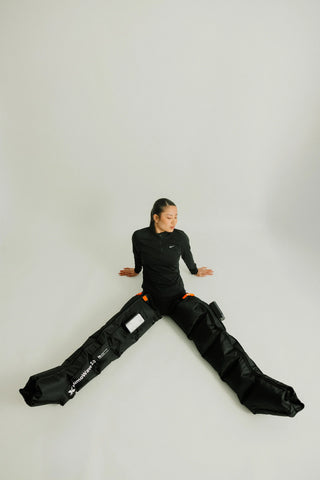
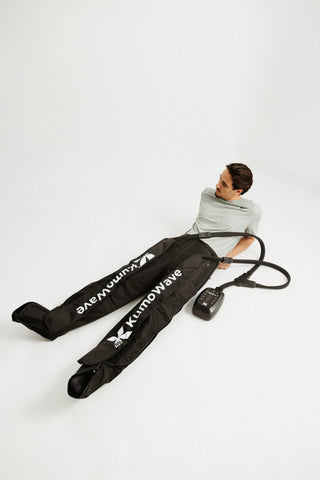
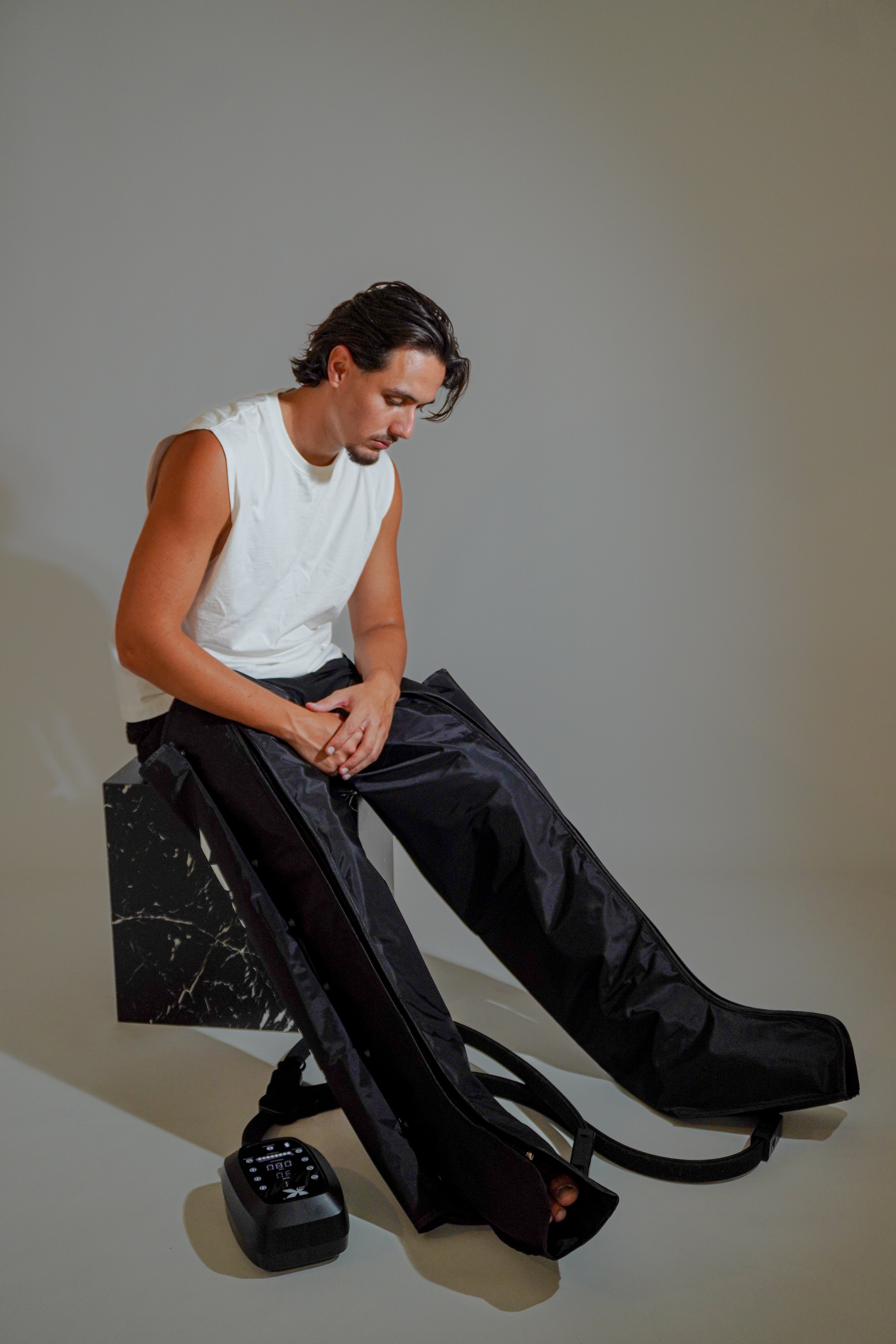
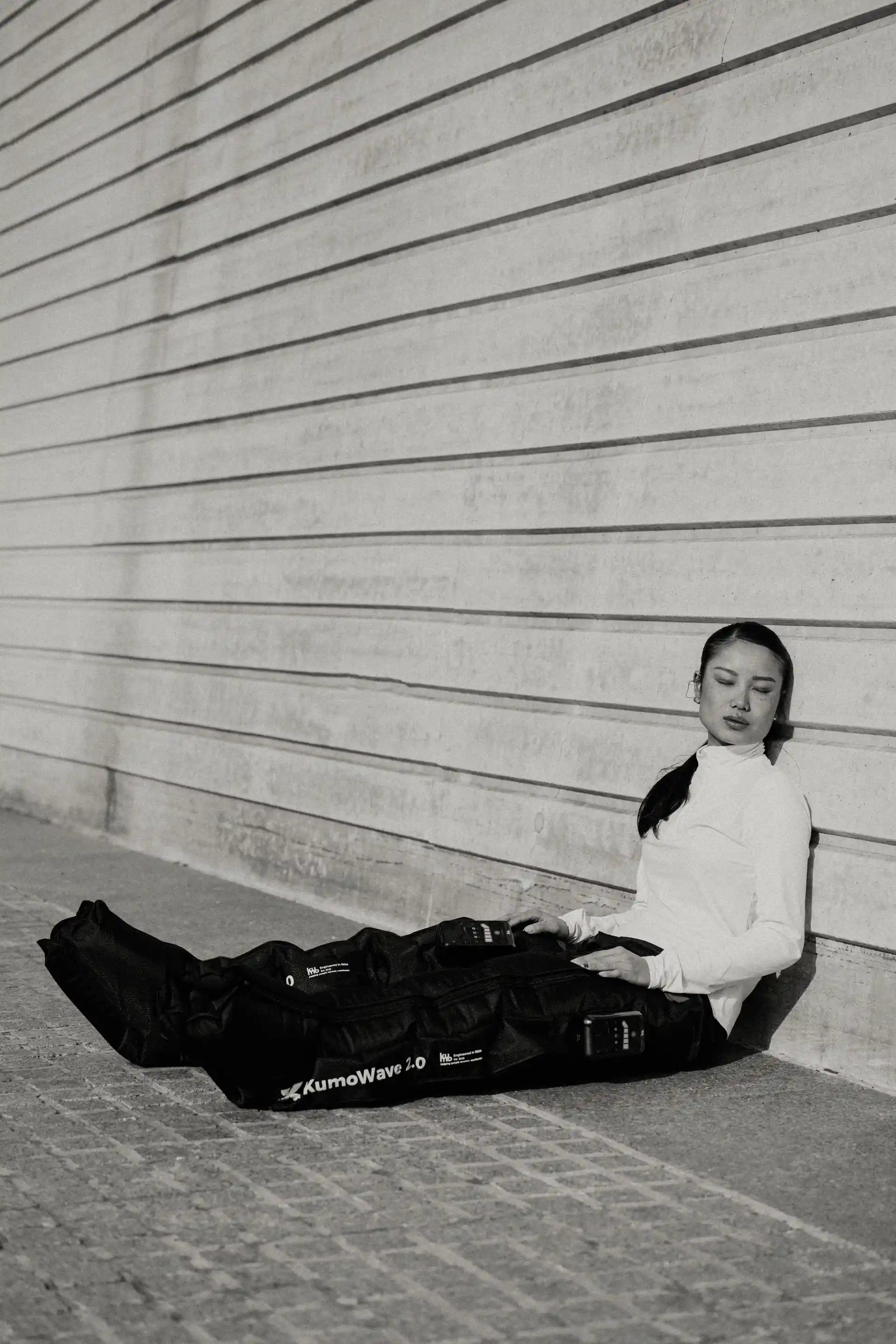
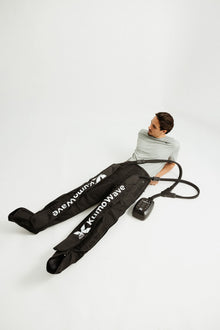
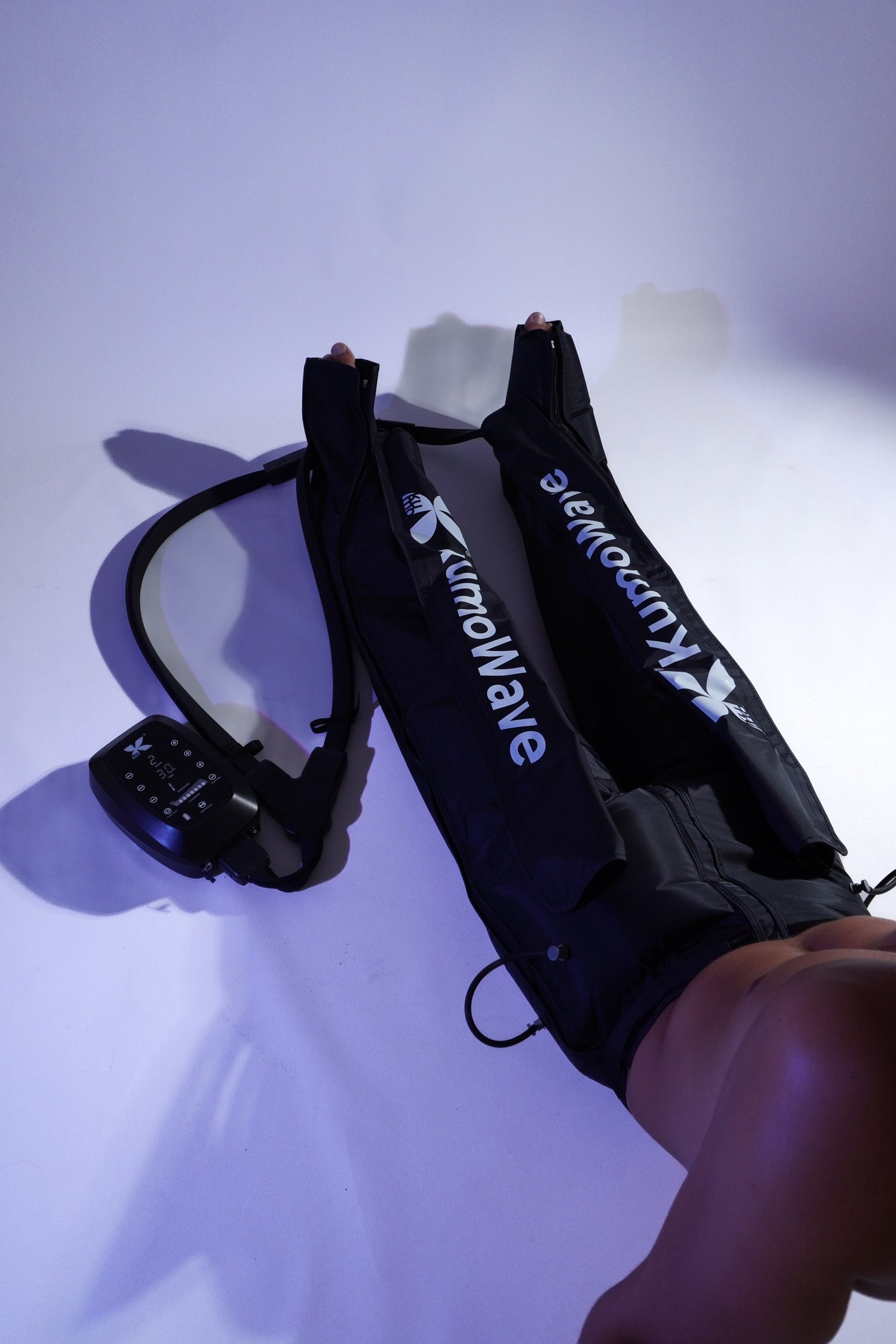
Pressotherapy (boots): circulation, feeling of light legs and post-day “reset”
Intermittent pneumatic compression (IPC) is used in clinical settings for thrombosis prevention in some contexts and is also being investigated in sports/exercise. In a randomized trial (2025) on plyometric-induced DOMS, a 15-minute protocol (immediate + 24/48/72 h) showed improvements in pain recovery and muscle measures compared to control, with clearer effects at 48–72 hours . ( pubmed.ncbi.nlm.nih.gov )
In home practice, pressotherapy is usually a good fit for:
- Days with many hours of sitting/standing.
- Post leg workout or long run.
- Travel (feeling of congestion in calves/ankles).
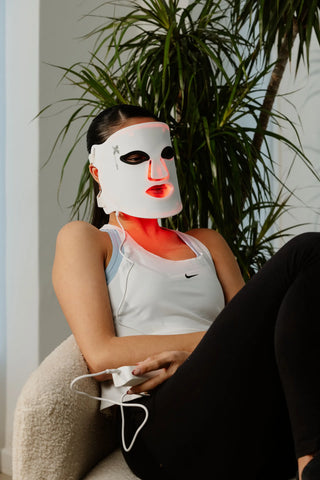
Red light therapy (photobiomodulation): supports tissue recovery
Photobiomodulation (red light and/or near-infrared) is being investigated for muscle recovery and pain. A systematic review and meta-analysis (2025) on DOMS reported common wavelengths between 660–950 nm and found pain reductions (VAS) at 72–96 h and strength improvements at 24–48 h in included studies (with protocol variability). ( pmc.ncbi.nlm.nih.gov )
At home, the most important thing is to be consistent, control the dose (time/distance), and avoid overheating the skin. Harvard Health also points out that, although it's not UV radiation, there is still no clear consensus on the optimal dose and that home devices vary in power. ( health.harvard.edu )
Massage gun: local discharge, mobility and perception (with discretion)
Percussion is useful for "turning off" tension points and improving the sensation of mobility, but the evidence regarding DOMS and performance is mixed depending on the protocol. In a study of active adults (2024), applying a massage gun for 5 minutes after intense calf exertion had little effect on physical measures, and a small increase in perceived pain was observed in the immediate hours; therefore, it is advisable to adjust intensity and timing . ( pmc.ncbi.nlm.nih.gov )
The Kumo protocol at home: a practical weekly routine (step by step)
Step 1: Define your “type of week” in 30 seconds
- Light week : 1–2 intense sessions (or just gentle activity).
- Average week : 3–4 sessions + active life (10–12k steps or physical work).
- High week : 4–6 sessions, or long run + strength, or travel/stress.
Your type of week determines how many "interventions" you make, not the other way around.
Step 2: Use this order (when combining everything on the same day)
For most people, an easy and convenient order is:
- Massage gun (very briefly) if there are charged points.
- Red light therapy (target area).
- Pressotherapy (especially if the focus is on legs).
Why this order? First, you release localized tension, then you apply light stimulation, and finally, you "close" with circulation/relaxation. If you only use one technique, choose the one that best addresses your main symptom (heavy legs → compression therapy; muscle soreness/localized DOMS → light therapy; localized knot → percussion).
Table: Recommended weekly routine (base + adjustments)
| Day | Aim | Pressotherapy (legs) | Red light (zone) | Massage gun |
|---|---|---|---|---|
| Monday | Restart after the weekend / mobility | 15–25 min (gentle) | 10–15 min (legs or back) | 3–6 min total (points) |
| Tuesday | Training support | Optional 15–20 min | 10–15 min (charged zone) | 1–3 min (pre or post, gentle) |
| Wednesday | Midweek recovery | 20–30 min | 10–20 min | 5–8 min total |
| Thursday | Download without fatigue | 15–25 min | 10–15 min | 2–5 min total |
| Friday | Get ready for the weekend | 15–20 min (light) | 10–15 min | 1–3 min (only if you need it) |
| Saturday | Post long session (if applicable) | 20–30 min | 10–20 min (legs) | 3–6 min total (very gentle) |
| Sunday | Reset + sleep | 20–30 min (relaxation) | 10–15 min (relaxing) | Optional 3–5 min |
Important note: If you have just performed a very intense exercise on your calves or quadriceps, avoid using the massage gun at "maximum power" immediately afterward. There is evidence that, depending on the protocol, the effect may be minimal and even increase perceived pain in the short term. In such cases, prioritize light therapy and gentle compression, and postpone percussion until later or the following day. ( pmc.ncbi.nlm.nih.gov )
Step 3: Timing and technique (to avoid “overdoing it”)
Pressotherapy (boots)
- When : afternoon/evening, after a leg workout or after many hours of sitting.
- How to : Start gently and only increase the intensity if it feels comfortable. Check your skin and how it feels.
- Signs that it's okay : "lighter" legs, relaxed, no strange tingling.
Red light therapy (LED / photobiomodulation)
- When : Post-workout or at the end of the day. Also on rest days for consistency.
- How to : Protect your eyes (especially when using it on your face) and follow the device instructions; Cleveland Clinic emphasizes the importance of avoiding misuse that could damage your skin or eyes. ( my.clevelandclinic.org )
- Realistic expectation : It is cumulative and depends on dosage/regularity; Harvard notes that there is still no perfect consensus on the “ideal dose” for each goal. ( health.harvard.edu )
Massage gun
- When : best as a “surgical” tool (specific points), not as a long session.
- How to : 30–60 seconds per muscle group, moderate intensity, always on the muscle belly (not joints/bone).
- Where to avoid : front/side of the neck (arteries), areas with acute pain, bruises, wounds. ( health.com )
Two real-world examples (to copy and adapt)
Example A: strength training (3 days) + sedentary work
- Post leg : red light (legs) + pressotherapy 20–30 min.
- Next day : gentle pressotherapy 15–20 min + gun 3–5 min (points only).
- If severe DOMS occurs for 48–72 hours : prioritize red light therapy and gentle walking; research suggests that some interventions show clearer effects within this window (depending on protocol and modality). ( pubmed.ncbi.nlm.nih.gov )
Example B: You run (2–4 days) and do a long run
- After a long run : pressotherapy 20–30 min (legs) + red light 10–20 min (calves/quadriceps).
- If you notice overload in the soleus/gastrocnemius : use a very gentle and short massage gun, or better yet, wait until the next day.
- If you travel or spend hours standing : pressotherapy at night as a circulatory “reset”.
How to measure if your Kumo protocol is working (without gadgets)
Evaluate 4 markers, from 0 to 10, every morning:
- Heavy legs
- Muscle pain (DOMS)
- Mobility (squats, ankle, hip)
- Energy
If one of those markers does not improve by at least 1–2 points within 10–14 days, adjust:
- Reduce the intensity of the gun and shorten the time.
- Increased light consistency (fewer "peaks", more regularity).
- Use pressotherapy more often but more gently.
- Go back to basics: sleep (≥7 h) and sufficient protein distributed throughout your diet. ( cdc.gov )
Frequently Asked Questions (FAQ) about Kumo and Home Recovery
Can I combine pressotherapy, red light therapy, and KumoPulse Air on the same day?
Yes, it's a typical combination in a home protocol, provided the intensity is reasonable. Generally, use the massage gun (KumoPulse Air) briefly and locally, then red light therapy on the target area, and finish with compression therapy if the focus is on the legs. If you've exerted yourself intensely, avoid immediately percussing the muscle: studies have shown the physical effect was small and perceived pain increased only slightly in the following hours. ( pmc.ncbi.nlm.nih.gov )
Does Kumo red light therapy help with muscle recovery or only with skin?
Red/near-infrared light (photobiomodulation) is used in both skin contexts and pain and recovery applications, depending on the parameters and objective. In DOMS, a systematic review and meta-analysis (2025) found improvements in pain and strength within specific windows (24–96 h) using common wavelengths of 660–950 nm, although protocol variability was observed. For home use, be consistent, protect your eyes, and follow the device instructions: Cleveland Clinic highlights short-term safety when used correctly but cautions against misuse. ( pmc.ncbi.nlm.nih.gov )
How often should I use Kumo compression boots?
It depends on your "type of week." During average to peak weeks, many people fit in 3–6 short sessions (15–30 min) spread out, especially after leg workouts, long runs, or sedentary days. Research shows protocols with repeated sessions over 24/48/72 hours that demonstrate benefits for DOMS (depending on the context). Prioritize comfort, skin care, and gradual progression. If you have vascular risk factors or concerns (unusual pain, asymmetric swelling), consult a doctor first: some individuals should not use compression without supervision. ( pubmed.ncbi.nlm.nih.gov )
What's better for sleep: red light at night or pressotherapy?
It depends on what energizes or relaxes you. Many people find pressotherapy very relaxing for their legs (ideal at the end of the day), while red light therapy tends to integrate well into nighttime routines because it's non-invasive and easy to dose. What is universal, however, is to prioritize sleep as the cornerstone of recovery. The CDC recommends that adults sleep 7 hours or more; if you sleep less, any technological protocol will have limited benefits. Design a simple and repeatable ritual (same time, minimal screen time, cool and dark room). ( cdc.gov )
When should I write to Kumo for guidance on my routine?
If you have questions about how to integrate pressotherapy, LED lighting, and a massage gun into your weekly routine (for example, if you train 5–6 days a week, travel, or alternate between strength training and running), asking for guidance will save you from trial and error. Also, if you feel like you're "doing everything" but not seeing improvement in 10–14 days, it's worth reviewing the order, dosage, and intensity. And if you experience unusual pain, persistent tingling, or significant swelling, prioritize a medical consultation. For support on using and developing a routine with your equipment, you can contact the Kumo team .
So what now?
If you want to create your complete at-home protocol with impeccable aesthetics and a focus on performance, explore the Kumo universe:pressotherapy , LED therapy , and the KumoPulse Air massage gun . And if you're interested in fine-tuning a weekly routine that fits your lifestyle, contact us through our contact page.

Red & infrared light
KumoLux Panel – Red and Infrared LED Panel
★★★★★ 4,8/5 · rated by verified customers
- 660 nm red + 850 nm infrared light
- Full-body muscle recovery
- Clinically validated biohacking protocols
€399,00€499,00· pay in installments with seQura or Klarna