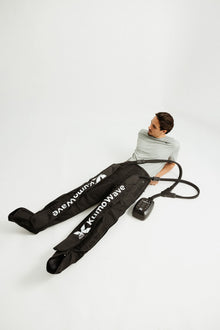
Fatigue accumulates.
During peak season (higher volume, higher intensity, and less room for error), the difference between improvement and plateauing often lies in how you recover , not just how much you train. In this guide, you'll find a practical method for detecting early signs of recovery, adjusting your training load without derailing your plan, and building a sustainable recovery routine with healthy habits (sleep, nutrition, stress management) and supporting technology. If you'd like to integrate premium recovery tools, you can explore the Kumo ecosystem.
Pressotherapy at home
End the day with light legs
★★★★★ 4,8/5 · rated by verified customers
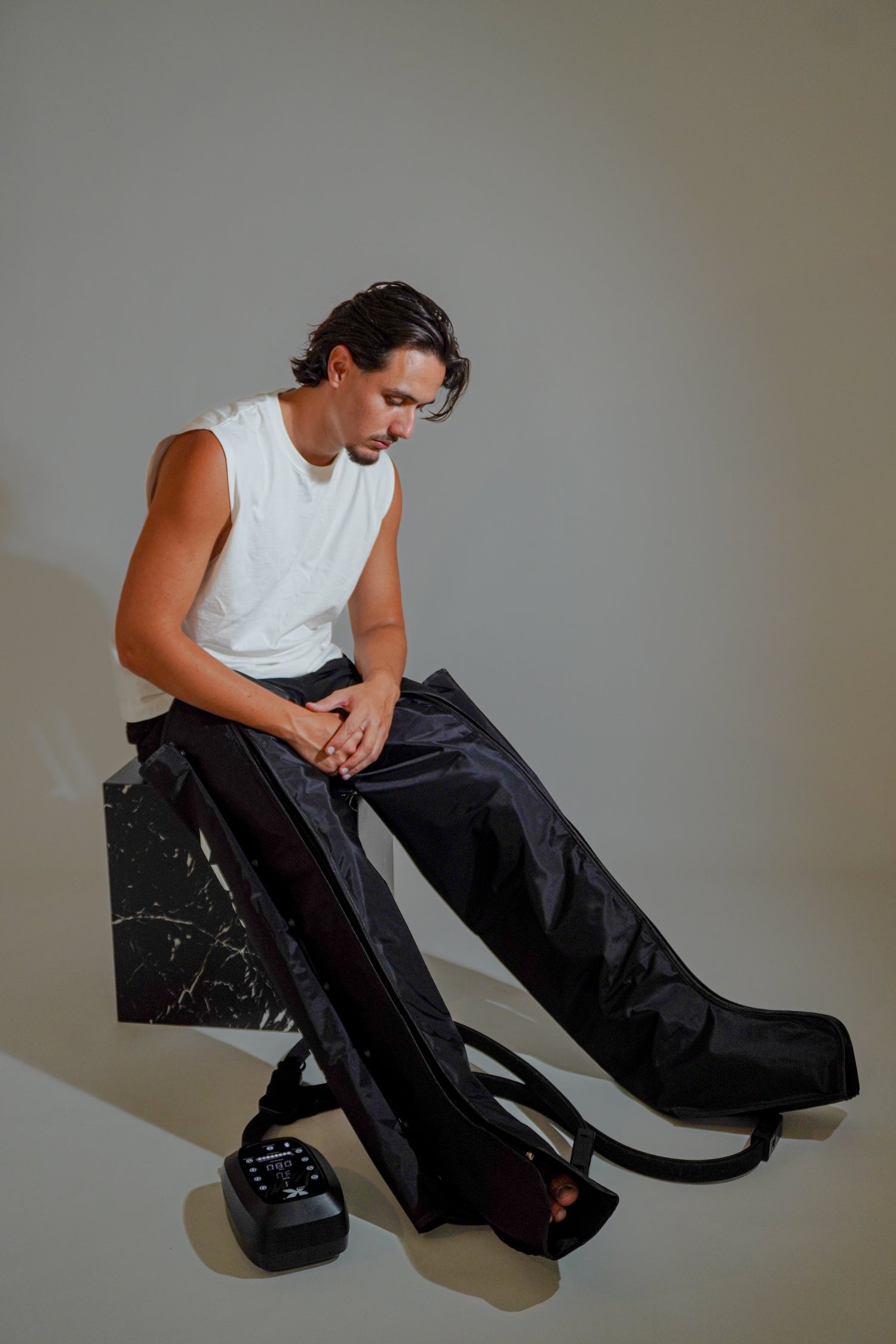
KumoWave pressotherapy boosts circulation and helps drain fluid with sequential compression, in 20-minute sessions at home.
- Boosts circulation and helps drain fluid
- Chamber-based compression, adjustable to you
- Sequential compression that mimics manual drainage
€799,00€999,00
−10% on your 1st order when you subscribe to the newsletter

Effective training combines overload with sufficient recovery. If the former increases while the latter decreases, performance will ultimately suffer.
Why fatigue builds up during peak season (and when it becomes a problem)
Acute fatigue, overexertion, and overtraining: they are not the same thing
Feeling tired after a tough week is normal: it's acute fatigue and part of the adaptation process. The problem arises when you string together weeks of high training stress and insufficient recovery (short sleep, energy deficit, work stress, travel, etc.), because the body stops "absorbing" the stimulus.
Personalized protocol · included with your purchase
Want us to tell you how to use it in your case?
With your purchase, our experts prepare a personalized usage protocol for your case: sport, circulation, fluid retention, pregnancy or lipedema.
Message us on WhatsAppOur experts reply · no obligation
At the extreme is overtraining syndrome , a complex condition described in reference guidelines such as the joint consensus of the European College of Sport Science and the American College of Sports Medicine (2013). A key idea from that consensus: the risk increases when there is excessive training load plus inadequate recovery for a sufficient period of time.
For most recreational and amateur athletes, the goal is not to "diagnose" anything, but to avoid being late : to act as soon as patterns of accumulated fatigue appear.
Early signs that you're accumulating fatigue week after week
- Performance decreases with the same effort (same route/pace/weights, but it costs you more).
- Higher RPE (perceived effort) in “easy” sessions.
- I sleep worse (you have trouble falling asleep, you wake up more often, you get up without a "reset").
- Muscle pain that lasts: DOMS usually appears 12–24 h, stings at 24–72 h and resolves in about days (in many people within a week, according to the literature on DOMS).
- Irritability , apathy, or lack of motivation while training.
- More "touches" : discomforts that were not there before, small repeated injuries.
- More frequent colds or energy dips.
Monitor to act sooner: the simple system that works best
The control “triangle”: performance + sleep + feeling
You don't need a lab to manage recovery: you need trends . If at least two of these three factors worsen over several days, it's time to adjust.
on your first order when you join the newsletter
We send you the code instantly. No spam.
- Performance : times, power, repetitions, heart rate at a fixed pace, etc.
- Sleep : actual hours, awakenings, feeling upon waking.
- Sensation : RPE, muscle pain, mental stress.
HRV (heart rate variability): useful, but not magic
HRV has been studied as a way to adapt training to the “preparation” of the autonomic nervous system. A systematic review with meta-analysis in the Journal of Science and Medicine in Sport (2021) observed that HRV-guided approaches tend to reduce moderate/high intensity sessions when the body is most stressed and can improve some submaximal parameters; however, the effects on performance are not always large or consistent.
Practical translation: use it as a traffic light alongside sleep and sensations, not as the sole judge.
Practical guide: signs of accumulated fatigue and what to adjust that week
| Signal (2–4 consecutive days) | Which usually indicates | Recommended setting (minimum effective) | Recovery goal |
|---|---|---|---|
| Performance falls and RPE rises | Neuromuscular fatigue / lack of freshness | Reduces volume 20–40% in 3–5 days; maintain technique | Regaining “spark” without losing adaptability |
| Fragmented or insufficient sleep | High systemic stress | Prioritize 2–3 nights of sleep hygiene + low intensity | Restore sleep and parasympathetic tone |
| Muscle pain lasts longer than usual | Muscle damage + poor recovery | Avoid aggressive eccentrics; add gentle mobility and relief. | Reduce discomfort and regain range of motion |
| Low mood / apathy | Mental fatigue and total workload (life + training) | 1–2 days of “easy” session + walk + breathing | Psychological recovery and adherence |
| Minor, recurring discomforts | Accumulation of microstresses | Modify exercises, technique, and load; consult a doctor if the problem persists. | Prevent injury and maintain continuity |
Build a recovery week (without stopping training)
Deload: when and how to apply it
A deload is a week (or several days) of intentional stress reduction . In strength and conditioning, deload is typically recommended every 4–8 weeks depending on the block and level, as reported in practice publications (e.g., Strength & Conditioning Journal , 2025) and well-supported clinical guidelines.
How to do it without complicating things:
- Option A (the simplest) : cut the volume (sets, minutes, kilometers) and maintain a moderate intensity.
- Option B : Reduce intensity + volume if you are very fatigued (and prioritize technique).
- Option C : Maintain light activity (walking, gentle cycling, mobility) if you are "at your limit".
Golden rule: alternate “quality days” with really easy days
During peak season, the typical mistake is that "easy" days cease to be easy: they become average sessions. If you string together many average days, you accumulate fatigue without sufficient quality stimulation or real rest.
A solid week typically includes:
- 1–3 key sessions (intervals, heavy strength, specific sets).
- 2–4 easy sessions (comfort zone, technique, mobility).
- 1 day of real rest or very light activity.
Micro-recovery: you also gain time between sessions
Recovery isn't just "what you do afterward": it's how you live between workouts . In peak season, small, repeated actions are worth more than one large, sporadic intervention: 10–20 minutes of mobility exercises, a walk, a deload routine, a proper dinner, an extra hour of sleep.
The 4 pillars that most change your recovery (and how to implement them)
1) Sleep: your number one recovery aid
The evidence and public health recommendations are clear: according to the CDC (updated 2024), adults (18–60 years) should sleep 7 hours or more per night. During peak season, many athletes need even more due to increased energy expenditure and stress.
High-impact checklist (without obsession):
- Regularity : similar bedtime and wake-up time.
- Light : natural light in the morning; low light at night.
- Temperature : cool and ventilated room.
- Caffeine : cut back with enough leeway if it affects you.
- Mental unwind : 5 minutes of nasal breathing or journaling.
If you want to delve deeper into the subject, you can consult the CDC's official guide "About Sleep": sleep recommendations by age .
2) Nutrition and available energy: fatigue is also a “lack of fuel”
During peak season, it's easy to run low on energy, especially if you're trying to get lean. The IOC consensus on Relative Energy Deficiency in Sport (REDs) (2023 update) highlights that low energy availability can affect health and performance, and that its symptoms can overlap with chronic fatigue.
Two practical ideas:
- Don't train hard in an empty stomach : if you increase intensity or volume, check your total carbohydrates and those around your workout.
- Don't underestimate the "invisible deficit" : less appetite, schedules, stress, and travel reduce intake without you realizing it.
Regarding protein, a widely used reference is the International Society of Sports Nutrition 's (ISSN, 2017) Position Stand , which summarizes practical doses to promote protein synthesis: approximately 0.25 g/kg per serving (or a typical range of 20–40 g depending on the context) distributed every 3–4 hours . You can see the article here: ISSN Position Stand: protein and exercise (2017) .
3) Stress and nervous system: you recover worse when “everything weighs you down”
The body doesn't distinguish well between training stress and life stress: it all adds up. If you're in peak season, prioritize a minimal routine to transition from "alert mode" to "recovery mode":
- 2–5 minutes of slow breathing (nasal, long exhalation).
- 10 minutes without screens before bed (or at least reduce brightness).
- A decision that simplifies your week (prepared food, ready clothes, fixed schedules).
4) Soft tissue, mobility and circulation: the physical support of daily life
- Regarding foam rolling, it found clear improvements in range of motion and suggests usefulness for recovery without harming performance, although not everything automatically translates into "better times". Reference: Systematic review & meta-analysis on foam rolling (
Recovery technologies: how to use them judiciously (and how Kumo fits in)
Recovery technology works best when integrated into a plan that already addresses sleep, nutrition, and training load. The Kumo approach focuses on making recovery a habit: aesthetics, technology, and performance without the hassle.
Pressotherapy: support for tired legs and circulation
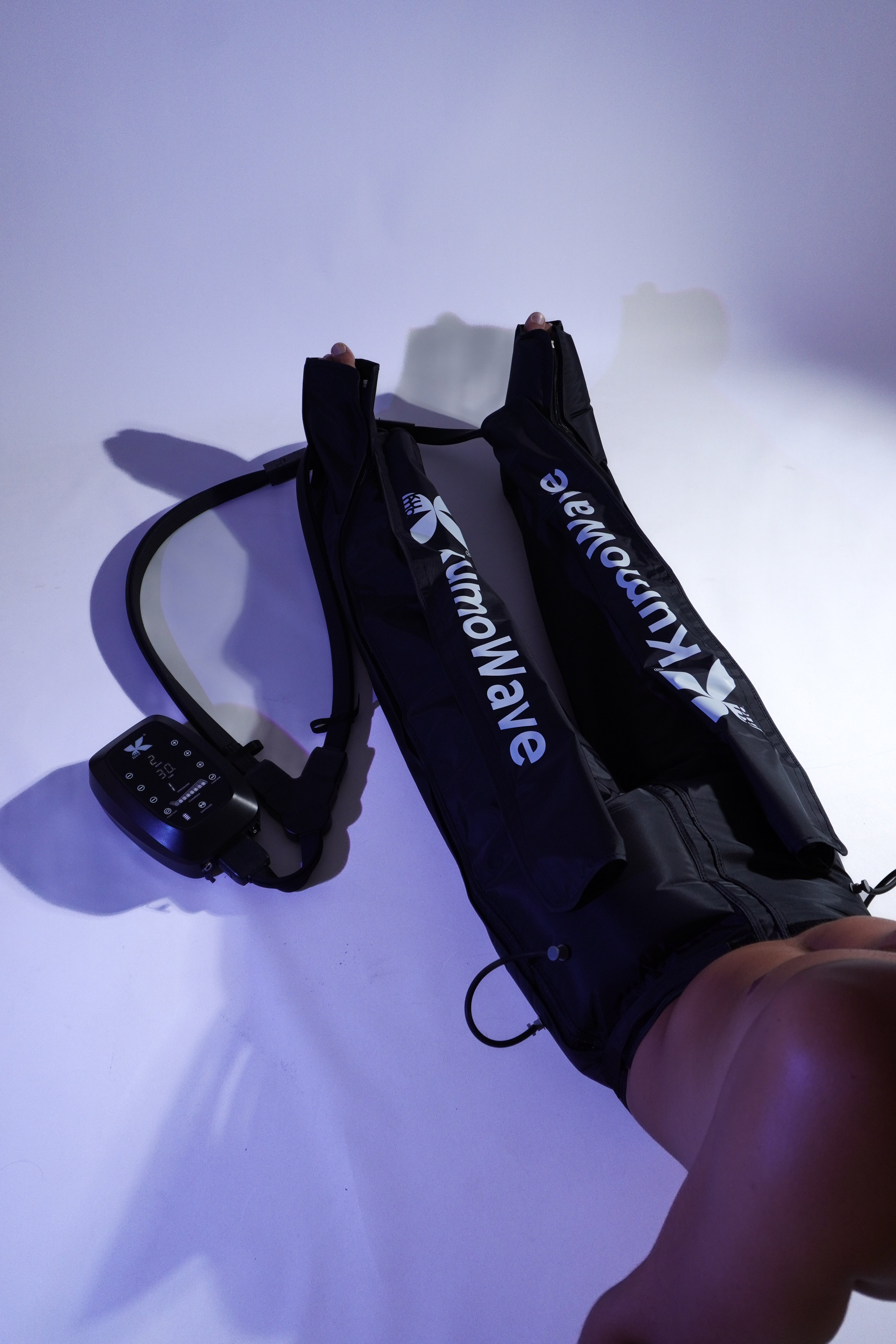
Intermittent pneumatic compression (IPC) is used to promote venous return and a feeling of lightness in the legs. Research includes studies in runners and more recent work exploring its effect on delayed onset muscle soreness (DOMS) and fatigue markers; for example, a study in the International Journal of Exercise Science (2020) evaluated IPC after a long run in runners and analyzed muscle soreness and biomarkers.
How to apply it without “overdoing it”:
- Use it on days when your legs are heavy or when you're doing consecutive workouts.
- It prioritizes the subjective feeling (lightness, less rigidity) and subsequent sleep.
- If you experience abnormal tingling, sharp pain, or have a known vascular condition, consult a healthcare professional.
If you want to integrate this tool into your routine, you can see Kumo's collection here: pressotherapy boots .
Massage gun: spot relief and soft tissue routine
- It suggests that they can improve flexibility in certain muscle groups and that, in terms of recovery variables, they could help with stiffness and range of motion; it also notes that the evidence is still limited and with a moderate risk of bias in several studies. Reference: The Effects of Massage Guns on Performance and Recovery (
Practical use (to avoid irritation):
- After training or in the afternoon: 30–90 s per zone, tolerable pressure.
- Avoid "hammering" the same point with high pain: seek relief , not punishment.
- Do not use it on acute injuries without evaluation.
At Kumo, this category is integrated with a premium and easy-to-use approach: KumoPulse Air massage gun .
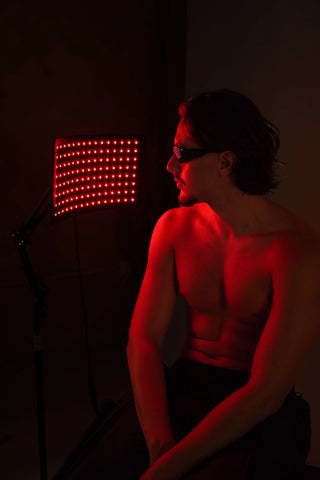
Red light / photobiomodulation: muscle, recovery and sleep
- Improvements in sleep quality and melatonin levels were observed after exposure to red light in athletes (in a 14-day nighttime protocol). Reference: Red light and sleep quality in athletes (
- analyzes the available evidence for whole-body photobiomodulation during exercise. Reference: Systematic review whole-body PBM (
How to integrate it during peak season:
- If your priority is sleep : use it as part of your nighttime ritual (low ambient light, breathing, stable routine).
- If your priority is muscle : apply it on days with high lower/upper body load, without replacing rest.
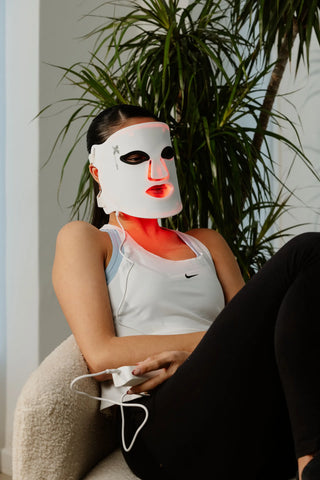
In the Kumo universe, this line is worked on as a recovery and wellness habit: LED light therapy .
LED Mask: Skincare when your week is hectic
During peak season, the "total stress" also shows on the skin (poor sleep, changes in routine, travel, sweat). An LED mask doesn't replace sleep or nutrition, but it can be a consistent self-care tool: a 10-minute routine, low stimulation, and a feeling of aesthetic recovery that helps sustain the habit (and, for many, adherence to a more balanced lifestyle).
The key is focus: consistency, a clear protocol, and combining it with sleep hygiene.
Practical example: 7-day protocol to avoid accumulating fatigue
This example serves as a template. Adjust it according to your sport (running, strength, cycling, cross training) and your schedule.
- Day 1 (quality) : intense session + full dinner + short cool-down routine (mobility + 5 min breathing).
- Day 2 (easy) : comfortable zone + 10–15 min of mobility; if legs are heavy, gentle compression/unloading.
- Day 3 (technique) : technical strength or gentle rolling + targeted soft tissue therapy (foam rolling gun).
- Day 4 (quality) : second key session; prioritize pre/post carbs and consistent bedtime.
- Day 5 (active recovery) : walk 30–45 min + mobility; if sleep is poor, reduce the load even further.
- Day 6 (moderate volume) : controlled medium session (training without competition).
- Day 7 (reset) : real rest or very light activity; plan your week and schedule a mini-deload if there were any signs.
Common mistakes that cause you to accumulate fatigue even if you "recover"
- Turn everything into a middle ground : neither easy nor intense, and always tiring.
- Using technology to compensate for short sleep or food deficit.
- Download with excessive pain (aggressive massage, uncontrolled rollers).
- Don't plan your deload and wait until you break down to stop.
- Ignoring the context : work stress, travel, and poor hydration all count as a burden.
FAQ on peak season recovery (Kumo approach)
How often should I use Kumo compression boots if I train 5-6 days a week?
During peak training season of 5-6 days per week, the most practical approach is to use compression therapy as a consistency tool, not as a one-off "rescue" measure. A common pattern is to apply it on days with heavy legs or after stringing together demanding sessions (for example, after interval training or long runs). Evaluate whether you notice less stiffness and are better prepared for easier training the following day. If your sleep is poor, prioritize getting more sleep first; compression therapy is beneficial, but it doesn't replace rest.
Does Kumo's red light help you sleep better or is it just for your muscles?
Photobiomodulation is being investigated both for muscle recovery and its potential relationship with sleep, depending on the protocol. Studies in athletes have observed improvements in sleep quality with short-term exposure to red light (for example, 14 days in a study published in 2012). In practice, if your goal is to sleep better, incorporate it into a nighttime routine: low light, fewer screens, and a consistent schedule. If you train late, avoid making your recovery session another stressful stimulus.
When is it best to use the KumoPulse Air massage gun: before or after training?
During peak season, it's usually most useful after training or during periods of stiffness (late afternoon/evening), with a moderate dose: 30–90 seconds per area and a tolerable intensity. Before training, it can be used as a light warm-up if it helps you move better, but avoid long or very intense sessions that can leave you feeling numb or irritate the tissue. Evidence on massage guns suggests improvements in flexibility and some recovery markers, but it doesn't guarantee immediate improvements in explosive performance.
Can I combine pressotherapy and Kumo LED therapy on the same day?
Yes, as long as the goal is to reduce the workload and improve how you feel, not to add another "heavy task." A reasonable combination for demanding days is: pressotherapy for a feeling of lightness in your legs + LED therapy during a quiet moment to promote a recovery routine (especially if you combine it with good sleep hygiene). Keep your protocols simple and sustainable. If you notice it's taking away from sleep or eating well, cut back: what's most effective for recovery is usually doing the basics well.
What should I do if I accumulate fatigue even while using Kumo recovery tools?
If fatigue persists despite using technology, it's usually due to one of these three issues: training load (too much intensity/volume), insufficient or irregular sleep , or insufficient energy (you're eating less than you're burning). The solution is typically a short but firm adjustment: 3–7 days of reduced volume, improved sleep schedules, and ensuring adequate post-workout nutrition. Kumo tools can help you feel better and maintain the habit, but the driving force behind recovery remains training load management, rest, and nutrition.
So what now?
If you want to make recovery a habit (especially during demanding training weeks), explore Kumo's solutions tailored to your needs: pressotherapy for heavy legs, massage gun muscle release, and a holistic approach with LED light therapy . And if you need guidance on seamlessly integrating recovery into your weekly routine, you can contact us here: contact .
KumoWave pressotherapy
Choose your at-home pressotherapy
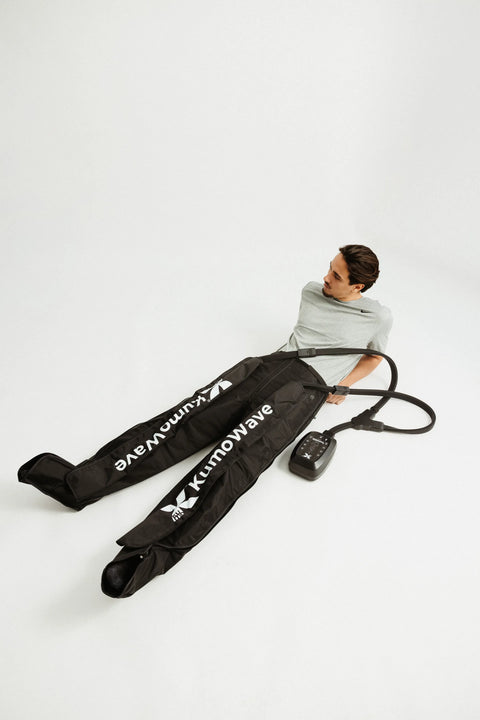
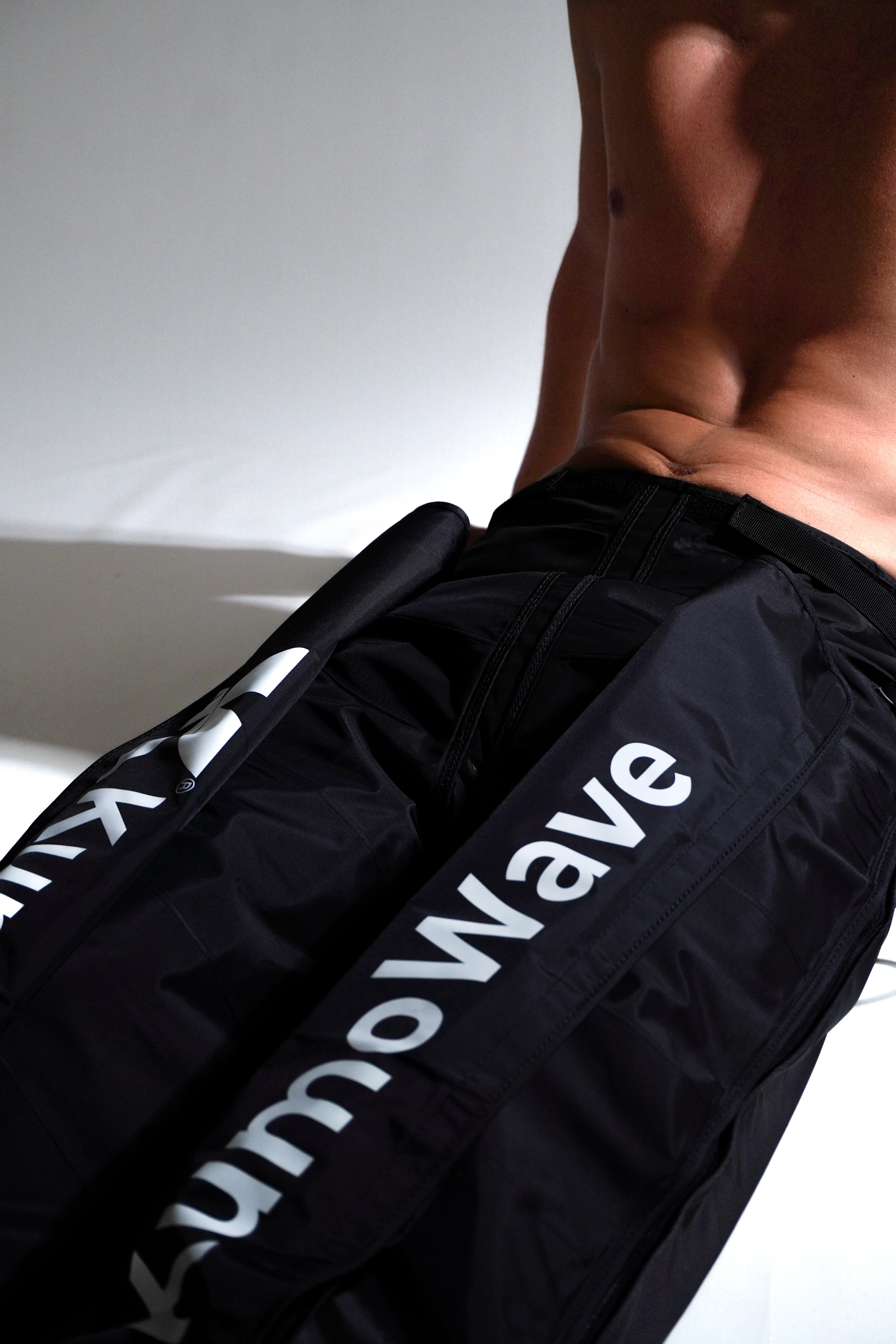
KumoWave Elite – Pressotherapy Pants
Full-coverage trousers. Ideal for lipedema, fluid retention and intensive use.
€799,00 €999,00
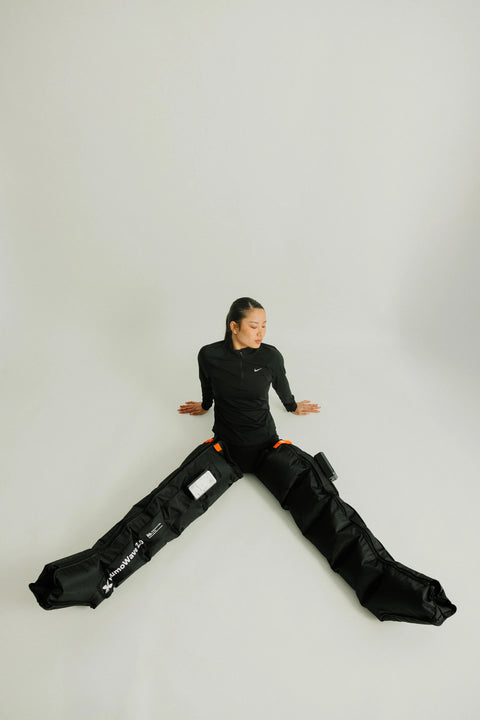
KumoWave 2.0 - Wireless Pressotherapy
Wireless, lightweight boots. Perfect for daily use and recovery.
€499,00 €599,00