
Introduction: Why does a back strain hurt so much?
Muscle contractures in the back are more common than you think.
If you feel a painful "lump," stiffness, or a pulling sensation that limits your ability to twist, bend, or even take a deep breath, you're probably dealing with a muscle spasm, not necessarily a serious spinal injury. The World Health Organization reminds us that lower back pain is the leading cause of disability worldwide, affecting more than 600 million people in 2020, with a projected 840 million by 2050. ( eltiempo.com ) In this quick guide you will see:
Pressotherapy at home
End the day with light legs
★★★★★ 4,8/5 · rated by verified customers
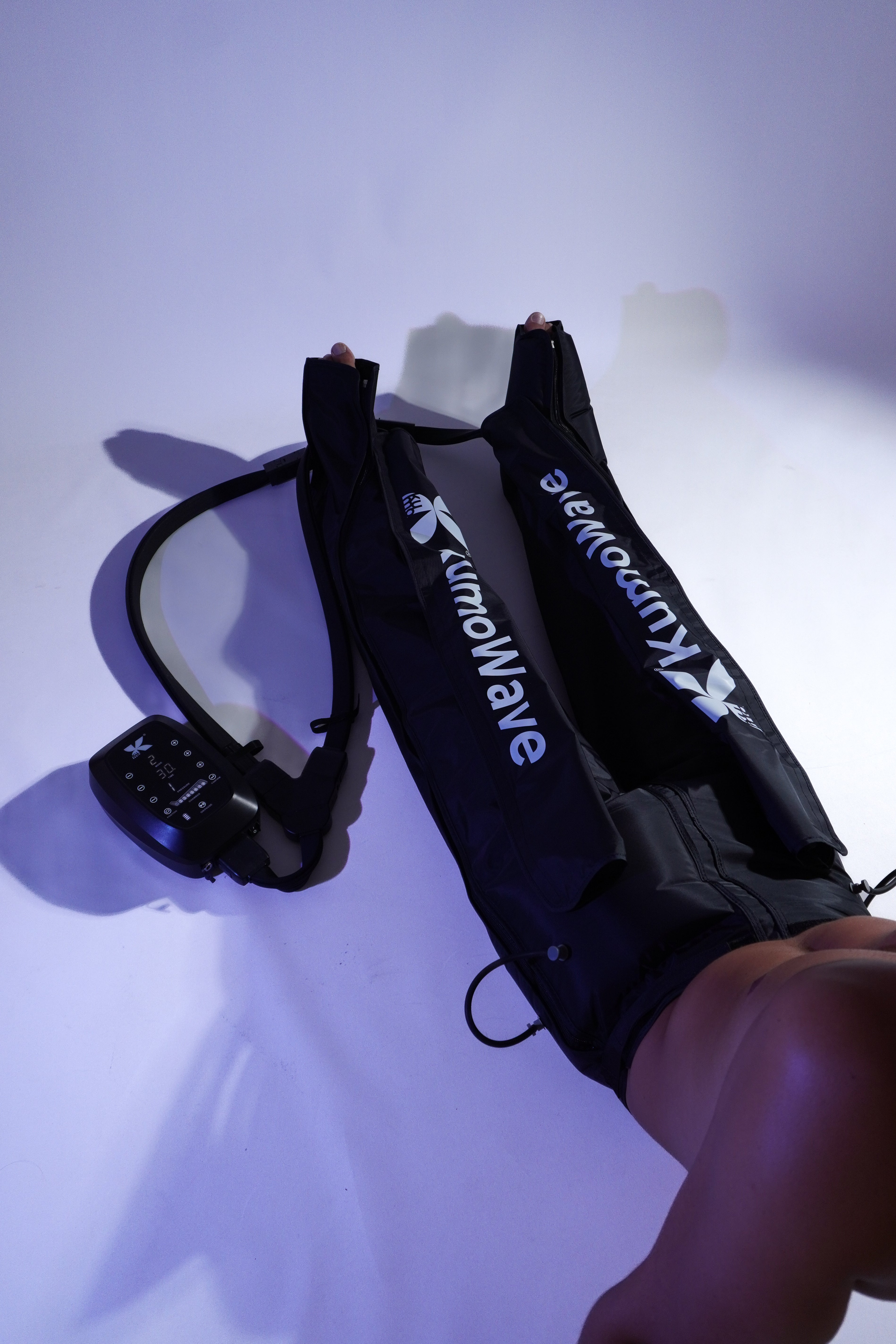
KumoWave pressotherapy boosts circulation and helps drain fluid with sequential compression, in 20-minute sessions at home.
- Boosts circulation and helps drain fluid
- Chamber-based compression, adjustable to you
- Sequential compression that mimics manual drainage
€799,00€999,00
−10% on your 1st order when you subscribe to the newsletter

- What exactly is a muscle contracture in the back?
- Common causes and how to recognize them.
- What you can do immediately at home (and what NOT to do).
- When to see a doctor or physiotherapist.
- How to prevent it from happening again, with the help of movement and recovery technologies.
The goal is to give you a clear, simple, and evidence-based roadmap so that muscle tension doesn't dominate your daily life.
What is a muscle contracture in the back?
A muscle contracture is an involuntary and persistent contraction of a group of muscle fibers. In the back, it usually affects the paravertebral muscles (on the sides of the spine) in the cervical, thoracic, or lumbar region.
Personalized protocol · included with your purchase
Want us to tell you how to use it in your case?
With your purchase, our experts prepare a personalized usage protocol for your case: sport, circulation, fluid retention, pregnancy or lipedema.
Message us on WhatsAppOur experts reply · no obligation
Unlike other injuries:
- It does not necessarily imply damage to the discs (such as a herniated disc).
- There is not always obvious inflammation , but rather an increase in muscle tone and points that are very painful to the touch.
- The pain is usually localized , worsens with certain movements, and improves with relative rest, gentle heat, and massage. ( en.wikipedia.org )
Although a muscle contracture itself is not a serious injury, it can be very debilitating in the short term and, if it recurs frequently, may indicate problems with posture, sedentary lifestyle, stress, or overload that should be addressed.
Common causes of muscle contractures in the back
1. Sustained postures and sedentary lifestyle
Spending hours sitting in front of a computer, slouching while looking at your phone, or working standing up without moving creates constant tension in the back muscles. The WHO identifies sedentary lifestyles as one of the main factors linked to chronic lower back pain, which already affects hundreds of millions of people worldwide. ( periodicodeibiza.es )
on your first order when you join the newsletter
We send you the code instantly. No spam.
When the trunk stabilizing muscles are weak and are asked to hold uncomfortable postures for many hours, they react with overload and defensive contractures.
2. Occasional overload or poor posture
Lifting something heavy "without warming up," twisting your torso abruptly, training with poor technique, or making an effort you're not used to can cause a strain or an acute muscle spasm. In sprains or strains of the lumbar muscles, the tendons and muscles of the back are stretched or overloaded, producing pain, stiffness, and sometimes spasms. ( en.wikipedia.org )
3. Stress, emotional tension and lack of rest
When you live with constant stress, it's common to develop tension in the trapezius muscle, the cervical spine, and the upper back. The body enters a state of alert, the postural muscles activate, and it becomes easier for knots and trigger points to appear.
A European study on chronic back pain showed that psychological factors such as excessive worry about pain or fear of movement can explain up to 35% of associated disability. ( infosalus.com ) This means that mental stress and how you relate to pain are just as important as the physical aspect.
4. Other factors that contribute to muscle contractures
- Lack of warm-up before training.
- Core weakness (abdomen and deep lumbar muscles).
- Overload in certain sports (cyclists, runners, racket sports, etc.).
- Inappropriate footwear or gait problems.
- Overweight and poor general physical condition.
There is almost always a combination of movement habits, physical load, and stress behind repeated muscle contractions.
Symptoms: how to recognize a muscle spasm and when to worry
Typical signs of a muscle contracture in the back
Although each person experiences it differently, the following usually appear:
- Pain localized to a specific point or strip of the back.
- Sensation of a "knot", "ball" or tight band when touching the area.
- Stiffness and difficulty with certain movements (bending over, turning the torso, raising the arm...).
- Pain that worsens with movement or maintaining a posture, and improves with heat or gentle massage.
- Occasionally, referred pain may extend to the neck, shoulder, or buttocks, but generally does not go below the knee.
Warning signs: see a doctor as soon as possible
Although most muscle contractures are benign, the WHO and other clinical guidelines insist on monitoring certain symptoms that may indicate a more serious problem than a simple contracture: ( who.int )
- Intense pain after a fall, traffic accident or severe trauma.
- Lower back pain that travels down the leg with tingling, numbness, or weakness.
- Obvious loss of strength in legs or arms.
- Difficulty controlling urine or feces.
- Fever, unexplained weight loss, or general malaise along with pain.
- Pain that does not improve at all after several weeks or that progressively worsens.
In any of these cases, it is important to consult your doctor or go to the emergency room.
Quick treatments to relieve a muscle spasm in the back
First 48 hours: what you can do at home
If the pain has started recently and there are no warning signs, you can start with simple measures:
- Relative rest : avoid lifting heavy objects or making sudden movements, but do not stay in bed unless the pain is unbearable. Evidence suggests that prolonged immobilization can worsen the course of back pain. ( en.wikipedia.org )
-
Local cold or heat :
- If there has been a very recent strain or micro-injury, applying cold (15–20 minutes, with a cloth in between) for the first few hours may help.
- In many muscle contractions without trauma, gentle heat (low electric blanket, hot shower) provides more relief by relaxing the muscles.
- Gentle stretching and controlled movement : within your tolerance, avoid remaining completely still. Careful movement helps the muscle to stop "locking up".
- Over-the-counter pain relievers (ibuprofen, acetaminophen) can be helpful if your doctor has previously recommended them and you have no contraindications. Do not exceed the prescribed dose and always consult your doctor if you have any questions.
Physical therapies and massage (manual and with devices)
The World Health Organization includes massage and some physical therapies as an option within the non-pharmacological approach to low back pain, especially in combination with exercise and education. ( who.int ) Systematic reviews suggest that massage can improve pain and function in the short term in nonspecific low back pain, although the quality of the evidence is low and the effects are usually moderate. ( cochrane.org )
Usual options:
- Physiotherapy and professional therapeutic massage .
- Self-massage with a ball, foam roller, or percussion devices.
In the KUMO universe, for example, massage guns allow controlled percussion to be applied to the paravertebral and shoulder girdle muscles to help untie knots and improve the feeling of stiffness, always as a complement and not as a substitute for professional assessment.
Recovery technologies: red light, heat, and percussive massage
In addition to manual massage, some recovery technologies are used to support muscle pain relief and promote recovery:
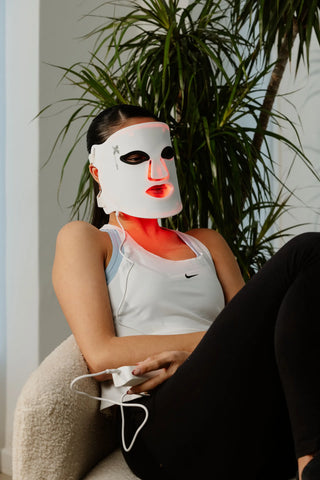
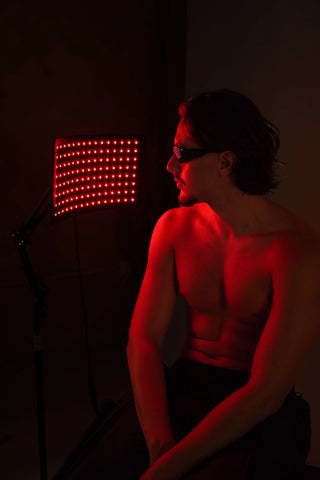
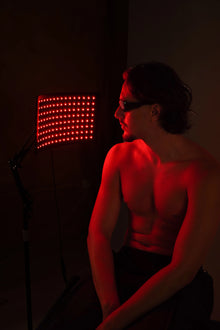
- Red light/low-level laser therapy : Reviews for chronic low back pain indicate that low-level laser therapy may produce moderate improvements in pain and slight improvements in function versus placebo in the months following treatment, although the evidence is still limited. ( nccih.nih.gov ) KUMO LED light therapy devices are based on this idea of photobiomodulation to support muscle regeneration and recovery.
- Percussive massage : A massage gun, such as the Kumopulse Air , can help relax soft tissue, stimulate local circulation, and reduce stiffness when used with moderate intensity, avoiding bony areas and without sharp, stabbing pain.
- Localized heat : heating pads or hot showers are a simple and often effective resource for mild muscle contractures.
In all cases, these tools should be understood as a complement to the main pillars: adapted movement, progressive strength, good sleep hygiene and stress management.
When to seek medical help
Consult your doctor or physiotherapist if:
- The pain is very intense or limits your basic activities.
- It frequently reappears in the same area.
- It doesn't improve in a few days despite basic measures.
- It is accompanied by other symptoms (tingling, weakness, fever…).
The new WHO guidelines on chronic low back pain recommend non-surgical interventions based on exercise, education, certain physical therapies (such as massage or manipulation), psychological treatments and the prudent use of anti-inflammatory drugs, reserving surgery for very specific cases. ( who.int )
Gentle exercises and stretches to prevent muscle contractures
The exercises should be adapted to your fitness level and, if possible, supervised by a professional, at least initially. Even so, there are some helpful general principles.
Basic mobility routine (pain-free)
- Pelvic tilts while lying down : Lying on your back, knees bent, gently lower your lower back towards the floor and return to a neutral position, without forcing it.
- Cat-camel : on all fours, alternate arching and rounding your back in a controlled manner.
- Knee to chest : Lying on your back, bring one knee towards your chest, hold for 10–15 seconds and switch sides.
- Gentle trunk rotations : Standing with your feet hip-width apart, slowly rotate your trunk from side to side, without sudden bounces.
- Scapular retraction : Sitting or standing, pull your shoulders slightly back and down, as if you wanted to bring your shoulder blades together.
Perform 8–12 repetitions per exercise, always avoiding sharp pain. If any position significantly worsens your symptoms, stop.
Daily movement: walk more to have less pain
A study published in 2025 in JAMA Network Open observed that walking between 101 and 124 minutes a day was associated with a 23% lower risk of developing chronic lower back pain in adults followed for several years. ( health.com ) Without needing to reach that threshold immediately, gradually increasing your daily walking time helps to:
- Improve circulation and overall mobility.
- Reduce stiffness and fear of movement.
- Manage stress better.
Quick summary: what to do and what to avoid in case of a muscle strain
| Aim | What helps | What to avoid | When to apply it |
|---|---|---|---|
| Relieve acute pain | Relative rest, local heat or cold, analgesics prescribed by the doctor | Spending days in bed, over-medicating | First 24–72 hours, if there are no warning signs |
| Relax the muscles | Gentle massage, self-massage, deep breathing, low-intensity red light | Rough handling, aggressive massages in very intense pain | When the pain allows it and outside of very acute phases |
| Restore mobility | Gentle stretching, mobility exercises, walking | Returning abruptly to intense training without progression | As soon as the pain starts to subside |
| Prevent relapses | Strengthening core strength, ergonomics, stress management, quality sleep | Sustained postures, sedentary lifestyle, repetitive strain | In the medium and long term, as a new lifestyle |
Muscle contractures and lifestyle: beyond the back
Severe chronic back pain is associated with mobility, work, and social limitations in most sufferers. ( es.world.physio ) Recurring muscle spasms can be an early warning sign that your lifestyle needs adjustments.
- Sleep : sleeping little or poorly increases sensitivity to pain.
- Stress : catastrophizing and fear of movement are related to up to 35% of disability due to back pain. ( infosalus.com ) Breathing techniques, meditation or psychological support can make a difference.
- Regular physical activity : strength, mobility and some cardiovascular work are the best preventive “medicine”.
- Whole body care : Massage, according to the NCCIH, offers modest but real benefits for lower back pain, sleep, and general well-being, with a low risk of adverse effects. ( nccih.nih.gov )
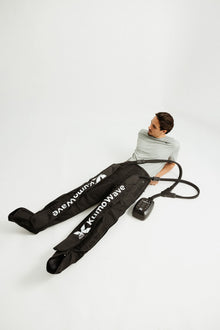
In this context, recovery technologies such as red light therapy, massage guns or pressotherapy make sense as tools to care for muscles, circulation and rest , always integrated into a global approach to health.
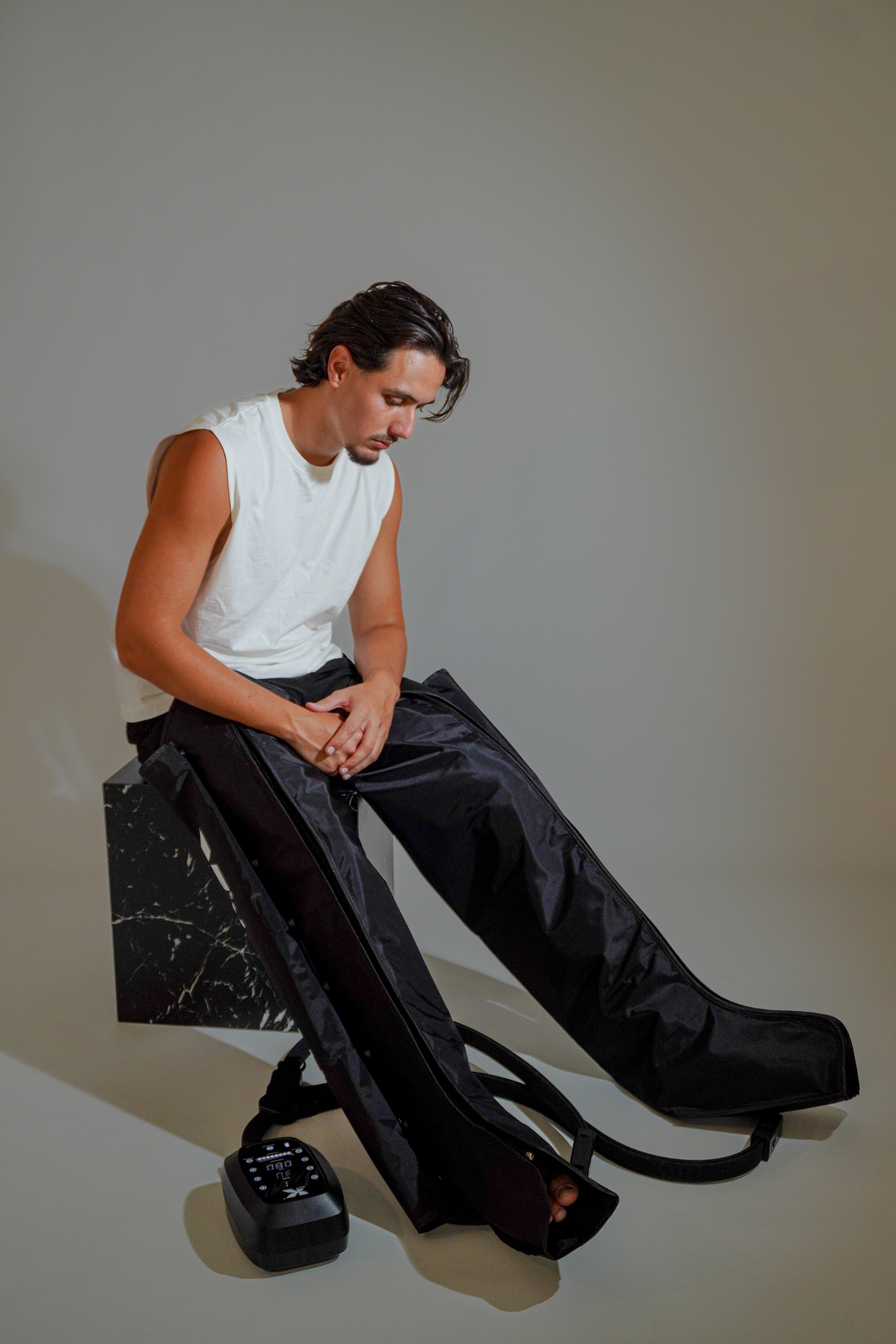
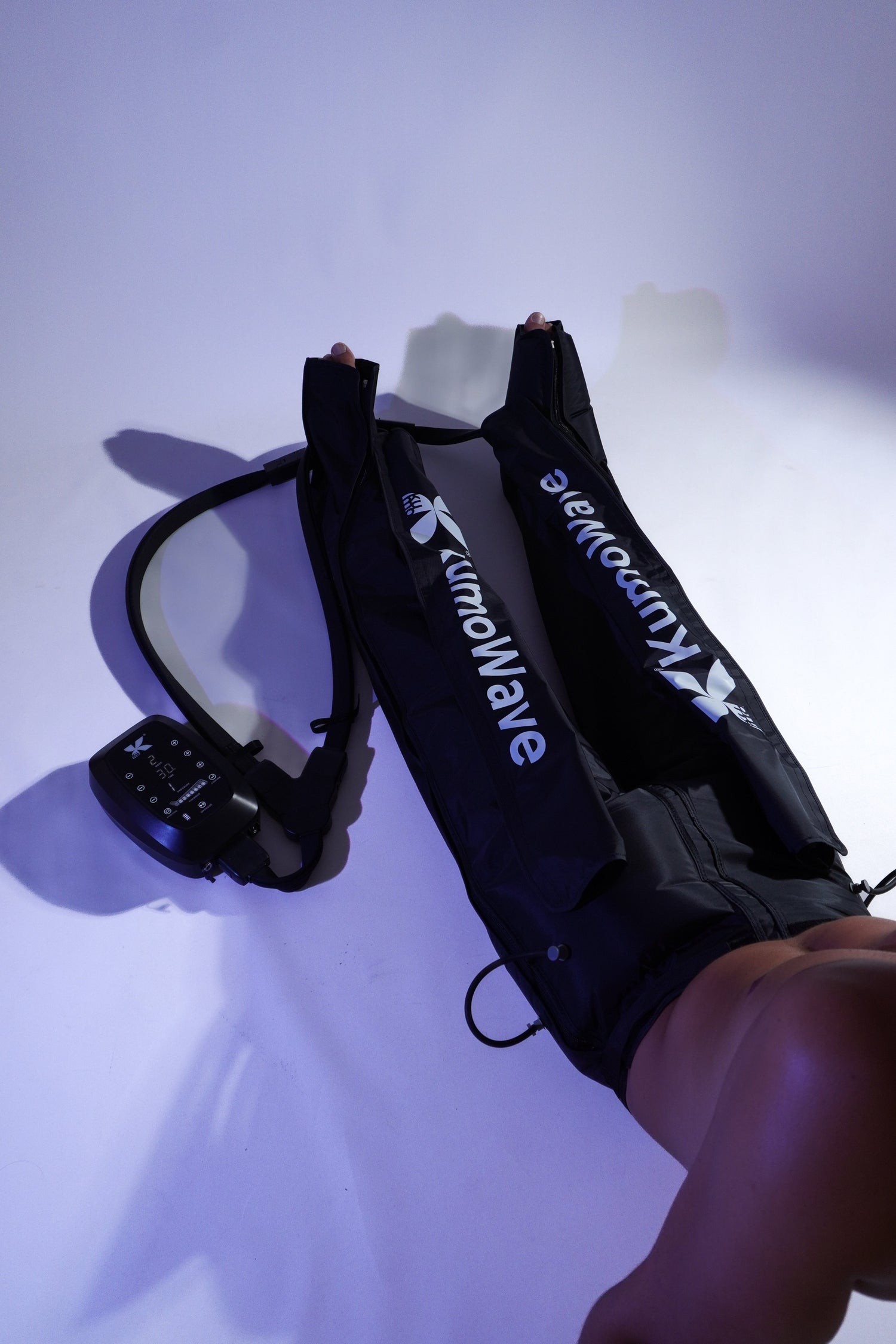
For example, KUMO compression boots are designed to promote venous return in tired or swollen legs, reducing the feeling of heaviness and making daily movement more pleasant—key if you want to protect your back. ( health.com )
Frequently asked questions about muscle contractures in the back
How long does a muscle spasm in the back last?
It depends on the intensity, the cause, and how you treat it. Many mild muscle contractions improve within days with relative rest, local heat, and some gentle movement. When there is significant strain, the pain can last longer, although it usually decreases gradually. If the pain doesn't improve at all after two weeks, intensifies over time, or seriously limits your daily life, it's advisable to consult a healthcare professional to rule out other causes and adjust the treatment.
Is it better to apply cold or heat to a muscle contracture?
For a very recent injury associated with a sudden exertion, blow, or strain, it's usually recommended to start with cold therapy (a cold gel pack or ice wrapped in a cloth) for the first few days, in 15–20 minute sessions, to reduce pain. For many muscle contractions without trauma, especially when you've had the problem for hours or days, moderate heat is often more pleasant and effective for relaxing the muscle. There's no one-size-fits-all rule: experiment carefully and stick with what provides the best relief, always avoiding burns or excessive heat exposure.
Can I exercise if I have a lower back strain?
In most cases, maintaining some level of movement is advisable, avoiding only the movements or loads that trigger pain. Current evidence advises against prolonged complete rest for back pain, as it can slow recovery and contribute to the condition becoming chronic. ( en.wikipedia.org ) It is preferable to focus on gentle walking, mobility exercises, and, as your condition improves, progressive strength training. If the pain increases significantly when you move, consult your physiotherapist or doctor to adapt your activity plan to your specific needs.
Are muscle contractions dangerous?
Muscle contractures themselves are usually bothersome but benign and respond well to simple measures. The important thing is to be aware of so-called "warning signs": pain after a strong injury, loss of strength, altered sensation, fever, incontinence, or pain that doesn't improve with any treatment. ( who.int ) In these cases, you should see a doctor to rule out more serious problems (herniated discs with neurological involvement, infections, etc.). If your contractures are very frequent even without any warning signs, an evaluation is also advisable to review your posture, ergonomics, and overall health.
Which professional is best suited to treat recurring muscle contractures?
As a starting point, your primary care physician can assess whether there is an underlying cause that requires further investigation. For more specific work on muscles, posture, and movement, the key figure is usually a physiotherapist or a physician specializing in physical medicine and rehabilitation. In cases of chronic low back pain, WHO guidelines recommend a multidisciplinary approach that includes supervised exercise, pain education, and, when necessary, psychological support to manage stress and fear of movement. ( who.int )
So what now? How to integrate recovery into your daily life
If you've made it this far, you already know that back muscle tension rarely resolves with a single session or a one-off remedy: it requires lifestyle changes, smart movement, and a well-planned recovery . At KUMO, our mission is precisely to make that recovery easier to integrate into your routine, thanks to technologies like LED therapy, pressotherapy, and percussive massage devices.
We invite you to explore our full catalog on our homepage and discover how red light therapy solutions , compression boots , or the Kumopulse Air massage gun can become allies for your back within a comprehensive health plan. If you have any questions about which option is best for you, you can contact our team for personalized guidance.
KumoWave pressotherapy
Choose your at-home pressotherapy
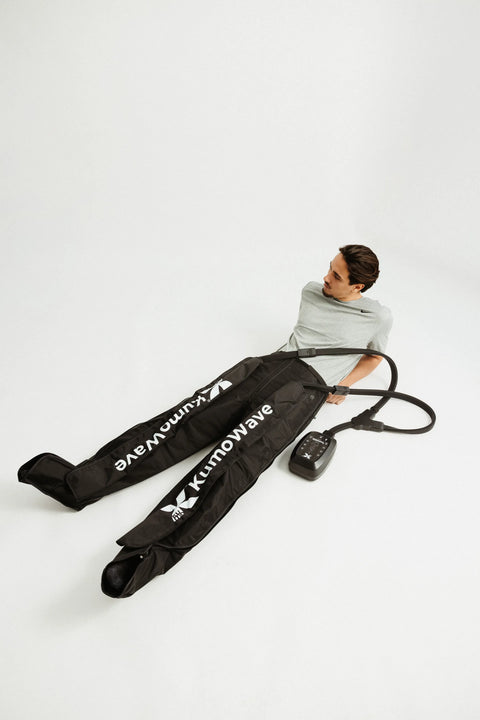
KumoWave Elite – Pressotherapy Pants
Full-coverage trousers. Ideal for lipedema, fluid retention and intensive use.
€799,00 €999,00
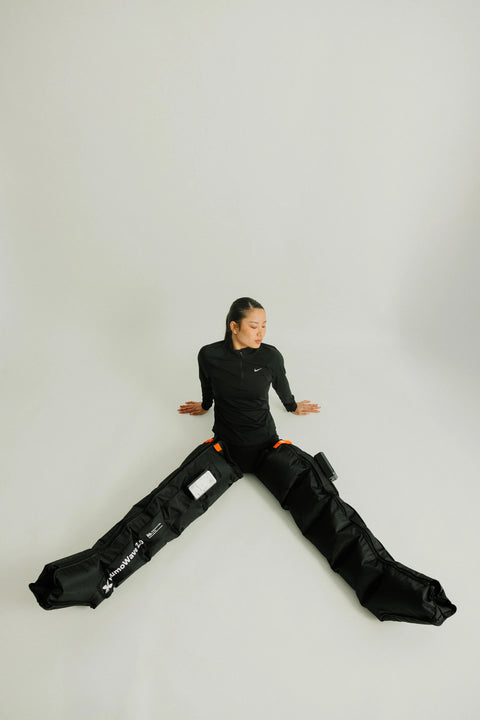
KumoWave 2.0 - Wireless Pressotherapy
Wireless, lightweight boots. Perfect for daily use and recovery.
€499,00 €599,00