
Pressotherapy boots can change your nights.
Incorporating them into a nightly routine at home is a simple way to relieve the feeling of heaviness in your legs, support circulation, and prepare your body for better sleep. In this article, you'll learn exactly what these pneumatic compression boots are, what benefits they can offer based on available evidence, and how to build a relaxing, safe, and realistic nighttime routine step by step that you can maintain over time.
Pressotherapy at home
End the day with light legs
★★★★★ 4,8/5 · rated by verified customers
KumoWave pressotherapy boosts circulation and helps drain fluid with sequential compression, in 20-minute sessions at home.
- Boosts circulation and helps drain fluid
- Chamber-based compression, adjustable to you
- Sequential compression that mimics manual drainage
€799,00€999,00
−10% on your 1st order when you subscribe to the newsletter

We will also review best practices, contraindications, and tips for choosing quality equipment, aligned with the premium recovery philosophy of brands like KUMO .
What are compression boots and how do they work?
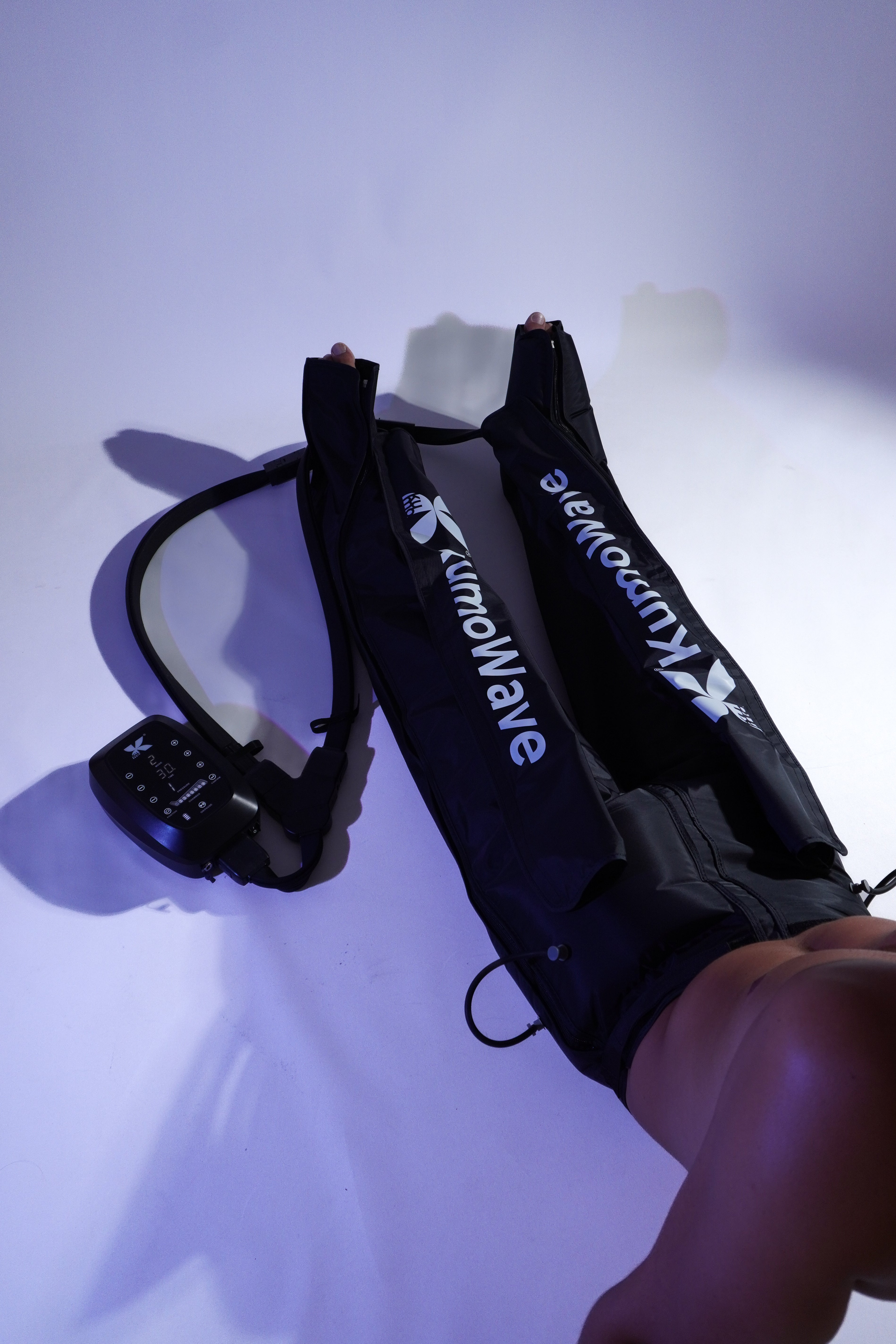
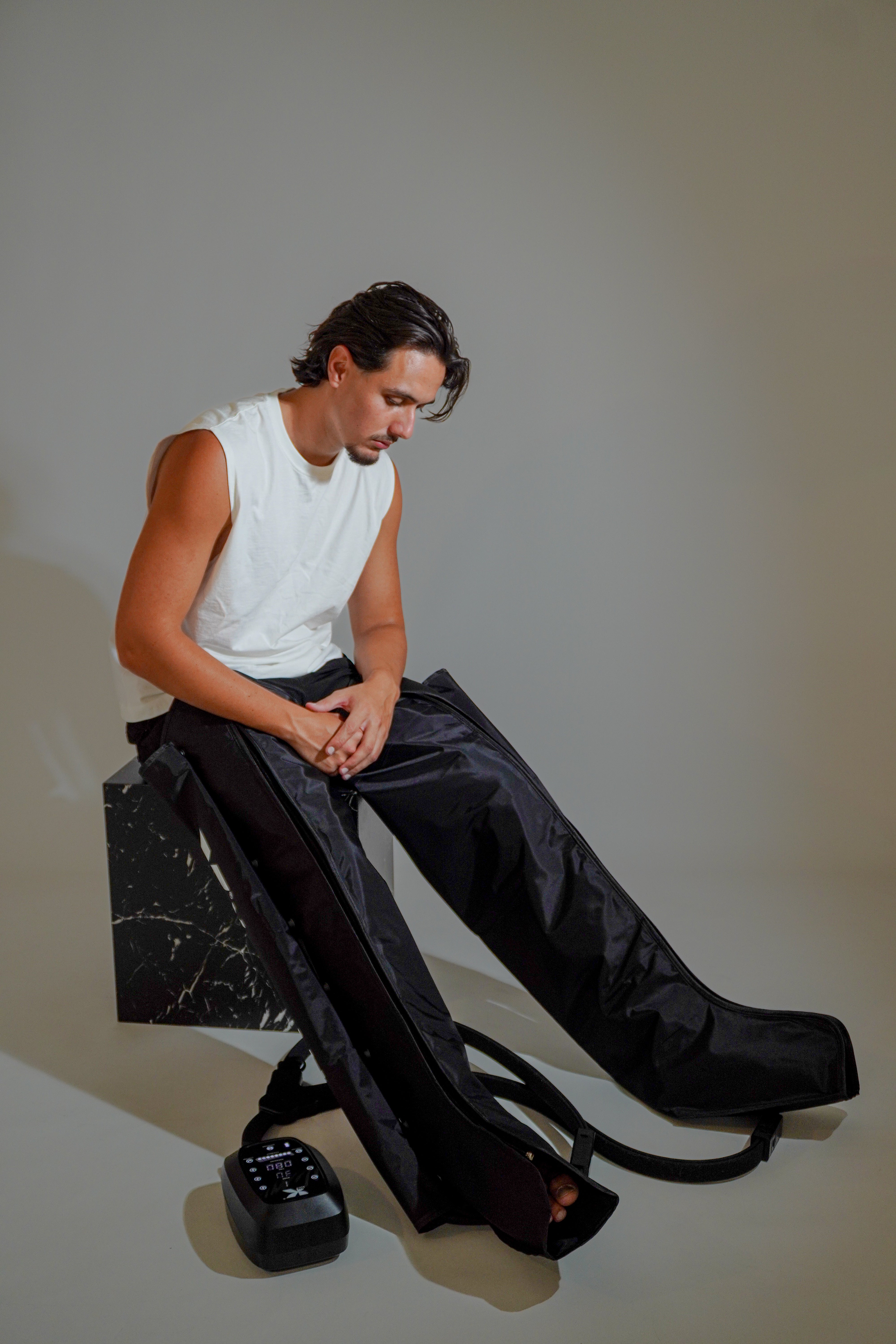
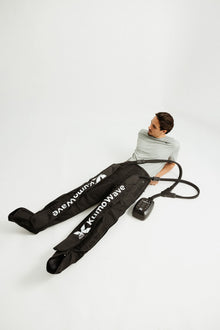
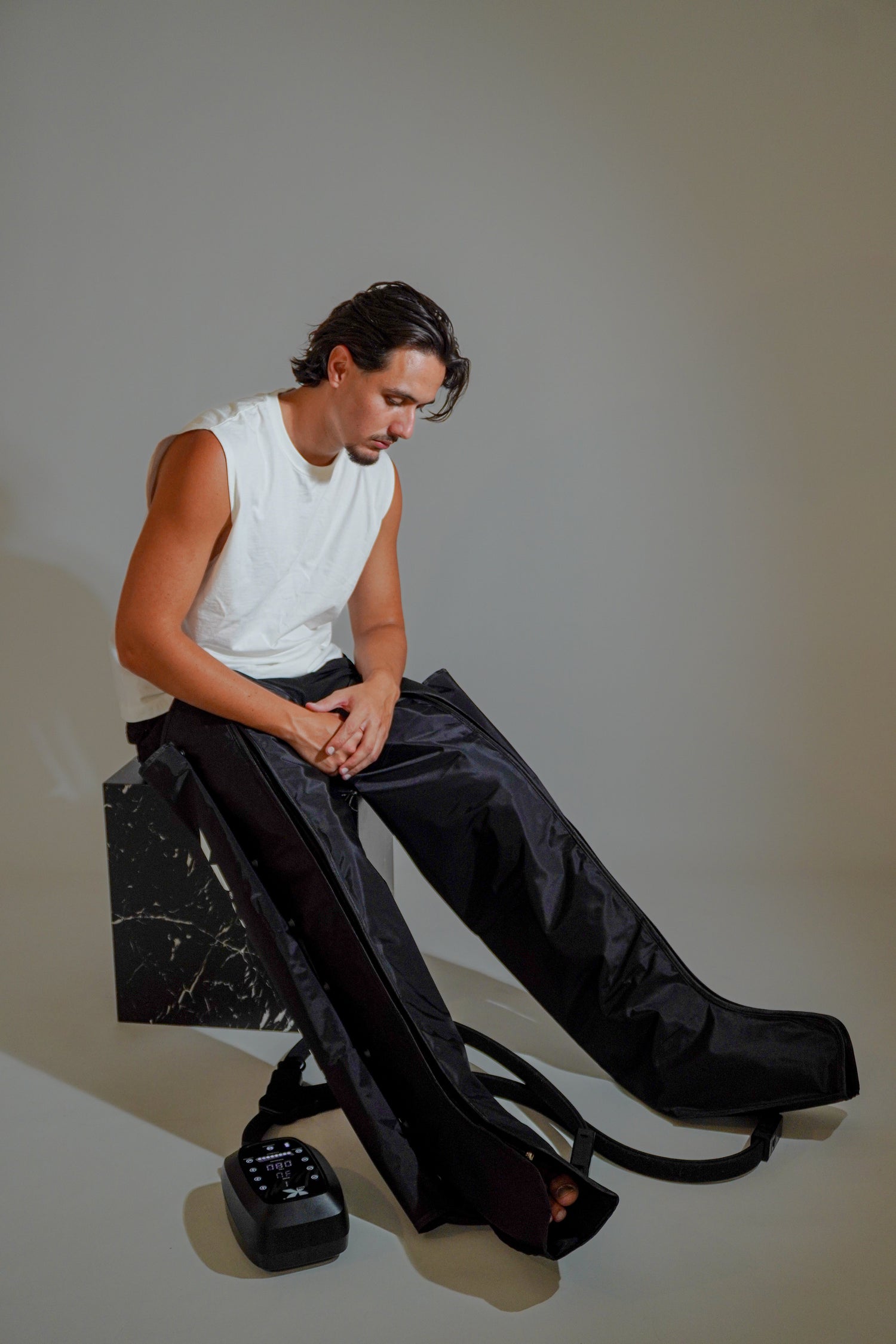
Compression therapy boots are devices that wrap around the legs (and sometimes also the feet and thighs) with air chambers that inflate and deflate sequentially. This mechanism replicates and amplifies the natural "pumping" of the muscles, promoting venous return to the heart.
Personalized protocol · included with your purchase
Want us to tell you how to use it in your case?
With your purchase, our experts prepare a personalized usage protocol for your case: sport, circulation, fluid retention, pregnancy or lipedema.
Message us on WhatsAppOur experts reply · no obligation
In the scientific literature, they are known as intermittent pneumatic compression (IPC). Studies in healthy subjects have observed that this type of compression can increase blood flow in the arteries of the leg during exercise and in the immediate recovery phase, without relevant adverse effects in people without known vascular pathologies.
In a domestic and nighttime context, its objective is not extreme athletic performance, but to offer a feeling of lightness, reduce the perception of tiredness in the legs and generate a moment of physical and mental relaxation before sleeping.
Benefits of using compression boots in a nighttime ritual
Relief from tired legs and support for circulation
Spending many hours standing, sitting still, or wearing tight clothing can lead to heaviness, swelling, and discomfort in the legs. A 2016 study of nursing staff found a 68% prevalence of peripheral venous insufficiency in the sample analyzed, with symptoms such as fatigue and leg pain at the end of the day, partly due to long hours spent standing (6–8 hours per shift).
on your first order when you join the newsletter
We send you the code instantly. No spam.
Pressotherapy is not a substitute for medical treatment when an illness is present, but it can be a useful tool for healthy individuals with tired legs due to poor posture , frequent travel, sports, or long workdays. Sequential compression helps mobilize fluids and can reduce the subjective feeling of heaviness, especially when combined with other healthy habits (movement, hydration, maintaining a healthy weight).
Muscle recovery and sport
In the sports field, pneumatic compression boots have become popular as a recovery method after demanding training sessions. A systematic review and meta-analysis published in 2024 in the journal Biology of Sport analyzed the use of pneumatic compression boots in the lower limbs for recovery: it concluded that it is an increasingly used technique, with moderate evidence of improvement in subjective recovery markers, but without conclusive evidence of superiority over other active recovery strategies.
Another 2025 review in the Journal of Bodywork and Movement Therapies identified only a few high-quality comparative studies between 2000 and 2021. Its authors emphasize that, although no clear advantage over other techniques has been demonstrated, compression boots can be a comfortable, well-tolerated, and easily integrated option into one's routine, especially when seeking to combine physical recovery with relaxation.
Deep relaxation and preparation for sleep
Sleep hygiene guidelines recommend establishing a predictable and relaxing bedtime routine 30 to 60 minutes before bed, avoiding bright screens, caffeine, and intense cognitive tasks. Organizations and scientific publications such as National Geographic and public health journals in 2023-2024 agree on the importance of a dark, quiet environment with a comfortable temperature and calming activities such as reading, listening to soft music, or practicing breathing exercises.
A nighttime session with compression boots at home can fit perfectly into that "slowing down" phase: lying down or semi-reclining, in silence or with calming music, paying attention to the sensation of compression and release. This combination of gentle physical stimulation and mindfulness facilitates the transition from "active" mode to "rest" mode, which can contribute to better sleep for people without severe disorders.
How to create your nighttime ritual at home with compression boots
1. Prepare the environment: light, temperature and atmosphere
The first step in a good nighttime ritual isn't the boots, but the atmosphere. Here are some simple guidelines:
- Soft, warm light : avoid very intense white lights and bright screens at least 30–60 minutes before going to sleep.
- Pleasant temperature : around 18–21 °C is usually ideal for most people; avoid excessive heat, which dilates blood vessels and worsens the feeling of heaviness.
- Controlled noise : reduces notifications, loud television, or intense conversations.
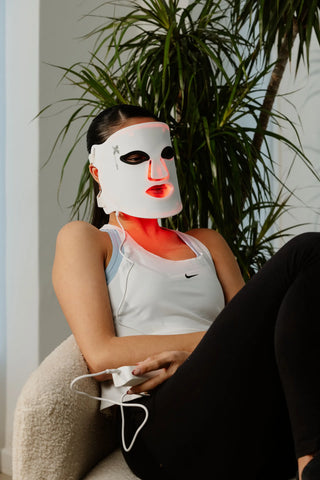
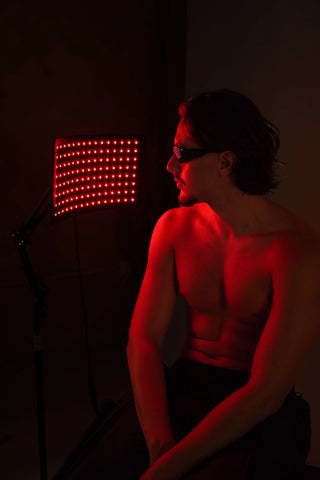
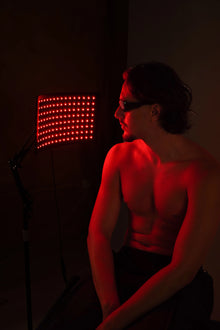
If you want to take creating ambiance a step further, you can incorporate LED light therapy devices with gentle modes at dusk, always following the usage recommendations and avoiding excessive stimulation just before going to bed.
2. Ideal time and duration of the session
There is no single “perfect time”, but as a practical reference:
- Schedule your pressotherapy session between 30 and 90 minutes before going to sleep .
- A typical duration ranges from 15 to 30 minutes , and can reach 45 minutes depending on the program and the manufacturer's instructions.
- Avoid doing it immediately after a very heavy dinner or a high-intensity exercise session; leave at least 60–90 minutes between meals.
The key is to make it a sustainable habit : better to have 20 consistent minutes almost every day than very long sessions sporadically.
3. Step by step: night pressotherapy session
A simple example of how to integrate your compression boots into your end-of-day routine:
- Light hydration : drink a glass of water, but don't overdo it if you are prone to waking up at night to go to the bathroom.
- Comfortable position : lie down on the sofa or bed with your back well supported and a pillow under your knees if you find it comfortable.
- Put on the boots : adjust zippers and Velcro so that they are firm, but without discomfort or excessive pressure points.
- Choose the program : for the evening, a gentle to moderate sequential program is usually preferable; avoid maximum pressure if you are only looking for relaxation.
- Take a deep breath : accompany the session with slow breaths (4 seconds when inhaling, 6–8 when exhaling) or with guided meditation.
- Gradual closure : When finished, wait a few minutes before getting up; gently flex and extend your ankles and knees.
4. Combine pressotherapy with other healthy habits
The overall effect of your nightly ritual will depend on the sum of small gestures. Here are some ideas to enhance it:
- Gentle stretches of the calves, hamstrings and hips before or after the session.
- A brief self-massage, complemented, if desired, with a KUMOPULSE Air massage gun at low intensity, always staying away from painful or injured areas.
- A few pages of quiet reading or journaling to "empty your mind".
- Avoid caffeine and alcohol at least 4–6 hours before bedtime, following the usual sleep hygiene recommendations.
Table: Example of a nighttime routine with compression boots
| Approximate time | Activity | Main objective |
|---|---|---|
| 8:30 PM | Light dinner (low fat, moderate portion) | Easy digestion and avoids a feeling of abdominal heaviness |
| 9:00 PM | Digital disconnection (mobile phone in airplane mode, no social media) | Reduce mental stimulation and blue light |
| 21:15 | Gentle leg and back stretches | Release muscle tension accumulated during the day |
| 21:30 | 20–30 min session with compression boots | Relieve tired legs and promote physical relaxation |
| 22:00 | Quiet reading or guided breathing in bed | Prepare your mind for a deep and restorative sleep |
| 22:30 | Bedtime (ideally always similar) | Stabilize the biological clock and sleep quality |
Safety, contraindications and good practices
When to consult a healthcare professional
Although compression boots are designed for healthy people and their recreational use is usually well tolerated, there are situations in which it is essential to consult a doctor before using them:
- History or suspicion of deep vein thrombosis.
- Heart failure, moderate or severe peripheral arterial disease.
- Active venous ulcers, extensive skin infections, or open wounds.
- High-risk pregnancy or other conditions that your doctor considers sensitive.
Scientific literature shows that venous insufficiency is very common (studies in industrialized countries report prevalences of 20–60% in the adult population), so if you have persistent symptoms (intense pain, color changes, local heat, marked unilateral edema), the priority should always be clinical assessment.
Common mistakes when using compression boots at night
- Using excessively high pressures "to make it more effective", causing discomfort or numbness.
- Do not sleep with the boots turned on if the device or your doctor does not recommend it; it is better to use them before going to bed, being conscious and attentive to the sensations.
- Placing them on damp skin or with very oily creams can cause discomfort or irritation from friction.
- Relying solely on pressotherapy and neglecting other key factors such as daily physical activity, body weight, or posture at work.
- Do not respect pauses if you feel tingling, pain, or dizziness; in that case, stop the session and consult a professional.
How to choose quality compression boots for your home
When choosing compression boots for your nighttime routine, it's not all about design. Some practical criteria:
- Number of chambers and sequence type : multiple compartments allow for more progressive compression, similar to bottom-up massage.
- Adjustable pressure range : This should allow you to work with gentle intensities for relaxation, without forcing you to high levels.
- Pre-configured programs (relaxation, drainage, sports recovery) that are easy to select.
- Reduced noise : key if you plan to use them in total silence before going to sleep.
- Ease of cleaning : interior fabrics that can be disinfected or cleaned with a damp cloth.
KUMO's pressotherapy collection focuses on aesthetically pleasing and technologically advanced equipment, designed to be integrated into the daily recovery routine, without complicated use.
If you want to combine your nighttime ritual with other pillars of well-being — such as skin care with LED masks or deep muscle relaxation with massage guns — you can also explore the range of LED light therapy and percussive solutions designed for responsible home use.
Frequently asked questions about the nighttime ritual with compression boots
How long should I wear compression boots at night to notice benefits?
In home practice, many people start with 15–20 minute sessions, three or four times a week, and adjust according to how they feel. If your main goal is to relieve heavy legs and relax before bed, this range is usually enough to notice changes within a few weeks, provided you maintain some consistency. Some users extend the session to 30 minutes on particularly intense workdays or training days. However, the specific duration should always follow the manufacturer's instructions and, if you have any medical concerns, the advice of your healthcare professional.
Is it safe to sleep with compression boots on?
In general, compression boots are designed for limited use, with the person awake and attentive to the sensations. Sleeping with them on continuously is not usually recommended, except under very specific protocols supervised by healthcare professionals. For a nightly wellness ritual, it's best to have the session before going to bed and turn off the device afterward. This reduces the risk of awkward positions, prolonged tingling, or excessive pressure if you change position while sleeping. Always check your device's manual and, if you have circulatory problems, consult your doctor.
Can I use compression boots if I spend many hours on my feet during the day?
If you are a healthy person but your job requires you to stand for several hours (healthcare, retail, hospitality, hairdressing, etc.), a pressotherapy session at the end of the day can help reduce the subjective feeling of tiredness and heaviness. Studies in nursing staff have shown a clear relationship between long periods of standing and a high prevalence of venous symptoms. However, if you already have prominent varicose veins, significant swelling, persistent pain, or a family history of thrombosis, a prior medical evaluation is recommended. Pressotherapy should be seen as a complement to other measures: appropriate footwear, active breaks, compression stockings if prescribed by a specialist, and regular physical activity.
Do compression boots help you sleep better?
They are not a direct treatment for insomnia, but they can be integrated into a comprehensive sleep hygiene strategy. By relieving the sensation of heavy legs and offering a gentle, rhythmic stimulus, many people experience greater relaxation and less physical restlessness at bedtime. Sleep guides highlight the usefulness of calming bedtime routines, including low-stimulation activities and a suitable environment (dim lighting, comfortable temperature, no screens). In this context, compression boots can become a pleasant "anchor" that your brain associates with rest time, always accompanied by regular schedules and other healthy habits.
So what now?
If the idea of transforming your evenings into a space for active recovery and deep relaxation appeals to you, the next step is to design a ritual that fits your lifestyle and choose tools you'll truly enjoy using every day. At KUMO, you'll find high-end recovery solutions—from compression boots to LED light therapy and massage devices—designed to make caring for your body simple and aesthetically pleasing. And if you have any questions about which technology is best for you, you can contact us through the contact form for personalized guidance.
KumoWave pressotherapy
Choose your at-home pressotherapy
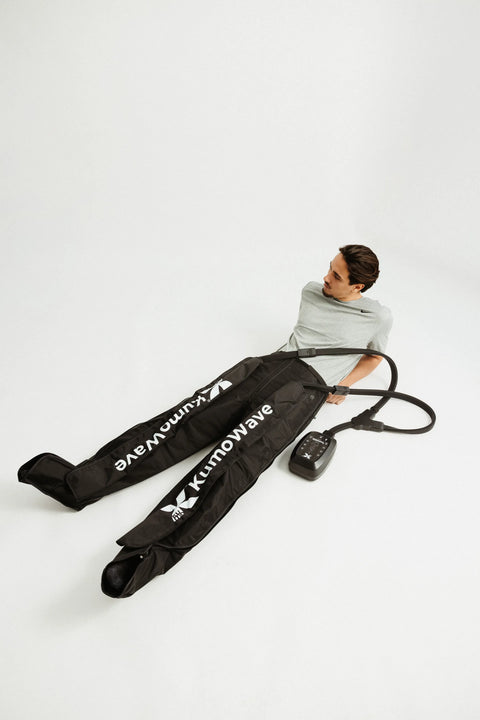
KumoWave Elite – Pressotherapy Pants
Full-coverage trousers. Ideal for lipedema, fluid retention and intensive use.
€799,00 €999,00
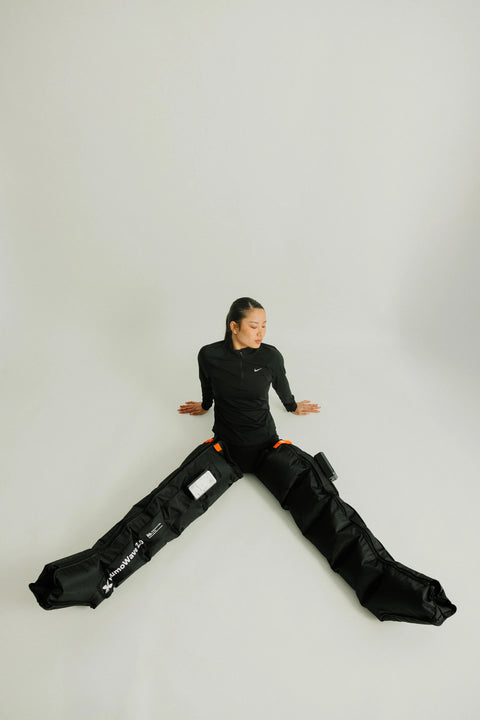
KumoWave 2.0 - Wireless Pressotherapy
Wireless, lightweight boots. Perfect for daily use and recovery.
€499,00 €599,00