Introduction: How to know if your compression boots are working
You want to know if your compression boots are making a difference.
When you invest in this type of recovery technology, it's natural to wonder if it actually improves your circulation, reduces swelling, or accelerates muscle recovery. This article will show you clear, measurable signs that compression boots are working for you, based on what we know about intermittent pneumatic compression and best practices for use.
Pressotherapy at home
End the day with light legs
★★★★★ 4,8/5 · rated by verified customers
KumoWave pressotherapy boosts circulation and helps drain fluid with sequential compression, in 20-minute sessions at home.
- Boosts circulation and helps drain fluid
- Chamber-based compression, adjustable to you
- Sequential compression that mimics manual drainage
€799,00€999,00
−10% on your 1st order when you subscribe to the newsletter

We'll also review when it's normal not to notice big changes yet , what warning signs indicate you should stop and consult a doctor, and how to optimize your sessions to get the most out of your pressotherapy recovery routine.
How do pressotherapy boots work on your body?
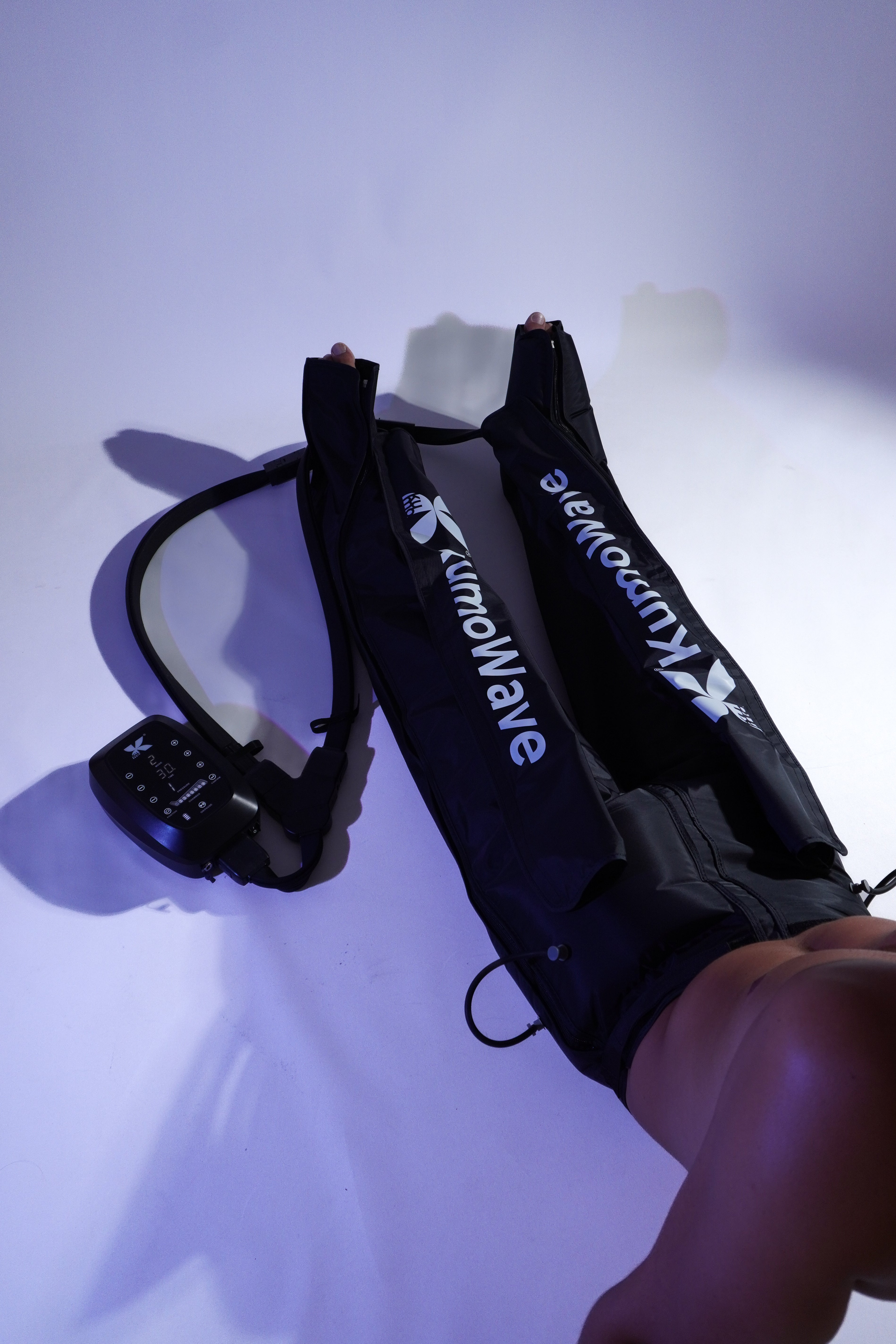
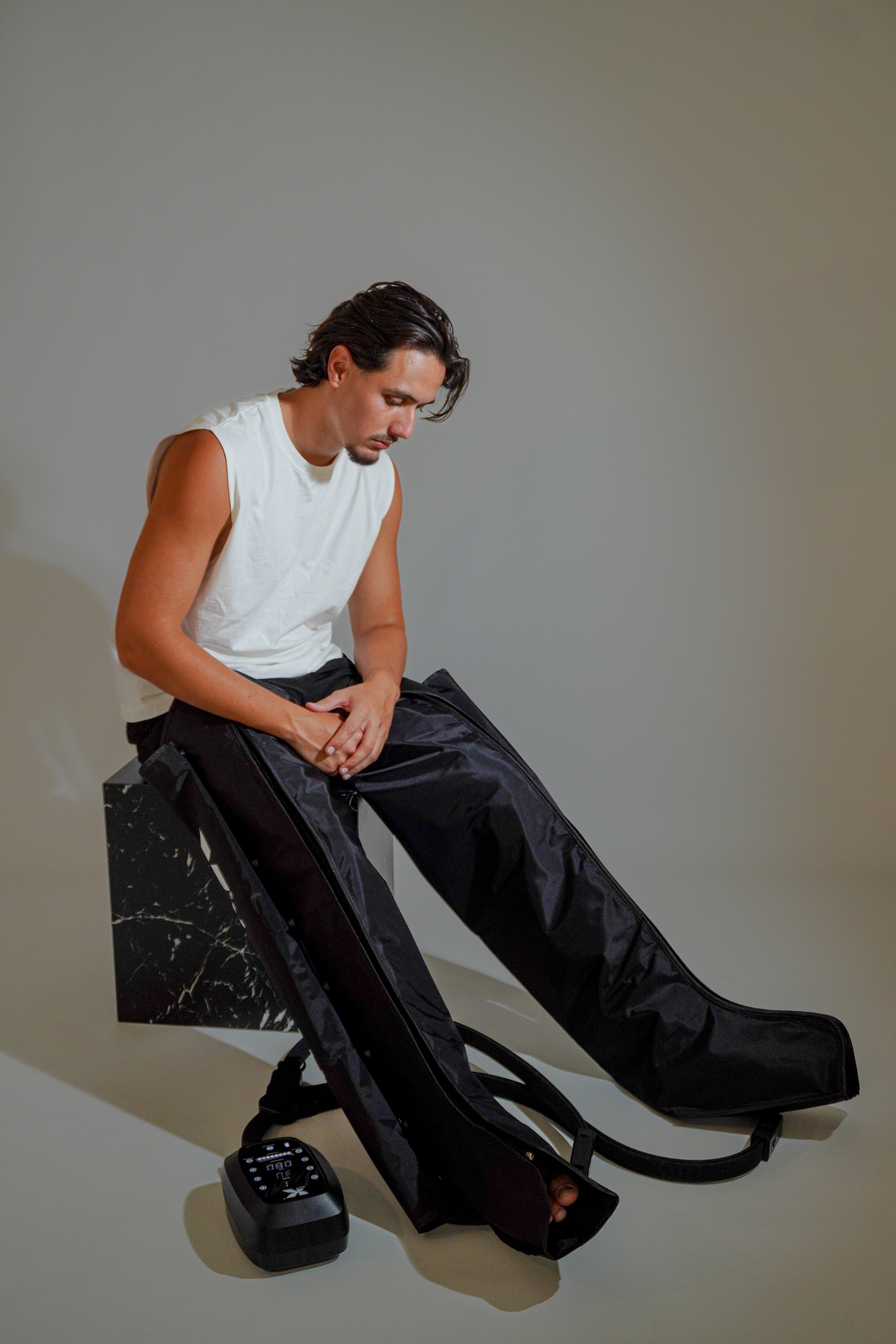
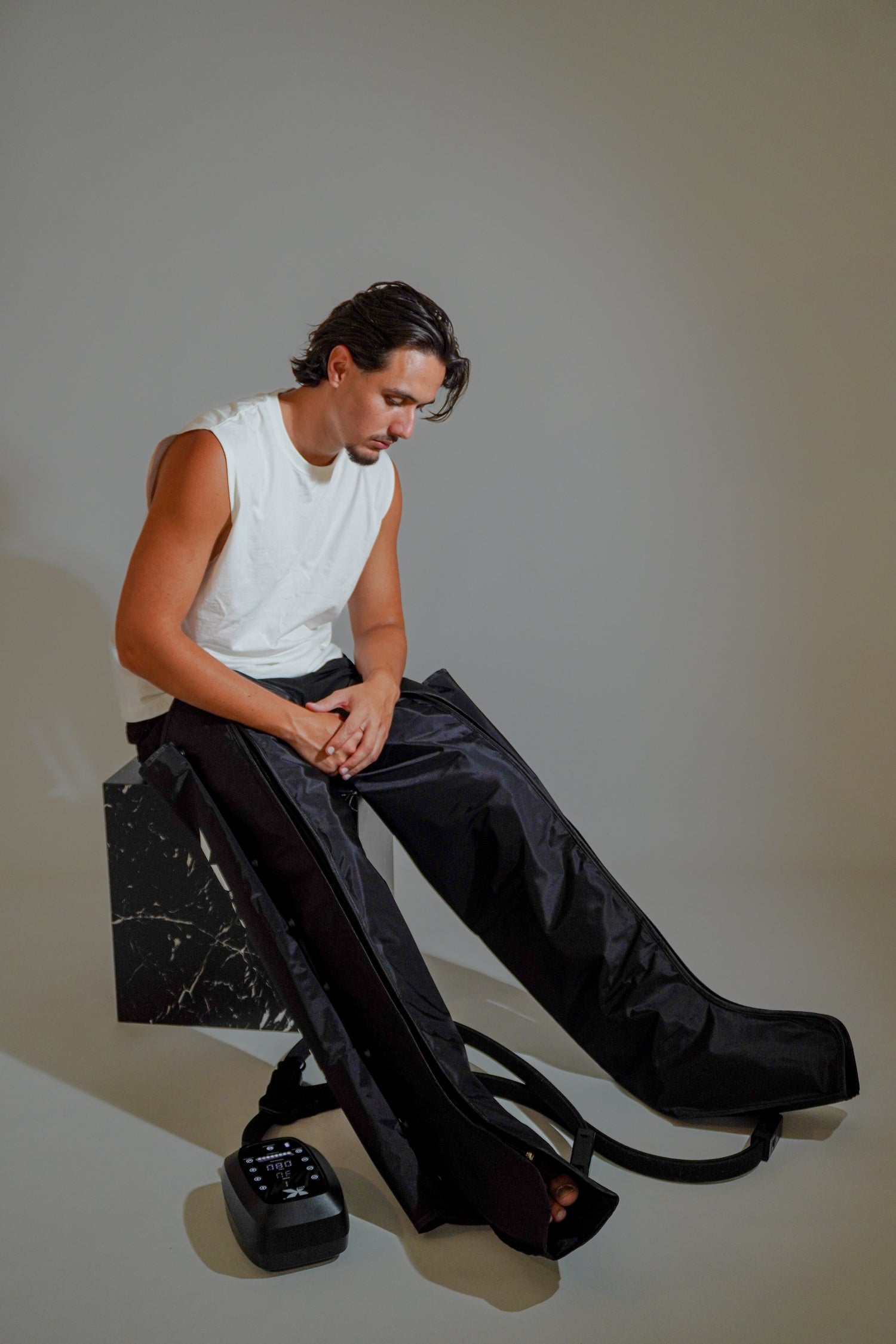
Compression therapy boots use the same technology known in medicine as intermittent pneumatic compression (IPC). These are air chambers that inflate and deflate sequentially around the leg, applying and then releasing pressure. This cycle mimics the action of muscles during walking and pushes venous blood and lymph back toward the heart . ( my.clevelandclinic.org )
Personalized protocol · included with your purchase
Want us to tell you how to use it in your case?
With your purchase, our experts prepare a personalized usage protocol for your case: sport, circulation, fluid retention, pregnancy or lipedema.
Message us on WhatsAppOur experts reply · no obligation
Studies using pneumatic compression devices have shown that, during inflation cycles, the velocity of venous flow in the femoral vein can increase several times compared to rest , helping to empty the veins in the leg and reduce blood and fluid stasis. ( pubmed.ncbi.nlm.nih.gov )
Furthermore, some recent studies show that this rhythmic compression can increase tissue oxygenation in the lower extremities, especially when sitting for long periods. ( pubmed.ncbi.nlm.nih.gov ) All of this explains why many people notice lighter, less swollen legs and better muscle recovery after exercise when they incorporate compression boots into their routine.
If you want to learn more about how pneumatic compression helps circulation, you can consult reference resources such as the Cleveland Clinic or the explanations from Johns Hopkins Medicine .
on your first order when you join the newsletter
We send you the code instantly. No spam.
Positive signs: when your compression boots are working
Lighter and less tired legs at the end of the day
One of the first signs that pressotherapy is helping you is very subjective but easy to recognize: a feeling of lightness . People who spend many hours standing or sitting describe how, after several sessions, their legs feel:
- Less heavy when climbing stairs or walking.
- With less tension or "tightness" in the calves and ankles.
- With less need to "hold them up" when arriving home.
This aligns with what physiotherapists and clinics observe when using pressotherapy to relieve tired legs and venous return problems : improved circulation and lymphatic drainage reduce the feeling of fatigue. ( clinicasacher.com )
Less swelling and fluid retention in ankles and calves
Another clear sign is the gradual reduction of edema (swelling). If your compression boots are helping you, you'll likely notice:
- Less deep sock marks at the end of the day.
- More defined and less "bulky" ankles.
- Feeling of less pressure in the footwear.
In the vascular and lymphedema field, guidelines recommend pneumatic compression as an adjunctive therapy to reduce limb volume and associated symptoms, always within a supervised comprehensive plan. ( pubmed.ncbi.nlm.nih.gov ) Although you may not be able to measure volume with clinical precision at home, noticing less swelling throughout the week is a good indicator of effectiveness.
Improved muscle recovery after training
If you use compression boots after exercise, one sign of improvement is that you recover faster between sessions . Many people describe:
- Less muscle soreness or stiffness the day after an intense workout.
- Subjective feeling of "fresh legs" before the next workout.
- Less need to reduce the load due to accumulated fatigue.
Evidence in athletes indicates that pneumatic compression facilitates the drainage of metabolic waste products (such as lactate), reduces the sensation of pain and stiffness after exercise, and improves the overall perception of recovery, although the effect on pure performance tends to be small. ( fisioterapiavisan.es ) Integrating pressotherapy with good sleep, nutrition, and mobility is, therefore, a coherent recovery strategy.
Changes you can measure at home
Beyond the sensations, there are objective indicators you can follow to check if your compression boots are helping you:
- Leg circumference: always measure with a measuring tape at the same points (e.g., 5 cm above the malleolus and at the widest point of the calf) before the first session and every 1–2 weeks.
- Time until you feel tired: note how many minutes you can stand or walk before feeling significant heaviness, and see if that time increases.
- Sleep quality and nighttime discomfort: assess whether you wake up less frequently due to leg cramps or restlessness.
You don't need the numbers to be perfect; what's important is to identify a sustained improvement trend over several weeks of consistent use.
Table summary: signs of improvement with compression boots
| Sign | What does it indicate? | How to assess it at home |
|---|---|---|
| Lighter legs | Improved venous return and less muscle fatigue | Compare feelings at the end of the day before and after 2–3 weeks of use |
| Less visible swelling | Reduction of edema and fluid retention | Observe ankles, sock imprints, and shoe fit |
| Faster recovery after training | Improved metabolite elimination and reduced stiffness | Assess muscle soreness and fatigue the day after demanding sessions |
| More stable or smaller contour measurements | Leg volume control | Use a measuring tape every 1–2 weeks at the same points |
| Better night's sleep | Relief from discomfort, cramps, or restlessness in the legs | Note any nighttime awakenings related to the legs |
How long does it take to see results?
The time it takes to notice improvements with compression boots varies greatly. It depends on your starting condition (tired legs due to a sedentary lifestyle, venous insufficiency, lymphedema, sports-related exertion, etc.) and the frequency and regularity of use .
In sports contexts, many users report immediate relief from the feeling of heaviness after the first session and a perception of better recovery in the following days. ( fisioterapiavisan.es ) In chronic circulatory problems or lymphedema, clinical guidelines emphasize that pneumatic compression is a maintenance therapy , where relevant changes are usually evaluated in weeks or months, not days. ( pubmed.ncbi.nlm.nih.gov )
As a general guideline:
- It is reasonable to seek feelings of relief from the first sessions.
- Expect changes in swelling and contour after several weeks of consistent use.
- If after 6–8 weeks you do not see any improvement, it is advisable to review parameters and expectations with a healthcare professional.
When compression boots may not be enough
Although compression boots are a very useful tool, scientific evidence and European guidelines agree that pneumatic compression is usually a complement and not the only strategy in complex vascular problems. ( pubmed.ncbi.nlm.nih.gov )
Some examples where you shouldn't expect miracles from boots alone :
- Advanced chronic venous insufficiency or severe varicose veins: pressotherapy can relieve symptoms such as edema and heaviness, but it does not correct the altered venous anatomy.
- Moderate or severe lymphedema: This is part of the therapy (along with bandages, compression garments, exercise and skin care), but it is not usually sufficient on its own. ( nhs.uk )
- Pain of articular or neuropathic origin: boots can relieve the feeling of congestion, but they do not treat the cause of the pain if it is in joints or nerves.
In all these cases, the most appropriate thing is for a professional (vascular doctor, physiotherapist, lymphedema specialist) to design a comprehensive plan , in which the compression boots are integrated along with other strategies.
Warning signs: when to stop and seek medical advice
Although serious complications are rare when pneumatic compression is used correctly, documents from hospitals such as Cleveland Clinic and Johns Hopkins remind us that it is not a device "for everyone" and that there are risk situations. ( my.clevelandclinic.org )
You should stop using your compression boots and consult an emergency room or doctor immediately if you notice:
- Intense, sudden pain in one leg, especially if accompanied by marked swelling, local heat, or redness.
- Shortness of breath, chest pain , or a feeling of suffocation.
- Clear worsening of edema after the sessions instead of improvement.
- Skin lesions, blisters or very reddened areas where the air chambers rest.
- Any numbness or persistent tingling sensation during and after the sessions.
Furthermore, the guidelines remind us that pneumatic compression is usually contraindicated or requires very careful evaluation in cases of active deep vein thrombosis, acute skin infections, decompensated heart failure, or severe peripheral arterial disease. ( pubmed.ncbi.nlm.nih.gov ) If you have any of these conditions or have any concerns, talk to your doctor before using the boots.
How to optimize your sessions with pressotherapy boots
Indicative frequency and duration
There is no single protocol valid for all home users, and the guidelines themselves acknowledge that studies use very varied schemes. ( pmc.ncbi.nlm.nih.gov ) However, in practice, guidelines such as the following are used:
- Sports recovery: 20-30 minute sessions after training, between 3 and 5 days per week, depending on the workload.
- Tired legs due to sedentary lifestyle: 30–45 minute sessions, 3–4 times per week.
- Mild-moderate edema: frequency and parameters individualized by a professional, combined with other forms of compression.
Always start with moderate pressures and times and gradually increase according to tolerance and recommendations from the manufacturer or your professional.
Posture, hydration, and breathing
To get the most out of each session:
- Position yourself in a semi-reclined or lying position, with your legs aligned and relaxed.
- Avoid crossing your legs or placing hard objects under your boots.
- Hydrate properly before and after; the lymphatic system needs sufficient water to mobilize fluids.
- Breathe slowly and deeply during the inflation phases: the diaphragm acts as a "pump" that promotes venous return.
Integrate the sessions with other recovery habits, such as LED light therapy for skin and sleep, or gentle mobility after training.
Combining pressotherapy with other recovery tools
In KUMO 's philosophy, pressotherapy is one piece of a complete recovery ecosystem, not the only tool. It can be complemented with:
- Localized deep massage: a device like the Kumopulse Air massage gun can help you target trigger points and areas of greater muscle tension that boots cannot reach with such precision.
- Sleep hygiene and stress management: important for the repair of muscle tissue and the vascular system.
- Regular exercise and active breaks: the best “muscle pump” is still movement.
If you want to focus specifically on circulation and legs, you can explore the range ofKUMO compression boots and assess which configuration best suits your daily routine.
Frequently asked questions about compression therapy boots
How often is it recommended to use compression boots at home?
The ideal frequency depends on your goal and your health status. For tired legs and a sedentary lifestyle , many people benefit from 3–4 weekly sessions of 30–45 minutes, leaving at least one day of rest between intense sessions. In the context of sports recovery , it's common to use them after the most demanding workouts, without needing to do so after very light sessions. If you're using them to address a vascular or lymphatic problem, the protocol should always be defined by a healthcare professional as part of a comprehensive plan, along with other forms of compression and adapted exercise.
How long does it take for pressotherapy to take effect on tired or swollen legs?
For symptoms like heaviness, tightness, or fatigue in the legs, many people notice relief from the very first sessions, sometimes even immediately afterward. However, a sustained reduction in swelling and fluid retention is usually best assessed after several weeks of regular use. This is especially true if you spend many hours sitting or standing, or if you are prone to chronic edema. The important thing is to observe the trend: less swelling at the end of the day, more defined ankles, and a reduced need to elevate your legs. If you don't notice any change after 6–8 weeks, it's advisable to consult a healthcare professional.
Are compression boots effective for varicose veins and venous insufficiency?
Compression boots can relieve symptoms associated with chronic venous insufficiency, such as heaviness, edema, and a feeling of tightness, because they improve venous return and promote the emptying of veins in the leg ( pubmed.ncbi.nlm.nih.gov ). However, they do not, on their own, correct the underlying structural cause of varicose veins (damaged venous valves or dilated veins). Clinical guidelines consider pneumatic compression as a complement to other measures: compression stockings or bandages, exercise, weight management, and, if appropriate, interventional treatments prescribed by an angiologist or vascular surgeon. If you have advanced varicose veins, a specialist evaluation is recommended before starting a compression therapy routine.
Can I wear compression boots every day?
In people without serious vascular conditions or specific contraindications, it is possible to use compression boots daily with reasonable parameters, provided there is no discomfort, pain, or worsening of edema. However, more is not always better: sometimes a frequency of 3–5 days per week is preferable, combined with walking, gentle stretching, and other forms of rehabilitation. In cases of lymphedema or significant venous insufficiency, the frequency should be individualized within a supervised program, as pneumatic compression is only one part of the treatment, along with compression garments and therapeutic exercise. ( nhs.uk ) If you have any questions or underlying medical conditions, consult your doctor.
What's better for recovery: compression boots or a massage gun?
It's not so much a question of "better or worse" as it is of different and complementary tools . Compression therapy boots work on the entire leg chain, optimizing venous and lymphatic return overall. They are ideal for reducing the feeling of congestion and promoting systemic recovery after intense exertion or long days on your feet. A massage gun, like the Kumopulse Air , allows for targeted work on trigger points, muscle tension, or specific muscle groups. Many athletes combine both: compression therapy to "reset" their legs and targeted massage in particularly tense areas.
So what now?
If you recognize these signs in your own sensations—lighter, less swollen legs and improved recovery—it's very likely your compression boots are already working in your favor . The next step is to intelligently integrate them into your daily routine and combine them with other tools that support your circulation, muscles, and rest.
You can explore theKUMO collection of compression boots and other recovery solutions such as LED therapy or the Kumopulse Air massage gun , or contact the KUMO team directly to resolve any doubts about how to safely and effectively integrate these technologies into your daily life.
KumoWave pressotherapy
Choose your at-home pressotherapy
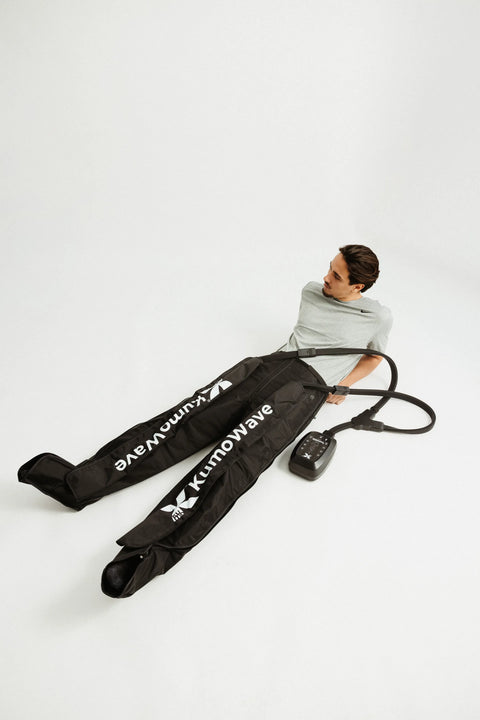
KumoWave Elite – Pressotherapy Pants
Full-coverage trousers. Ideal for lipedema, fluid retention and intensive use.
€799,00 €999,00
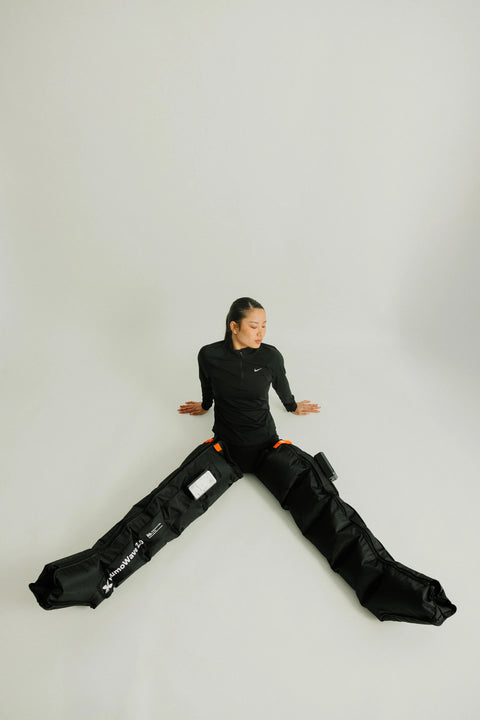
KumoWave 2.0 - Wireless Pressotherapy
Wireless, lightweight boots. Perfect for daily use and recovery.
€499,00 €599,00