

Recovery can also be trained.
In this article you will learn how to design a home pressotherapy routine after training , step by step, to relieve fatigue, take care of your legs and make recovery an easy habit to maintain.
Pressotherapy with pneumatic compression boots has become popular among athletes and active people because it facilitates venous and lymphatic return, improves circulation, and can reduce the feeling of heaviness and muscle soreness in the legs. ( pubmed.ncbi.nlm.nih.gov ) If you train regularly, integrating this tool into your post-workout routine can make a difference in how you feel the next day.
Pressotherapy at home
End the day with light legs
★★★★★ 4,8/5 · rated by verified customers
KumoWave pressotherapy boosts circulation and helps drain fluid with sequential compression, in 20-minute sessions at home.
- Boosts circulation and helps drain fluid
- Chamber-based compression, adjustable to you
- Sequential compression that mimics manual drainage
€799,00€999,00
−10% on your 1st order when you subscribe to the newsletter

What is home pressotherapy and why use it after training?
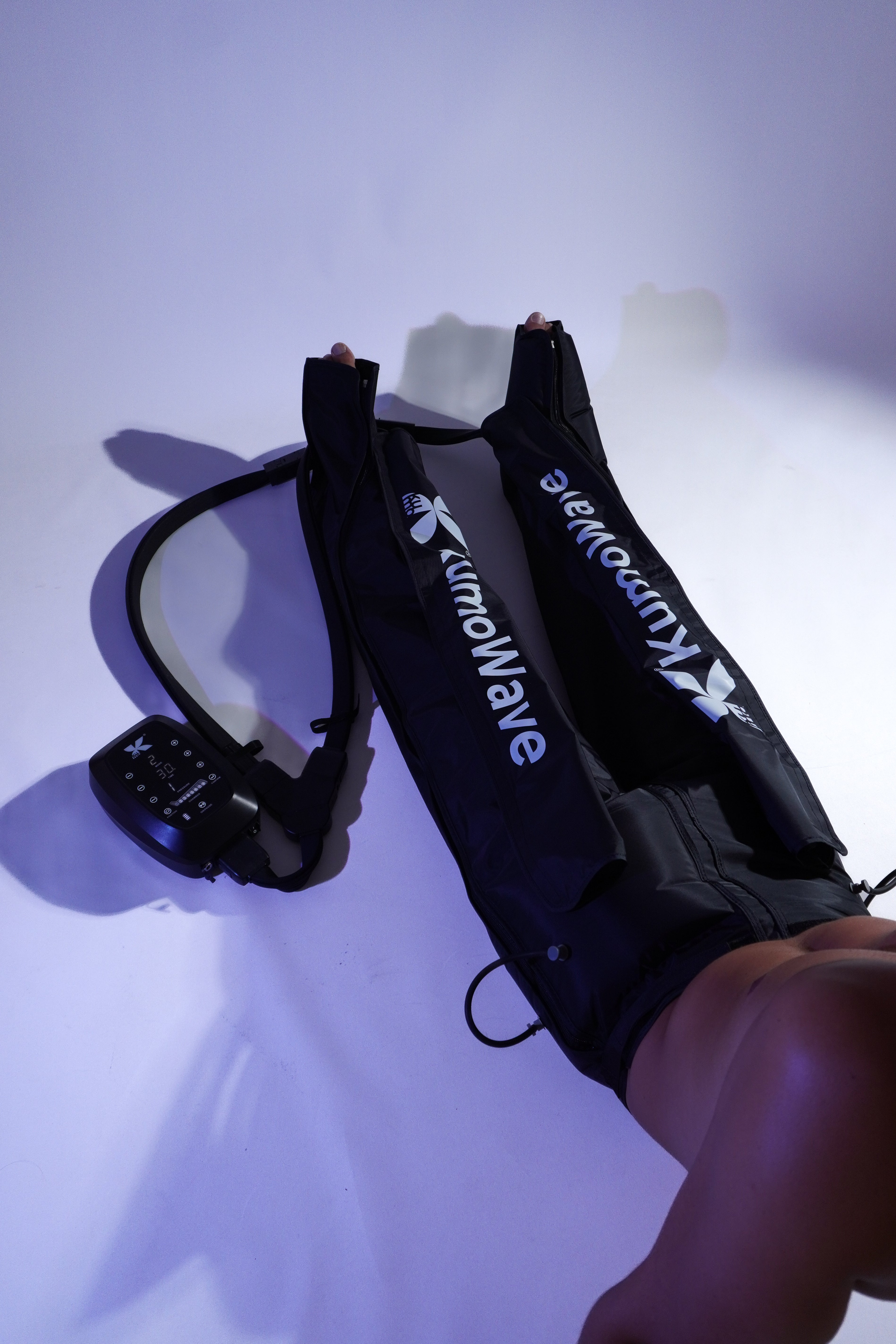
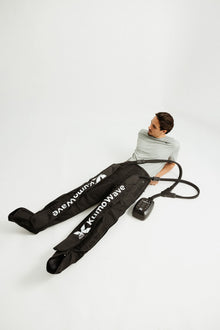
Home compression therapy uses boots or sleeves that inflate and deflate sequentially, applying controlled pressure to the legs. This external pumping mimics the action of the muscles and promotes the movement of blood and lymph toward the heart. ( pubmed.ncbi.nlm.nih.gov )
Although it has been used for years in the medical field for circulatory and lymphatic problems, its use has expanded to sports and wellness care . Recent studies show that intermittent pneumatic compression can:
Personalized protocol · included with your purchase
Want us to tell you how to use it in your case?
With your purchase, our experts prepare a personalized usage protocol for your case: sport, circulation, fluid retention, pregnancy or lipedema.
Message us on WhatsAppOur experts reply · no obligation
- Increase blood flow to the extremities. ( pubmed.ncbi.nlm.nih.gov )
- Facilitate fluid return and reduce edema. ( princetonmedicine.com )
- To reduce, at least subjectively, the sensation of pain and muscle fatigue after intense exertion. ( pubmed.ncbi.nlm.nih.gov )
For those who train often, this translates into less strained legs , greater comfort in daily life, and a feeling of faster recovery, although the effect on objective performance is modest according to the available scientific literature. ( pubmed.ncbi.nlm.nih.gov )
Benefits of pressotherapy after exercise
Relief from the feeling of tired legs
After leg strength training, running, or long periods of standing, it's common to experience heaviness and swelling . Sequential compression promotes venous return, helping blood return more efficiently to the heart and reducing fluid buildup in the extremities. ( pubmed.ncbi.nlm.nih.gov )
This can translate into an immediate feeling of lightness at the end of the pressotherapy session, especially if you spend many hours standing or doing consecutive workouts.
on your first order when you join the newsletter
We send you the code instantly. No spam.
Support for lymphatic drainage and waste elimination
During intense exercise, metabolites and micro-tears in the muscles are generated. Pneumatic compression promotes lymphatic flow and aids in the drainage of metabolic waste and fluids accumulated in the tissues. ( princetonmedicine.com )
Think of pressotherapy as an “accelerator” of your body’s natural drainage system.
Although it's not a "magic cure" for muscle soreness, it can help make your muscles feel less stiff and less inflamed.
Reduction of perceived muscle fatigue
Several controlled trials with compression boots show that, although measured performance (jumps, running times, maximum strength) hardly changes, pain and perceived fatigue scores do improve after a compression therapy session compared to passive rest. ( pubmed.ncbi.nlm.nih.gov )
In daily practice, this means waking up the next day less "broken," something especially useful during high-volume training phases or during stage races.
Cardiovascular system support during recovery
Intermittent compression can also help the cardiovascular system after very intense exertion, facilitating a faster normalization of blood pressure and peripheral vascular resistance during the resting phase. ( pubmed.ncbi.nlm.nih.gov )
It does not replace active cooling or gentle aerobic exercise, but it adds extra circulatory support in the minutes after training.
How to prepare your pressotherapy session at home
The best time to use it is after training
In general, you can use pressotherapy:
- Between 30 and 90 minutes after training , once you have completed your cool-down.
- After showering, when your body temperature has already dropped somewhat.
- Avoid very heavy meals to prevent discomfort in a reclining position.
If you train late, pressotherapy can fit in very well before going to sleep , creating a relaxing ritual that prepares the body for nighttime rest.
Indicative duration and frequency
Although specific recommendations depend on the device and your condition, many studies use 20- to 30-minute sessions of post-exercise pneumatic compression. ( pubmed.ncbi.nlm.nih.gov )
As a guide for home use:
- Usual duration : 20–30 minutes.
- Frequency : 3–5 days per week during intense training phases; 1–3 days if your load is moderate.
- Very mild days or absolute rest : it may not be necessary, or a short session of 10–15 minutes may suffice.
Adjusting pressure and proper posture
Each device has its own pressure ranges. Clinical guidelines emphasize the importance of using a comfortable, non-painful pressure , especially if there is a history of vascular disease. ( pubmed.ncbi.nlm.nih.gov )
General recommendations:
- Start at medium pressure levels , and adjust after several sessions according to how you feel.
- Lie down or semi-reclined , with your legs slightly raised.
- Avoid excessive bending of the knee or hip to prevent obstructing the flow.
If you use KUMO compression boots from the home compression store, always follow the manufacturer's safety and configuration instructions.
Step-by-step routine for home pressotherapy after training
Before you put on your boots
-
Return to active calm (5–10 minutes)
Walk slowly, pedal very gently, or perform light joint mobility exercises to help the body recover from the exertion. -
Gentle stretching (5–10 minutes)
Prioritize working muscle groups (hamstrings, quadriceps, calves, glutes). Don't force it: the goal is to regain range of motion, not to gain maximum flexibility. -
Basic hydration
Drink water and, if the training has been very intense or long, a drink with some mineral salts to replenish fluids and electrolytes. -
Quick shower
It helps lower body temperature and allows you to get more comfortable for the session.
During the pressotherapy session
As an example of a 25–30 minute routine :
-
Minutes 0–5
- Put on your pressotherapy boots.
- Select a general leg program (sequential mode) and a medium pressure .
- Adopt a lying position or recliner. -
Minutes 5–20
- Maintain calm, diaphragmatic breathing.
- You can take advantage of the deflation phases to do gentle ankle mobility exercises (flexion and extension), if the device allows it.
- Avoid crossing your legs or abruptly changing your posture. -
Minutes 20–25/30
- Observe your sensations: heat, pressure, muscle relaxation.
- If you tolerate it well and there is no discomfort, you can maintain the same pressure; if you notice discomfort, lower it one level.
- When the cycle is over, wait a few seconds before standing up to avoid dizziness.
Golden rule: your session should feel like a “pleasant deep massage” , never like a stabbing pain or numbness.
After the session
Upon completion:
- Get up slowly and walk around the house for a couple of minutes.
- Do 2–3 additional gentle leg stretches if you notice any areas still feeling tight.
- Rehydrate; improved circulation and lymphatic drainage may slightly increase fluid requirements.
- If you train frequently, it can help to keep a simple record : day, type of training, duration of the pressotherapy and how you feel the next day.
Table: Example of a weekly pressotherapy routine at home
Example of a weekly home pressotherapy plan
| Day | Main type of training | Duration of pressotherapy | Indicative pressure* | Comments |
|---|---|---|---|---|
| Monday | Lower body strength | 25–30 min | Average | Prioritize recovering quadriceps and glutes. |
| Tuesday | Smooth rolling / walking | 15–20 min (optional) | Low-medium | Useful if you notice heavy legs. |
| Wednesday | Intervals / running sets | 25–30 min | Average | Ideally between 30–60 min after training. |
| Thursday | Upper body/core strength | 10–15 min | Low | Short session or leg unloading day. |
| Friday | Mixed training (strength + cardio) | 25–30 min | Medium-high** | Adjust according to tolerance and previous experience. |
| Saturday | Long session (shooting, hiking, etc.) | 25–30 min | Average | Key to arriving fresh on Sunday/Monday. |
| Sunday | Active or complete rest | 0–20 min (optional) | Low | Focused on general well-being and relaxation. |
* The specific pressure depends on the device and your health condition.
** High blood pressure only if you already tolerate the therapy well and have no medical contraindications.
Safety, contraindications and when to avoid pressotherapy
Pressotherapy is generally safe when used correctly , but it is not suitable for everyone or in every situation. Guidelines on pneumatic compression remind us that there are absolute and relative contraindications that should be respected. ( pubmed.ncbi.nlm.nih.gov )
You should consult a healthcare professional before using pressotherapy at home if you have:
- History or suspicion of deep vein thrombosis (DVT).
- Uncontrolled heart failure or other serious organ failure. ( self.com )
- Severe peripheral arterial disease. ( pubmed.ncbi.nlm.nih.gov )
- Active infections, open wounds, or acute inflammation in the legs. ( pubmed.ncbi.nlm.nih.gov )
- Neurological diseases with altered sensation in the extremities.
If you are pregnant, have significant varicose veins , or have recently undergone leg surgery, do not use pressotherapy without the express approval of your doctor or physiotherapist. If you experience intense pain, persistent tingling, dizziness, or difficulty breathing during the session, stop the therapy immediately and consult a doctor.
How to combine pressotherapy with other recovery tools
Pressotherapy doesn't have to be your only recovery tool. In fact, it complements other strategies very well:
- Quality sleep and proper nutrition remain the foundation. Without them, no technology will fully compensate for accumulated fatigue.
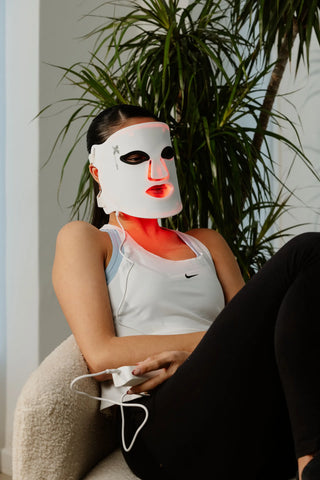
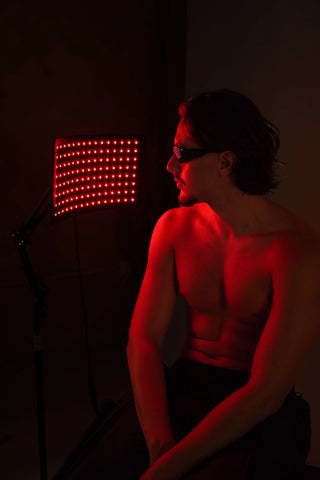
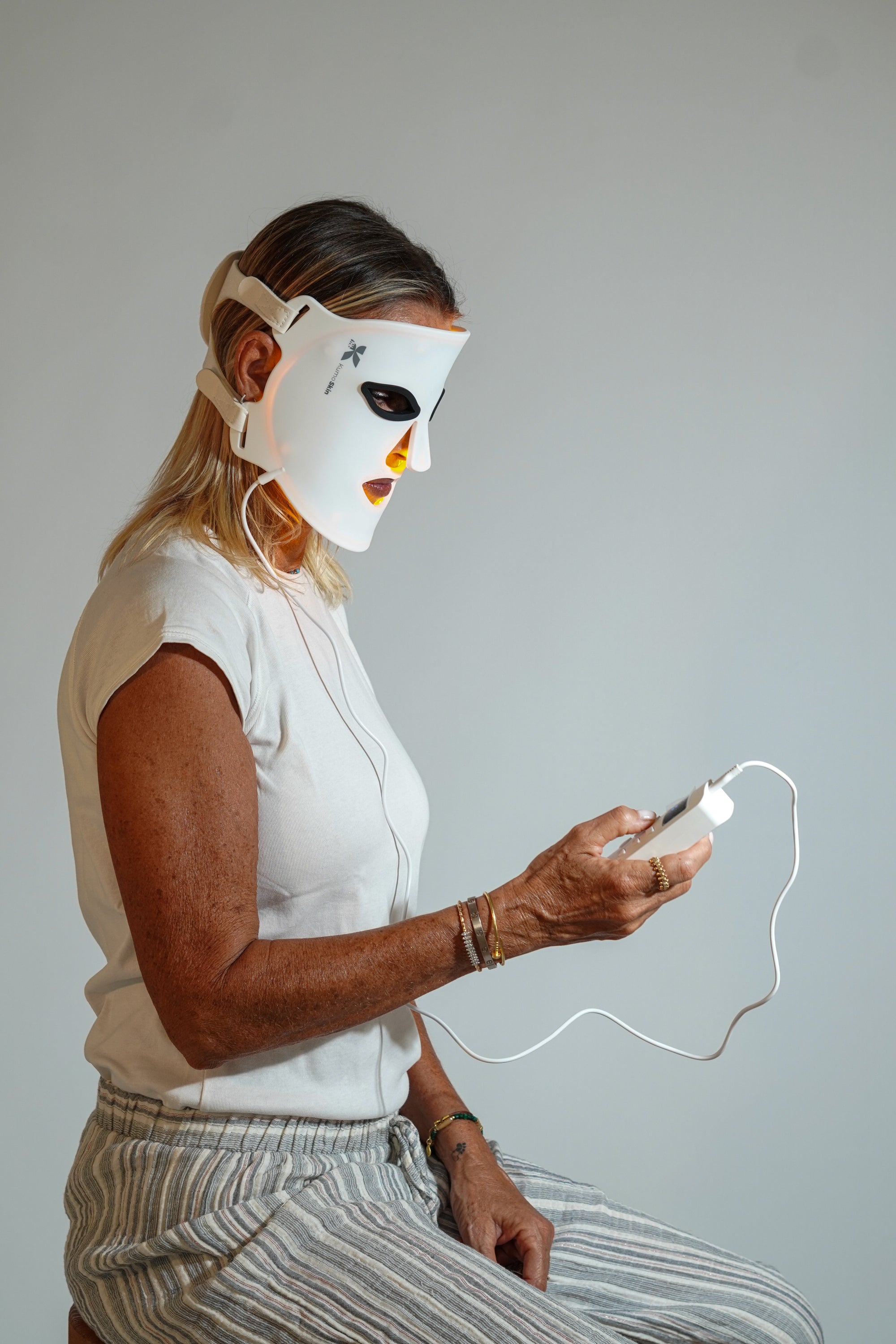
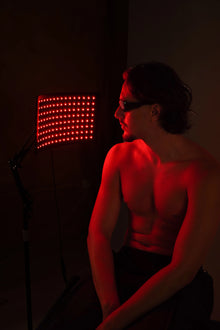
- Red light and LED therapy : Exposure to red and near-infrared light has been studied in controlled protocols to support muscle regeneration and improve sleep quality. You can explore KUMO's LED light therapy options as a complement to your nighttime routine.
- Percussive massage : A good massage gun helps release localized tension points and improve mobility. Integrating a tool like the KUMOPULSE AIR massage gun before or after pressotherapy can enhance the feeling of muscle relaxation.
- Regular mobility and stretching : a few minutes a day makes a big difference in how your joints feel and in preventing discomfort.
The key is not to do everything at once, but to design a realistic recovery ritual that you can maintain week after week.
If you want to explore how to integrate several of these technologies in a coherent way, at KUMO you will find solutions designed specifically for daily recovery.
Frequently asked questions about home pressotherapy
How long is it recommended to use pressotherapy at home after training?
Most research protocols use 20 to 30 minutes of intermittent pneumatic compression after exercise, which offers a good balance between effectiveness and practicality. ( pubmed.ncbi.nlm.nih.gov ) For home use, you can start with 20 minutes and see how your legs respond the next day. If you train very hard or accumulate a heavy weekly load, you could extend to 30 minutes as long as the session feels comfortable. More isn't always better: focus on consistency (several days a week) rather than extremely long sessions.
Is it better to use pressotherapy before or after exercise?
If your priority is recovery and feeling light in your legs the next day , the most logical option is to use compression therapy after training , following a brief cool-down. Studies analyzing post-exercise compression typically focus on this time, aiming to reduce perceived fatigue and promote venous and lymphatic return. ( pubmed.ncbi.nlm.nih.gov ) Using it before exercise can be helpful for people prone to swollen legs from prolonged sitting, but in that case, it's advisable to allow a certain amount of time and ensure it doesn't cause a feeling of heaviness right before training.
How many days a week can I do pressotherapy at home?
In healthy individuals without contraindications, pressotherapy can be used several times a week , and even daily during periods of high training load, provided the pressure is appropriate and no abnormal symptoms appear. ( pubmed.ncbi.nlm.nih.gov ) A good guideline is 3–5 weekly sessions after the most demanding workouts (leg strength training, intervals, long runs). During weeks with lower training loads, you can reduce to 1–3 sessions. If you have vascular or lymphatic conditions, or a history of cardiovascular disease, the frequency and pressure should be prescribed by a healthcare professional familiar with your case.
Does pressotherapy replace stretching or massage?
No. Pressotherapy is a complementary tool , not a complete substitute for other recovery practices. Gentle stretching, joint mobility exercises, manual or percussive massage, and well-planned strength training remain essential for maintaining a healthy musculoskeletal system. ( pubmed.ncbi.nlm.nih.gov ) The most effective approach is to combine them intelligently : for example, a few minutes of stretching and mobility exercises right after training, followed by a pressotherapy session, and reserving deep or percussive massage for specific days when you notice localized knots or stiffness.
Is home pressotherapy safe if I have varicose veins?
Varicose veins and other venous problems require individualized assessment . In some cases, controlled compression can be beneficial in promoting venous return; in fact, pneumatic compression is used in specific medical contexts for certain venous insufficiency conditions ( pubmed.ncbi.nlm.nih.gov ). However, there are also situations (for example, active deep vein thrombosis or severe arterial disease) where it is contraindicated. Therefore, if you have moderate or severe varicose veins, significant pain, changes in skin color, or a history of blood clots, it is essential to consult your doctor or a vascular surgeon/phlebologist before using compression therapy at home on your own.
So what now?
If you want your recovery to be as strategic as your training, it's time to integrate a home compression therapy routine tailored to your schedule and goals. In KUMO's collection of compression boots, you'll find solutions designed for home use, and you can combine them with our LED light therapy and the KUMOPULSE AIR massage gun to create your own "recovery space" at home.
If you have specific questions about which product best suits you, you can write to us through the contact form and we will help you design a recovery routine according to your level and lifestyle.
KumoWave pressotherapy
Choose your at-home pressotherapy
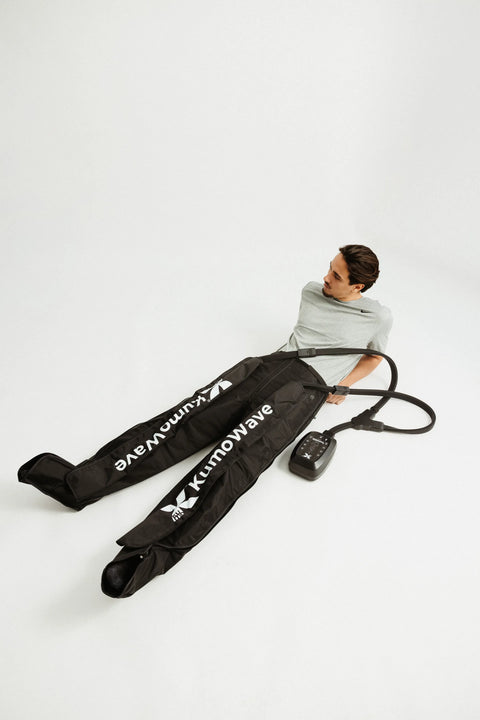
KumoWave Elite – Pressotherapy Pants
Full-coverage trousers. Ideal for lipedema, fluid retention and intensive use.
€799,00 €999,00
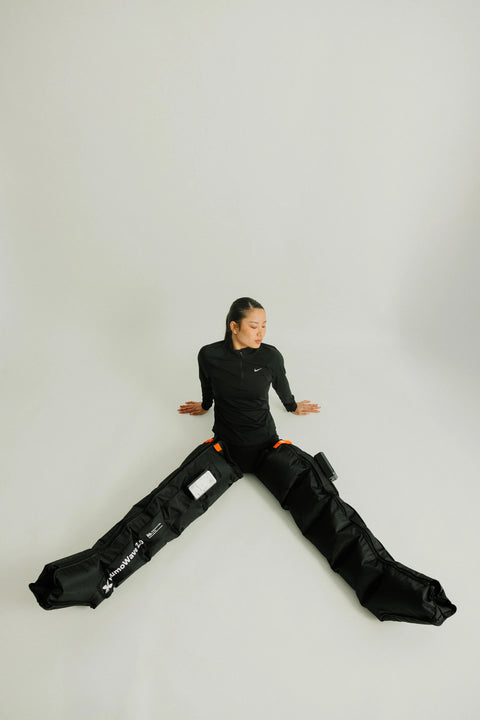
KumoWave 2.0 - Wireless Pressotherapy
Wireless, lightweight boots. Perfect for daily use and recovery.
€499,00 €599,00