
Frozen shoulder can be very limiting. It usually starts with pain, moves on to stiffness and makes basic movements like getting dressed, combing your hair or sleeping on your side difficult.
The good news is that, in most cases, the everyday goal is not to force the shoulder but to support it with gentle movement, careful pain relief and a consistent routine adapted to the stage you are in.
Red & infrared light
Recover faster, at home
★★★★★ 4,8/5 · rated by verified customers
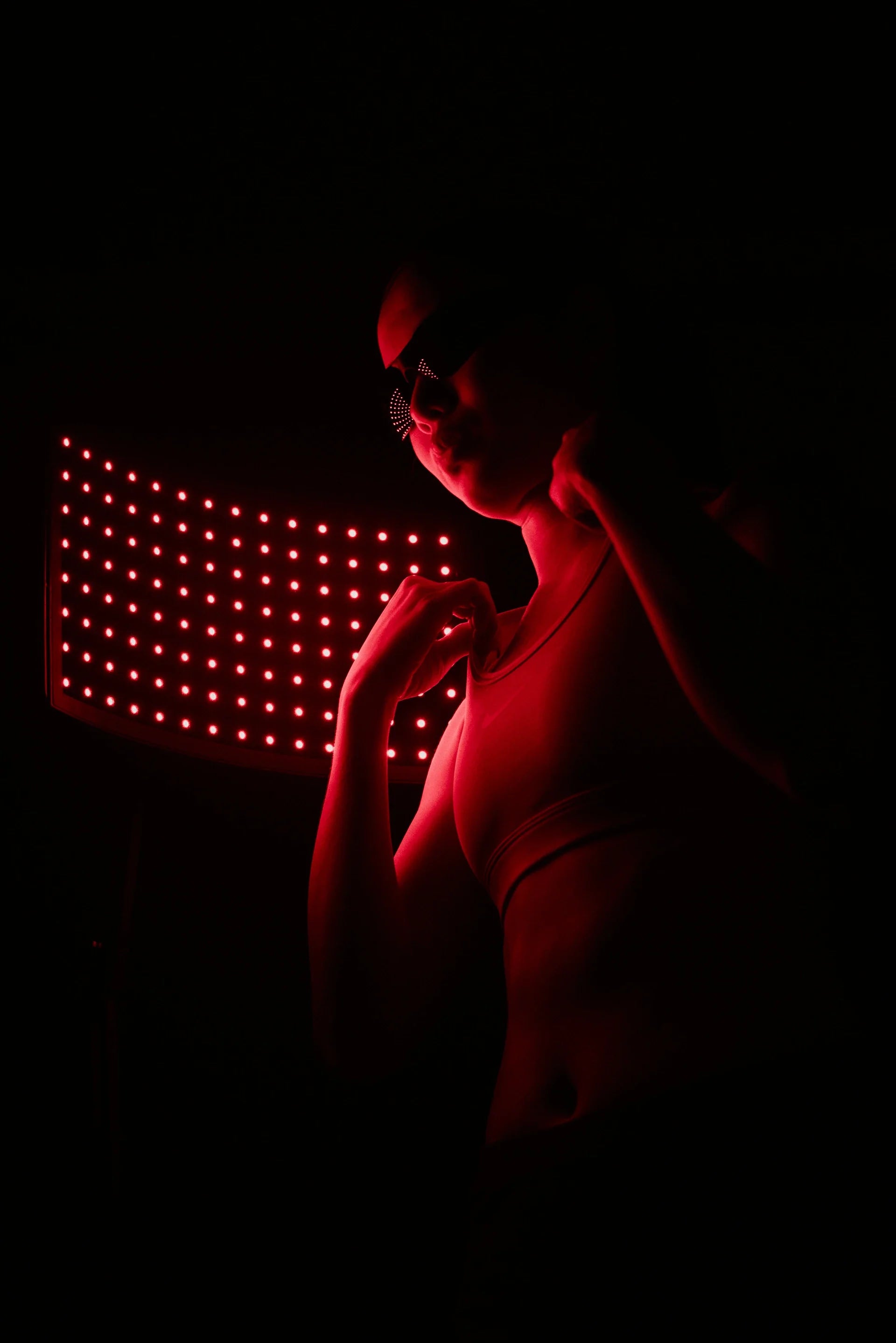
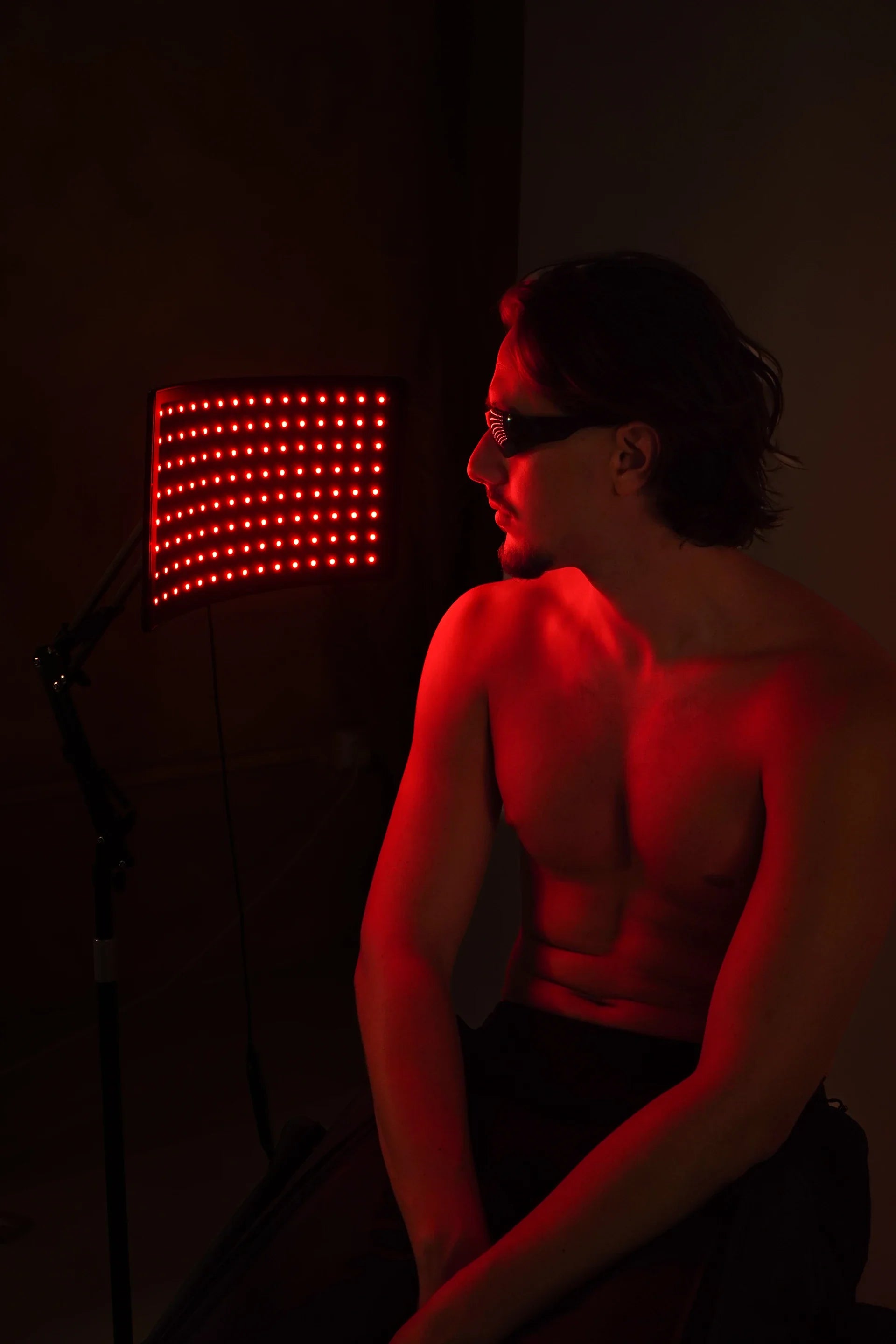
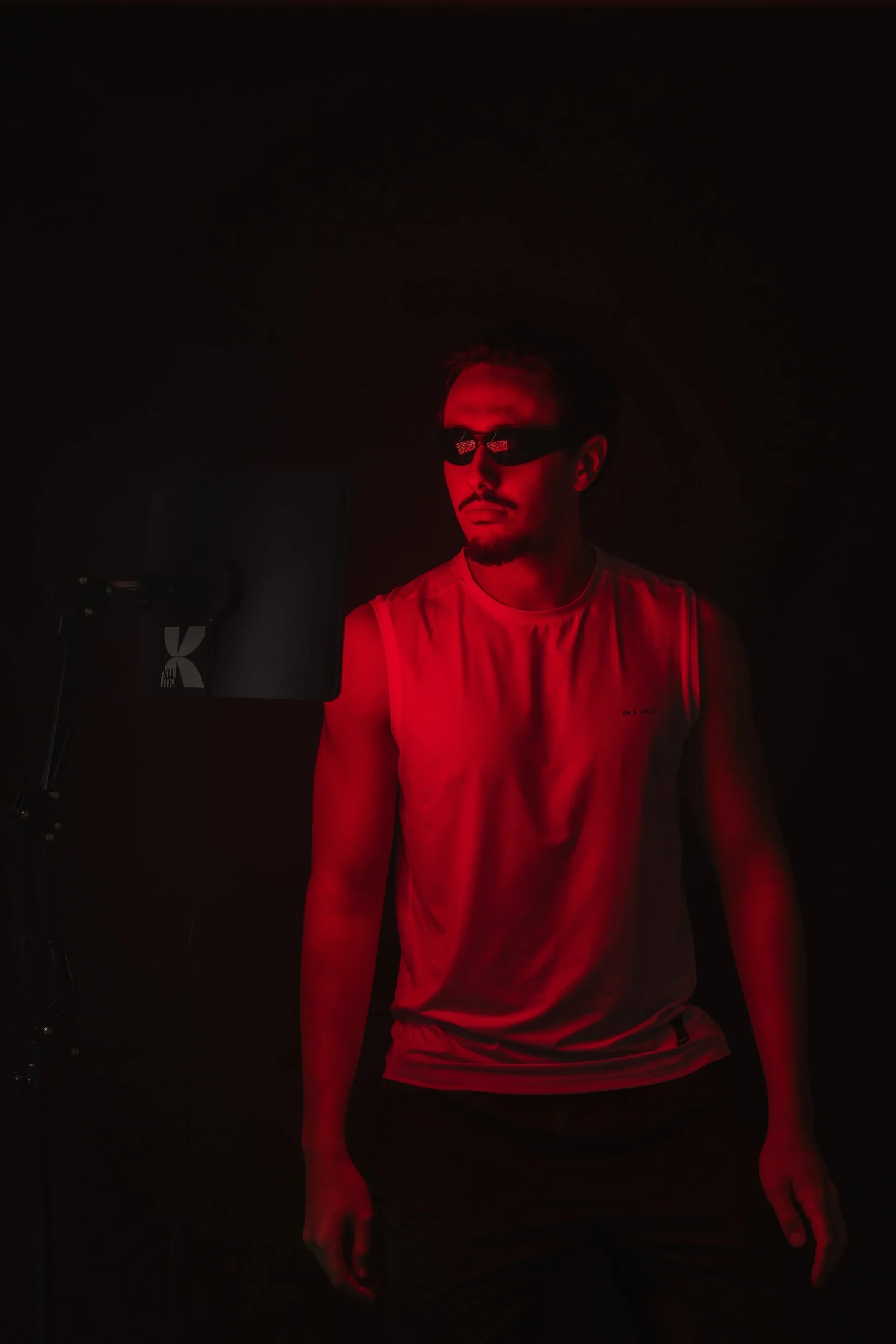
The KumoLux panel supports muscle recovery with full-body red and infrared light.
- 660 nm red + 850 nm infrared light
- Full-body muscle recovery
- Clinically validated biohacking protocols
€399,00€499,00
−10% on your 1st order when you subscribe to the newsletter

What is happening in the shoulder
Adhesive capsulitis, also called frozen shoulder, occurs when the capsule surrounding the joint becomes inflamed, thickens and tightens. The NHS guide on frozen shoulder sums up the picture well as pain and stiffness lasting months, sometimes years, while Mayo Clinic and the AAOS agree that improvement tends to be slow and that physical therapy focused on flexibility is an important foundation of management.
It does not always have a clear cause, but immobilization after an injury or surgery, diabetes and some thyroid disorders are linked to a higher risk. It is also more common between the ages of 40 and 60 and in women.
Personalized protocol · included with your purchase
Want us to tell you how to use it in your case?
With your purchase, our experts set up your red and infrared light sessions for your sport and goal.
Message us on WhatsAppOur experts reply · no obligation
The key idea is simple: more immobilization usually does not help, while gentle, consistent movement is part of the recommended everyday approach.
How to manage stiffness without forcing it
The NHS recommends avoiding movements that trigger pain, moving the shoulder gently and following the exercises prescribed by a professional. If the pain continues, physical therapy usually lasts several weeks and is adjusted as things progress.
Three simple rules for everyday life
- Do a little, but regularly, because consistency is usually more useful than a single intense session.
- Work within a comfortable range, without chasing sharp sensations or flare-ups of pain.
- If the shoulder gets irritated afterward, lower the intensity, reduce the range and give yourself room to recover.
If it helps you to get into a calmer state before moving, you can lean on a breathing and recovery guide to structure that moment. Slow breathing does not replace rehabilitation, but it can make breaks and gentle exercises easier to get through.
on your first order when you join the newsletter
We send you the code instantly. No spam.
A short routine you can repeat
The best routine is the one you can stick with. If the shoulder is very sensitive, think short, repeated and predictable sessions rather than one long block.
- When you get up, spend one or two minutes moving the shoulder calmly, without aiming for maximum range.
- During the day, spread out several micro-breaks to loosen your neck, upper back and affected arm.
- If an exercise causes sharp pain, stop and reduce the intensity on the next repetition.
- At night, find a position that does not load the shoulder and avoid sleeping on the painful side if it wakes you up.
Quick table to organize your day
The following table translates the approach of the NHS, Mayo Clinic and the AAOS into real situations at home and at work, always guided by gentleness, consistency and adaptation.
Summary by time of day
| Time | What may happen | What helps | What to avoid |
|---|---|---|---|
| Morning | The shoulder often feels stiffer at the start of the day. | Gentle, gradual mobility, without rushing. | Stretching suddenly or lifting weight right after waking up. |
| Work | Hours of sitting can load up the neck and trapezius. | Short breaks, a comfortable posture and frequent changes of position. | Staying still for too long. |
| Household chores | Combing your hair, reaching for high objects or getting dressed may be harder. | Keeping objects close to your body and spreading out the effort. | Forcing ranges you already know irritate the joint. |
| Night | Pain may increase and disturb your sleep. | Finding a resting position that takes the load off the shoulder. | Pushing through intense exercises right before bed. |
If you prefer a more organized structure, you can draw on a practical weekly at-home recovery protocol and adapt it to your situation, without copying anything that irritates your shoulder.
Specific habits that often help
Some mistakes tend to make things worse: keeping the shoulder still all day, improvising intense exercises, or carrying on with activities that trigger pain. The NHS stresses avoiding strenuous self-made routines and keeping movement gentle and within what you can tolerate.
- Use small, repeated movements, not sudden stretches.
- Adjust the height of tasks so you do not raise your arm more than necessary.
- Space out activities that involve reaching, carrying or rotating the shoulder.
- If your neck or upper back feels very tense, work on that area too, calmly and without pressing on the painful joint.
When the trapezius and upper back get overloaded from compensating, a percussion device can be useful, but only on muscle tissue and gently. To better understand how to use it on different areas, the percussion massage guide by muscle group can point you in the right direction.
Wellness devices, used with care
Important: these wellness devices can support a comfort routine, but they do not replace the assessment or the plan set by a professional. The idea is to use them as support, not as a magic fix for frozen shoulder.
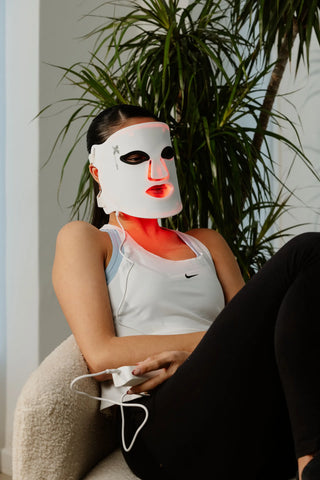
Red light therapy and photobiomodulation
The FDA page on low-level light and photobiomodulation explains that these technologies use very low doses of light and may require eye protection. The FDA itself advises against their use if you have photosensitivity disorders, are pregnant or planning to be, have active implants, cancer or a history of it in the treated area, take photosensitizing medication, or have an active infection, wound or injury.
Massage gun
A massage gun should not be used over the painful joint or over recent wounds, fractures, bruises, skin infections, thrombosis or very sensitive areas. The systematic review published in PubMed Central on percussive massagers also advises avoiding aggressive or prolonged use and taking extra care in people on anticoagulants or with certain medical conditions.
Overall recovery and other support
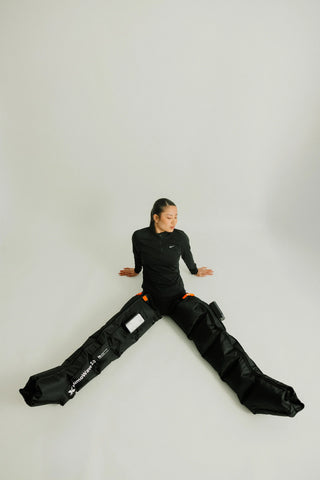
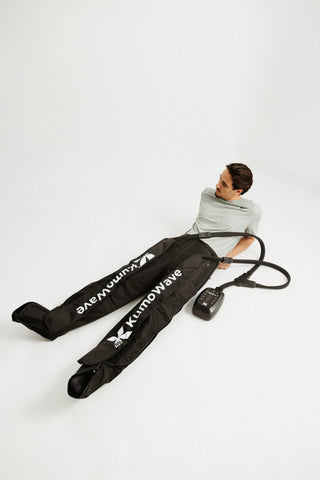
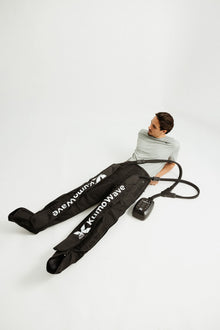
If you also have a general recovery routine, remember that not everything suits the shoulder. Pressotherapy, for example, is mainly used on the lower limbs and has clear contraindications, such as deep vein thrombosis, active phlebitis, severe heart failure, poorly controlled high blood pressure or open wounds on the legs. If you are curious about how it works, you can read what pressotherapy is and how it works, but do not see it as an answer to shoulder stiffness. (pmc.ncbi.nlm.nih.gov)
When to see a doctor: signs that need medical assessment
Frozen shoulder can progress slowly, but some signs should not be brushed off. If the pain or stiffness does not go away, if you are moving your arm less and less, or if it keeps you from sleeping or living normally, get a medical assessment.
- See a doctor if the stiffness and pain do not improve over time or clearly get worse.
- Get help if you find it very hard to move your arm or shoulder in daily life.
- Seek care quickly if the pain started after a fall or accident and you notice deformity, sudden swelling or an inability to use the arm. (mayoclinic.org)
- Do not automatically put it down to frozen shoulder if the pain comes with chest tightness, shortness of breath or a cold sweat, because it can also point to an urgent problem.
- Remember that shoulder pain can also come from the neck, chest or abdomen, so not every shoulder complaint is frozen shoulder.
Frozen shoulder FAQ
How long can frozen shoulder last?
The duration varies a lot. The NHS explains that it can last months, sometimes years, and Mayo Clinic adds that improvement tends to be slow, with an overall course that can stretch from 1 to 3 years. That does not mean you will feel the same the whole time, but that the process usually moves through stages. That is why it makes sense to aim for small, repeatable and realistic goals instead of waiting for a quick fix.
Should I move my shoulder even if it hurts?
Yes, but sensibly. Moving it gently is usually better than keeping it still, because immobility tends to make stiffness worse. That said, it is not about forcing the range or doing intense exercises on your own. The most useful approach is usually to follow a professional's guidance, respect sharp pain and repeat short movements often.
Can red light therapy or a massage gun help with stiffness?
They can be part of a comfort routine, but they should not be presented as a treatment for frozen shoulder. Red light therapy, or photobiomodulation, requires checking contraindications such as photosensitivity, pregnancy, active injuries or photosensitizing medication, and a massage gun should not be used on the painful joint or on recent injuries. If your goal is to take care of your day-to-day life, think of these devices as support, not as a substitute for a clinical assessment or physical therapy.
Which signs mean I should not wait any longer?
If the pain and stiffness do not ease, if you notice a significant loss of mobility, or if it started after a fall, with deformity or sudden swelling, it is best to see a doctor. You should also seek urgent help if shoulder pain comes with shortness of breath, chest tightness or a cold sweat. In short, when the pattern does not fit a gradual stiffening or a warning sign appears, it is better not to delay getting assessed.
What now?
The key is not to do more, but to do better: a little mobility, consistent habits and caution with any wellness device. If you want to organize your routine, start with this practical at-home recovery protocol and continue from the Kumo Balance homepage to build a calmer way of supporting your day-to-day life.

Red & infrared light
KumoLux Panel – Red and Infrared LED Panel
★★★★★ 4,8/5 · rated by verified customers
- 660 nm red + 850 nm infrared light
- Full-body muscle recovery
- Clinically validated biohacking protocols
€399,00€499,00· pay in installments with seQura or Klarna