
Not all lower back pain is the same. When the pain stays in the lower back and comes on after exertion, poor posture or a spasm, it usually points more toward lower back pain or a muscle knot; when it travels down the buttock, thigh, calf or foot and comes with tingling, numbness or weakness, it points more toward sciatica or radicular pain.
The difference matters because sciatica is a symptom of an underlying problem, not a standalone diagnosis, while lower back pain can have a muscular, ligament or disc origin. The pattern of the pain, where it travels and the presence of warning signs are more useful than any single sensation on its own.
Pressotherapy at home
End the day with light legs
★★★★★ 4,8/5 · rated by verified customers
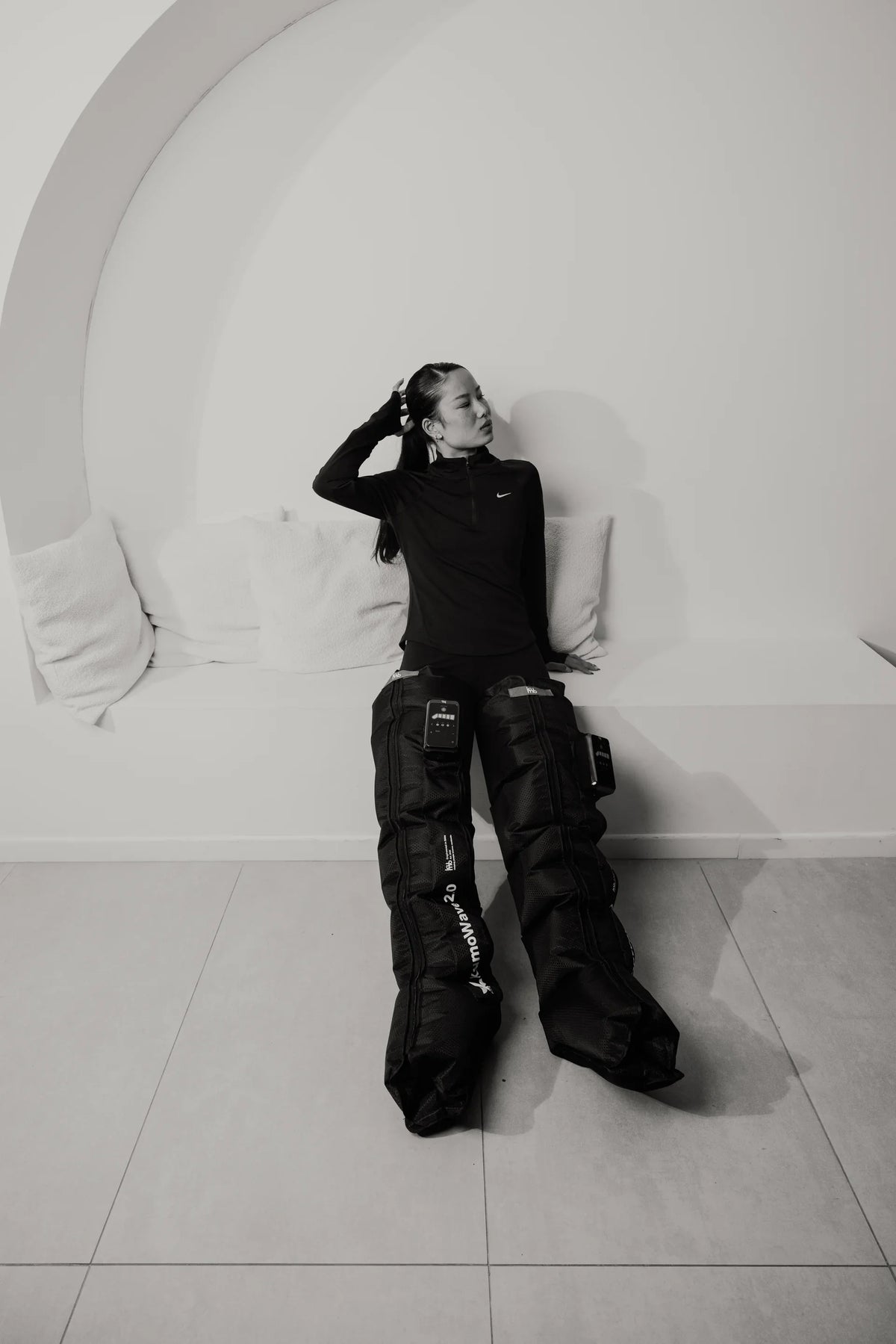
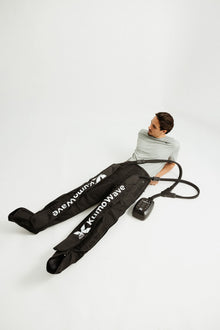
KumoWave pressotherapy boosts circulation and helps drain fluid with sequential compression, in 20-minute sessions at home.
- Boosts circulation and helps drain fluid
- Chamber-based compression, adjustable to you
- Sequential compression that mimics manual drainage
€799,00€999,00
−10% on your 1st order when you subscribe to the newsletter

What sets lower back pain apart from sciatica?
According to the MedlinePlus clinical fact sheet, sciatica occurs when there is pressure on or damage to the sciatic nerve. The NHS adds that it usually affects only one leg and can get worse when you cough, sneeze or sit for a long time.
Acute lower back pain, on the other hand, is usually linked to overload or injury of the muscles and ligaments, with spasm or strain, and can show up as stiffness, a dull ache or discomfort when moving. The MedlinePlus description of acute low back pain and its fact sheet on muscle strains describe that pattern.
Personalized protocol · included with your purchase
Want us to tell you how to use it in your case?
With your purchase, our experts prepare a personalized usage protocol for your case: sport, circulation, fluid retention, pregnancy or lipedema.
Message us on WhatsAppOur experts reply · no obligation
In many cases, the outlook is good. MedlinePlus notes that most lower back pain improves within 4 to 6 weeks, while sciatica usually improves over weeks or months, although it can come back.
How to read your symptoms
This comparison is only a guide. It does not replace a clinical exam, but it helps you see whether the pattern looks more like local muscle pain or like pain that follows the path of a nerve.
Quick reference table
| Key point | More consistent with muscle pain | More consistent with nerve pain |
|---|---|---|
| Location | Stays in the lower back and can feel like tightness or a spasm. | Travels down the buttock and leg, often along the back of the leg and frequently on one side only. |
| Type of pain | Usually dull, stiff or tender with movement or touch. | Can be sharp, burning or shooting, and come with tingling, numbness or weakness. |
| What makes it worse | A sudden twist, lifting something heavy, holding a posture or a one-off effort. | Coughing, sneezing, sitting for a long time or certain positions. |
| Related clues | Often limits movement because of pain, but without the typical pattern of nerve radiation. | There may be loss of sensation, altered reflexes or a foot that catches when walking. |
If the pain stays only in the lower back and does not go down the leg, sciatica is less likely; if it radiates with tingling or weakness, the picture changes.
on your first order when you join the newsletter
We send you the code instantly. No spam.
A clinical exam is still key. MedlinePlus states that tests are usually not needed unless the pain is severe or long-lasting, and NICE advises against routine imaging in a non-specialist setting if it will not change clinical management. NICE guideline on low back pain and sciatica.
Common causes and why they sometimes get mixed up
Common causes include muscle spasm or strain, a herniated disc, spinal stenosis, spondylolisthesis or a back injury. When the pain is more localized in the lower back and gets worse with a specific movement, it usually fits a muscular picture better. If you want to learn more about that pattern, the quick guide to muscle knots in the back can help you recognize it.
Serious causes are rare. The full NICE guideline notes that fewer than 1% of people who see a primary care provider for lower back pain have cancer as the underlying cause, although that figure does not replace an assessment if warning signs appear.
What you can do while you wait to be seen
While you wait to be seen, stay as active as you comfortably can. The NHS page on back pain and MedlinePlus advise against prolonged bed rest and recommend returning to movement gradually. If an exercise clearly increases the pain, stop and ask for advice. (medlineplus.gov)
If the picture is more muscular, you may find it helpful to read about physical therapy at home with safe exercises to start today, which explains how to get moving again carefully and without straining the area.
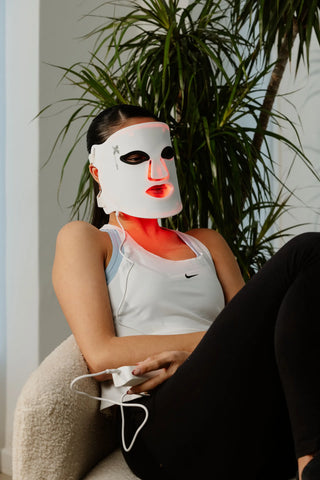
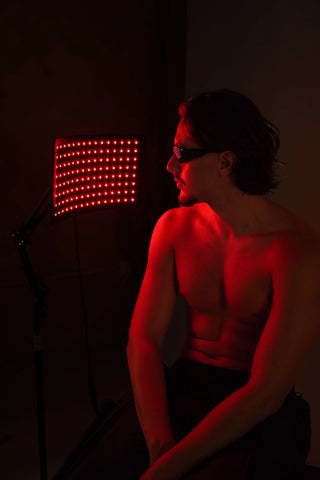
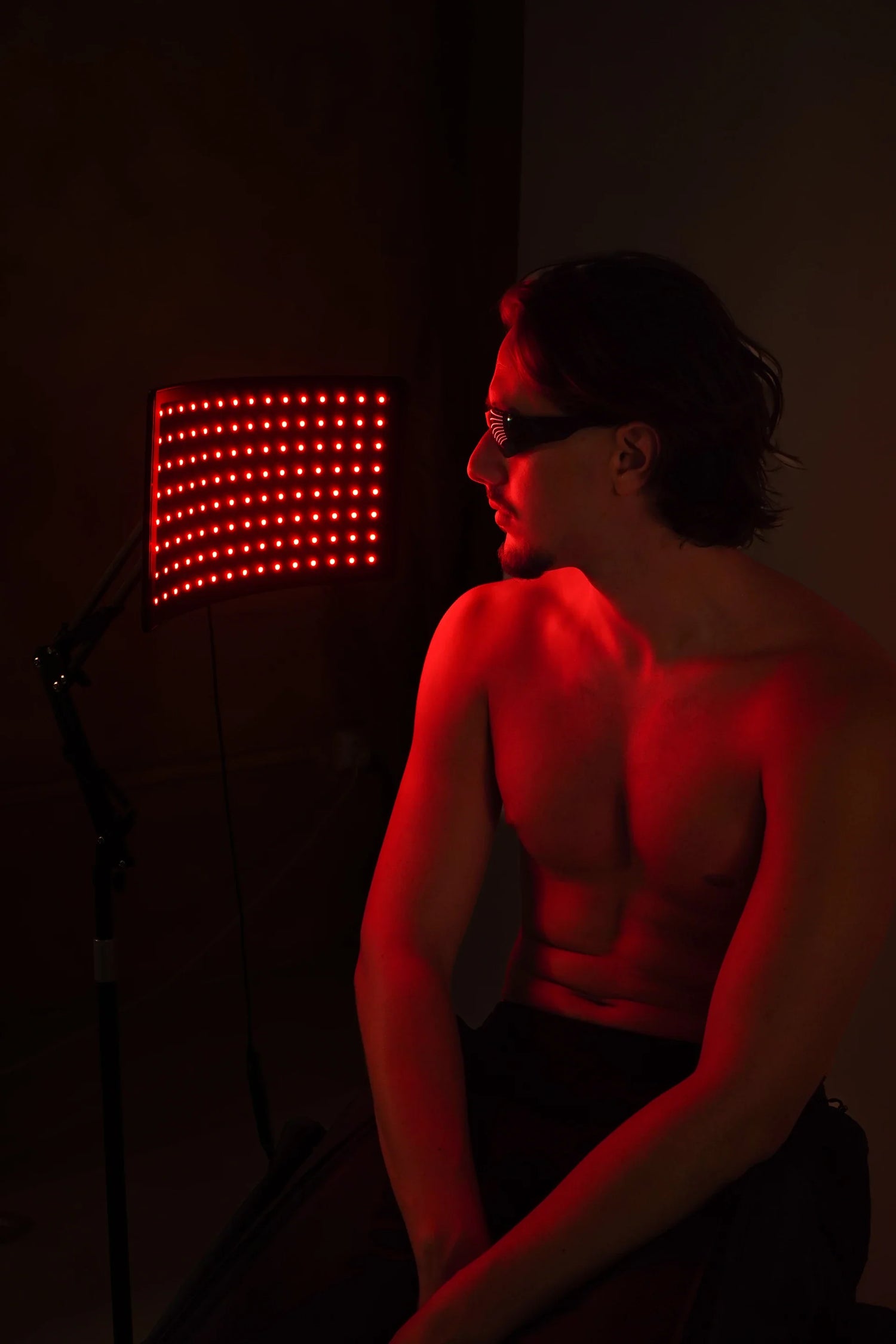
If you already use wellness devices such as pressotherapy, red light therapy or a massage gun, treat them only as a comfort add-on and always check their contraindications. They should not be used on pain that travels down the leg with weakness, numbness or changes in bladder or bowel control until a health professional has ruled out an urgent cause.
When to get checked: warning signs that need medical attention
Seek care right away if lower back pain travels down the leg and any of these signs appear, because they can point to cauda equina syndrome or another urgent cause. The NHS and NICE recommend urgent care in these cases.
- Numbness in the genital area, the perineum or around the anus, known as saddle anesthesia.
- Trouble starting to urinate, being unable to urinate, or loss of bladder or bowel control.
- New or worsening weakness, meaning a possible motor deficit, or a foot that drags when walking.
- Fever, feeling generally unwell, pain after a hard blow, severe pain at night or unexplained weight loss.
If there are no warning signs but the pain does not improve, gets worse or keeps you from your normal life for several weeks, get a medical assessment. In that situation, routine imaging is usually not the first step in non-specialist care.
Frequently asked questions
What is the difference between lower back pain and sciatica, and how can you tell which one is causing the pain?
Lower back pain is pain localized in the lower back, while sciatica is pain that follows the path of the nerve and usually travels down the buttock, leg or foot. To get your bearings, notice whether the pain stays in the lower back and gets worse with a specific movement, or whether it radiates and comes with tingling, numbness or weakness. If you only have back pain with no radiation, sciatica is less likely.
Can lower back pain turn into sciatica if the pain radiates down the leg, and what is the warning sign?
It is not usually described as lower back pain “turning into” sciatica, as if it were an automatic change. Instead, the same episode can start as lower back pain and later radiate if a nerve root becomes irritated or the nerve is compressed. The warning sign is pain that travels down the leg, tingling that appears or weakness that sets in, especially if bladder or bowel control changes or there is saddle anesthesia.
What symptoms suggest the pain is coming from a nerve rather than a muscle in the lower back?
Nerve pain tends to be sharper, burning or shooting, and can come with tingling, numbness, altered reflexes or weakness. Muscle pain, by contrast, is usually more localized, stiff or spasm-like, and shows up when you move, touch or load the area. Pain that gets worse when you cough or sneeze also points toward nerve involvement. Even so, it is the combination of symptoms that makes the difference.
What warning signs require immediate medical attention when lower back pain travels down the leg?
Seek immediate care if you have saddle anesthesia, loss of bladder or bowel control, progressive weakness in the legs, very severe pain with fever, pain after a fall or rapid worsening. These findings mean cauda equina syndrome, an infection, a fracture or a significant neurological injury must be ruled out. If any of them appear, do not wait for it to go away on its own.
What's next?
Before you go on: if you recognize any of those warning signs, get medical care right away, because nothing that follows replaces it. What follows only applies to muscle pain with no radiation and no warning signs.
If you recognize a more muscular pattern and want to ease back into movement, start with the at-home recovery protocol with pressotherapy, red light therapy and a massage gun and head back to the Kumo Balance home page to explore more resources designed for everyday life.
KumoWave pressotherapy
Choose your at-home pressotherapy
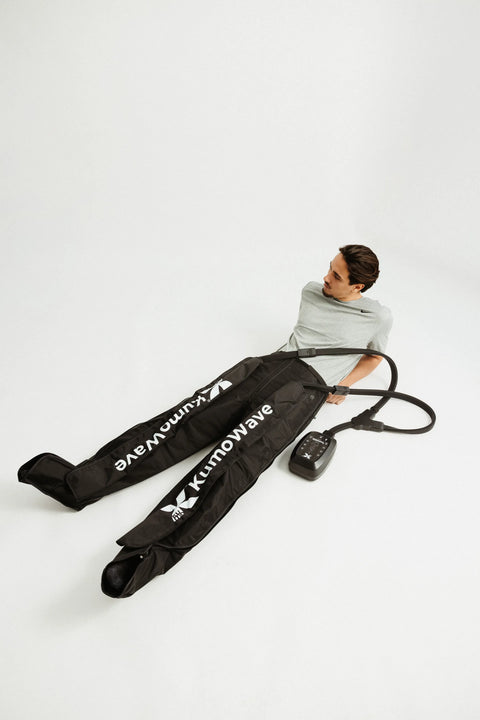
KumoWave Elite – Pressotherapy Pants
Full-coverage trousers. Ideal for lipedema, fluid retention and intensive use.
€799,00 €999,00
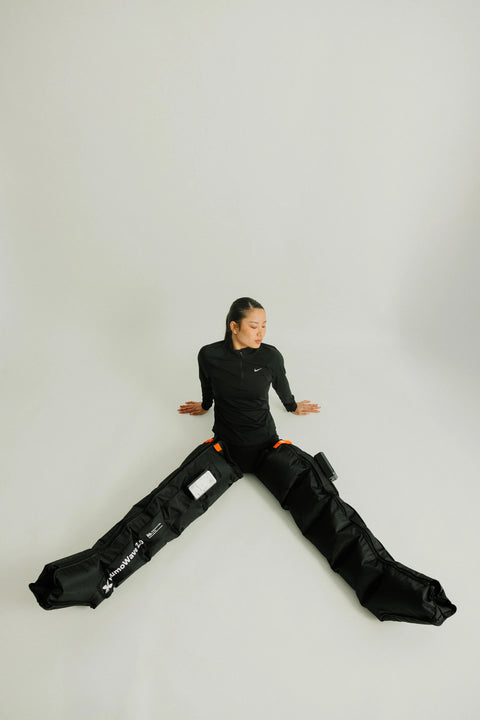
KumoWave 2.0 - Wireless Pressotherapy
Wireless, lightweight boots. Perfect for daily use and recovery.
€499,00 €599,00