Your cycle matters.
If you train, you don't need to push equally hard every day. Intensity, recovery and perceived effort can vary throughout the menstrual cycle, and symptoms can change how ready you actually are to train. In a survey of 6,812 active women, the most common symptoms were mood changes, fatigue and cramps, and they were linked to more changes of plan, more missed sessions and more use of pain medication.
Pressotherapy at home
End the day with light legs
★★★★★ 4,8/5 · rated by verified customers
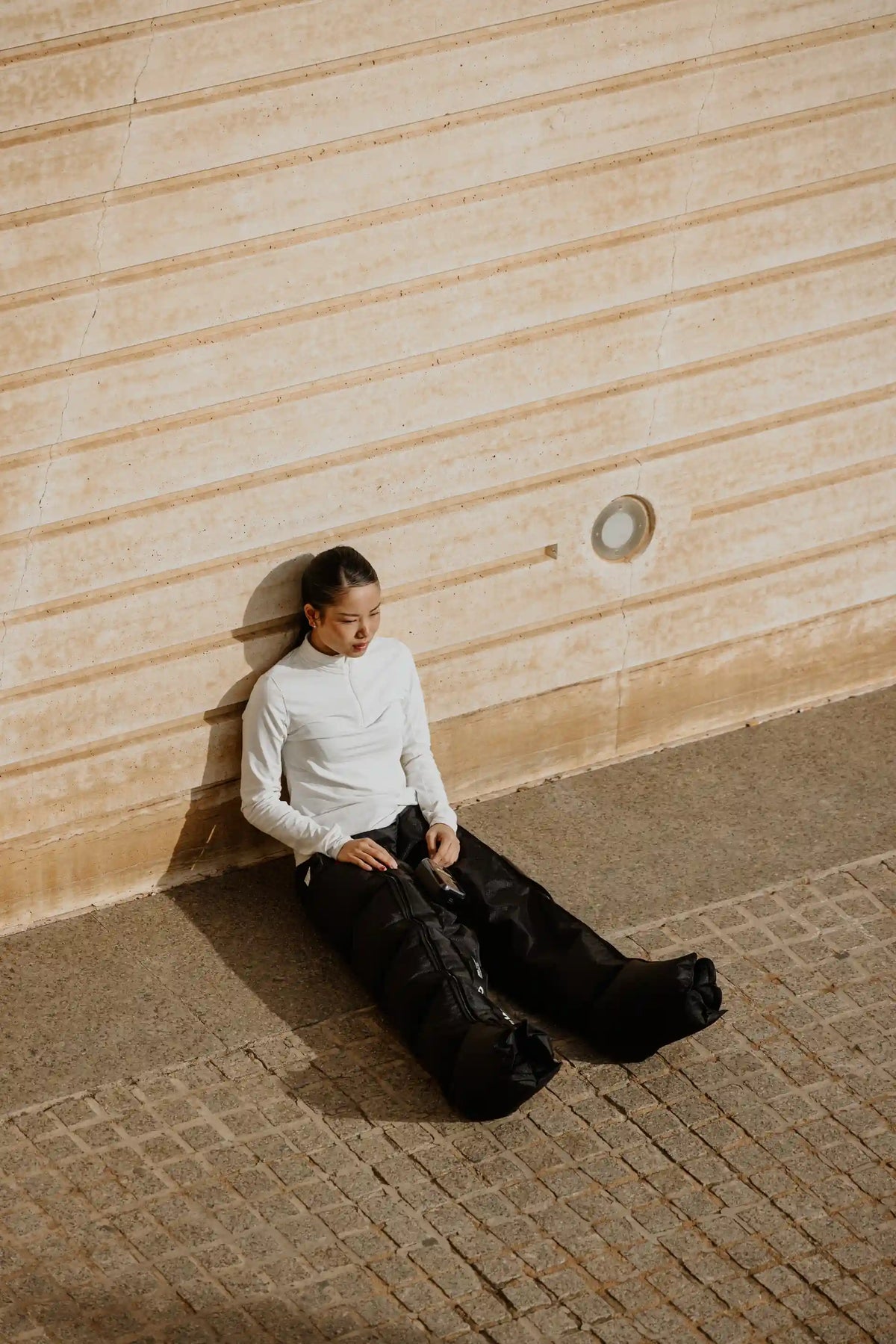
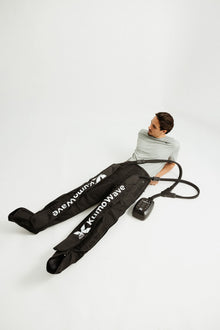
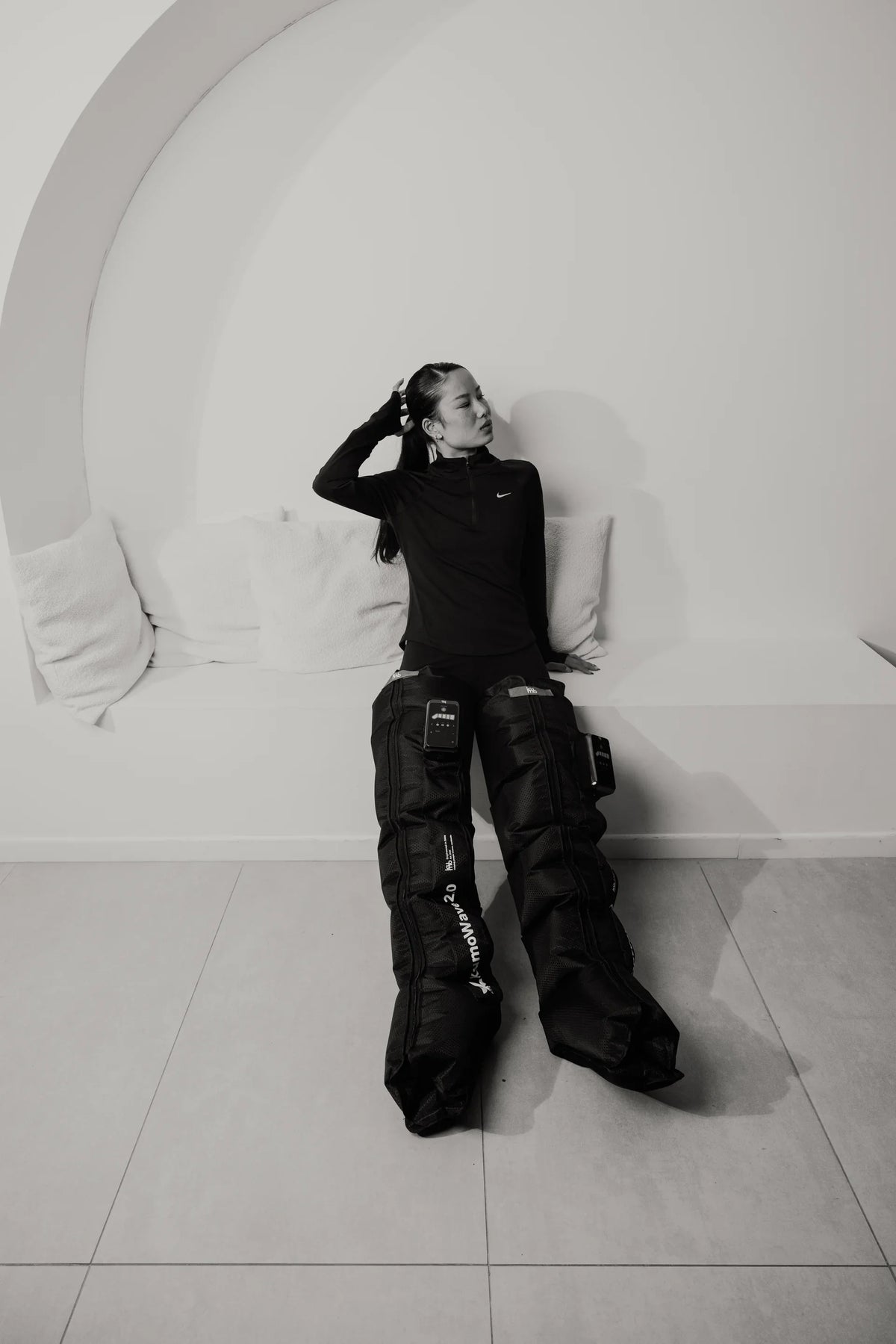
KumoWave pressotherapy boosts circulation and helps drain fluid with sequential compression, in 20-minute sessions at home.
- Boosts circulation and helps drain fluid
- Chamber-based compression, adjustable to you
- Sequential compression that mimics manual drainage
€799,00€999,00
−10% on your 1st order when you subscribe to the newsletter

What really changes in each phase
The classic reference is a 28-day cycle, but it only works as a guide. Day 1 starts with your period, ovulation usually happens around day 14 and the luteal phase takes up the second half of the cycle; even so, the actual length varies a lot from woman to woman and from cycle to cycle. (womenshealth.gov)
If your main problem is pain or discomfort before your period, you can read more in Period pain and premenstrual syndrome: the habits that bring relief, because the best adjustment is often not a rigid chart, but learning which symptoms keep coming back for you.
Personalized protocol · included with your purchase
Want us to tell you how to use it in your case?
With your purchase, our experts prepare a personalized usage protocol for your case: sport, circulation, fluid retention, pregnancy or lipedema.
Message us on WhatsAppOur experts reply · no obligation
How to adapt training and recovery by phase
The idea isn't to live by the calendar, but to use the phase as context and your symptoms as a compass. Recent reviews don't support rigid one-size-fits-all rules, so personalization is still the best option. (pmc.ncbi.nlm.nih.gov)
Menstruation
If there's bleeding, cramping or extra fatigue, dial the effort down a notch. The NHS notes that gentle exercise, such as walking, swimming or yoga, can help with period pain, and that you should seek advice if the pain stops you from getting on with daily life. In practice, mobility work, walks, easy cycling, technique or light strength training usually fit well. (england.nhs.uk)
In this phase, recovery can be very simple: more sleep, hydration, local heat if it helps and less volume if you feel sluggish. If a session leaves you drained, you have nothing to prove. The priority is to get through the day without adding unnecessary fatigue.
on your first order when you join the newsletter
We send you the code instantly. No spam.
Follicular phase
After your period, if you feel lighter, it may be a good time to fit in the toughest session of the week, technique work or strength training. Even so, the evidence doesn't allow for a universal recipe: a large review concluded that menstrual cycle phase has a limited and highly inconsistent effect on strength, performance and training adaptations.
Ovulation
If during these days you notice good coordination, energy and tolerance for effort, you can concentrate your key sessions here. If you don't notice anything special, that's fine. Ovulation doesn't turn a normal plan into a better one on its own, and what matters most is still how you actually respond to training.
Luteal phase and the days before your period
In the second half of the cycle, some women notice bloating, fatigue, mood changes or increased sensitivity. It's not unusual for this to affect perceived effort and readiness to train. In the survey of 6,812 active women, cycle symptoms were linked to more changed sessions, more missed sessions and a greater need to recover between efforts.
The most useful approach is usually to cut volume, keep frequency steady and prioritize sleep, walks, mobility and a load you can repeat without paying for it. If a day feels like too much, also check out the signs that you need a recovery day, because the best adjustment is often not pushing harder, but recovering better.
Quick summary by phase
| Phase | What usually works | Recovery that fits |
|---|---|---|
| Menstruation | Lower the load if there's pain or fatigue. | Mobility, walking, sleep and local heat. Gentle exercise can ease period pain. |
| Follicular phase | Make the most of it if your energy is good. | Strength, technique and moderate or high intensity, without rigid rules. Reviews find highly variable effects. |
| Ovulation | Concentrate key sessions if you feel good. | A good session, a proper warm-up and attention to how you really respond. |
| Luteal phase and the days before | Cut volume if symptoms appear. | Deload, walks, mobility, sleep and symptom tracking. Discomfort can affect readiness to train. |
Recovery technologies that can support your routine
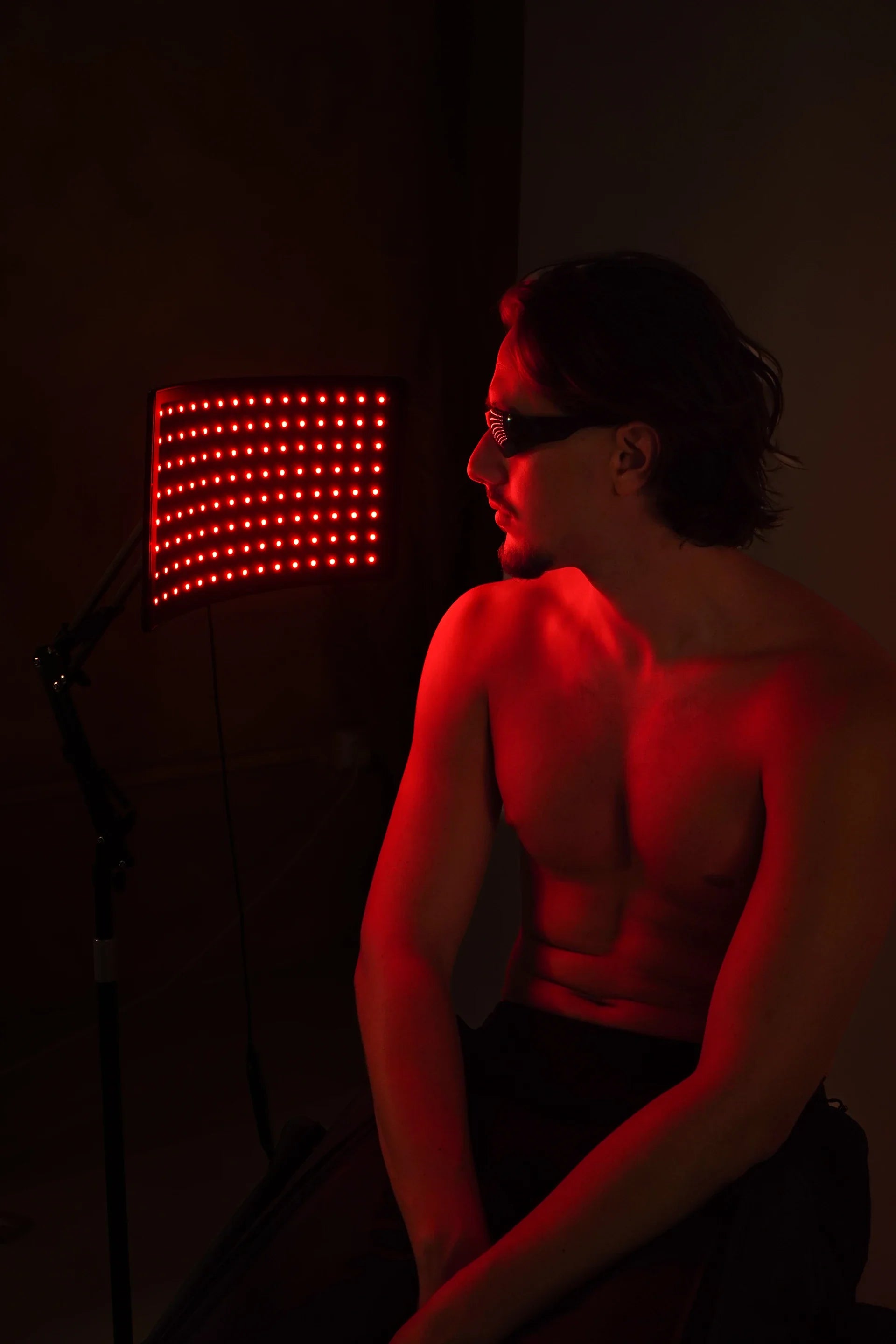
Pressotherapy, red light therapy and a massage gun can be useful as support, always within a plan that already includes sleep, a well-adjusted load and recovery days. A 2024 review on pneumatic leg compression found small or trivial benefits for muscle function and perceived pain, and a 2024 review on photobiomodulation observed less muscle soreness when it was applied before exercise in the included studies. Massage guns, for their part, seem geared more toward mobility and the feeling of recovery than toward improving explosive performance.
If you want to see how to organize them sensibly, you can read how to combine red light therapy and pressotherapy for full recovery and when to use red light therapy after training, because the key is to add without overcomplicating your routine.
When to see a doctor: signs that need medical assessment
Not everything that happens during your cycle is a discomfort you just have to put up with. It's worth getting checked if pain or bleeding disrupts your life, if symptoms clearly get worse or if you notice something different from usual.
- If period pain is so intense that it keeps you from normal daily life or training, get a medical assessment.
- If bleeding is much heavier than usual, lasts longer than expected or occurs between periods, the cause should be checked. (mayoclinic.org)
- If you notice extreme tiredness, shortness of breath or weakness, it may be worth ruling out anemia or another problem related to bleeding.
- If the pain gets worse over time or doesn't improve with the measures that usually help you, don't brush it off as normal.
Before using red light therapy, pressotherapy or a massage gun
These tools are for wellness; they don't replace a medical assessment and shouldn't be used blindly. Before adding them to your routine, respect the contraindications and ask for advice if you have any doubts. (pmc.ncbi.nlm.nih.gov)
- With red light therapy or photobiomodulation, avoid direct exposure to the eyes, suspicious lesions, visible tumor masses and the abdomen during pregnancy, and check with a doctor if you take photosensitizing medication or are sensitive to light.
- With pressotherapy, don't use it if deep vein thrombosis or pulmonary embolism is suspected or confirmed, or if you have decompensated heart failure, an acute infection, active bleeding or a high risk of hemorrhage. (pmc.ncbi.nlm.nih.gov)
- With a massage gun, avoid open wounds, bruises, recent fractures, areas with thrombosis or clotting disorders, and don't run it over bones or very sensitive areas; if you're recovering from an injury or have underlying conditions, get professional advice. (health.clevelandclinic.org)
FAQ
Can I train during my period if I have discomfort?
Yes, if the discomfort is mild or moderate and your body responds well. In fact, gentle exercise often helps some women with period pain, and walking, yoga or swimming can fit very well on those days. The idea is to lower the demands, not to stop moving altogether. If the pain is very intense, if bleeding is very heavy or if training forces you to put normal life on hold, it's worth seeing a doctor.
Which phase is best for my hardest session?
If you feel good, many women prefer to place their most intense work in the follicular phase or around ovulation. But that shouldn't become a mandatory rule. The scientific evidence is still mixed and doesn't allow for one universal rule for everyone. The most reliable approach is to look at your notes on energy, sleep, RPE and discomfort over several cycles, and adjust the load based on how you actually respond.
What should I do if I feel bloated and low on energy in the days before my period?
On those days it usually helps to cut volume a little, keep a steady frequency and prioritize basic recovery: sleep, walks, mobility and enough food. There's no need to turn every session into a test of character. If you notice that symptoms repeat month after month and start to affect your daily life, keep a simple log and get checked to rule out anything else going on.
Can pressotherapy or red light therapy help me at home?
They can support your recovery routine, but they're not shortcuts and they don't replace rest. Pneumatic leg compression shows small or highly variable benefits for sports recovery, and photobiomodulation shows promising results for muscle soreness in some studies. Use them sensibly, respect the contraindications and stop if you notice pain, dizziness or irritation.
What's next?
If you want to turn these ideas into a simple routine, start with the Kumo Balance homepage and then adapt your week to your phase and your real symptoms. To fine-tune your deload days, it can also help to recognize when you need a recovery day or see how to combine red light therapy and pressotherapy without overcomplicating things.
KumoWave pressotherapy
Choose your at-home pressotherapy
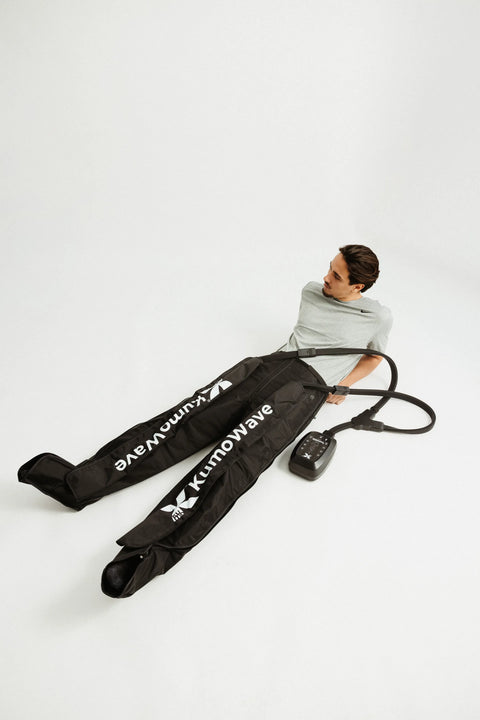
KumoWave Elite – Pressotherapy Pants
Full-coverage trousers. Ideal for lipedema, fluid retention and intensive use.
€799,00 €999,00
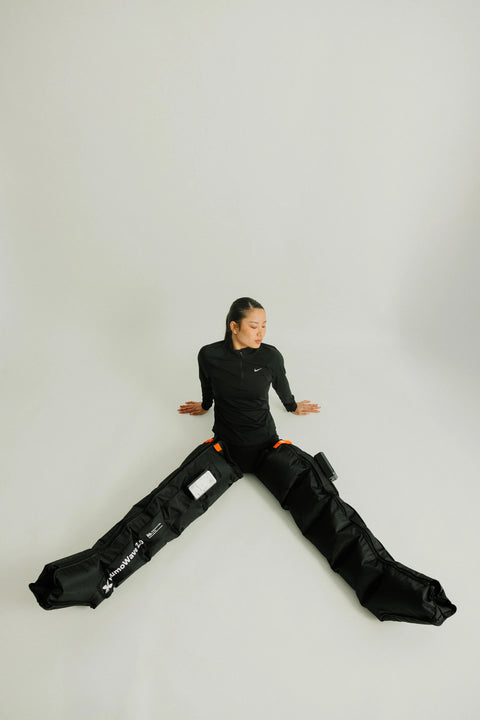
KumoWave 2.0 - Wireless Pressotherapy
Wireless, lightweight boots. Perfect for daily use and recovery.
€499,00 €599,00