Recovery can also begin in your living room. In this article, you'll find a clear guide to at-home physiotherapy, with simple and safe exercises you can start today, without complicated equipment, and always understanding what you can do on your own and when it's best to consult a professional.
We'll explain how to organize a basic 20–25 minute routine, how to adapt the movements to your level, and how to complement therapeutic exercise with modern recovery technologies—such as pressotherapy, red light therapy, and massage guns—to make self-care a sustainable habit.
Red & infrared light
Recover faster, at home
★★★★★ 4,8/5 · rated by verified customers
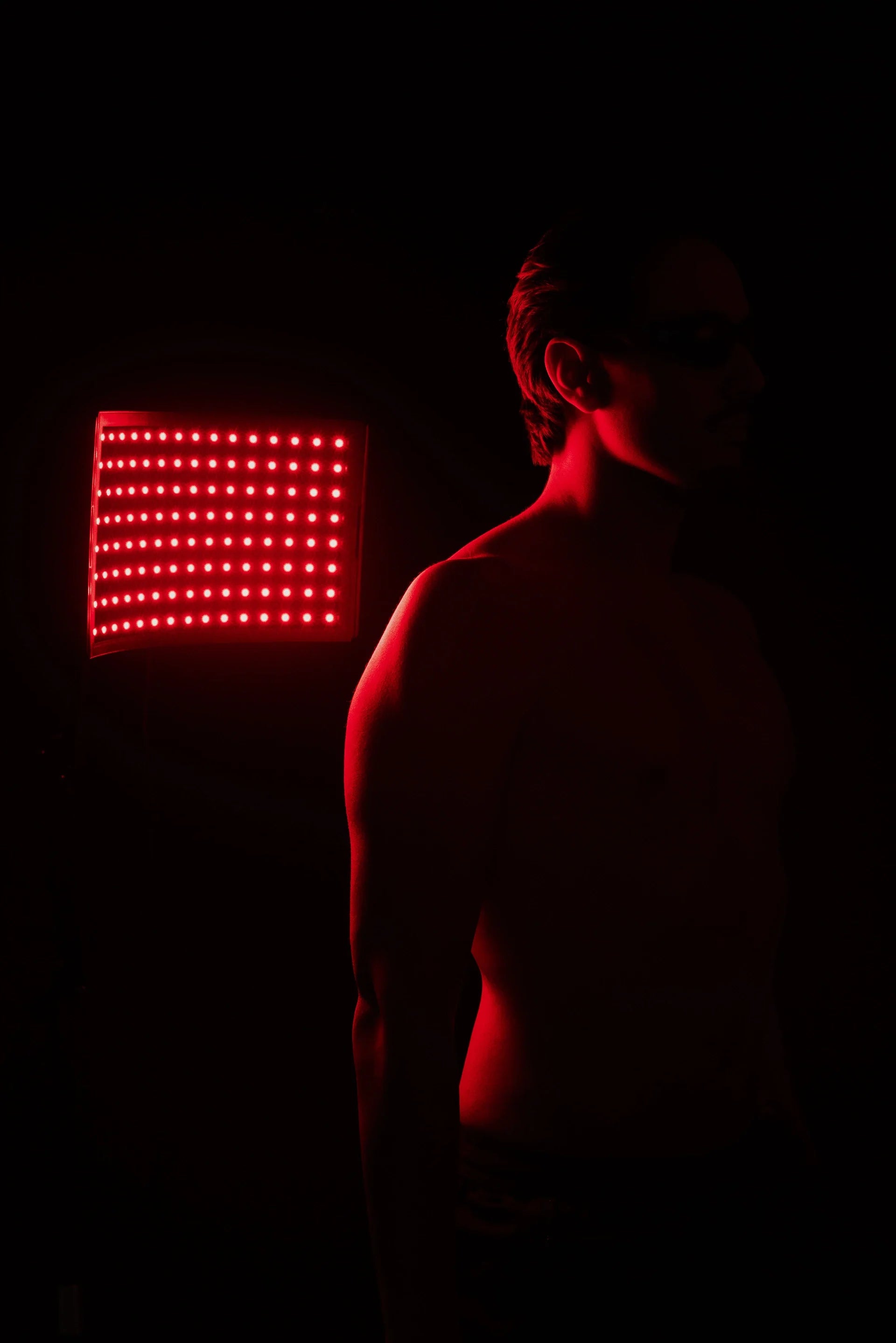
The KumoLux panel supports muscle recovery with full-body red and infrared light.
- 660 nm red + 850 nm infrared light
- Full-body muscle recovery
- Clinically validated biohacking protocols
€399,00€499,00
−10% on your 1st order when you subscribe to the newsletter

What exactly is home physiotherapy?
When we talk about physiotherapy at home, we're not referring to improvising workouts, but rather to performing structured therapeutic exercise , based on the same principles used in a clinic, but adapted to the home environment. Ideally, it begins with an initial assessment by a physiotherapist and continues with a program of guided exercises that the patient can repeat at home.
Home physiotherapy can be in person (the professional travels to you) or remote (tele-rehabilitation, videos, and written guidelines), but it should always prioritize safety and gradual progression . It is especially useful for back and neck pain, mild muscle aches, stable osteoarthritis, functional recovery after periods of inactivity, or as maintenance between in-person sessions.
Personalized protocol · included with your purchase
Want us to tell you how to use it in your case?
With your purchase, our experts set up your red and infrared light sessions for your sport and goal.
Message us on WhatsAppOur experts reply · no obligation
Benefits of doing therapeutic exercises at home
Consistency is key in any rehabilitation process. Doing your exercises at home makes that regularity easier and offers several benefits:
- Greater adherence : you don't depend on travel or clinic hours.
- Autonomy and education in movement : you learn to manage your body in your real environment.
- Complement to face-to-face physiotherapy : what you do at home multiplies the effect of the sessions.
- Prevention : strengthens joints and muscles to reduce relapses.
In a context where physical inactivity is a global problem—31% of adults do not reach the minimum recommended levels of activity, according to the WHO, which proposes at least 150 minutes of moderate activity per week—integrating simple routines at home is an effective and realistic strategy to protect your health. ( who.int )
Furthermore, systematic reviews show that many home-based rehabilitation programs (e.g., in patients with chronic respiratory disease) can achieve improvements comparable to outpatient programs in functional capacity and quality of life when followed correctly. ( bmchealthservres.biomedcentral.com )
on your first order when you join the newsletter
We send you the code instantly. No spam.
Before you begin: safety and when to consult a professional
Who can do physiotherapy at home?
Most healthy adults can begin a basic, low-intensity mobility and strengthening routine at home. However, it is advisable to consult a physical therapist or doctor beforehand if:
- Have you recently undergone surgery or do you have an acute injury (recent sprain, muscle tear, fracture, etc.)?
- You suffer from significant heart, respiratory, neurological, or rheumatological diseases.
- You have intense pain that worsens rapidly or prevents you from sleeping.
- You're pregnant and you don't know which exercises are safe for you.
A professional can adjust the type of exercises, the number of repetitions, and specific precautions for you.
Warning signs: when to stop
Although the exercises you will see below are low risk, you should stop and check if any of these signs appear:
- Sharp, stabbing, or radiating pain (for example, from the back down the leg or arm).
- Dizziness, difficulty breathing disproportionate to the effort, or a feeling of faintness.
- Sudden and intense inflammation of a joint, marked redness or local heat.
- Clear worsening of neurological symptoms (tingling, loss of strength, gait disturbances).
Home physiotherapy should be a tool for well-being, not a source of risk. If in doubt, always choose caution.
How to prepare your workspace
A suitable environment makes all the difference in safety and comfort:
- Choose a clear area, without rugs that slip or objects that you could trip over.
- Use a mat or firm but comfortable surface to work on the floor.
- Comfortable clothing and shoes with good support (or barefoot, if the floor is safe and stable).
- Have a stable chair , a towel, and, if you wish, a bottle of water handy.
- If you use recovery devices (pressotherapy, red light, massage gun), place them in an accessible location and always follow the manufacturer's instructions.
Basic physiotherapy routine at home (20–25 minutes)
The following is a general, low-impact routine designed for adults without diagnosed serious medical conditions. It is not a substitute for an individualized program prescribed by your physiotherapist, but it can serve as a foundation for starting to move safely.
Summary of the daily routine
| Phase | Approximate duration | Main objective | Examples of exercises |
|---|---|---|---|
| Heating | 5 min | Activate circulation and joints | Smooth gait, shoulder and neck mobility |
| Back and posture | 5–7 min | Stabilize spine and pelvis | Pelvic tilts, glute bridge, cat-camel |
| Legs and knees | 5–7 min | Strengthen lower limbs | Chair squat, heel raises, straight leg |
| Shoulders and neck | 3–5 min | Improve mobility and relieve tension | Scapular retraction, wall slide, neck isometrics |
| Stretching and breathing | 3–5 min | Relax muscles and nervous system | Hamstring stretch, pectoral muscle stretch, diaphragmatic breathing |
1. Gentle joint warm-up (5 minutes)
- Marching in place : Standing, alternately raise your knees about 2–3 cm off the ground, at a comfortable pace for 2 minutes.
- Shoulder rolls : Standing or sitting, make wide circles backward and forward (10 repetitions in each direction).
- Neck mobility : tilt your head, bringing your ear towards one shoulder and then the other, without forcing or turning abruptly (8 repetitions per side).
- Hip circles : hands on waist, draw smooth circles with pelvis (10 in each direction).
The warm-up should slightly raise body temperature and prepare joints and muscles, but without causing pain.
2. Exercises for the back and posture
- Pelvic tilt lying down : Lie on your back with your knees bent and feet flat on the floor. Draw your navel towards the mat, gently pressing your lower back into the mat, and then return to the neutral position. 2–3 sets of 10 repetitions.
- Glute bridge : From the same position, push through your feet and raise your pelvis until your knees, hips, and shoulders are aligned. Hold for 2–3 seconds and lower with control. 2 sets of 8–12 repetitions.
- Cat-camel : On all fours (hands and knees), alternate arching your back towards the ceiling and then gently lowering it, coordinating with your breathing. 2 sets of 8-10 cycles.
- Seated scapular retraction : Sitting upright, pull your shoulders slightly back and down, as if you were trying to bring your shoulder blades together without arching your lower back. Hold for 5 seconds. 2 sets of 8–10 repetitions.
These exercises help improve control of the spine and deep muscles, key to reducing mild lower back and upper back discomfort.
3. Strengthening of legs and knees
- Chair squat : Stand facing a chair with your feet hip-width apart. Bend your hips and knees as if you were going to sit down, gently touching the chair, then return to the starting position. Keep your back neutral. 2–3 sets of 8–12 repetitions.
- Heel raises : Standing with hands on the back of a chair for balance, raise both heels simultaneously and lower them in a controlled manner. 3 sets of 10–15 repetitions.
- Straight leg lying down : Lie on your back with one knee bent and the other leg straight. Engage the thigh of the straight leg and raise it about 30–40 cm; hold for 2 seconds and lower slowly. 2 sets of 8–10 repetitions per side.
Scientific evidence supports therapeutic exercise for improving pain and function in conditions such as knee osteoarthritis, especially when combined with strengthening and low-impact aerobic exercise. ( pubmed.ncbi.nlm.nih.gov )
4. Shoulder and neck mobility and stability
- Wall slides : Stand with your back against a wall, forearms supported, and elbows at 90°. Slowly slide your arms upwards without lifting your back or straining your lower back. 2 sets of 8–10 repetitions.
- Neck isometrics : While seated, place your hand on your forehead and gently push your head in without moving it (5 seconds). Repeat, placing your hand on the back of your neck and on each side. 1–2 sets of 5 repetitions per direction.
- Chest opener : Interlace your hands behind your back (or hold a towel), draw your shoulders back and down, opening your chest without straining your neck. Hold for 20–30 seconds, repeat 2–3 times.
These movements help counteract the hunched posture associated with office work and prolonged screen use.
5. Final stretches and breathing
- Hamstring curls in a chair : Sit on the edge of a chair, extend one leg with your heel on the floor, and bend your torso slightly forward, keeping your back straight, until you feel a comfortable stretch in the back of your thigh. Hold for 20–30 seconds per side.
- Glute stretch : Lying on your back, cross one ankle over the opposite knee and bring the leg towards your chest. Hold for 20–30 seconds per side.
- Diaphragmatic breathing : Lying down or sitting, place one hand on your chest and the other on your abdomen. Inhale through your nose, directing the air to the hand on your abdomen, and exhale slowly through your mouth. 8–10 breaths.
Finishing with gentle stretching and controlled breathing helps reduce activation of the sympathetic nervous system, promoting relaxation and improving pain perception.
Technological support for your physiotherapy at home
In addition to therapeutic exercise, we now have advanced recovery technologies that allow us to bring home tools previously reserved for specialized clinics. KUMO, for example, integrates pressotherapy, LED therapy, and percussive massage into devices designed for home and professional use, always based on scientific evidence and with a focus on the user experience. ( kumobalance.com )
Pressotherapy for tired legs and muscle recovery
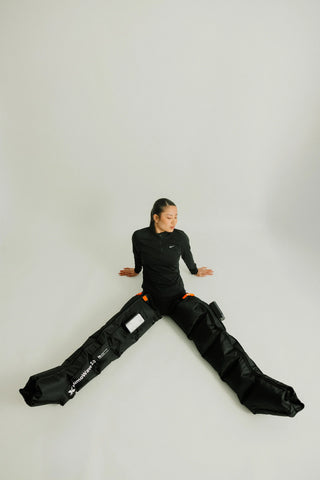
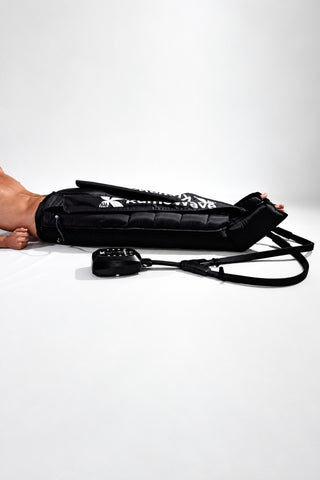
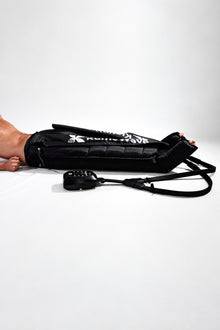
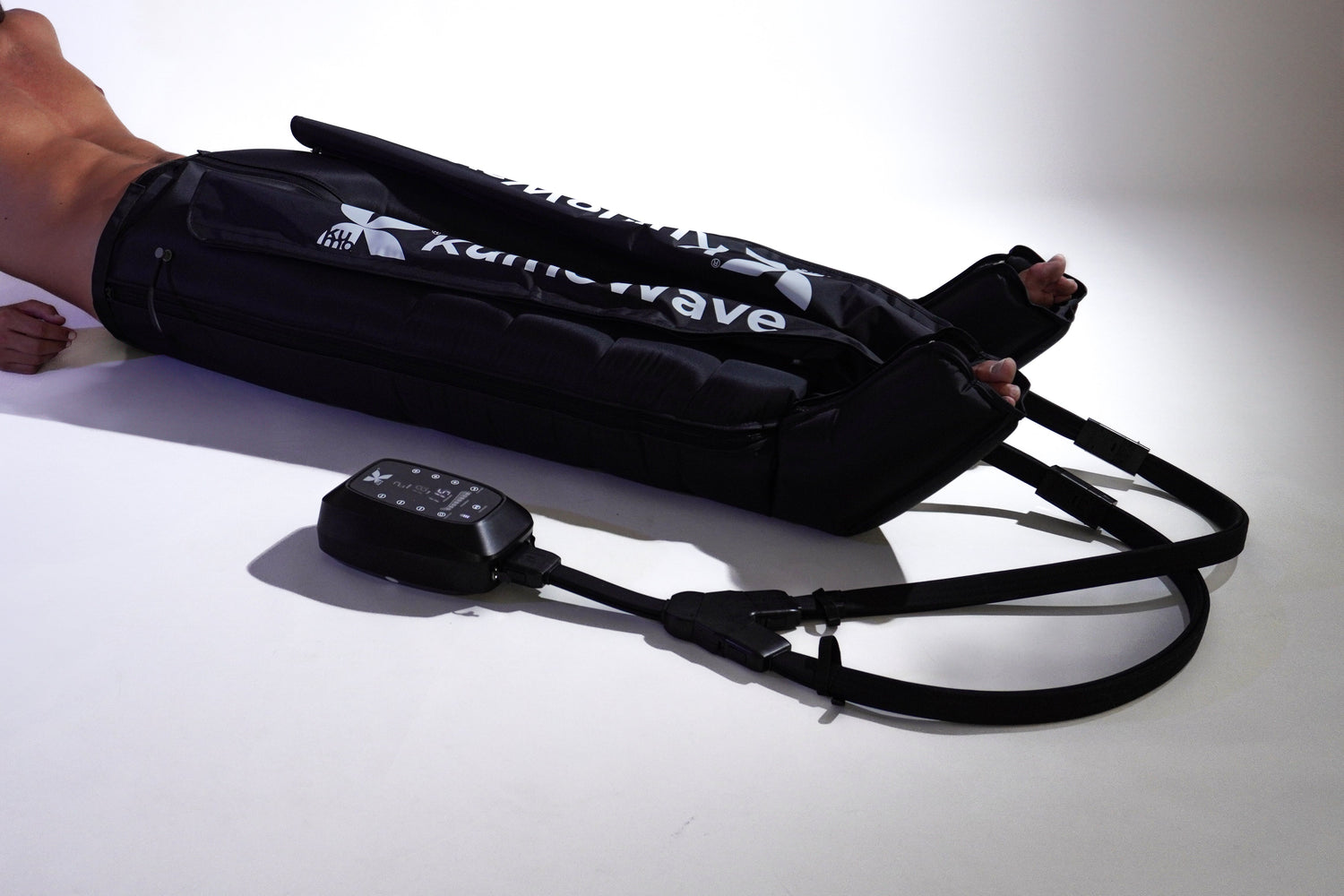
Pressotherapy uses boots or sleeves with air chambers that inflate and deflate sequentially to mimic muscle "pumping," improving venous return and lymphatic drainage. This helps relieve the feeling of heavy legs, reduce mild edema, and accelerate recovery after intense physical exertion. (kumobalance.com )
Incorporating short pressotherapy sessions after your at-home physiotherapy routine—for example, after leg and knee exercises—can help reduce muscle fatigue and better prepare your legs for the next day. If you're interested in exploring specific solutions, you can discover Kumo's selection of pressotherapy systems in theirpressotherapy collection .
Red and LED light therapy for muscles and joints
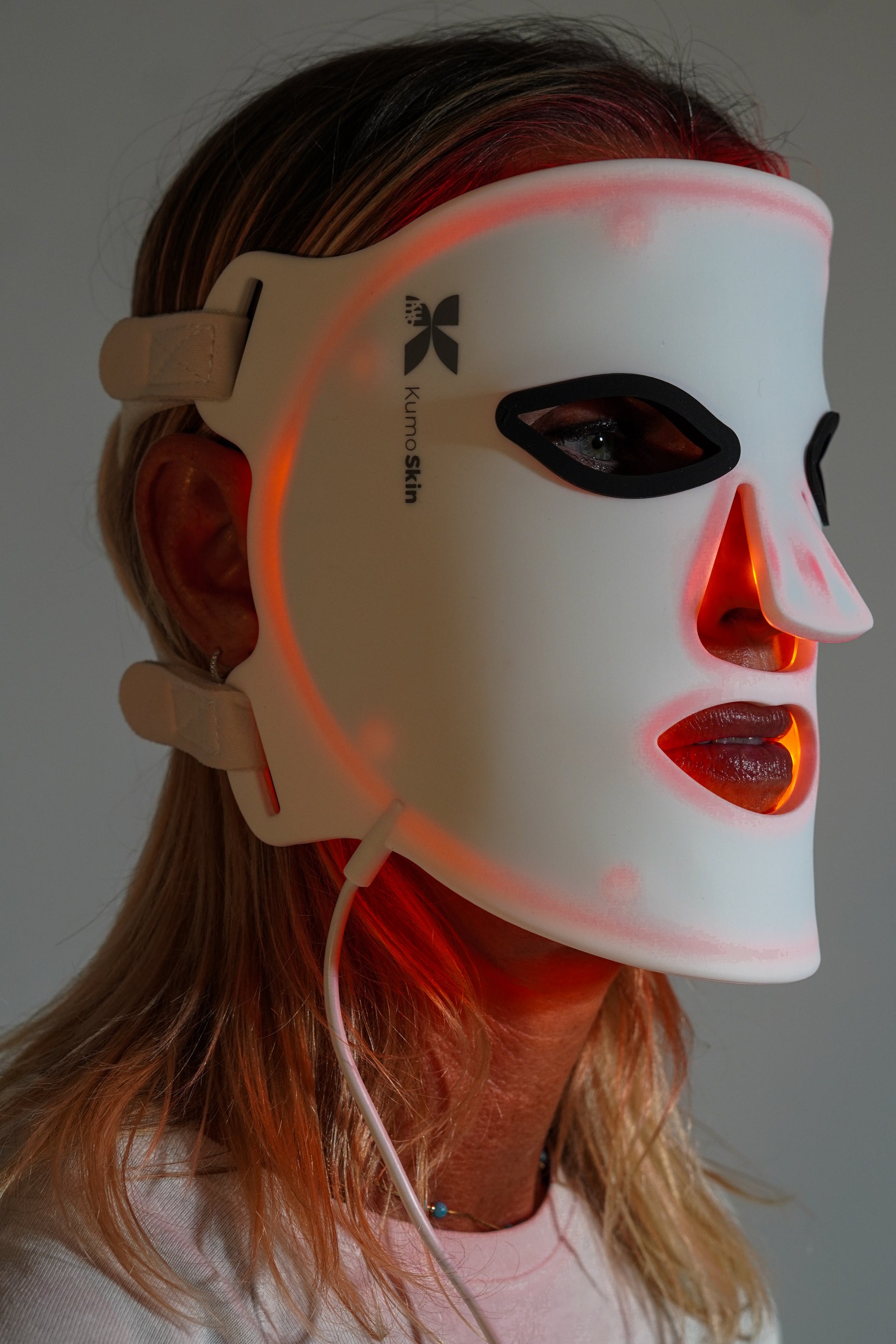
Red and infrared LED therapy , also known as photobiomodulation, uses specific wavelengths (approximately 630–660 nm for red and 810–850 nm for near-infrared) to interact with mitochondria and promote ATP production, improve microcirculation, and modulate inflammatory processes. (kumobalance.com )
Several studies suggest that this type of light can accelerate muscle recovery , reduce delayed onset muscle soreness (DOMS), and contribute to improved sleep when applied with appropriate protocols. ( anabelavila.com ) In the context of your home physiotherapy, red light therapy can be an interesting complement after exercise, especially in areas subjected to greater stress (back, knees, shoulders).
If you want to integrate this technology into your routine, you can check out Kumo's LED light therapy devices, designed to combine performance, design and ease of use in everyday life.
Massage guns to release muscle tension
Massage guns (percussive therapy) apply quick, controlled blows to soft tissue, helping to reduce muscle and fascial tension, improve local blood flow, and optimize mobility. ( kumobalance.com ) When used correctly, they are a powerful tool to complement physiotherapy at home.
- Use them on muscle groups (not on bone joints) for 30–60 seconds per point.
- Maintain light pressure, letting the device do the work.
- Avoid using it on wounds, visible acute inflammation, or areas with loss of sensation.
Kumo offers the KumoPulse Air massage gun , compact and quiet, designed to relieve muscle tension and facilitate recovery without complicating your daily routine.
How to integrate everything into a sustainable routine
For your home physiotherapy to be effective, it's best to think in terms of a habit rather than an "intensive program" of just a few weeks. Some practical guidelines:
- Start with 3 days per week and progress to 5 depending on tolerance.
- Briefly record how you feel before and after (pain, stiffness, energy).
- Increase the repetitions or the difficulty gradually, never all at once.
- If you incorporate technology (red light, pressotherapy, massage), do it after the exercises, not instead of them.
- Schedule a regular check-up with your physical therapist (for example, every 4–8 weeks) to adjust your routine.
Remember that, according to the evidence, exercise programs that are maintained over time are the ones that truly improve function, reduce pain, and prevent relapses, both in people with osteoarthritis and in older adults or patients with chronic diseases. ( bmchealthservres.biomedcentral.com )
Frequently asked questions about physiotherapy at home
How many times a week should I do physiotherapy at home?
In most cases, a frequency of 3 to 5 days per week is a good starting point for low- to moderate-intensity mobility and strengthening exercises. This allows for regular tissue stimulation without exceeding its recovery capacity. For individuals with chronic pain or specific conditions, a professional may prescribe shorter, but daily, sessions. The important thing is that the total weekly workload is appropriate for your fitness level and that you have at least 1–2 lighter days. If you notice that the pain significantly worsens from one day to the next, reduce the intensity and consult a doctor.
Can physiotherapy at home replace going to a physiotherapist?
It should not be understood as a replacement, but as a complement . The initial assessment, functional diagnosis, and individualized prescription require the direct intervention of a qualified professional. From there, much of the rehabilitation work can and should continue at home through therapeutic exercise programs, movement education, and responsible use of rehabilitation tools. In complex conditions (serious injuries, recent post-operative periods, neurological problems), in-person or remote follow-up is especially important to adjust the plan and prevent complications.
What do I need to start a physiotherapy routine at home?
To begin, you don't need sophisticated equipment. A safe space , a mat or firm surface, a stable chair, and comfortable clothing are all you need. From there, you can add resistance bands, small weights, or recovery technologies (pressotherapy, red light therapy, massage gun) if they make sense for your situation and you know how to use them correctly. The most valuable thing is having clear guidelines (ideally provided by your physiotherapist) and committing to dedicating a few minutes almost every day. If you struggle with the technique, recording yourself on video and reviewing it with a professional can be very helpful.
Is it safe to do physical therapy exercises at home if I have lower back pain?
In many cases of mechanical or nonspecific lower back pain , controlled movement and gentle strengthening are recommended, and home exercises can be beneficial. However, it is important to rule out any warning signs (marked weakness, changes in sensation or bowel and bladder control, fever, recent injury), which require immediate medical attention. For recurrent lower back pain, a physiotherapy assessment is highly recommended to identify movement patterns, weaknesses, and load factors. From there, home exercises—such as those described in this article—can become a central part of the treatment.
How can I tell if I'm making progress with my physiotherapy at home?
Beyond simply "feeling less pain," it's helpful to define specific indicators : for example, being able to walk a certain distance without discomfort, bend down to pick something up from the floor more safely, climb stairs without stopping, or maintain an upright posture for longer periods in front of the computer. You can record your pain level (0–10), your stiffness upon waking, the number of repetitions you do of certain exercises, and how you sleep each week. If you don't notice any improvement in 4–6 weeks, or if you even worsen, it's advisable to review the plan with a professional to adjust the intensity, technique, or type of exercise.
So what now?
If you want to make home physiotherapy a true wellness routine, the next step is to design a plan tailored to your specific needs: available time, type of work, injury history, and goals. At Kumo, you'll find recovery technologies such ashome compression therapy systems, LED light therapy devices, and the KumoPulse Air massage gun , designed to integrate seamlessly into your daily life and enhance the effects of your exercises.
If you have specific questions about how to combine these tools with your rehabilitation program, we recommend discussing it with your physiotherapist or contacting the Kumo team directly through their contact page to receive guidance tailored to your needs.

Red & infrared light
KumoLux Panel – Red and Infrared LED Panel
★★★★★ 4,8/5 · rated by verified customers
- 660 nm red + 850 nm infrared light
- Full-body muscle recovery
- Clinically validated biohacking protocols
€399,00€499,00· pay in installments with seQura or Klarna