

Handball punishes shoulders and legs. In this sport, the most frequent injuries are concentrated in the lower limbs, above all the knee and the ankle, and also in the shoulder.
If you string games together, recovery between matches stops being a detail: nutrition, hydration, and sleep are central pieces of the process, while active recovery, compression, or massage can serve as support depending on the case. (pmc.ncbi.nlm.nih.gov)
Red & infrared light
Recover faster, at home
★★★★★ 4,8/5 · rated by verified customers
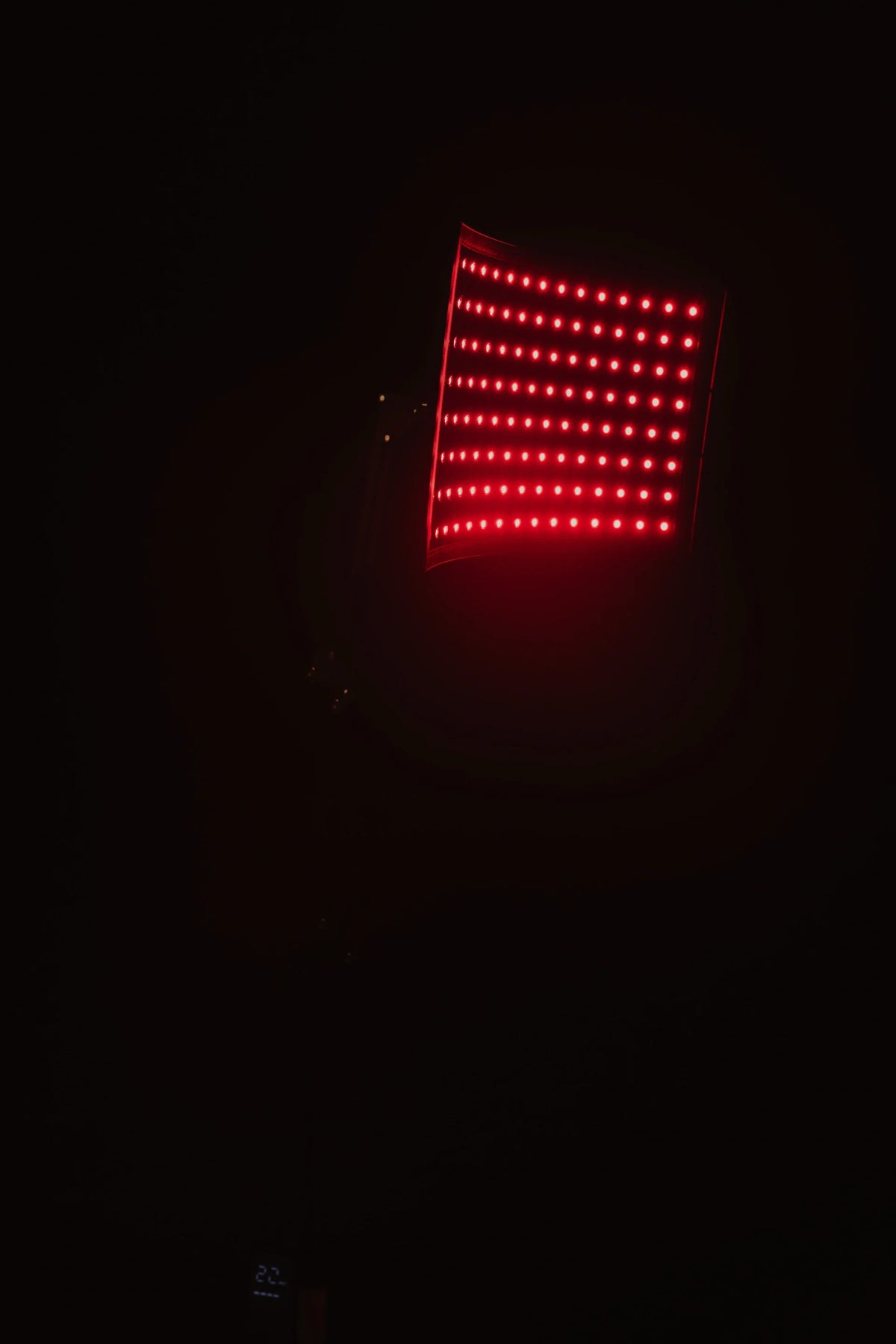
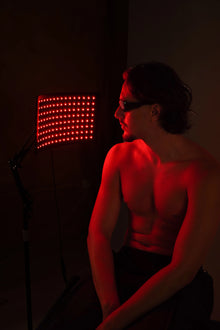
The KumoLux panel supports muscle recovery with full-body red and infrared light.
- 660 nm red + 850 nm infrared light
- Full-body muscle recovery
- Clinically validated biohacking protocols
€399,00€499,00
−10% on your 1st order when you subscribe to the newsletter

Why handball overloads the shoulder and the legs so much
A systematic review of handball injuries notes that the most frequent ones are located in the lower limbs, with a strong presence of knee and ankle, and in the shoulder; on top of that, a large share of injuries happens in competition.
In the shoulder, the literature points to strength imbalances, glenohumeral mobility asymmetries, scapular dyskinesis, and a poorly adjusted load dose as relevant factors. Weakness of the external rotators shows up with strong evidence.
Personalized protocol · included with your purchase
Want us to tell you how to use it in your case?
With your purchase, our experts set up your red and infrared light sessions for your sport and goal.
Message us on WhatsAppOur experts reply · no obligation
That explains why good recovery is not only about “resting,” but about lowering the load, restoring energy, and watching whether a complaint is normal fatigue or the start of a bigger problem.
What to do right after the game ends
The priority is simple: rehydrate, refuel, and bring your heart rate down without turning the afternoon into another training session. On teams with a tight calendar, that usually pays off more than improvising.
- Rehydrate with water and, if you have sweated a lot, replace sodium as well. Keeping dehydration below 2% of body weight helps preserve performance and makes recovery easier. (pmc.ncbi.nlm.nih.gov)
- Eat early, combining carbohydrate and protein. In team sport, a practical guideline proposes around 1.0 to 1.2 g/kg/h of carbohydrate and 0.25 to 0.3 g/kg of protein in the recovery meal.
- Do a gentle cool-down and brief mobility work, but do not stretch the session out without need. The available evidence favors nutrition and hydration more clearly than stretching or active recovery, which have to be individualized.
- Protect the following night's sleep and, if you come in very loaded, consider a short nap. In athletes, rest is part of the recovery process, and its impact depends on the load context and the point in the season.
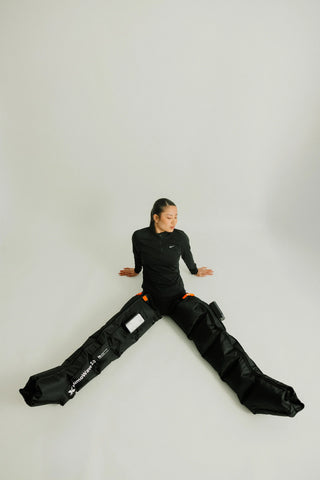
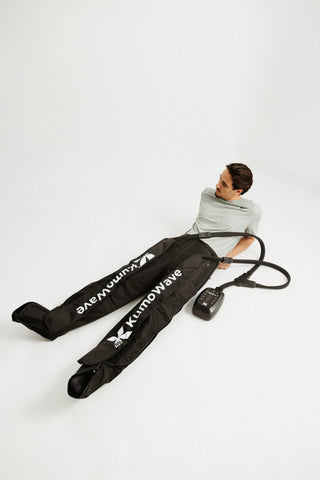
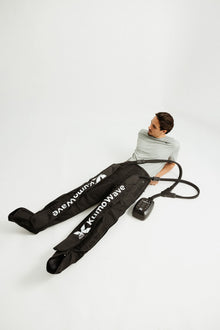
If you want to understand how sequential compression fits into a home routine, the explanation of what pressotherapy is and how it works helps place it without losing sight of what matters: following a coherent plan.
on your first order when you join the newsletter
We send you the code instantly. No spam.
Practical summary by time windows
What to prioritize depending on the time available
| Window | Goal | What to do | Useful cue |
|---|---|---|---|
| 0 to 2 hours | Replace fluid and fuel | Water, sodium if you sweat a lot, carbohydrate and protein in the first recovery meal. | This is the most important part when another game is close. |
| 2 to 24 hours | Lower fatigue without adding load | Gentle mobility, a walk or very light pedaling, and enough sleep. | The recovery literature in team sports shows a lot of variability between interventions, so it is worth prioritizing the basics. |
| 24 to 48 hours | Arrive at the next effort less stiff | Fine-tuning of training, monitoring of complaints, and mechanical support if it suits you and you have no contraindications. | The individual response matters more than a fixed recipe. |
For very loaded spots, a guide like the percussion massage guide by muscle group can help you use the tool with judgment, without confusing relief with treatment.
Shoulder and legs: useful exercises between games
If the pain is only fatigue and there are no warning signs, work with quality movements and low volume. The idea is to keep the system ready, not to empty it again.
Shoulder
- External rotation with a band, because weakness of the external rotators shows up as a relevant risk factor in handball.
- Scapular control and thoracic mobility, since scapular dyskinesis and mobility asymmetries also come up repeatedly in the literature.
- Short isometric work if it does not increase pain, always with supervision if you are coming back from an injury or a relapse.
Legs
- Single-leg balance, squat within a comfortable range, and glute bridge to reactivate without hammering the muscles further.
- Calf raises and ankle mobility if your calves feel heavy after many changes of pace.
- Walking or pedaling very gently when the session has been intense, because active recovery can be useful depending on the player's tolerance.
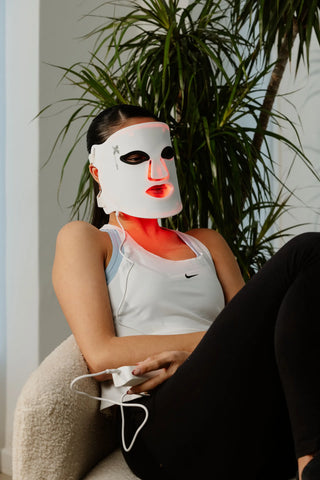
And if you are looking to combine compression, red light therapy, and massage in a simple sequence, take a look at this at home recovery routine with pressotherapy, red light therapy, and percussion massage to see how a training week is ordered.
When to stop and ask for an assessment
Not every complaint in handball is normal fatigue. If sudden intense pain, marked swelling or bruising, inability to bear weight, loss of normal mobility, or visible deformity appears, or if pain and swelling do not improve over the following days, a medical assessment is needed. (niams.nih.gov)
Before using pressotherapy or any pneumatic compression, ask for professional clearance if you have deep vein thrombosis or a suspicion of it, decompensated heart failure, significant arterial disease, acute skin infection, neuropathy, open wounds, or recent surgery, because these situations are among the contraindications or precautions described for medical compression. (pmc.ncbi.nlm.nih.gov)
FAQ on handball, shoulder, legs, and recovery
How can you effectively recover from shoulder pain after a handball game and prevent problems in the next one?
If the shoulder hurts acutely, swells, or limits movement, you have to stop and ask for an assessment. When it is a matter of overload, the most sensible thing is to lower throwing volume for 24 to 48 hours, prioritize external rotation with a band, scapular control, and thoracic mobility, and on top of that eat and hydrate well. The handball literature points to weakness of the external rotators and mobility imbalances as relevant factors, so prevention should go in that direction.
Which rehabilitation and strengthening exercises work for the shoulder and the knees between two handball games?
For the shoulder, low-load movements work well, such as external rotation with a band, scapular control, and thoracic mobility. For the legs, prioritize single-leg balance, squat within a comfortable range, glute bridge, and calf raises, always with little fatigue and good technique. The key is to come out better than you came in, not to chase new DOMS. If there is a history of injury or persistent pain, the plan has to be individualized by a physical therapist or a strength coach.
How much time is needed to recover between two high-level handball games, and what should you do in that interval?
There is no universal number, because post-game recovery varies a lot between players, games, and calendars. When only a few hours or a day are left, the priority is to eat, hydrate, and sleep well. If you have 24 to 48 hours, add gentle mobility, monitoring of complaints, and fine-tuning of the load. The team sport literature shows wide variability in the return to normal, so it is better to follow sensations, load data, and the staff's supervision. (bmjopensem.bmj.com)
Which foods and what hydration should you prioritize after a handball game to optimize muscle recovery?
The most useful combination is usually carbohydrate and protein, along with fluids and, if you sweated a lot, sodium. In a practical review for team sports, a recovery meal sits at around 1.0 to 1.2 g/kg/h of carbohydrate and 0.25 to 0.3 g/kg of protein. In parallel, avoiding dehydration above 2% of body weight helps maintain performance and arrive in better shape at the next stimulus.
Which post-game recovery strategies, such as active recovery, compression, or massage, are usually recommended to handball players?
The priority is still nutrition, hydration, and sleep. From there, active recovery, massage, and compression can bring a sense of relief and fit some players well, but the evidence is more variable than for the basic measures. That is why it is worth personalizing: if a strategy leaves you better and does not add complaints, it can be part of the protocol; if it changes nothing, it is not essential. In any case, it should not replace a well-planned training load.
So what now?
If you come out of a game today with a loaded shoulder or heavy legs, go back to basics: hydrate, eat, sleep, and do not ignore the warning signs. If there is acute pain, significant swelling, or difficulty bearing weight, consult a health professional before training again.
If your physical therapist is fine with you using home tools, you can start with Kumo Balance and also save how to combine red light therapy and pressotherapy as a reference for building a simple, well-ordered routine.

Red & infrared light
KumoLux Panel – Red and Infrared LED Panel
★★★★★ 4,8/5 · rated by verified customers
- 660 nm red + 850 nm infrared light
- Full-body muscle recovery
- Clinically validated biohacking protocols
€399,00€499,00· pay in installments with seQura or Klarna