
Period pain can be eased. It usually shows up before or during your period, while premenstrual syndrome brings together physical and emotional symptoms that start one or two weeks earlier. (medlineplus.gov)
What helps most is usually a simple combination: local heat, gentle movement, slow breathing, rest and, if it suits you, a suitable anti-inflammatory. When swelling is the main issue, it helps to watch the pattern of your cycle and the habits that lower water retention.
Pressotherapy at home
End the day with light legs
★★★★★ 4,8/5 · rated by verified customers
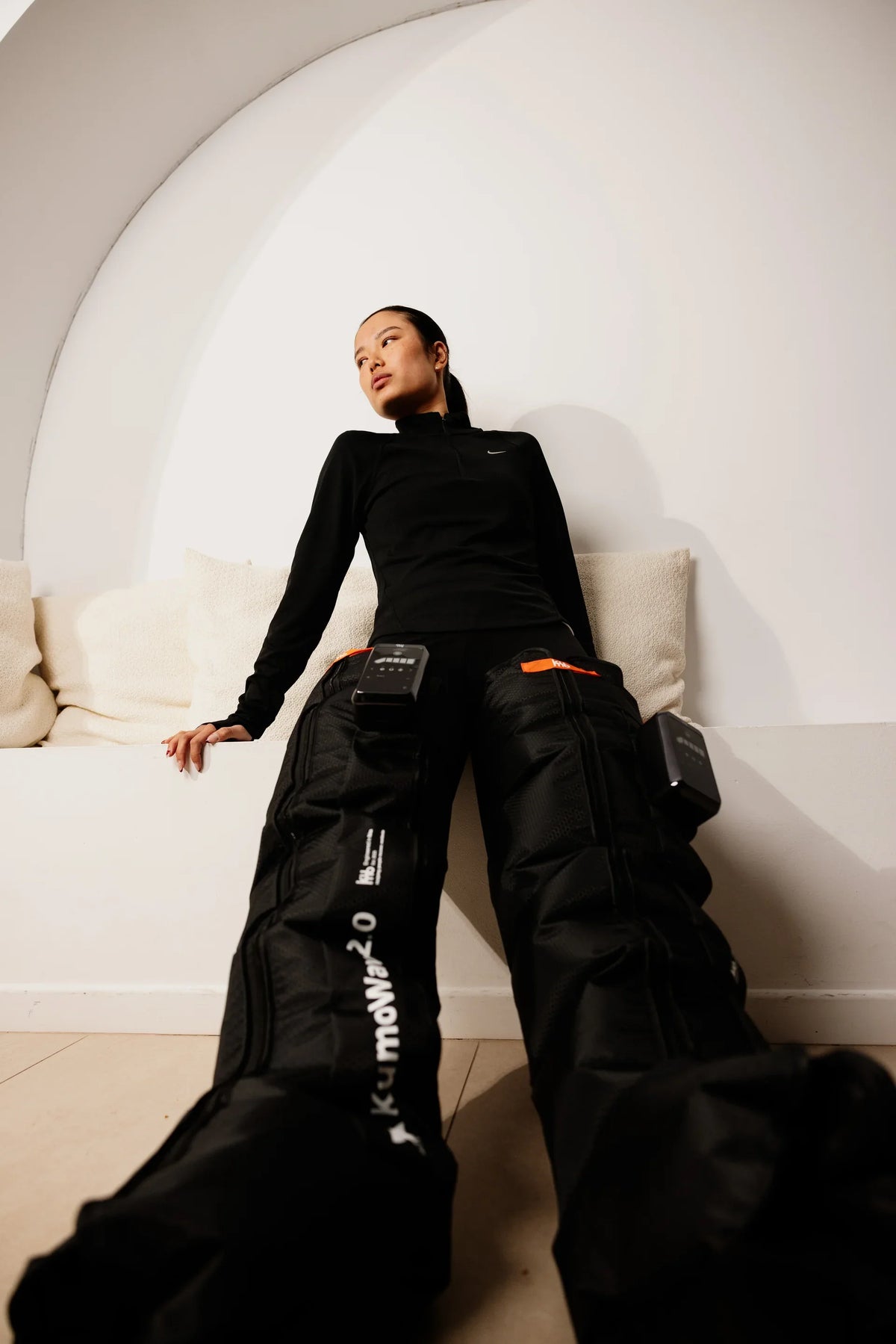
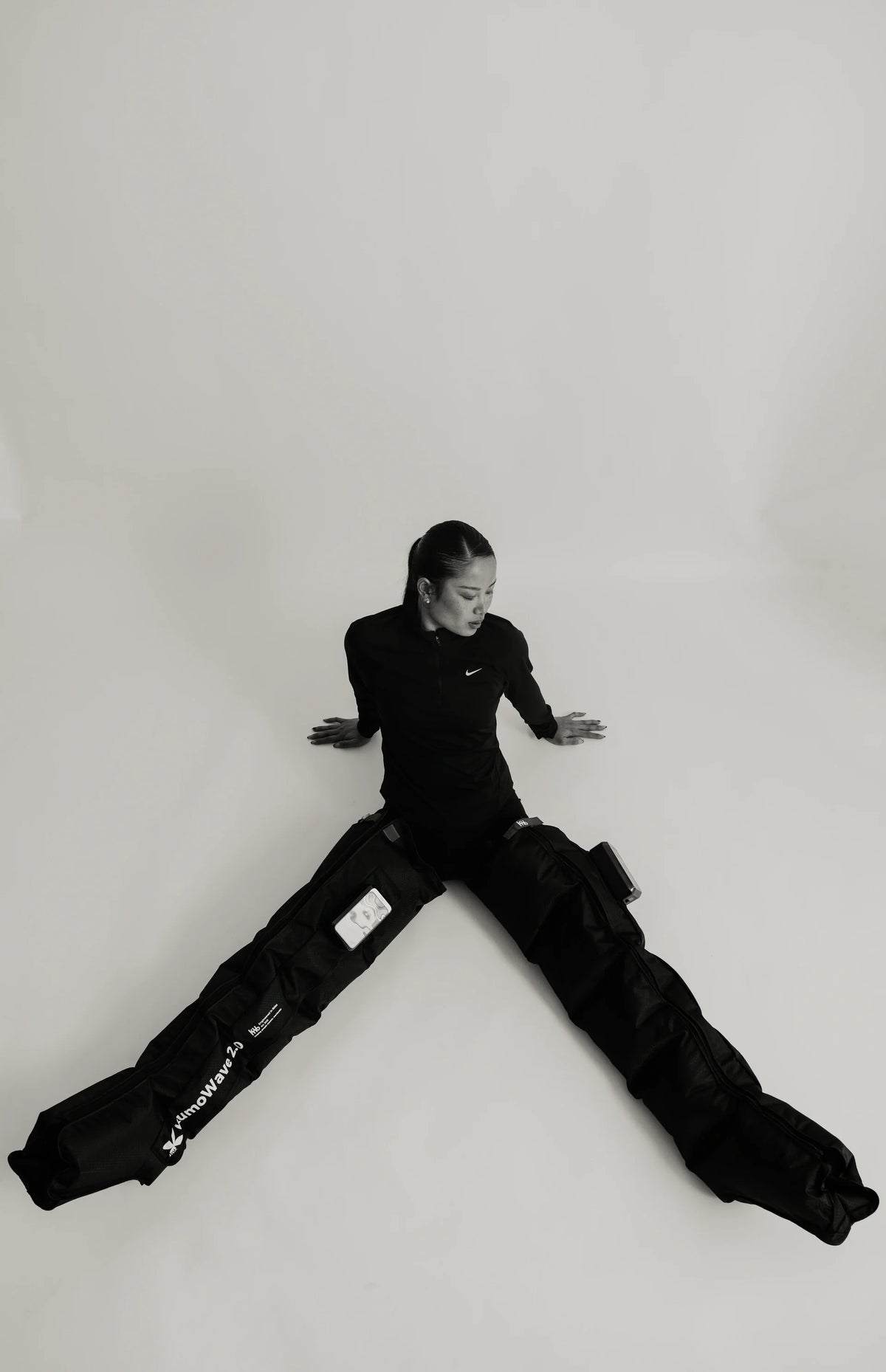
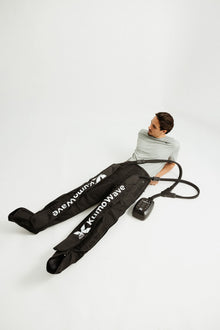
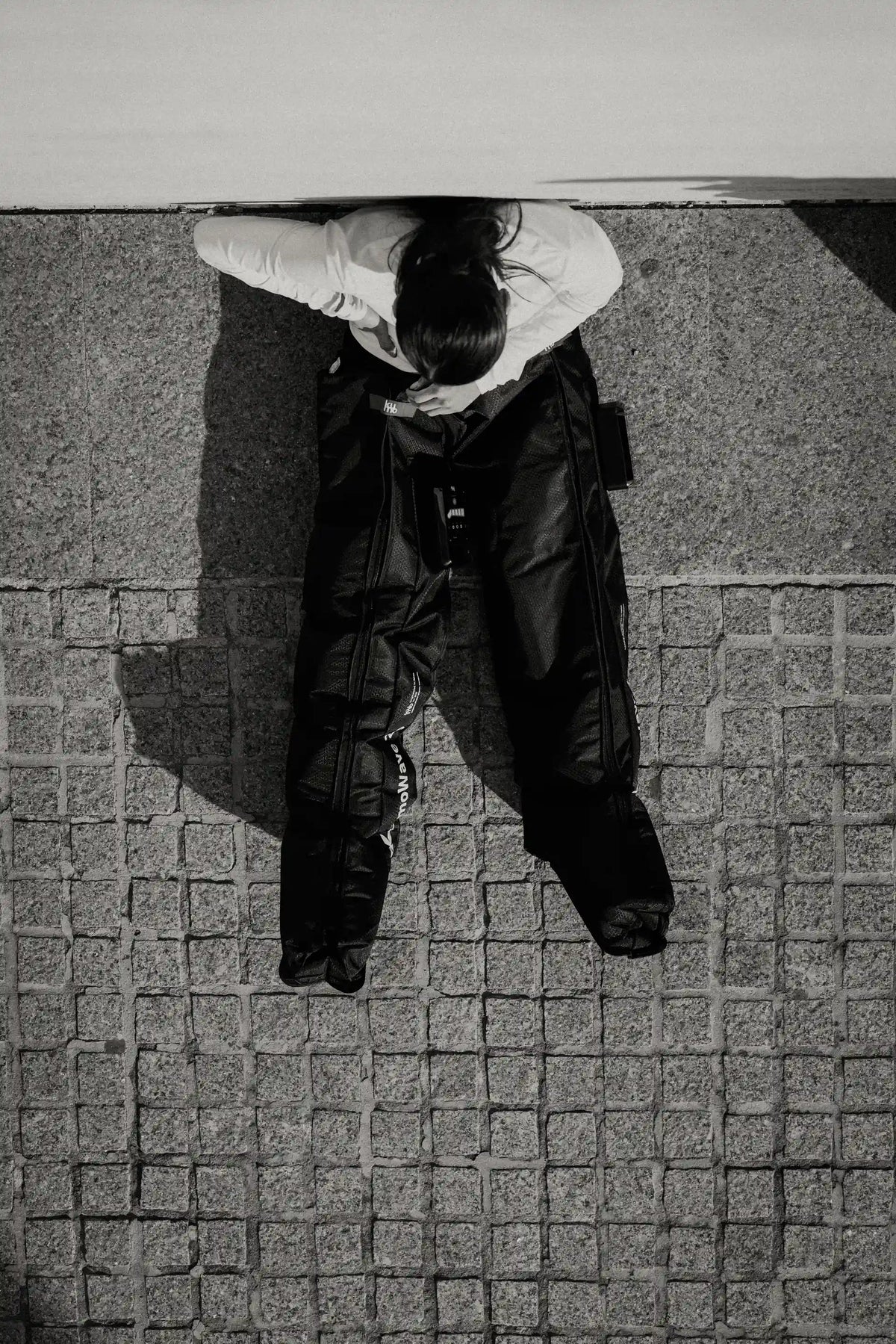
KumoWave pressotherapy boosts circulation and helps drain fluid with sequential compression, in 20-minute sessions at home.
- Boosts circulation and helps drain fluid
- Chamber-based compression, adjustable to you
- Sequential compression that mimics manual drainage
€799,00€999,00
−10% on your 1st order when you subscribe to the newsletter

What part period pain and PMS play
ACOG points out that more than half of menstruating women have some pain for 1 to 2 days a month. And a review published in 2024 estimated the global prevalence of premenstrual syndrome at 47.8%, with severe symptoms in 3% to 8% of cases. That frequency explains why small daily habits can make a difference. (acog.org)
MedlinePlus draws a clear line between the two: period pain is usually linked to cramps in the lower abdomen, sometimes with low back pain, nausea or diarrhea, while PMS tends to group together swelling, irritability, fatigue, breast tenderness or mood changes.
Personalized protocol · included with your purchase
Want us to tell you how to use it in your case?
With your purchase, our experts prepare a personalized usage protocol for your case: sport, circulation, fluid retention, pregnancy or lipedema.
Message us on WhatsAppOur experts reply · no obligation
Steps that usually bring relief at home
There is no need to overcomplicate it. When the goal is simply to get through the day better, the most useful thing is usually to combine simple, consistent measures rather than trying many things at once.
Useful steps depending on what you feel
| Step | When it usually fits | How to apply it | Source |
|---|---|---|---|
| Local heat | Cramps, stiffness and low back discomfort | Hot water bottle or heating pad on the lower abdomen or lower back | |
| Gentle movement | Heaviness, low energy, a feeling of being blocked | Walking, joint mobility, yoga or very gentle cycling | |
| Breathing and relaxation | Tension, anxiety or irregular sleep | Slow breathing, meditation or a short yoga session | |
| Less salt and fewer stimulants | Swelling, water retention and breast tenderness | Cut back on salt, caffeine, sugar and alcohol in the days beforehand | (medlineplus.gov) |
| Anti-inflammatory if appropriate | Cramps and headaches | Ibuprofen or naproxen, following the leaflet and with no contraindication |
If you notice that your cycle has a big effect on your energy or your recovery, adjusting recovery to each phase of the cycle can help you stop asking the same thing of your body every day. (kumobalance.com)
When premenstrual swelling is what bothers you most
If every month you notice a more distended abdomen, heavy ankles or a feeling of volume before your period, it helps to watch several cycles and write down what happens. For that pattern, the read on premenstrual water retention can help you make sense of the signs and habits. Mayo Clinic recommends regular aerobic exercise, good sleep, breathing, meditation, yoga and massage as support, along with keeping an eye on salt. (mayoclinic.org)
on your first order when you join the newsletter
We send you the code instantly. No spam.
- Walk every day or take active breaks if you spend many hours sitting or standing.
- Raise your legs for a few minutes if you feel heaviness at the end of the day. (kumobalance.com)
- Lower your sodium intake when the swelling comes back every month.
- Track for a few months when the swelling appears, to see whether it follows a cyclical pattern.
Wellness support and precautions
When the main feeling is heavy legs, some wellness routines include pressotherapy or gentle drainage as comfort support, not as a substitute for medical assessment. If you want to understand the technical basis, read how pressotherapy works and, if you are looking for more context on drainage, lymphatic drainage and its precautions. (kumobalance.com)
With that kind of support, caution matters as much as consistency. The technique should be gentle and it does not replace assessment by a professional. If sharp pain, numbness, shortness of breath or chest pain appears, it has to be stopped. (kumobalance.com)
- Do not use compression if there are clots, deep vein thrombosis, infection, cellulitis, fever, heart disease, kidney failure or a recent stroke. (kumobalance.com)
- Do not apply it over cancerous tissue or over skin damaged by radiation therapy. (kumobalance.com)
- If the swelling is sudden, one-sided, painful or comes with redness and local heat, check with a professional before insisting on any massage or compression. (kumobalance.com)
When to seek help and the signs that call for medical assessment
Some signs should not be treated as normal. If the pain interferes with your life, gets suddenly worse, appears intensely for the first time after age 25, comes with fever or stays present outside your period, the cause needs looking into. MedlinePlus also advises seeking help when self-care and anti-inflammatories are not enough.
- Pain that stops you from getting on with your normal life or does not improve with simple measures.
- Cramps that suddenly get worse or appear intensely for the first time.
- Period pain with fever, bleeding very different from usual or pain outside your period.
- Premenstrual symptoms that affect your daily life or keep you from functioning normally.
- Sudden, painful or asymmetric swelling, especially if it affects only one leg. (kumobalance.com)
FAQ
What steps or positions help relieve period pain and the symptoms of premenstrual syndrome?
What usually helps most is not a magic position, but combining local heat, gentle movement, slow breathing and rest. MedlinePlus recommends a hot water bottle or heating pad, exercise, a warm bath and relaxation techniques such as yoga and meditation. Mayo Clinic adds that regular aerobic exercise, sleeping well and cutting back on salt, caffeine, alcohol and sugar in the days beforehand can ease PMS symptoms. If a position or routine makes the pain worse, drop it and check with a professional.
How can you relieve period pain with exercise or breathing before your period?
The goal is not to train hard, but to keep gentle, steady activity. Walking, light cycling, mobility work, yoga or deep breathing can lower tension and how much pain you feel. Planned Parenthood and Mayo Clinic agree that exercise and relaxation techniques are useful for cramps and PMS. If the pain is intense, start moving before the peak arrives and lower the intensity. If exercise triggers more pain or bleeding, get it assessed. (plannedparenthood.org)
What home remedies are recommended for premenstrual syndrome and period pain?
The home remedies with the best backing are local heat, a warm bath, rest, good hydration, light meals and less salt. MedlinePlus also recommends avoiding alcohol and tobacco, and Mayo Clinic suggests adding regular exercise, enough sleep and relaxation techniques. There is no universal remedy for everyone, and some supplements do not have enough evidence. If the symptoms come back every month with a lot of intensity, it is worth talking to a health professional.
What are the best painkillers for period pain and when should you see a doctor?
For cramps, nonsteroidal anti-inflammatory drugs such as ibuprofen or naproxen can help, because they also reduce prostaglandins. But MedlinePlus warns that they are not right for everyone: they are avoided with ulcers, bleeding problems, liver disease or aspirin allergy. See a doctor if the pain interferes with your life, gets suddenly worse, appears very intensely for the first time after age 25, comes with fever or continues outside your period.
How can you tell period pain apart from pain caused by other disorders during premenstrual syndrome?
The key is the timing pattern and the intensity. Period pain usually shows up just before or during your period, while PMS starts one or two weeks earlier and groups together swelling, mood changes, fatigue or breast tenderness. If the symptoms keep you from living normally, do not settle for the idea that it is just usual: MedlinePlus advises ruling out other causes, such as endometriosis or fibroids, when the picture changes or becomes more intense.
What now?
If you want to keep looking after your recovery in a practical way, go back to the Kumo Balance homepage and save these reads as well: premenstrual water retention and how to adapt recovery to each phase of the cycle. If you are looking for a more technical basis on compression and drainage, you can also go over what pressotherapy is.
KumoWave pressotherapy
Choose your at-home pressotherapy
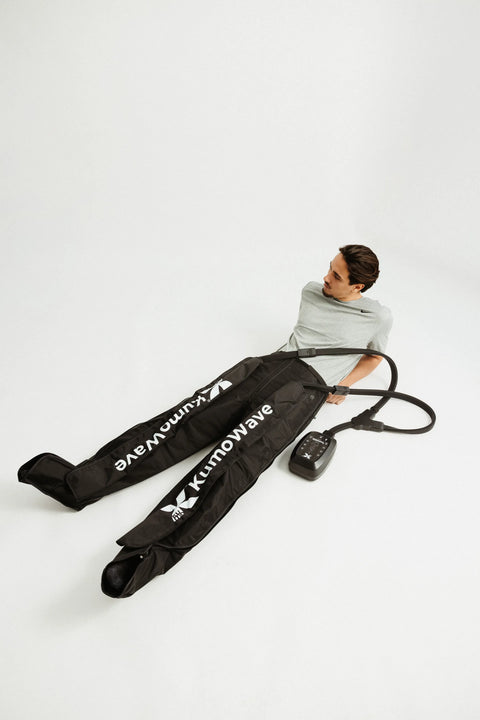
KumoWave Elite – Pressotherapy Pants
Full-coverage trousers. Ideal for lipedema, fluid retention and intensive use.
€799,00 €999,00
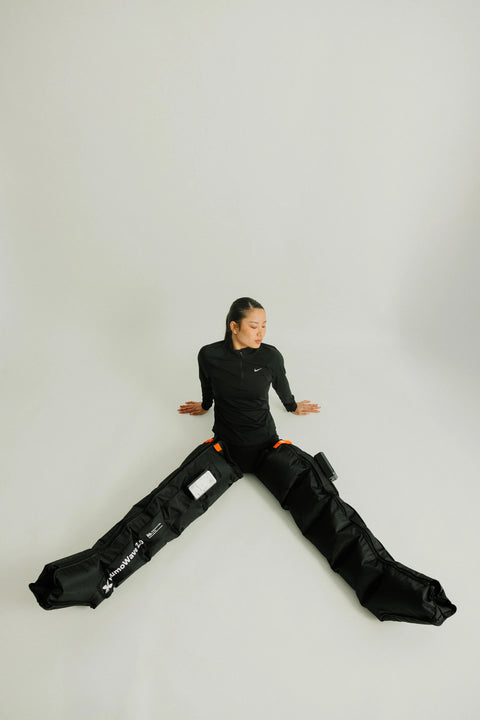
KumoWave 2.0 - Wireless Pressotherapy
Wireless, lightweight boots. Perfect for daily use and recovery.
€499,00 €599,00