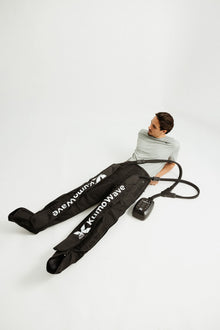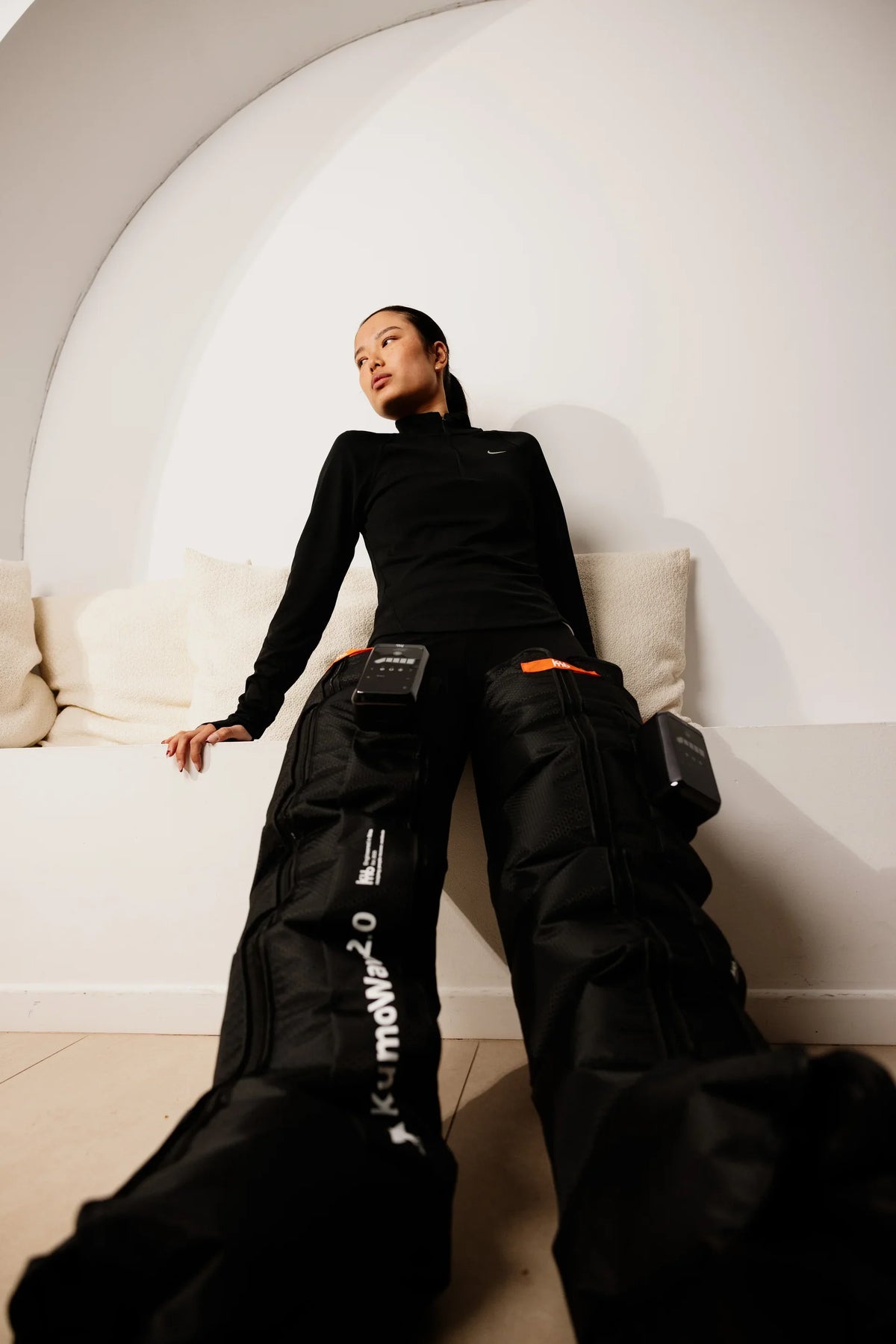
Punches take their toll. In combat sports, managing muscle fatigue between sessions matters as much as polishing technique, because performance depends on the balance between load and recovery.
It is not only about lasting longer. What also counts is the state you arrive in for the next session, especially when the week is packed and the body accumulates impact, sweat and neuromuscular work.
Pressotherapy at home
End the day with light legs
★★★★★ 4,8/5 · rated by verified customers
KumoWave pressotherapy boosts circulation and helps drain fluid with sequential compression, in 20-minute sessions at home.
- Boosts circulation and helps drain fluid
- Chamber-based compression, adjustable to you
- Sequential compression that mimics manual drainage
€799,00€999,00
−10% on your 1st order when you subscribe to the newsletter

What happens to the body between sessions
After hard sparring, pad work or an explosive strength session, it is common to notice DOMS, stiffness, less power and a lower tolerance for the next training session. The specific 2026 review on recovery in combat sports, covering 27 articles and 554 athletes, found mixed effects across the different strategies, which confirms that they do not all work the same way or at the same moment.
When impacts repeat without enough margin, the problem also shows up in coordination and technical quality. That is why it is worth looking at the load accumulated across the whole week, not just the next session.
Personalized protocol · included with your purchase
Want us to tell you how to use it in your case?
With your purchase, our experts prepare a personalized usage protocol for your case: sport, circulation, fluid retention, pregnancy or lipedema.
Message us on WhatsAppOur experts reply · no obligation
The real recovery priorities
The basics stay simple: lower the load when it is needed, rehydrate well and respect the recovery margin. In combat sports, the 2026 review concludes that methods should be chosen according to the demand of the training, the athlete's preferences and the real time available until the next session.
If you also sweat a lot or cut weight, hydration matters even more. The 2022 IOC consensus guidance recommends replacing between 100% and 120% of the body mass lost, taking water, sodium, carbohydrates and amino acids into account. (assets.ctfassets.net)
If you string together several training sessions with heavy legs, worse sleep or technique that falls apart earlier than usual, it is worth slowing down and reviewing the plan. A practical reference for that decision is signs that you need a recovery day, because very often the best adjustment is to reduce before overload shows up.
on your first order when you join the newsletter
We send you the code instantly. No spam.
Tools that can support the unloading
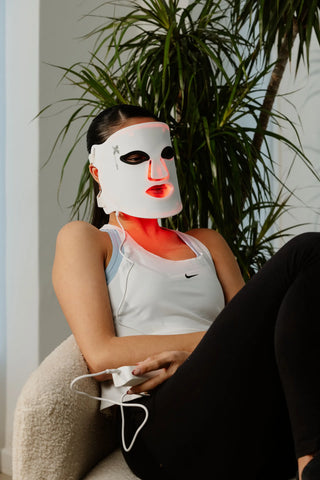
This is where pressotherapy, red light therapy and percussion massage come in. The idea is not to replace rest, but to add occasional help when the muscular load calls for it and the session cannot be too invasive.
In the literature on recovery in combat sports, massage is among the strategies that could help, although there is still no clear consensus on dose, duration or the best moment to use it.
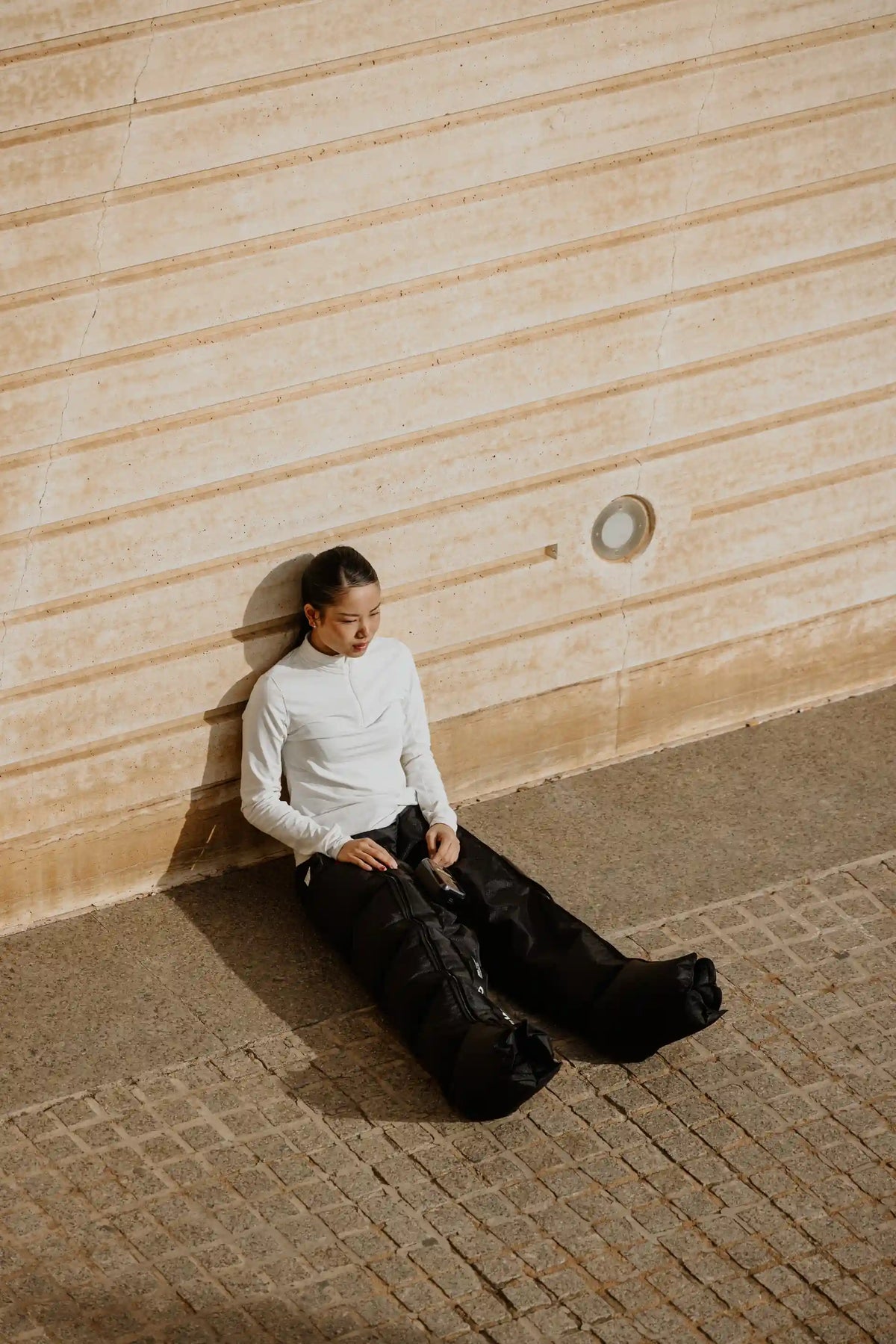
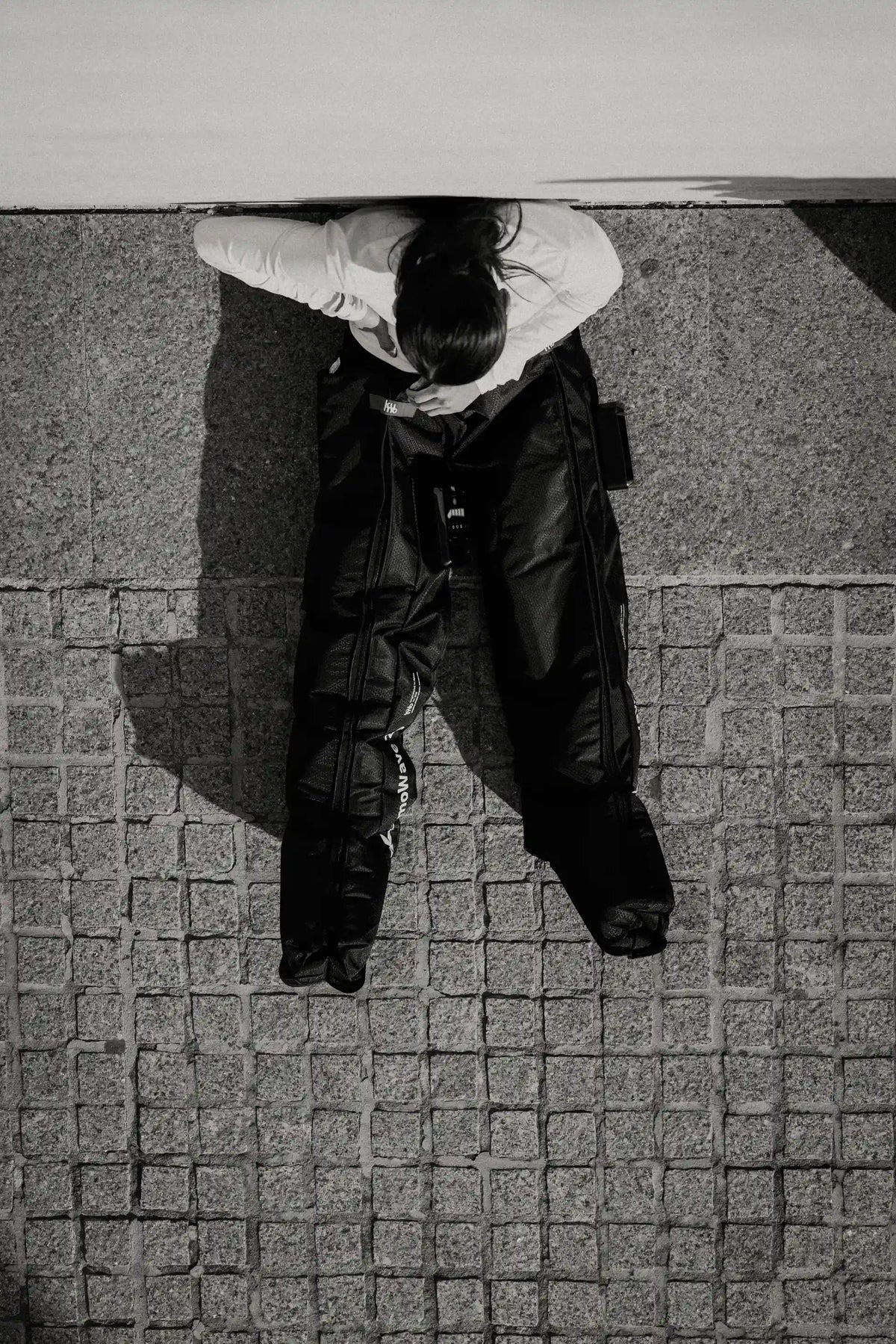
Pressotherapy and intermittent pneumatic compression
Pressotherapy, understood as intermittent pneumatic compression, tends to fit well when you notice heavy legs, a sense of heaviness or the need for gentle unloading. A 2024 review with 17 studies and 319 participants found a small benefit for muscle function and a trivial to moderate improvement in pain and DOMS, with protocols that usually run around 20 to 30 minutes. (pmc.ncbi.nlm.nih.gov)
In other words, it can support recovery, but it does not replace a night of rest or turn a hard session into an easy one. If you want to fit the sequence together properly, pressotherapy and massage gun after sport explains a practical order so you do not improvise.
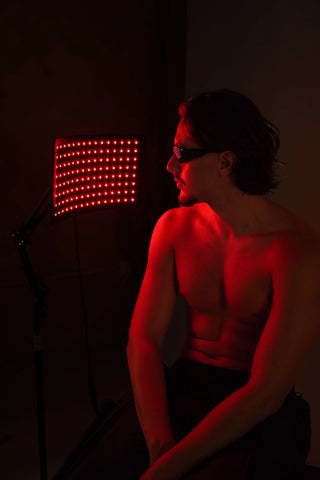
Red light therapy and photobiomodulation
Red light and near infrared fall under photobiomodulation. Recent evidence suggests it may reduce the sensation of DOMS in some contexts, although certainty remains low and results are not uniform across studies.
That is why it makes sense to see it as wellness support, not as a magic solution. If you use it, think consistency, short sessions and a routine that already prioritizes food, hydration and rest. That is the most sensible practical inference from the available review.
Percussion massage
The massage gun fits best as a brief self-massage to bring down the sensation of tension and support a subjective feeling of relief. Used sensibly, it can be part of a simple way to close a session, without turning recovery into one more load.
If you prefer to keep everything ready, how to set up a recovery corner at home helps you make the routine automatic, and create a recovery protocol at home can give you a weekly structure that is easy to repeat.
Practical summary for choosing what to prioritize
The following synthesis sums up how to adjust recovery depending on how the day feels. It is a practical reading of the reviews cited, not a fixed recipe for everyone.
| Situation | What to prioritize | What not to force |
|---|---|---|
| Hard session of striking or sparring | Gentle unloading, hydration and a complete meal before thinking about more load. | Another intense session if technique is already falling apart. |
| Heavy legs and DOMS | Pressotherapy or intermittent pneumatic compression, if it feels comfortable, with short protocols. | Using it on an acutely painful area or without checking contraindications. |
| Moderate fatigue, but no apparent injury | Red light therapy, percussion massage or light self-massage as occasional support. | Turning recovery into another demanding session. |
| Blow to the head or unusual symptoms | Stopping and asking for a medical assessment. | Carrying on training out of inertia. (cdc.gov) |
When to consult a healthcare professional
Seek help without delay if, after a blow to the head or the body, you develop a headache that gets worse, repeated vomiting, confusion, abnormal drowsiness, difficulty speaking, loss of coordination or loss of consciousness. The CDC notes that concussion symptoms can appear hours or days later and that some signs require urgent care.
Remember the contraindications of wellness devices too:
- With pressotherapy or intermittent pneumatic compression, avoid use if you have an active skin infection, serious arterial problems or decompensated heart failure, and always check the contraindications if you live with edema or vascular disease. (journals.sagepub.com)
- With photobiomodulation or red light therapy, do not use it if you have photosensitivity, are pregnant, carry certain active implants, take photosensitizing medication or have a wound, infection or active injury in the area. Also protect your eyes when the device requires it. (fda.gov)
- With the massage gun, avoid recent wounds, bruises, recent fractures, suspected thrombosis, areas with reduced sensitivity and delicate zones such as the head, neck or spine. (pmc.ncbi.nlm.nih.gov)
If a medical doubt holds you back, it is better to check before using any device again. In an impact sport, caution always pays off more than forcing a fast recovery.
Frequently asked questions
How much time should I leave between two hard sessions?
There is no fixed number that works for everyone. The review on recovery in combat sports points out that the best approach depends on the demand of the session, the time available until the next one and how each athlete responds. If you notice coordination dropping, intense stiffness appearing or technique breaking down earlier than usual, the reasonable move is to lower the load before stringing together another demanding session. The idea is to arrive functional, not just to arrive.
Does pressotherapy help after intense sparring?
It can support recovery, especially if you notice heavy legs or DOMS. The most recent evidence on intermittent pneumatic compression points to a small benefit for muscle function and a slight improvement in pain and DOMS, although it does not replace rest or guarantee a spectacular effect. The most commonly used protocols usually last between 20 and 30 minutes. In short, it is useful help if it fits your week, not a miracle shortcut.
Can I use red light therapy and a massage gun on the same day?
Yes, but with judgment. Photobiomodulation with red light shows a promising signal for reducing DOMS in some studies, although certainty is low, and the massage gun should be used gently, without insisting on irritated areas. The important thing is not to add stimulus for the sake of adding stimulus. If the area is very sensitive, bruised or follows a hard blow, it is better to stop and prioritize rest and an assessment if needed.
What signs suggest it is not simple muscle fatigue?
If the pain appears after a blow to the head or comes with a headache that gets worse, repeated vomiting, confusion, abnormal drowsiness, difficulty speaking or loss of coordination, you need a medical assessment. The CDC also warns that concussion symptoms can appear hours or days after the impact. You should also be wary of an area that swells quickly, loses function or hurts out of proportion.
Does it make sense to set up a fixed recovery routine at home?
Yes, because consistency usually beats improvisation. In combat sports, recovery works better when it adapts to the real time available and repeats simply. Having a clear sequence, for example pressotherapy, hydration, red light therapy or a brief massage, helps you not skip the basics when you arrive tired. If you want to give it shape, a useful guide is create a recovery protocol at home.
What now?
If you want to turn these ideas into a real routine, go back to the Kumo Balance homepage and shape a simple protocol you can repeat without thinking. The key is not doing more, but recovering better between sessions.
KumoWave pressotherapy
Choose your at-home pressotherapy
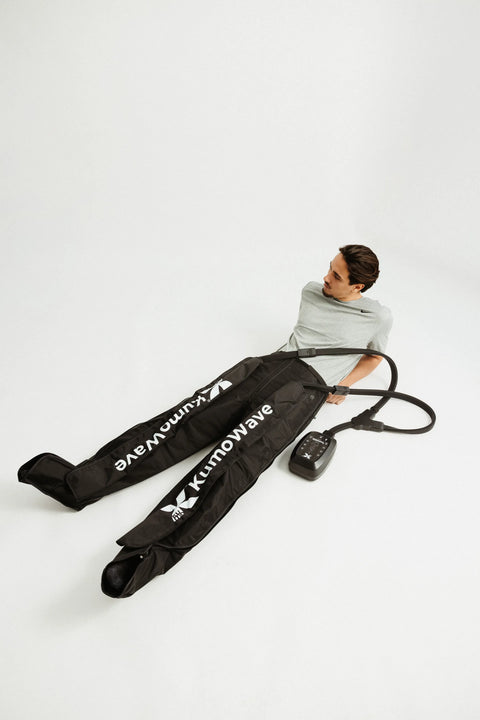
KumoWave Elite – Pressotherapy Pants
Full-coverage trousers. Ideal for lipedema, fluid retention and intensive use.
€799,00 €999,00
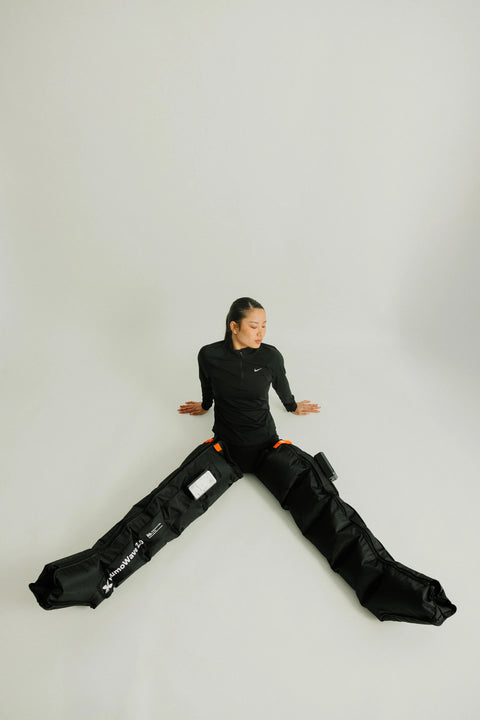
KumoWave 2.0 - Wireless Pressotherapy
Wireless, lightweight boots. Perfect for daily use and recovery.
€499,00 €599,00