
Better recovery isn't a matter of luck: it's a matter of design.
A recovery corner is a small, well-designed space where you make recovery a daily habit: less friction, more consistency, and better feelings after training (or after a long day sitting). In this guide, you'll see how to set one up at home, focusing on four key elements: space , hygiene , consistency , and user experience , while seamlessly integrating Kumo 's premium technologies.
Red & infrared light
Recover faster, at home
★★★★★ 4,8/5 · rated by verified customers
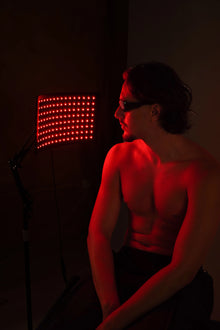
The KumoLux panel supports muscle recovery with full-body red and infrared light.
- 660 nm red + 850 nm infrared light
- Full-body muscle recovery
- Clinically validated biohacking protocols
€399,00€499,00
−10% on your 1st order when you subscribe to the newsletter

What is a “recovery corner” and why does it work?
Recovery isn't just about "resting": it includes sleep , circulation , muscle relaxation , stress management , and repeatable routines . The biggest challenge at home is often adherence: if the process is uncomfortable, lengthy, or difficult to prepare for, you'll give up.
A recovery corner works because:
Personalized protocol · included with your purchase
Want us to tell you how to use it in your case?
With your purchase, our experts set up your red and infrared light sessions for your sport and goal.
Message us on WhatsAppOur experts reply · no obligation
- Reduce decisions : everything is ready (plugs, towels, support, cleaning).
- It makes the habit visible : you see it and you use it.
- It improves the quality of "recovery time" : more comfortable, more regular, safer.
1) Space: where to place it and how to organize it
Choose the location with one simple rule: “close and quiet”
Prioritize a place you can use even on days with low energy:
- Bedroom : ideal if your goal is to relax before sleeping (low light, fewer stimuli).
- Living room : perfect if you want to combine it with reading or breathing exercises.
- Training zone : practical for post-workout routines (less travel).
Make sure you have an accessible power outlet and ventilation if you're going to use devices regularly.
Recommended dimensions (without oversizing)
You don't need an extra room. In most homes, the following is sufficient:
on your first order when you join the newsletter
We send you the code instantly. No spam.
- 1–2 m² for a comfortable chair or a floor with a mat.
- A support point (side table or shelf) to leave clean and dry accessories.
- A "clean" zone and a "in use" zone to avoid mixing ready devices with sweaty devices.
Ergonomics: comfort = consistency
Your body should "ask" to go there. Add:
- Chair with backrest or stable armchair (if you are doing pressotherapy or LED mask).
- Mat + cushion (if you do breathing, gentle mobility or self-massage on the floor).
- Light blanket (relaxation lowers the perceived temperature).
- Warm light (avoid harsh lighting at night).
2) Recovery technologies: what to include (without complicating things)
The key is to choose tools that fit your goal: tired legs, muscle tension, skin, rest… Kumo brings together different technologies to build a modern and aesthetic recovery corner.
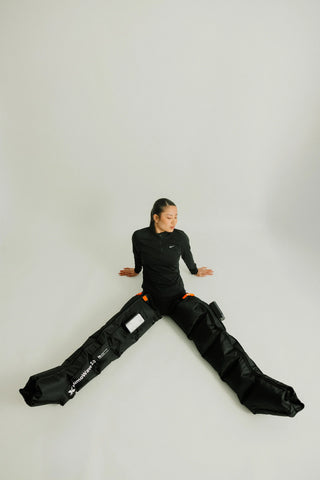
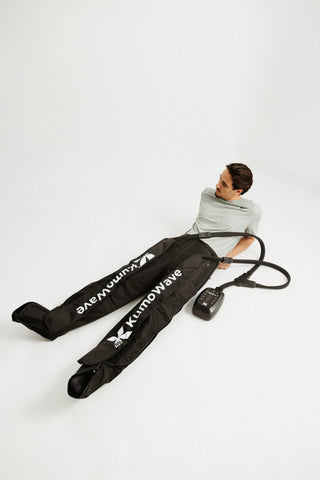
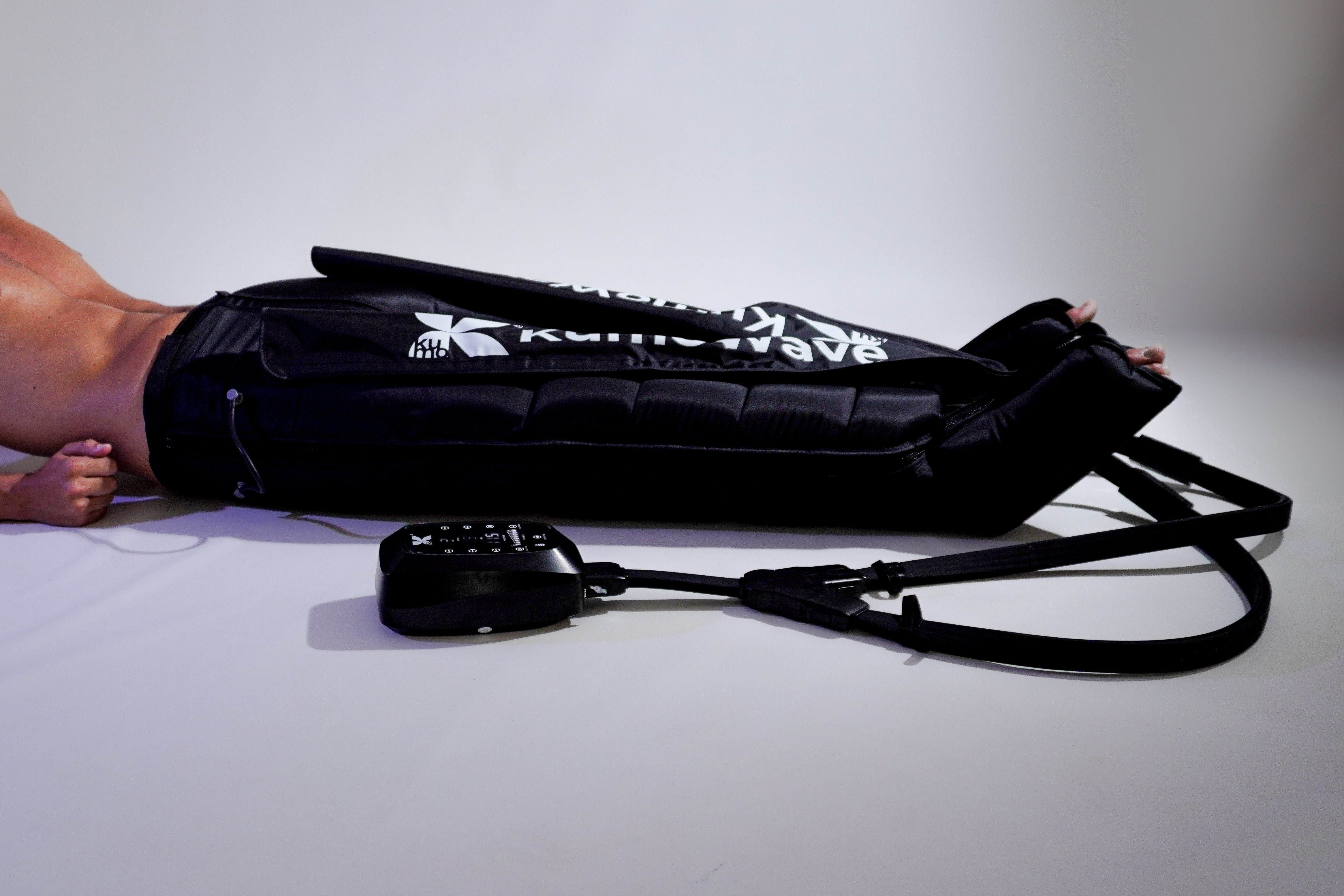
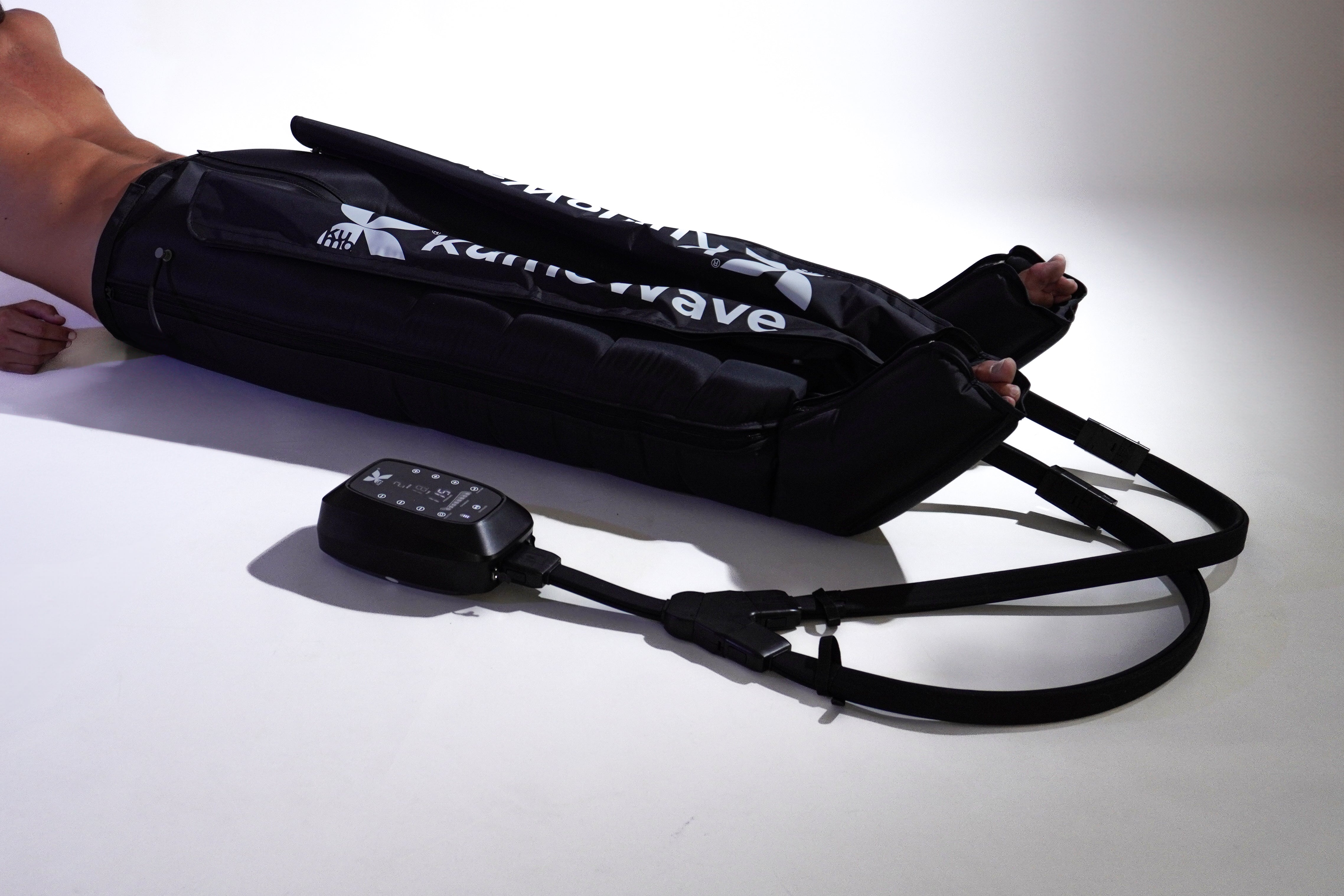
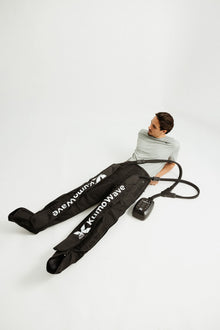
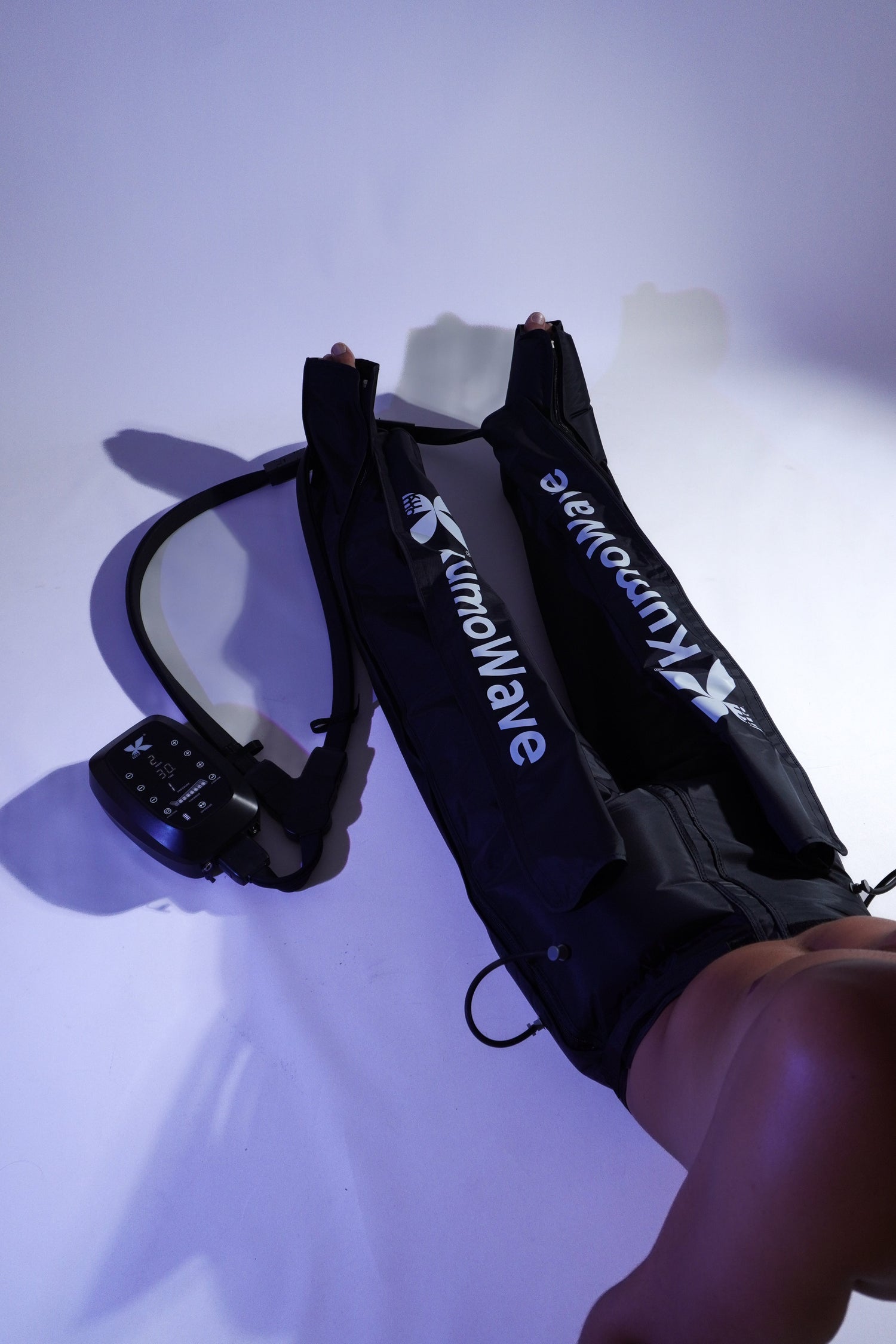
Pressotherapy: lighter legs and circulation as a ritual
Compression boots are designed to create a guided unloading effect (especially useful if you accumulate leg fatigue from sports or spending many hours on your feet). Evidence for sports recovery with intermittent pneumatic compression (IPC) is mixed : recent reviews find modest or inconclusive results in 24-hour muscle soreness, although some trials report improvements in perceived discomfort. ( pubmed.ncbi.nlm.nih.gov )
If you want to integrate this part into your corner, start with the Kumo pressotherapy section: Kumo pressotherapy boots .
Red light therapy / photobiomodulation: an extra layer for your routine
Photobiomodulation (red and/or near-infrared light) is studied for its interaction with cellular processes (including mitochondrial activity); its use varies greatly depending on the dose, protocol, and objective. ( pubmed.ncbi.nlm.nih.gov )
Regarding performance/recovery, there are controlled studies where red/infrared LED therapy is associated with certain markers of muscle damage or jumping ability within 24–72 h, although the results depend on the protocol. ( pubmed.ncbi.nlm.nih.gov )
To explore this category within Kumo: Kumo LED light therapy .
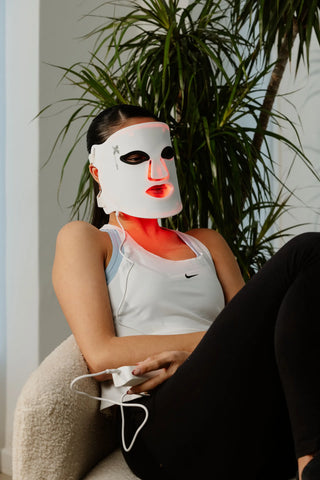
LED mask: skin and “self-care” with structure
For skin, at-home LED devices are used to support cosmetic routines. The American Academy of Dermatology (AAD) notes that red light therapy can produce subtle to visible results in some cases, but recommends realistic expectations , following instructions, and taking precautions (including eye protection if indicated by the device, and consulting about photosensitizing medications or skin that is more sensitive to visible light). ( aad.org )
In acne, research exists on "at-home" LED devices, with variable results depending on the studies and methodological quality. ( pubmed.ncbi.nlm.nih.gov )
Massage gun: localized tension, fast and practical
Massage guns (percussion) are popular due to their ease of use. Evidence is mixed: some studies show limited effects on short-term performance metrics, while the subjective experience of shock may be beneficial as part of the ritual (especially when used in moderation and with good technique). ( pmc.ncbi.nlm.nih.gov )
If you want to integrate this tool into your recovery corner with Kumo, you can check out the KumoPulse Air massage gun .
3) Hygiene: the system that prevents irritations, bad odors and abandonment
Hygiene isn't just a detail: it's what allows you to use the space every day without any "logistical laziness." Your goal is to create a simple circuit: use → clean → dry → store .
Basic rules (clear and realistic)
- Wash your hands before touching your face, LED mask, or remote controls. The CDC recommends washing with soap and water for at least 20 seconds in community settings. ( cdc.gov )
- Separate textiles : one towel for "in use" and another for "clean".
- Ventilate and dry : sustained humidity is the enemy (odor + material lifespan).
- Follow the manufacturer's instructions for each device: it's the safest way to clean without damaging it. ( cdc.gov )
How to clean without damaging (electronics and surfaces)
For external surfaces of electronics, many brands recommend gentle solutions. For example, Apple states that you can clean the exterior of your iPhone with a 70% isopropyl alcohol wipe (or other Apple-specific wipes), avoiding moisture in openings and without submerging the device. Use this as a guideline for safe cleaning of controllers and screens: minimal moisture, a soft cloth, and nothing abrasive. ( support.apple.com )
Mini hygiene protocol (1 minute) after each use
- Dry cloth to remove sweat or cream (if applicable).
- Slightly dampened cloth (as recommended by the product) in contact areas.
- Air drying 5–10 minutes (if the material allows).
- Stored in a “clean” area (box/shelf).
4) Constancy: the “minimum viable plan” that is maintained
A recovery corner isn't measured by heroic sessions, but by repetitions. Two key elements help a lot:
- Anchor 1: after training (even if it's just 8–10 minutes).
- Anchor 2: before going to sleep (a brief and calm ritual).
Sleep as the foundation of any recovery
If your recovery corner helps you sleep better, you've already won. The CDC recommends that adults (18–60) get 7 hours or more of sleep per night. ( cdc.gov )
Ready-to-use routines (no filler)
“Express” Routine (10 minutes) — for days with little time:
- 2 min: slow breathing (4–6 breaths/min if you feel comfortable).
- 5 min: localized discharge (self-massage or gentle percussion in the charged area).
- 3 min: very gentle stretching or mobility (without seeking pain).
“Light Legs” Routine (20–30 minutes) — for days with a heavy lower body workload:
- 20–30 min: pressotherapy (according to the device protocol).
- Finally: 1–2 min of hydration + brief leg elevation if you feel good.
“Night” Routine (8–15 minutes) — to wind down:
- Warm ambient light, mobile in sleep mode.
- Brief light session (if applicable and following instructions).
- 2–3 min of breathing or light reading.
5) User experience: how to make your recovery corner “irresistible”
Reduce friction: “everything by hand”
- A single visible cable (if possible), with a fixed and tidy power strip.
- Remote control/timer holder (avoid looking for it).
- Basket with: clean cloth, cleaning cloth, hairband, water.
Design the atmosphere (without turning it into a huge spa)
- Sound : quiet playlist or silence (the important thing is repeatability).
- Temperature : If you tend to get cold, have a blanket ready.
- Scent : Avoid strong perfumes on your skin if you're going to use an LED mask; prioritize neutrality.
Safety and “when not to use” (common sense + prudence)
Without alarmism, but with responsibility:
- Light (LED/red) : If you have a photosensitive condition, are taking photosensitizing medication, or have dermatological concerns, consult a doctor beforehand. The AAD recommends taking precautions and following instructions, including eye protection if applicable. ( aad.org )
- Pressotherapy : If you have a relevant vascular history, unusual pain, asymmetric swelling, or a diagnosed condition, seek medical advice before using compression at home.
- Percussion : avoid bony areas, wounds, acute pain or significant inflammation; less is more.
Assembly plan in 30–60 minutes (step by step)
- Define your main goal : legs / muscles / skin / sleep.
- Choose the seat or base : stable chair or mat.
- Prepare the hygiene station : two cloths + drying point.
- Organize the power : power strip + fixed wiring so you don't have to assemble/disassemble it every time.
- Leave a "consistency kit" : water + checklist + timer (if you need it).
- Schedule a minimum of 3 weekly sessions (and a 10-minute micro-session for difficult days).
Practical table: example of a weekly routine (adaptable)
A simple calendar to avoid improvisation
| Day | Aim | Session (time) | Hygiene at the end |
|---|---|---|---|
| Monday | Legs | Pressotherapy (20–30 min) | Contact cloth + air drying + storage |
| Tuesday | Localized muscle | Gentle percussion (5–8 min) + mobility (5 min) | Dry cloth + light cleaning of the printhead (as instructed) |
| Wednesday | Sleep/relaxation | Evening routine (8–15 min) | Hands (20 s) + clean/sanitize touched surfaces |
| Thursday | Fur | LED mask (depending on the device) + hydration | Clean mask + dry completely before storing |
| Friday | Legs + calm | Pressotherapy (20 min) + breathing (2 min) | Cloth + drying + storage in a “clean” area |
| Saturday | Express | Express routine (10 min) | Quick wipe + tidy up the space (1 min) |
| Sunday | Reset | Gentle mobility (10–15 min) + week preparation | Textile inspection + cloth replacement |
Useful resources (for in-depth study without getting lost)
- CDC: Sleep recommendations by age
- AAD: Precautions and realism with red light therapy
- WHO (2020): Guide to physical activity and sedentary behavior
- CDC: Handwashing Guide
- Review (2025): Photobiomodulation, IPC and NMES in muscle recovery
Frequently Asked Questions (FAQ) about Kumo and your recovery corner
How much space do I need to set up a recovery corner with Kumo at home?
In practice, 1–2 m² is enough if you plan well. The important thing isn't the size, but the ease of use : a stable seat, an accessible power outlet, and a place to put clean accessories. If you're going to use compression therapy, make sure you can sit comfortably with your legs extended and have a place where the boots can dry before storing them. A small but always ready corner usually works better than a large area that requires assembly.
How do I integrate hygiene into my daily recovery corner routine effortlessly?
The best strategy is to create a fixed "route": use → clean → dry → store . Keep two cloths in sight (one clean, one for cleaning), and designate a drying area (a shelf or ventilated rack). Wash your hands before touching your face or mask; the CDC recommends rubbing them with soap and water for at least 20 seconds . ( cdc.gov ) If you make this an automatic 60-second step, consistency increases and irritation decreases.
How often should I use LED or red light in my recovery corner?
There is no universal frequency: it depends on the device, the goal, and your tolerance. The American Academy of Dermatology explains that it is not a "one-time" treatment, and that with at-home devices, results can be subtle and require regular use following the instructions. ( aad.org ) If you have sensitive skin, are taking photosensitizing medication, or have any concerns (for example, a tendency toward hyperpigmentation), prioritize caution and consult a dermatologist to adjust your usage accordingly.
Does at-home pressotherapy help with recovery or does it just "feel good"?
It might fit nicely into a light-legs ritual, but let's be honest: in sports research, the evidence on compression boots is mixed . Recent reviews find modest or inconclusive effects on 24-hour muscle soreness in some analyses, while certain trials report improvements in perceived discomfort or specific parameters. ( pubmed.ncbi.nlm.nih.gov ) In a recovery corner, the practical advantage is that it facilitates a guided, comfortable, and repeatable session, which many people stick to better than impromptu long stretches.
What minimum routine do you recommend if I only have 10 minutes a day?
The minimum useful routine is one you can repeat even when tired: 2 minutes of slow breathing, 5 minutes of localized muscle release (with self-massage or gentle percussion), and 3 minutes of very light movement. If you do it at the same time every day (for example, after a workout or before bed), your brain will automate it. And remember: sleep is still essential; the CDC recommends 7 hours or more for adults aged 18 to 60. ( cdc.gov ) Your recovery corner should help you go to bed more "switched off," not more energized.
So what now?
If you want to make recovery a beautiful and easy-to-maintain habit, start by setting up your space with the essentials and gradually add technology with intention. Discover the Kumo universe on the official Kumo website , explore LED therapy or pressotherapy depending on your goal, and if you need guidance on fitting it into your daily routine, you can contact them through the contact page.

Red & infrared light
KumoLux Panel – Red and Infrared LED Panel
★★★★★ 4,8/5 · rated by verified customers
- 660 nm red + 850 nm infrared light
- Full-body muscle recovery
- Clinically validated biohacking protocols
€399,00€499,00· pay in installments with seQura or Klarna