

Premenstrual bloating can indeed be improved. It usually starts one to two weeks before your period and disappears after menstruation begins, so it's best to treat it as a cyclical symptom and not as something inevitable.
The most useful combination is usually simple: less salt, more movement, good rest, and observation of your symptom pattern. If fluid retention appears suddenly, outside your usual window, or with warning signs, we are no longer talking about simple PMS, and it warrants medical review.
Pressotherapy at home
End the day with light legs
★★★★★ 4,8/5 · rated by verified customers
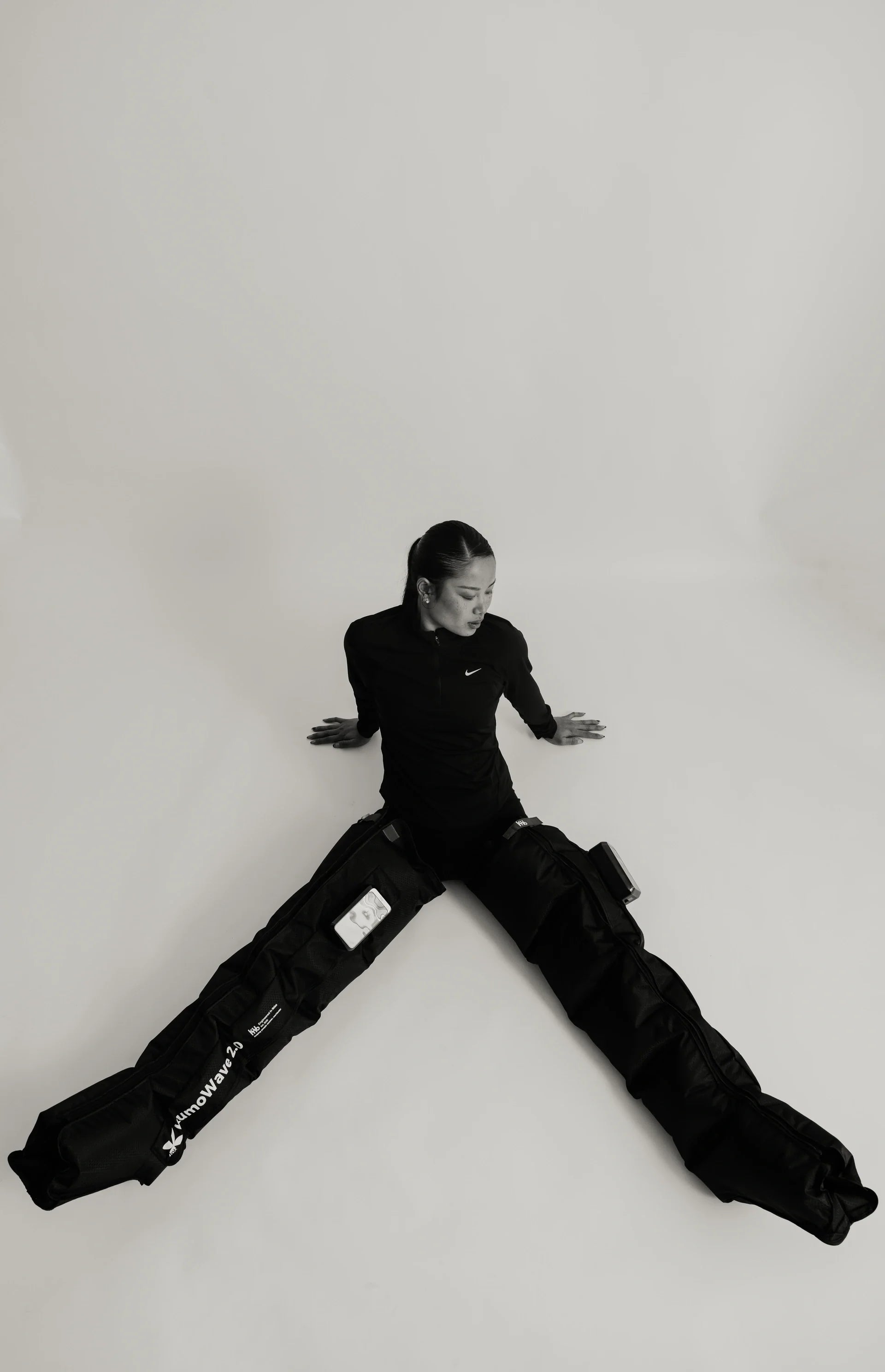
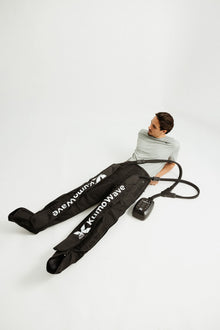
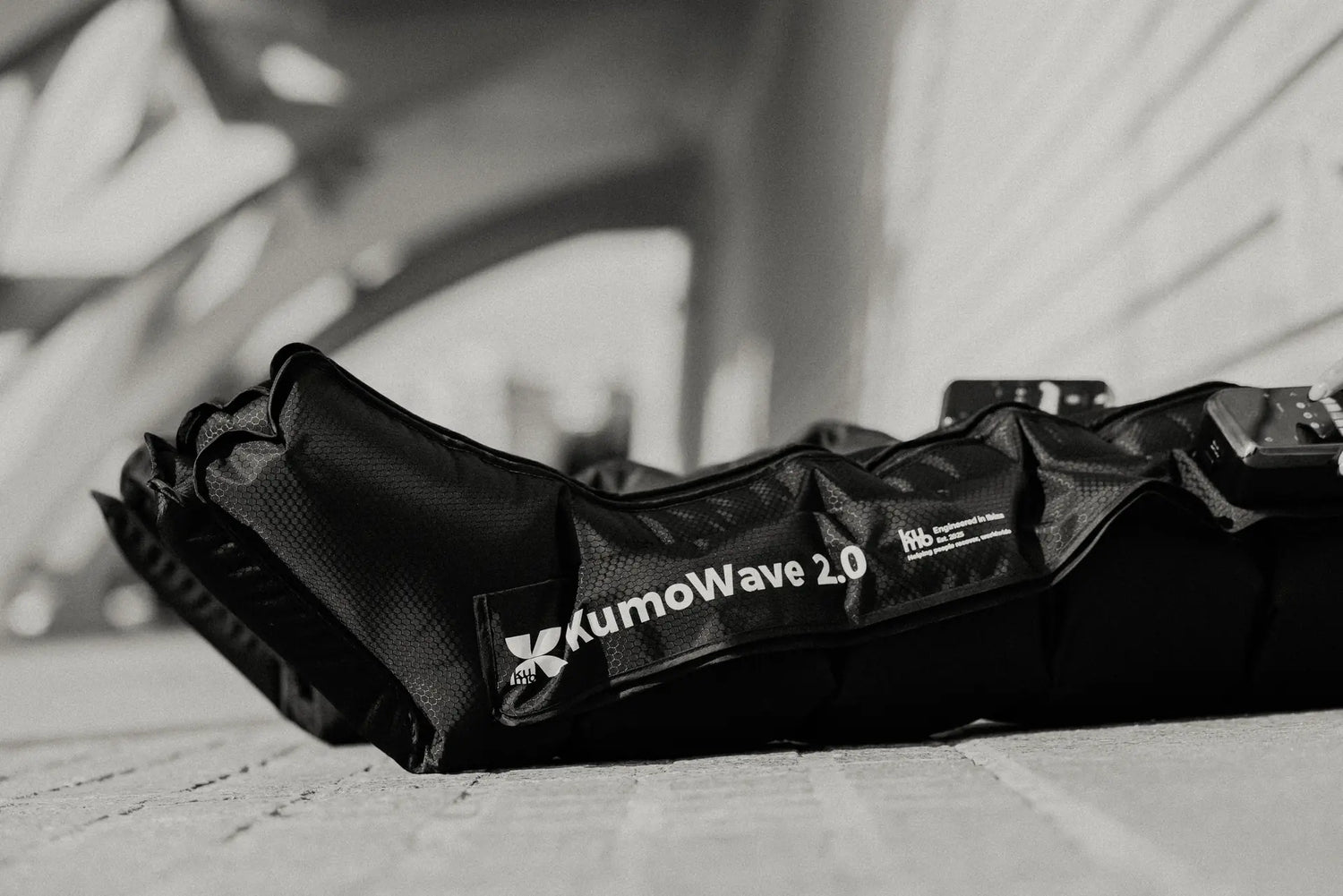
KumoWave pressotherapy boosts circulation and helps drain fluid with sequential compression, in 20-minute sessions at home.
- Boosts circulation and helps drain fluid
- Chamber-based compression, adjustable to you
- Sequential compression that mimics manual drainage
€799,00€999,00
−10% on your 1st order when you subscribe to the newsletter

Why does fluid retention occur before menstruation?
During premenstrual syndrome, hormonal changes seem to influence bloating, breast tenderness, weight gain, and feelings of heaviness. Not all women experience it the same way, and symptoms can vary from one cycle to another and even throughout life.
The official factsheet for premenstrual syndrome on MedlinePlus in Spanish summarizes this pattern well: physical and emotional symptoms that appear before the period and usually subside when menstruation begins.
Personalized protocol · included with your purchase
Want us to tell you how to use it in your case?
With your purchase, our experts prepare a personalized usage protocol for your case: sport, circulation, fluid retention, pregnancy or lipedema.
Message us on WhatsAppOur experts reply · no obligation
What to do to relieve it every month
There is no single magic solution. In practice, the most sensible measures are those that lower sodium intake, keep the body moving, and prevent the premenstrual period from catching you with disordered habits.
Useful measures and how to apply them every month
| Measure | How to apply it in practice | Clinical basis |
|---|---|---|
| Less salt and ultra-processed foods | During the 10-14 days prior, prioritize home-cooked meals and reduce salty snacks, sauces, cured meats, and prepared dishes. | Salt promotes water retention, and sodium control helps relieve bloating. |
| Regular aerobic exercise | Walk briskly, cycle, swim, or do another similar activity for about 30 minutes most days. | ACOG notes that regular exercise can alleviate PMS symptoms and recommends doing it consistently, not just when you already feel bloated. |
| Rest and stress control | Prioritize sleep, slow down when you can, and add breathing, yoga, or relaxation if you notice that stress worsens your discomfort. | MedlinePlus includes getting enough sleep, and ACOG mentions relaxation techniques as support for premenstrual symptoms. |
| Consistent hydration | Drink water throughout the day, especially if you have reduced salt intake or spend many hours away from home. | Cleveland Clinic indicates that good hydration helps compensate for excess sodium and improves the feeling of bloating. (health.clevelandclinic.org) |
If you want to set up a more complete routine, here's a practical guide on habits, foods, and exercises that really help when fluid retention recurs month after month.
Diet: what to eat and what to limit
Diet matters, but not through punishment. What usually works best is to eat more simply in the days leading up, reduce salty foods, and observe if caffeine, sugar, or alcohol worsen your bloating. MedlinePlus also mentions that some people find relief by avoiding these triggers in the two weeks before their period.
on your first order when you join the newsletter
We send you the code instantly. No spam.
Foods that usually work better
- Home-cooked and low-salt dishes, as they help you better control your total daily sodium intake.
- Balanced and regular meals, as MedlinePlus includes "healthy foods" among the measures for PMS relief.
- Water distributed throughout the day, especially if you feel heavier that month.
The blog also has a review of natural diuretic foods that can serve as inspiration for better organizing these days.
What to limit before your period
- Excess salt, as it is associated with more water retention and increased bloating.
- Caffeine if you notice it worsens your discomfort or disturbs your sleep.
- Sugar and alcohol in the pre-menstrual phase if you identify that they make you feel more bloated.
Movement, rest, and heavy legs
Regular movement helps prevent heaviness from accumulating. ACOG recommends regular aerobic exercise, and MedlinePlus includes exercise and sufficient sleep among the useful measures for PMS.
If the sensation is mainly in your ankles or legs, you might be interested in this explanation about fluid retention in legs, as premenstrual discomfort often mixes with daily heaviness there.
- Take active breaks if you spend a lot of time sitting or standing.
- Elevate your legs when you feel heaviness, especially at the end of the day.
- Maintain aerobic exercise as a basic habit, not as a last-minute solution.
Do supplements or diuretics work?
In some cases, supplements can help, but they are not a universal starting point. MedlinePlus mentions studies with calcium and vitamin B6, and ACOG notes that magnesium can help reduce water retention and other symptoms, always with caution and professional advice.
Diuretics may be prescribed when bloating is the main symptom, but they should be evaluated by a professional. They are not a decision to improvise at home, especially if you take other medications or have a history of kidney, heart, or high blood pressure issues.
When to stop thinking it's "just PMS"
If bloating does not follow your usual pattern, appears suddenly, or is accompanied by severe pain, shortness of breath, or swelling in only one leg, it is advisable to consult a doctor. Cleveland Clinic's guide to edema warns that this type of swelling may require medical evaluation, and MedlinePlus reminds us that a professional may order tests to rule out other causes.
The key sign is not just "more swelling," but rather when swelling changes pattern, appears suddenly, or comes with other symptoms.
- Consult a doctor if swelling is concentrated in only one leg, especially if it is new or has no clear explanation.
- Seek attention if you experience shortness of breath, severe pain, fever, or difficulty performing your normal routine.
- Do not assume that all edema is premenstrual if the symptom persists outside the usual cycle window.
FAQ about premenstrual fluid retention
What natural measures work to relieve premenstrual fluid retention each month?
The most useful approach is usually to combine several small measures: reduce salt, move regularly, sleep better, and drink water consistently. MedlinePlus includes exercise, rest, and a healthy diet as the basis for PMS management, and ACOG adds that regular aerobic activity can alleviate symptoms. The key is to start a few days before bloating appears, not to wait until you already feel very bloated. If you repeat the same pattern each month, consistency outweighs a quick fix.
What foods help reduce premenstrual bloating and which to avoid?
In general, home-cooked, simple, and low-salt meals are more helpful because they allow better control of sodium. It's also advisable to maintain regular and sufficient meals to avoid increased cravings or irregular eating schedules. MedlinePlus recommends avoiding salt, caffeine, sugar, and alcohol in the two weeks leading up to your period if you notice they worsen your symptoms. You don't need to ban them forever; the important thing is to identify what triggers more bloating for you and adjust those specific days of your cycle.
How can regular physical activity reduce fluid retention during premenstrual syndrome?
Physical activity helps in two ways: it improves circulation and reduces the general feeling of heaviness. ACOG recommends regular aerobic exercise, such as brisk walking, running, cycling, or swimming, and suggests doing it consistently throughout the month. MedlinePlus also includes it among the useful measures for PMS. You don't need to train hard; in fact, a moderate and sustained habit is usually more effective, especially if you spend many hours sitting or standing.
Is it safe to take diuretics for premenstrual fluid retention, and when should I consult a doctor?
Diuretics can be used in some cases, but they should not be started on your own. MedlinePlus and ACOG note that they are reserved for when bloating is a significant symptom and their use should be decided by a professional. Before considering them, it's advisable to check if the retention follows the typical cycle pattern, if there are other symptoms, and if you are taking medications that might interact. If you also notice pain, shortness of breath, or swelling in only one leg, medical consultation is no longer optional.
What are the signs of excessive fluid retention in PMS and when to consult?
You should pay attention when bloating no longer seems "normal" premenstrual: for example, if it appears suddenly, is concentrated in only one leg, is accompanied by shortness of breath, fever, or severe pain, or prevents you from carrying out your routine. Cleveland Clinic recommends medical evaluation in these cases, and MedlinePlus reminds us that a professional can rule out other conditions that mimic PMS. If something doesn't align with your usual pattern, it warrants review even if it occurs near your period.
What now?
If you repeat the same pattern every month, start with a simple routine: review the at-home pressotherapy starter guide, explore at-home pressotherapy with KumoWave and lymphatic drainage if heavy legs are your main complaint, and return to the Kumo Balance homepage for more recovery solutions.
KumoWave pressotherapy
Choose your at-home pressotherapy
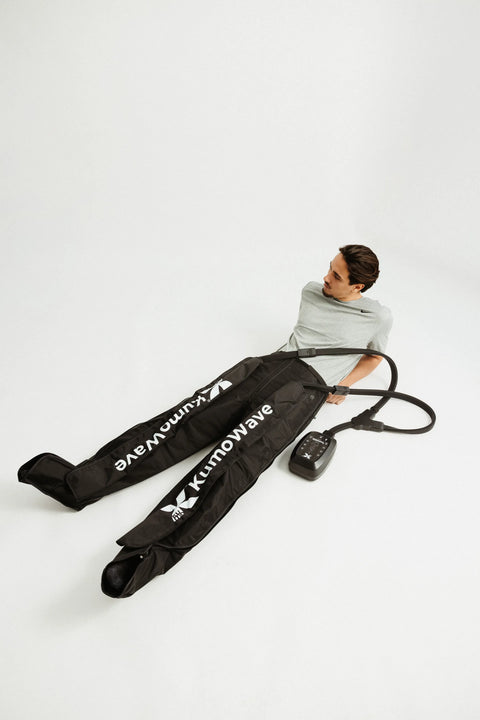
KumoWave Elite – Pressotherapy Pants
Full-coverage trousers. Ideal for lipedema, fluid retention and intensive use.
€799,00 €999,00
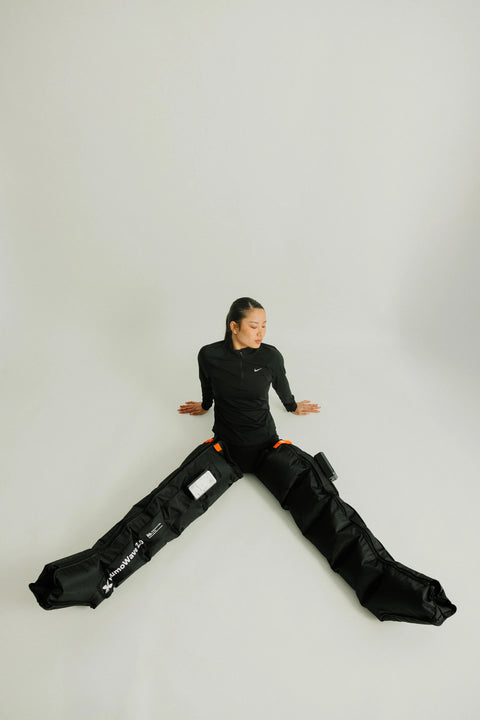
KumoWave 2.0 - Wireless Pressotherapy
Wireless, lightweight boots. Perfect for daily use and recovery.
€499,00 €599,00