Lymphatic drainage can help when swelling is caused by fluid accumulation.
Its clearest use is in lymphedema, where a gentle massage promotes the movement of lymph and can relieve tightness. The actual usefulness depends on the cause, the timing of the treatment, and whether it is combined with other measures.
Pressotherapy at home
End the day with light legs
★★★★★ 4,8/5 · rated by verified customers
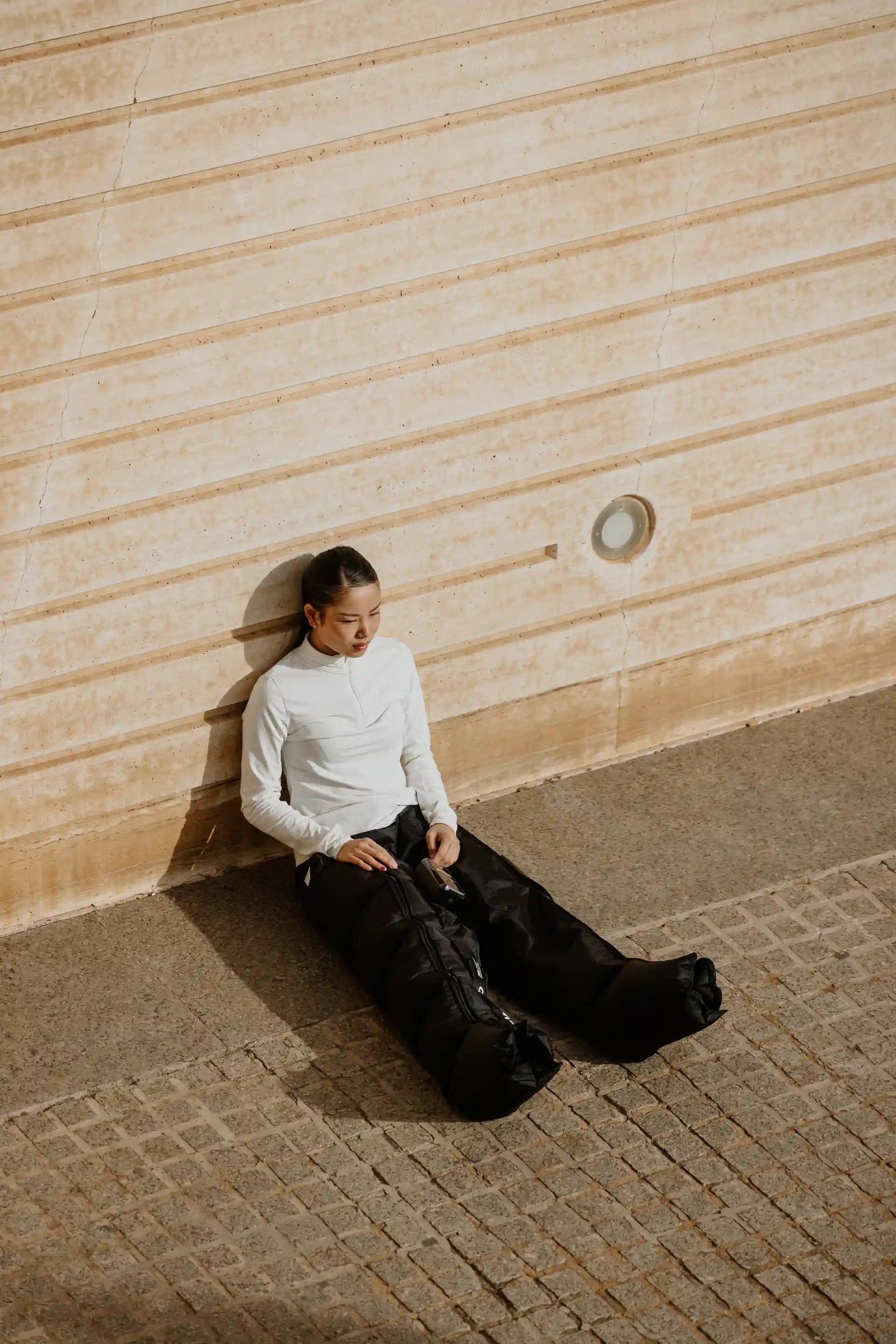
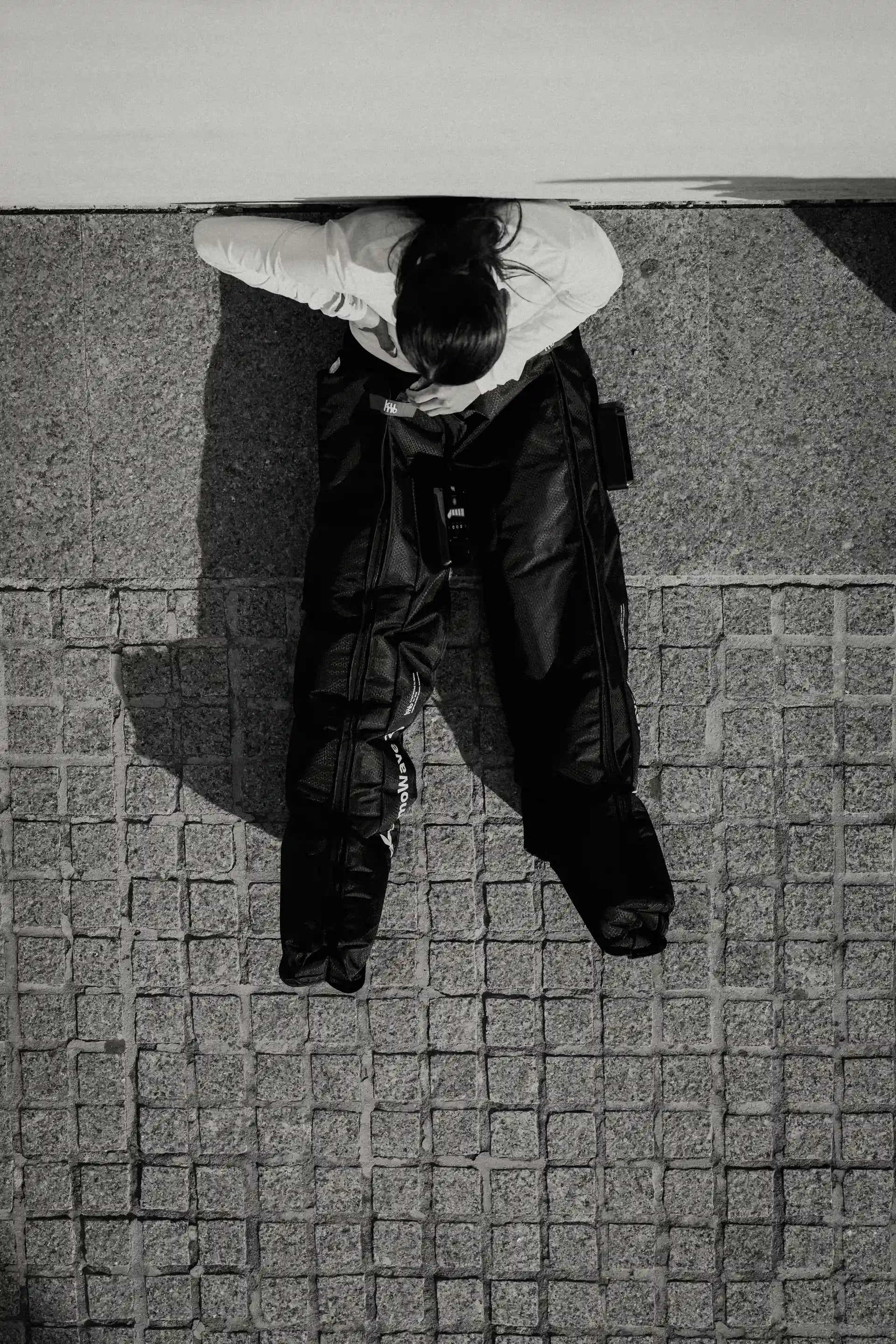
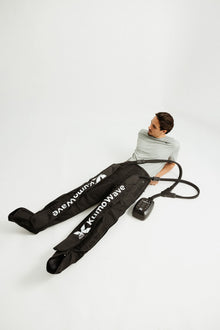
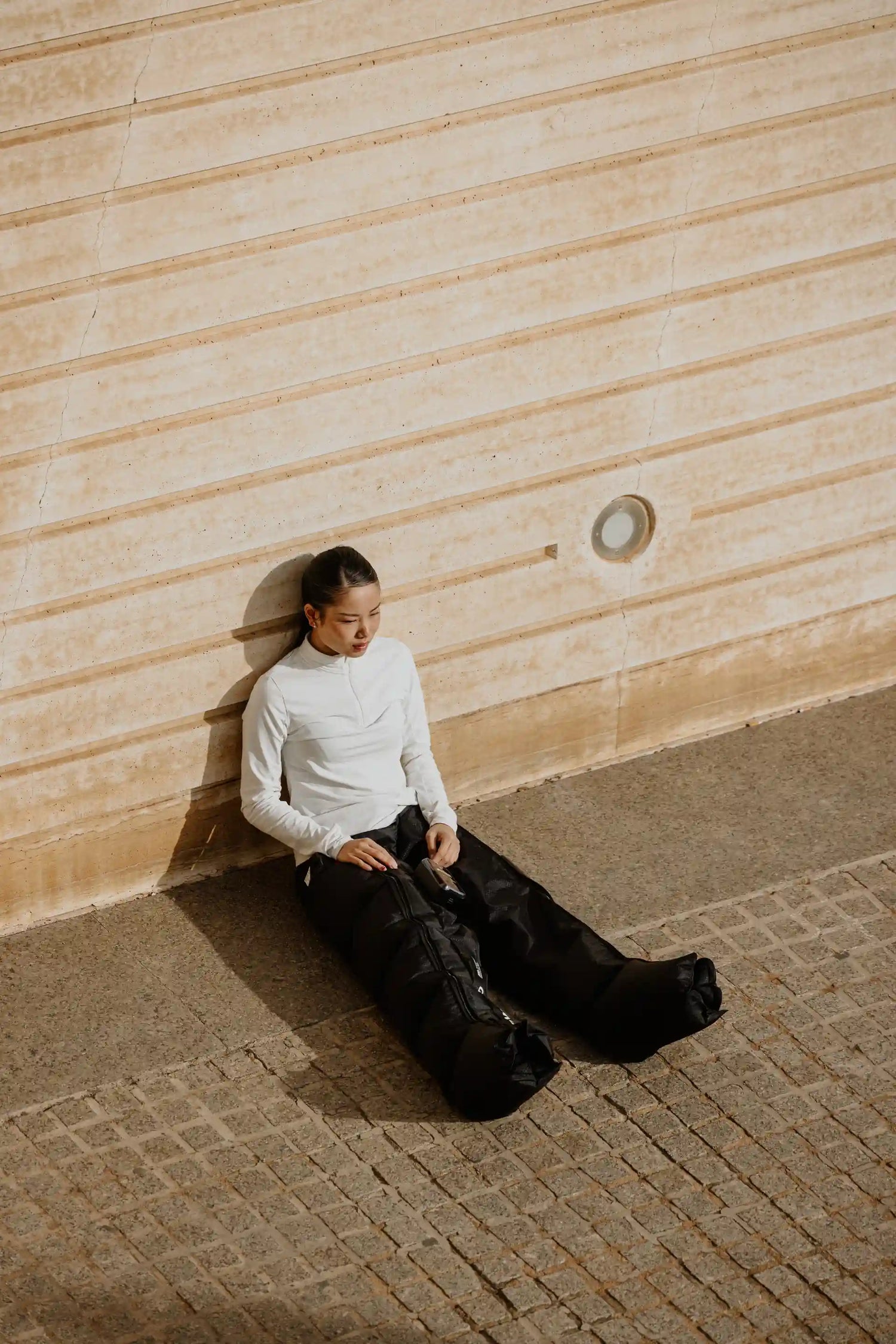
KumoWave pressotherapy boosts circulation and helps drain fluid with sequential compression, in 20-minute sessions at home.
- Boosts circulation and helps drain fluid
- Chamber-based compression, adjustable to you
- Sequential compression that mimics manual drainage
€799,00€999,00
−10% on your 1st order when you subscribe to the newsletter

What is lymphatic drainage and how does it work?
The lymphatic system transports lymph and participates in the body's defenses. When this circulation is disrupted, fluid can accumulate and cause swelling, especially in the arms or legs. The MedlinePlus fact sheet on lymphedema summarizes that treatment usually combines exercise, compression, skin care, and massage.
If you want to see the mechanism in more detail, you can read how lymphatic drainage works.
Personalized protocol · included with your purchase
Want us to tell you how to use it in your case?
With your purchase, our experts prepare a personalized usage protocol for your case: sport, circulation, fluid retention, pregnancy or lipedema.
Message us on WhatsAppOur experts reply · no obligation
Real health benefits of lymphatic drainage
The National Cancer Institute explains in its guide on lymphedema and manual lymphatic drainage that this technique consists of a gentle massage that facilitates lymph movement and is usually integrated into complete decongestive therapy, along with bandaging, exercise, and skin care.
The evidence, however, is not the same for all uses. A 2021 systematic review summarized that some studies observed improvements in volume, quality of life, and symptoms, while others found no added benefits when lymphatic drainage was used as part of a broader plan. (pubmed.ncbi.nlm.nih.gov)
Most common benefits and level of evidence
| Possible benefit | What it can provide | Current level of support |
|---|---|---|
| Less swelling and tightness | It can provide a feeling of lightness and reduced volume when the problem is lymphatic. | It is the benefit with the best support in lymphedema and is part of complete decongestive therapy. |
| Improved facial comfort | It can temporarily decrease the puffy appearance of the face. | Cleveland Clinic describes this use as frequent in the cosmetic field. |
| Support in selected recovery | In some postoperative contexts, it is studied for edema, pain, and mobility. | Evidence is variable; it does not always add advantage in all surgeries. |
| Better integration into a comprehensive plan | It works best when accompanied by compression, exercise, and skin care. | The NCI places it within a multidisciplinary approach to symptom control. |
In which situations can it be useful?
- When there is lymphedema after surgery or radiotherapy, because the goal is to move fluid and improve comfort.
- When the feeling of heaviness is concentrated in the legs and a specific approach like leg lymphatic drainage is advisable to relieve the sensation of heaviness.
- When swelling appears on the face and the objective is purely aesthetic or for comfort, always with a gentle technique.
- When a professional integrates it into a postoperative recovery, knowing that the results depend on the type of intervention.
What the current clinical evidence says
Clinical evidence is not uniform across all scenarios. A 2024 meta-analysis with 7 trials and 285 patients after total knee arthroplasty found no significant differences in range of motion, limb circumference, or pain, and its authors did not recommend it for that specific rehabilitation.
on your first order when you join the newsletter
We send you the code instantly. No spam.
This does not invalidate its use when there is a clear indication; it simply reminds us that the benefit depends on the diagnosis and whether it is combined with other measures such as compression, exercise, and skin care.
Precautions and contraindications
Before trying it, it is advisable to rule out infections, thrombosis, or other situations where massage could be counterproductive. Cleveland Clinic lists clots, cellulitis, deep vein thrombosis, fever, heart disease, infection, kidney failure, and stroke as reasons to avoid it.
It also adds that it should not be applied directly over cancerous tissue or over skin damaged by radiotherapy. If you have redness, local heat, pain, or fever, it is best to consult before massaging the area.
To review these cases more calmly, you can read about contraindications and precautions of lymphatic drainage.
How it fits into a home recovery routine
The NCI notes that manual lymphatic drainage can be taught for home use in some cases, always within a supervised plan when necessary. The technique must be gentle and does not replace professional evaluation.
If you want a practical reference, review the step-by-step guide for lymphatic drainage at home before trying it on your own.
Frequently Asked Questions
Is lymphatic drainage good for fluid retention in the legs?
Yes, it can help if leg swelling is related to lymphedema or edema, because gentle massage promotes lymph movement. The NCI includes it as part of complete decongestive therapy and MedlinePlus reminds us that treatment usually combines compression, exercise, and skin care. However, if the swelling appeared suddenly, is painful, warm, or affects only one leg, infection or thrombosis should be ruled out first before trying it.
When is manual lymphatic drainage recommended?
It is especially recommended for lymphedema, particularly after cancer surgery or radiotherapy. It is also used in some edemas and in selected recovery, but the evidence is not the same for all cases. The idea is not that it "de-swells" any tissue magically, but that it helps move fluid when the problem is drainage. Therefore, the ideal indication is given by a professional who knows the origin of the swelling.
What are the risks and who should not do it?
It should not be done if there are clots, deep vein thrombosis, infection, cellulitis, fever, heart disease, kidney failure, or a recent stroke. Cleveland Clinic also warns against applying it to cancerous tissue or skin damaged by radiotherapy. In these cases, massage can delay necessary care or worsen the condition. If you have doubts, it is better to seek evaluation before starting.
Can lymphatic drainage be done at home?
Yes, in some cases, but not by improvising. The NCI indicates that it can be taught for home use when it is part of a supervised plan. The important thing is that the pressure is very gentle, that the areas are respected, and that there are no contraindications. If you notice pain, increased swelling, dizziness, fever, or redness, you should stop and consult. A well-executed home routine seeks to complement treatment, not replace it.
Does facial lymphatic drainage really reduce swelling?
It can temporarily reduce the feeling of a swollen or puffy face, especially when the cause is mild congestion. Cleveland Clinic describes it as a frequent cosmetic use and notes that it can improve superficial circulation and skin appearance. Even so, it is not a good idea to do it on irritated skin, with active breakouts, or if the swelling has a medical cause that has not yet been evaluated.
What now?
If you want to continue learning and apply these principles to your recovery routine, go back to the Kumo Balance home page or review how lymphatic drainage works before taking the next step.
KumoWave pressotherapy
Choose your at-home pressotherapy
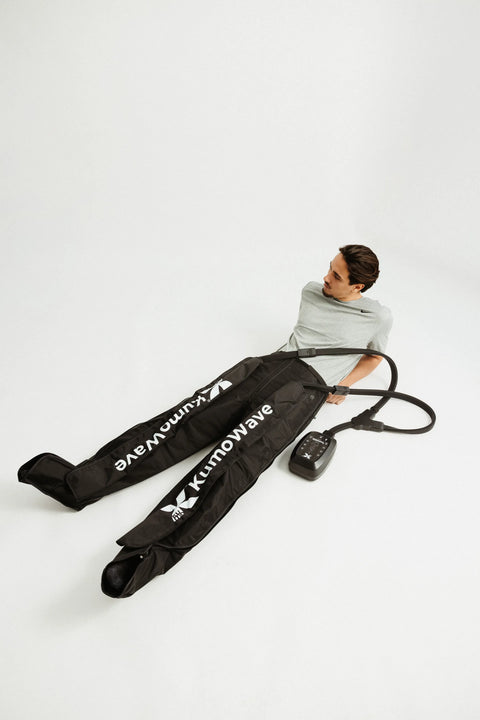
KumoWave Elite – Pressotherapy Pants
Full-coverage trousers. Ideal for lipedema, fluid retention and intensive use.
€799,00 €999,00
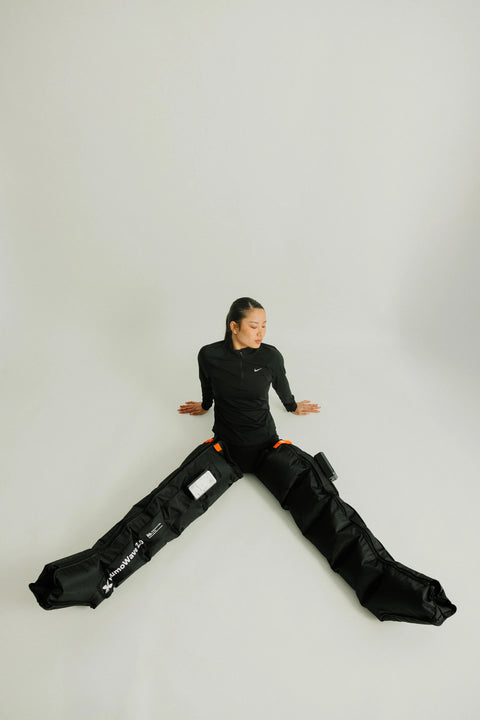
KumoWave 2.0 - Wireless Pressotherapy
Wireless, lightweight boots. Perfect for daily use and recovery.
€499,00 €599,00