Choosing presotherapy boots requires careful consideration.
In 2026, the right purchase depends on how you'll use them, your size, the available pressure, and whether there are contraindications that need to be reviewed before use. Recent evidence doesn't promise miracles: in sports, a 2024 meta-analysis found small effects, and a 2025 review saw no clear advantage over other methods, so it's best to buy for fit and consistency, not marketing.
Pressotherapy at home
End the day with light legs
★★★★★ 4,8/5 · rated by verified customers
KumoWave pressotherapy boosts circulation and helps drain fluid with sequential compression, in 20-minute sessions at home.
- Boosts circulation and helps drain fluid
- Chamber-based compression, adjustable to you
- Sequential compression that mimics manual drainage
€799,00€999,00
−10% on your 1st order when you subscribe to the newsletter

What they are and who they make sense for
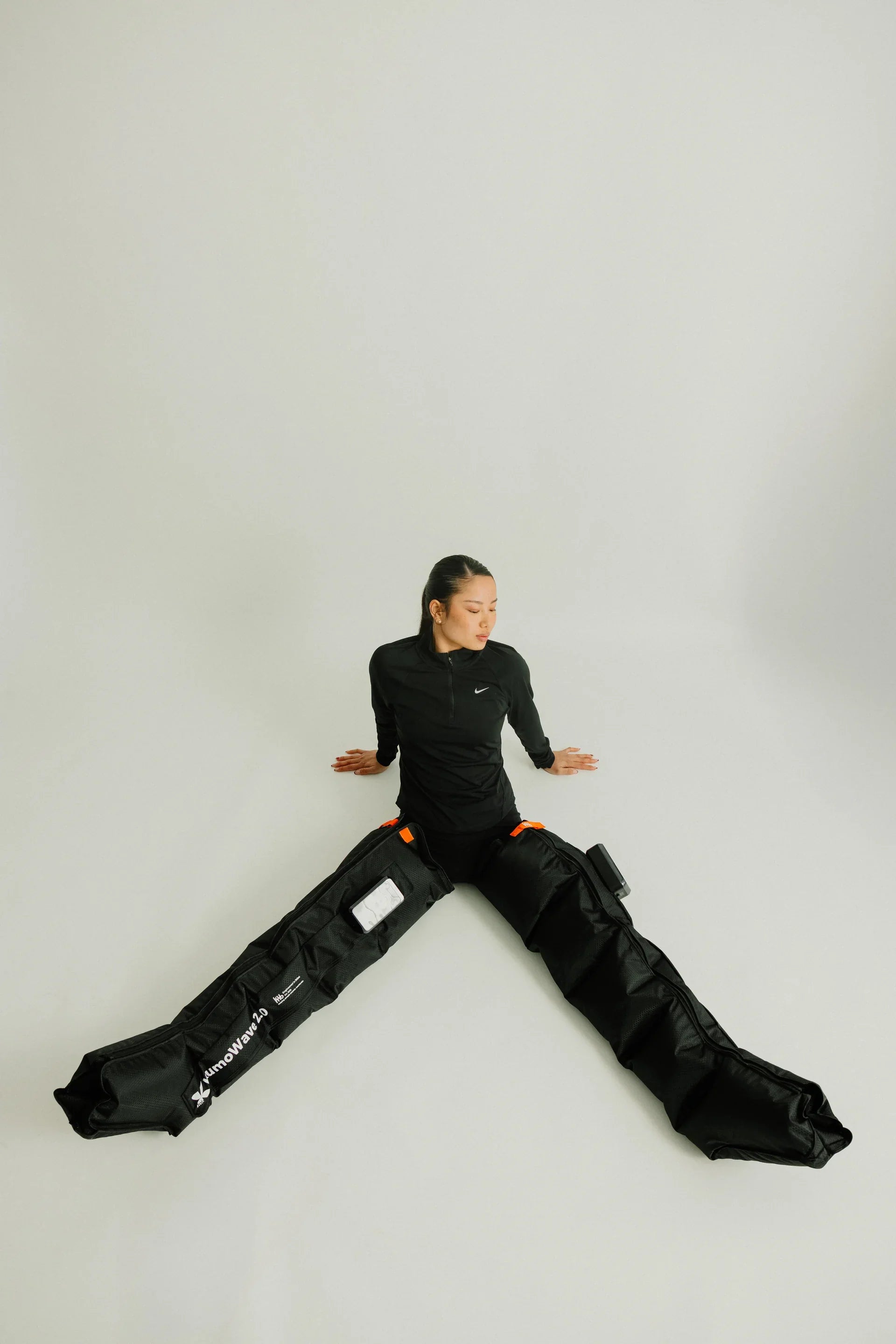
Presotherapy boots use intermittent pneumatic compression: chambers that inflate and deflate to encourage venous return and fluid movement. Clinical guidelines position them as supportive therapy in specific contexts and also consider their home use when indicated correctly.
If you want to apply this idea to a real routine, the 2025 scientific basis and the ideal frequency of use help bridge the gap from theory to practice.
Personalized protocol · included with your purchase
Want us to tell you how to use it in your case?
With your purchase, our experts prepare a personalized usage protocol for your case: sport, circulation, fluid retention, pregnancy or lipedema.
Message us on WhatsAppOur experts reply · no obligation
How to choose presotherapy boots
Sequential compression and number of chambers
Multi-chamber and segmented models often offer more progressive compression than simple systems, because the gradient advances sequentially up the leg. Technical literature describes boots or sleeves with multiple chambers and calibrated pressure, precisely so that the thrust is not abrupt. (pmc.ncbi.nlm.nih.gov)
Pressure, programs, and session time
For athletic use, there is no magic number. A 2024 meta-analysis gathered 17 studies and 319 participants; it found small benefits in muscle function and pain, and noted common protocols of 20 to 30 minutes at around 80 mmHg. A 2025 review, however, did not find clear superiority over other methods.
Size, comfort, and home use
A good fit outweighs aggressive pressure. The official FDA guide on home-use devices reminds us that, at home, user capability, environment, and instructions for use matter; if buying online, it's advisable to check that the seller is reliable and that returns and support are available.
on your first order when you join the newsletter
We send you the code instantly. No spam.
Maintenance and durability
If you anticipate frequent use, look for easy-to-clean materials and maintenance that doesn't complicate your routine. Following manufacturer instructions is essential, and the cleaning and maintenance guide will serve as a checklist.
Quick criteria for success
Before getting carried away by flashy features, review safety, fit, cleanliness, clarity of use, and ease of purchase. Clinical guidelines and the FDA emphasize that home use depends as much on the indication as on the environment and actual handling of the equipment.
Purchase criteria table
| Criterion | What you should look for | Why it matters |
|---|---|---|
| Chambers and sequence | Segmented and progressive compression. | Promotes a more uniform feel and finer adjustment. |
| Adjustable pressure | An easy-to-adjust range with a gentle start. | Improves tolerance and reduces the feeling of excess. |
| Size and fit | Clear measurements, well-explained sizes, and, if necessary, extenders. | Helps prevent leaks, discomfort, and irregular use. |
| Programs | Understandable and easy-to-repeat modes. | Makes it easier to maintain a consistent routine. |
| Cleaning | Easy-to-care-for surfaces and accessories. | Important for hygiene, durability, and safety. |
| Support | Clear documentation, returns, and after-sales service. | Reduces purchasing errors, especially online. |
If your main goal is sports recovery, don't buy based on absolute promises: the data remains moderate and heterogeneous. For realistic expectations, the 2024 meta-analysis on sports recovery and the 2025 review on compression boots for recovery are a good basis.
And to avoid losing benefit due to a bad habit, the guide to common presotherapy boot errors summarizes what to avoid from day one.
If the purchase will be online, the FDA's FAQs on home use adds two practical filters: check that the seller is reliable and review the return policy and support before paying. The FDA also reminds that it does not recommend specific models and that the choice should be based on the instructions for use and the user's real needs.
When to seek professional evaluation
There are situations where a purchase should await professional evaluation. The S1 guideline on intermittent pneumatic compression and the international consensus on risks and contraindications remind us that there are absolute and relative contraindications, and that correct use is safe, but not indiscriminate.
- Deep vein thrombosis, pulmonary embolism, or active thrombophlebitis. (pmc.ncbi.nlm.nih.gov)
- Decompensated heart failure or pulmonary edema.
- Severe peripheral arterial disease or significant limb ischemia. (pmc.ncbi.nlm.nih.gov)
- Active skin infection, severe dermatitis, or recent wounds in the treatment area.
Serious complications are rare when contraindications and correct use are respected. If your case falls into one of these categories or you have doubts, the guide to benefits and contraindications helps to better understand the context, but the final decision must be clinical.
Frequently Asked Questions
How many chambers are advisable in presotherapy boots?
There is no universal number, but multi-chamber systems usually provide more segmented and progressive compression. Technical evidence describes this design as generating the best gradient along the leg. If you are looking for daily comfort, also prioritize size and fit; a well-adapted device usually performs better than a "more powerful" but uncomfortable one.
What pressure should I look for to use at home?
There is no single pressure for everyone. In sports recovery, the most commonly used studies ranged from 20 to 30 minutes and around 80 mmHg, but the evidence remains variable. For home use, it is reasonable to start at the most comfortable level and only increase if the manual and your tolerance allow; if there is pain, tingling, or sustained discomfort, stop and review the settings.
Are they suitable for heavy legs, edema, or lipedema?
Yes, they can be a supportive measure when the indication is correct. The IPC guide mentions resistant edema, severe venous insufficiency, lymphedema as an added therapy, lipedema, and other specific contexts. This does not mean they replace a diagnosis or are suitable if there are vascular or cardiac concerns; in such cases, it is prudent to seek evaluation before purchasing.
What should I check before buying online?
Check three things: that the seller is reliable, that the product has clear instructions for use, and that returns and support are available if something doesn't fit. The FDA also reminds that it does not recommend specific models and that, for home use, the environment and the user's ability must be part of the decision. If you buy blindly, the chances of making mistakes in size, use, or maintenance increase.
What now?
If you already know what you're looking for, take the next step from Kumo Balance and compare your choice with the 2025 home use guide; if you prefer to refine care before deciding, the cleaning and maintenance will serve as a final review.
KumoWave pressotherapy
Choose your at-home pressotherapy
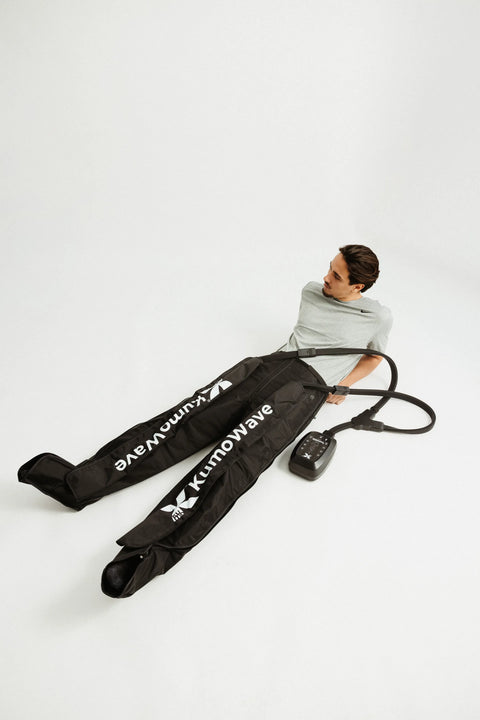
KumoWave Elite – Pressotherapy Pants
Full-coverage trousers. Ideal for lipedema, fluid retention and intensive use.
€799,00 €999,00
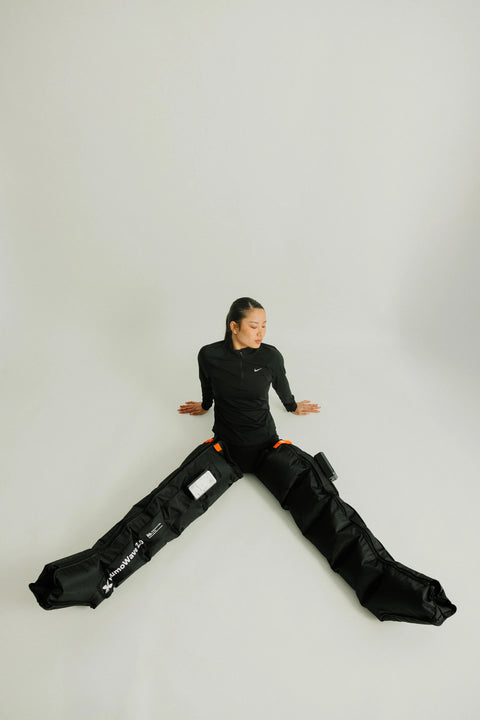
KumoWave 2.0 - Wireless Pressotherapy
Wireless, lightweight boots. Perfect for daily use and recovery.
€499,00 €599,00